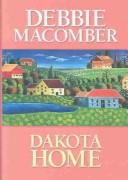

The Warmth That Gets You
Debbie Macomber has spent four decades writing about the same things: the way a small town becomes its own character, the friendships between women that quietly hold entire lives together, and the particular tenderness of a love story that starts not with fireworks but with someone showing up reliably. Her Cedar Cove series, set in a fictional Pacific Northwest coastal town, sold more than 30 million copies and became a Hallmark Channel television series. Her Blossom Street books, centered on a Seattle knitting shop and the women who pass through it, use craft as a container for grief, hope, and reinvention.
What fans respond to is not complexity or surprise but something harder to manufacture: conviction. Macomber writes as though the stakes in ordinary domestic life are genuinely high, because in her view they are. A Navy wife managing months of loneliness, a widow finding a reason to reopen a shop, a woman in her fifties discovering the person she was supposed to become: all of these carry the same moral weight she might give a thriller. The pleasure is in trusting that warmth and decency will win, and in spending time in places and with people who feel like good company.
Essential Debbie Macomber
Her own books: the best entry points into her world


Small Towns With Big Feelings
TV series where community is the whole point





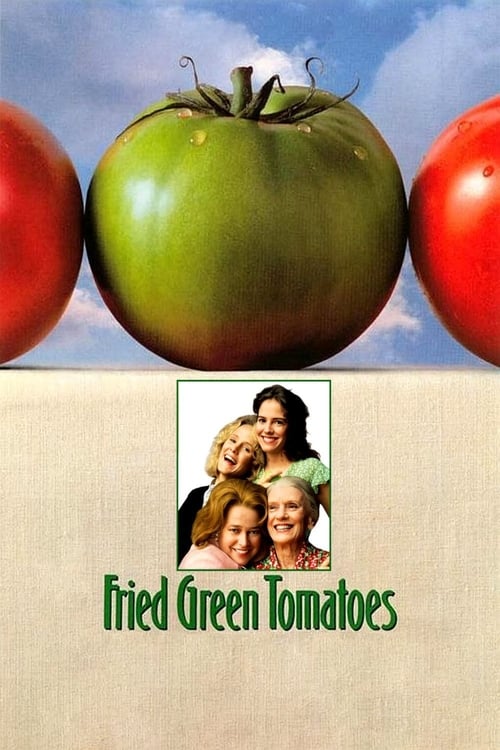
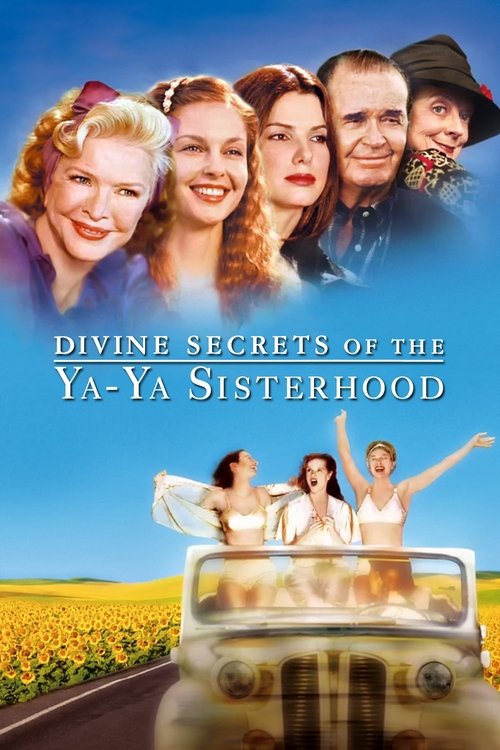
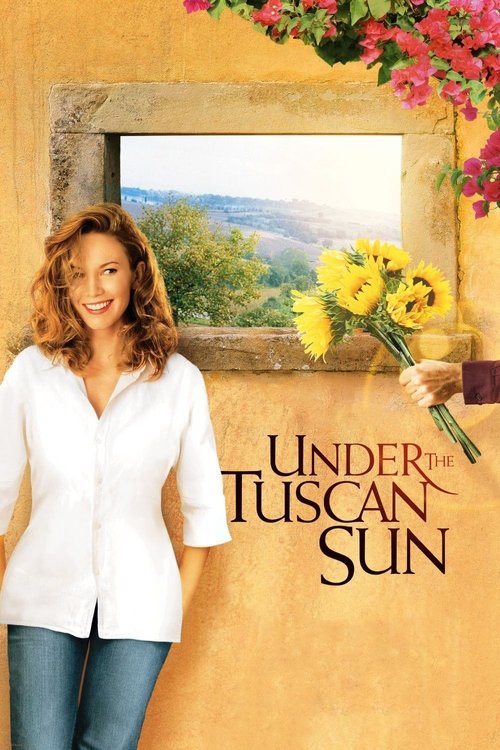
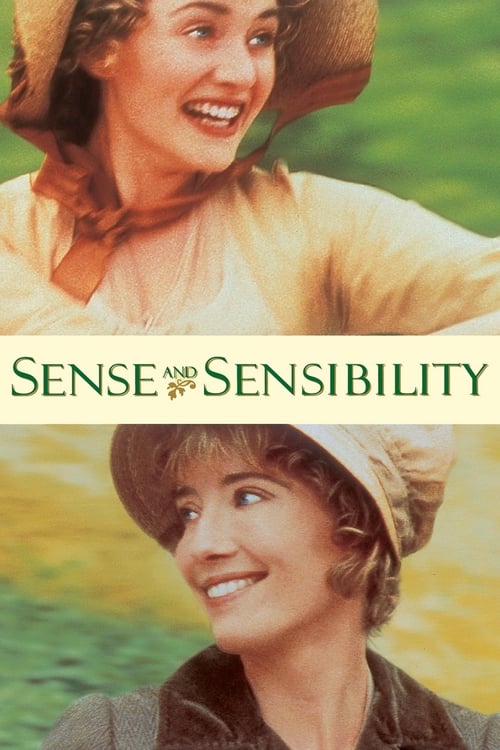
Women, Friendship, and Getting Through It
Films that share Macomber's faith in female solidarity







Books With the Same Heartbeat
Fiction that trusts in kindness and second chances


Slow Down and Stay a While
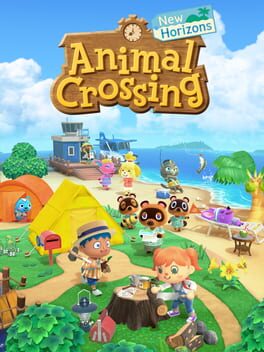
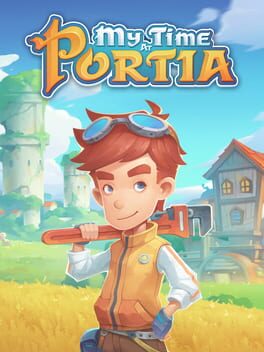
Games about community, care, and belonging somewhere






Music for a Rainy Afternoon
Albums that feel like a handmade quilt: warm, honest, made with care
Start with Virgin River, not Cedar Cove
The Cedar Cove TV adaptation is pleasant enough, but Virgin River on Netflix captures something closer to the Macomber feeling in motion: an outsider arriving in a small Pacific Northwest community, slowly won over by people who have been there long enough to know each other's whole stories. It is warmer, more emotionally honest, and better produced. Start there, then go back to the source material.
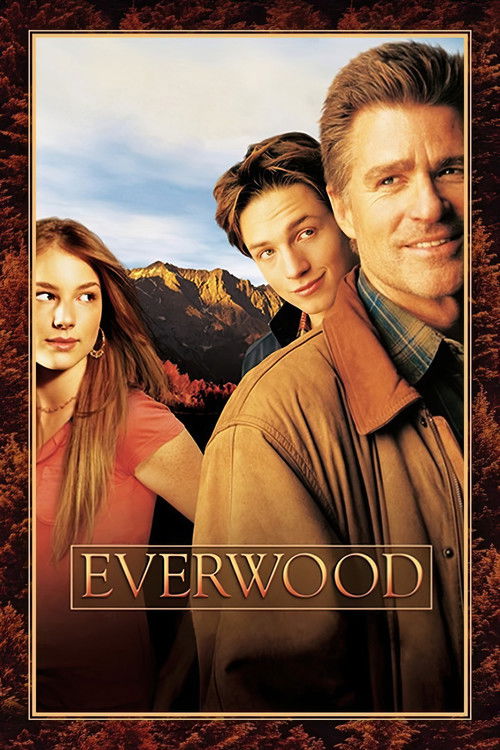
The underrated one: Everwood
Everwood ran for four seasons (2002 to 2006) on the WB and is almost completely forgotten now. A widowed New York surgeon moves his children to a tiny Colorado mountain town and rebuilds his life among people who have no particular reason to welcome him. It is one of the best-written shows about grief, community repair, and what it costs to change that American television has produced. Macomber fans will feel at home within twenty minutes.
Spiritfarer is the game Macomber would write
Spiritfarer is a management game about ferrying the souls of the dying to their final rest. That sounds grim. It is not. It is one of the warmest, most community-oriented games ever made, built entirely around cooking for people, listening to their stories, and letting them go when they are ready. The emotional register is identical to what Macomber does in prose: small acts of care accumulating into something large.
The spiritual successor is Kristin Hannah
Kristin Hannah writes larger, more dramatic books than Macomber, but the emotional core is the same: women holding families and communities together under pressure, the landscape of the Pacific Northwest as a moral backdrop, and the belief that love can survive almost anything if people choose it. Start with Firefly Lane, which tracks a thirty-year female friendship with the same warmth Macomber brings to a Cedar Cove season. The Great Alone is the furthest edge of that world, the harshest. It is the book to read when Macomber's warmth has you ready for something that earns its hope the hard way.
More cozy hearths and small-town belonging
Cozy
Explore the Cozy guide →She writes about ordinary people in ordinary places doing the quiet, difficult work of belonging to each other. There is nothing small about that.On the Macomber appeal