

The Art of Feeling Safe
Comfort culture did not begin with Netflix algorithms or the word "cozy" becoming a genre tag. It has roots in the hearthside storytelling tradition: the pastoral novel, the warm-lit sitcom, the Japanese concept of wa (harmony and gentle belonging) that shaped a whole lineage of slow-life games and animation from Kyoto studios. Long before Stardew Valley made farming romantic, Hayao Miyazaki was filling Ghibli films with kitchens, baths, bread, and the domestic textures of ordinary life elevated to the sacred.
The cozy mode cuts across every medium but shares a recognizable grammar: stakes are real enough to care about but never catastrophic; communities form around you; the world, however fantastical, is fundamentally habitable. A bad harvest in Harvest Moon, a misunderstanding in Ted Lasso, a storm in Howl's Moving Castle: nothing that cannot be survived, and usually survived together.
That is not a failure of ambition. It is a specific, difficult thing to make. The best cozy works contain genuine emotion, real loss, and honest longing. Spiritfarer is about grief. Gilmore Girls is about the loneliness of intelligence in a small town. The Grand Budapest Hotel is about a whole civilization disappearing. They earn their warmth.
This guide maps the canon across film, television, games, and books: the icons you already love and the deeper cuts that deserve wider audiences.
The Ghibli Firmament
The studio that invented the aesthetic language every cozy work since has borrowed from
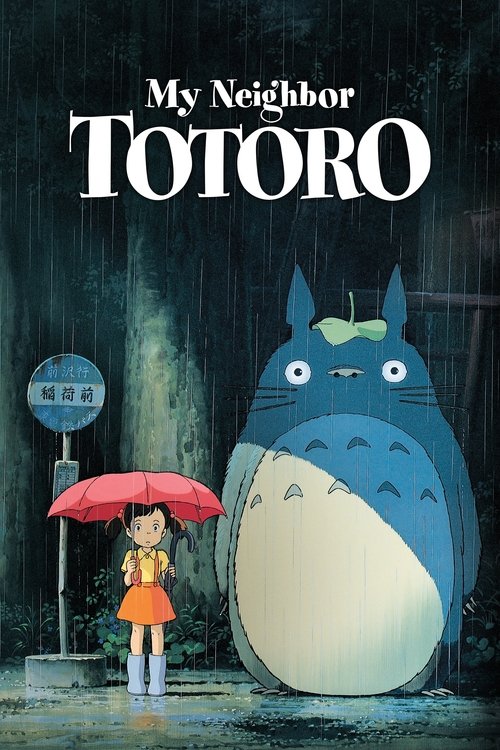





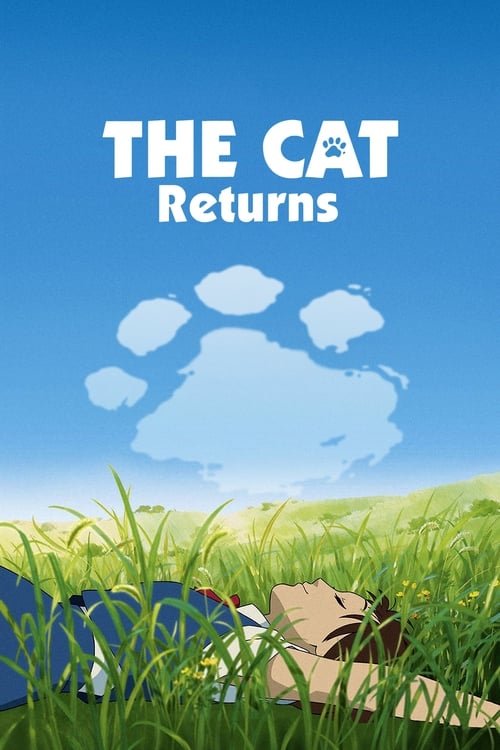

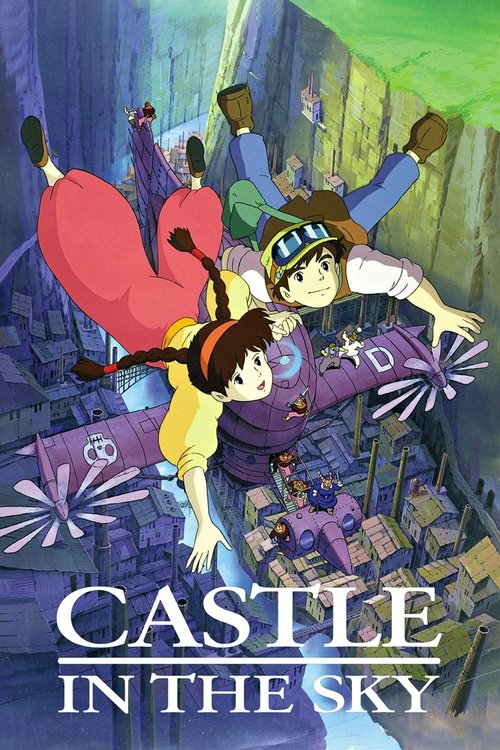
Kiki's Delivery Service is the masterwork, not Totoro
The discourse always reaches for My Neighbor Totoro as the defining Ghibli cozy, and it is a perfect film. But Kiki's Delivery Service is the richer achievement. It takes creative burnout seriously as a subject: the loneliness of being talented in a new city, the strange grief of losing something you were born to do. Totoro is comfort without complication. Kiki earns her comfort through real struggle, which makes the warmth at the end mean more. The bakery owner Osono is the template for every found-family figure in the cozy canon that followed.
Warm Sitcoms That Actually Deliver
Television comfort food where the writing is as good as the feeling








The best cozy works contain genuine emotion, real loss, and honest longing. They earn their warmth.CrossBinge editorial
Slow-Life Games: The Canon
Where farming, fishing, and friendship are the whole point








Spiritfarer does what no other cozy game dares
Spiritfarer is categorized as cozy, but it is really a grief simulator dressed in watercolor pastels. You are Stella, ferrying the dead to the afterlife, building them homes, learning their stories, and then letting them go. Every farewell is a small gutpunch. Thunder Lotus understood something the farm-sim genre often avoids: that warmth is most powerful when set against loss. The farm mechanics and cooking and hugging are not decorations on top of a grief game. They are the entire argument. You build a life in order to understand what it means to lose one.
Films That Smell Like Autumn
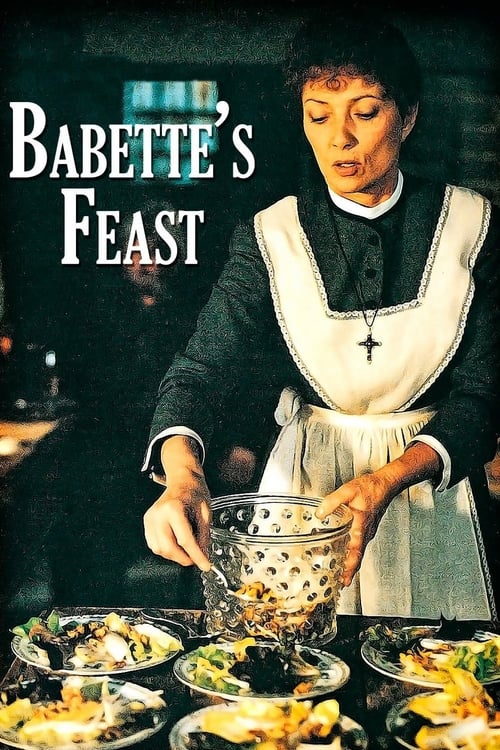
Cinema with the texture of a good cardigan








A Short History of Cozy
- 1974Harvest Moon precursor: the pastoral farming fantasy enters Japanese pop culture via Bokujō Monogatari spiritual predecessors
- 1988Ghibli defines the vocabulary My Neighbor Totoro
- 1989The cozy quest template Kiki's Delivery Service
- 1996First Harvest Moon establishes the slow-life farm RPG
- 2000Gilmore Girls proves TV can be warm without being stupid Gilmore Girls
- 2001Animal Crossing makes community a game mechanic Animal Crossing
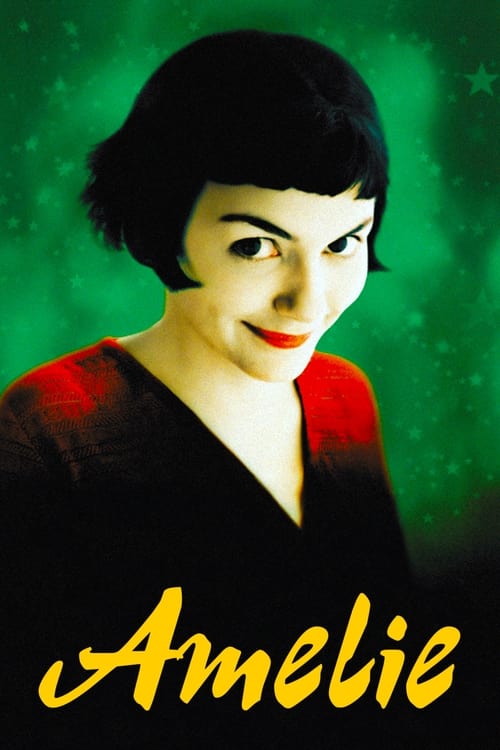
- 2001Amélie gives cozy cinema its visual signature Amélie
- 2016Stardew Valley resets the entire genre's ambition Stardew Valley
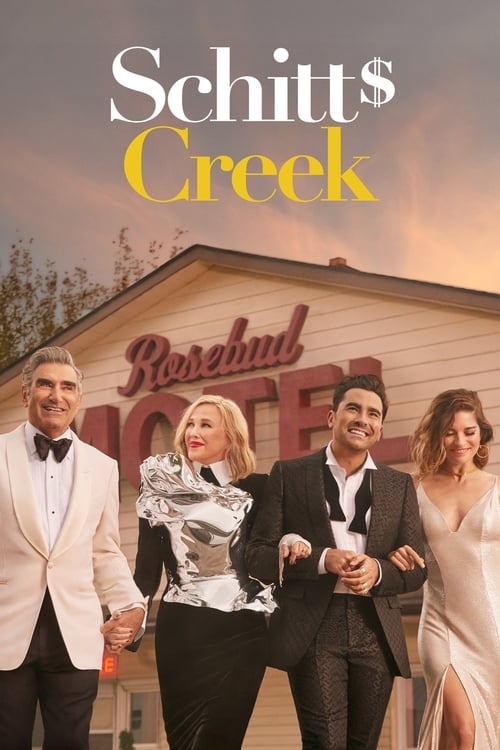
- 2019Schitt's Creek proves warmth can coexist with sharp writing Schitt's Creek
- 2020Animal Crossing: New Horizons becomes a pandemic lifeline Animal Crossing: New Horizons
- 2020Spiritfarer introduces grief to the cozy game canon Spiritfarer
- 2021Unpacking turns a moving sim into autobiography Unpacking
- 2021Ted Lasso makes kindness radical Ted Lasso
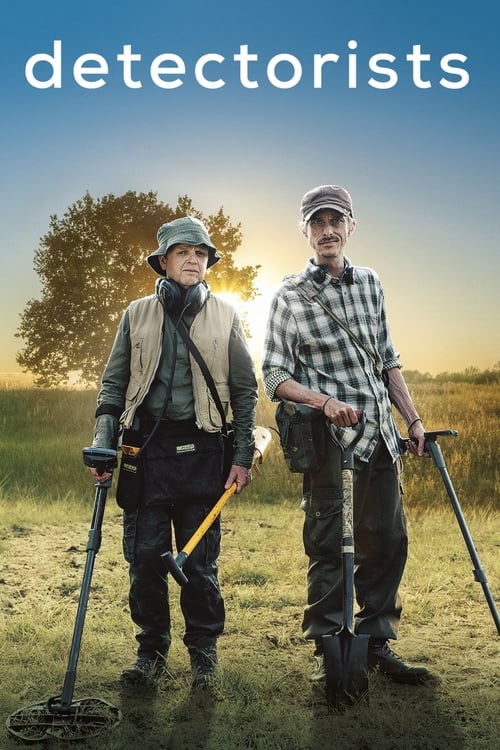
Detectorists is the best British television since The Office
Detectorists ran for three short series on the BBC and almost no one watched it, which is still a small injustice. Mackenzie Crook's comedy about two middle-aged metal detectorists in rural Essex is gentle in the way that actually costs something: the humor never condescends, the friendship is treated as genuinely profound, and the landscape photography is as good as anything in British prestige drama. It understands that the cozy register is not a lower register. The show is also quietly devastating in places, which is what separates real comfort viewing from mere distraction.
Television That Stays with You
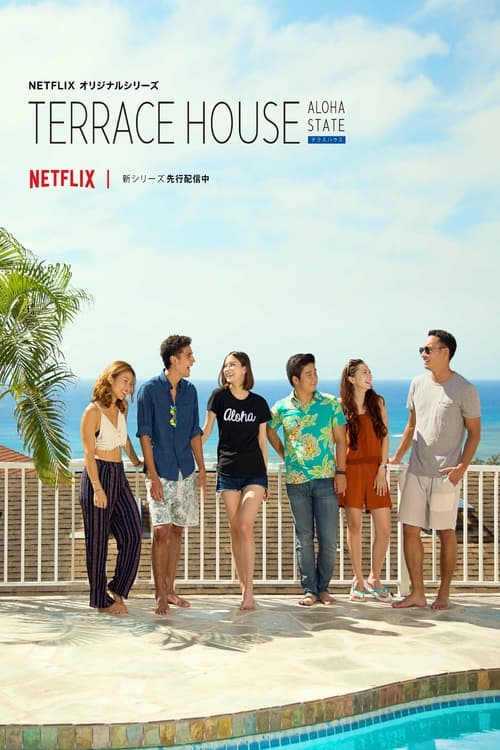
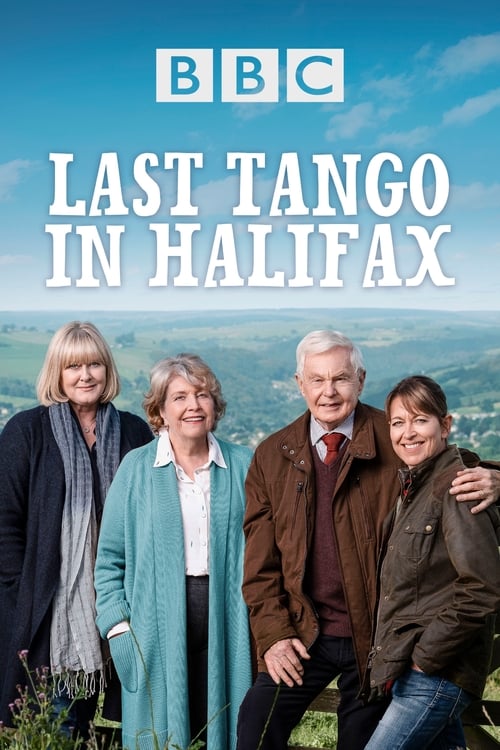
Long-form series built around the pleasure of a world you want to live in






The cozy games renaissance was not about nostalgia
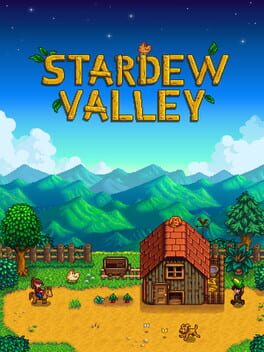
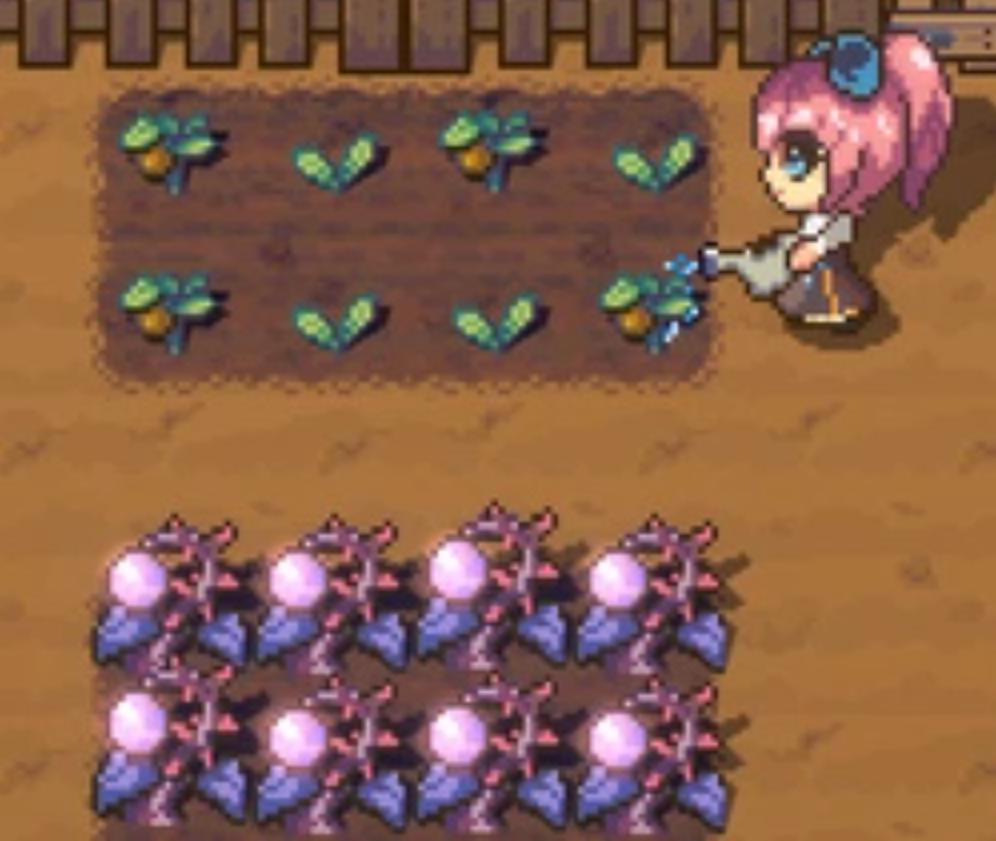
The critical shorthand for the cozy games boom that Stardew Valley triggered was nostalgia, a reaction to the AAA bombast of the 2010s. That reading is too simple. What ConcernedApe built in Stardew Valley was not retro comfort but a genuinely new argument: that meaningful progression could be rooted in attention and care rather than competition and destruction. The farm simulator as a form insists that repetition is not tedium but rhythm, that seasons matter, that a relationship with a fictional townsfolk is worth investing in. That is a philosophical position, not a nostalgia trip. The games that followed, from A Short Hike to Unpacking, each took that argument somewhere new.
The Craft and Food Film Tradition
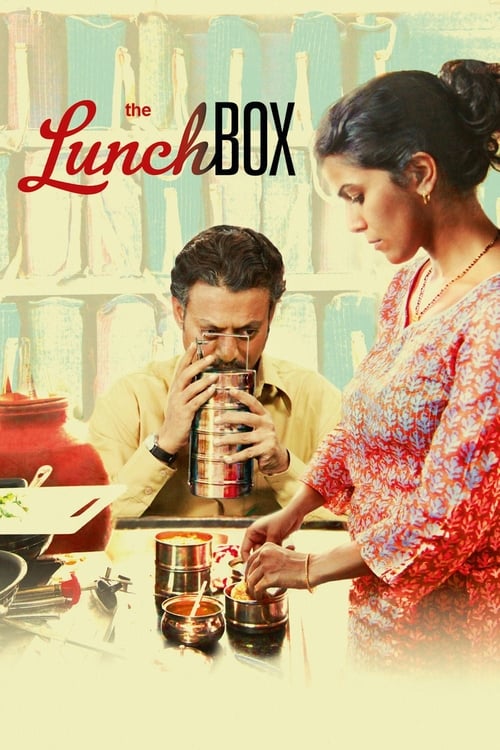
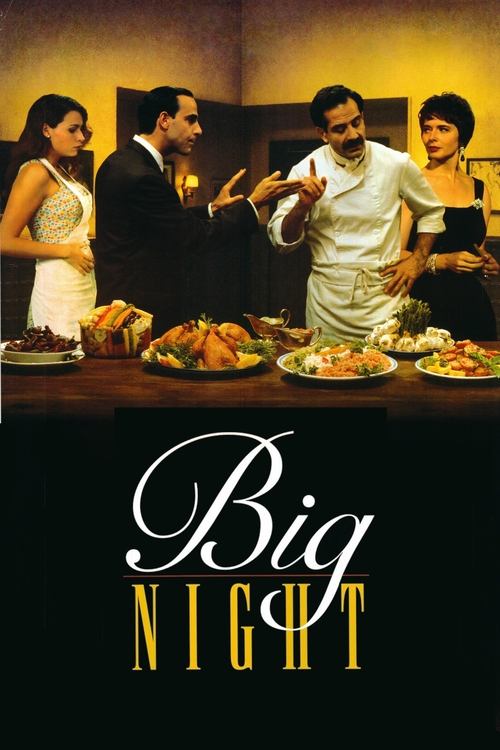
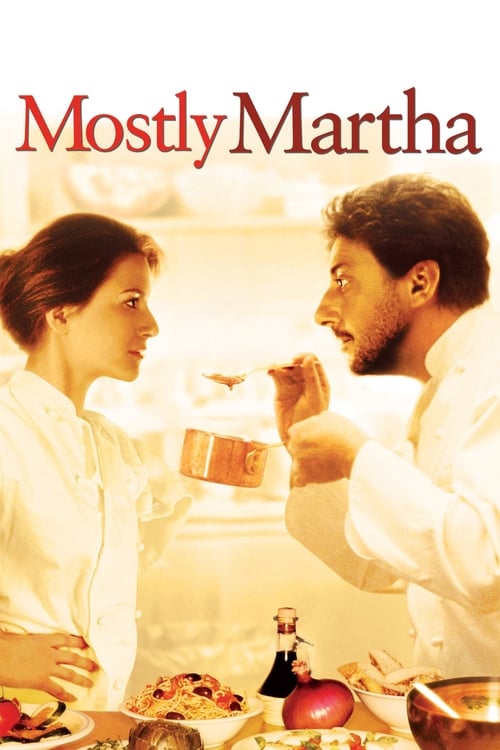
Movies where making something with your hands is the real plot




Puzzle and Craft Games for the Same Mood
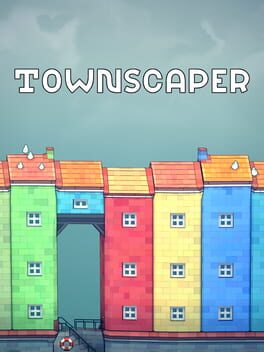
Games that reward patience and close attention rather than reflexes






The Underrated Geography of Cozy
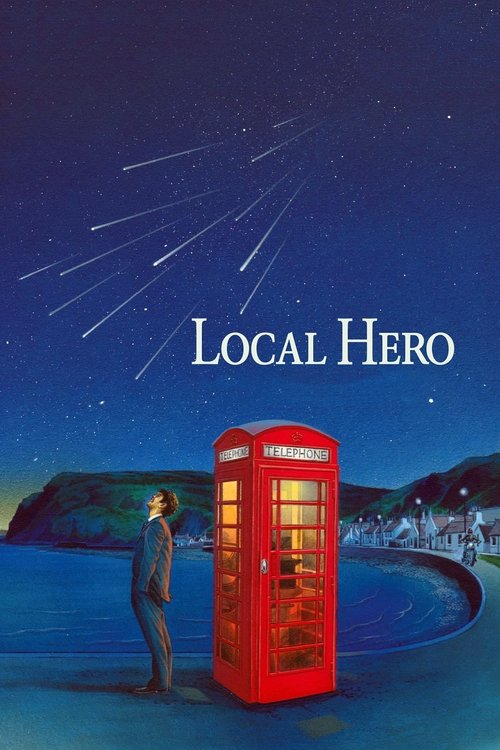
The specific physical settings matter more than they are usually given credit for. English villages (Detectorists, Doc Martin, Miss Read), Japanese izakayas (Midnight Diner), Pacific Northwest islands (Northern Exposure), Scandinavian small towns (A Man Called Ove, Anxious People): these are not interchangeable backdrops. The cozy register is deeply place-dependent. It requires a legible community where everyone's role is known and relationships have history. That is why so many cozy works spend time on geography, on the walk to the bakery, on the specific quality of light in a particular field.
There is also a quieter geography: the interior of a farmhouse in Stardew Valley, the kitchen in Kiki's delivery service, the ferry boat in Spiritfarer. The cozy work teaches you to inhabit these spaces slowly, to know their corners and schedules. That is the real function of the cozy mode: it restores your faith that a place can be known, that a small world can be enough.