
The Sound of Beautiful Damage
Depeche Mode emerged from Basildon, Essex in 1980 as a synth-pop band with cheap keyboards and teenage ambitions. What they became is something stranger and more durable: one of the most emotionally precise acts in popular music, a band that turned the vocabulary of electronic machinery into something that feels like a confessional booth.
The through-line across their catalog is tension held in exquisite suspension. Sin and redemption, control and submission, devotion that curdles into obsession. Dave Gahan's voice carries the weight of real damage, Martin Gore's songwriting walks the wire between genuine vulnerability and theatrical noir, and the production across decades from Speak and Spell to Memento Mori keeps finding new ways to make a synthesizer sound like it hurts.
Fans of Depeche Mode tend to love a particular quality: the feeling of dark material rendered with care and craft, beauty built from industrial components, emotion that does not flinch. This guide is for that sensibility, across every medium that carries it.
Essential Depeche Mode
The records that define the arc, from new-wave innocence to electronic cathedral music
The Church of the Electronic
Concert films and music documentaries that capture the devotional intensity of Depeche Mode live

Cold Wave and Dark Romanticism
Albums with the same bruised synth-and-soul architecture
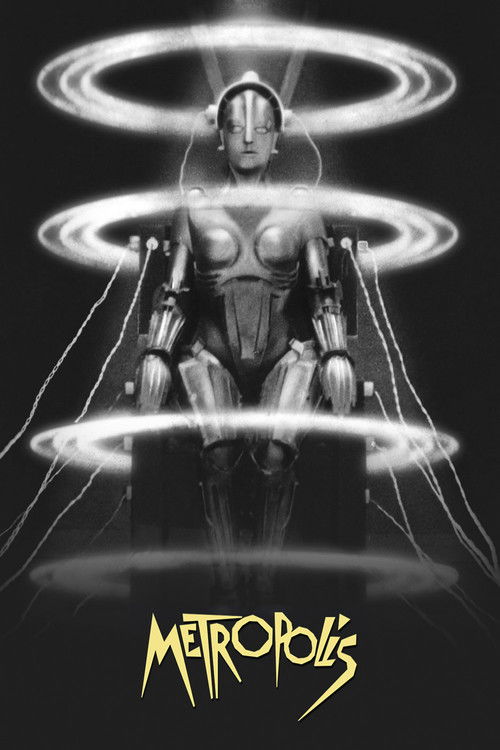
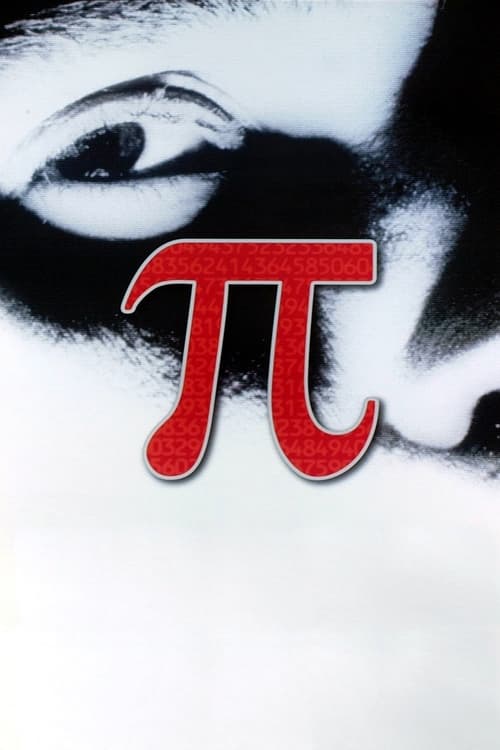
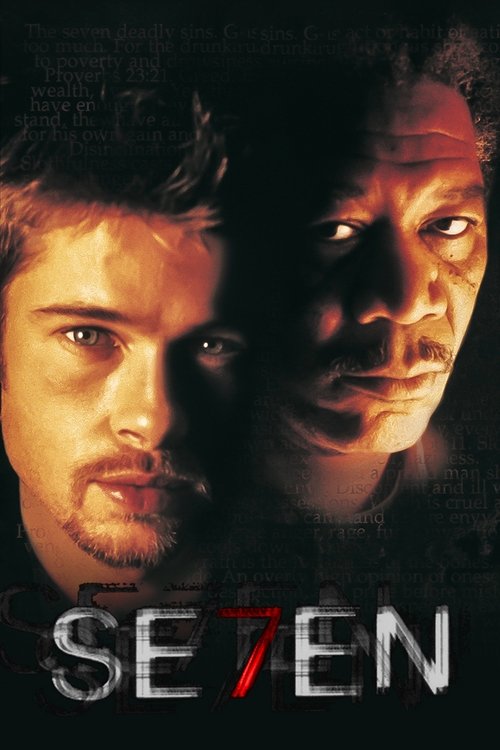
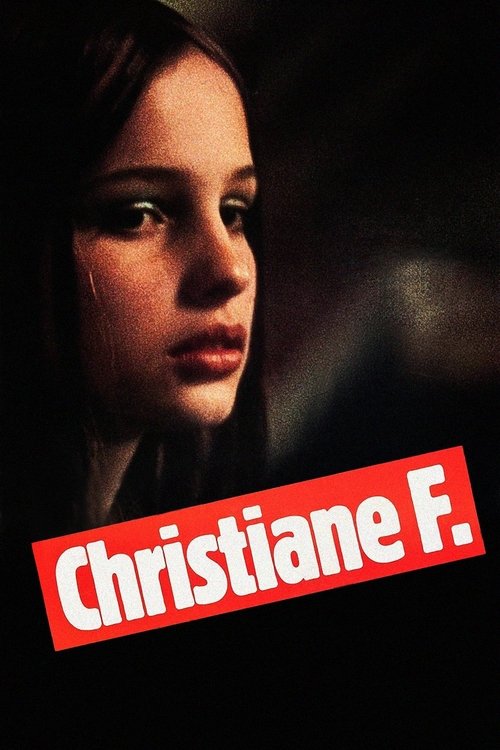
Films for People Who Own a Depeche Mode Record
Cinema with the same gothic glamour, industrial beauty, and emotional extremity
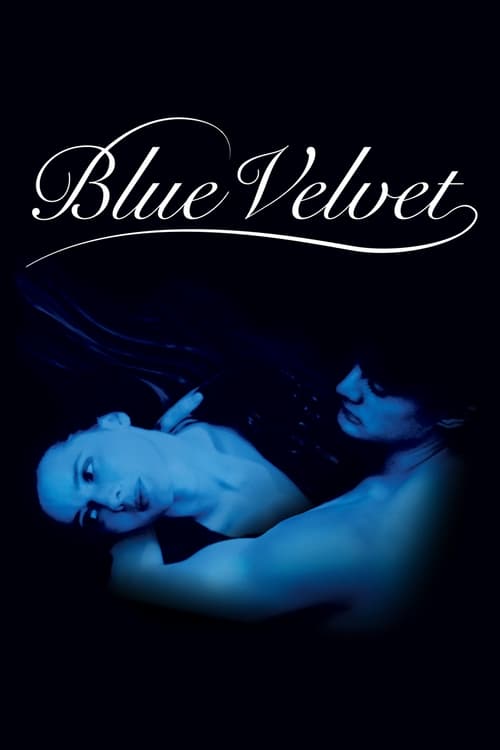
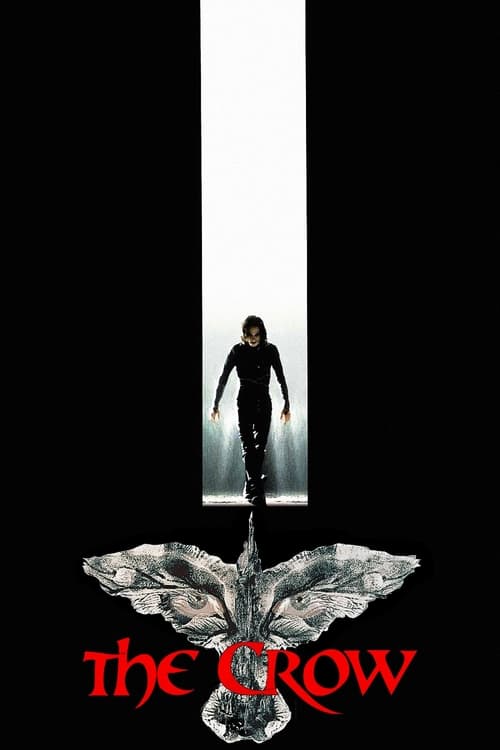
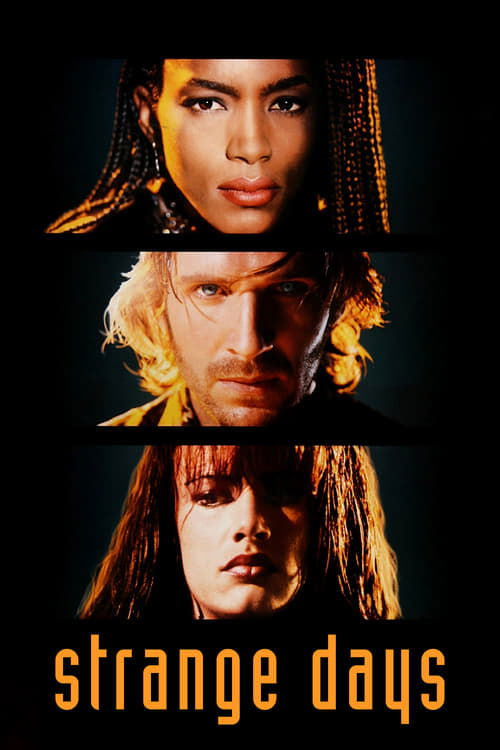

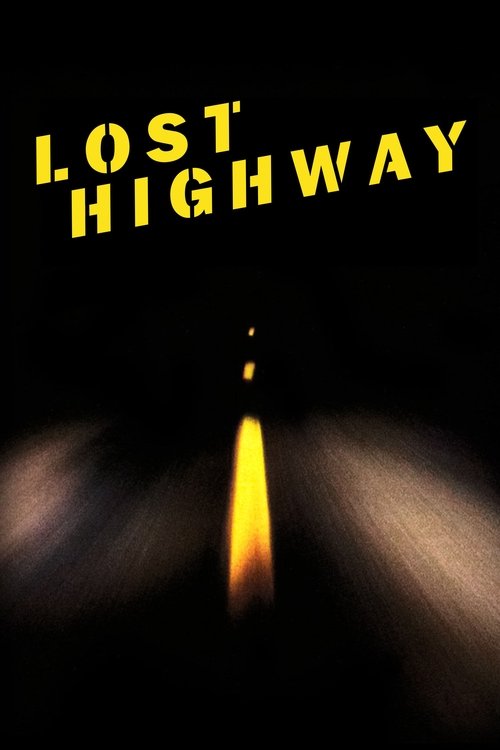
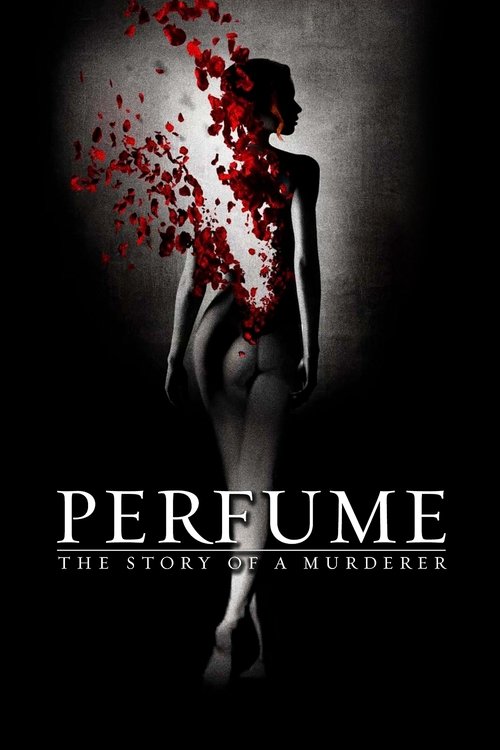
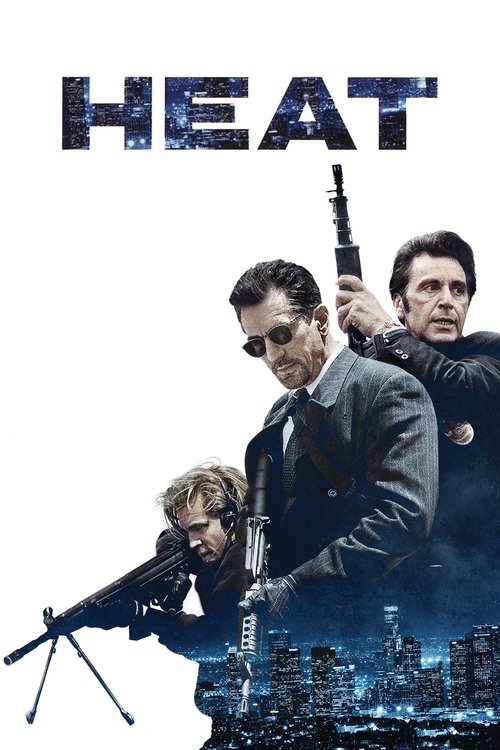
Violator is the perfect entry point, not Personal Jesus
"Personal Jesus" gets the most play and deserves it, but walking into Depeche Mode via a greatest-hits compilation is like reading only the chapter titles of a novel. Violator is 45 minutes of flawless pacing, from the menace of "World in My Eyes" to the bruised resignation of "Clean." Every song earns its place. It is the right starting point because it is complete: it has the body, the darkness, the hooks, and the emotional resolution. Start here.
Darkness with a Pulse: Novels for the Faithful
Books with the same obsessive interiority, moral ambiguity, and charged atmosphere
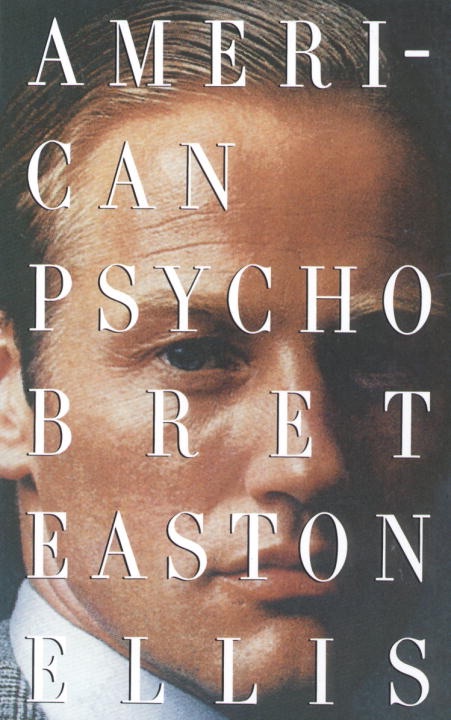

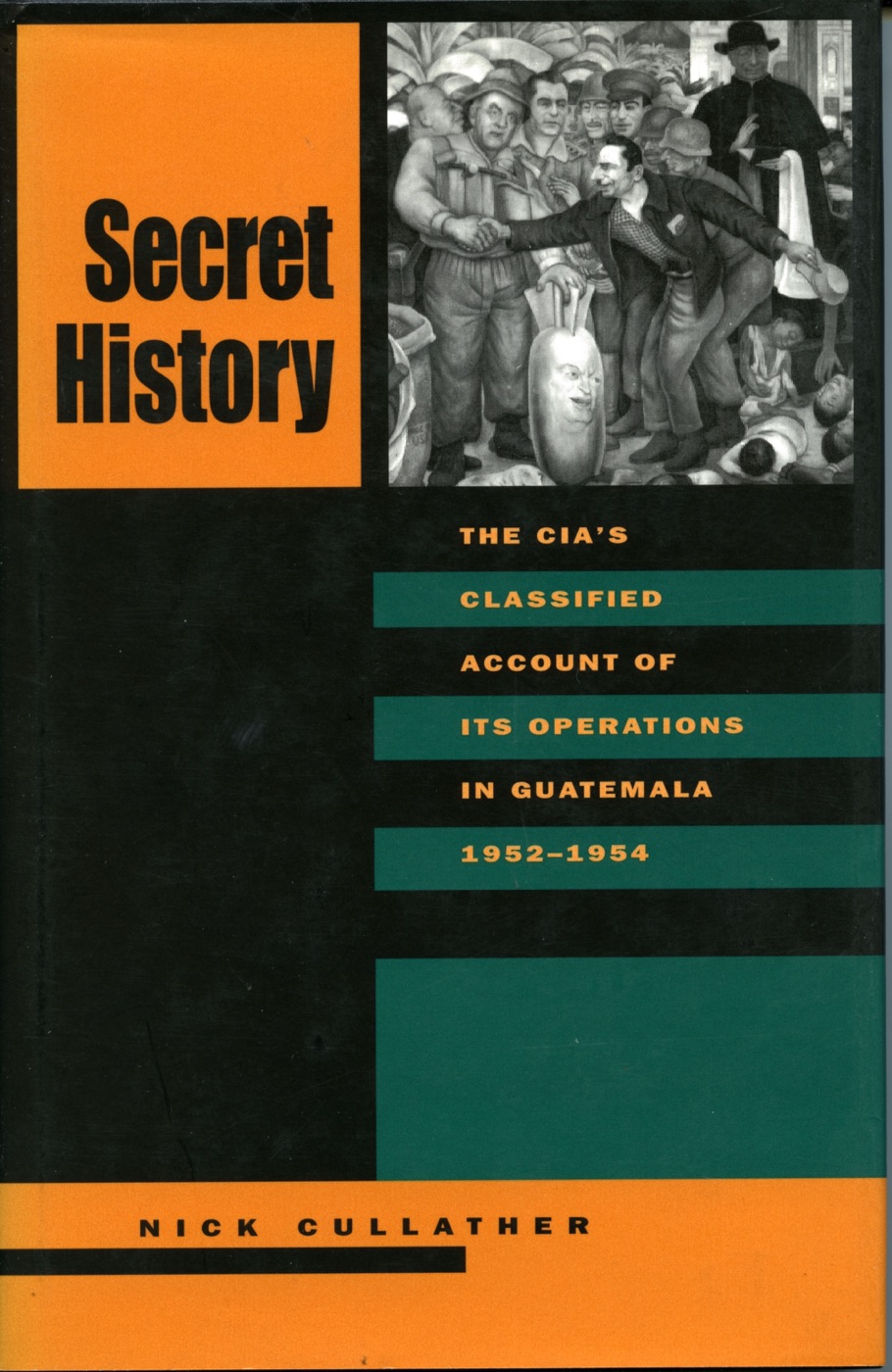

![The picture of Dorian Gray [adaptation]](https://covers.openlibrary.org/b/id/14314474-L.jpg)
Exciter is the most underrated record in their catalog
Exciter from 2001 gets skipped because it followed the commercial peak, and because it is genuinely quiet where the classic records are intense. That quietness is the point. It is a record about emotional exhaustion after devotion, spacious and unsettling. The production by Mark Bell is the most considered of any Depeche Mode album, and Gahan sounds like a man who survived something. Fans who give it time consistently name it among their favorites eventually.
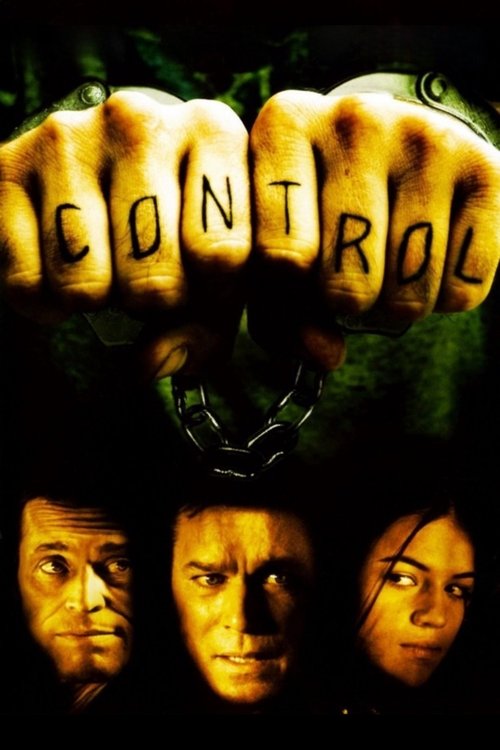
Control is the spiritual successor film their fans haven't all seen
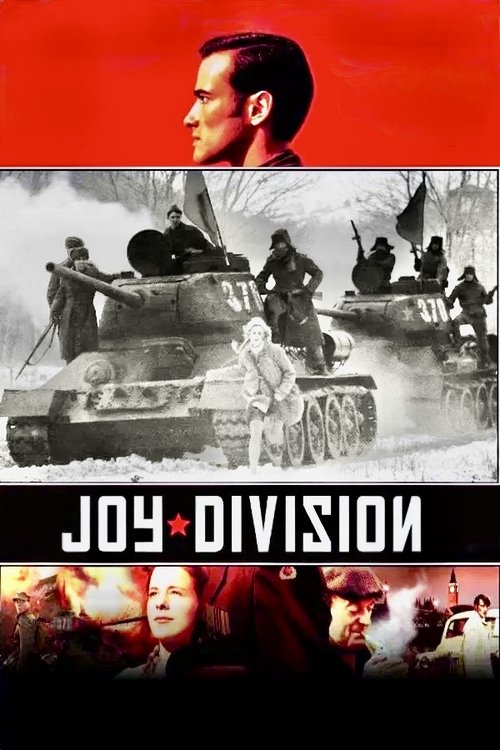
Anton Corbijn directed Depeche Mode's videos for years before he made Control, his film about Ian Curtis and Joy Division. That lineage matters. Corbijn understands the visual grammar of this world: the post-industrial north, the beauty in austerity, the spiritual intensity of young men making electronic and post-punk music as if their lives depended on it. If you know the music it depicts, the film plays like a eulogy for a whole way of feeling. If you do not, it will send you straight to the records.
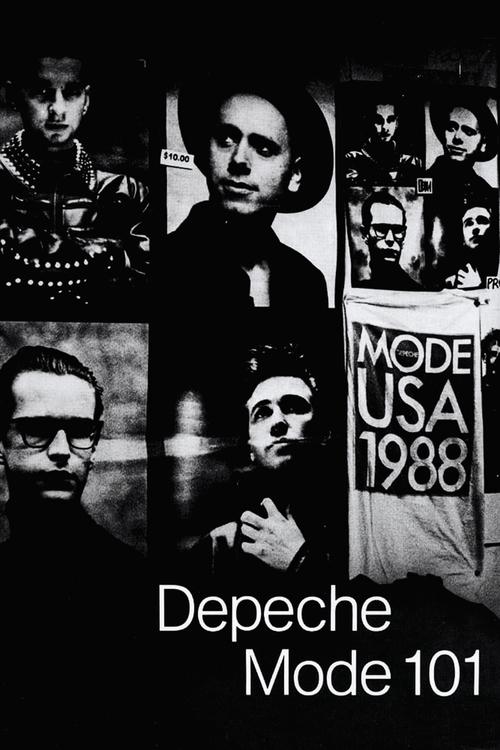
101 is the greatest concert film about audience devotion, not the band
D.A. Pennebaker and Chris Hegedus filmed the 1988 Rose Bowl show; the Maysles Brothers followed a group of fans driving cross-country to reach it. The intercut result is what makes 101 essential beyond its catalog value. You are watching people for whom this music is a lifeline, not an entertainment product. The concert footage is superb, but the road-trip material is what you remember. It is a film about what it means to need music rather than simply enjoy it.
Depeche Mode: Key Moments
- 1980Band forms in Basildon, Essex; Vince Clarke writes the debut material
- 1981Debut album Speak and Spell released; Clarke departs immediately after
- 1982A Broken Frame; Alan Wilder joins as full member, cementing the classic lineup
- 1984Some Great Reward marks the decisive turn toward darker, confrontational themes
- 1986Black Celebration: the first fully realized version of their sound
- 1988Music for the Masses tour; Rose Bowl show filmed for 101
- 1990Violator released; global breakthrough on the back of Personal Jesus and Enjoy the Silence
- 1993Songs of Faith and Devotion and a world tour that nearly destroys the band
- 1995Alan Wilder leaves; band takes an extended hiatus
- 1997Ultra; Gahan's near-fatal overdose and recovery shapes every note
- 2023Memento Mori recorded and released following the death of Andrew Fletcher in 2022
Cold synths and bruised romance
For Fans of New Order
Explore the For Fans of New Order guide →The genius of Depeche Mode is that they made the void sound inviting. You know the darkness they are describing is real, and you still want to go there.CrossBinge