
The sound of loving darkness
The Cure built one of the most singular bodies of work in rock history by refusing to stay still long enough to be defined. Robert Smith and his rotating cast of collaborators spent the 1980s and beyond moving between extremes that should not coexist: Disintegration is crushing and oceanic, Kiss Me Kiss Me Kiss Me is rangy and almost playful, Pornography is barely survivable noise, Boys Don't Cry is pure three-chord pop. What holds it together is not genre but texture. Jangly guitar lines that sound like they are being played inside a cathedral. Bass that moves like weather. Lyrics that treat heartbreak and longing as genuinely serious phenomena, not embarrassments to be minimised.
The fan who comes to The Cure through Lovesong and the fan who comes through One Hundred Years are responding to the same underlying sensibility: a willingness to go all the way into a feeling, to make it big and strange and orchestral and not apologise. That is the thread that runs through everything on this page. The films, novels, games, and other music collected here share that quality: they take their darkness seriously, they find beauty in melancholy, and they trust you to follow them somewhere uncomfortable.
Essential The Cure
The records, in the order you should hear them
The same cathedral ceiling
Bands and records that occupy the same emotional and sonic architecture
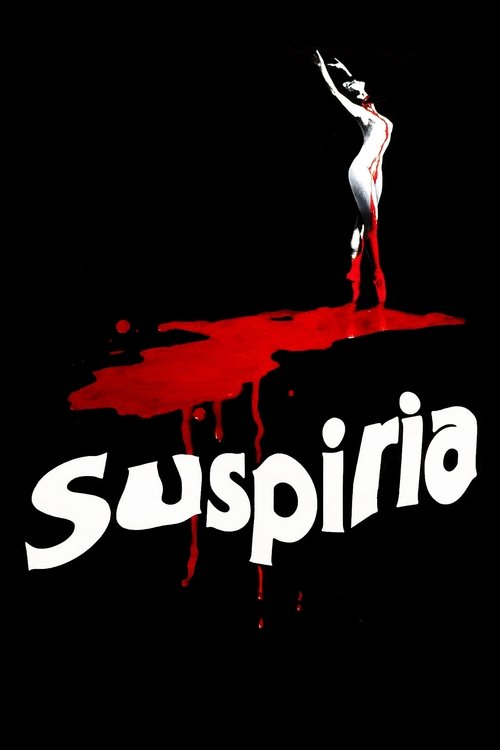
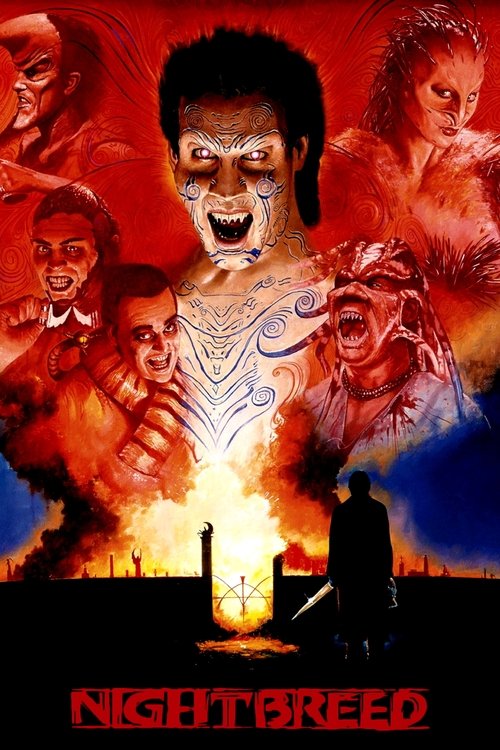
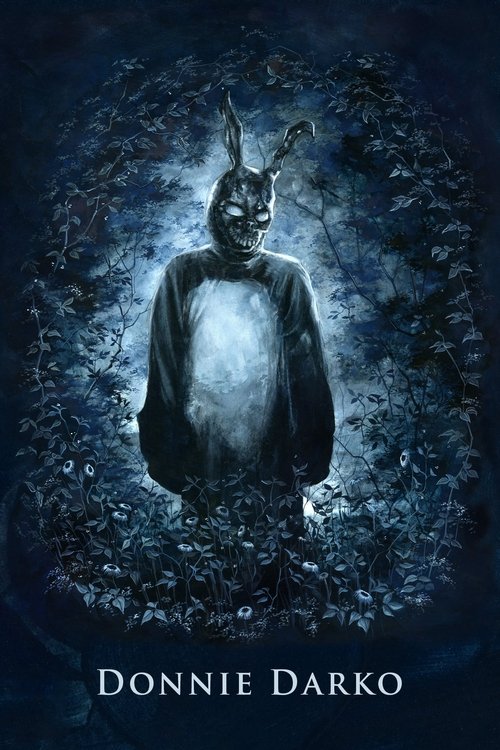
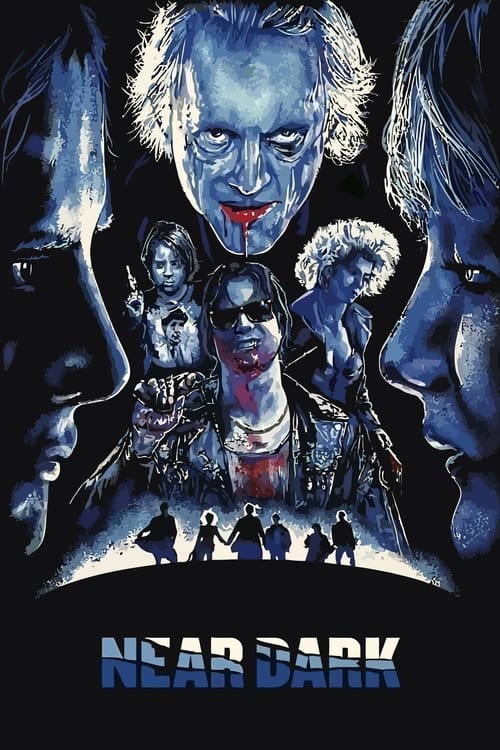
Films that live in the dark
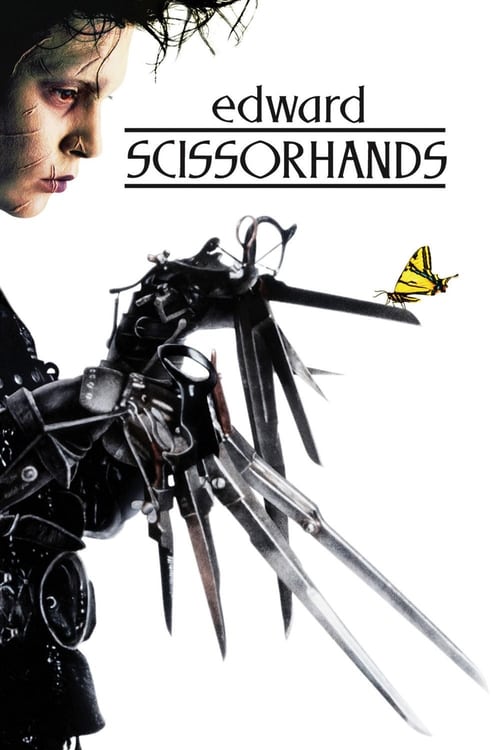
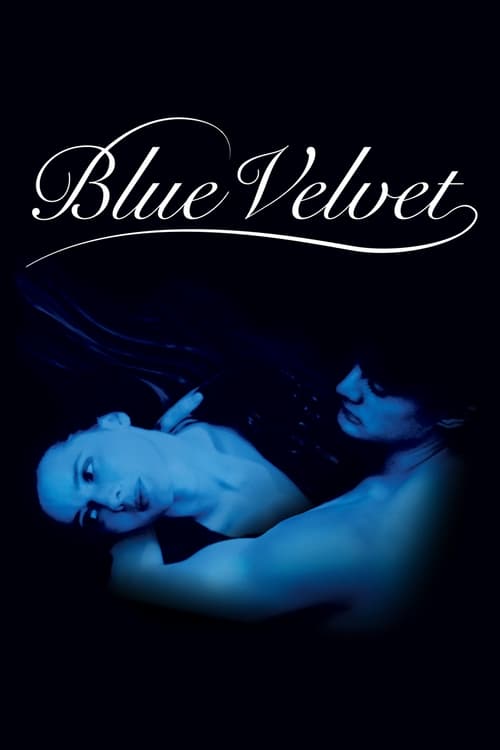
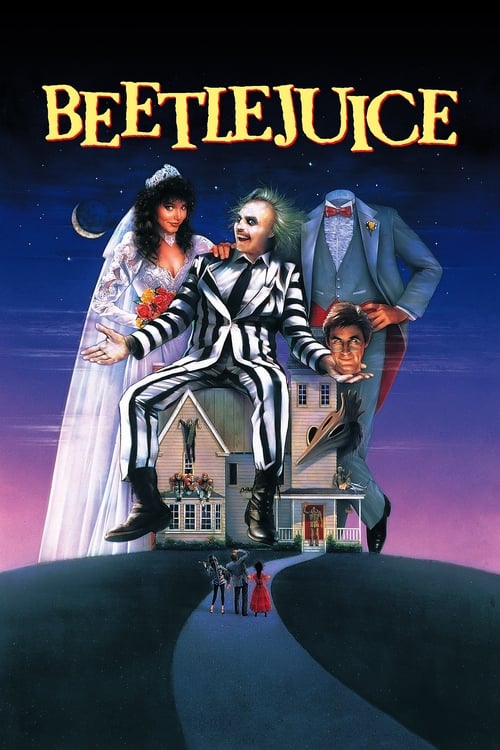
Cinema with the same gothic romanticism, visual lushness, and emotional extremity

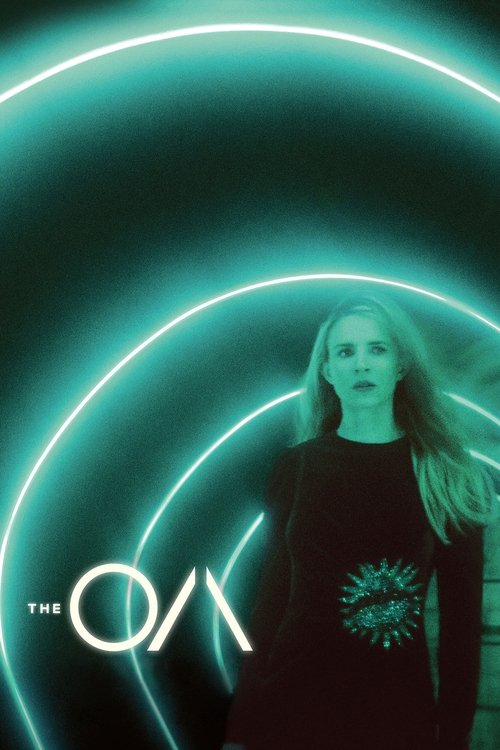
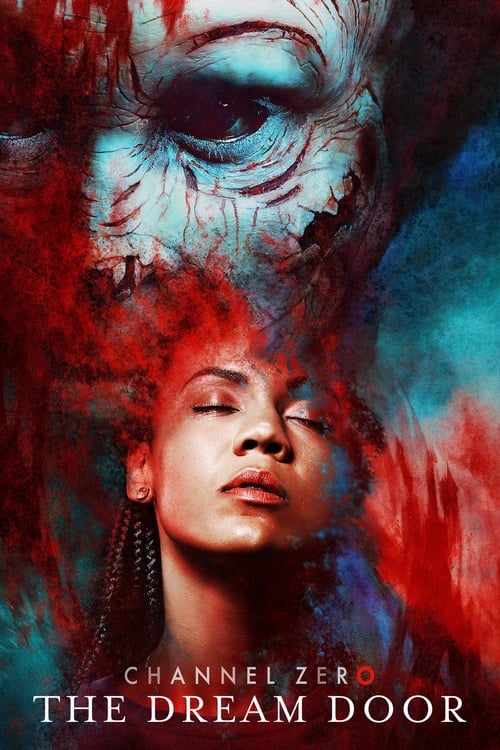
Television that understands loneliness
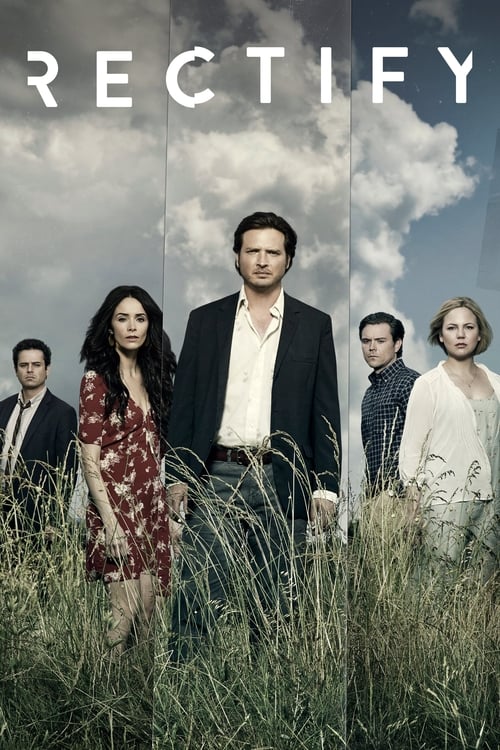
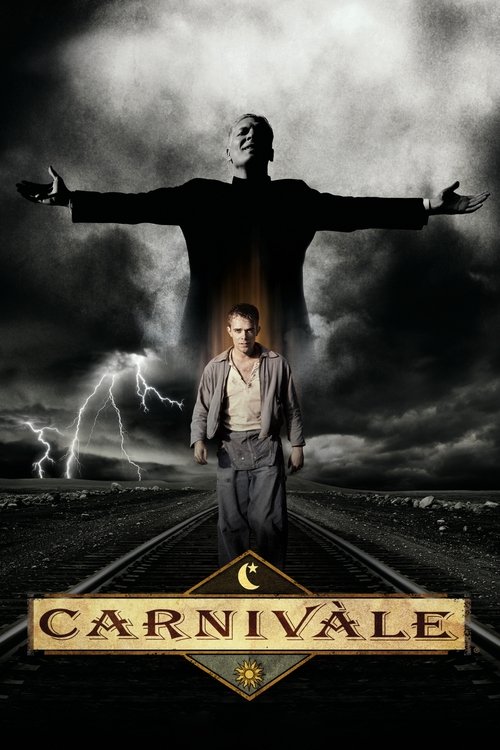
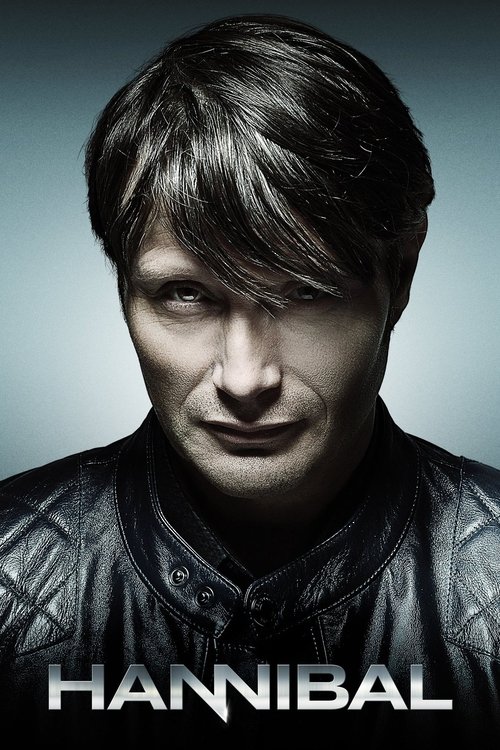
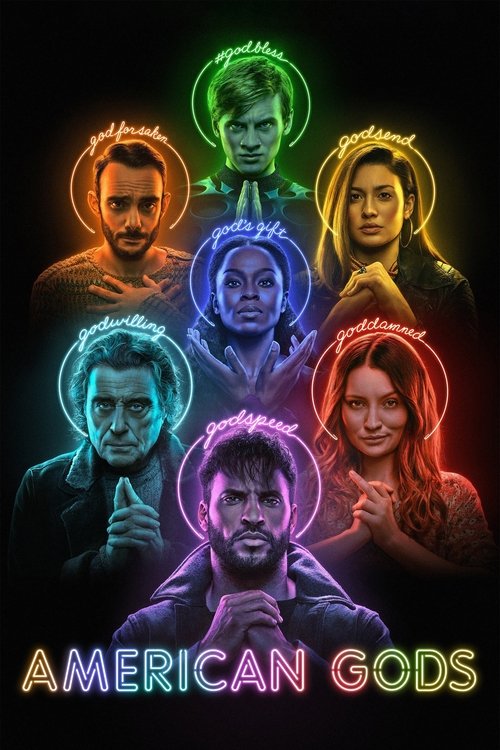
Series with the same fractured atmosphere and refusal to look away
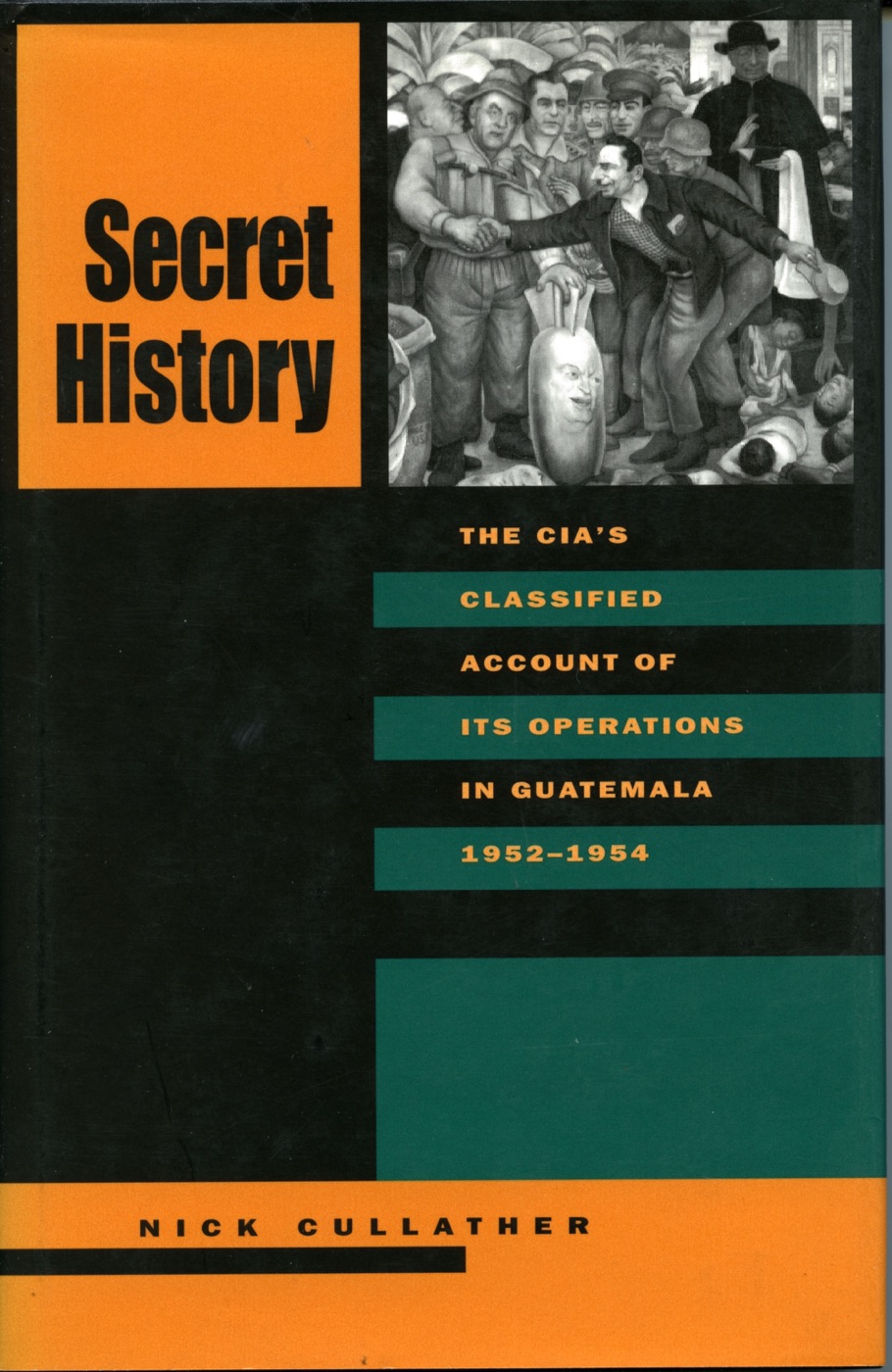
Novels that bleed the same ink
Books whose prose has that particular quality: beautiful and slightly unbearable



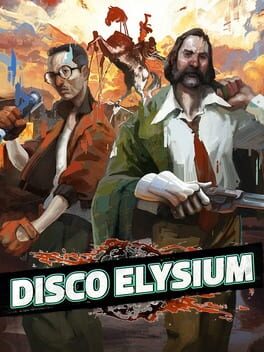
Games that treat mood as the primary material
Play built around atmosphere, interiority, and the weight of moving through a dark world
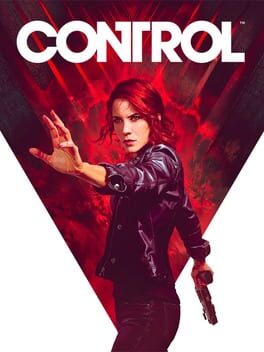
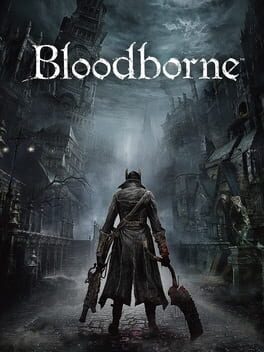
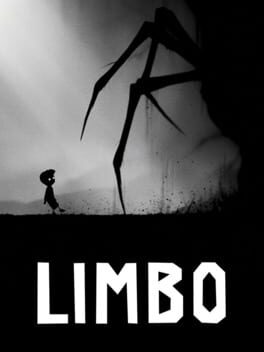
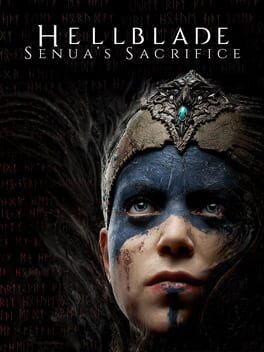
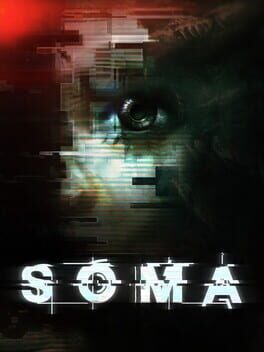
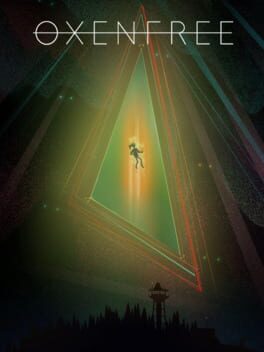

Disintegration is where you start
Disintegration is the right entry point precisely because it withholds nothing. It is a 1989 record that sounds like it was made by a man genuinely trying to disappear into sound. The singles are there, Lovesong and Lullaby, but they are surrounded by ten-minute pieces of orchestrated grief. Some people say start with Boys Don't Cry because it is approachable. Some say The Head on the Door because it is the most balanced. Both suggestions are defensive. Disintegration is the deep end, and the deep end is the right end.
Pornography is the one people skip, which is the problem
The 1982 album Pornography is genuinely difficult and most casual fans stop just before it. That is a shame. It is an uncompromising noise record made by a band operating at the edge of collapse, and it sits in the same lineage as Joy Division's Closer: music that documents a real psychological state without softening a single edge. The people who love it tend to love it more than any other Cure record. It earns everything that came after.
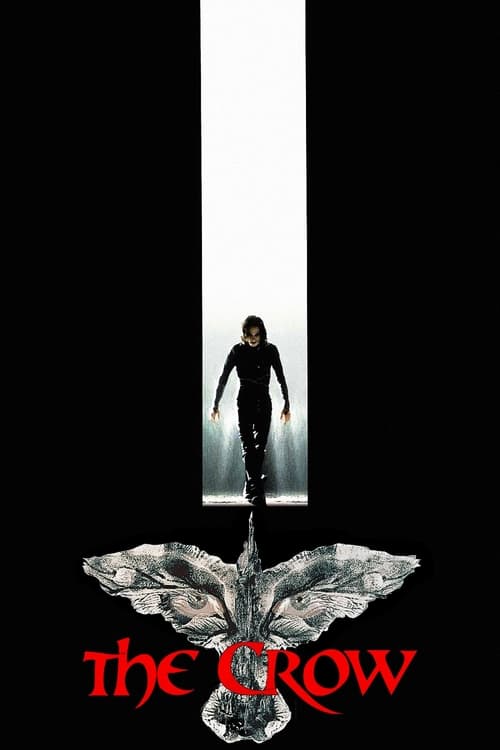
The Crow (1994) is the film that most faithfully inhabits the same world
It is gothic, it is soaked in grief, and it takes its romantic melodrama completely seriously. The Crow works because director Alex Proyas never winks at the audience. The soundtrack is a near-perfect companion to Cure-adjacent listening. That it came out in the same years as Wish and Wild Mood Swings is not a coincidence: it is the same cultural moment, the same hunger for beauty in explicitly dark registers.
Disco Elysium is the Cure album that was secretly a video game
This is a specific claim: Disco Elysium is the work in another medium that most replicates what The Cure does emotionally. It is grandiose and self-pitying and funny and heartbroken in the same breath. It takes its failures seriously without sanctifying them. The prose has a quality that Robert Smith's lyrics at their best also have: it sounds like it came from an interior life that has been genuinely, painfully examined, and it refuses to make that examination comfortable.
A few key moments
- 1979Three Imaginary Boys: the awkward, angular beginning Three Imaginary Boys
- 1980Seventeen Seconds refines the gloom into something elegant Seventeen Seconds
- 1982Pornography: maximum noise, minimum hope Pornography
- 1985The Head on the Door: the pop turn that cost them nothing The Head on the Door
- 1987Kiss Me Kiss Me Kiss Me: the double album that contains everything Kiss Me Kiss Me Kiss Me
- 1989Disintegration: the peak, depending on who you ask Disintegration
- 2000Bloodflowers: the late-career elegy that few took seriously at the time Bloodflowers
- 2024Songs of a Lost World: the return, four decades later, still recognisably them Songs of a Lost World
Gothic romance and post-punk despair
For Fans of Gothic Rock
Explore the For Fans of Gothic Rock guide →The Cure wrote love songs that felt like grief, and grief songs that felt like the most intimate form of love. That is a harder trick than it sounds.CrossBinge editors