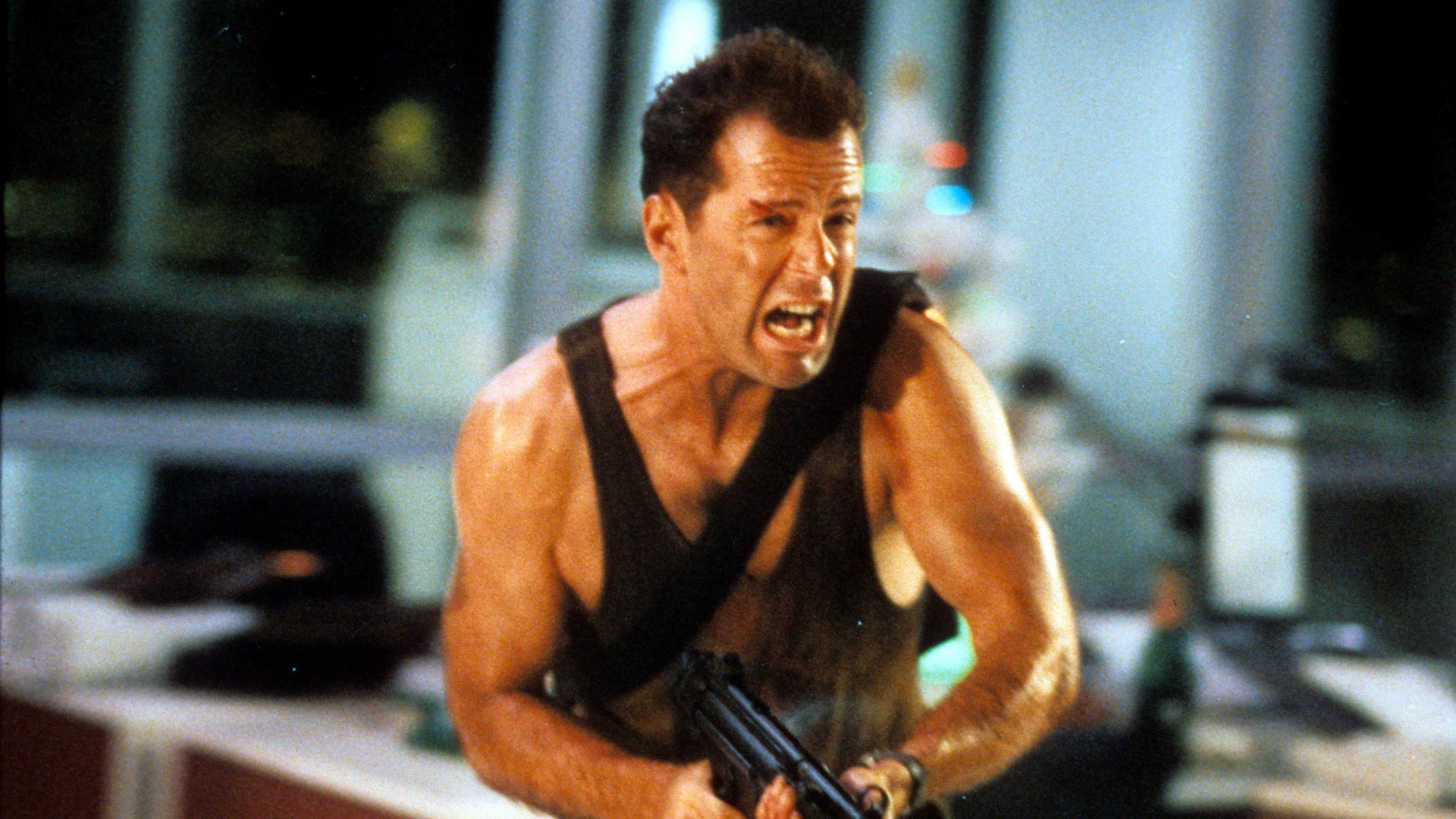

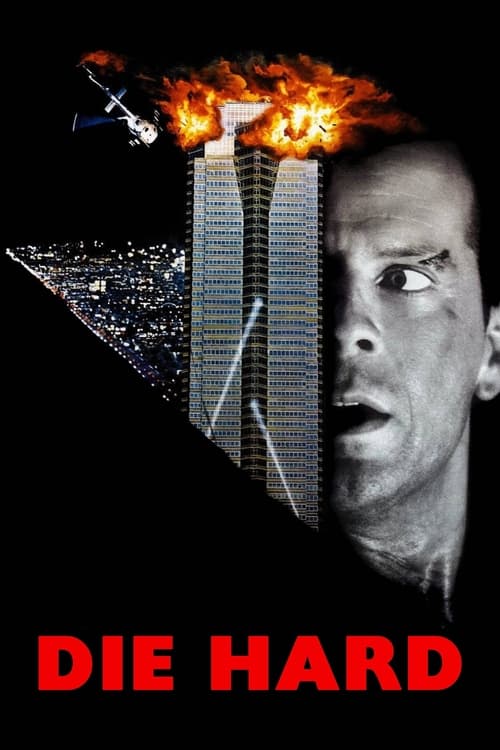
Bruce Willis running barefoot through broken glass on Christmas Eve turned a single skyscraper into the most influential action arena in cinema history. The original Die Hard (1988) did something new: it gave its hero real fear, real pain, and a sense of humor sharp enough to cut. John McClane was not a superhero. He was a New York cop out of his depth in Los Angeles, improvising against a gang of thieves playing terrorists, and that ground-level scrappiness made every punch land harder.
The sequels expanded the geography outward, from an airport to a highway to a power grid to a city, each trade-off between intimacy and scale carrying its own pleasures. What has always held the franchise together is the formula's DNA: one outgunned protagonist, a walled or isolated space, a sophisticated villain with a plan that is almost too clever, and a countdown. That formula turned out to be extremely portable. You will find its echo in a submarine, a bus, a spaceship, a basketball arena, and a video game level. Die Hard is less a franchise than a grammar.
Essential Die Hard
The franchise from the skyscraper to the streets of Moscow
The Blueprint in Action: One-Location Thrillers
Films that took the locked-space, one-hero formula and made it their own
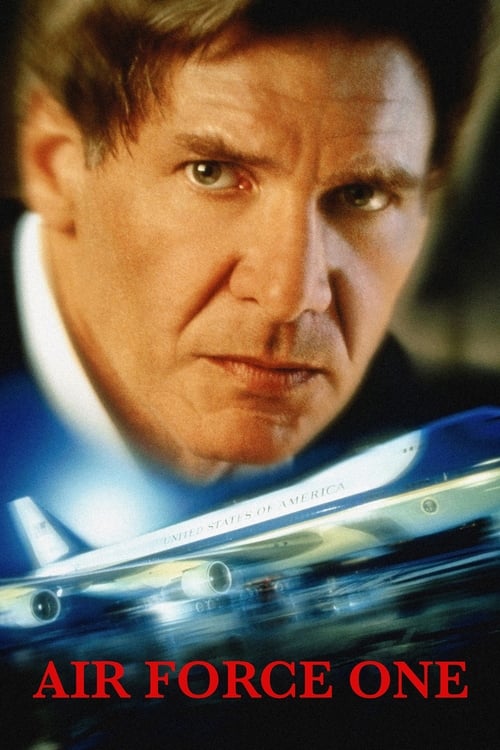
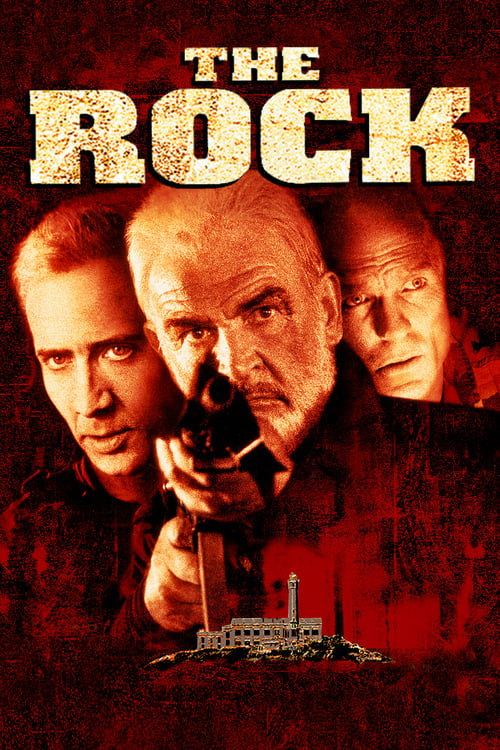
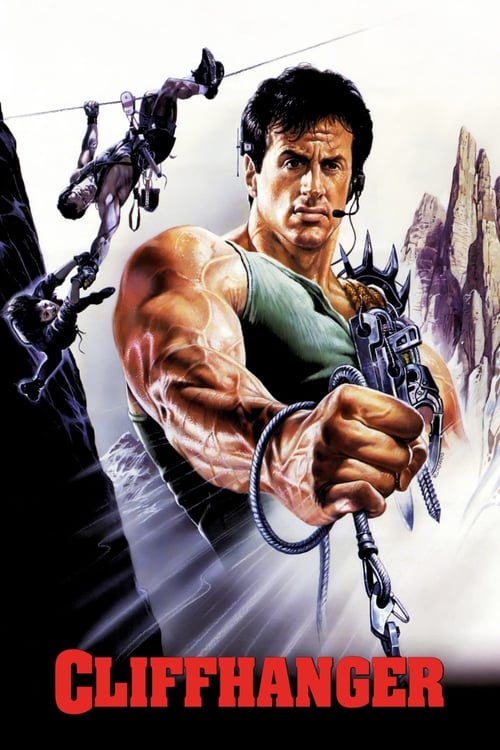
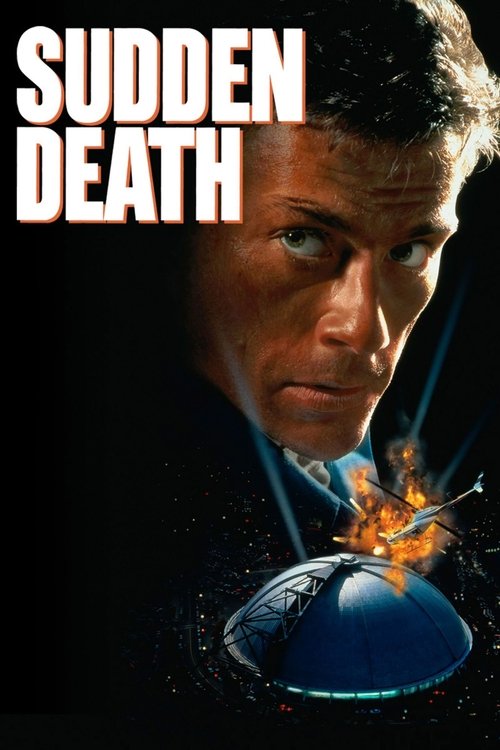
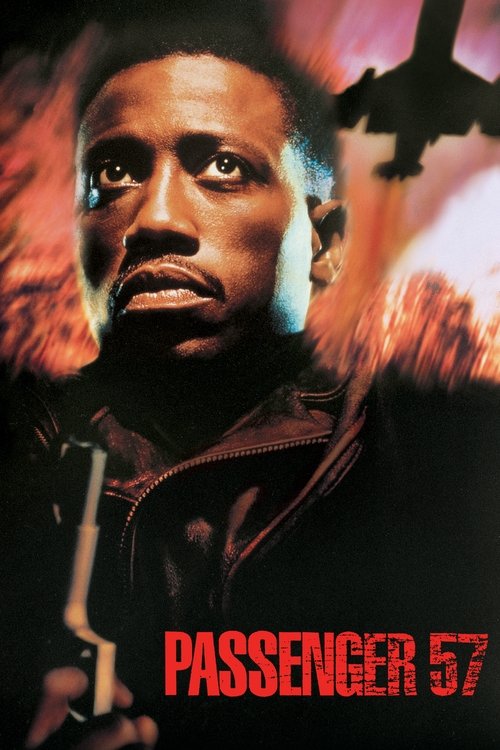
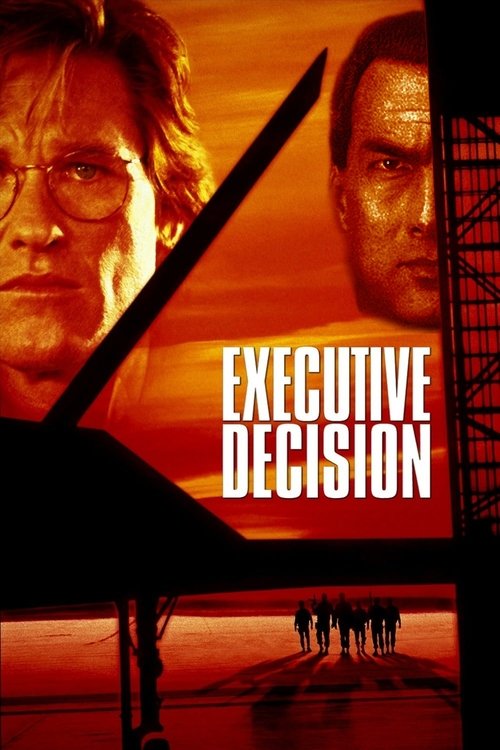
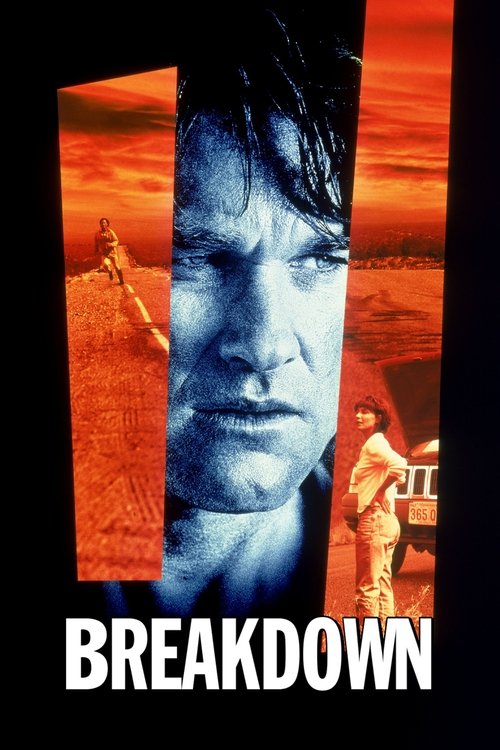
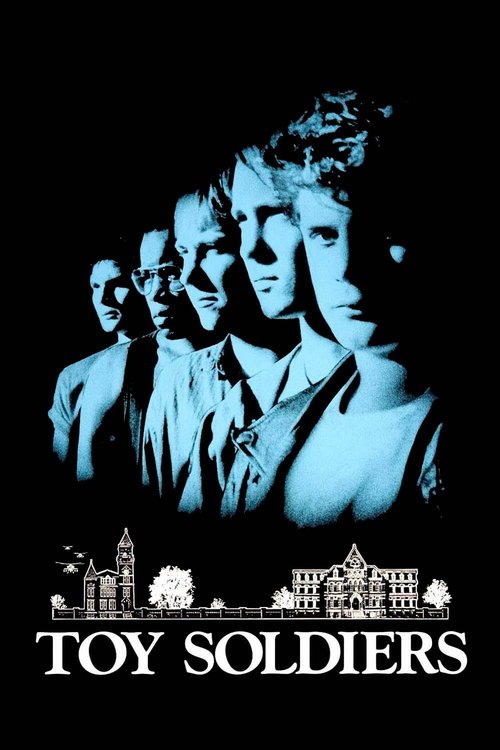
Hans Gruber's Competition: Great Action Villains
Films built around antagonists just as cerebral and charming as Alan Rickman's Gruber
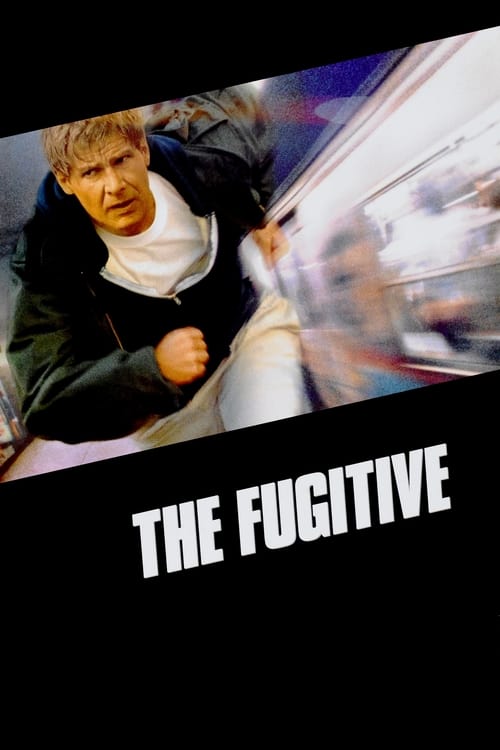

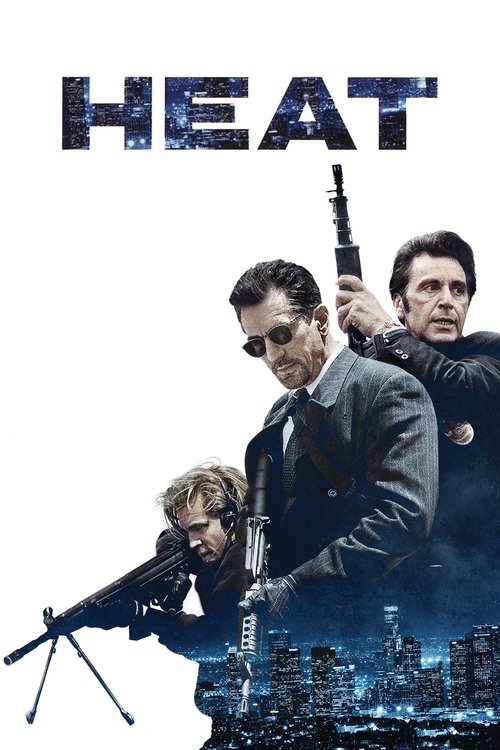
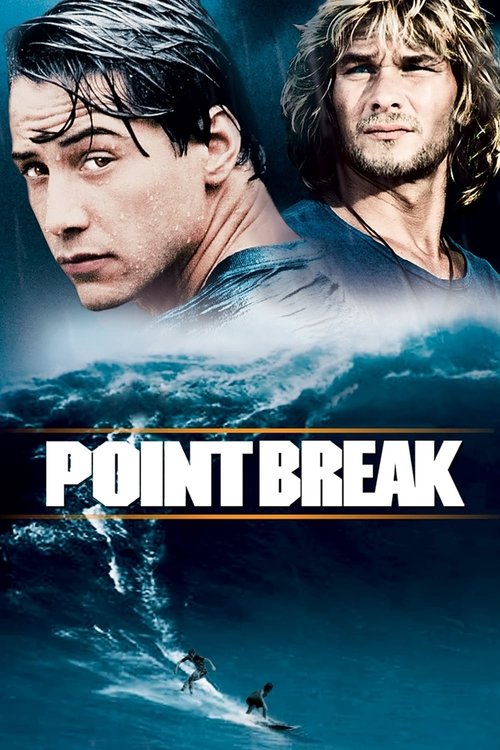
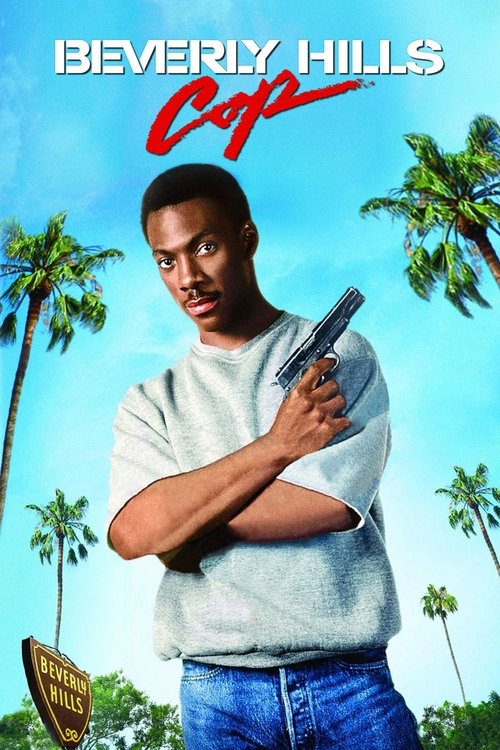
TV That Knows How to Crank the Pressure
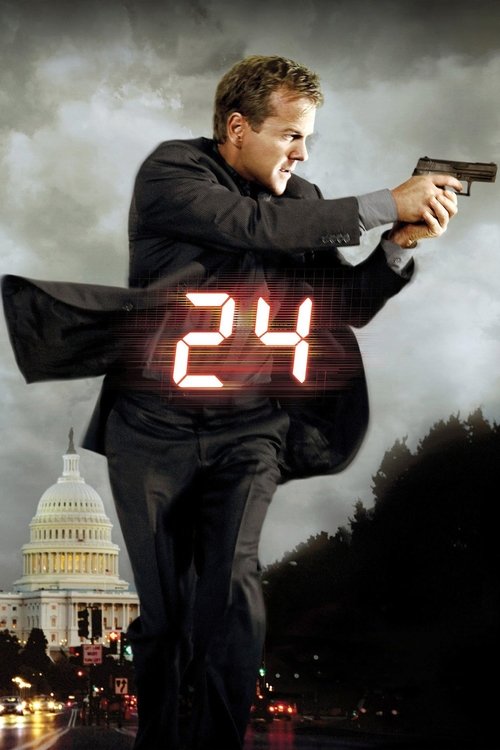
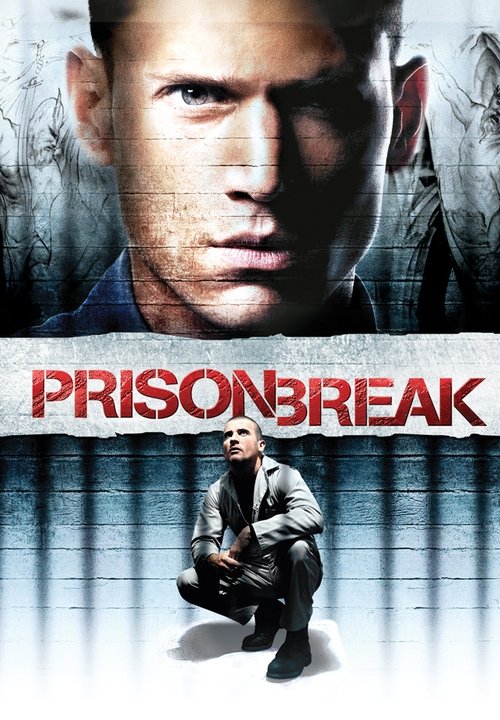
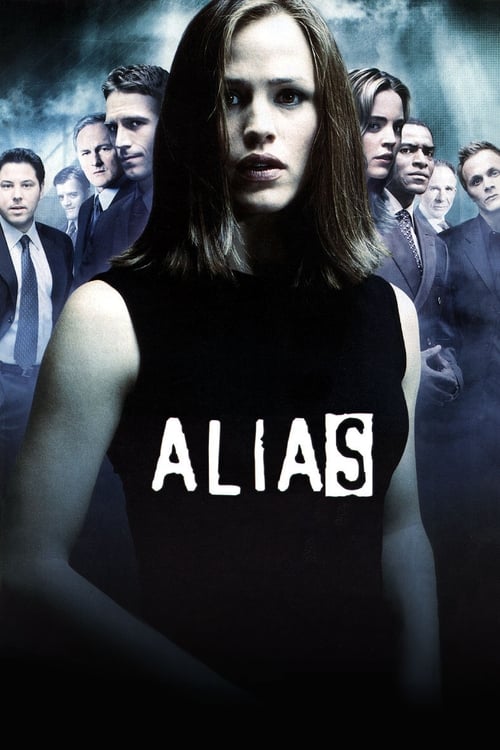
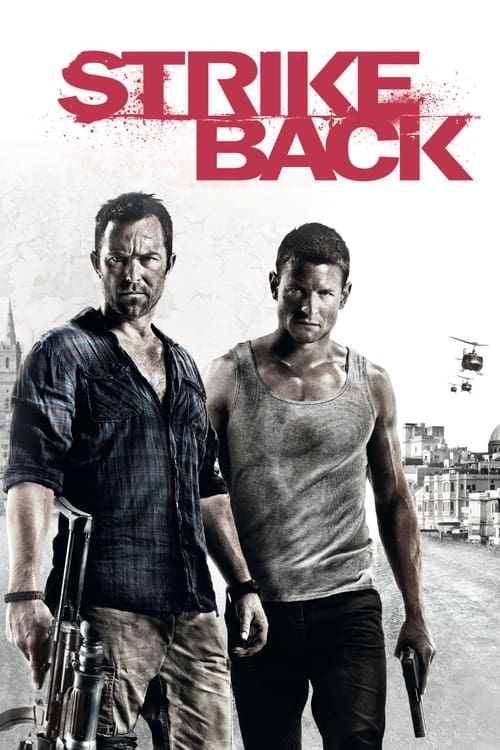
Series that deliver the same escalating siege energy and wisecracking under fire
One Cop vs. Everyone: Action Games with McClane's Spirit
Games that put you in an outnumbered, outgunned situation and ask you to think fast
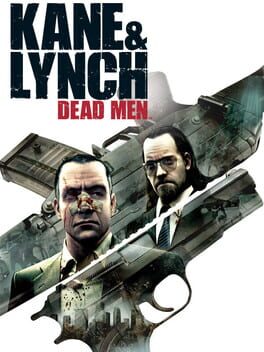
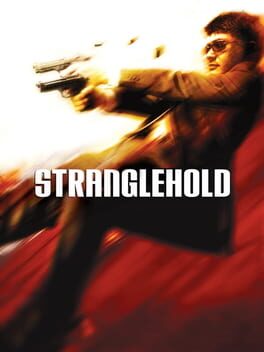
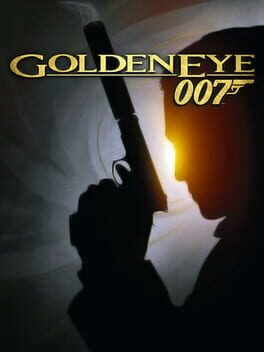
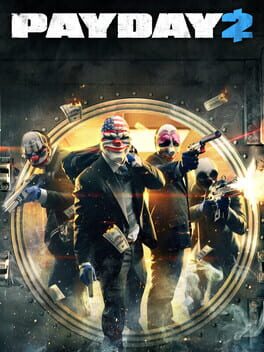
The Books Behind the Bullets
Thrillers that share Die Hard's blue-collar hero energy and ruthless plotting


Alan Rickman Walked So Every Villain Could Run
Hans Gruber is the gold standard for the action-movie villain because Rickman played him as the smartest person in every room, and the film knew it. Gruber has a plan inside a plan inside a plan. He quotes Plutarch. He switches accents mid-scene. He is never frantic, which makes him far more terrifying than any screaming mercenary. Every great action film since has tried to cast someone Gruber-worthy: Gary Oldman in Air Force One, Jeremy Irons in Die Hard with a Vengeance, Dennis Hopper in Speed. None quite replicated the original because Rickman was not performing menace, he was performing superiority.
The Real Debate: Die Hard 3 Is the Best Sequel
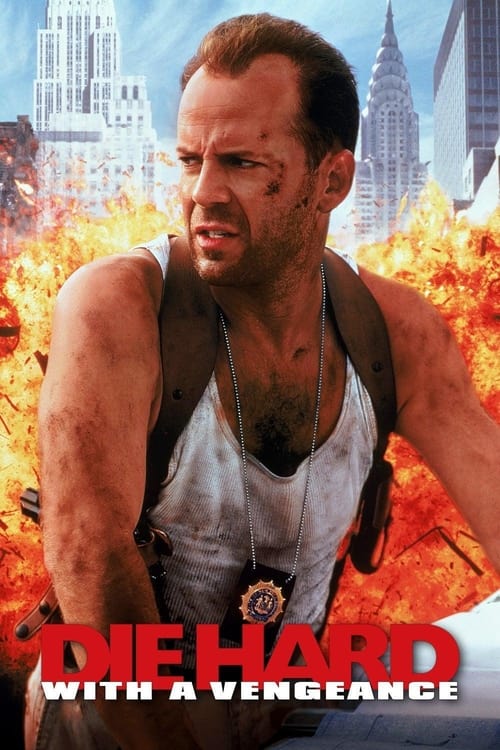
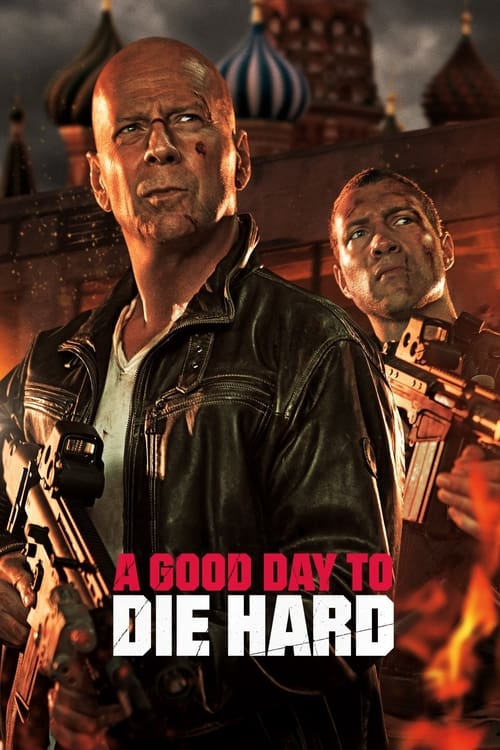
Die Hard with a Vengeance (1995) is the entry that understood what made the original work and rebuilt it at city scale. Jeremy Irons as Simon Gruber (Hans's brother, arriving with a grudge and a riddle game) is the most formidable antagonist in the series. The buddy chemistry between Willis and Samuel L. Jackson is the best writing any sequel gave McClane. The film even has the nerve to let the villain's plan work for most of the runtime. Die Hard 2 is competent. A Good Day to Die Hard is forgettable. Die Hard with a Vengeance is the one you return to.
Max Payne Understood McClane Better Than Most Sequels Did
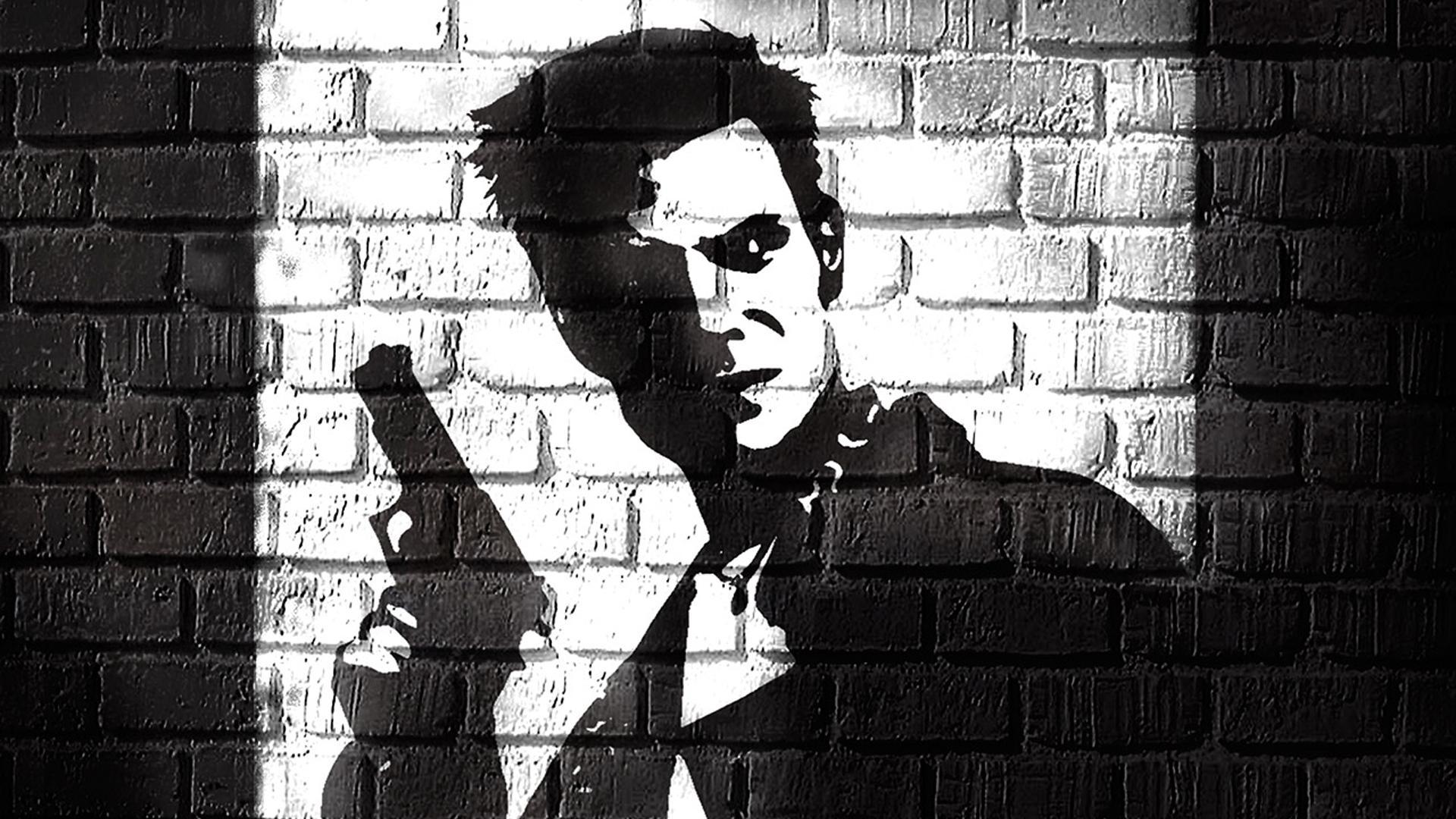
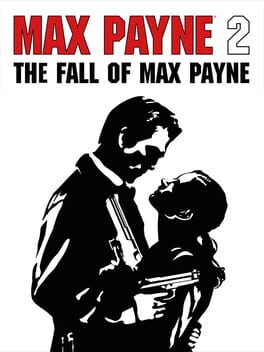
Remedy's Max Payne (2001) translated Die Hard's wounded-cop energy into the best action game of its era. Payne is McClane stripped to his bones: no backup, no sleep, no luck, and a building full of people trying to kill him. The bullet-time mechanic did what McClane's quips do in the film: it gave the hero just enough distance from the chaos to act instead of react. The sequel, Max Payne 2, darkened the tone further. Both games belong on any shelf next to the Nakatomi Plaza Blu-ray.
Roderick Thorp Wrote It First
The film was adapted from Roderick Thorp's 1979 novel Nothing Lasts Forever, itself a sequel to his 1966 novel The Detective. Thorp's Joe Leland is older and grimmer than McClane, and the book ends in a far bleaker place, but the bones are identical: one cop, one skyscraper, one Christmas Eve, one gang of thieves with a political cover story. Reading Thorp puts the film's tonal choices into sharp relief. The studio brightened and renamed the hero. The structure they left almost untouched.
Die Hard: Forty Years of the Blueprint
- 1979Roderick Thorp publishes Nothing Lasts Forever, the source novel
- 1988Die Hard sets the template: Nakatomi Plaza, Christmas Eve, one cop Die Hard
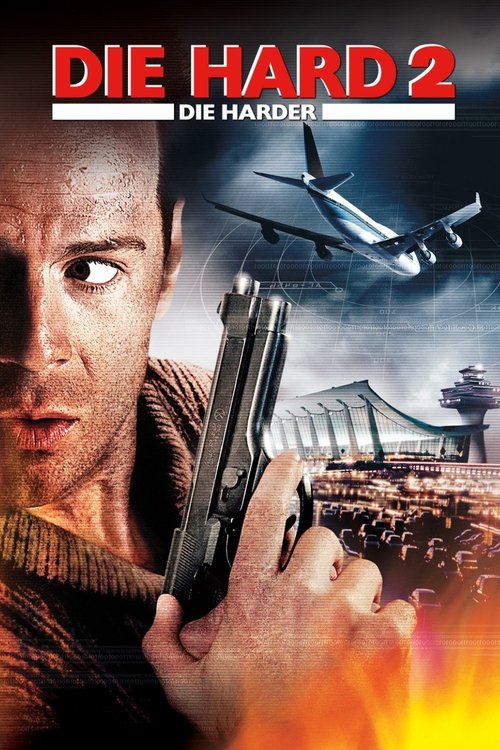
- 1990Die Hard 2 expands to Dulles Airport on the same holiday night Die Hard 2
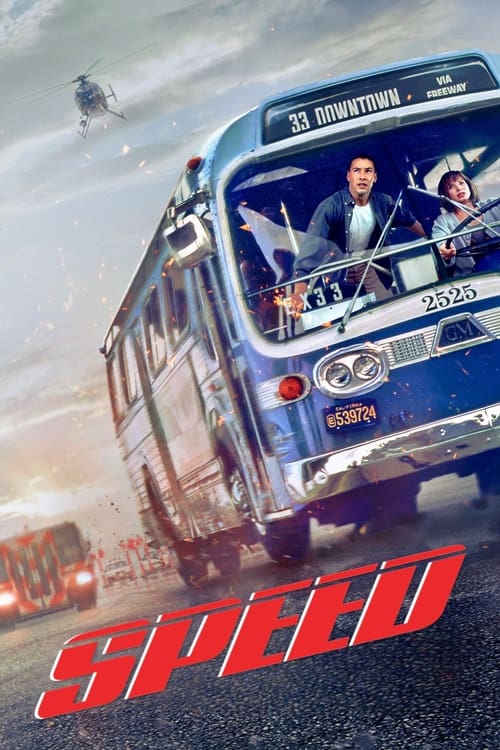
- 1992Speed's pitch to studios is famously 'Die Hard on a bus' Speed
- 1995Die Hard with a Vengeance scales the formula to all of New York City Die Hard: With a Vengeance
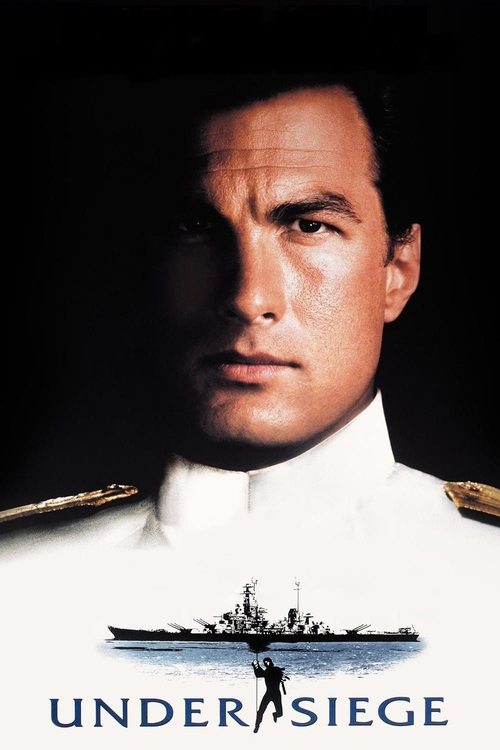
- 1996Under Siege 2: Dark Territory shows the formula's reach ('Die Hard on a train') Under Siege 2: Dark Territory
- 2001Max Payne translates the wounded-cop siege into game form Max Payne
- 200124 premieres, building a TV empire out of real-time countdown pressure 24
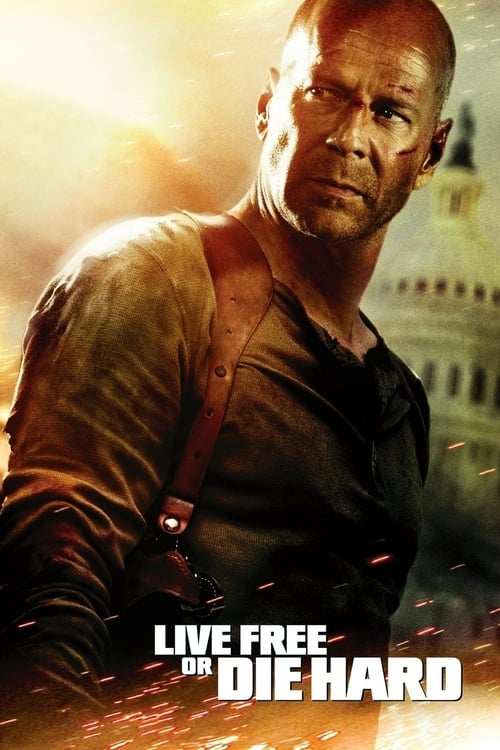
- 2007Live Free or Die Hard brings McClane into the cyber-terrorism era Live Free or Die Hard
- 2013A Good Day to Die Hard takes McClane to Moscow A Good Day to Die Hard
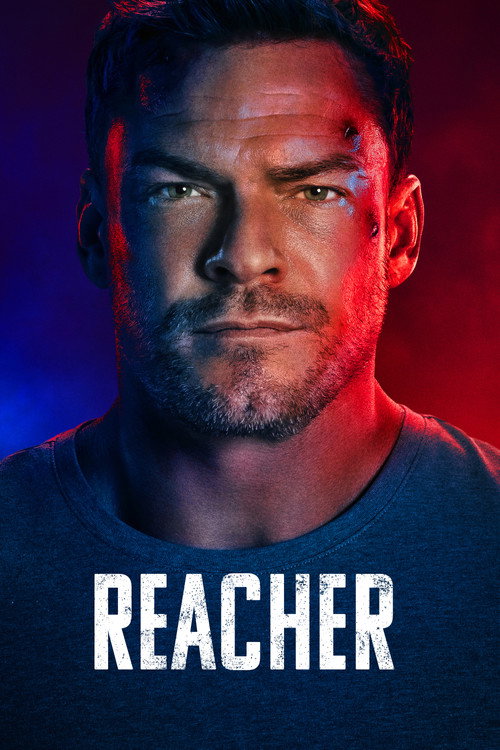
- 2022Reacher premieres as the next great one-man-vs.-many action franchise on streaming Reacher
More high-stakes action thrillers
For Fans of Arnold Schwarzenegger
Explore the For Fans of Arnold Schwarzenegger guide →Yippee-ki-yay.John McClane, Die Hard (1988)