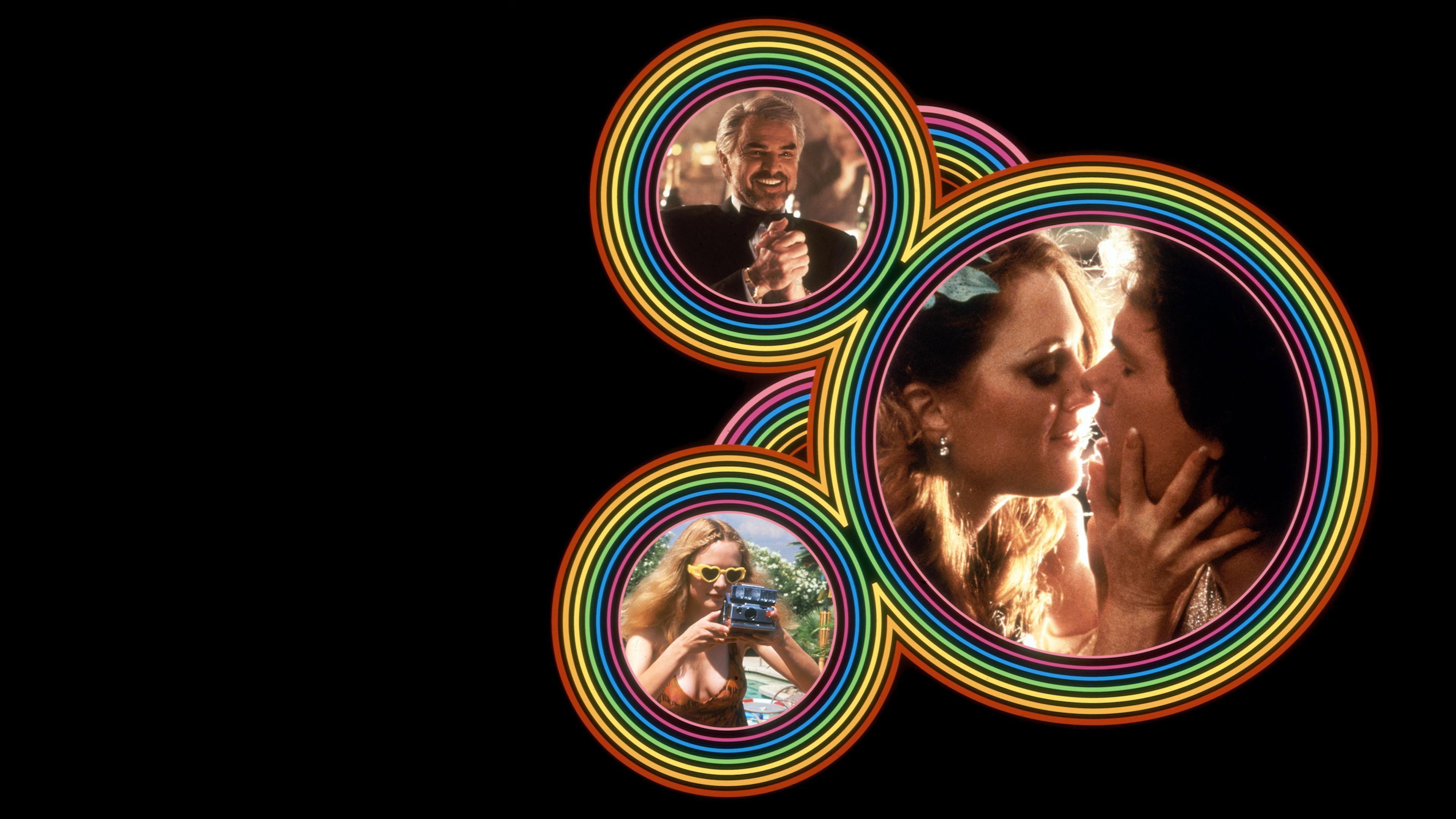

Disco arrived in the early 1970s out of New York's underground club scene, carrying the energy of Black, Latino, and queer communities who needed music that moved. By 1977 it had conquered the mainstream; by 1979 a backlash tried to bury it. Neither mattered. The groove survived. What disco gave popular music was a structural gift: the four-on-the-floor kick, the syncopated hi-hat, lush string arrangements wrapped around a pulse that never let up. Artists from Donna Summer to Chic to Earth, Wind and Fire turned the dancefloor into something approaching a spiritual practice. If you love that feeling, a world of films, books, games, and adjacent sounds is waiting.
Disco on Film
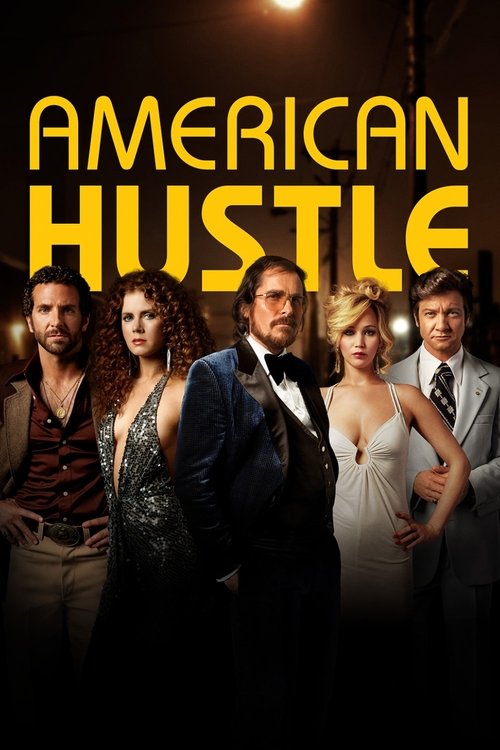
Movies that capture the era, the clubs, and the culture

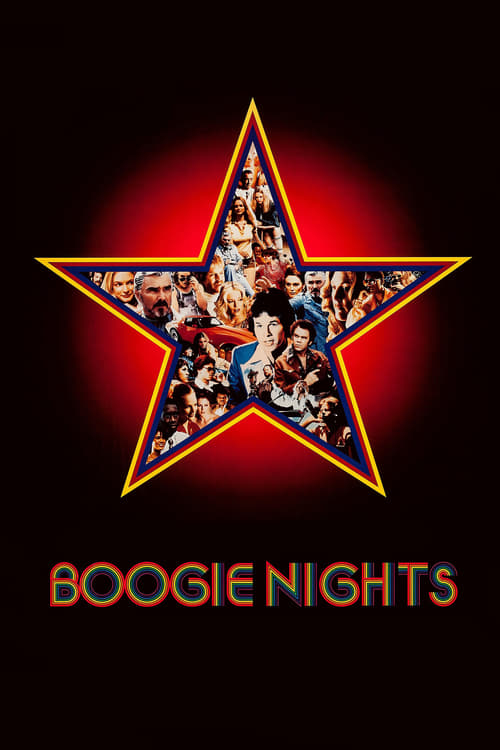
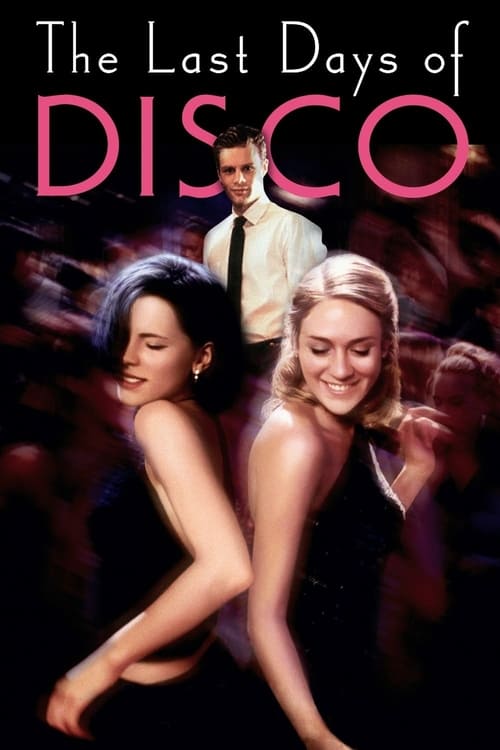
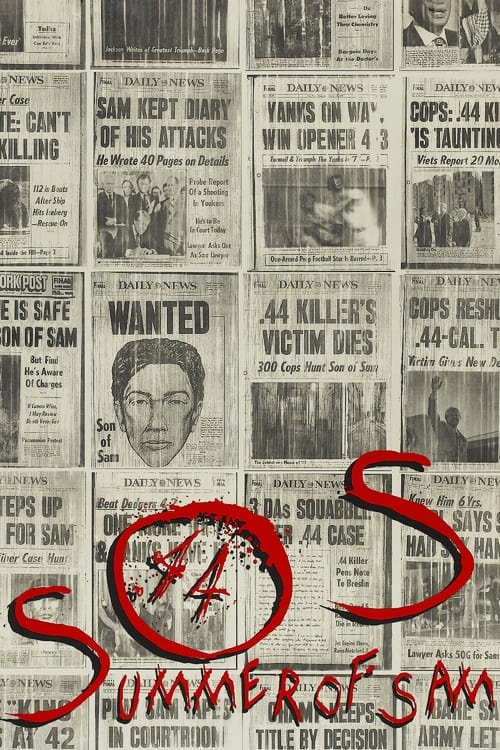

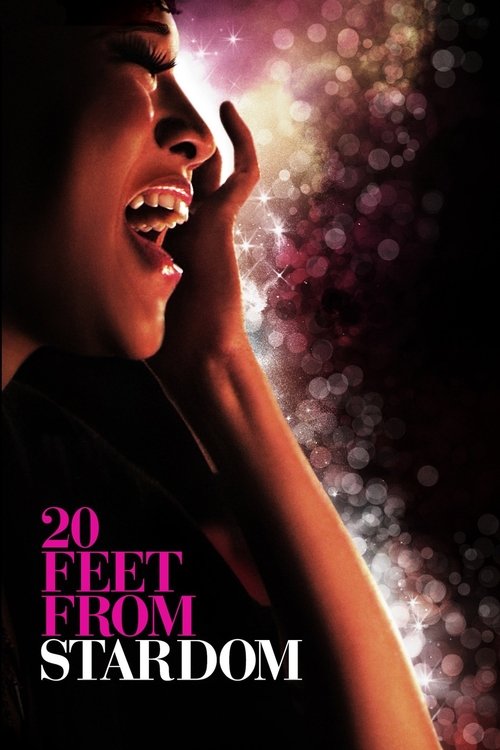
Disco Docs and Concert Films
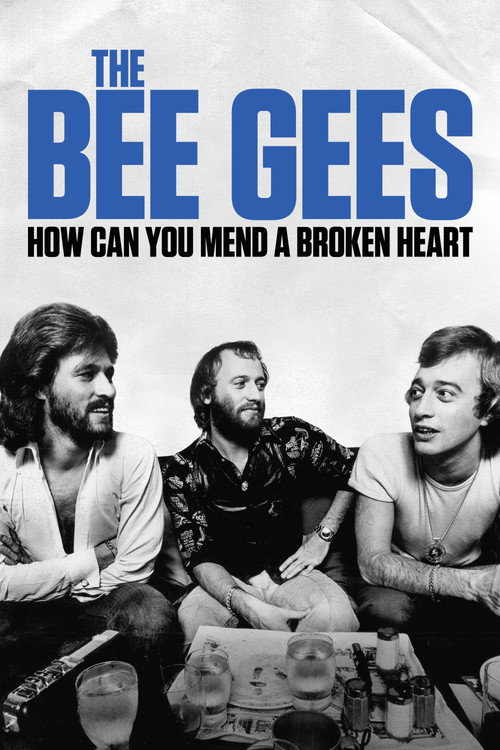
The scene captured in real footage
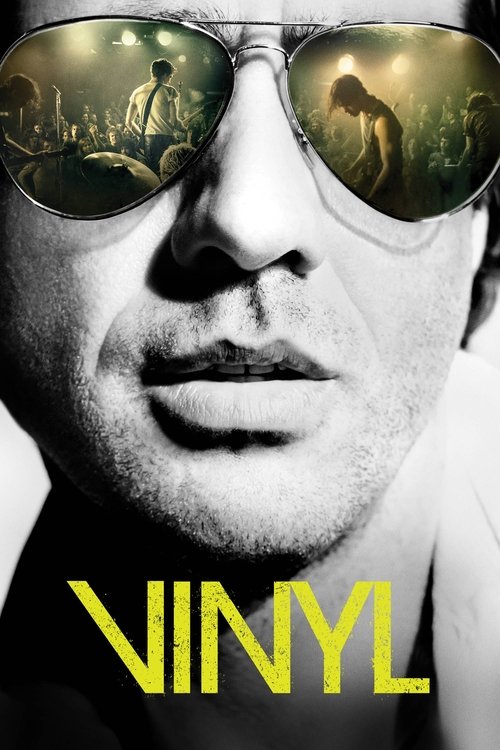
Series with the Same Energy
TV that lives in the 1970s dancefloor spirit

Games with a Disco Pulse
Rhythm, groove, and that dancefloor feeling in interactive form

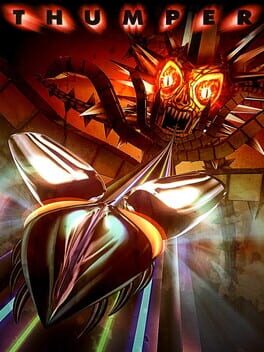
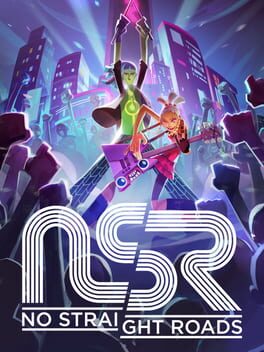
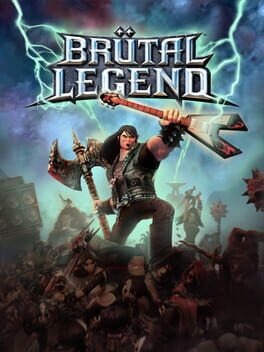
Chic Invented the Blueprint
Nile Rodgers and Bernard Edwards built the engine that still powers pop music. The chopped guitar scratch on 'Le Freak' and the bass-line on 'Good Times' were sampled, borrowed, and rebuilt so many times that their DNA is in hip-hop, house, and everything after. Chic was not a novelty act: it was a precision instrument for collective joy.
Saturday Night Fever Is a Tragedy Dressed as a Party
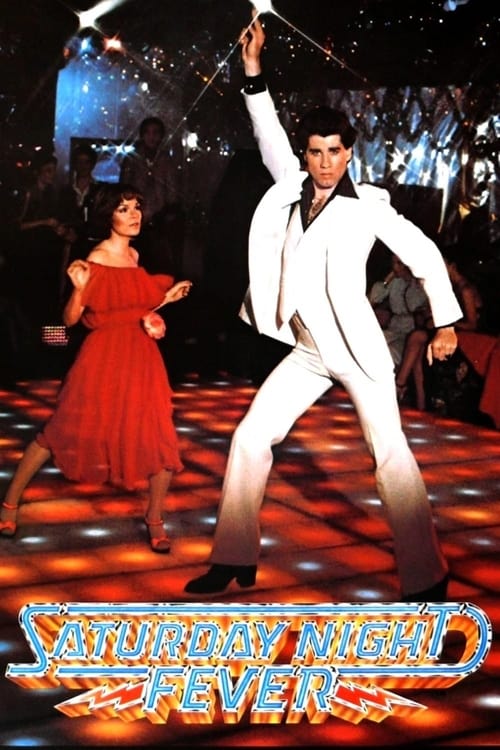
Most people remember the white suit and the Bee Gees. The film itself is darker: Tony Manero is trapped in Brooklyn, the dancefloor is the only place where class and aspiration dissolve. Director John Badham shoots the Odyssey club like a cathedral and the streets outside like a cage. It earns every frame.
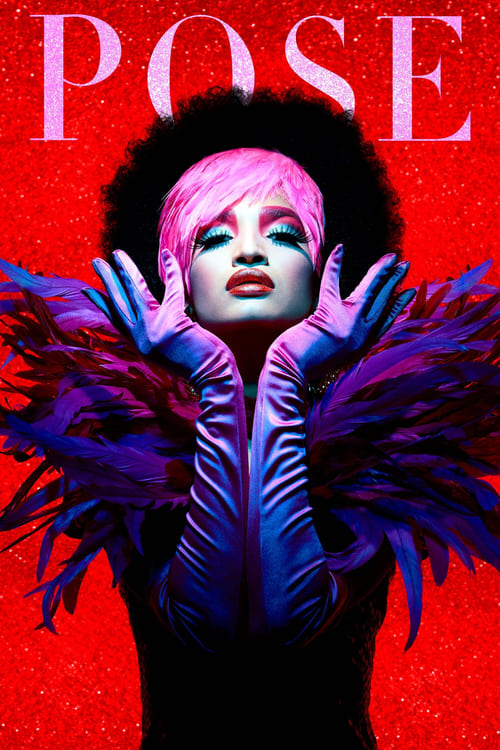
Pose Changed What Television Could Be
Set in the ballroom and drag scene of late-1980s New York (the direct heir of disco's queer underground), Pose cast the largest group of transgender actors in a scripted series and told those stories without apology. The music, the costumes, and the choreography are joy; the writing is serious. It stands as the fullest portrait of what the dancefloor actually meant to the communities that built it.
Disco: A Timeline
- 1970Francis Grasso at the Sanctuary in New York begins slip-cueing records to hold a continuous beat, inventing the DJ mix.
- 1973The Loft and the Gallery open in Manhattan; David Mancuso and Nicky Siano establish the blueprint for the underground dance club.
- 1975Van McCoy's 'The Hustle' reaches number one and puts disco on mainstream radio.
- 1977Saturday Night Fever opens; the soundtrack becomes one of the best-selling albums of the decade. Saturday Night Fever
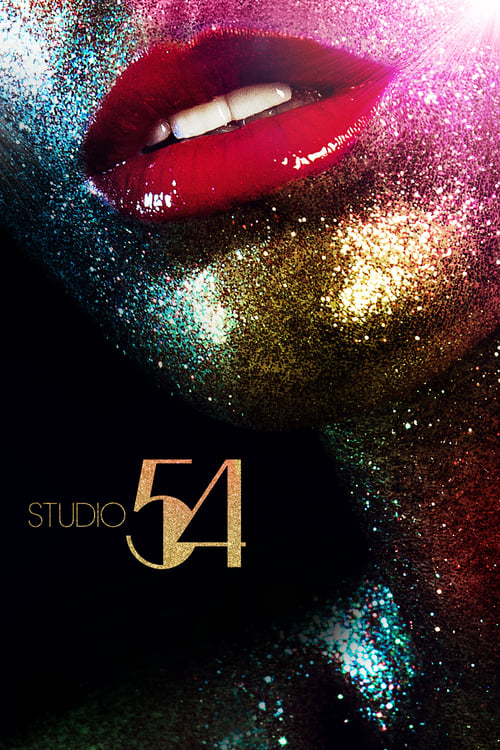
- 1977Studio 54 opens in New York and becomes the era's defining social space.
- 1978Donna Summer and Giorgio Moroder release 'I Feel Love', pointing toward electronic dance music decades ahead.
- 1979Disco Demolition Night at Comiskey Park; the backlash peaks but the music refuses to stop.
- 1980Chic's 'Good Times' bass-line is interpolated in 'Rapper's Delight'; disco hands the groove directly to hip-hop. Good Times
- 1987House music from Chicago and Detroit carries disco's four-on-the-floor pulse into a new generation of clubs.
- 1998Daft Punk release 'Around the World'; French house brings the production grammar of disco back into pop. Rings Around the World
- 2013Daft Punk's 'Random Access Memories' (featuring Nile Rodgers) wins Album of the Year at the Grammys, completing the genre's critical rehabilitation. Random Access Memories
Dancefloor pop and its kin
For Fans of ABBA
Explore the For Fans of ABBA guide →We wanted to make music that made people feel good in their bodies. The politics came from the fact that nobody was making that music for us.Nile Rodgers