
Psychedelic rock is the sound of a genre trying to escape itself. Born from blues and early rock in the mid-1960s, it spent roughly a decade bending every convention available: tuning guitars to open drones, running vocals through rotating Leslie speakers, pressing long improvised passages into the grooves of albums that demanded to be heard in full. The feeling a fan chases is something between dissolution and revelation, a sense that the song is larger than its own edges. From the feedback freakouts of Jimi Hendrix to the kosmische drift of Neu!, from the sitar-tangled textures of Ravi Shankar's collaborations with George Harrison to the studio-as-instrument approach of Brian Wilson, the genre's defining thread is not a single sound but a shared ambition: music that alters the room it plays in.
Essential Psychedelic Rock
The records that define, expand, and occasionally dissolve the genre
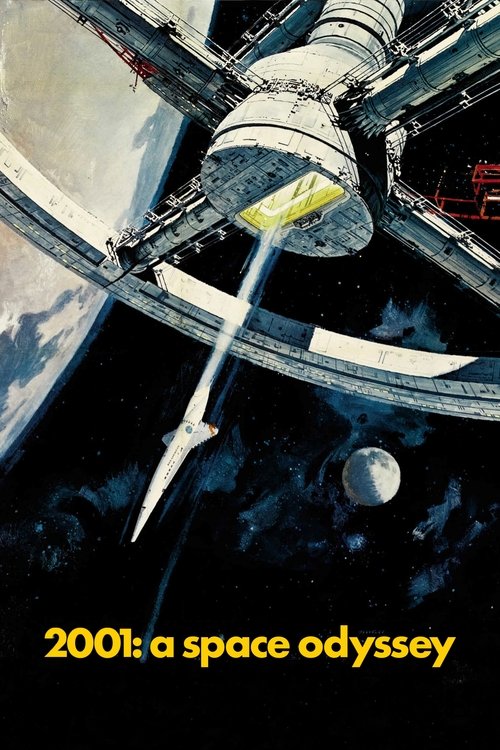
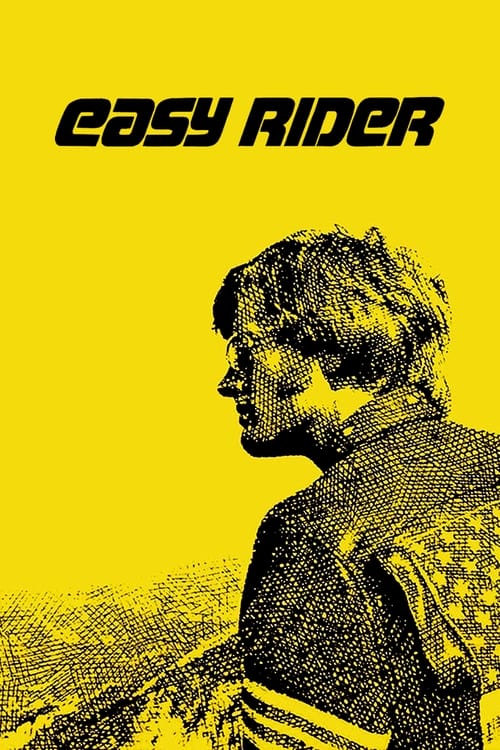
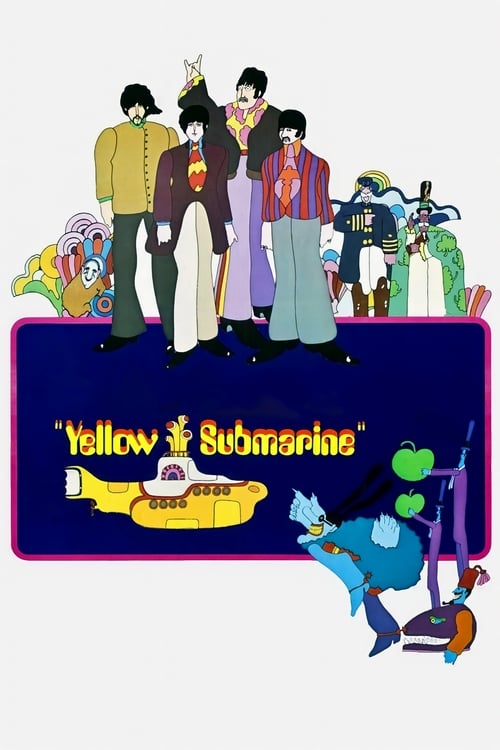
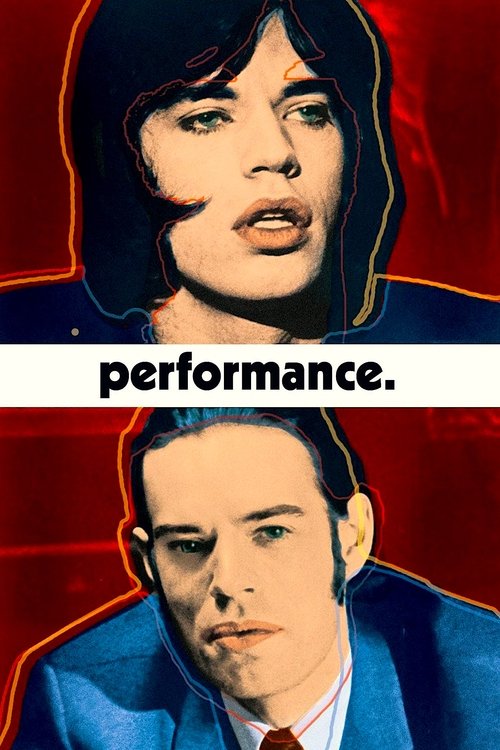
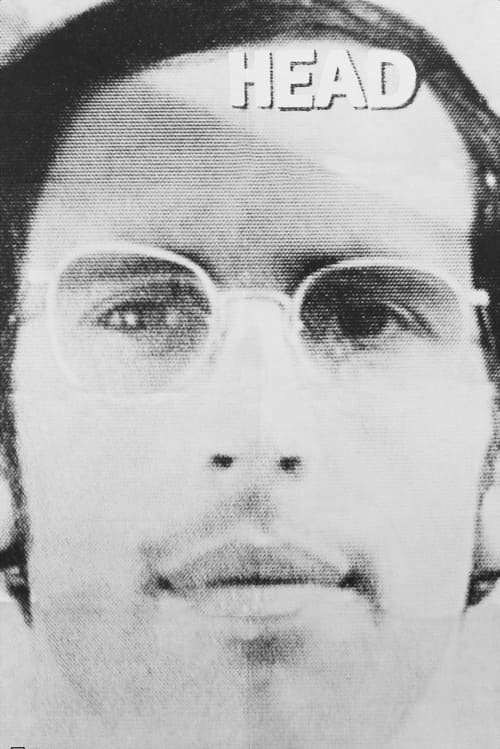
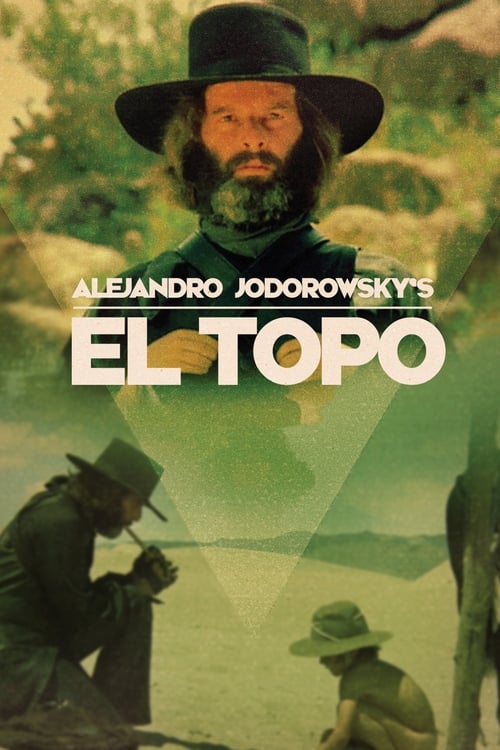
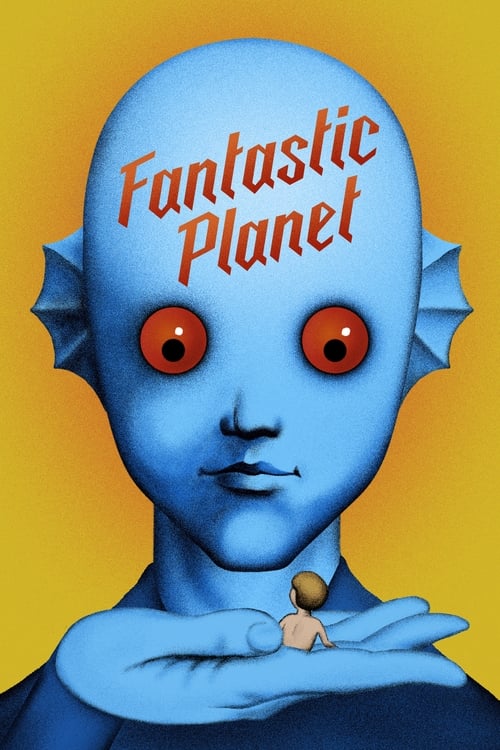
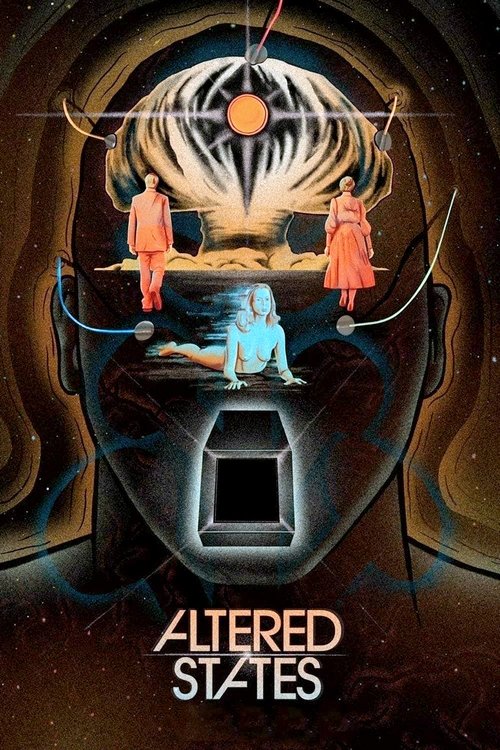
If You Love Psychedelic Rock: Films That Match the Frequency
Movies shot through the same prism of expanded consciousness and visual daring

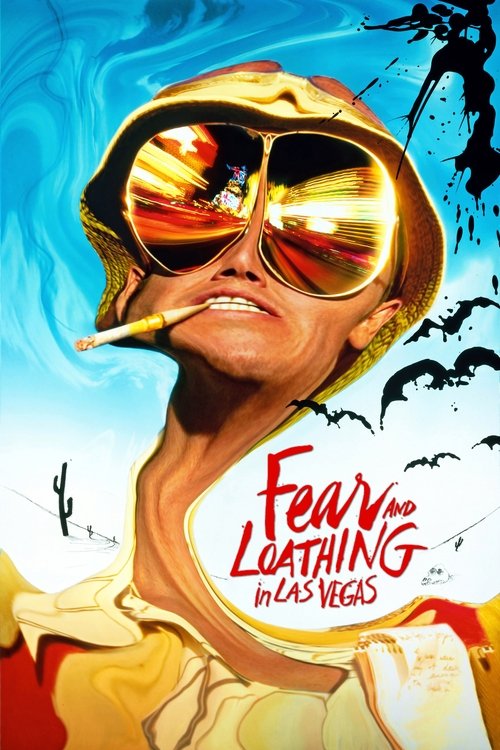
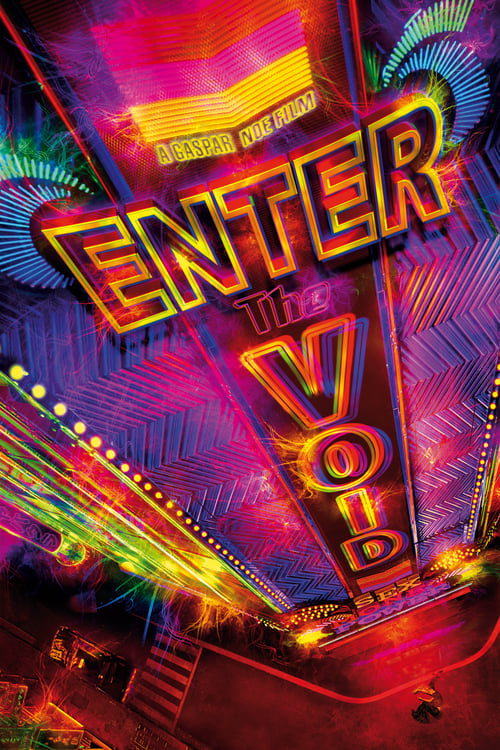
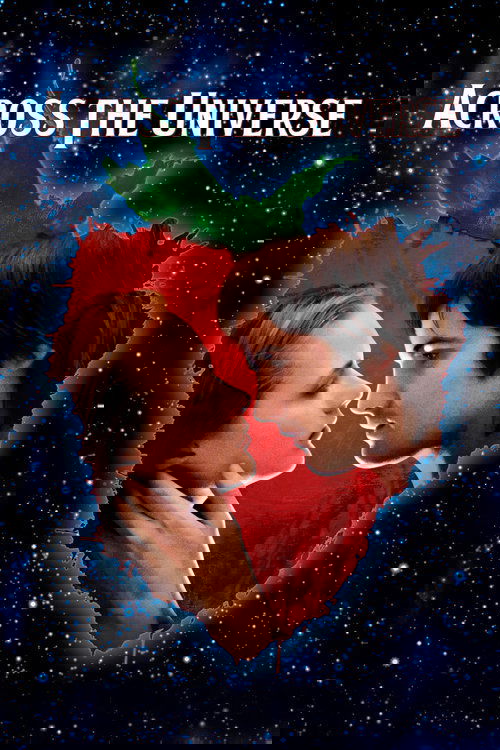
Documentaries and Concert Films
The genre captured live and examined close-up
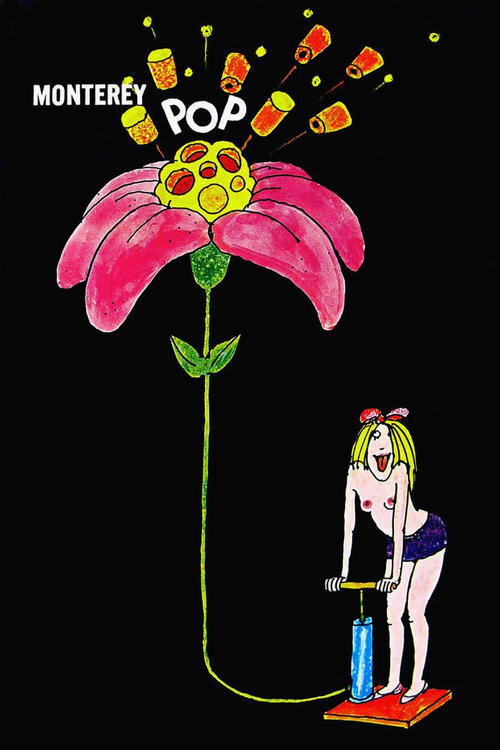
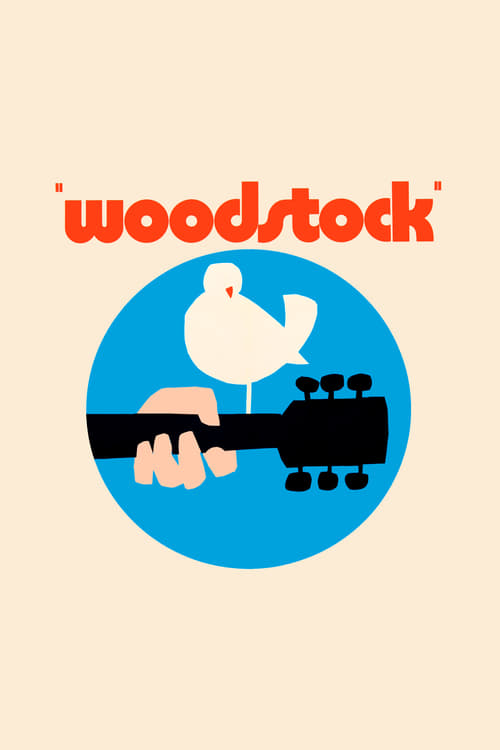
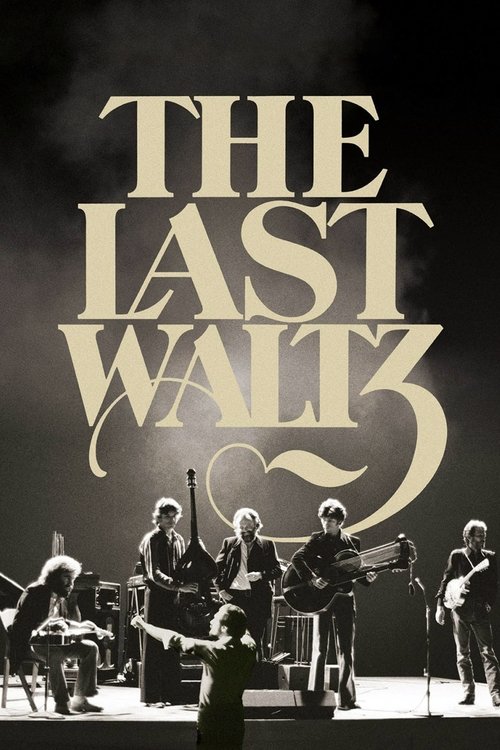

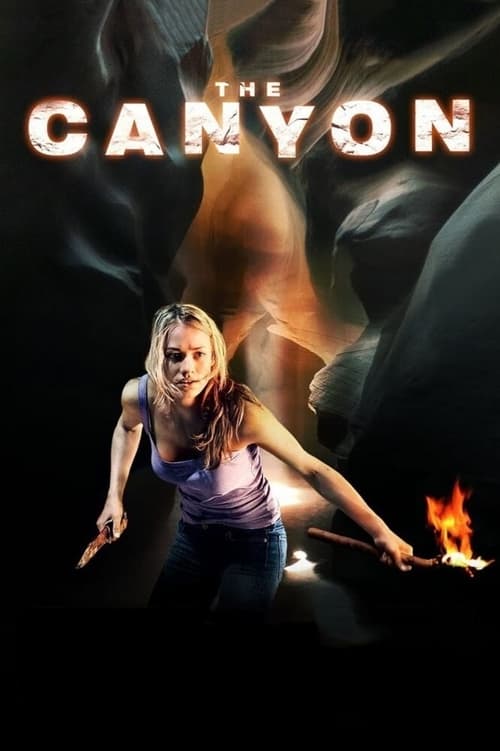
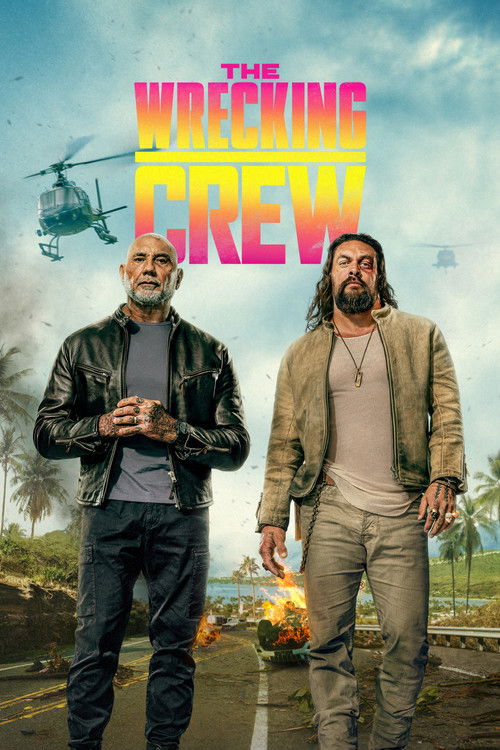
Series and Docuseries for the Deep Listener
Television that explores the era, the artists, or the same restless spirit

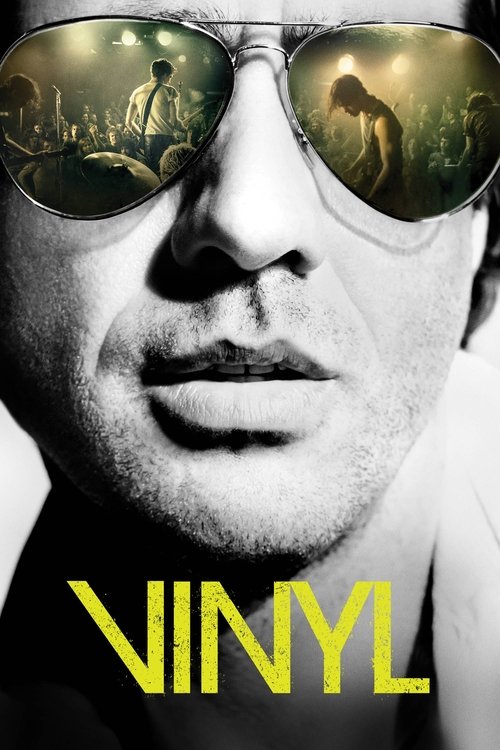
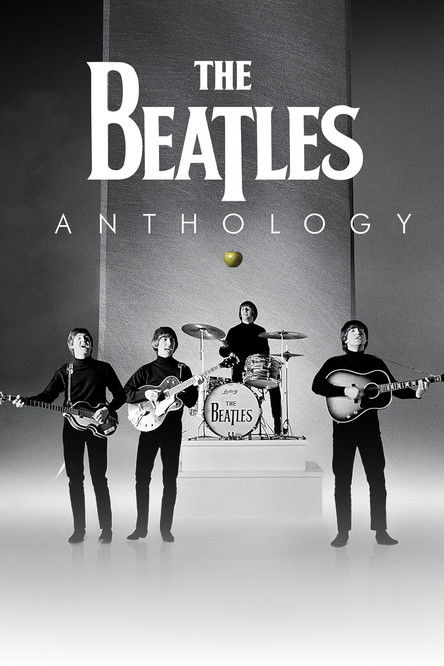
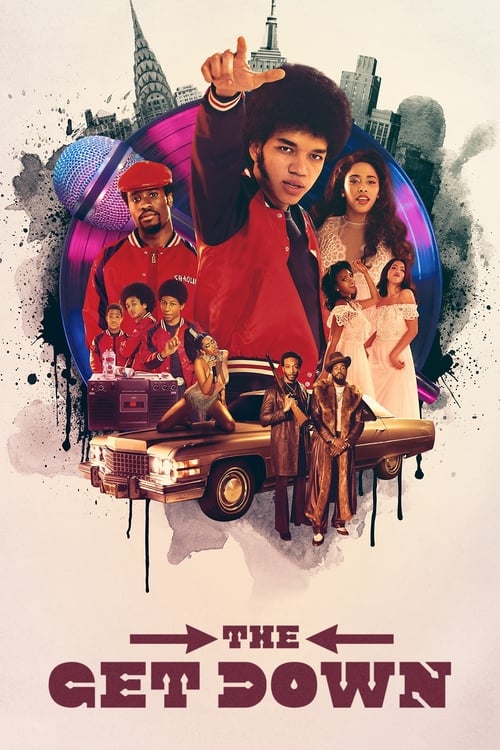
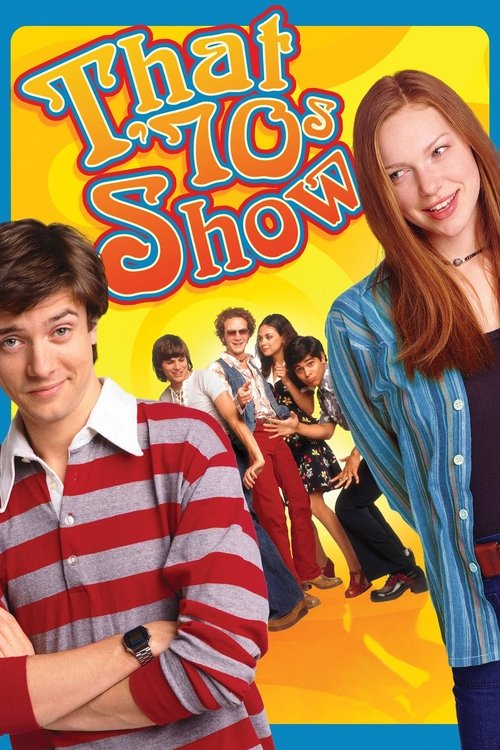
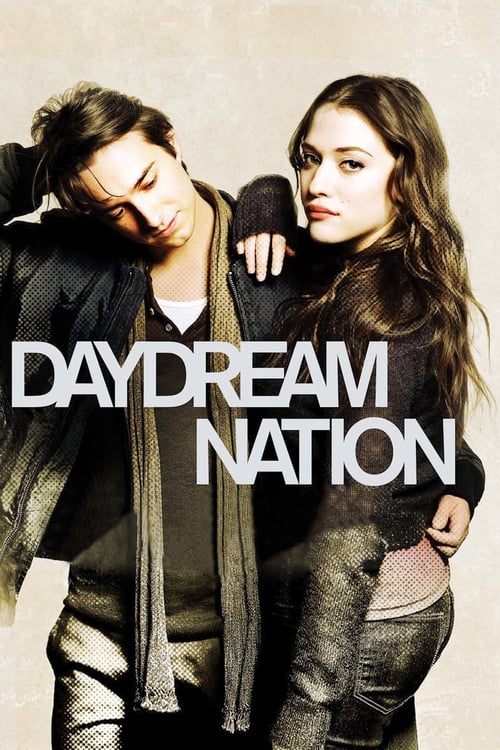
Books That Inhabit the Same Headspace
Novels and nonfiction for readers who want the words to feel as strange as the music


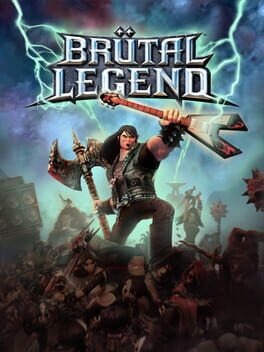
Games That Channel the Same Energy
From rhythm games to trippy open worlds, games built on the genre's frequencies

1967 Was Not a Summer. It Was a Rupture.
The Summer of Love is a marketing phrase that flattens what actually happened in recording studios from London to San Francisco in 1967. Within a single calendar year, Pink Floyd released their debut, Hendrix released two albums, the Beatles released Sgt. Pepper's and Magical Mystery Tour, the Grateful Dead released their first record, and Arthur Lee's Love put out Forever Changes. No other twelve months in rock history produced that concentration of formally radical, sonically unprecedented work. The scene cohered and peaked almost simultaneously, which is part of why the records still feel like artifacts from somewhere outside ordinary time.
The Studio Was Always the Instrument
What separates psychedelic rock from the blues and folk it grew out of is the relationship to the recording process itself. Brian Wilson spent months on Pet Sounds using session musicians to realize parts he heard in his head but could not play. The Beatles stopped touring in 1966 specifically so they could experiment with tape loops, backward tracking, and studio manipulation. Pink Floyd's Syd Barrett era and the early Grateful Dead both used the recording booth as a compositional space, not a capture device. The genre essentially invented the idea of the album as a unified, produced listening experience, a concept so pervasive now that it is easy to forget it had to be invented.
Krautrock Was Psychedelia With the Sentiment Removed
The German bands that emerged from the late 1960s onward, Can, Neu!, Faust, Amon Duul II, Cluster, took the formal innovations of psychedelic rock (repetition, trance, improvisation, studio manipulation) and stripped away the flowers. Where San Francisco psych was saturated with optimism and California light, kosmische musik felt like mind-expansion conducted in a cold warehouse. The result was, paradoxically, more durable: the motorik beat of Neu! is audible in every post-punk band that followed, in Brian Eno's ambient records, in the rhythmic minimalism of Stereolab and Broadcast, and in the krautrock-indebted production of Radiohead's Kid A.
Improvisation Is the Politics of the Form
The Grateful Dead played roughly 2,300 concerts across 30 years, and almost no two were alike. That is not a scheduling fact, it is a philosophical position. The extended live improvisation at the heart of psychedelic rock is an argument against the finished product, against the commodity. A recording is a document; the show is the thing. This is why the genre produced so many beloved live albums (Live Dead, Fillmore East 1971, the entire Grateful Dead archival release program) and why the concert film became such a vital art form alongside it. The music was designed to happen in time, not to be owned.
A Timeline of the Psychedelic Era and Its Afterlives
- 1965The Byrds release Mr. Tambourine Man, fusing folk with electric jangle and setting the template for what follows Mr. Tambourine Man
- 1966Brian Wilson abandons touring to pursue Pet Sounds; the Beatles respond with Revolver, a record whose studio experimentation changes everything Pet Sounds
- 1967The annus mirabilis: Sgt. Pepper's, Piper at the Gates of Dawn, Are You Experienced, Forever Changes, Surrealistic Pillow, all released within months of each other Sgt. Pepper’s Lonely Hearts Club Band
- 1969Woodstock and Altamont happen within four months of each other, defining the decade's optimism and its limits in a single year Woodstock
- 1970Jimi Hendrix, Janis Joplin, and Jim Morrison all die within thirteen months, ending the first wave of the genre's central figures
- 1971Can release Tago Mago, the pivotal krautrock statement that reorients the genre toward rhythm and repetition Tago Mago
- 1973Pink Floyd release The Dark Side of the Moon, the genre's biggest commercial statement and a record that stays on charts for 900 weeks The Dark Side of the Moon
- 1988The Stone Roses and My Bloody Valentine begin the UK revival; Spacemen 3 and Loop sustain the underground
- 1991Loveless by My Bloody Valentine redefines what guitar noise can mean, launching shoegaze as a distinct psych offshoot Loveless
- 2000The Flaming Lips release The Soft Bulletin, demonstrating that the psych tradition can carry genuine emotional weight in a new century The Soft Bulletin
- 2009Tame Impala release their debut, becoming the form's most commercially successful inheritors in decades Innerspeaker
More mind-expanding sounds and visions
For Fans of Jimi Hendrix
Explore the For Fans of Jimi Hendrix guide →The music is not a soundtrack to an experience. It is the experience. The dissolve is the point.CrossBinge