
Dub is the sound of subtraction. Born in Kingston, Jamaica in the late 1960s when engineers like King Tubby and Osbourne Ruddock began stripping reggae tracks to their skeletal core, dub invented the remix before that word existed. Vocals drop out. Drums echo into infinity. Bass frequencies fill the room like weather. What remains is negative space as composition, rhythm as architecture. The philosophy spread outward to post-punk, electronic music, hip-hop production, and ambient. A dub fan is drawn to the same gravity in very different places: the drop, the cavernous reverb, the feeling that the music is breathing on its own.
Essential Dub
The records that built the genre and defined its language
Where Dub Goes Next: Post-Punk and Industrial Bass
British and American bands who absorbed the dub echo and made it strange
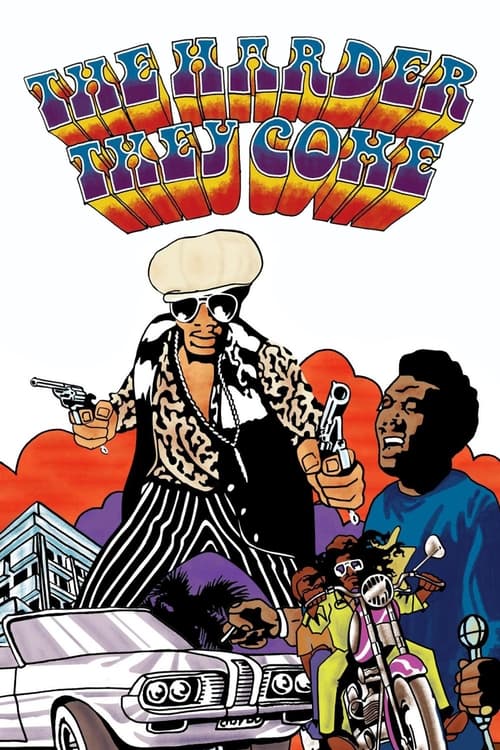
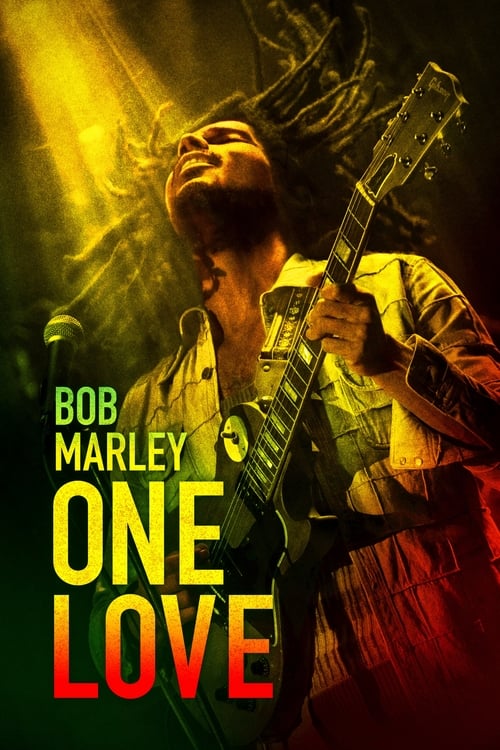
Biopics and Drama: Sound System Stories
Films and series that put Jamaican music culture on screen

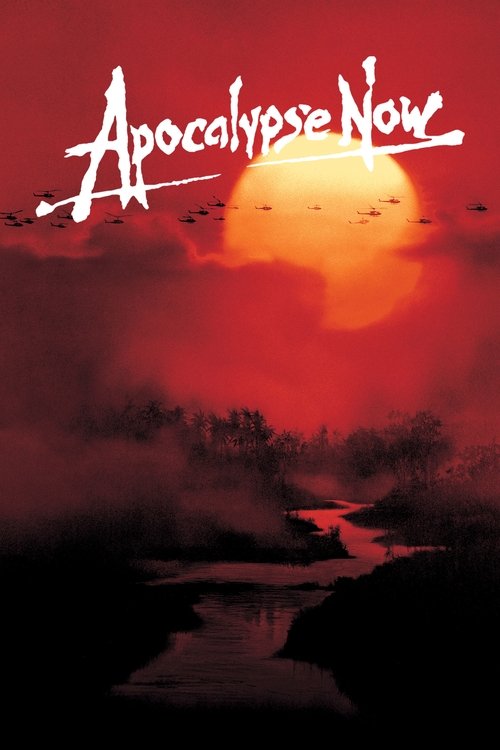
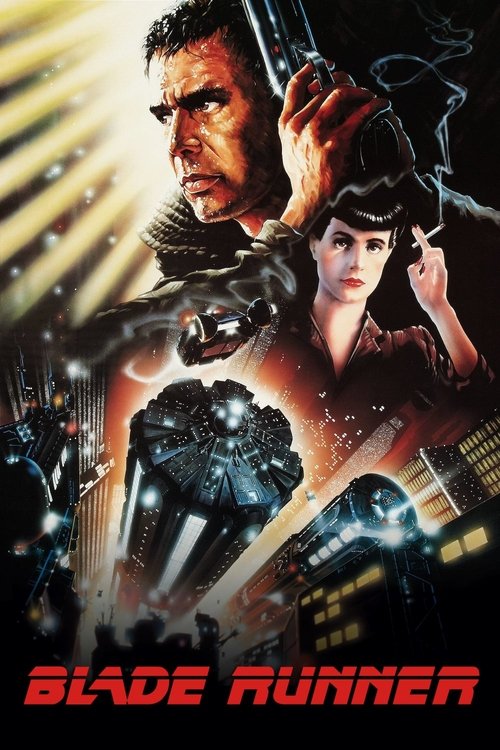
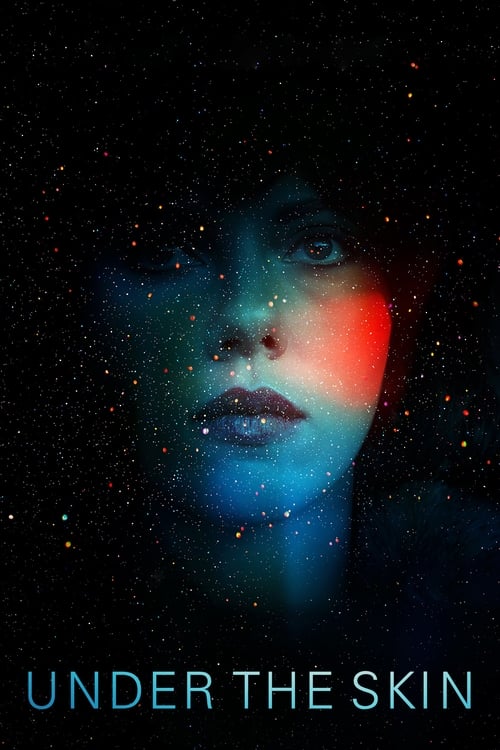
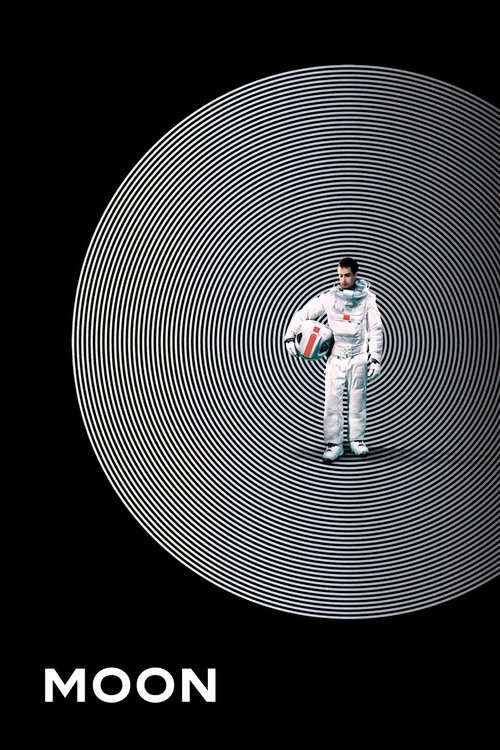
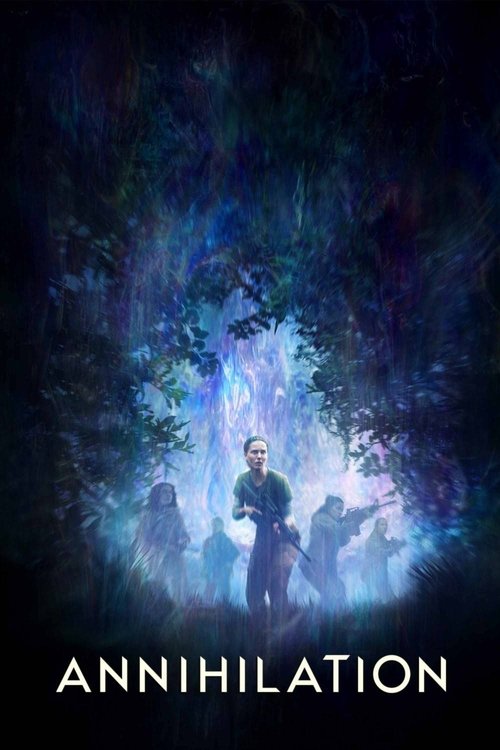
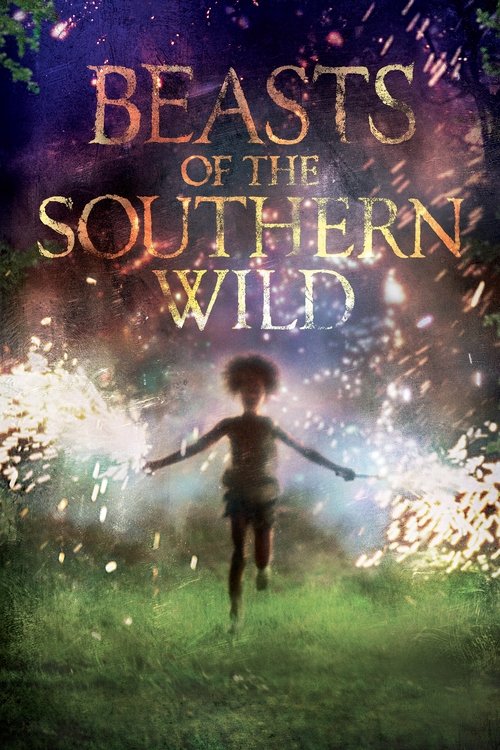
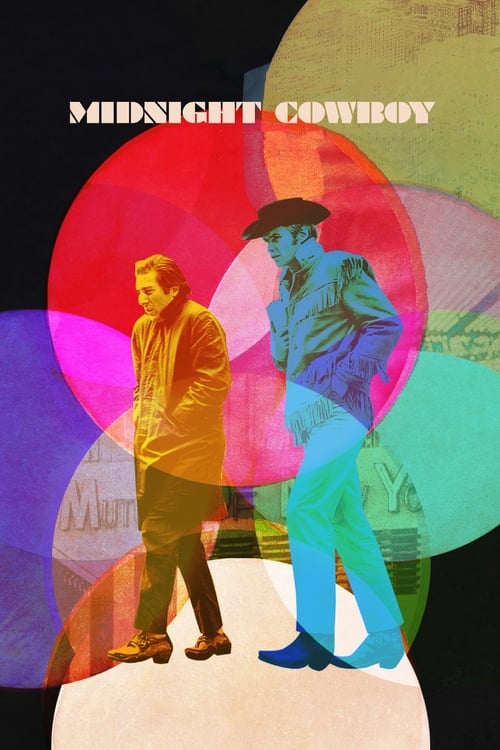
Films with the Same Energy: Atmosphere, Weight, Patience
Cinema that shares dub's relationship to silence, space, and slow revelation
Rhythm Games and Music-Driven Games
Games where bass, beats, and sound design are central to the experience

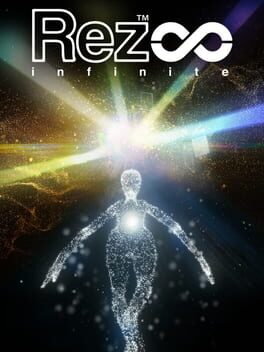
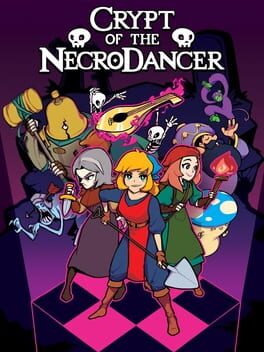
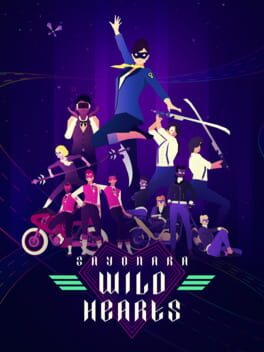
Lee Perry is the Genre's Most Restless Mind
Lee Scratch Perry's Black Ark studio in Washington Gardens, Kingston was a four-track facility where he recorded some of the most spatially complex music ever made. Perry understood dub as a kind of ritual. He layered crickets, backwards tape, found sounds, and prayers over rhythm tracks. When he burned the Black Ark to the ground in 1979, he destroyed the archive but the influence was already everywhere. His work with Bob Marley, the Congos, Junior Murvin, and Max Romeo set the ceiling for what the genre could contain.
Dub Gave Electronic Music Its Grammar
Delay, reverb, filtering, sidechaining, the drop: the vocabulary of electronic dance music was either invented by or perfected inside dub production before synthesizers became central to pop music. Producers like Massive Attack, The Prodigy, and Burial absorbed dub indirectly through British sound system culture. Reggaeton's "dembow" rhythm traces back to a single riddim. When producers today talk about creating atmosphere through negative space, they are speaking a language whose grammar was written in Kingston and refined in London sound systems during the 1970s and 1980s.
Dub: A Timeline
- 1968Rudolph Redwood accidentally cuts an instrumental version of a track, pioneering the dub plate format
- 1972King Tubby begins remixing riddims for Treasure Isle and other Kingston labels Aquarius
- 1973Lee Perry opens the Black Ark studio in Washington Gardens, Kingston
- 1976Augustus Pablo and King Tubby record the landmark meeting of melodica and echo
- 1978The Congos and Lee Perry complete Heart of the Congos, peak of the Black Ark era
- 1979The Clash incorporate dub delays and riddims into a post-punk context London Calling
- 1980Public Image Ltd release Metal Box, bringing dub's cavernous bass into British post-punk Metal Box
- 1991Massive Attack release Blue Lines, establishing Bristol trip-hop as a direct descendant of dub Blue Lines
- 1998Scientist's dub records reach new audiences through reissues and the rise of internet reggae communities
- 2007Burial's Untrue applies dub's spatial philosophy to UK garage, reaching a new generation of listeners Untrue
Roots, bass, and reinvention
For Fans of Bob Marley
Explore the For Fans of Bob Marley guide →When the engineer takes the vocal off and leaves the music, something else is born. Something the musicians didn't know was there.Lee Scratch Perry