
Talking Heads arrived from the Rhode Island School of Art in 1975 with something nobody else had: the tension between a trained artist's eye and genuine funk propulsion. David Byrne, Tina Weymouth, Chris Frantz, and Jerry Harrison built a sound that was simultaneously too weird for mainstream rock and too danceable for the avant-garde. Producer Brian Eno pushed them toward African polyrhythms and found sounds on their landmark run of records from 1978 to 1983. The result was a body of music that turned alienation into choreography, paranoia into groove, and the American suburb into a theatre of the absurd. Fans come for the restless intelligence and stay for the rhythm section, which may be the tightest in rock. The through-line across everything on this page: formal experimentation that never loses the body.
Essential Talking Heads
The albums, ranked by obsession level
If You Love Remain in Light
Films and albums built on African polyrhythm, layered texture, and groove-as-architecture
Concert Films Worth Owning
Performances that redefined what a live film could be

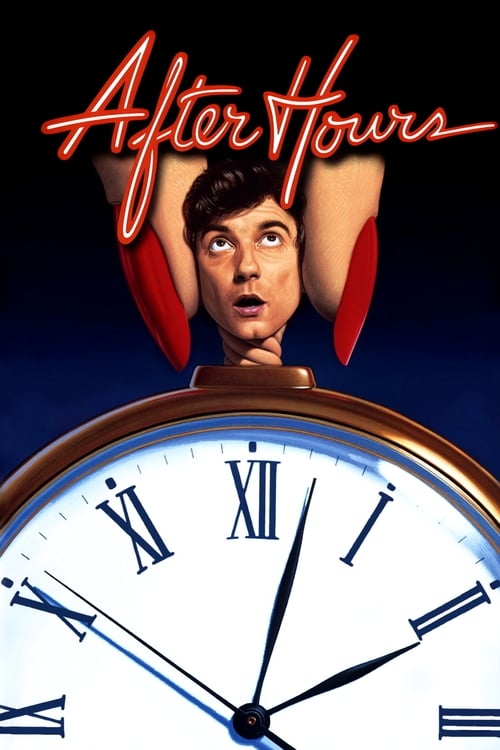
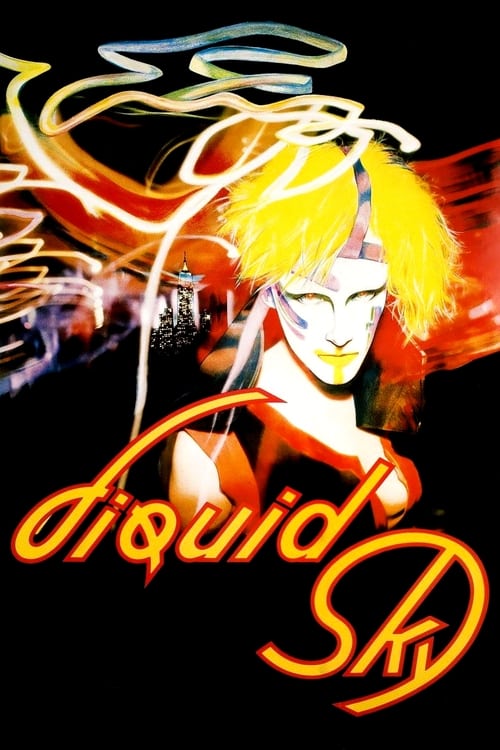
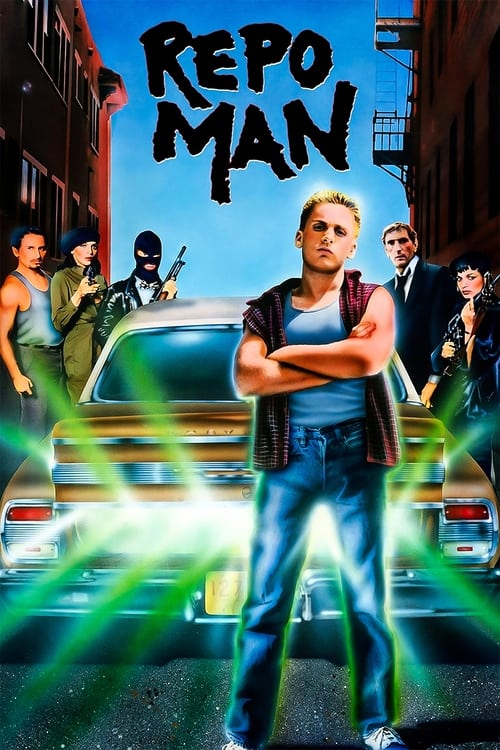
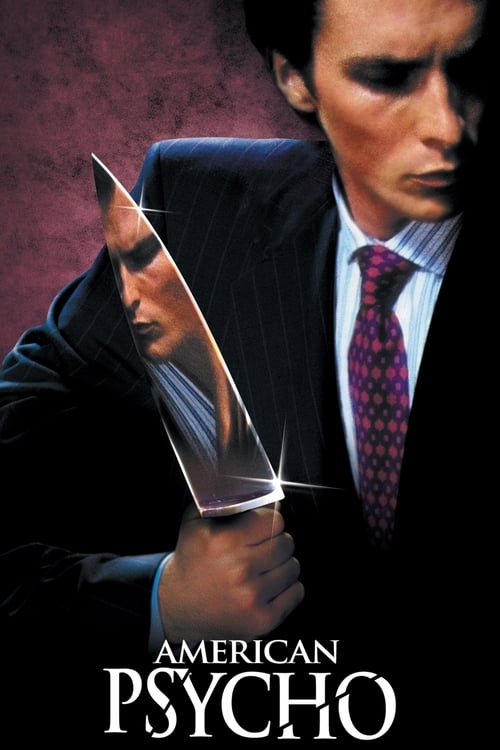
Art-School Anxiety on Screen
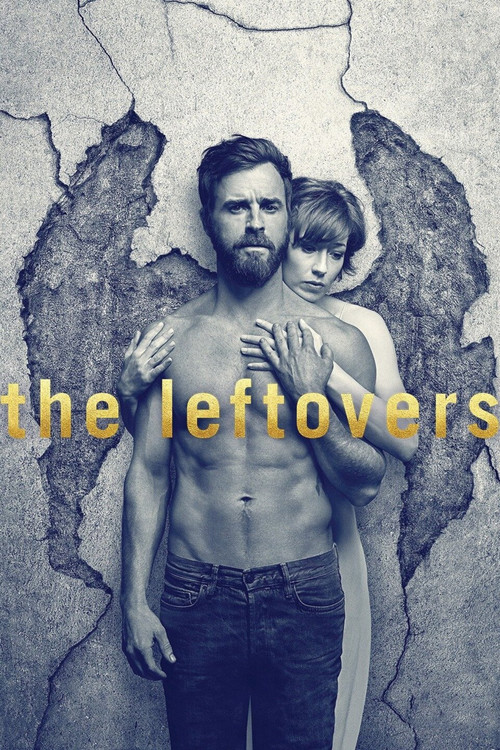
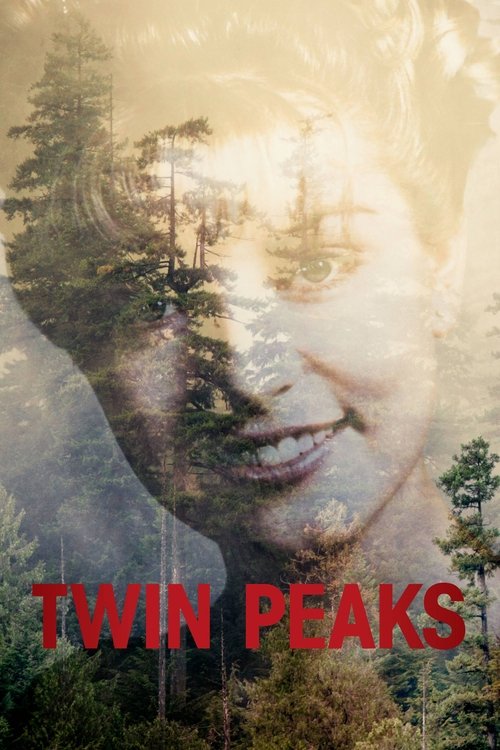
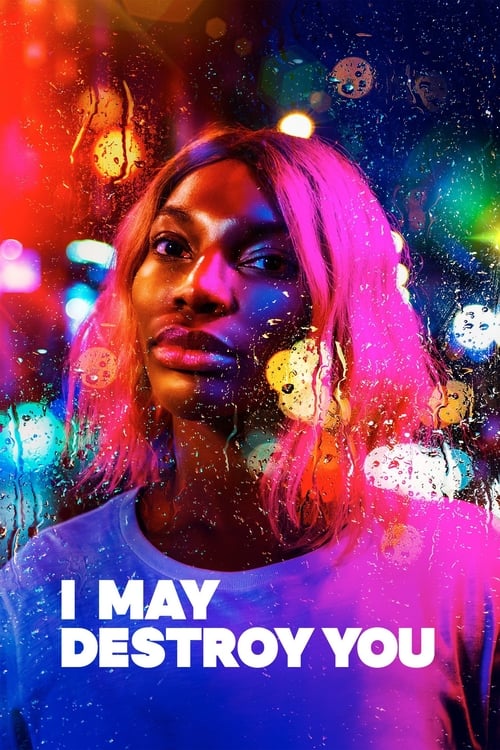
Films and series sharing Talking Heads' nervous energy, suburban unease, and conceptual edge
New Wave and Post-Punk Companions
The records that orbited the same moment and carry the same DNA
Books for the Same Brain
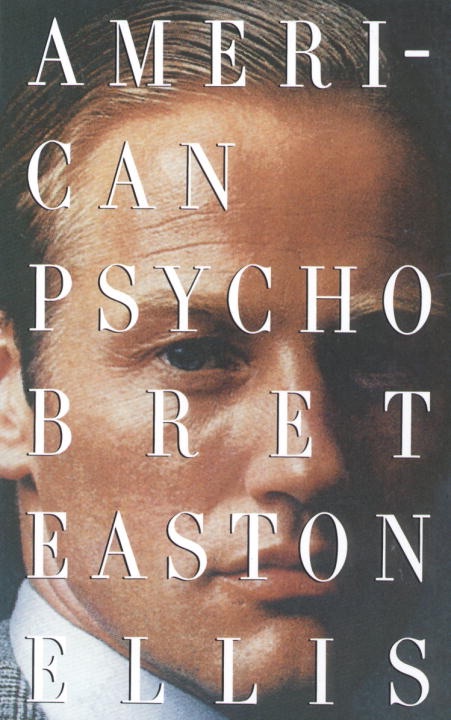
Reading for people who hear rhythm in theory and theory in rhythm


Games with the Same Restless Energy
Games that share the conceptual playfulness, rhythm, and art-school weirdness

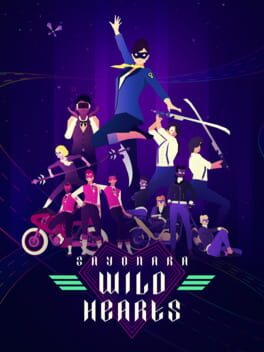

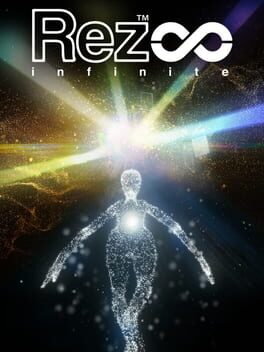
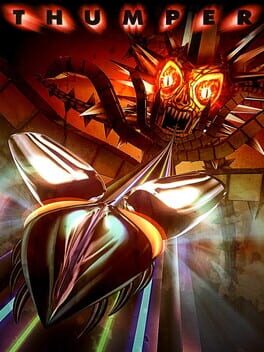



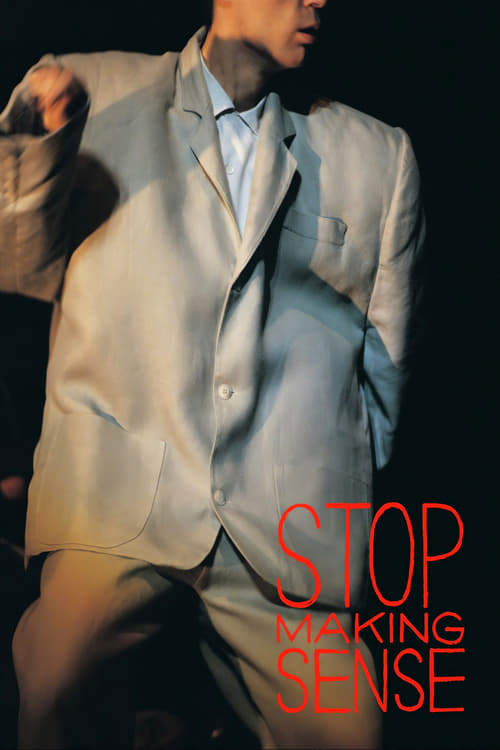
Stop Making Sense Is the Greatest Concert Film Ever Made
Jonathan Demme's 1984 film is not a concert document. It is a piece of performance art that happens to contain a concert. David Byrne walks out alone with a boombox playing a drum machine and builds the band member by member across the first four songs, so that by the time the full ensemble arrives playing 'Crosseyed and Painless,' you have watched something assembled from nothing. The big suit is not a gimmick. It is a formal argument about the relationship between the self and the performance of the self. Every shot earns its place. No backstage footage. No crowd cutaways. Just the stage and the bodies on it.
Remain in Light Changed What Rock Music Could Think About
The jump from Fear of Music to Remain in Light is one of the most radical pivots in rock history. Byrne and Brian Eno had spent two years working on My Life in the Bush of Ghosts, which built songs from found samples and African rhythmic cells. They brought that vocabulary back to the band and replaced linear chord progressions with interlocking ostinato loops. The result is a record that sounds more like an engine than a song cycle. Every instrument is a rhythm instrument. Every rhythm is melodic. 'The Great Curve' and 'Seen and Not Seen' are as good as rock got in the 1980s.
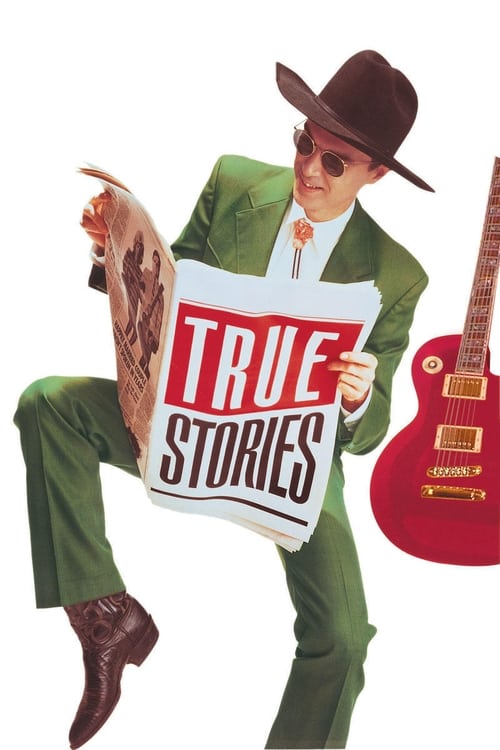
True Stories Is the Most Underrated Film of 1986
Byrne directed and starred in this deadpan musical comedy set in a fictional Texas town celebrating its 150th anniversary. It is simultaneously a sincere love letter to American eccentricity and a gentle satire of it. John Goodman plays the loneliest man in town with complete earnestness. The music is lighter than the classic albums but the film has a warmth the band's records rarely allowed themselves. It also functions as an accidental documentary of mid-1980s Texas vernacular architecture and fashion.
Talking Heads: A Chronology
- 1975Band forms at Rhode Island School of Design
- 1977Debut album on Sire Records Talking Heads: 77
- 1978Brian Eno begins producing the band More Songs About Buildings and Food
- 1979Paranoia and abstraction intensify Fear of Music
- 1981African polyrhythm rewires the group Remain in Light
- 1981Byrne and Eno side project released My Life in the Bush of Ghosts
- 1983Mainstream breakthrough, 'Burning Down the House' Speaking in Tongues
- 1984Demme concert film becomes a landmark Stop Making Sense
- 1985Warmest, most radio-friendly album Little Creatures
- 1986Byrne directs his Texas musical comedy True Stories
- 1988Final studio album before the breakup Naked
- 1991Band disbands officially
- 2002Rock and Roll Hall of Fame induction
- 20234K restoration released in cinemas Stop Making Sense
Post-punk art and new wave
For Fans of New Wave
Explore the For Fans of New Wave guide →I wouldn't have thought of myself as someone who made dance music, but the body doesn't lie. If people are moving, something is working.David Byrne