
The Architecture of Dread
Edgar Allan Poe invented something no one has fully replicated: a genre of horror that lives entirely inside the skull. His stories are not about monsters in the dark but about the dark that grows inside people who are too intelligent, too sensitive, or simply too aware. The narrator of The Tell-Tale Heart hears a dead man's heartbeat. The narrator of The Fall of the House of Usher watches a family consume itself. In The Pit and the Pendulum, the horror is geometrically precise. Poe understood that the most unbearable fear is the one you construct yourself, from the available evidence.
He also, almost incidentally, invented the modern detective story. The Murders in the Rue Morgue introduced C. Auguste Dupin, a brilliant loner who reasons his way to truth through pure observation, and every detective who followed -- from Sherlock Holmes to Philip Marlowe -- carries Poe's DNA. The same mind that wrote Gothic horror wrote logical puzzles, and these are not opposites. Both are about the terror and pleasure of following a chain of reasoning to its end.
Poe wrote poetry with the obsessive musicality of a composer. The Raven, Annabel Lee, The Bells -- these are poems built on sound as much as sense, on repetition and rhythm that function almost like hypnosis. If you respond to his work, you probably love the feeling of being drawn down, of sentences that close in around you, of a style that is simultaneously ornate and suffocating. What follows is built for that taste.
Essential Edgar Allan Poe
The stories and poems that define the canon, from single tales to the collections that hold them all


![Tales of Mystery and Terror [adaptation]](https://covers.openlibrary.org/b/id/11771131-L.jpg)

![Tales of Mystery and Imagination [29 stories]](https://is1-ssl.mzstatic.com/image/thumb/Publication211/v4/38/9b/8a/389b8a46-0e3e-c96d-a4ba-17d54f2c6ffc/9780007480661.jpg/1400x1400bb.jpg)
Psychological Horror From the Inside
Fiction where the narrator is the most dangerous thing in the room

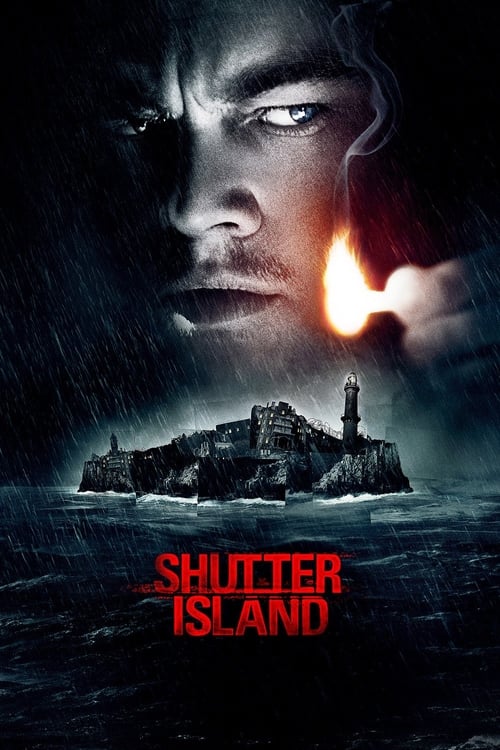



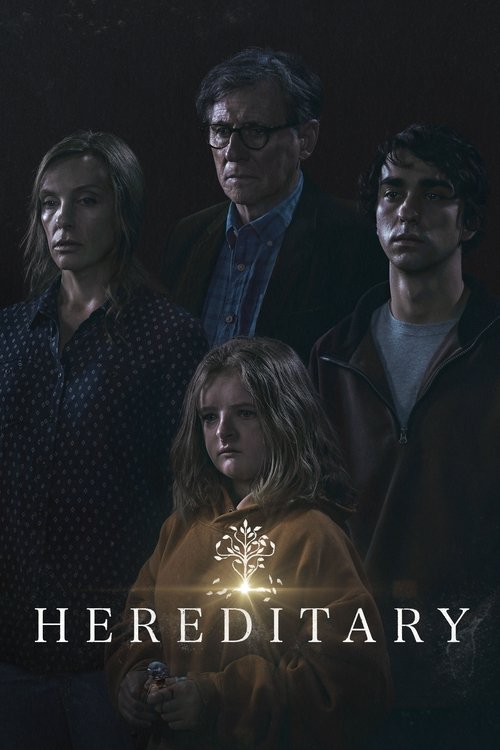
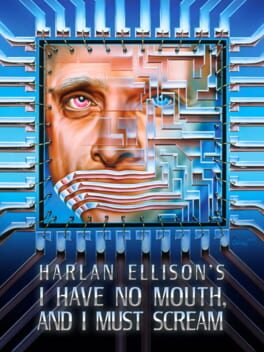
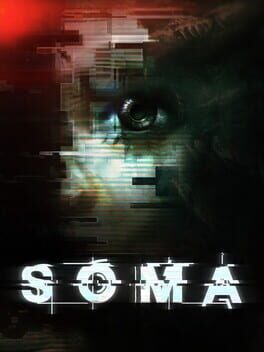
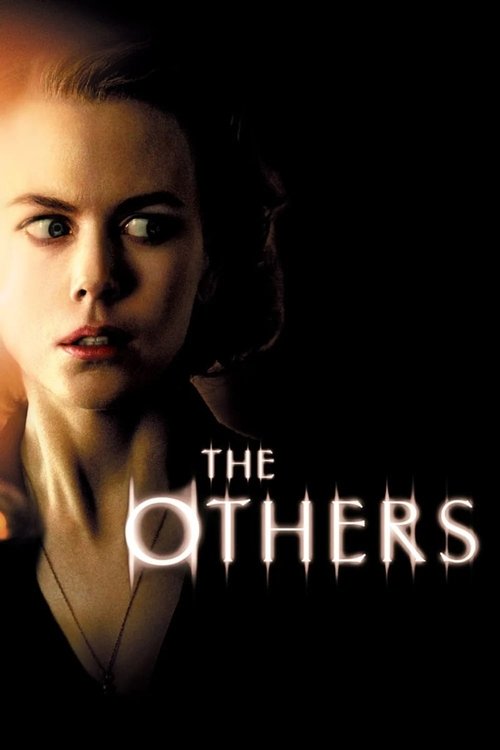
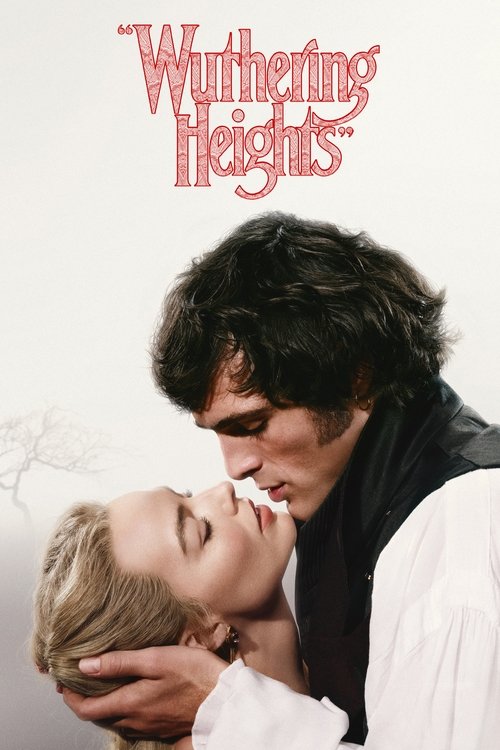
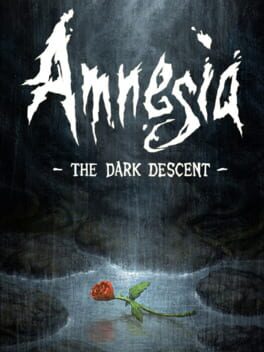
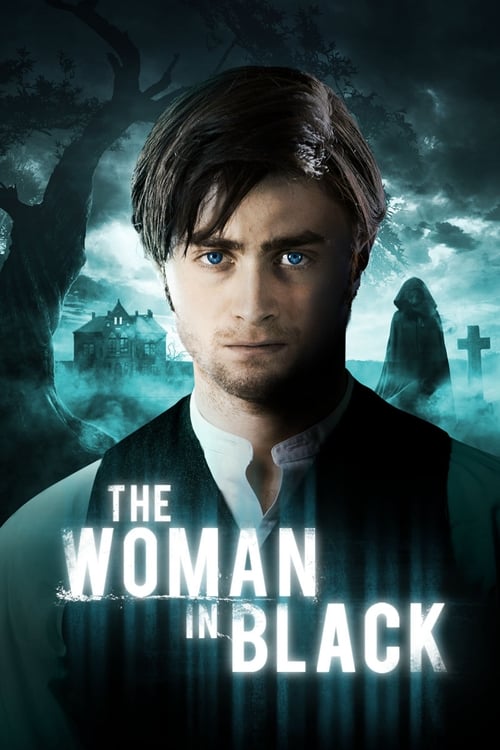
Gothic Atmosphere and Dread Architecture
Where a building, a room, or a landscape becomes a character

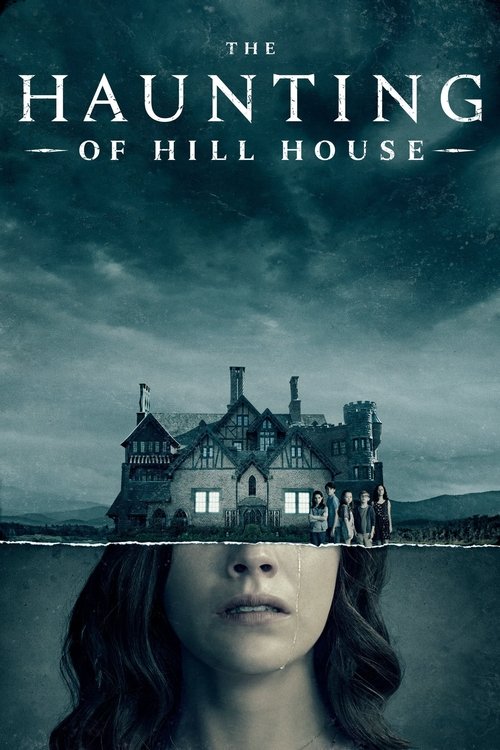
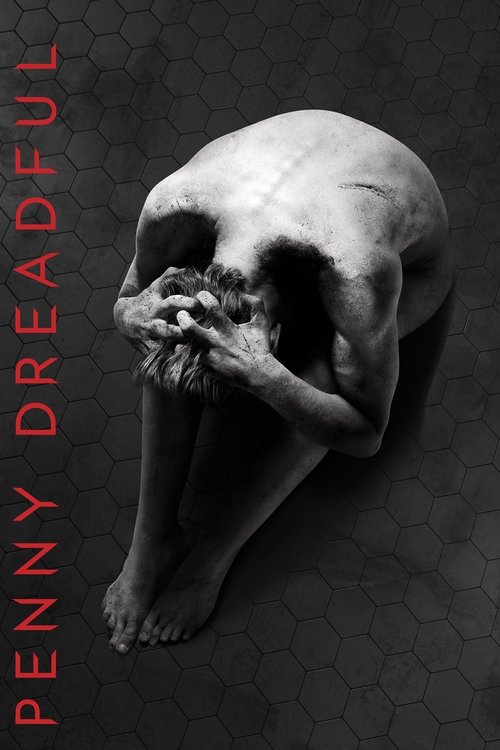
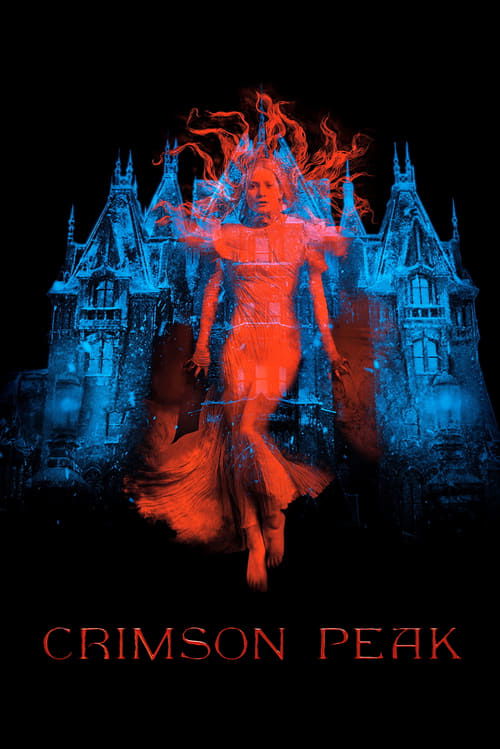


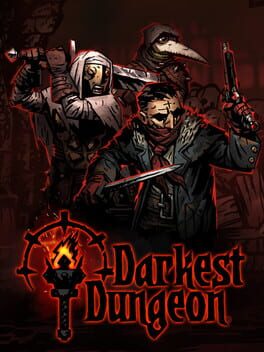
Brilliant Minds in Dark Places
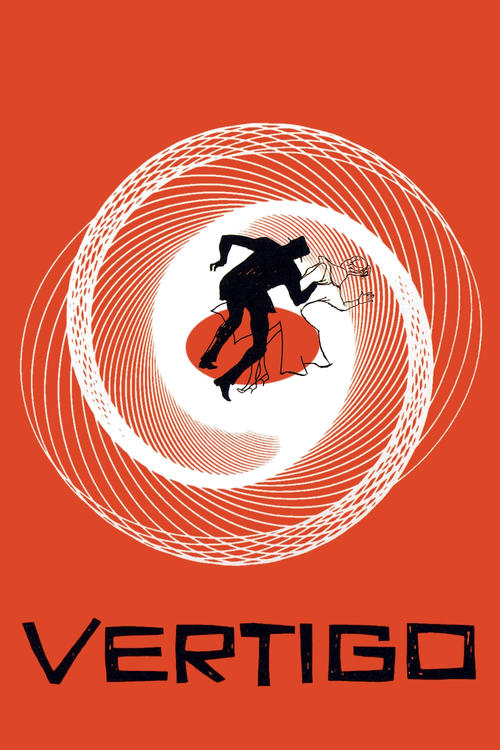
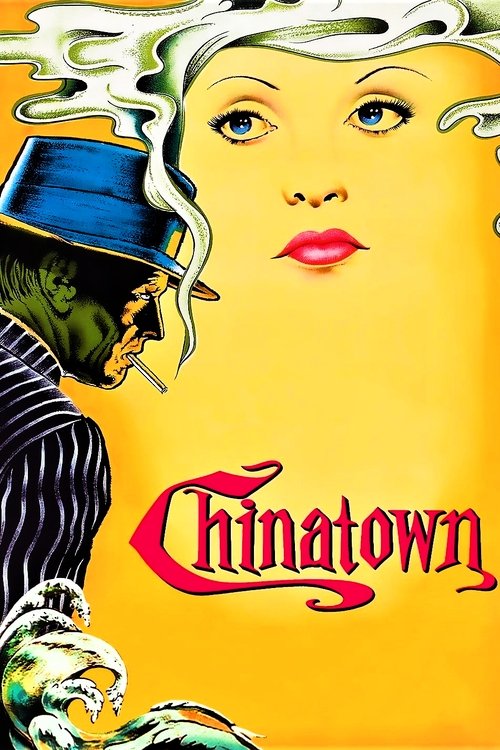
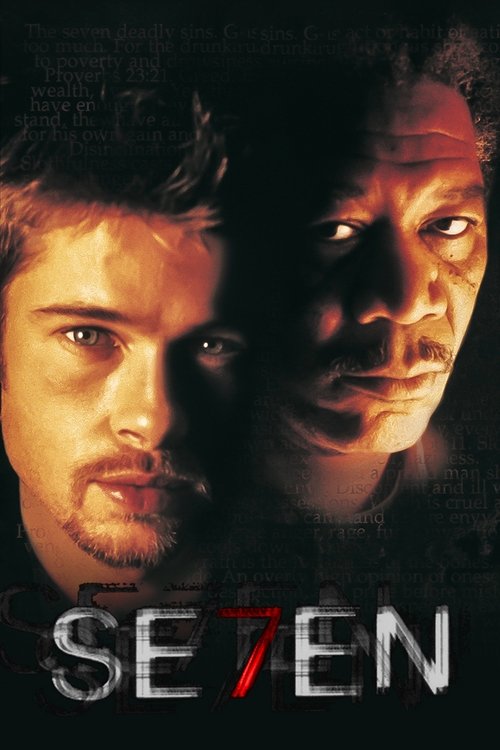
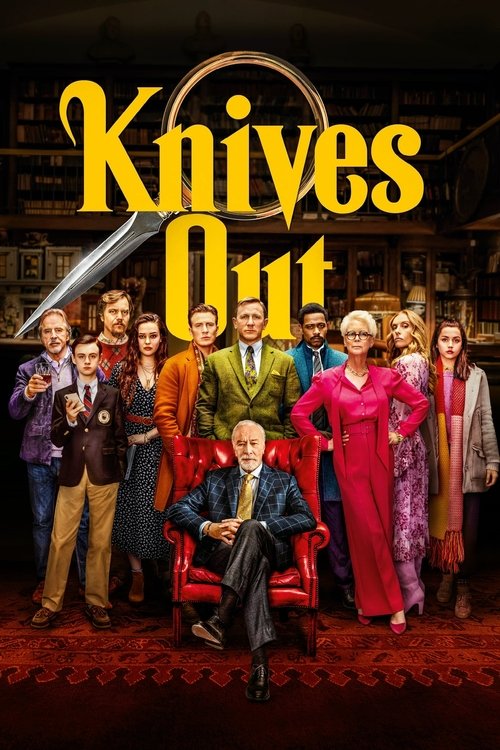
Poe invented the detective story; these are its finest descendants


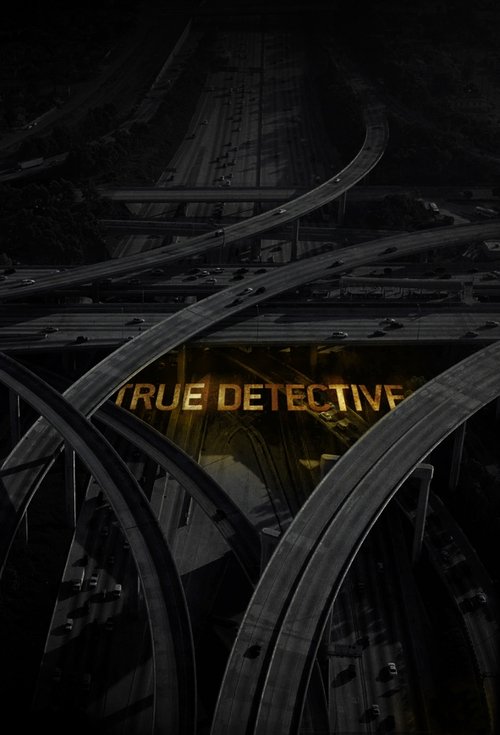
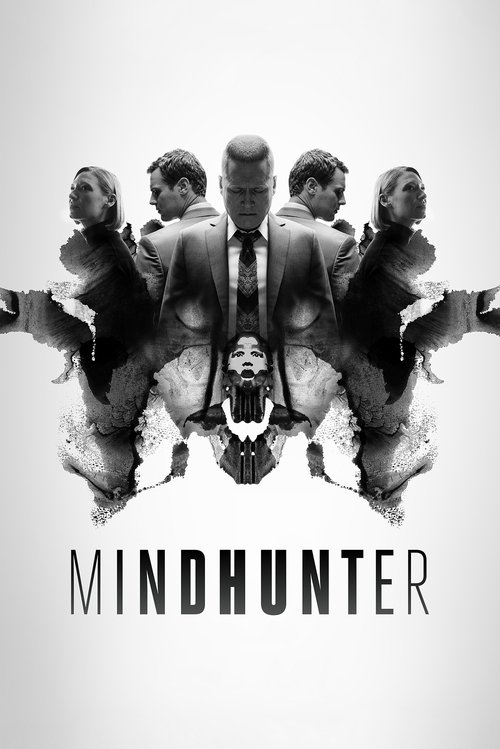
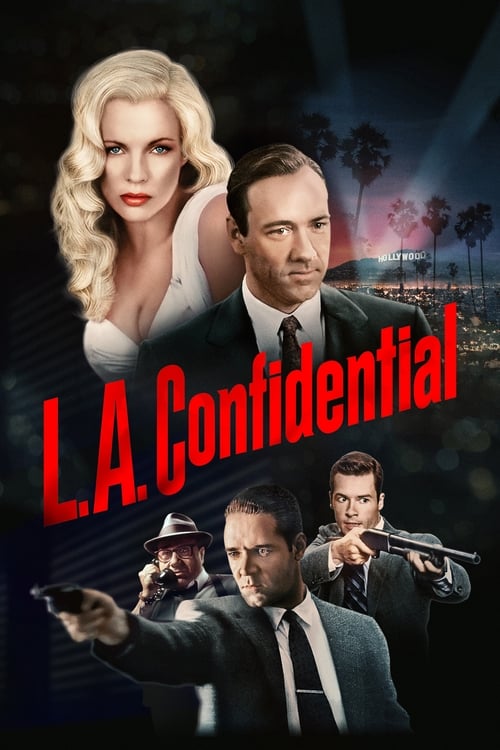

Death, Obsession, and Lost Love
The emotional core of Poe: grief that refuses to stay buried


Start with The Tell-Tale Heart, not The Raven
Everyone comes to Poe through the poem, and The Raven is genuinely great. But it is also the most imitated, the most quoted, the most emptied out by familiarity. The Tell-Tale Heart hits harder on a first read because it has nowhere to hide. Six pages. An unnamed narrator. A very thin line between what they know and what they imagine. It is over before you can get comfortable, and it leaves a residue that the poem, for all its music, does not.
If you have only read The Raven, you have read the version of Poe that schoolbooks and greeting cards decided to keep. The stories are where the real damage is done.
The Dupin stories are the most underrated thing Poe ever wrote
Most readers treat the Dupin mysteries as a footnote. They are actually where Poe was most original. The character of a reclusive genius who solves crimes by reasoning from overlooked evidence was essentially new. Conan Doyle read Poe carefully, borrowed the structure wholesale, and became far more famous for it. Going back to The Murders in the Rue Morgue and The Purloined Letter now, knowing what they spawned, is a genuinely strange experience: you are watching the blueprint for something enormous, still small enough to hold in your hands.
House of Leaves is the closest living successor
Mark Z. Danielewski's novel is sometimes filed under experimental fiction, sometimes horror, sometimes puzzle. It belongs in all three places, which is exactly where Poe belongs. Both writers are obsessed with architecture as psychology, with narrators who may be destroying themselves, and with the formal properties of text as a source of dread. House of Leaves is longer, louder, and more self-conscious, but the lineage is direct and the effect is the same: a growing certainty that the walls are not where you left them.
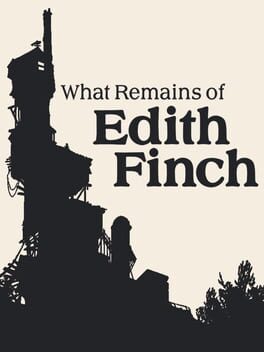
What Remains of Edith Finch is Poe as a video game
Giant Sparrow's game is about a family where everyone dies young and strangely, and each death is told in its own genre and visual language. It is essentially a collection of Gothic short stories with an interactive frame. The themes -- obsession, inheritance, the way a house holds its dead -- are thoroughly Poe's, and the game's willingness to let tragedy be both beautiful and strange would have made sense to him. It runs about 90 minutes, which is about right.
All that we see or seem is but a dream within a dream.Edgar Allan Poe, A Dream Within a Dream (1849)
Poe's Shadow: Key Moments in Gothic and Psychological Horror
- 1841Poe publishes The Murders in the Rue Morgue, inventing detective fiction
- 1843The Tell-Tale Heart and The Gold-Bug appear in magazines
- 1845The Raven makes Poe briefly famous across America
- 1891Conan Doyle's Sherlock Holmes stories reach full stride; Dupin's fingerprints are everywhere
- 1898Henry James publishes The Turn of the Screw, the Gothic interior goes literary
- 1963Roger Corman's Poe cycle with Vincent Price reaches its peak with The Raven and The Haunted Palace
- 1990Thomas Harris's Silence of the Lambs brings the Dupin model to the serial-killer era
- 2018The Haunting of Hill House series updates Gothic hereditary horror for television
- 2023The Fall of the House of Usher series adapts Poe's themes directly for streaming audiences