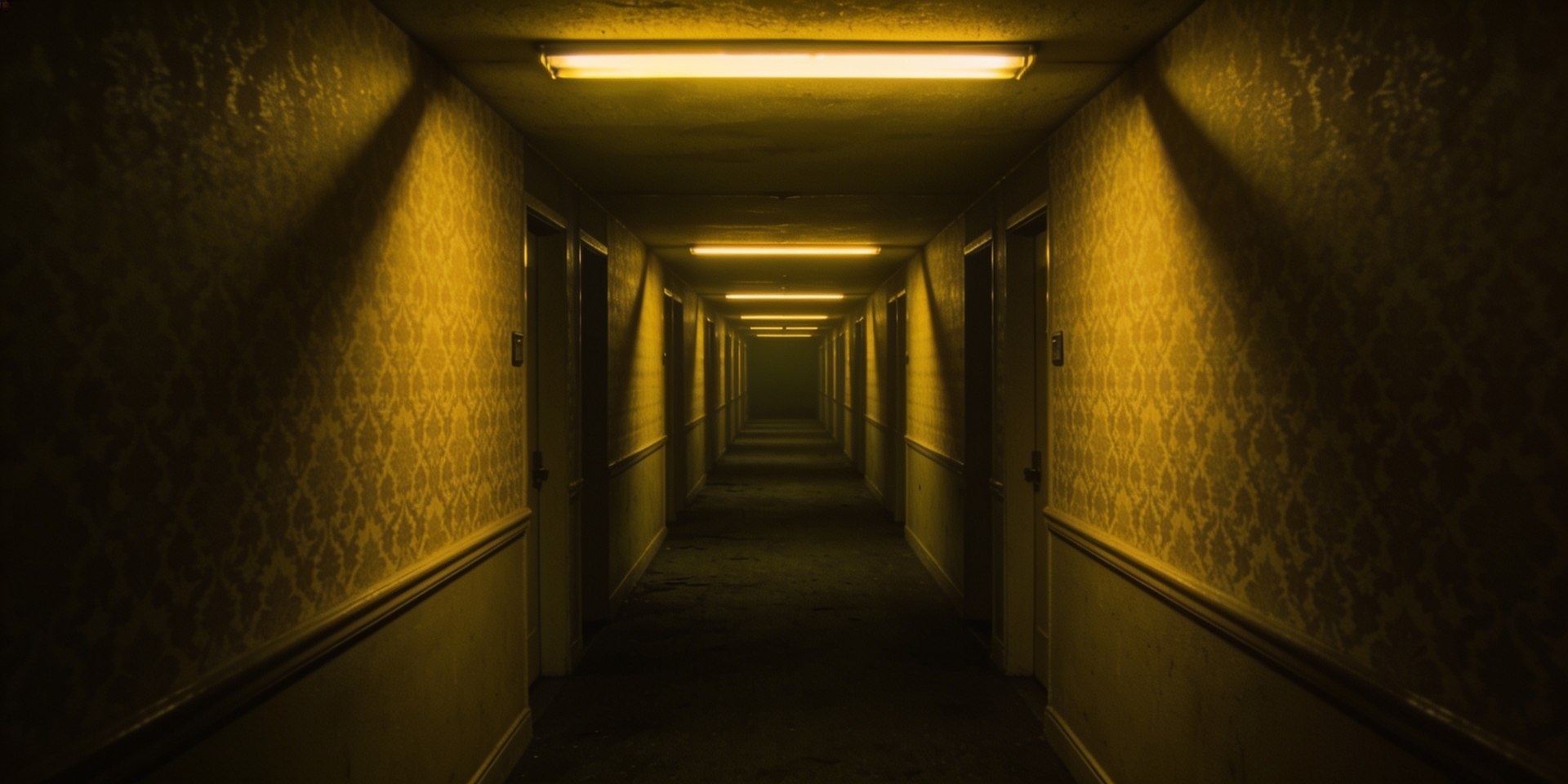

Horror has always had two modes. One is the creature under the bed, the killer behind the door, the something that lunges from the dark. The other never shows you anything definite at all. It makes you doubt what you saw, what you remember, who is telling the story and whether the narrator can be trusted. That second mode is psychological horror, and it is substantially harder to do and substantially harder to shake.
The monster in a slasher film ends when the credits roll. The dread in Repulsion, in The Shining, in Hereditary does not end there because it never located itself in the film to begin with. It located itself in the act of watching, in the part of the viewer that recognises the mental states depicted and cannot quite rule them out as impossible for themselves. That is the genre's specific power. It is not asking whether you are safe from the thing outside. It is asking whether the thing inside you is already there.
Essential psychological horror
The canon, across every screen and page


The one that redefined the whole form
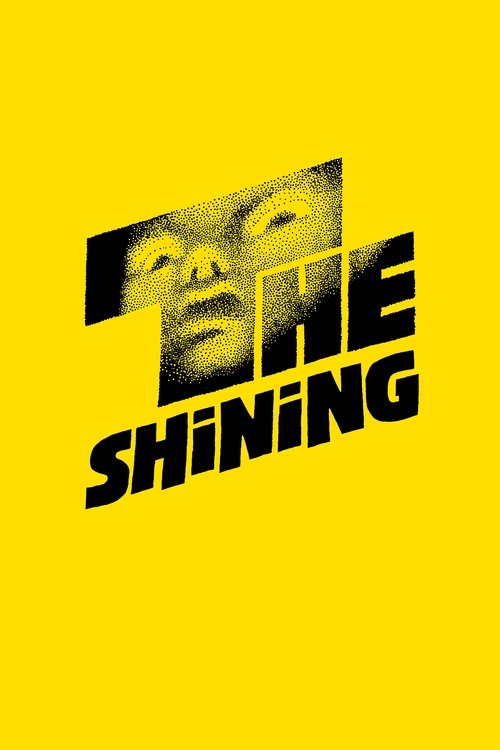
There are films that are better than The Shining, and none that have done more damage to the nervous system of cinema. Kubrick's adaptation of Stephen King's novel strips the book of much of its supernatural scaffolding and replaces it with something more disturbing: ambiguity about whether Jack Torrance is being driven mad by the Overlook Hotel or whether the hotel is simply the context in which a man who was already broken finally breaks. The two interpretations produce the same footage and completely different films. That is the genre's central trick at its most merciless. The final photograph is there to close off the supernatural reading, and it makes the psychological reading worse.
The crumbling mind on film
Films where perception itself becomes the threat

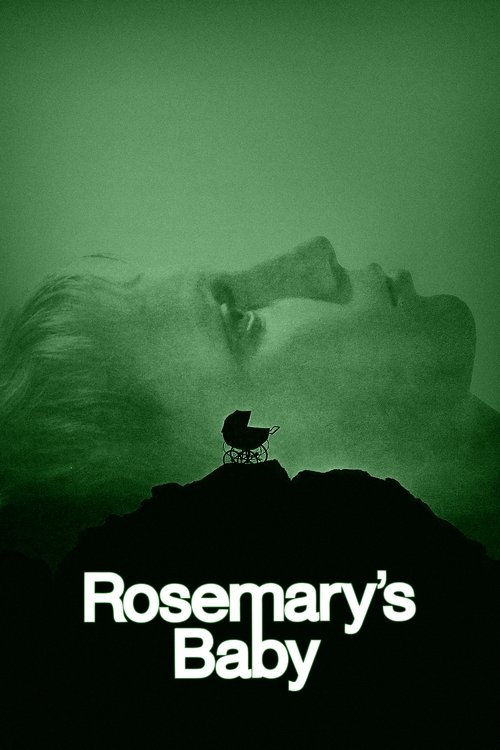

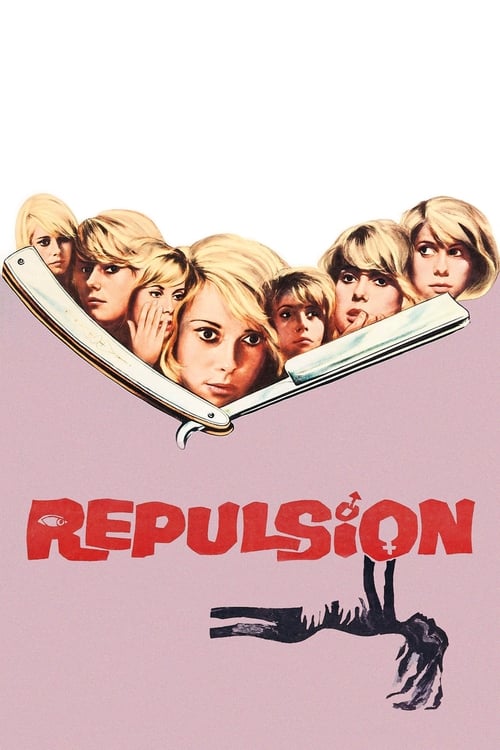
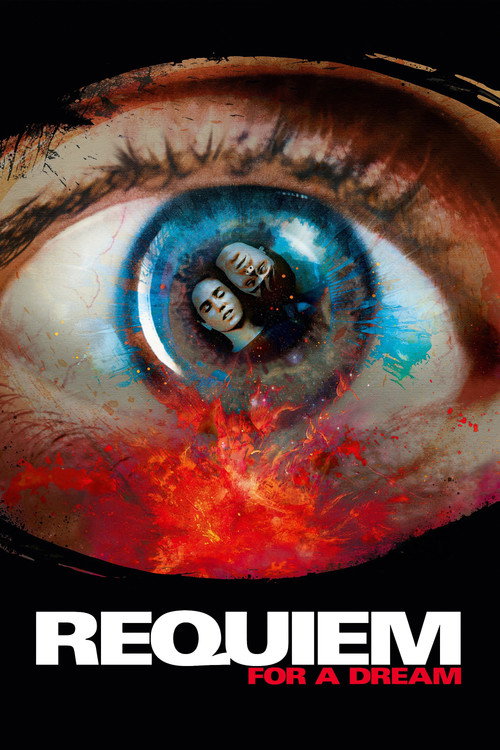
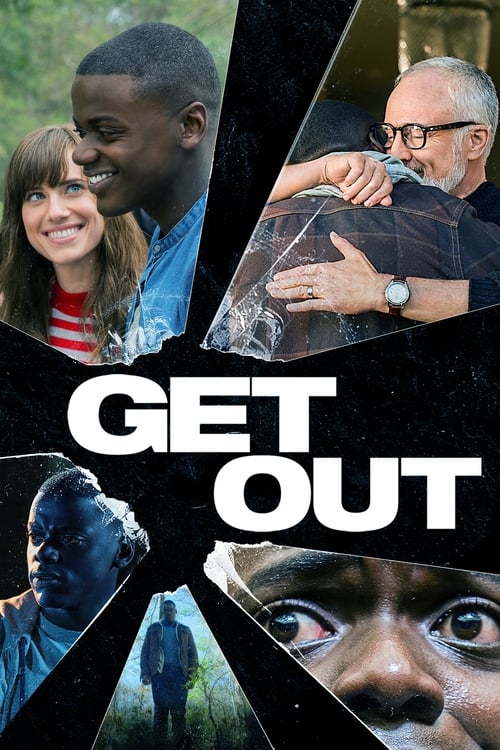
Grief, not ghosts
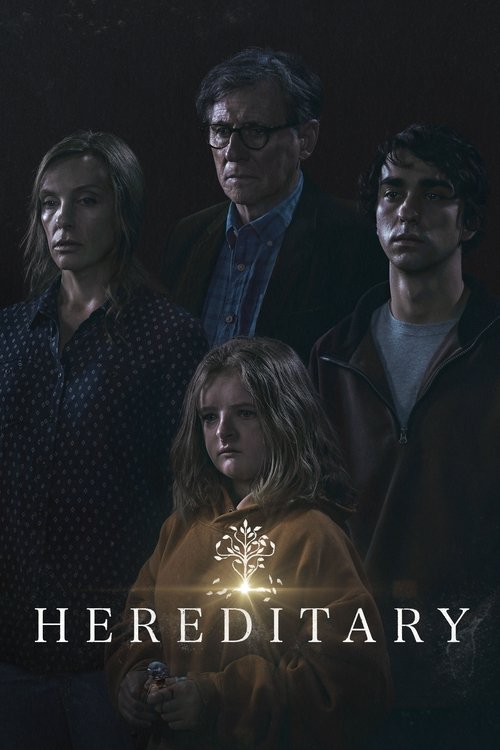
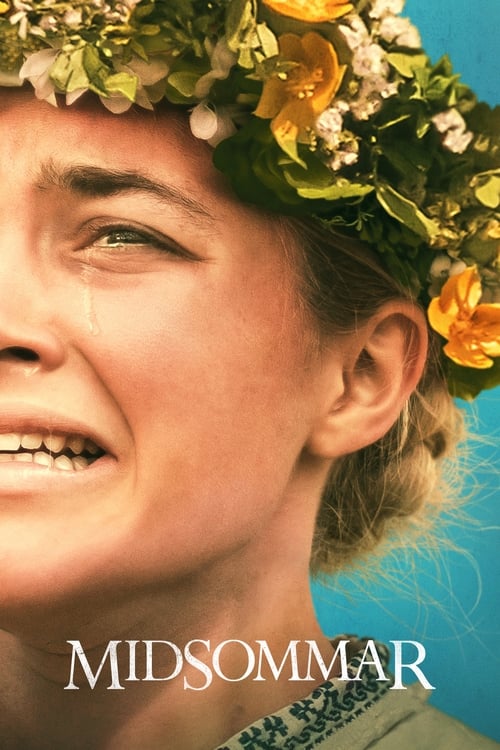
The 2010s produced a wave of psychological horror that did something the genre had rarely attempted so directly: it named what the monster was. In The Babadook, a grieving widowed mother and her difficult son are haunted by a children's book creature that arrives specifically at the point where her suppressed misery has nowhere left to go. The Babadook is grief. The film does not pretend otherwise. Hereditary works the same territory with inherited family trauma; Midsommar wraps a woman's disintegration in folk pageantry so bright it almost hides the horror underneath.
These films are not metaphors in a flat allegorical sense. They maintain their genre commitments fully. The dread is real, the imagery is disturbing, the stakes are mortal. But they locate the horror in something that does not require the supernatural to be true, which means the relief of dismissing it as 'just a film' is harder than usual to reach.
Reality loses its grip
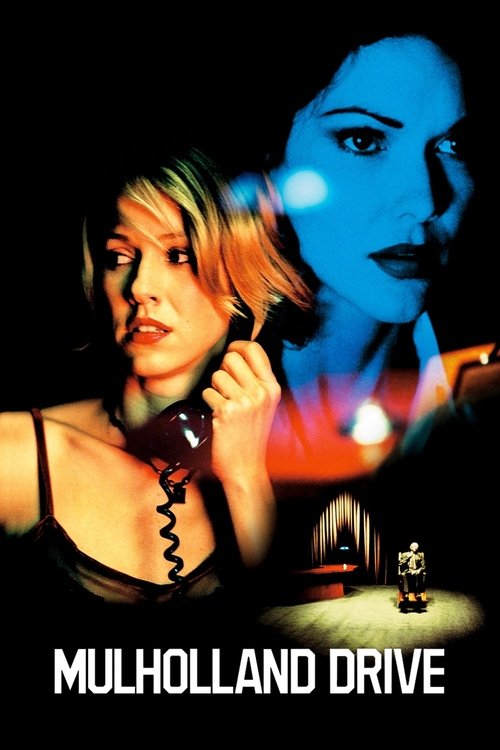
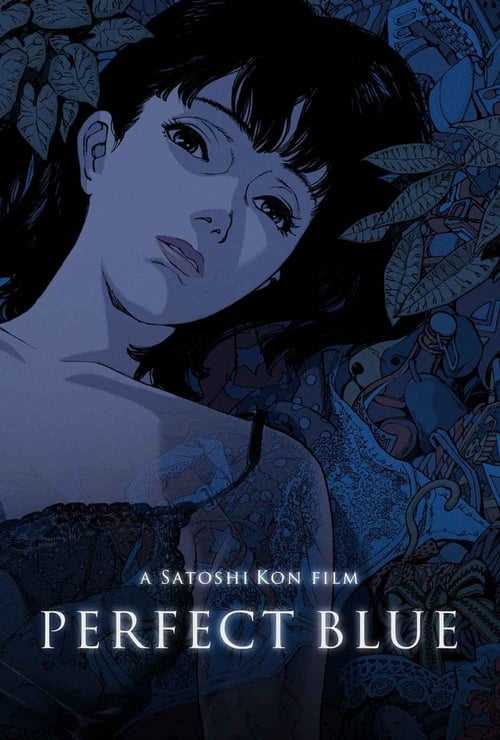
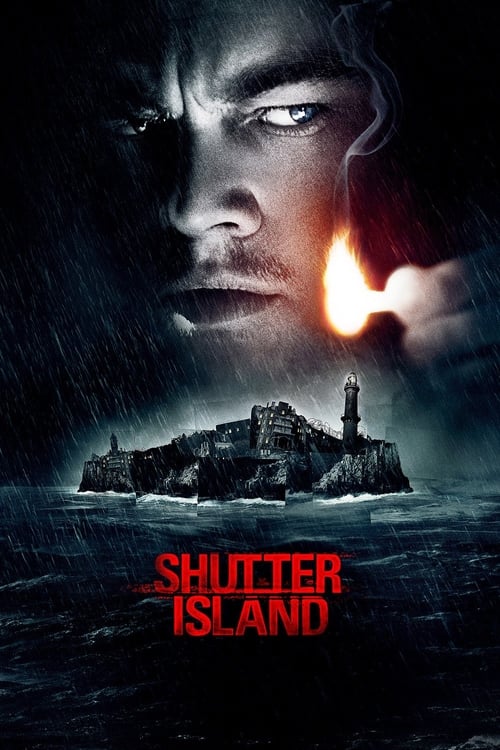
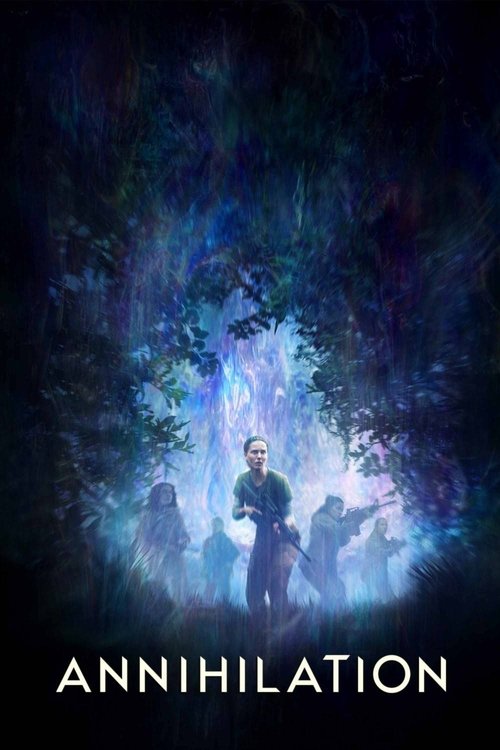
From Lynch to anime: when the frame cannot be trusted
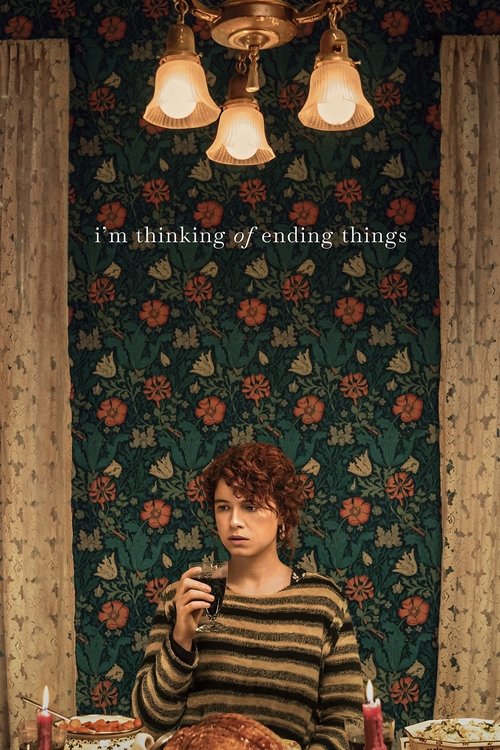
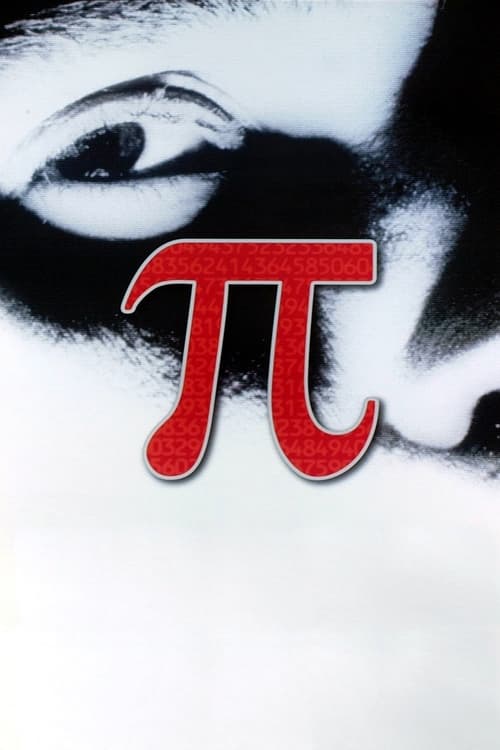
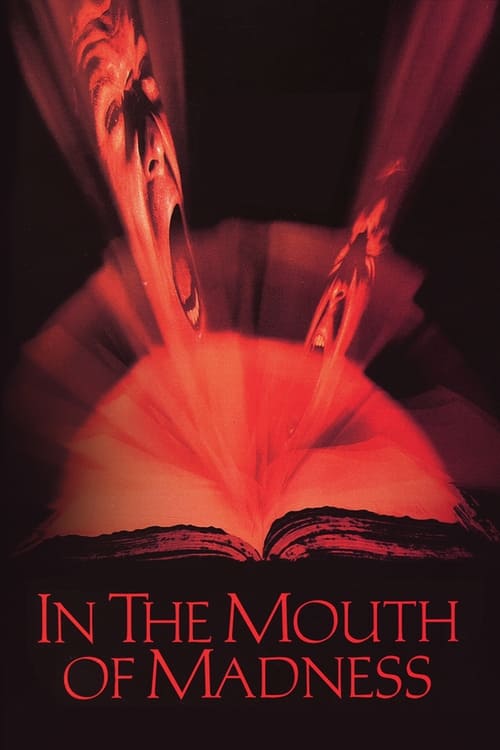
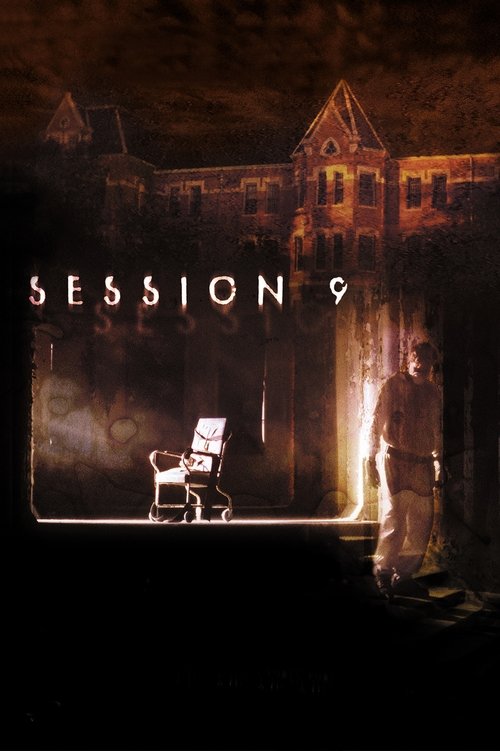
Games go further than any film dares
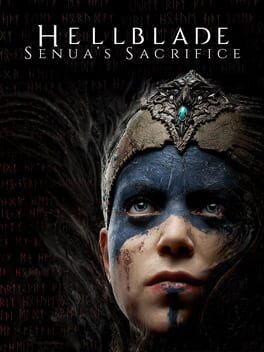
Silent Hill 2 remains the benchmark not because of its story, which is good, but because of its mechanism. A game makes the player complicit in a way no other medium can. James Sunderland's guilt is not something you watch from outside; you are the one walking him forward, choosing to open each door, advancing toward the revelation that the entire town is his own self-punishment made physical. Hellblade: Senua's Sacrifice goes further still, binding the player to a protagonist experiencing psychosis, the voices on the soundtrack placed through binaural audio so they appear to come from inside your own skull. No horror film has ever been able to do that. The body does not lie.
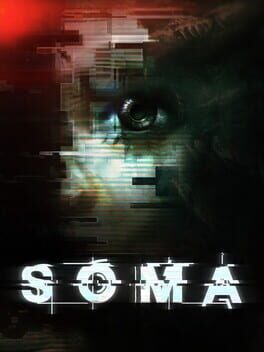
Games that break the player's mind
Psychosis, guilt and the horror of introspection, playable
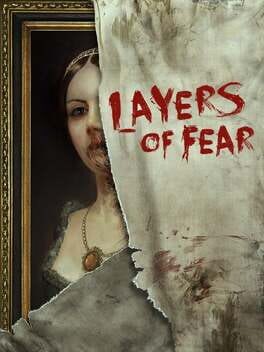
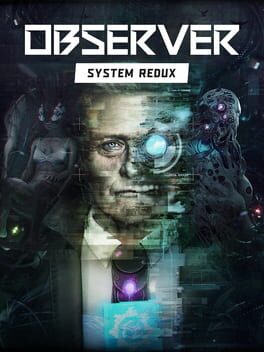
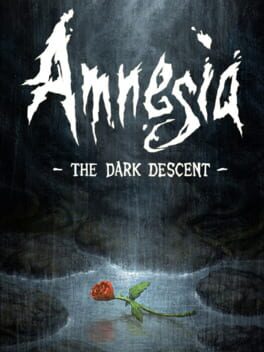
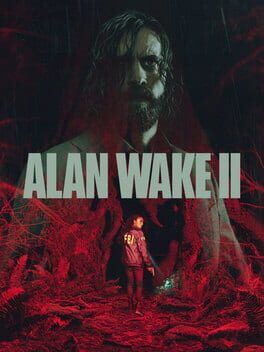
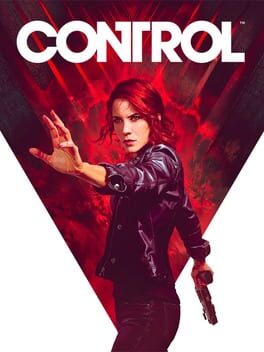
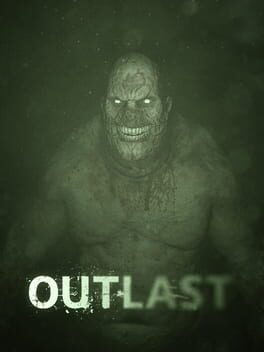
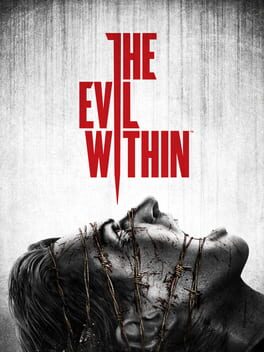
Television found what film left behind
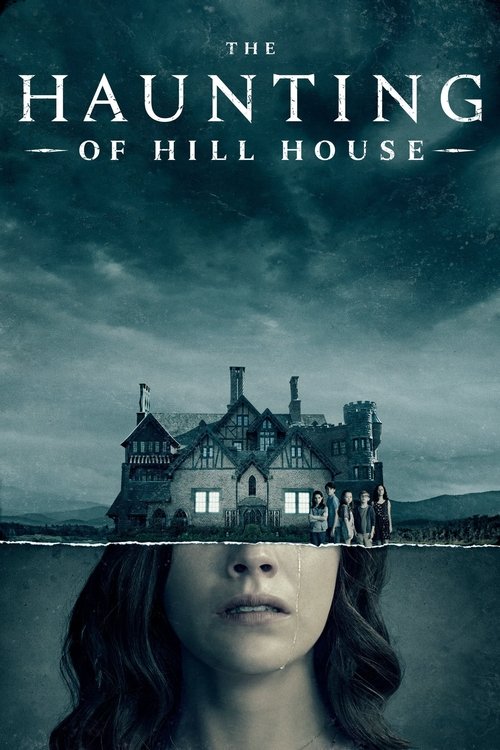
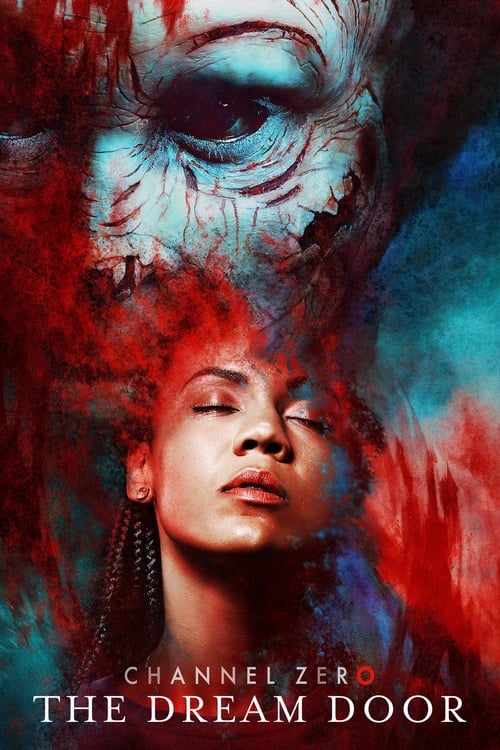
The Flanagan Haunting series does something the films based on Shirley Jackson's novel never managed: it takes the time to inhabit the psychology, not just the architecture. The Haunting of Hill House gives each Crain sibling a separate, irreconcilable version of the same childhood, and then lets those versions collide over ten episodes. The horror is not the bent-neck lady; it is the way trauma hollows out a family from inside and each member blames a different ghost. Sharp Objects runs the same idea through Southern Gothic, turning repressed memory into physical inscription. Both show what the format at its best can do: take the time that a horror film does not have.
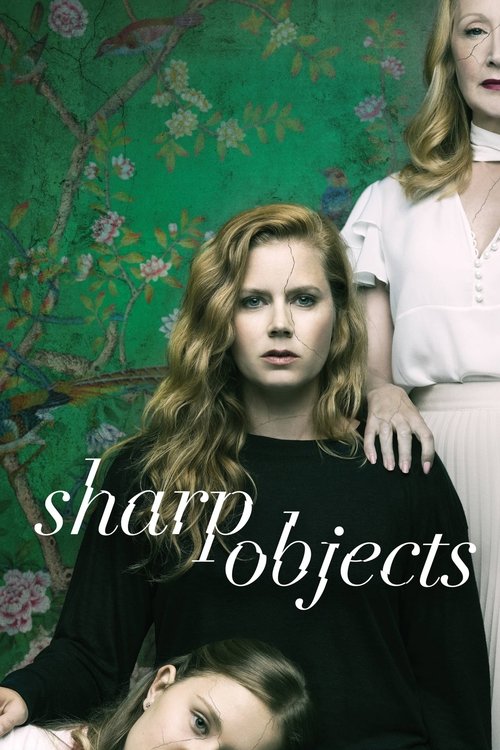
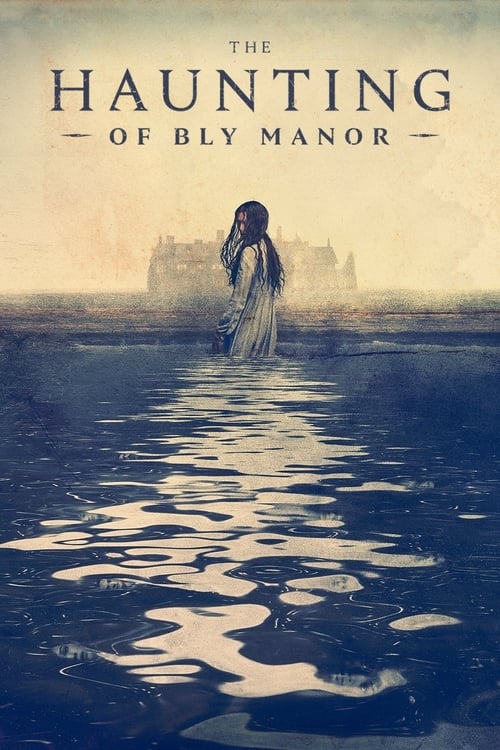
The small screen at its most unsettling
Long-form psychological dread that film cannot sustain
The book as weapon
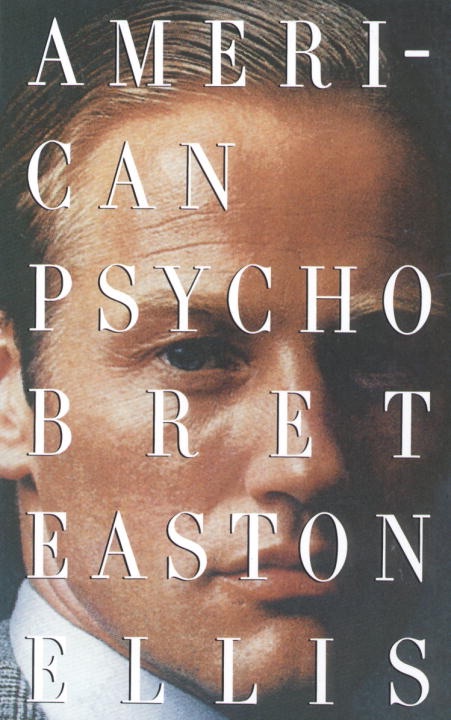
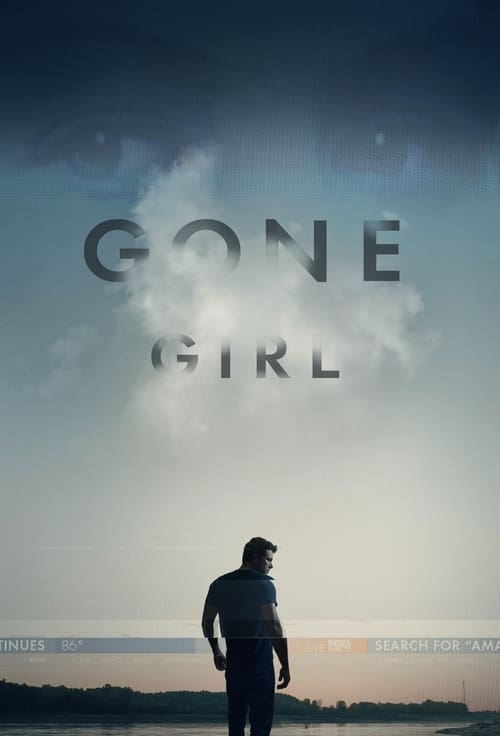
Literature has no visual tricks to fall back on. The psychological horror novel lives or dies by voice, which is why the form's great examples tend to be told from inside a deteriorating or unreliable consciousness. Charlotte Perkins Gilman's 'The Yellow Wallpaper' (1892) is nine pages and destroys most horror films on the market in nine pages. Mark Z. Danielewski's House of Leaves takes the unreliable narrator and splits it across four levels of text, footnotes, appendices and typographic collapse. Gillian Flynn's Gone Girl makes the reader's own assumptions about who to believe into the murder weapon.
The common thread is the reader's complicity. You are reading the thoughts of someone whose grip on reality is slipping, and you do not notice when you start slipping with them.
Books that get under the skin
Unreliable voices, disintegrating minds and the horror of the page



The film that proves fear needs no explanation
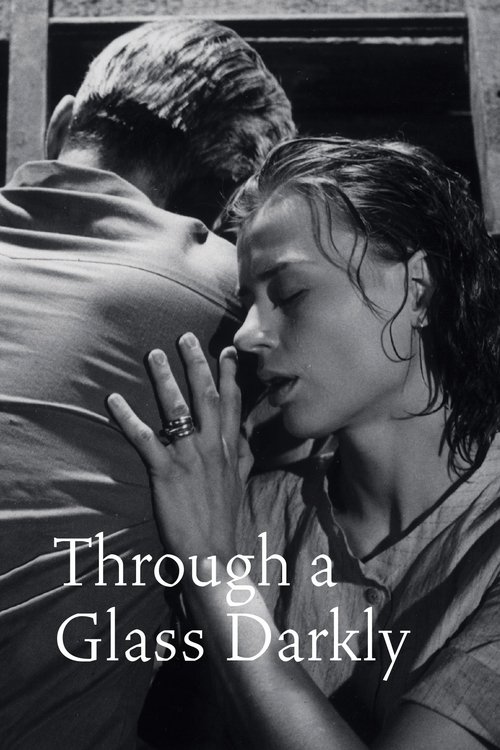
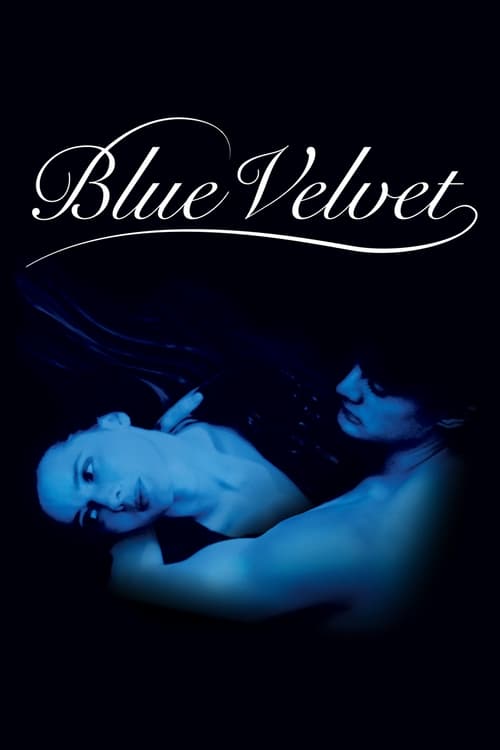
Ingmar Bergman's Persona (1966) has no monster, no ghost, no death. A nurse is put in charge of an actress who has fallen silent. Over time the two women begin to merge. Bergman offers no psychological explanation, no diagnosis, no ending that resolves what happened. The film is an open wound. It was the first work in the genre to abandon causality as a courtesy to the audience, to say: dread does not need a mechanism. You feel what you feel. That position became the DNA of every David Lynch film and a significant portion of art-horror that followed. Fifty years on, Persona still does not let you out.
Art-house dread: the deeper cuts
The films that made the genre a serious form
Sound as dread
Scores that do not accompany the horror: they are the horror
Dread that lives in the mind
Cosmic Horror
Explore the Cosmic Horror guide →The most effective horror never shows you the thing. It shows you the face of someone who has seen the thing, and trusts you to fill in the rest.On what the genre understands that action films do not