
Ennio Morricone did not write music for films. He wrote music that made the films. Over seven decades and more than 500 scores, the Roman maestro built a sound vocabulary unlike anything before or since: electric guitar twang over operatic soprano, the crack of a bullwhip in 4/4 time, wordless voices dissolving into orchestral swell. He turned the Spaghetti Western into a moral genre, gave the Mafia its elegiac poetry, and convinced a generation of directors that the score was not decoration but argument. His through-line is tension rendered beautiful, and beauty made unbearable.
Essential Ennio Morricone
The scores and albums every fan needs to know
The Leone Years: Films That Needed the Music
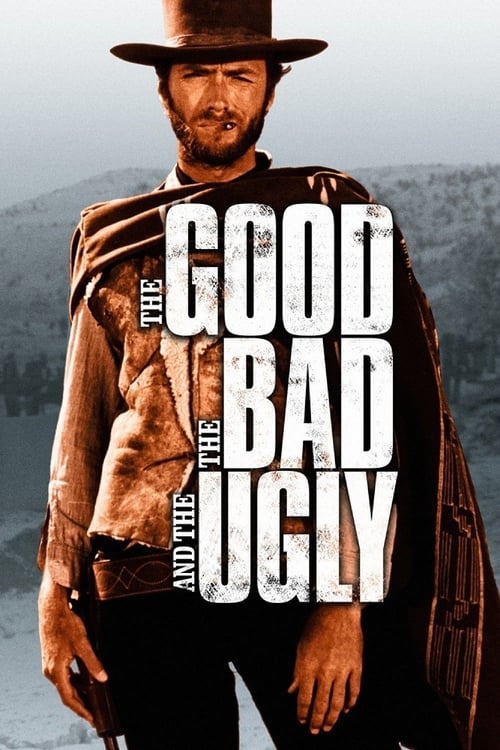
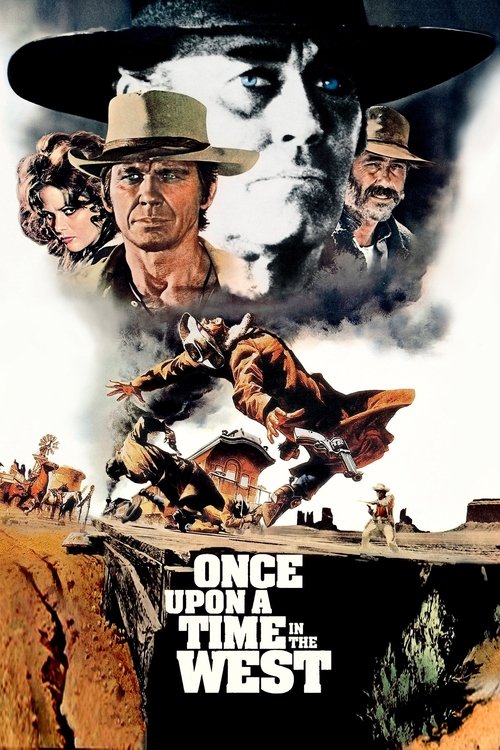
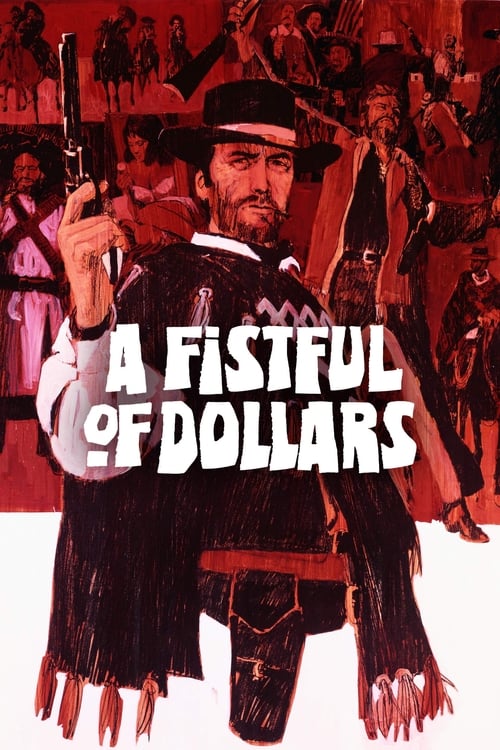
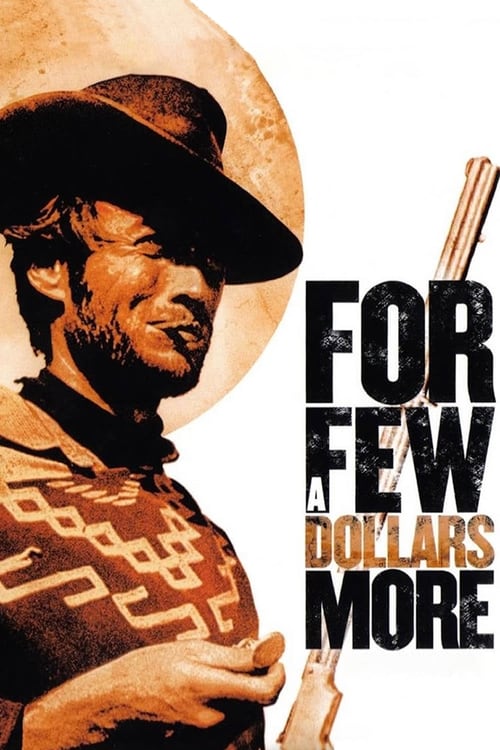
The Sergio Leone collaborations where score and image became inseparable
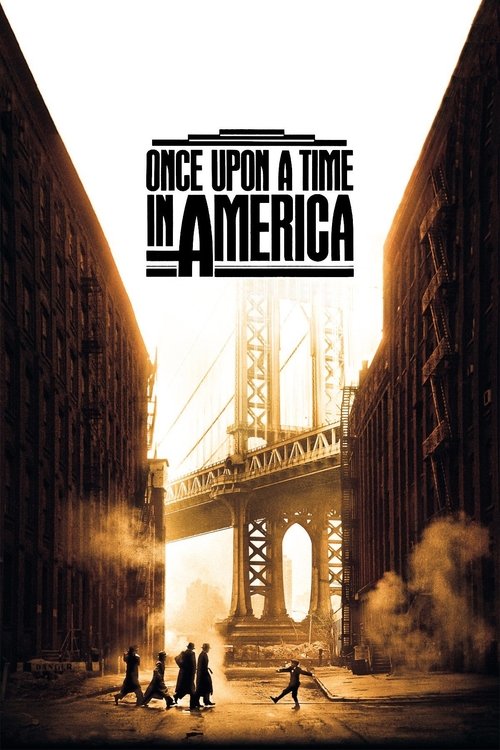
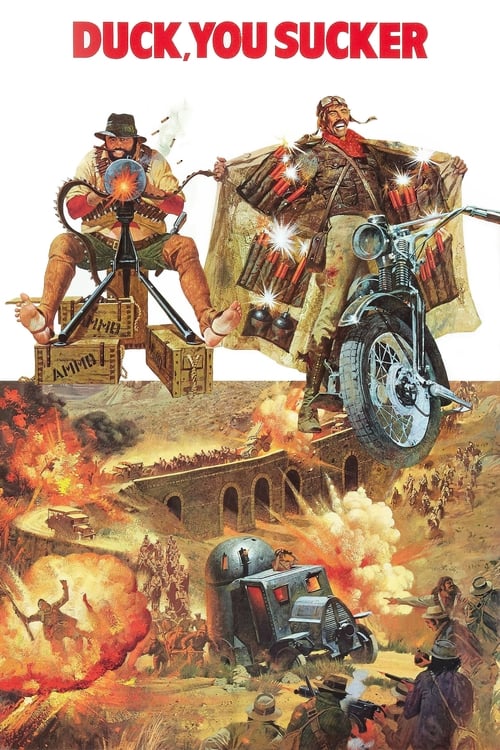
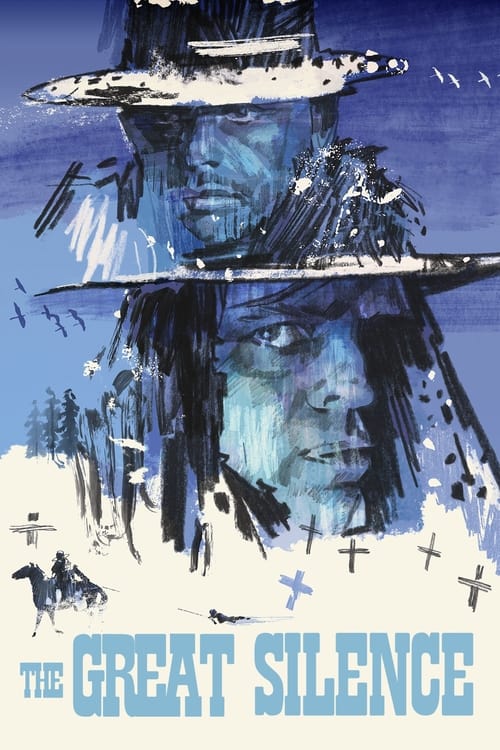

Beyond the West: His Full Cinematic Range
Morricone's scores span thrillers, epics, and intimate drama
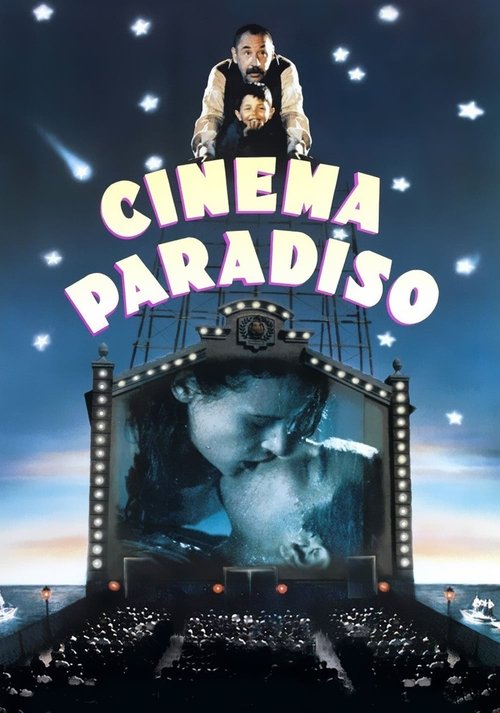

The Ecstasy Machine: Why Morricone Breaks You Open
There is a specific emotional state that Morricone triggers and no one else quite replicates: a kind of bittersweet grandeur, the feeling that something immense and irretrievable is passing. He achieves it through contrast, the delicate and the vast side by side, a child's music box phrase beneath a building orchestral catastrophe. Cinema Paradiso's love theme is the purest example: it should be sentimental and it absolutely is, yet it cuts deeper than almost anything else on screen because the orchestration refuses to resolve cleanly. Morricone knew that beauty is most devastating when it is almost out of reach.
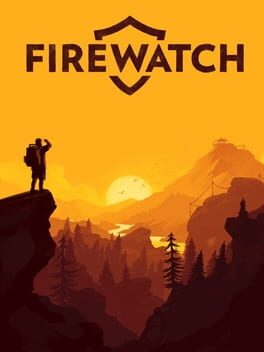
Atmospheric and Western Games for Morricone Fans
Games that make landscape and score feel like one thing
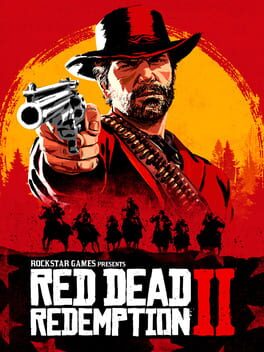
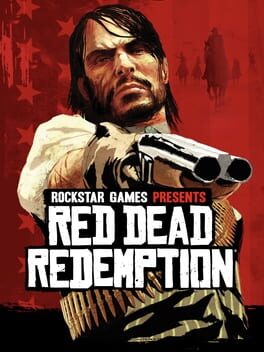
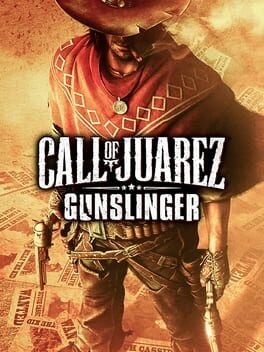
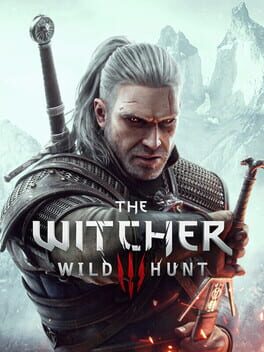
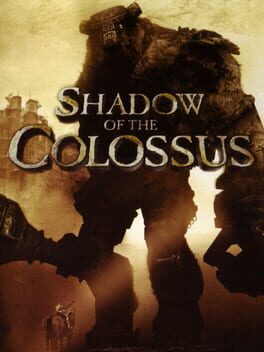
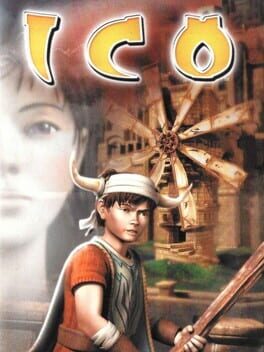
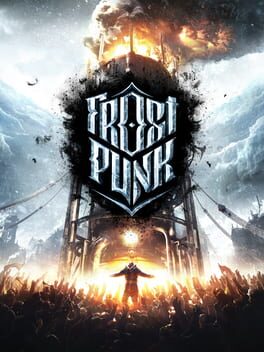
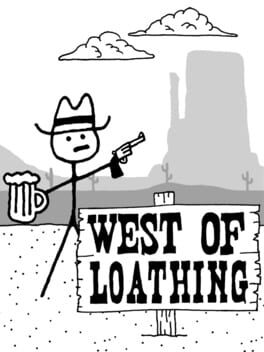
Films and Series That Share the Morricone Spirit
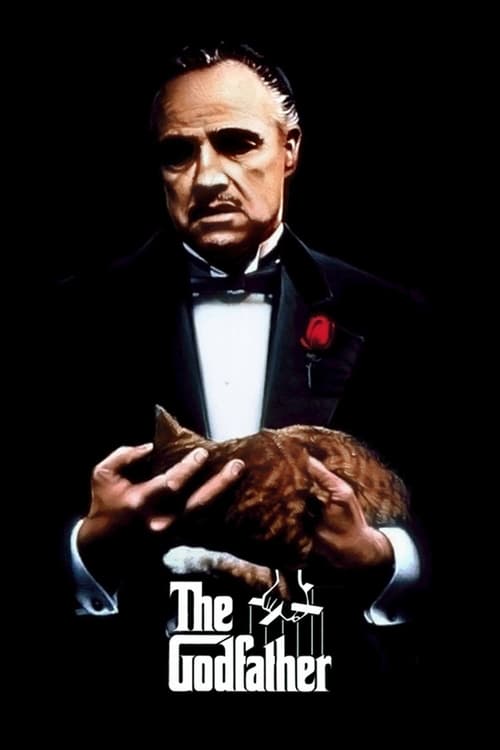
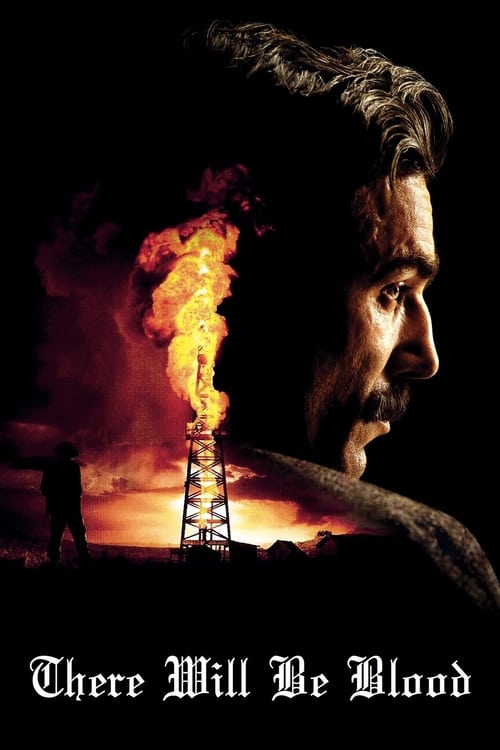
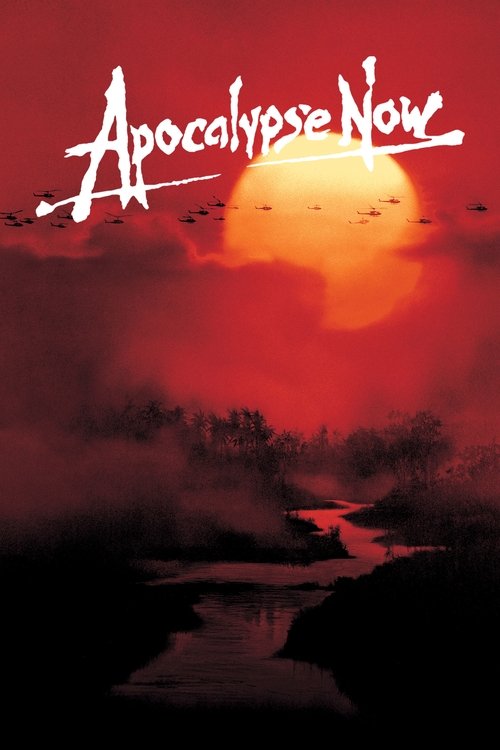
Ambitious cinema and prestige TV where music and moral weight intertwine
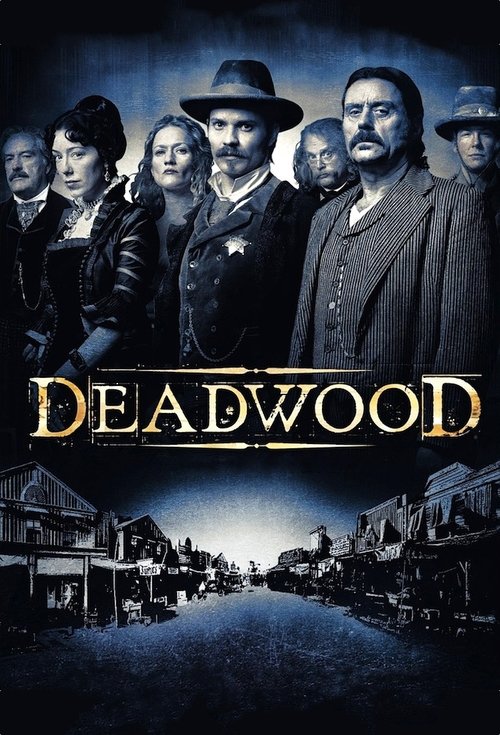
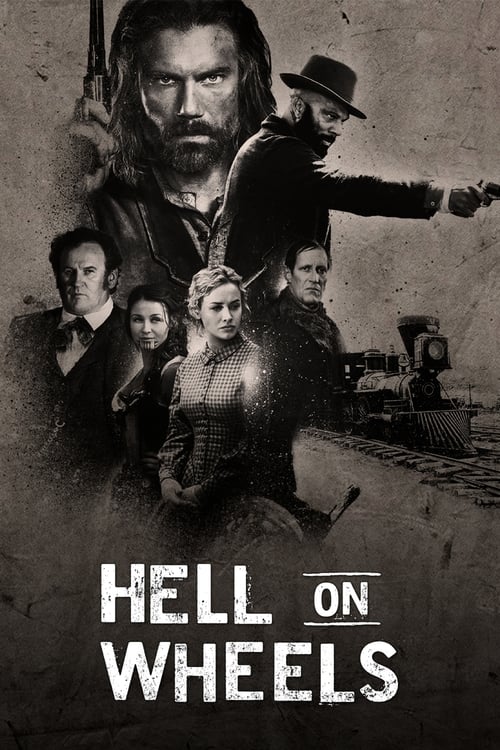
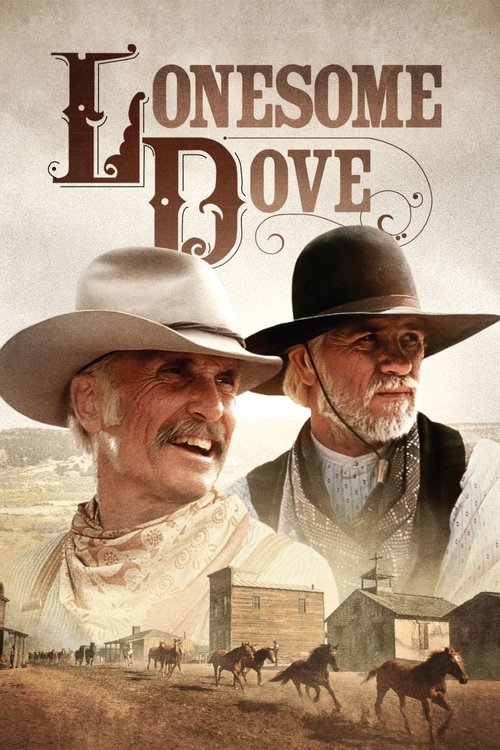
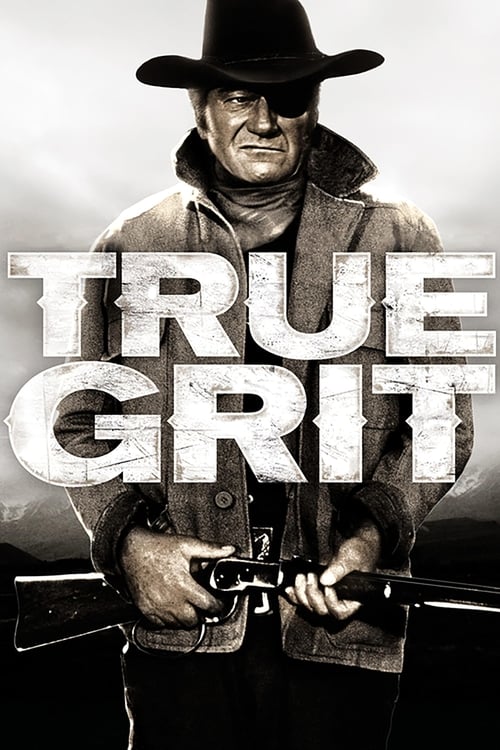

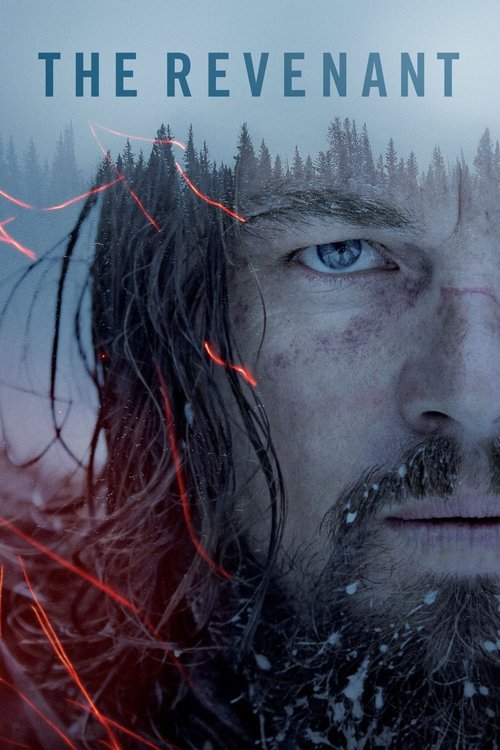
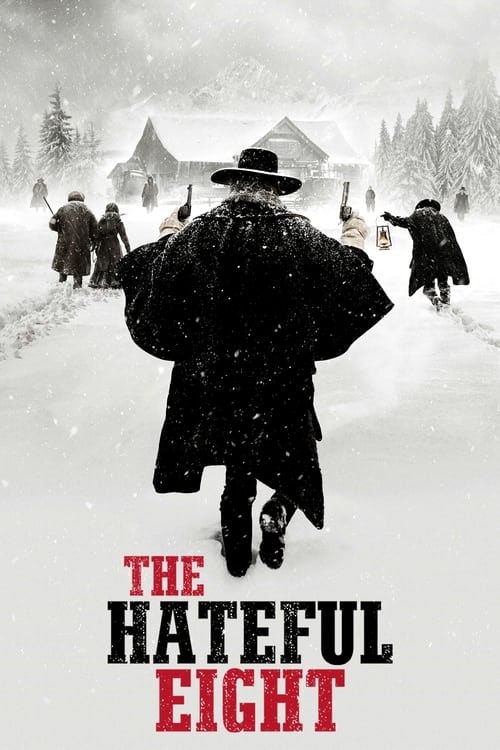
The Hateful Eight: A Score That Passes Judgment
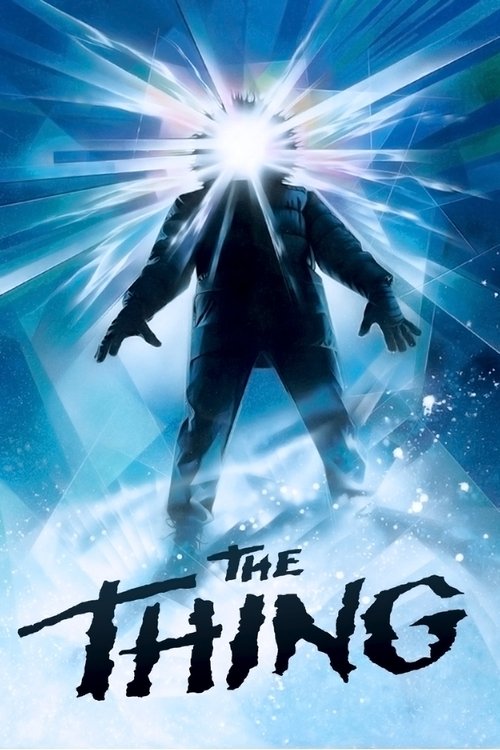
When Quentin Tarantino coaxed an elderly Morricone back for The Hateful Eight, he got something no living composer could have matched: a score of genuine menace and classical purity simultaneously. Morricone recycled unused cues from John Carpenter's The Thing and added new material that predicts the film's carnage before anyone has fired a shot. It won him his first competitive Oscar at 87. The point is not the award. The point is that a composer in his ninth decade wrote music of sustained dread that younger composers simply do not know how to build. The craft never degraded.
A Life in Sound
- 1928Born in Rome; trumpet in his father's dance band by age 9
- 1960First film scores for Italian genre pictures under pseudonym Dan Savio
- 1964A Fistful of Dollars launches the Leone partnership and the Western sound A Fistful of Dollars
- 1966The Good, the Bad and the Ugly makes the Morricone sound globally iconic The Good, the Bad and the Ugly
- 1968Once Upon a Time in the West: the pre-recorded score played on set during filming Once Upon a Time in the West
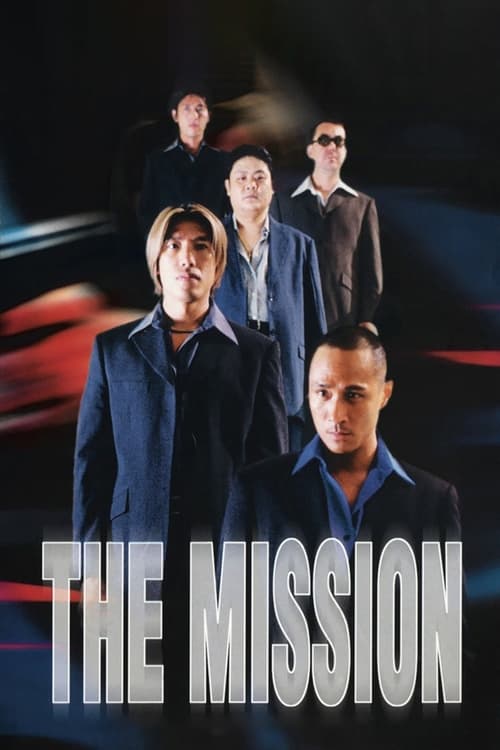
- 1986The Mission earns a BAFTA; Gabriel's Oboe becomes his most covered piece The Mission
- 1988Cinema Paradiso released; the love theme enters the permanent classical canon Cinema Paradiso
- 2007Honorary Academy Award for his contribution to the art of film music
- 2016First competitive Oscar win for The Hateful Eight at age 87 The Hateful Eight
- 2020Died in Rome at 91, having scored more than 500 films and TV series
Why the Western Was the Perfect Container
The Spaghetti Western gave Morricone a landscape as emotionally blank as a composer could wish for. The genre's moral ambiguity, nobody is clean, good and evil swap coats, matched his instinct for music that refuses to tell you how to feel. His Westerns do not use triumphant brass for the hero and dark strings for the villain. The same brooding melody covers both, and that is the whole argument: fate is indifferent and beautiful and you are going to die in it. No other genre could have incubated that idea so efficiently.
Whistles, Dust, and Spaghetti Westerns
For Fans of Spaghetti Western
Explore the For Fans of Spaghetti Western guide →A great film score is not an accompaniment. It is an argument the image cannot make alone.Ennio Morricone