
The Man They Called God
Eric Clapton is one of the rare musicians whose career resists easy summary. He came up through the British blues boom of the 1960s, burning through the Yardbirds and John Mayall's Bluesbreakers before forming Cream with Jack Bruce and Ginger Baker, and that band alone would have secured his place in rock history. But Clapton kept moving. Blind Faith, Derek and the Dominos, solo stardom, a long crawl through addiction, a second act as a polished adult-contemporary artist, and then a late-career return to the raw electric blues he always loved most.
What a Clapton fan responds to is a particular kind of emotional directness. His guitar playing is about the space between notes as much as the notes themselves, a conversational quality inherited from Muddy Waters and Robert Johnson and passed on through his own hands to everyone who came after. His best songs, from Layla to Tears in Heaven to Bell Bottom Blues, wear their hurt without apology. There is no ironic distance, no conceptual shield. He means every note he plays, and fans of that approach will find it throughout the records, films, games, and books listed here.
Essential Eric Clapton
The records that define him, start to finish
The British Blues Explosion
What happened when a generation of English kids discovered Chicago
Confessional Guitar-Driven Rock
Records built on the same emotional directness
Music Documentaries and Concert Films
Clapton on screen, and the documentaries that put blues in context
The Perfect Entry Point Is Not His Biggest Hit
Unplugged is what most people know, and it is a genuinely beautiful record. But the actual entry point to understanding what Clapton does is Layla and Other Assorted Love Songs, the Derek and the Dominos double album from 1970. It is messier, hungrier, and more desperate than anything on Unplugged, and it captures a musician playing like his life depends on it, which at that point it more or less did. The title track alone repays years of listening.
The Underrated Period Is the 1980s
Clapton's 1980s work gets dismissed as pop compromise, and some of it earns that reputation. But Money and Cigarettes (1983) and Behind the Sun (1985) are better records than their reputations suggest, particularly when you hear them as documents of a man trying to hold himself together through craft. August, produced by Phil Collins, is the one people argue about most; it is slicker than anything around it but the playing never lies.
His Spiritual Successor Is Playing Right Now
J.J. Cale, who wrote After Midnight and Cocaine, is the musician Clapton himself credits as the defining influence on his rhythmic sensibility: relaxed, unhurried, the groove doing more work than the pyrotechnics. Cale outlived his own influence on Clapton by decades, and their 2006 collaboration The Road to Escondido is the clearest evidence of what that lineage sounds like when the two men play together. Among living players, Gary Clark Jr. is the closest thing to a direct heir.
The Documentary That Explains Everything
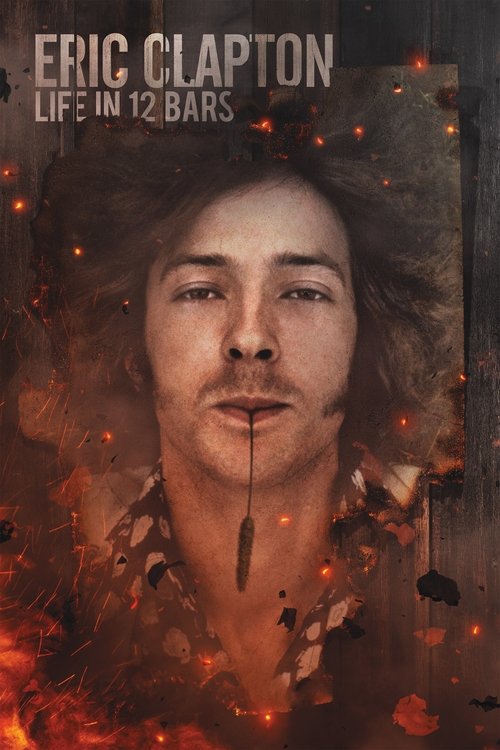
Eric Clapton: Life in 12 Bars (2017), directed by Lili Fini Zanuck, is an unusually candid piece of work. Clapton cooperated fully and the film does not flinch from the addiction years, the family tragedies, the periods of artistic drift. It is not a hagiography. If you want to understand why the emotional rawness in the music is not an affectation, this is where to start.
Five Decades of Reinvention
- 1965Joins the Yardbirds, walks out over pop direction For Your Love
- 1966Bluesbreakers album cements his reputation as a virtuoso Blues Breakers With Eric Clapton
- 1968Cream releases the live double album that defines a generation Wheels of Fire
- 1970Derek and the Dominos record Layla in a creative fever Layla and Other Assorted Love Songs
- 1974Solo comeback with 461 Ocean Boulevard, first major hit 461 Ocean Boulevard
- 1977Slowhand arrives, the quintessential solo record Slowhand
- 1992Unplugged becomes one of the best-selling live albums ever Unplugged
- 1994Returns to Chicago blues roots with From the Cradle From the Cradle
- 2000Riding with the King pairs him with B.B. King Riding With the King
- 2010Self-titled album distills 45 years into one coherent statement Clapton
Guitar legends and classic rock
For Fans of Dire Straits
Explore the For Fans of Dire Straits guide →The blues is a tonic for whatever ails you. I could play the blues and then feel better.Eric Clapton