
F. Scott Fitzgerald wrote about the seduction of beauty and the rot underneath it. His sentences feel effortless, each one pitched just right, yet underneath the glamour is a current of grief: the party is almost over, the green light across the water will never get closer. Fans do not just love the Jazz Age setting; they love the ache of wanting something that cannot be kept. That feeling, of longing pressed hard against the limits of the possible, is the through-line connecting everything on this page.
Essential F. Scott Fitzgerald
The novels and stories at the heart of it


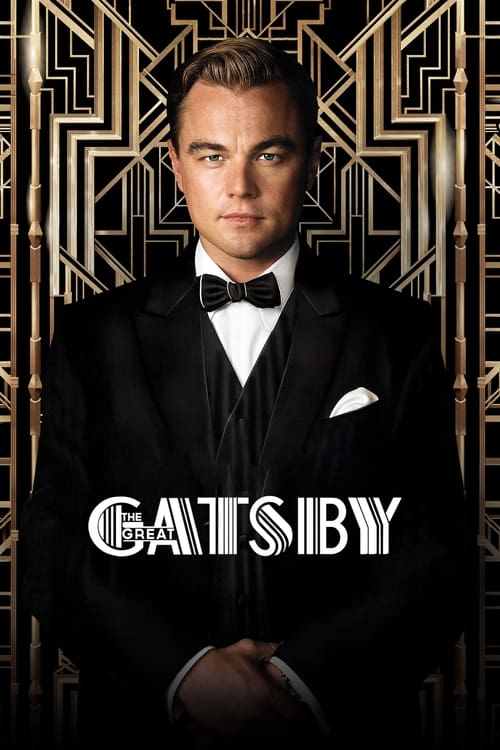
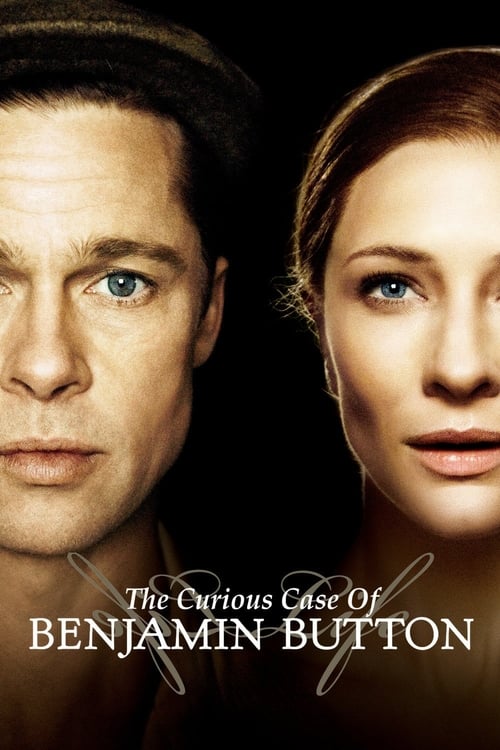
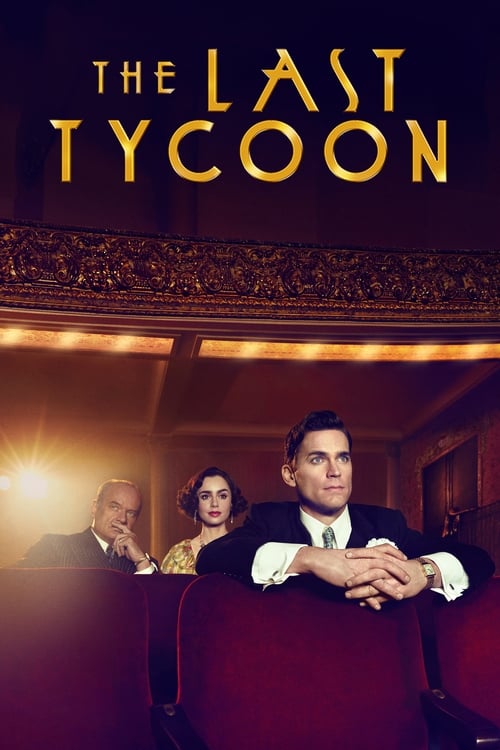
Gatsby on Screen
Every major film and series adaptation of his work
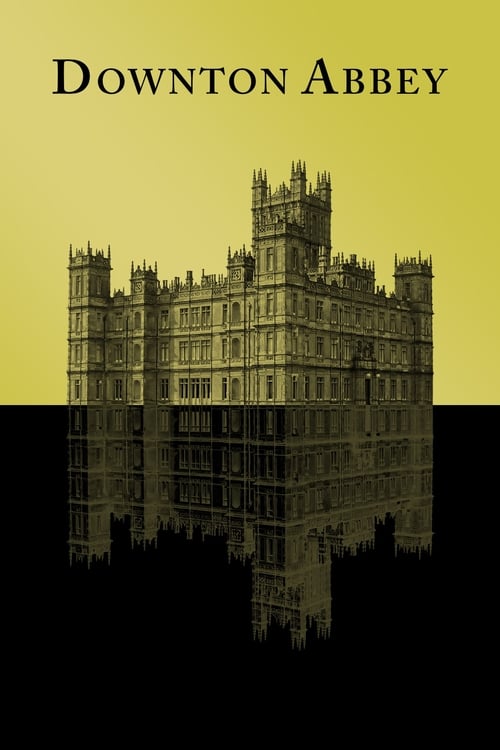
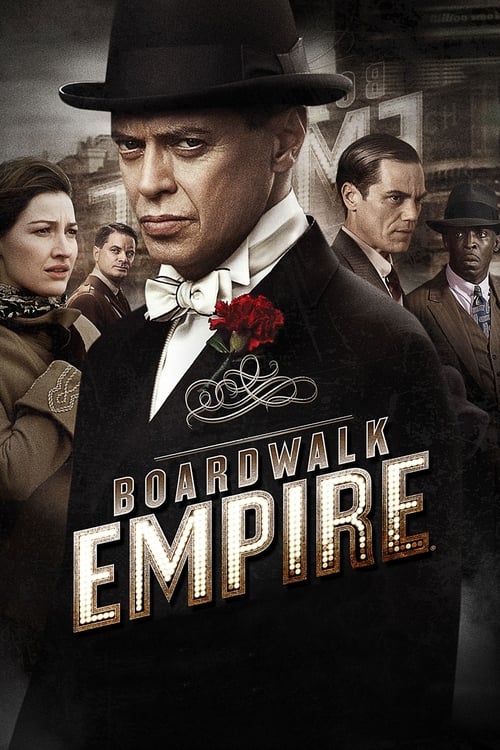
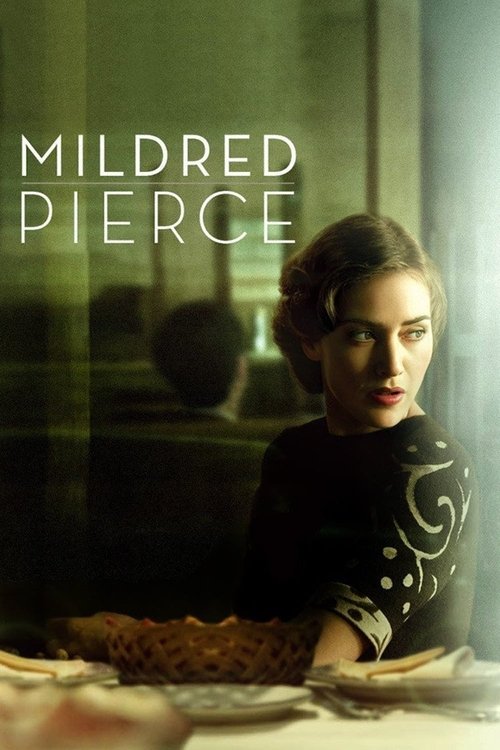
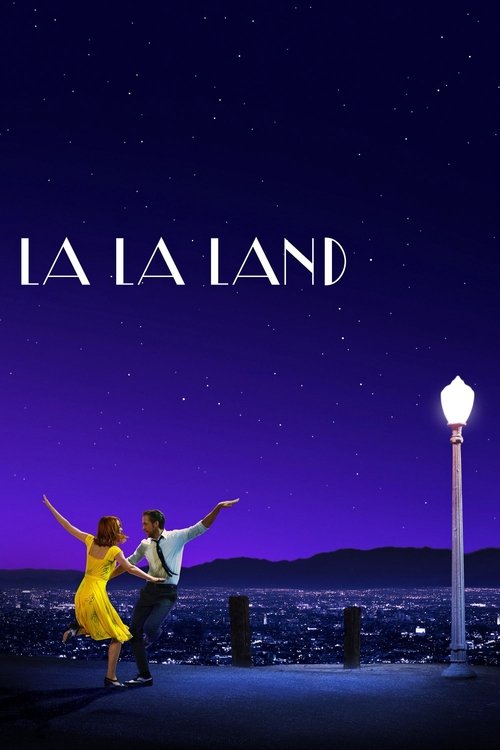
If You Love the Jazz Age and Its Discontents
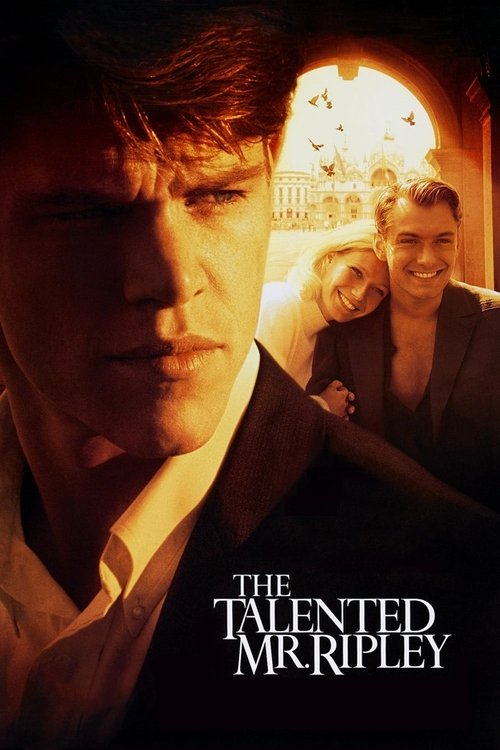
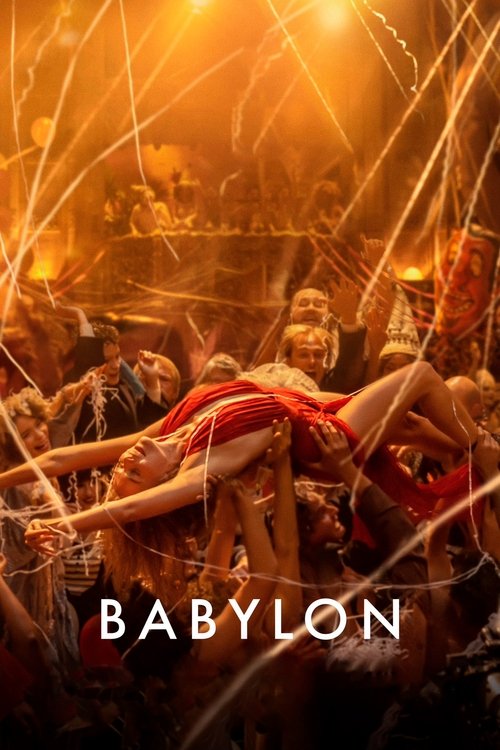
Films and series soaked in the same golden-and-doomed atmosphere
Books That Share the Ache
Novels about desire, class, and the wrong kind of paradise


Music for the Long Drive Home After the Party
Albums that carry the same bittersweet elegance
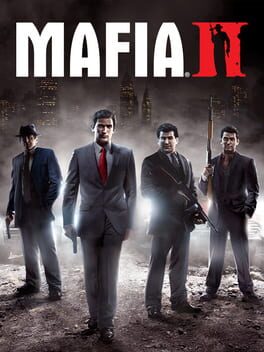
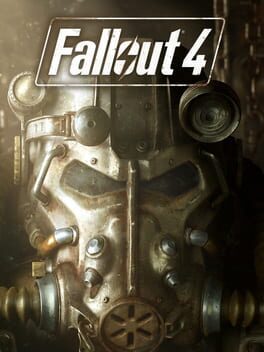
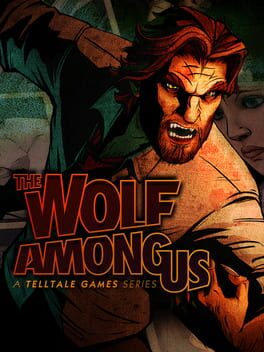
Games About Ambition, Excess, and Beautiful Ruins
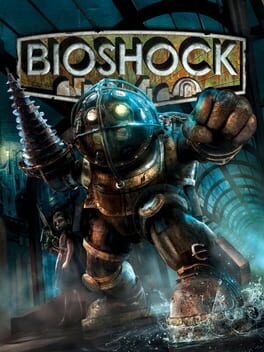
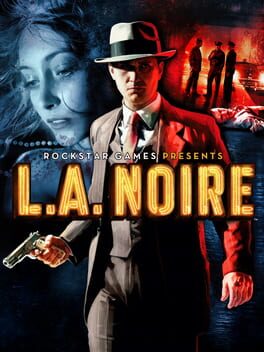
Interactive worlds that share Fitzgerald's themes of aspiration and collapse

Tender Is the Night Is the Harder Book
Everyone starts with Gatsby and many people stop there, but Fitzgerald poured more of himself into Tender Is the Night. The collapse of Dick Diver, a charming American psychiatrist gradually consumed by his wealthy wife's world, is harder to watch precisely because it is slower and more ordinary. No green light, no romantic myth: just a brilliant person erasing himself in installments. The 1985 BBC miniseries adaptation with Peter Strauss and Mary Steenburgen is underseen and worth tracking down.
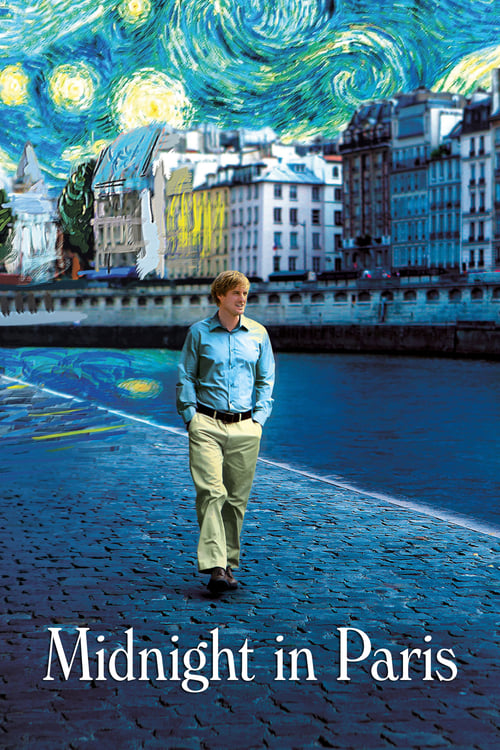
Midnight in Paris Gets the Nostalgia Trap Right
Woody Allen's film is not a deep movie, but it nails exactly the temptation Fitzgerald diagnosed: the belief that some other era was more alive than the present one. Gil Pender wants to live in the 1920s Paris of Fitzgerald, Hemingway, and Stein. The film gently punctures this, showing that the people of that golden era were themselves pining for an earlier golden era. Fitzgerald would have recognized the joke immediately. He wrote it first.
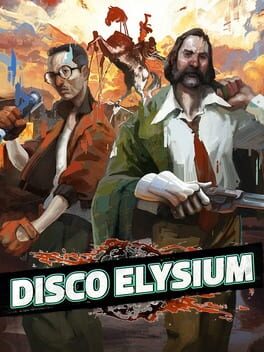
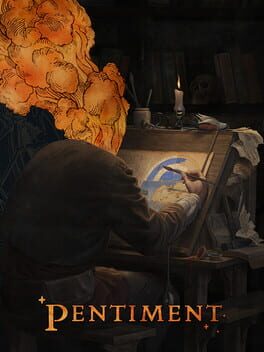
Disco Elysium Is a Video Game About the Same Kind of Ruin
Disco Elysium is about a man who has tried to drink himself out of existence and now has to reconstruct who he was from the wreckage. That is not so different from what Fitzgerald was doing in the late 1930s, writing the Pat Hobby stories while Hollywood chewed him up. Both works are studies in a particular kind of brilliant, self-destructive charm. The writing in Disco Elysium is among the best prose in any game ever made, and it earns that comparison.
Edith Wharton Mapped the Same Territory First
Fitzgerald acknowledged Wharton's influence, and the debt is obvious once you see it. The House of Mirth and The Age of Innocence are about the same violence: a society that destroys people who do not fit its rules while pretending to be civilized. Wharton is colder and more precise, Fitzgerald warmer and more self-implicating, but both are writing about the cost of wanting to belong to a world that was never built for you. Reading them together is one of the better two-author surveys in American literature.

A Life in Peaks and Troughs
- 1896Born in St. Paul, Minnesota
- 1920This Side of Paradise published; immediate celebrity; marries Zelda Sayre This Side of Paradise
- 1922The Beautiful and Damned The Beautiful and Damned
- 1925The Great Gatsby published in Paris; initially undersells The great Gatsby
- 1934Tender Is the Night, his most personal novel Tender is the Night
- 1937Hollywood screenwriting years begin; writing Pat Hobby stories
- 1940Dies in Hollywood, aged 44; The Last Tycoon unfinished The last tycoon
- 1949First major Gatsby film adaptation The Great Gatsby
- 2013Baz Luhrmann's Gatsby brings the novel to a new generation The Great Gatsby
Jazz Age glamour and its rot
For Fans of The Roaring Twenties
Explore the For Fans of The Roaring Twenties guide →So we beat on, boats against the current, borne back ceaselessly into the past.F. Scott Fitzgerald, The Great Gatsby (1925)