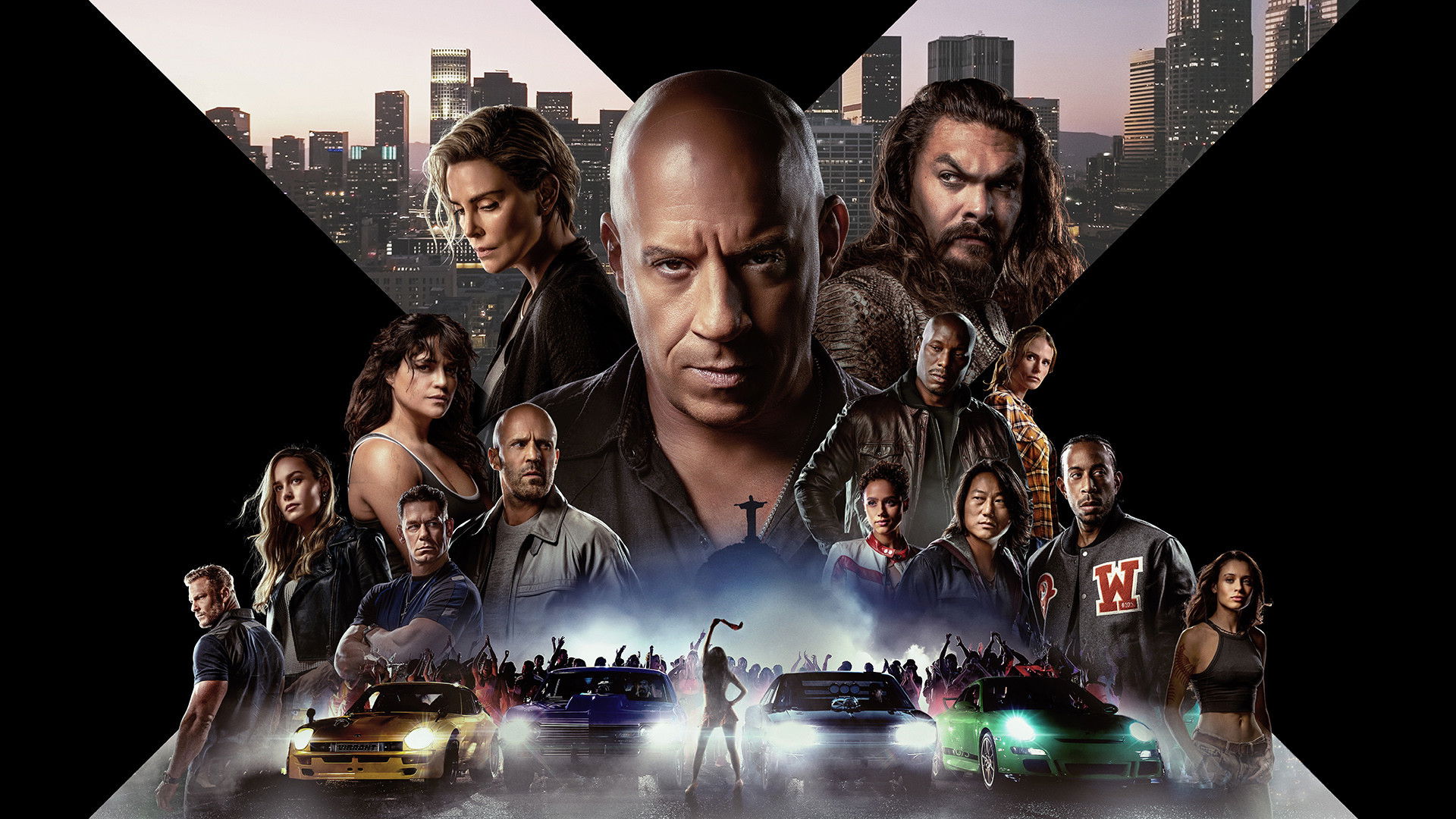

It started with stolen DVD players and underground street races in 2001. Twenty-plus years and ten mainline films later, the Fast and Furious franchise has become one of the highest-grossing film series in history, a genuine cultural institution built on a single recurring premise: family over everything. What began as a Point Break-inspired heist film set in the Los Angeles import car scene gradually escalated into something stranger and more thrilling, a globe-trotting action spectacle where the crew robs banks, dismantles terrorist cells, and drives cars out of planes without ever losing the warmth that made audiences care in the first place. The through-line a fan loves is the alchemy between absurdity and sincerity. These films are fully aware they are ridiculous, and they commit completely anyway. That combination, velocity plus heart, is what distinguishes the franchise from every imitator.
Essential Fast and Furious
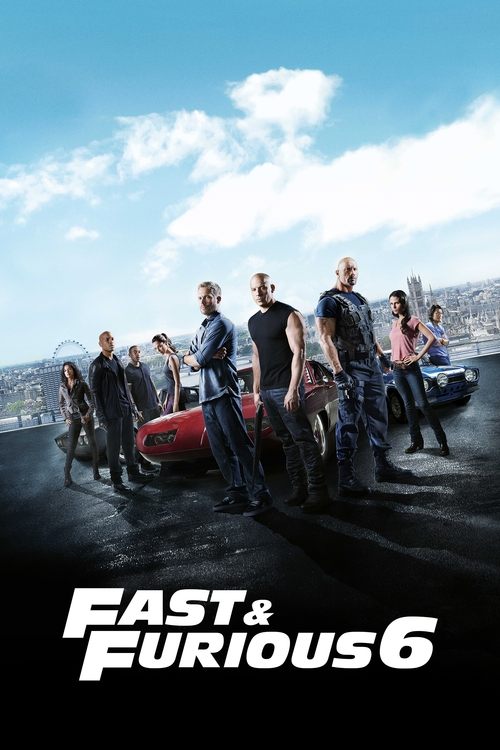
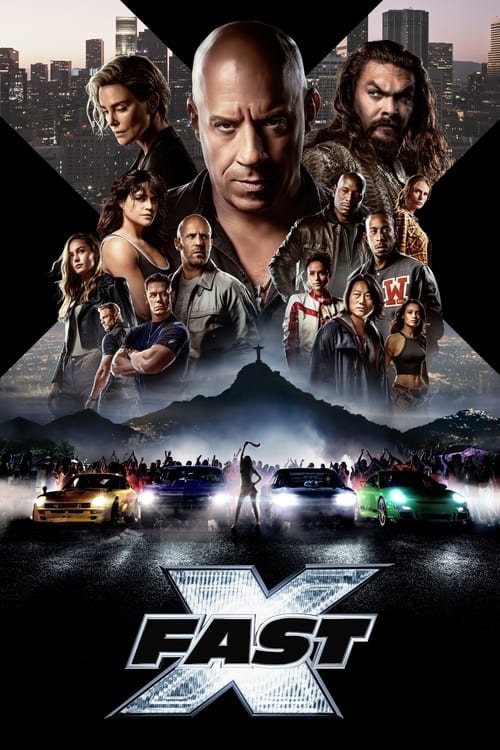
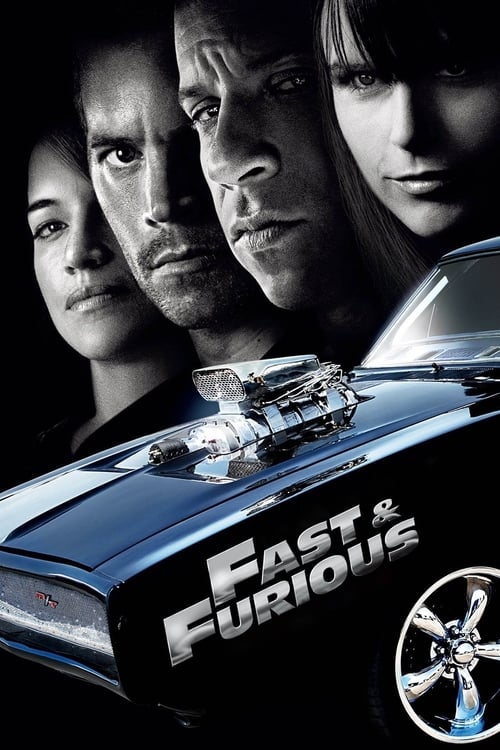
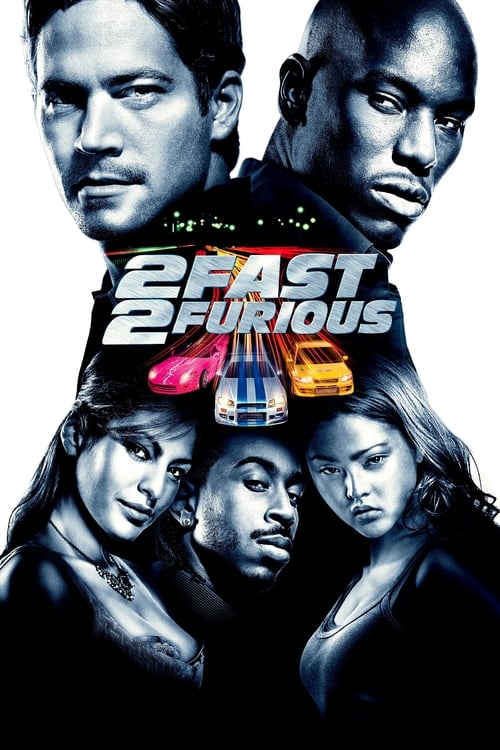
The mainline films, ranked by fan consensus and franchise significance


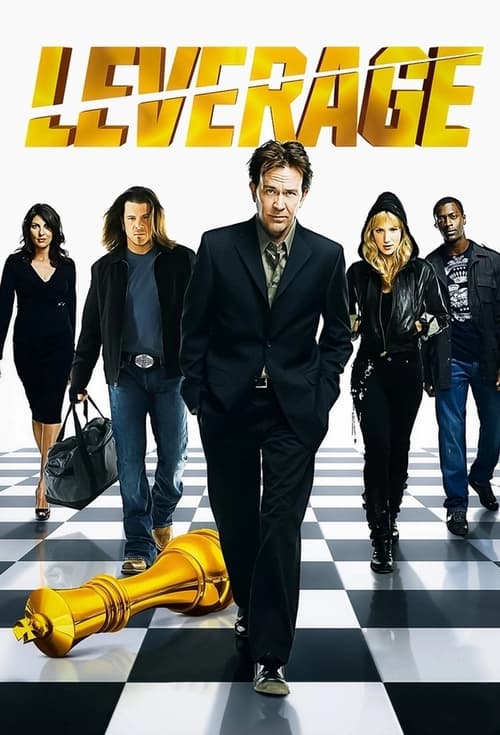
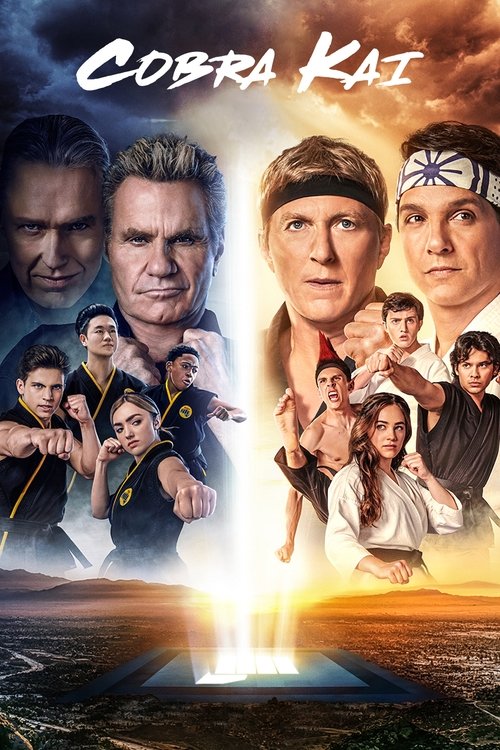
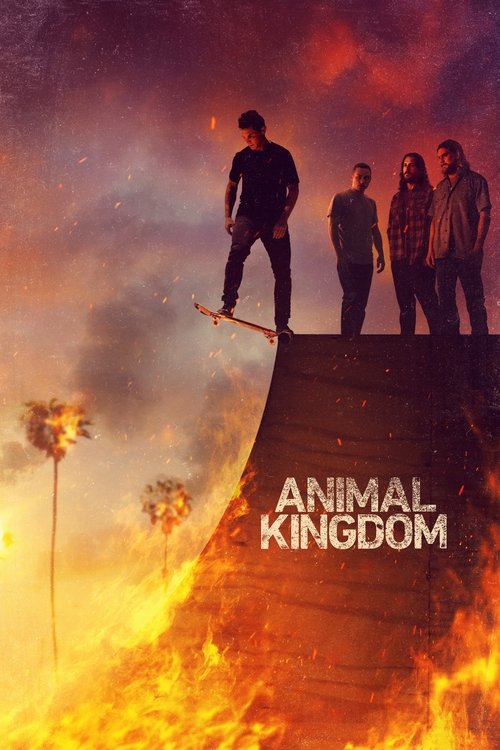
If You Love the TV and the Crew
Series built on ensemble loyalty, high-octane stakes, and charismatic crews
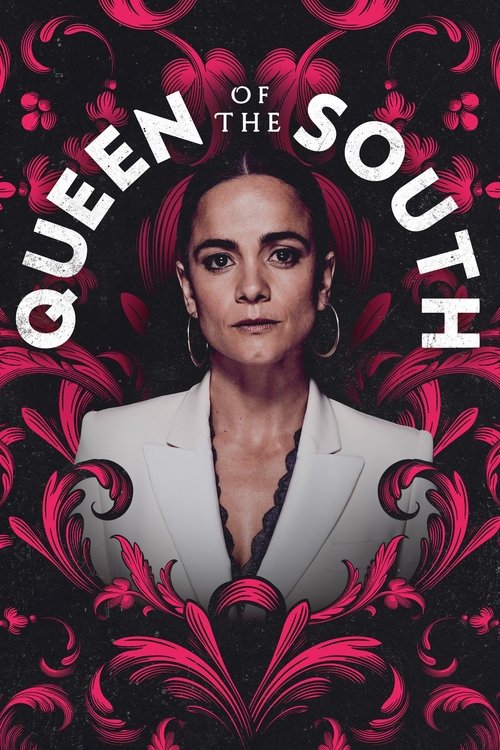
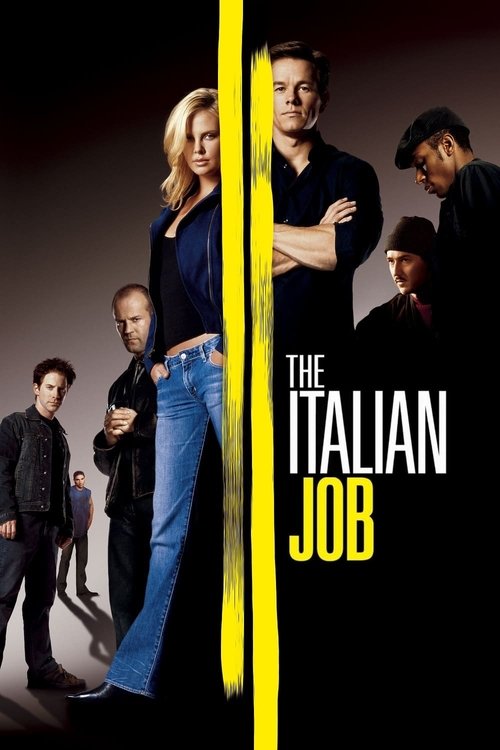
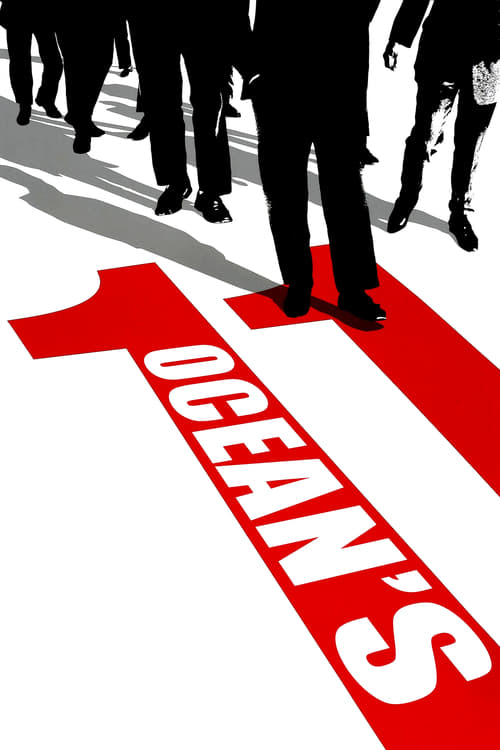
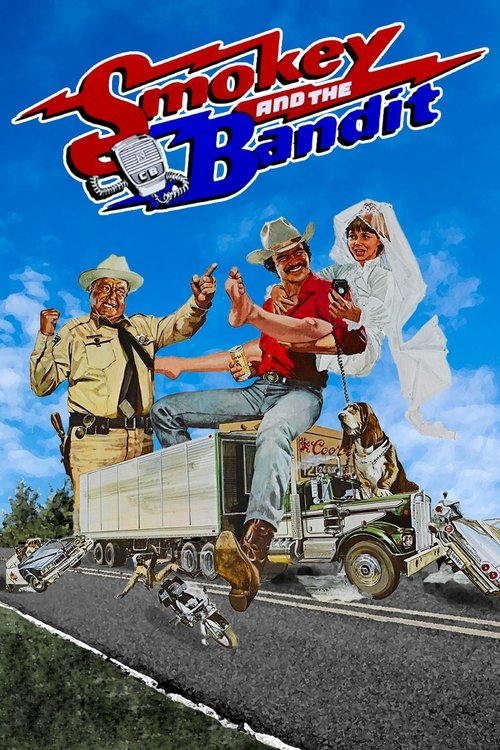
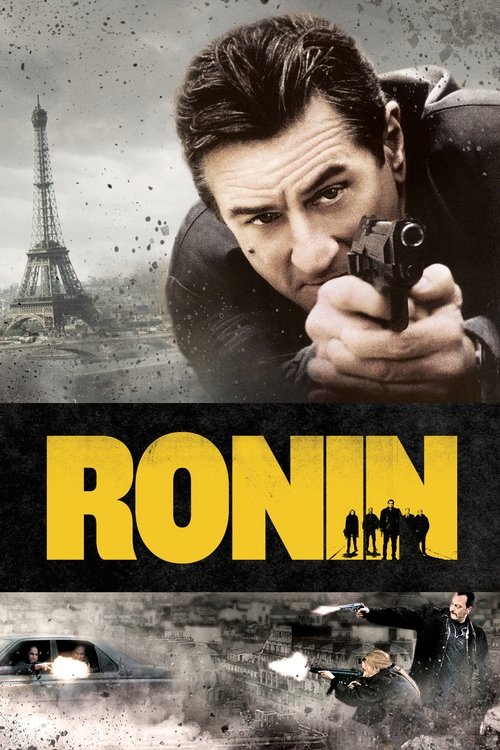
Same DNA: Heist and Chase Cinema
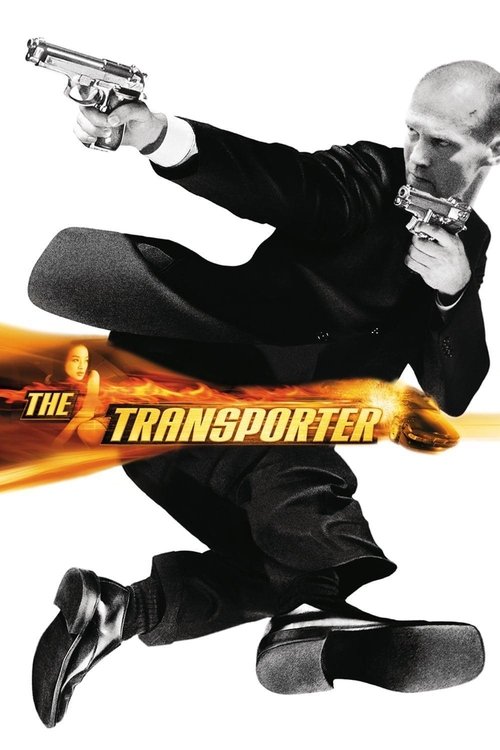
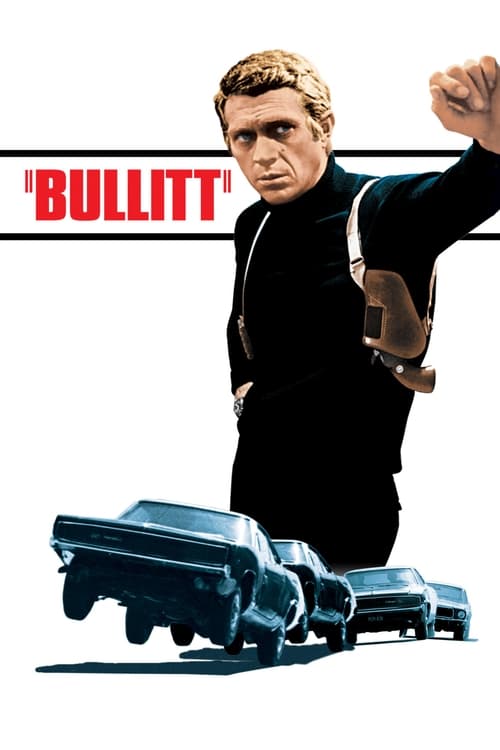
Films that share the franchise's love of ensemble heists, car culture, and kinetic action
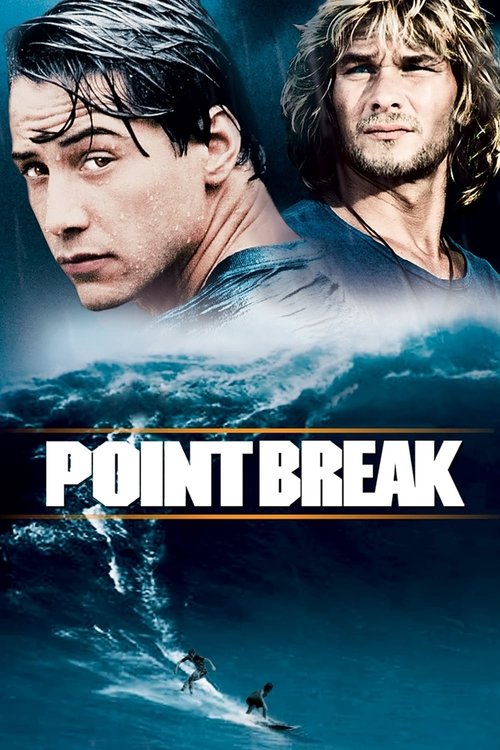
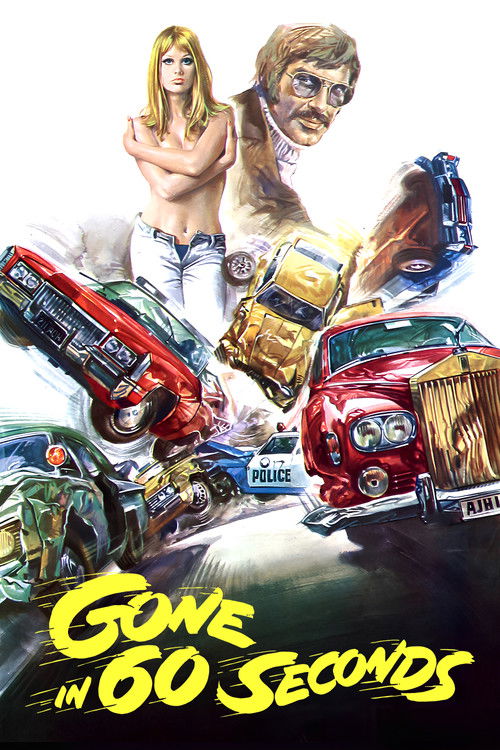
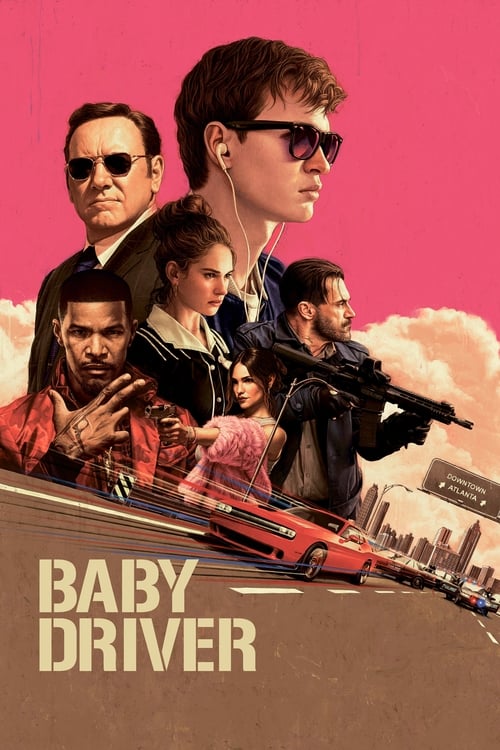

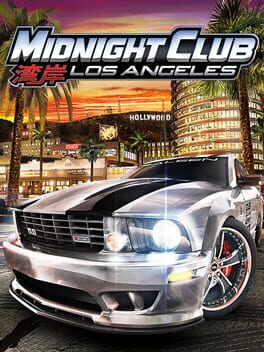
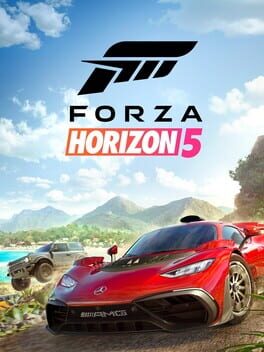
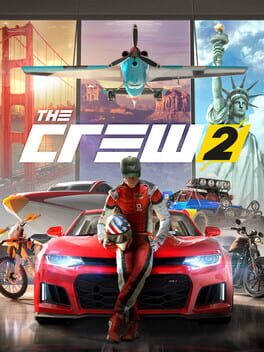
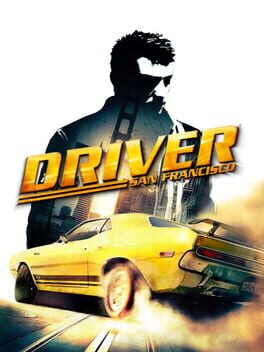
Behind the Wheel: Racing and Action Games
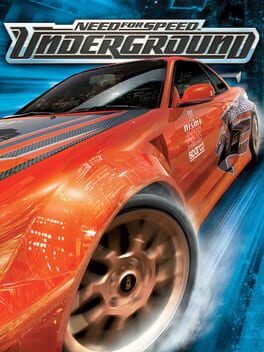
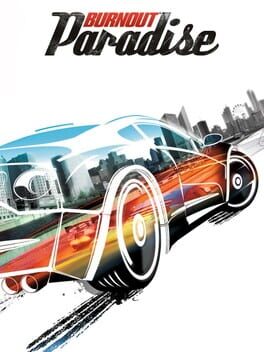
Games that capture the street-racing thrill and open-world freedom the franchise runs on
Fast Five Is the Best Action Film of Its Decade
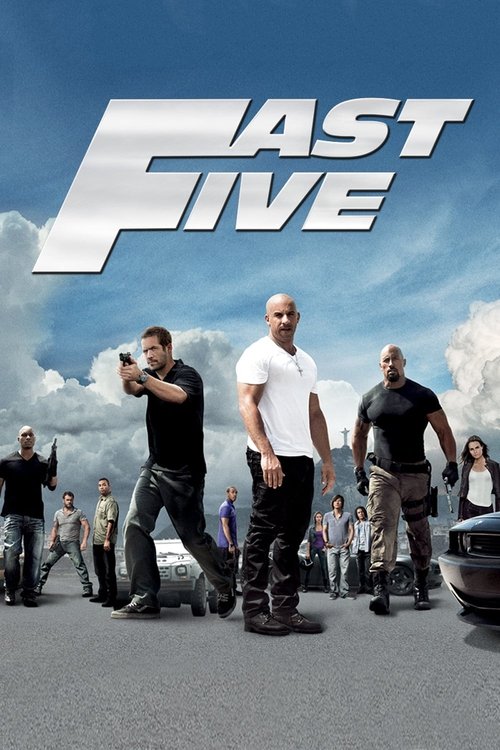
There is a reasonable argument that Fast Five (2011) is the best pure action film of the 2010s. It takes everything the earlier films established and throws a vault at it. The addition of Dwayne Johnson as Luke Hobbs gives the franchise its perfect foil: a human wrecking ball deployed against a crew of human wrecking balls. Director Justin Lin stages action sequences with spatial clarity that most blockbusters cannot achieve, and the finale's vault chase through Rio de Janeiro is one of the great set-pieces in mainstream cinema. The film also understood something crucial: give the audience time to breathe and laugh between the chaos, so the chaos actually means something.
Tokyo Drift: The Hidden Masterpiece
Dismissed on release and retroactively rescued by franchise mythology, The Fast and the Furious: Tokyo Drift (2006) is genuinely distinct from every other entry. It has a real coming-of-age arc, a sense of place rooted in Shibuya and mountain touge roads, and a drifting mechanic that the film treats with something approaching reverence. Han Lue, introduced here and brought back across later films, became one of the most beloved characters in the series. Tokyo Drift shows what the franchise looks like when it slows down enough to let geography and character breathe.
The Games That Capture the Feeling
No licensed Fast and Furious game has fully captured what makes the films work: the crew banter, the escalation, the sense that anything is possible with enough horsepower. The Need for Speed Underground series came closest in spirit, with its emphasis on visual customization, night races, and a scene culture that directly echoed the early films. Burnout Paradise and Forza Horizon 5 capture the open-world freedom the franchise increasingly aspires to. For anyone who wants to live in the Fast universe, these games build the context that the films assume.
Paul Walker and What the Franchise Lost
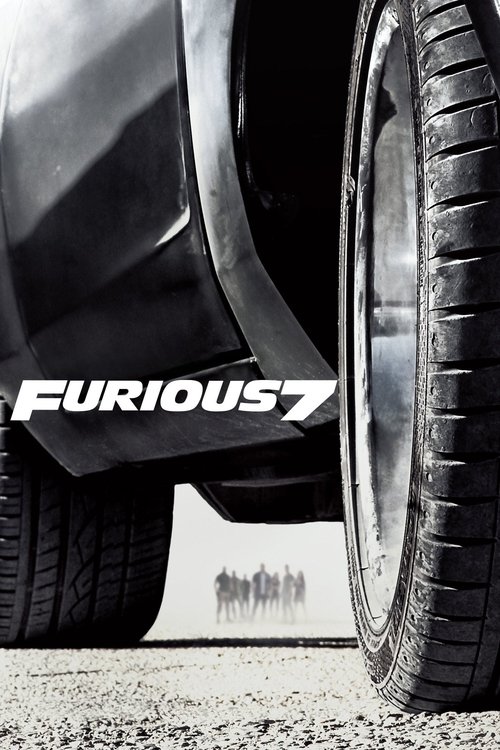
Furious 7 ends with one of the most emotionally honest farewells in blockbuster history. Paul Walker's death during production forced filmmakers to find a way to close his character Brian O'Conner's story without exploitation or sentimentality, and the result, a montage of Walker's appearances across the franchise ending with his car simply driving away, landed with a sincerity that stunned audiences who had come expecting another action spectacle. The franchise never fully filled the space Walker left. His particular warmth, the quality that made Dominic Toretto and Brian feel like genuine brothers, remains irreplaceable.
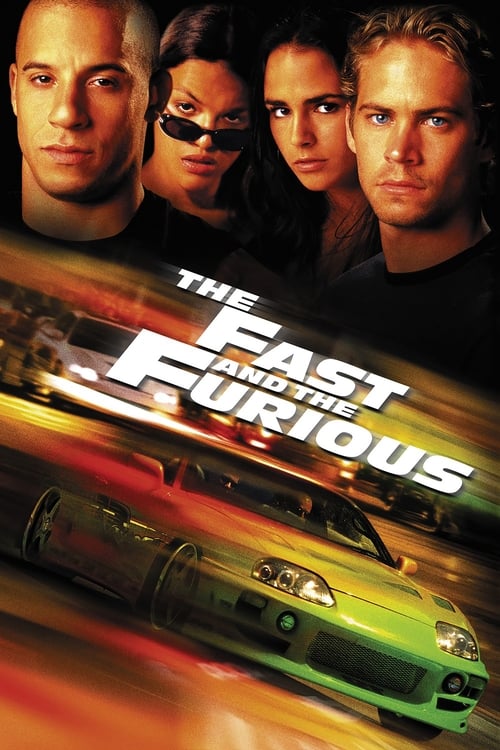
It don't matter if you win by an inch or a mile. Winning's winning.Dom Toretto, The Fast and the Furious (2001)
The Franchise Timeline
- 2001The beginning: street races and DVD heists in Los Angeles The Fast and the Furious
- 2003Miami drift: a new crew, the same need for speed 2 Fast 2 Furious
- 2006Tokyo Drift introduces Han and a new visual language The Fast and the Furious: Tokyo Drift
- 2009The core crew reunites for a darker, grittier entry Fast & Furious
- 2011Fast Five pivots to full heist mode; Hobbs arrives Fast Five
- 2013London and a tank on a freeway: the scale keeps growing Fast & Furious 6
- 2015Abu Dhabi, a skyscraper jump, and a farewell to Paul Walker Furious 7
- 2017Cipher and a nuclear submarine: spy thriller territory The Fate of the Furious
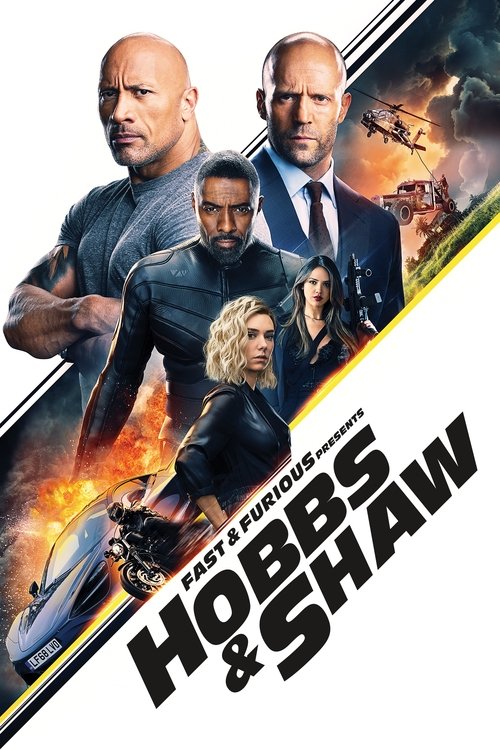
- 2019Hobbs and Shaw spin off into their own supersized action comedy Fast & Furious Presents: Hobbs & Shaw
- 2021F9: space, magnets, and the return of Han F9
- 2023Fast X opens the final chapter trilogy Fast X