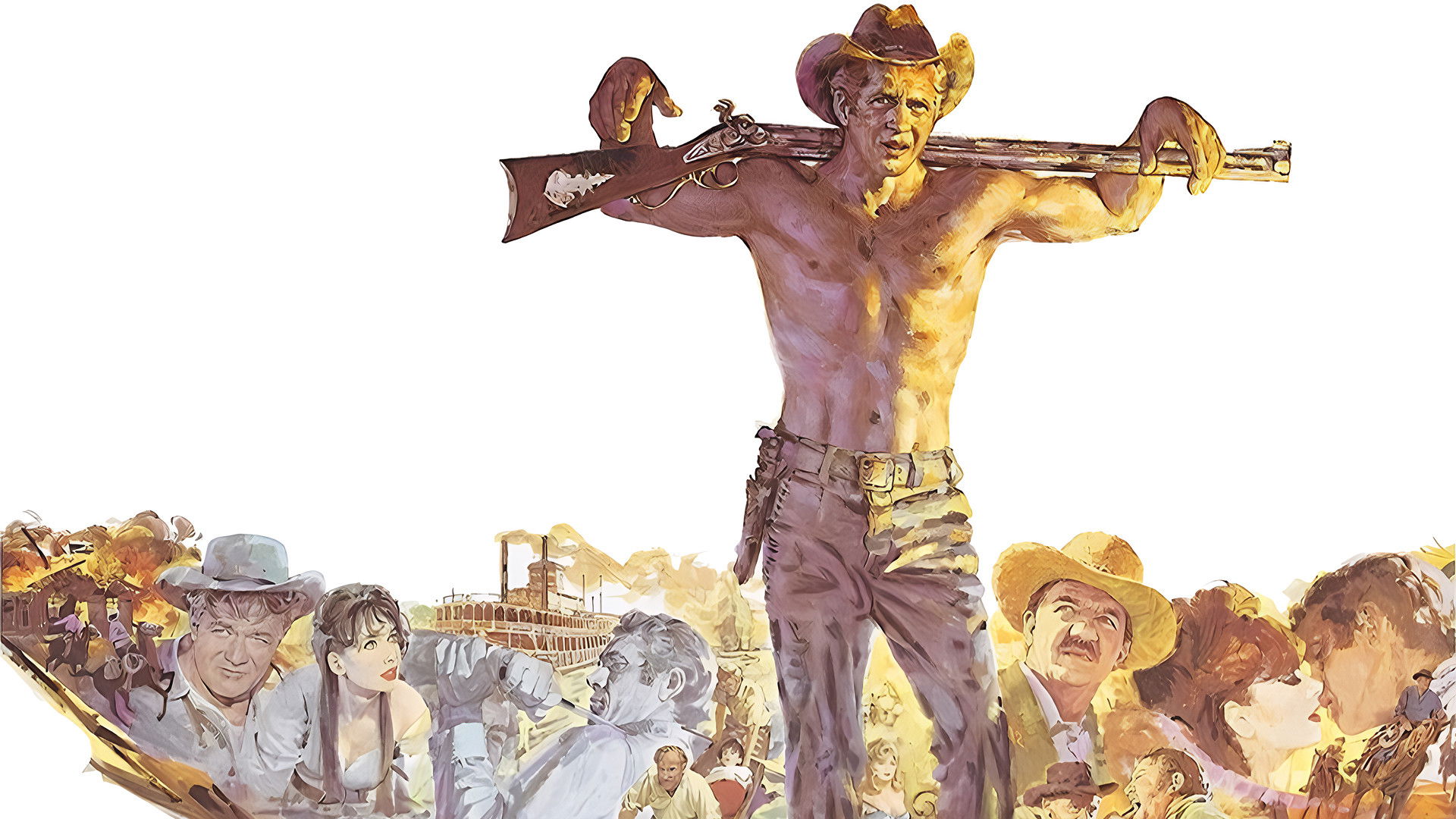

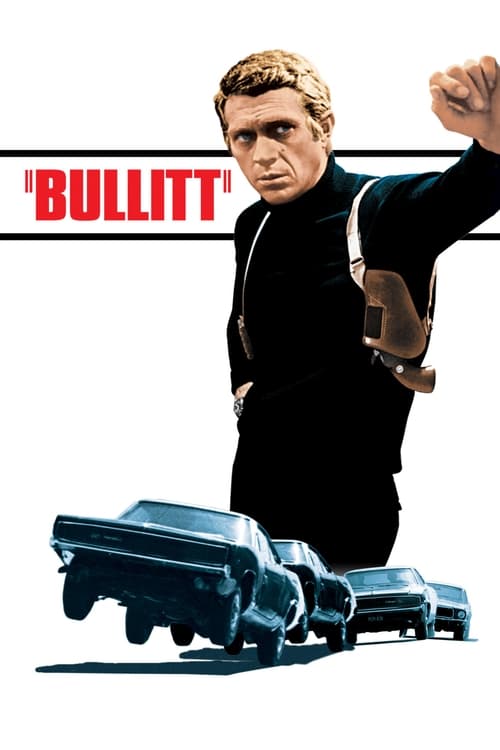
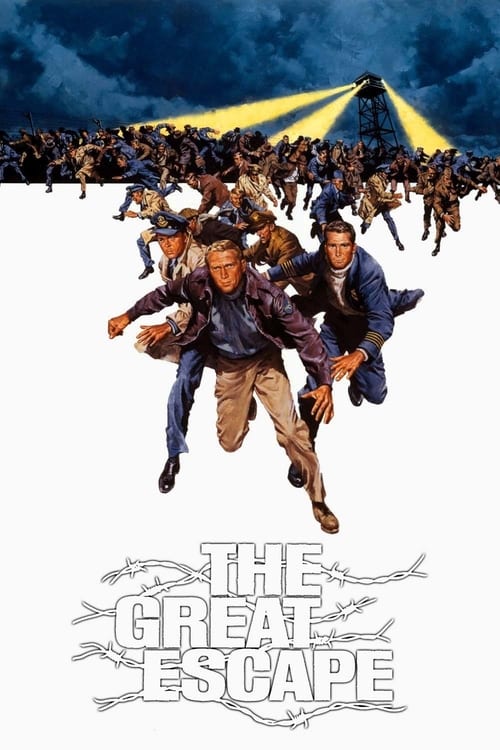
Steve McQueen did not act so much as radiate. From the dirt tracks of his early career to the rooftops of San Francisco, he turned physical presence into a language of its own: minimal words, maximum weight. Fans love him for the stillness behind the speed, the self-contained danger that made every frame feel like a dare. Whether he was outrunning a Charger through Bullitt's switchback streets or engineering a mass escape through the German countryside in 'The Great Escape', McQueen communicated intensity without working up a sweat. That quality, cool-blooded nerve paired with blue-collar authenticity, is the through-line for everything on this page.
Essential Steve McQueen
The films that define the legend
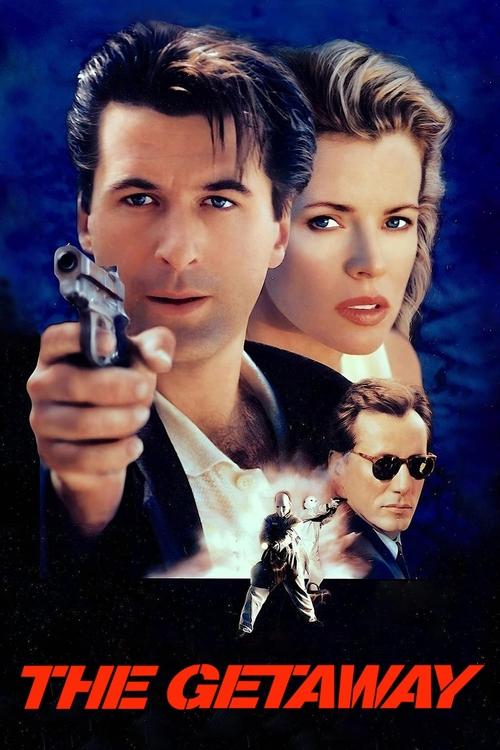
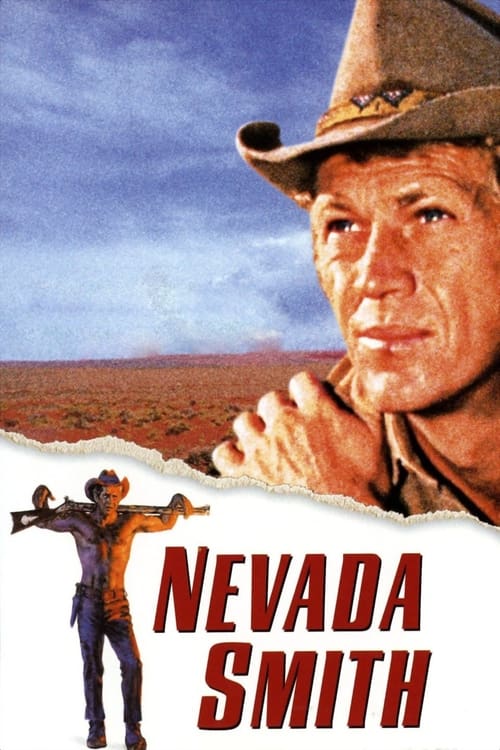
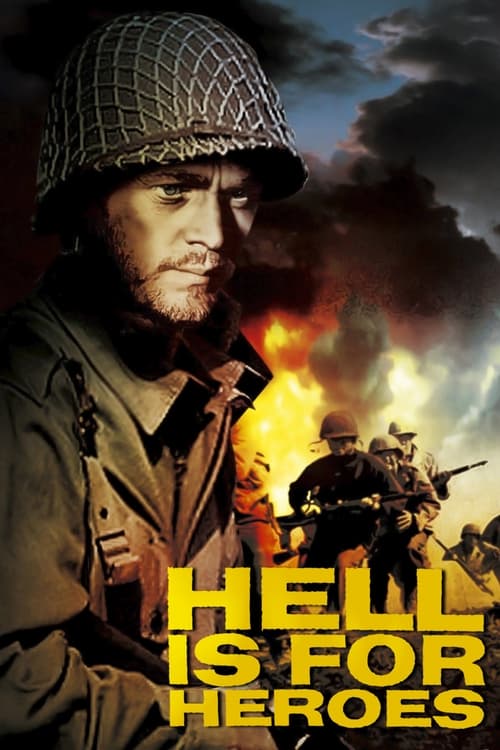
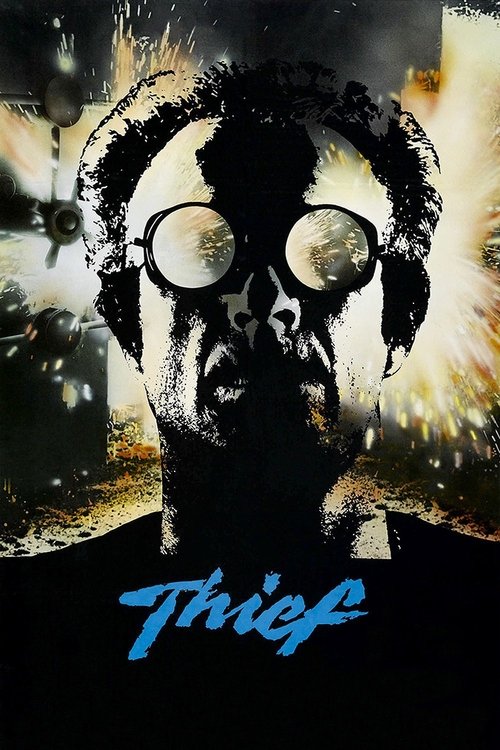
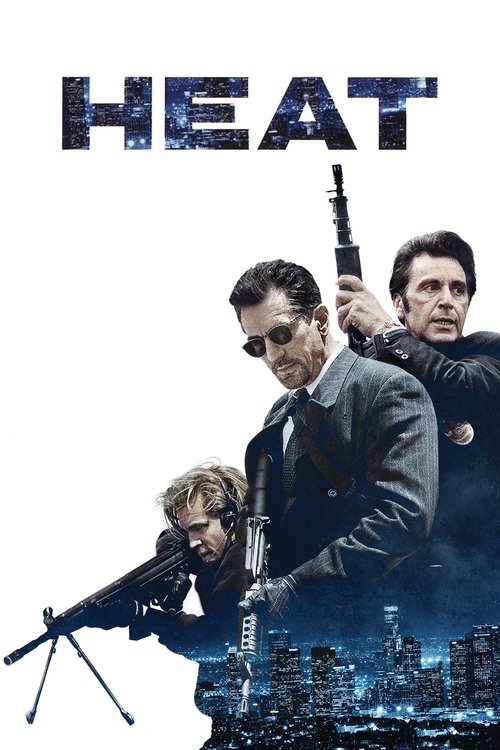
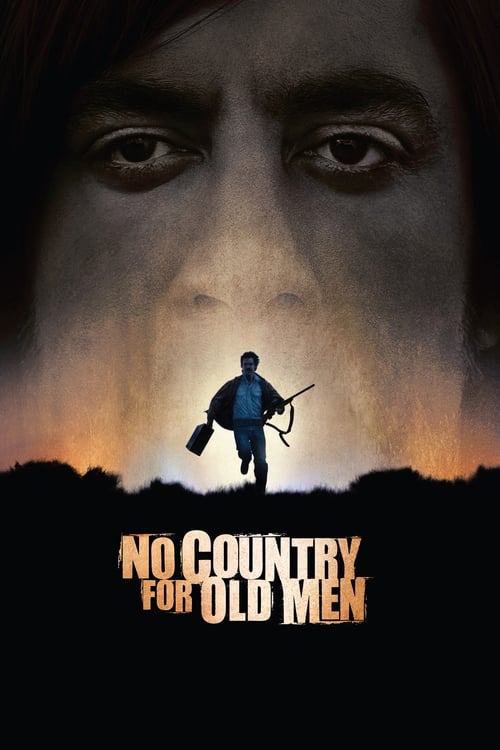
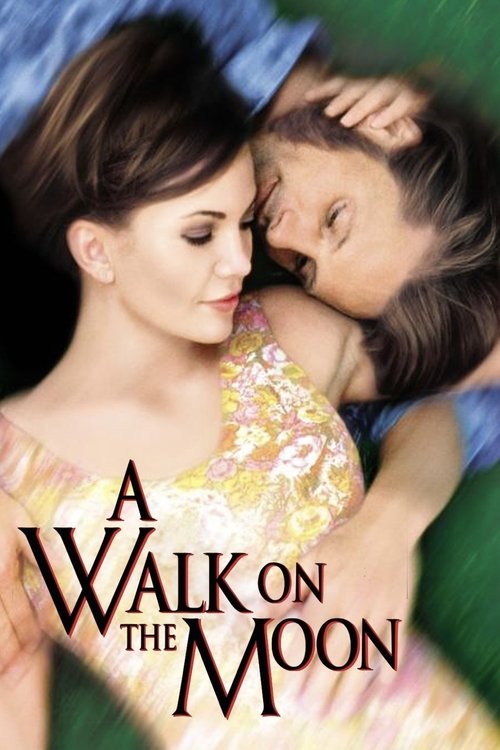
Same Heat, Different Stars
Actors who carry that same coiled, minimal cool


Racing and Escape: The Series Side
TV that captures speed, captivity, or lone-wolf cool
POW Tunnels, Open Roads: Books for McQueen Fans
Novels and memoirs built around escape, grit, and masculine tension


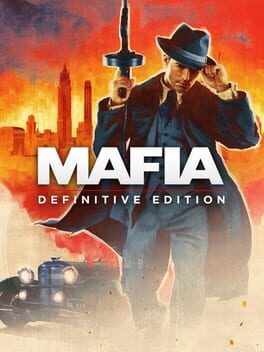
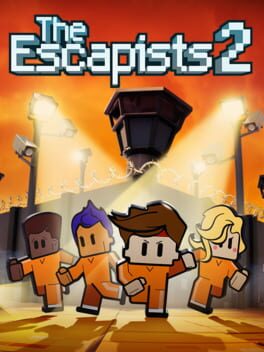
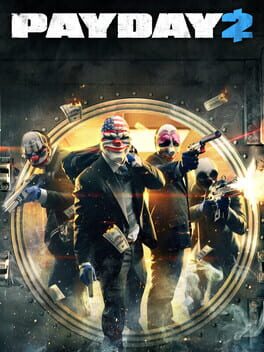
Full Throttle: Games for the Speed and Nerve
Games with the same focus, danger, and horsepower
Bullitt Is the Purest Action Film Ever Made
The car chase in Bullitt lasts ten minutes and has almost no score behind it, just engine noise and tire scream on concrete. That choice is a thesis statement. McQueen and director Peter Yates trusted the reality of the action to carry the scene, and it still does, more than five decades later. Nothing in the film is explained when a look or a gear change will do the work instead.
Le Mans Is the One Where McQueen Stopped Acting
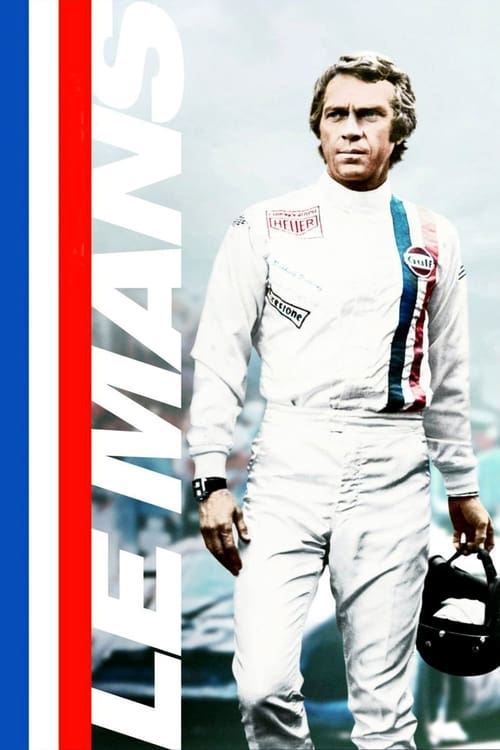
McQueen pushed for Le Mans to be a near-documentary, almost no dialogue, the race as the drama. The studio resisted; the film still stands as one of the most visceral sports films ever shot, because McQueen raced it himself in the key sequences. The commitment to authenticity over convention is the quality fans return for across his whole career.
The Great Escape Invented the Ensemble Action Film
Before the ensemble action blockbuster existed as a genre, John Sturges assembled it here: a dozen star performances in a single story, with McQueen as the gravitational center he barely shares screen time with. His Cooler King routine, motorcycle stunt and all, is probably the single image most people carry of him. It earned that status.
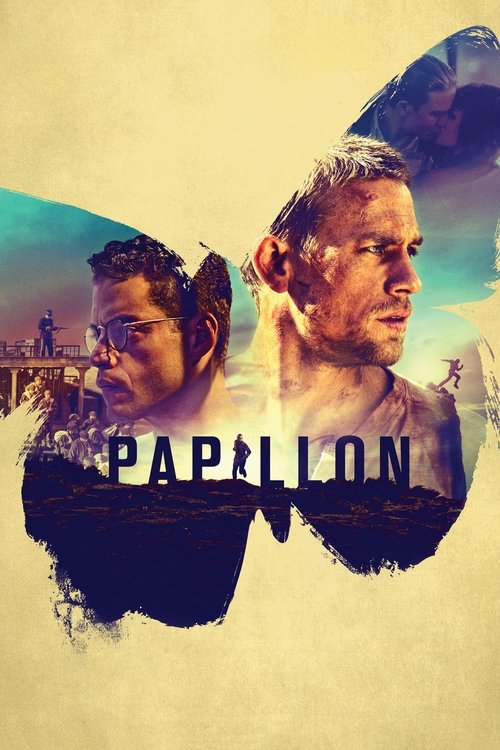
Papillon Shows the Range Most People Miss
After the car chases and westerns, Papillon is the film McQueen fans often cite as the performance that surprised them. Dustin Hoffman alongside him, brutal prison conditions, a story spanning decades on a man's body and face. McQueen aged into the role visually and emotionally. It is a demonstration that the stillness he brought to action films was always connected to something deeper.
A Career in Motion
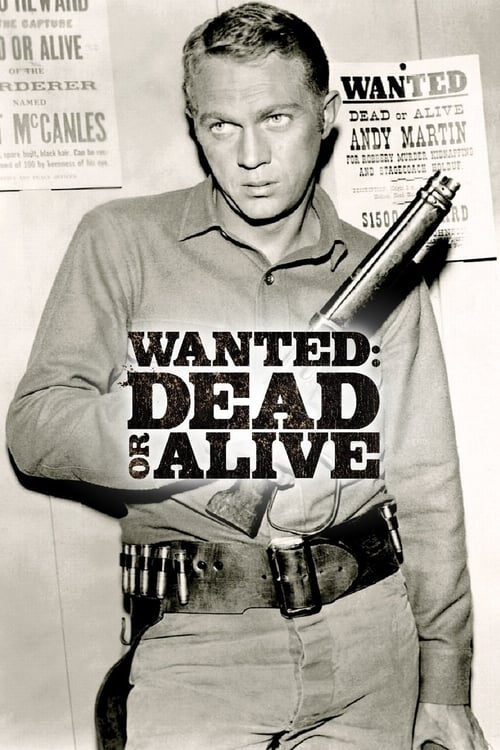
- 1958Breaks through as Josh Randall in the TV western Wanted: Dead or Alive
- 1960First major film ensemble role The Magnificent Seven
- 1963Defines the lone-wolf POW with the motorcycle jump The Great Escape
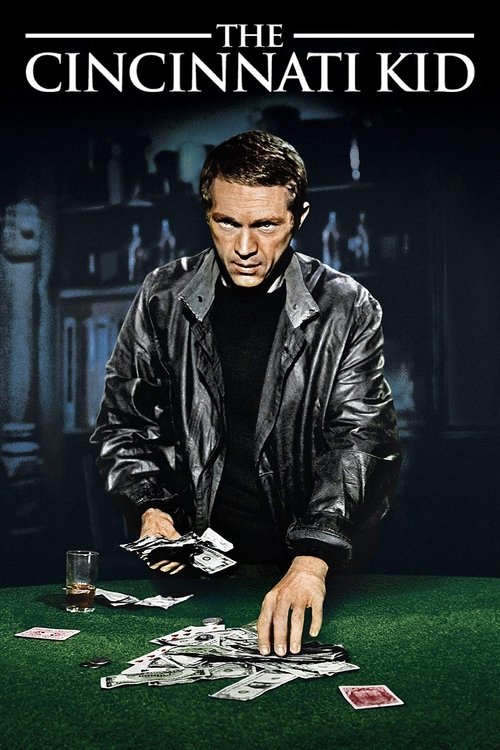
- 1965Cements cool as a poker player with something to prove The Cincinnati Kid
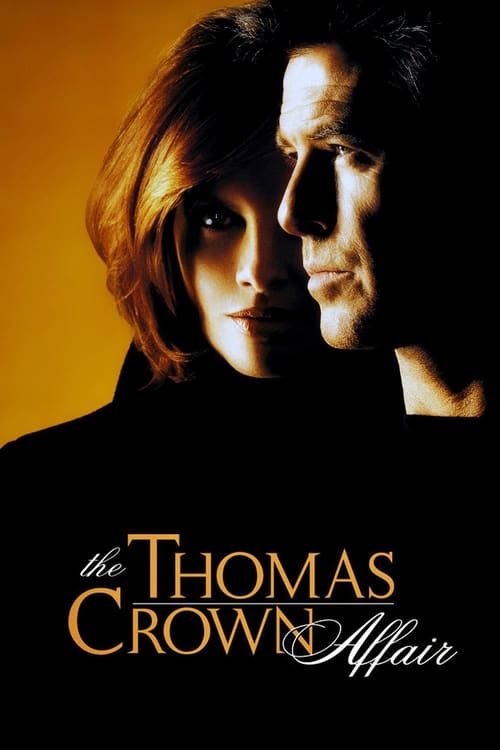
- 1968The Thomas Crown Affair pairs him with Faye Dunaway and chess The Thomas Crown Affair
- 1968Invents the modern car-chase film Bullitt
- 1971Commits to living the story on the track Le Mans
- 1973Delivers the performance that reframes his career Papillon
- 1980Final screen role, a controlled and quiet farewell The Hunter
Fast cars, heists, and cool nerve
Racing & Motorsport
Explore the Racing & Motorsport guide →I would rather wake up in the middle of nowhere than in any city on Earth.Steve McQueen