
Fela Anikulapo Kuti built a sound that was also a philosophy of resistance. From the late 1960s through the 1990s, the Nigerian saxophonist, bandleader, and political agitator fused Yoruba highlife, American funk and jazz into something entirely new: Afrobeat, a genre where the groove itself was an argument. His Kalakuta Republic commune was raided by the Nigerian military. His mother was thrown from a window. He kept playing. Fela turned every album into a pamphlet, every song title into a headline, every live set into a two-hour sermon. If you love Fela, you love art that insists on accountability, music where the bass line is a political position, and culture that refuses to separate pleasure from protest.
Essential Fela Kuti
The albums that define the canon, from the early funk-fusion experiments to the mature Afrobeat manifestos.
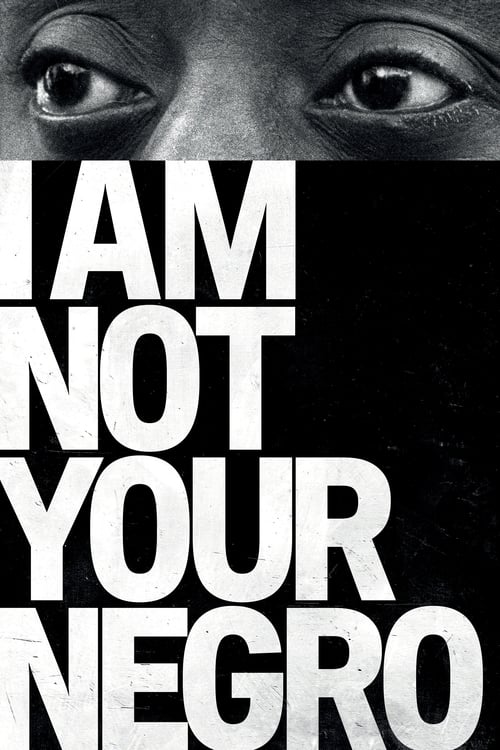
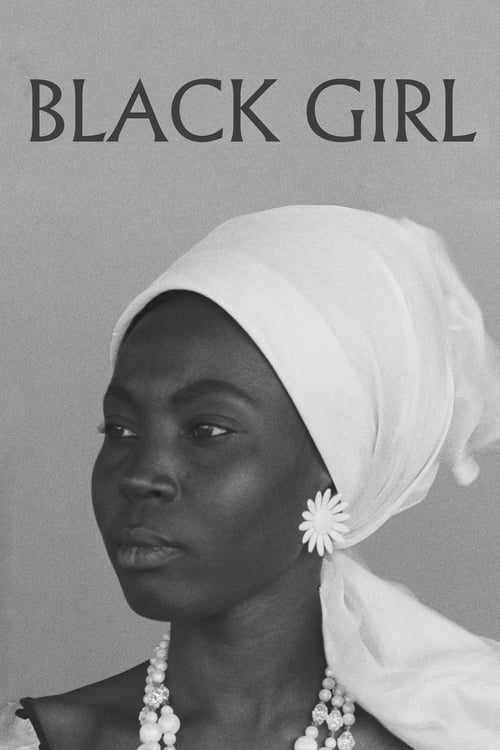
African Resistance on Screen
Films and series that share Fela's preoccupation: power, colonialism, identity, and the refusal to be erased.


The Funk and Jazz Continuum
The records Fela absorbed and the ones he inspired: the transatlantic groove that powered Afrobeat.
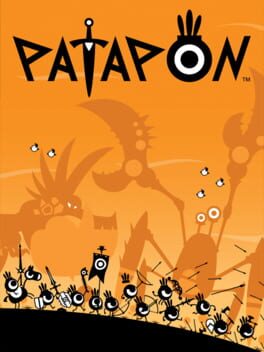
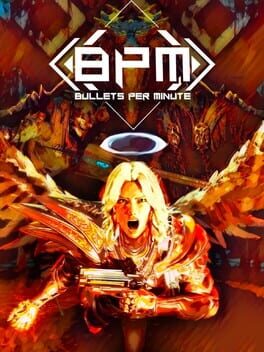
Beat, Rhythm, and Rebellion in Games
Games that find politics in music, or music in struggle.






Afrobeat, African History, and the Literature of Resistance
Books that extend the conversation Fela started: African politics, music theory, postcolonial thought, and the writers who fought with words.



Zombie Is the Greatest Protest Album Ever Made
The title track runs for twelve minutes and never stops moving. Fela aimed 'Zombie' squarely at the Nigerian military, calling soldiers mindless automata who follow orders without thought. The army responded by burning the Kalakuta Republic to the ground. That cause-and-effect tells you everything about how well the record landed. No protest song before or since has provoked that direct a response from a standing government, and few have maintained that groove for that long.
Disco Elysium Is the Fela Game Nobody Called a Fela Game
The game has nothing literally to do with Lagos or Afrobeat. But its insistence that the political is always personal, its love of long ideological monologues, and its refusal to offer clean resolutions feel like the same DNA. Playing it, you get the sense that its writers had internalized something of Fela's conviction that entertainment and polemic need not be separated.
Fela Kuti: A Life in Beats
- 1938Born in Abeokuta, Nigeria, into a family of educators and activists.
- 1958Travels to London to study at the Trinity College of Music.
- 1963Returns to Nigeria; forms Koola Lobitos, playing highlife-jazz fusion.
- 1969Visits the United States; encounters Black Power movement; Afrobeat begins to crystallize.
- 1971Opens the Shrine club in Lagos; releases 'Gentleman' and 'Lady', attacking colonial mimicry.
- 1975Releases 'Zombie', his most explicitly anti-military record. Zombie
- 1977Nigerian army raids the Kalakuta Republic commune; his mother Funmilayo is thrown from a window.
- 1979Releases 'Coffin for Head of State' in response to his mother's death.
- 1984Imprisoned for currency smuggling in what is widely seen as a political prosecution.
- 1986Releases 'Beasts of No Nation', naming Reagan, Thatcher, and Botha as titular beasts.
- 1997Dies in Lagos of complications from AIDS. Estimated 1 million people attend the funeral.
- 2008Fela! opens on Broadway, bringing Afrobeat to a new generation.
- 2014Alex Gibney releases Finding Fela, the definitive documentary.
More rebel music and its makers
Music & Musicians
Explore the Music & Musicians guide →Music is the weapon of the future.Fela Kuti