

James Brown did not merely make music. He built a language. The one-beat kick, the gritty horn stab, the call-and-response holler: this is the DNA of everything loud and sweaty that followed. From the chitlin circuit to the Apollo, from 'Please Please Please' (1956) to 'I Got You (I Feel Good)' to 'Funky Drummer,' Brown invented funk as a full-body experience before the word existed. He ran his band like a count commands a court, levied fines for missed notes, and somehow coaxed from that discipline the most liberating music of the 20th century. If you love James Brown, you love precision that feels like chaos, grooves that never resolve but never get lost, and performers who give every last drop on stage every single night.
The Man on Screen
The biopic, concert films, and documentaries that capture James Brown's force
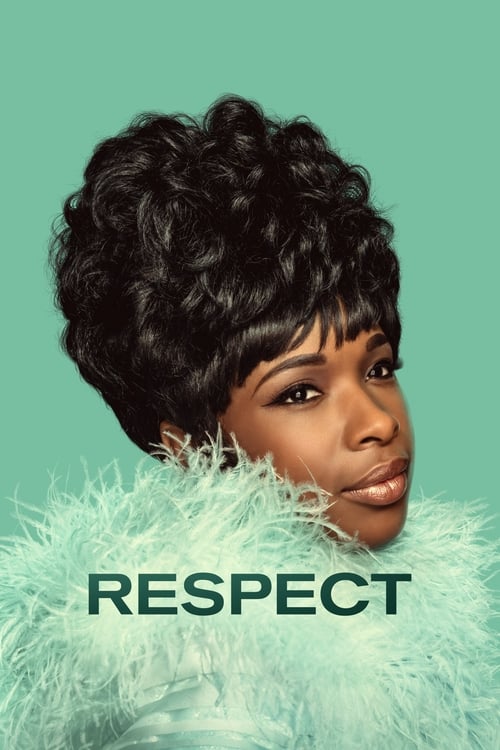
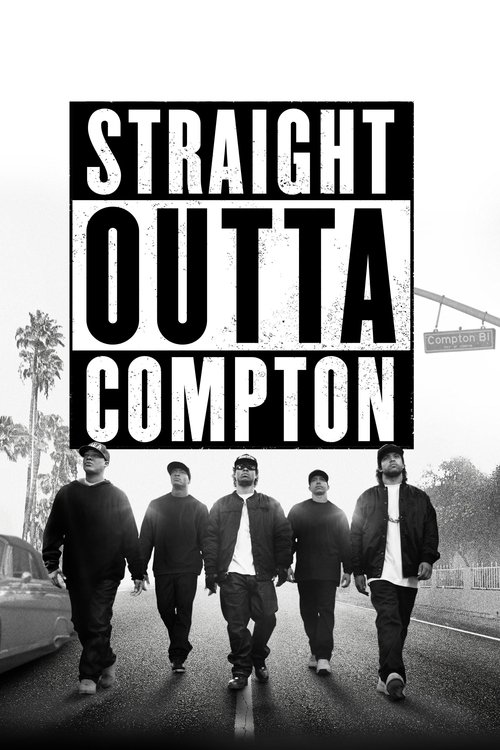
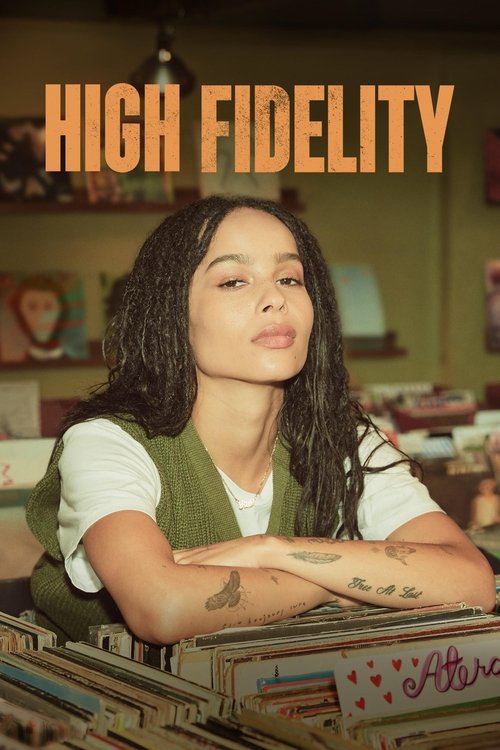
The Same Fire: Soul and Funk on Screen
Films and series that carry the heat of Brown's era


Funk's Family Tree: Artists Who Inherited the Groove
The musicians who carried the one-beat forward
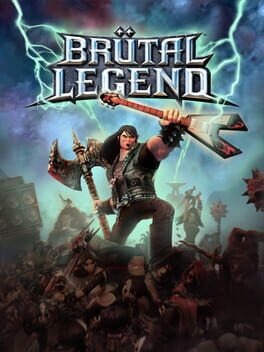
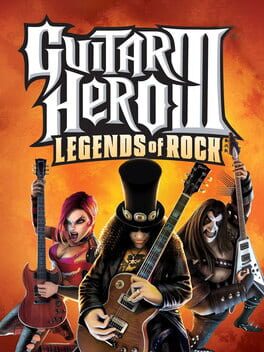
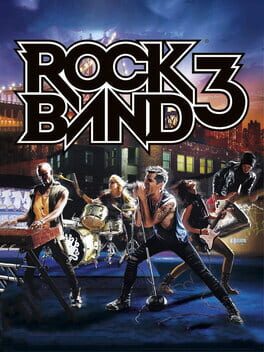
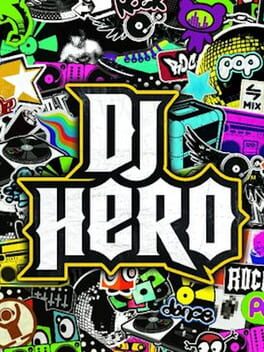
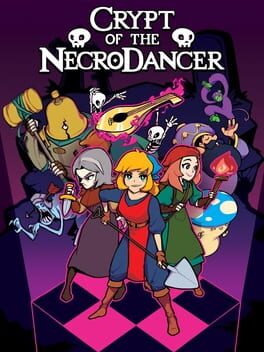
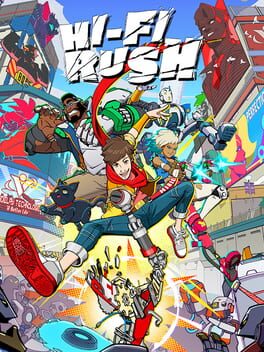
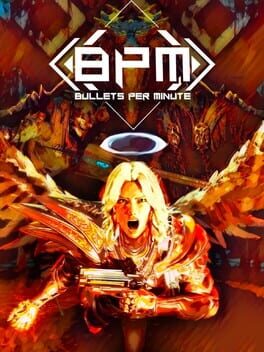
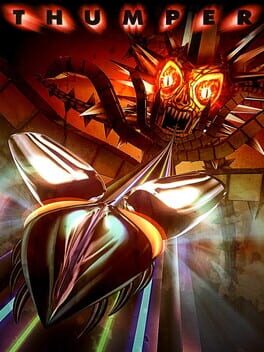
Feel the Beat: Rhythm and Music Games
Games built on the kind of groove Brown made undeniable
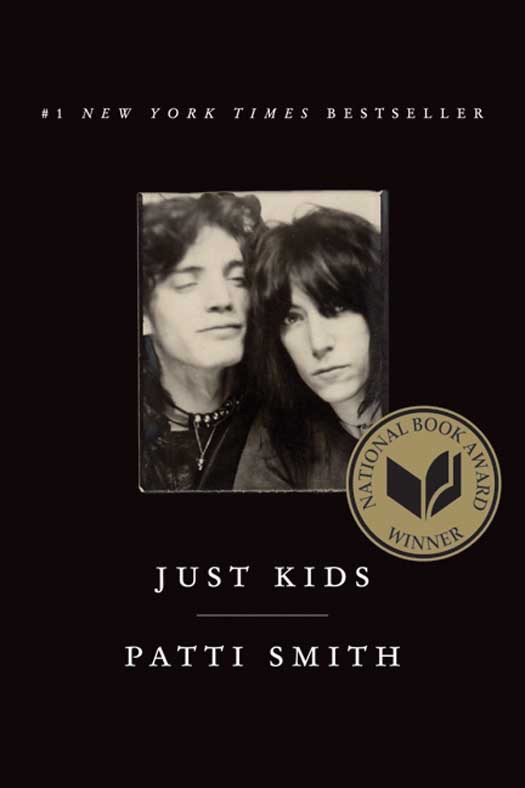
Read the Revolution: Music Books and Soul Memoirs
Books that put you inside the music, the movement, and the era


The Drummer Is the Song
Clyde Stubblefield's two-bar break on 'Funky Drummer' (1970) is the most sampled drum loop in recorded history. Brown heard rhythm not as support but as the entire argument. Every other instrument exists to punctuate the groove, not the other way around. That inversion is why his records still sound new and why hip-hop was, from its first day, a James Brown tribute act.
Say It Loud: Brown's Music as Political Act
'Say It Loud - I'm Black and I'm Proud' arrived four months after Martin Luther King Jr.'s assassination. Brown did not court controversy: he stated a fact and dared the culture to catch up. The song cost him crossover radio play and he knew it going in. No artist in popular music has matched that combination of commercial calculation and principled courage since.
The Cape Routine as Pure Cinema
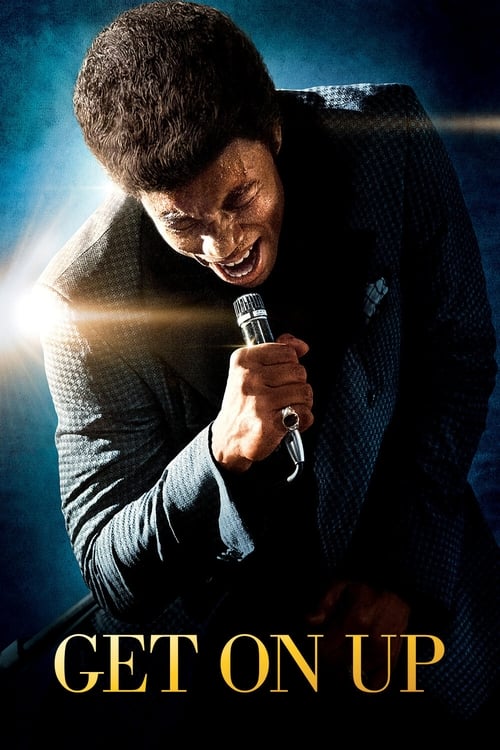
Bobby Byrd would drape the cape over Brown's shoulders, Brown would recover, throw it off, collapse again. Every night. It was rehearsed to the inch and it never felt anything less than real. What the Get On Up biopic understands is that Brown's theatricality was not artifice layered over talent: it was the talent, the total command of an audience's nervous system at scale.
When Funk Met the Silver Screen
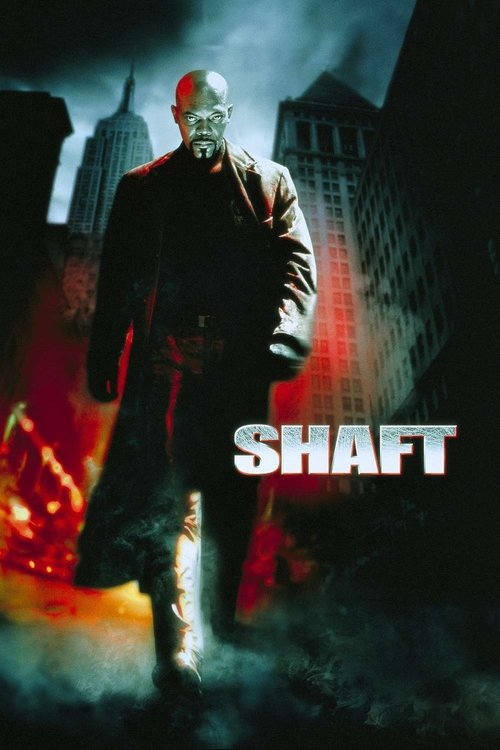
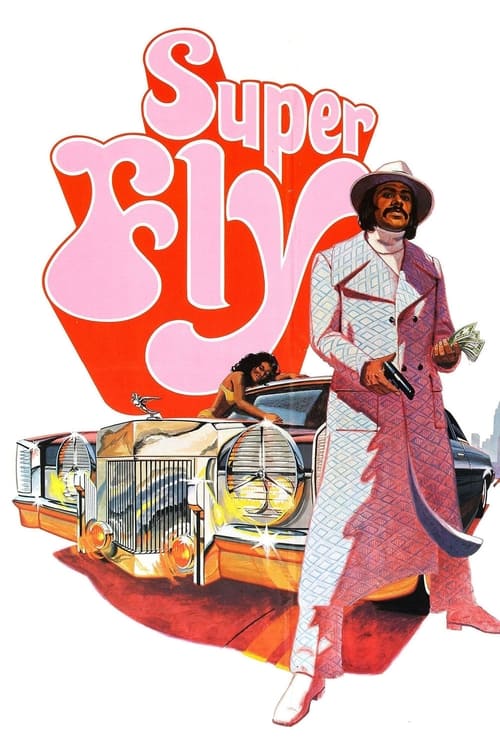
Blaxploitation soundtracks did not just score films: they extended the argument Brown had been making since the mid-60s about Black power, Black style, and Black commercial viability. Isaac Hayes, Curtis Mayfield, and Willie Hutch were all writing in the vocabulary Brown invented. Shaft and Super Fly are inseparable from the music; cut either soundtrack and the films lose half their claim on the period.
A Life in Grooves
- 1933Born in Barnwell, South Carolina, into poverty in the Jim Crow South.
- 1956Debut single 'Please Please Please' with The Famous Flames on Federal Records.
- 1963Live at the Apollo recorded and released against label advice; becomes a top-ten album.
- 1965Papa's Got a Brand New Bag shifts American R&B toward rhythm-first funk.
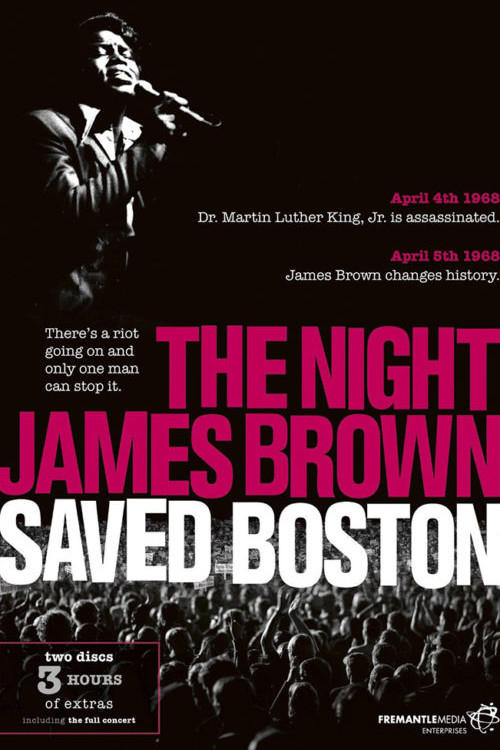
- 1968Say It Loud released weeks after MLK assassination; Brown calms Boston the night after King's death.
- 1970Sex Machine and Funky Drummer sessions define the decade's groove vocabulary.
- 1974Performs at the Rumble in the Jungle in Kinshasa; documented in Soul Power. Power
- 1985Cameo in Rocky IV cements his pop-culture presence for a new generation.
- 1986Inducted into the inaugural class of the Rock and Roll Hall of Fame.
- 2006Dies on Christmas Day; tributes pour in from hip-hop, R&B, and rock.
- 2014Get On Up biopic released; Chadwick Boseman's performance introduces Brown to new audiences. Get On Up
Funk, soul, and the giants who followed
For Fans of Funk
Explore the For Fans of Funk guide →I taught them everything they know but not everything I know.James Brown