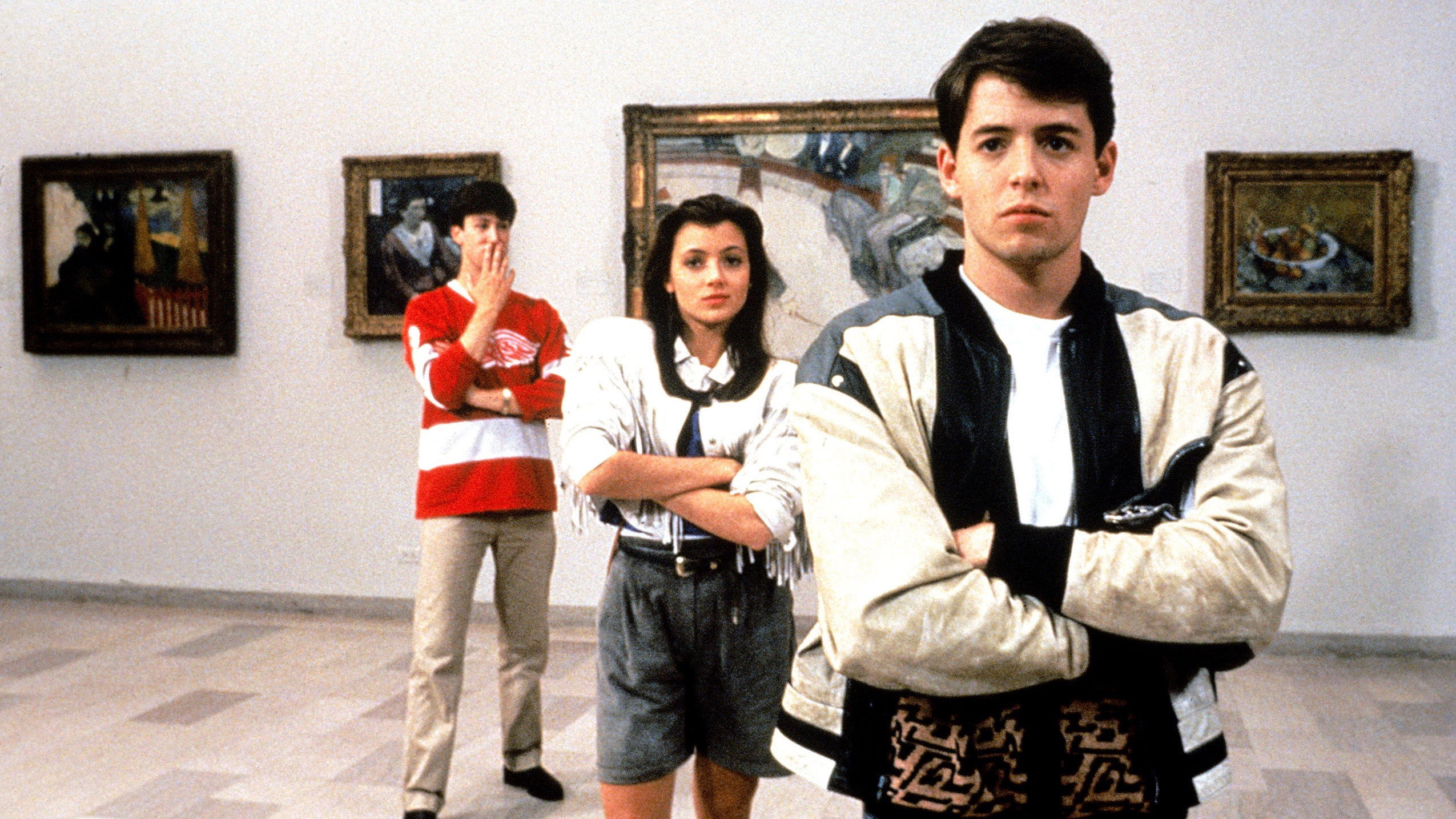

What Ferris Bueller's Day Off sells is not a skip day. It sells the feeling that one beautiful, fully inhabited afternoon can be enough to change everything. John Hughes shot the entire film in a state of giddy, unearned permission: Ferris breaks the fourth wall, commandeers a parade float, and drags two reluctant friends through a version of Chicago that feels both real and like a dream you had once. The film lives on the knife-edge between comedy and melancholy, and it knows which side Cameron is standing on the whole time. Fans come back for the energy, the precision of the soundtrack choices, and the gentle insistence that the people around you matter more than the institutions trying to swallow you.
Essential Ferris Bueller
The film itself and the John Hughes movies that share its heartbeat
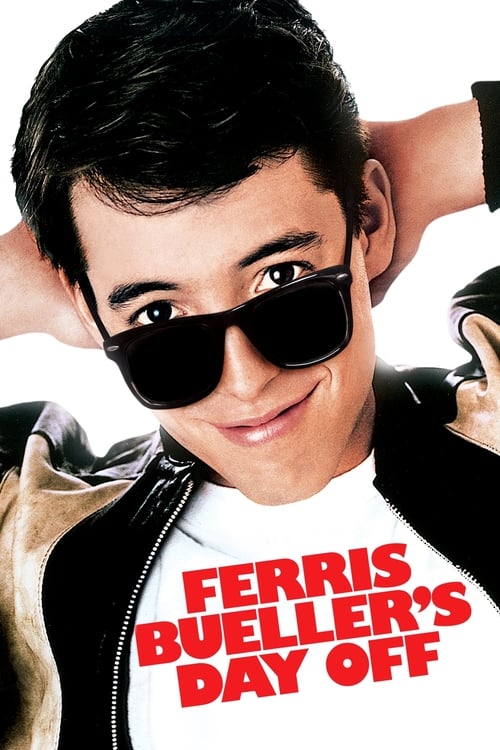
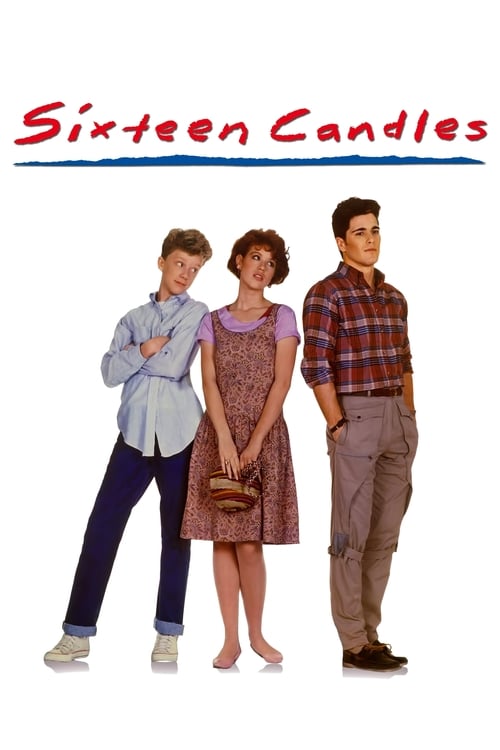
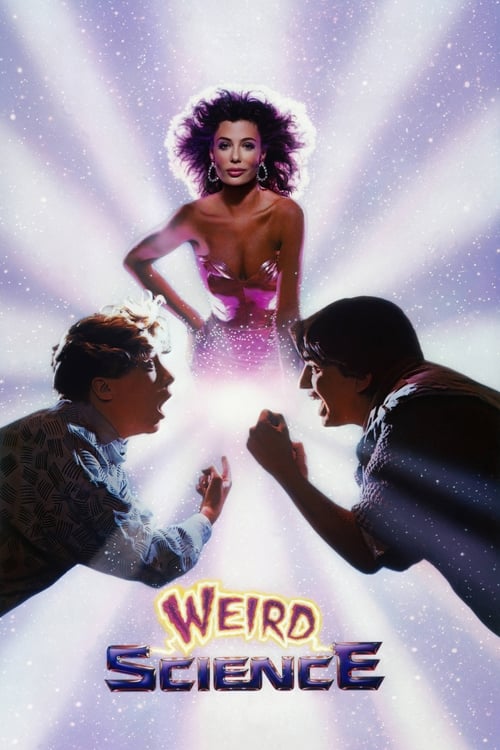
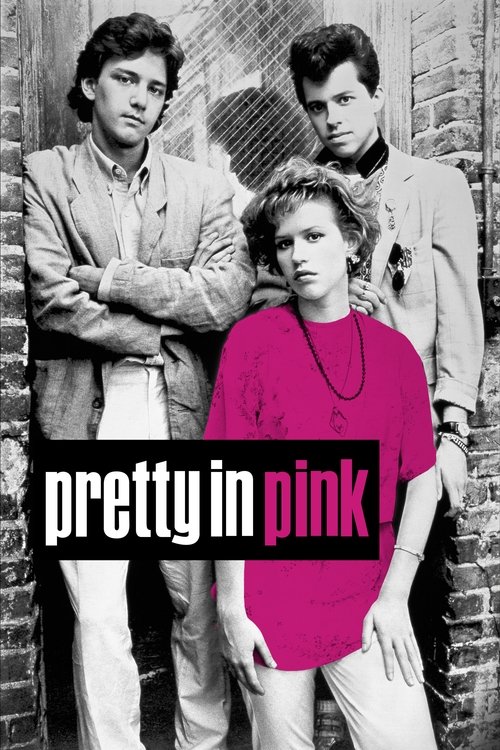

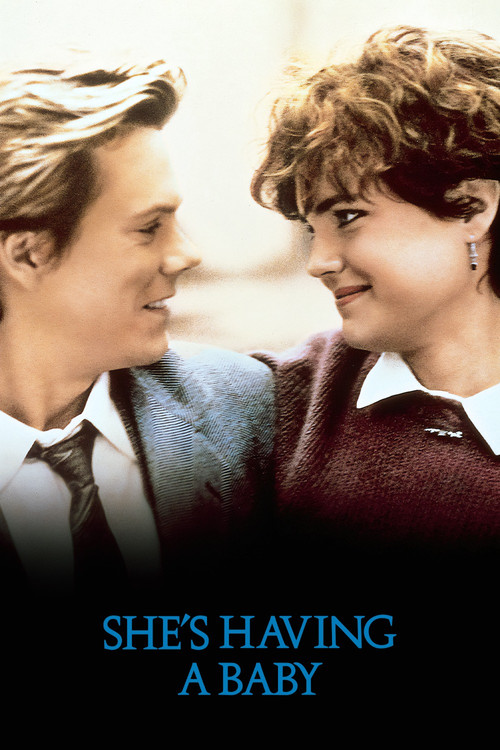
Same Vibe, Different City
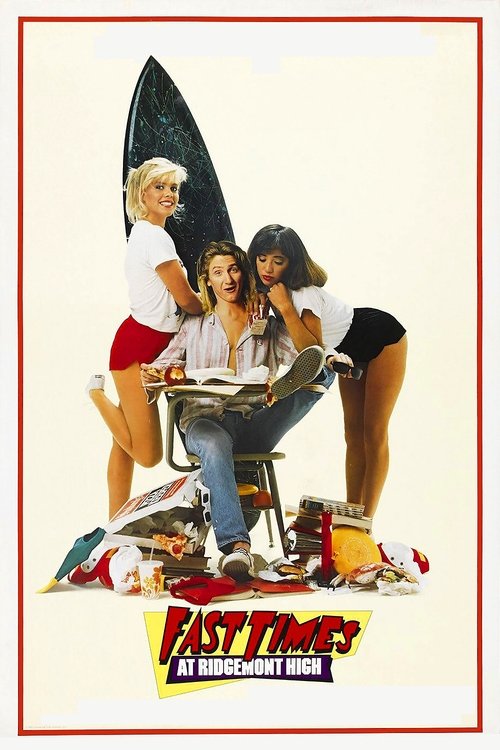
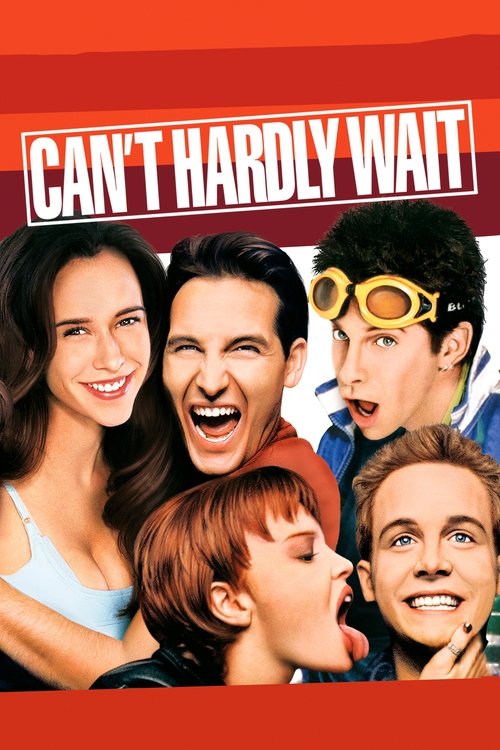
Films that bottle a single day or the thrill of getting away with something

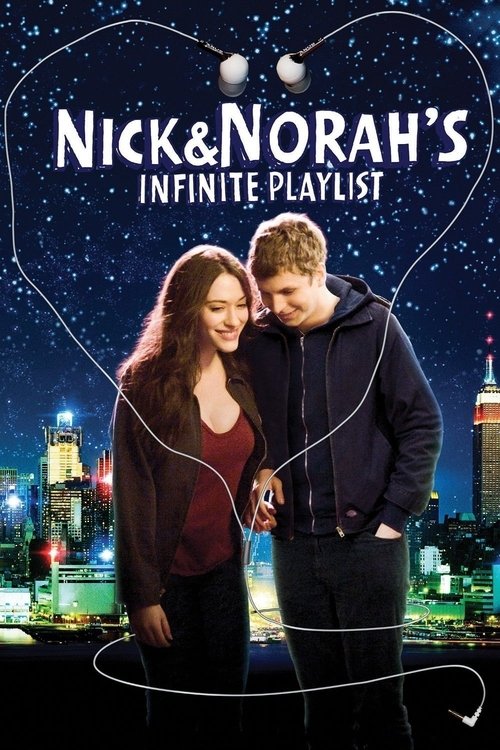
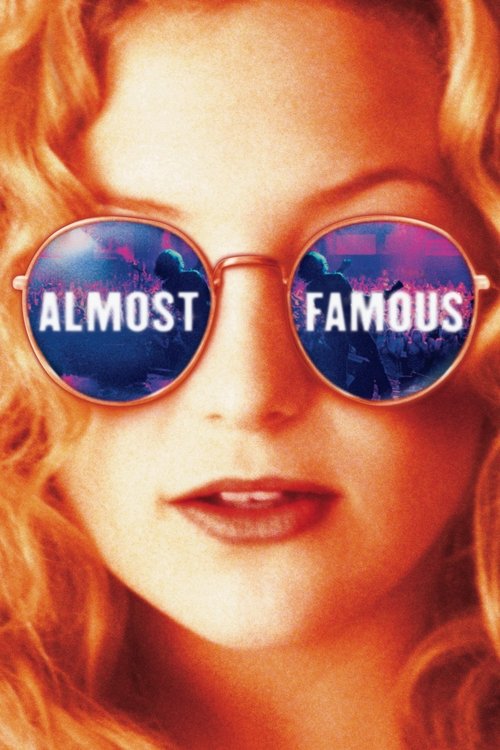
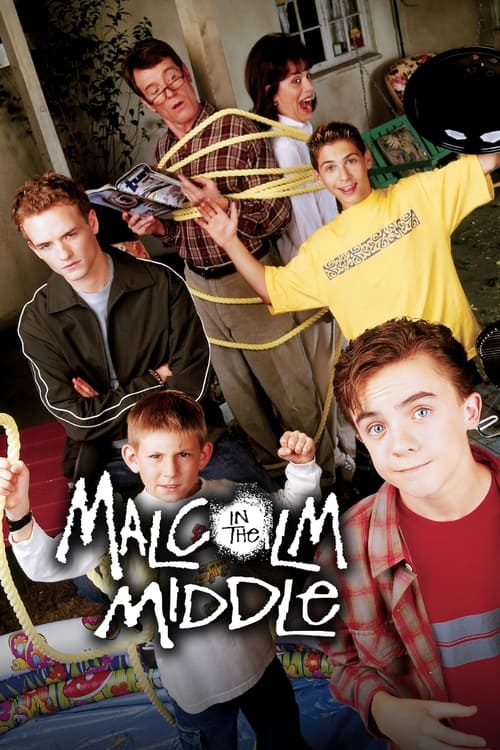
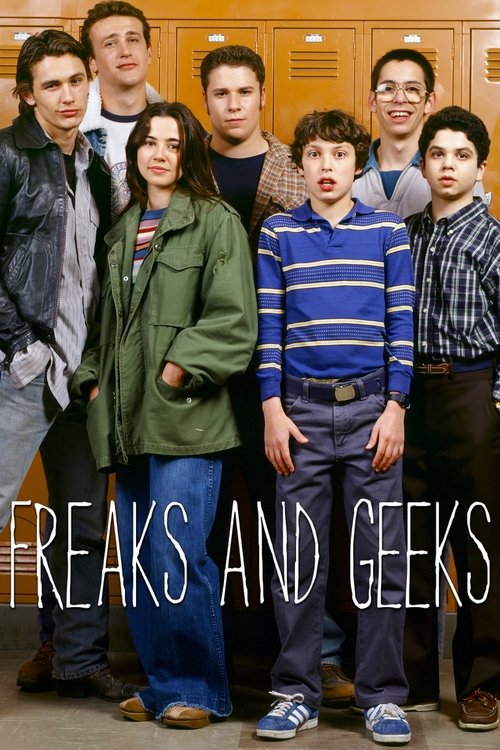
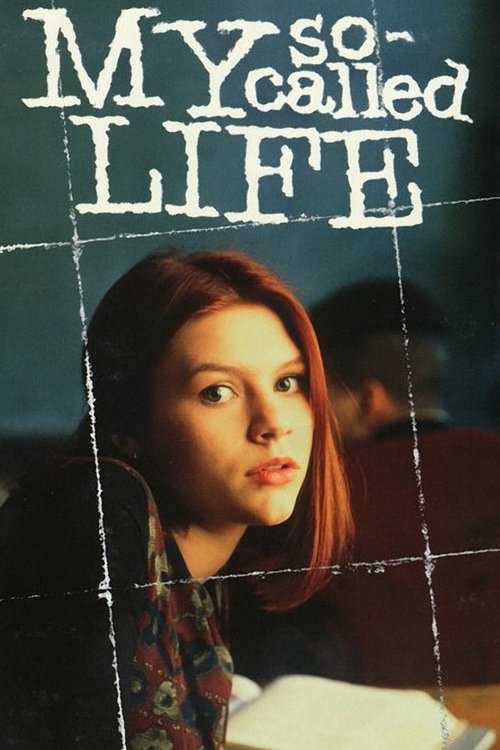
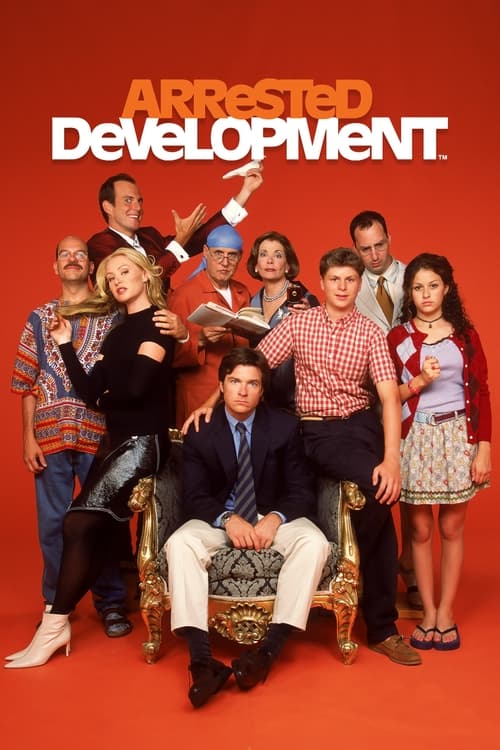
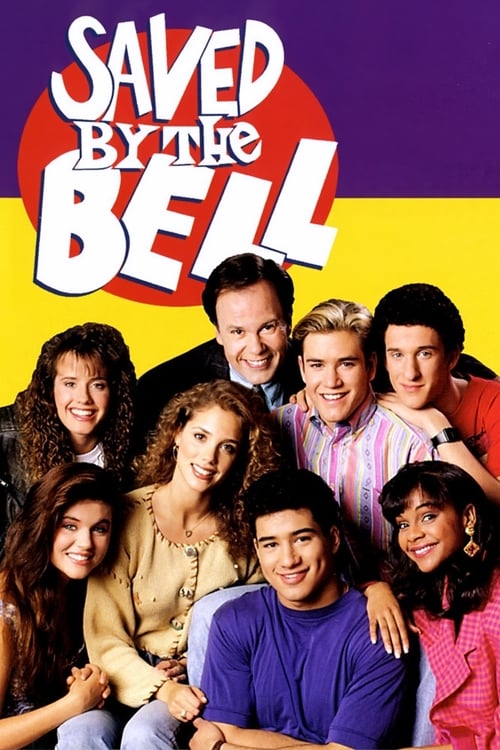
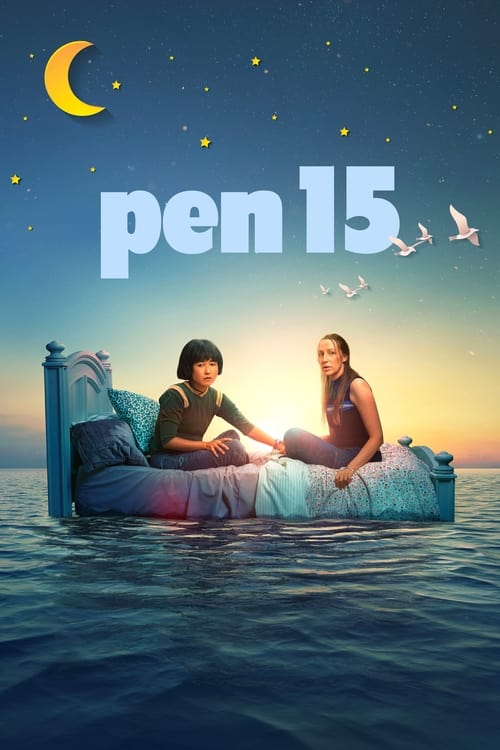
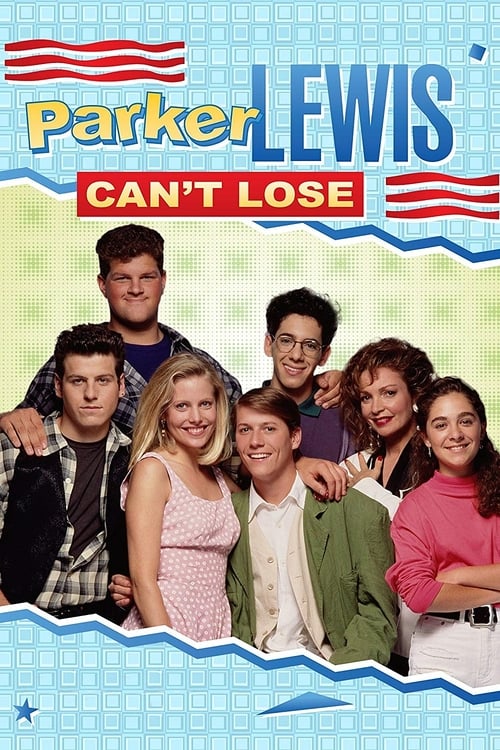
Series That Know How to Skip Class
TV that captures the same spirit of outsmarting the system with charm
Books for the Cameron in You
Novels that wrestle with freedom, adolescence, and the cost of standing still


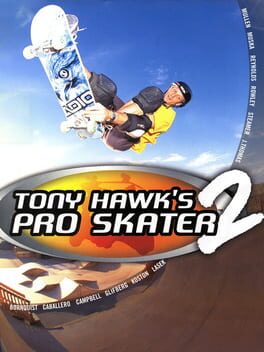
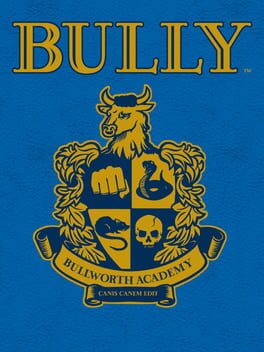
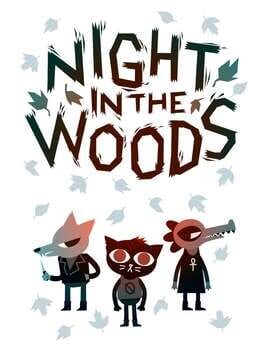
Games That Let You Play Hooky
Open worlds and city sandboxes built for the joy of going off-script


The Soundtrack and Its Cousins
Albums and artists that share the film's infectious, sun-drenched energy
Cameron Frye Is the Real Main Character
Ferris gets the laughs and the parade float, but the film's emotional weight belongs entirely to Cameron. His arc from paralyzed, fear-soaked inertia to the decision to finally face his father is one of the most quietly devastating character journeys in 1980s American cinema. Ferris is the catalyst; Cameron is the point. Every scene that looks like a comedy about cutting school is actually a drama about what it costs to stay invisible in your own life.
The Art Museum Scene Is the Film's True Heart
Hughes cuts from Sloane and Ferris goofing around to Cameron standing transfixed in front of Georges Seurat's 'A Sunday on La Grande Jatte,' zooming in until the boy and the painting's central child are the same size, then closer until both dissolve into abstraction. It is a genuinely strange and beautiful sequence in a film that has no obligation to be beautiful. It earns every laugh that surrounds it.
Why the Fourth Wall Breaks Work
Ferris addresses the audience constantly, and it should feel cheap, but it does not. Hughes understood that Ferris is performing for everyone: his parents, his school, his city. Letting him perform for the camera too is not a gimmick; it is the logical extension of who he is. The device also flatters the viewer: Ferris trusts you, which means you are on his side from frame one, no matter what he does.
A Day in Chicago and What Came After
- 1986Ferris Bueller's Day Off released in June, becoming a defining summer comedy of the decade Ferris Bueller's Day Off
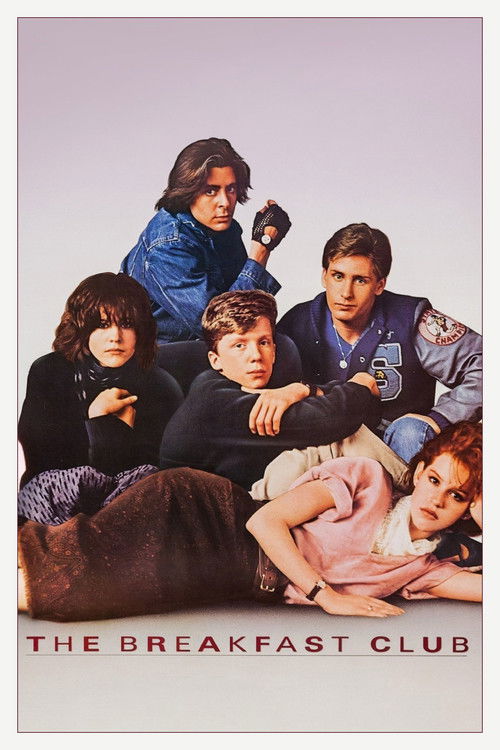
- 1985The Breakfast Club established the Hughes template: suburban Chicago, one day, emotional breakthrough The Breakfast Club
- 1987Some Kind of Wonderful closed Hughes's informal Chicagoland teen trilogy Some Kind of Wonderful
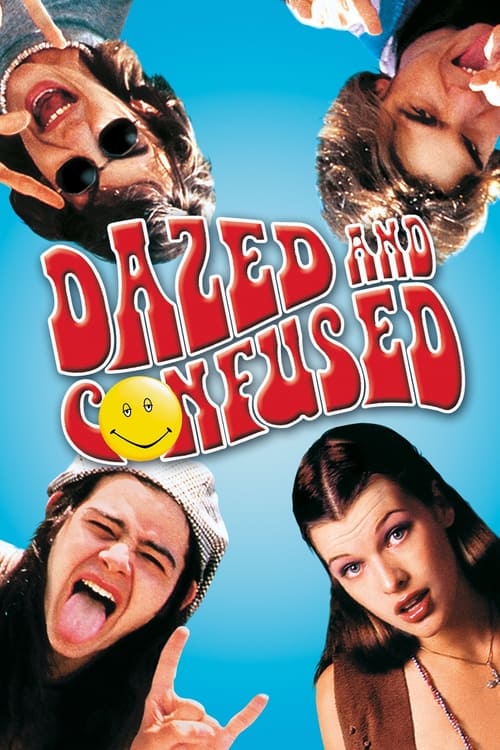
- 1990Dazed and Confused began production of another one-perfect-day teen film (released 1993) Dazed and Confused
- 1999Freaks and Geeks debuted, carrying the same bittersweet affection for teenage outsiders into TV Freaks and Geeks
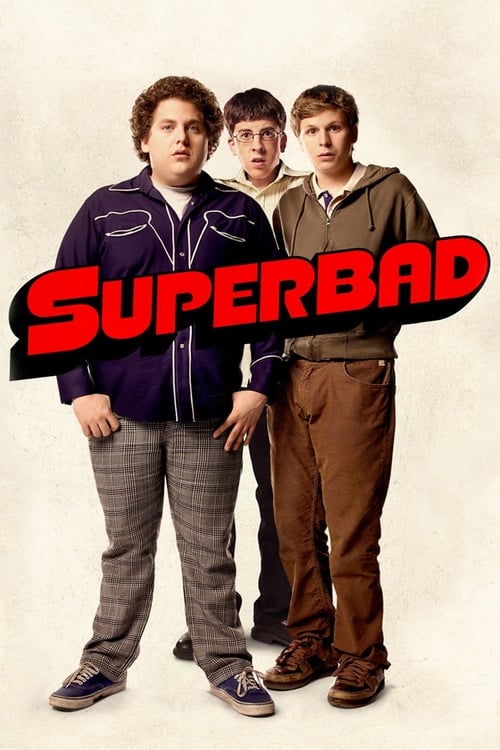
- 2007Superbad proved the one-wild-day comedy still had full commercial and critical life Superbad
More teen escapades and friendship
For Fans of The Breakfast Club
Explore the For Fans of The Breakfast Club guide →Life moves pretty fast. If you don't stop and look around once in a while, you could miss it.Ferris Bueller's Day Off (1986)