

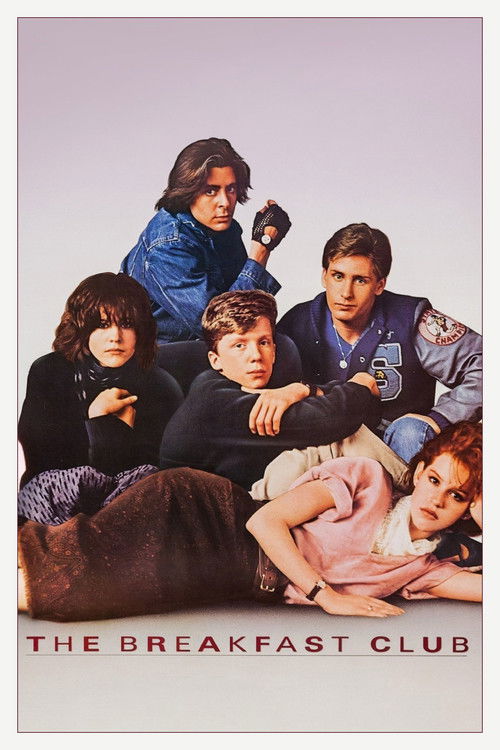
John Hughes put five archetypes in a room and let them eat each other alive until something true came out. The brain, the athlete, the basket case, the princess, the criminal: each performing a role their school assigned, each secretly exhausted by it. What a fan of The Breakfast Club chases is that specific ache of being seen past your label, and the cruel knowledge that Monday morning the walls go back up anyway. It is a film about the performance of identity as much as identity itself, and that feeling travels across every medium that takes teenagers seriously.
Essential The Breakfast Club
The film itself and Hughes's closest companions in the same vein


Same Room, Same Pressure
Films and series where a contained setting forces honesty





Series That Take Teenagers Seriously
TV that refuses to flatten its characters into types





The Books Behind the Feeling
Novels that map the same interior geography of being young and misunderstood


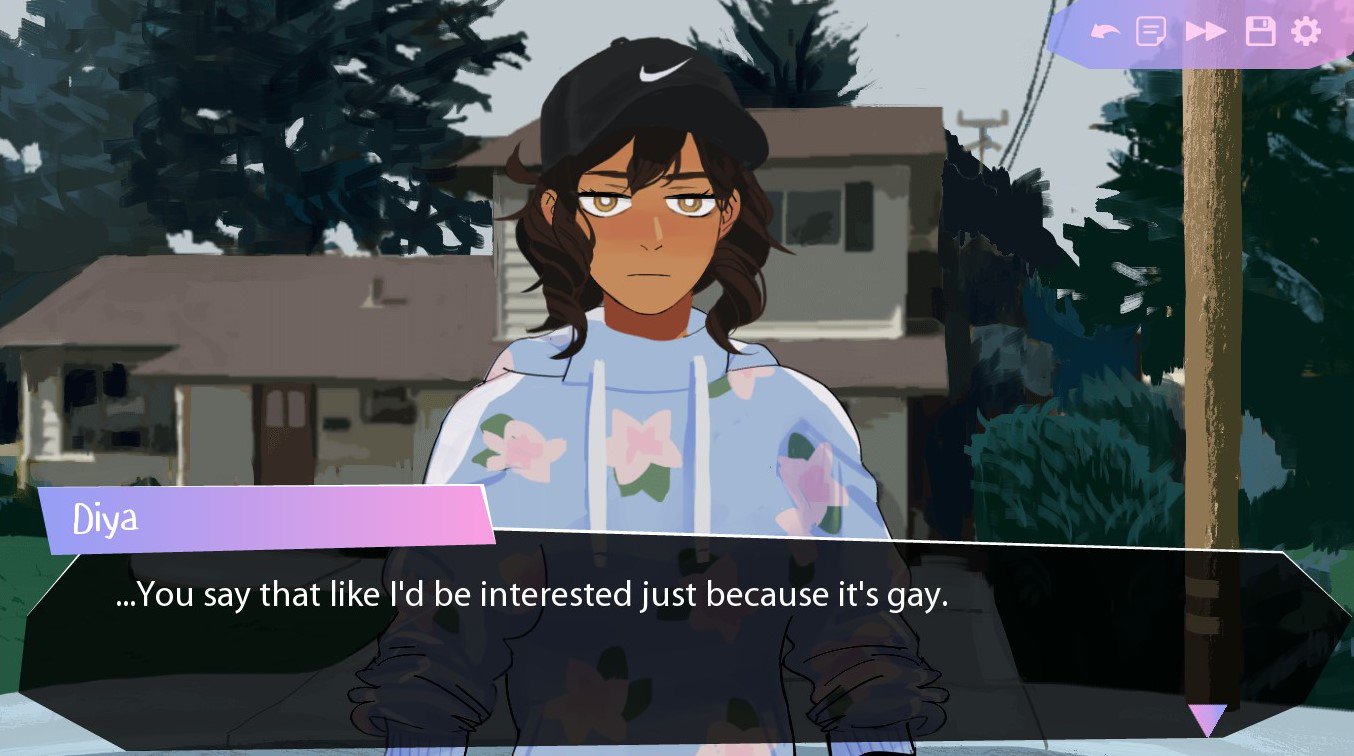
Games About Being Trapped and Talking Your Way Out
Games where social dynamics, identity, and confined spaces matter



The Sound of Saturday Detention
Music that scored a generation's private rebellion
Hughes Understood Shame Better Than Almost Anyone
What separates The Breakfast Club from lesser teen films is its insistence that shame is structural. The characters are not acting badly because they are flawed; they are acting badly because their social environment demands it. Hughes makes the adults in the film almost entirely absent or useless, which is a deliberate formal choice: this is a world the kids have to figure out without rescue. That refusal to provide easy parental salvation puts it in a different category from most coming-of-age stories.
Freaks and Geeks Did What Hughes Did, Only Slower
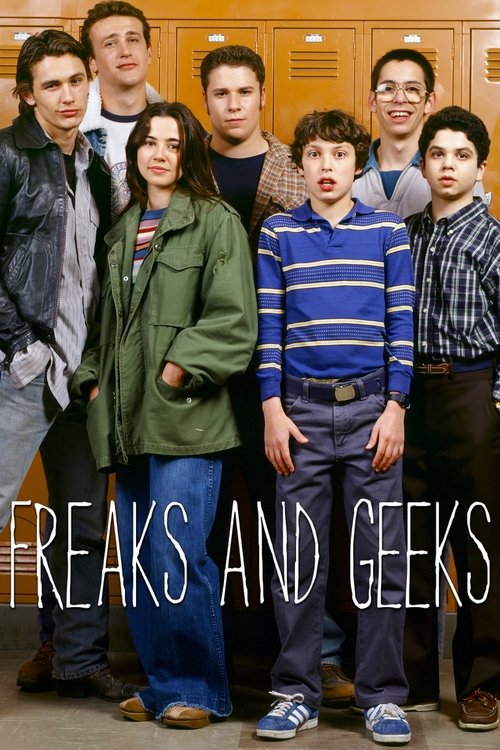
Paul Feig and Judd Apatow gave themselves eighteen episodes to do what Hughes compressed into 97 minutes, and the result is probably the most honest portrait of American adolescence ever put on television. Every character in Freaks and Geeks is recognizable from The Breakfast Club's universe: the overachiever terrified of slipping, the burnout who is smarter than anyone gives them credit for, the athlete performing toughness they do not feel. The cancellation after one season remains one of network television's great crimes.
Speak Is the Darker Twin
Laurie Halse Anderson's novel covers the same territory The Breakfast Club approaches carefully and then retreats from: what happens to the person in the room who has a real secret, not a romantic one. Speak is bleaker and more specific, but it shares Hughes's core conviction that teenagers are capable of extraordinary interior complexity and deserve to be written at full human scale. The film adaptation starring Kristen Stewart is also worth your time.
Oxenfree Gets the Dialogue Right
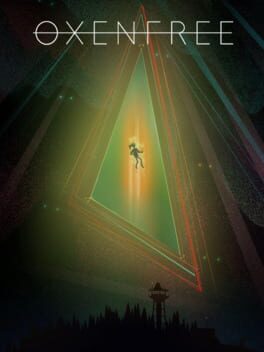
Night School Studio built a radio-signal horror game and, almost by accident, made one of the sharpest portraits of teenage friendship and estrangement in any medium. The overlapping dialogue system in Oxenfree, where characters keep talking while you move and make choices, replicates the specific texture of how teenagers actually communicate: constantly interrupting, performing cool, revealing things sideways. It is the closest a game has come to the emotional register of a Hughes film.
The Lineage of the Serious Teen Film
- 1955Rebel Without a Cause defines the archetype: alienated youth, indifferent adults Rebel Without a Cause
- 1967The Graduate brings existential drift to the just-past-teenage moment The Graduate
- 1973American Graffiti freezes a generation on the last night before adulthood American Graffiti
- 1983S.E. Hinton's The Outsiders reaches the screen; class and loyalty replace cliques The Outsiders
- 1985The Breakfast Club: five types, one room, one truth The Breakfast Club
- 1993Dazed and Confused strips out the moral and shows the party Dazed and Confused
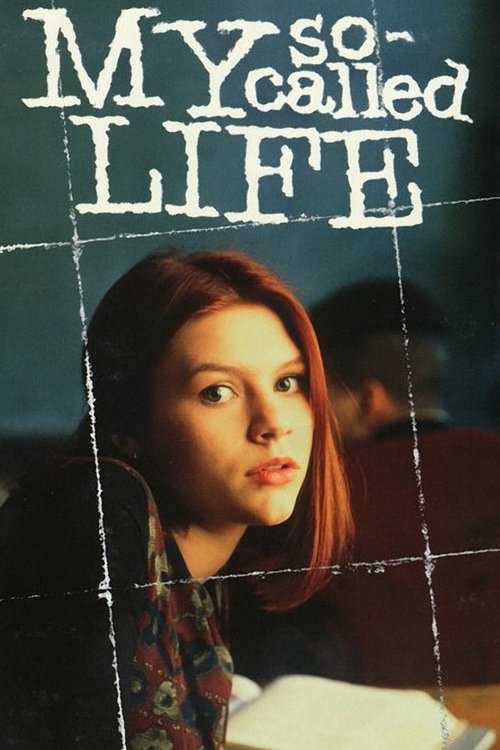
- 1994My So-Called Life brings Hughes's interior monologue to TV My So-Called Life
- 1999Freaks and Geeks attempts the same honesty over a full season Freaks and Geeks
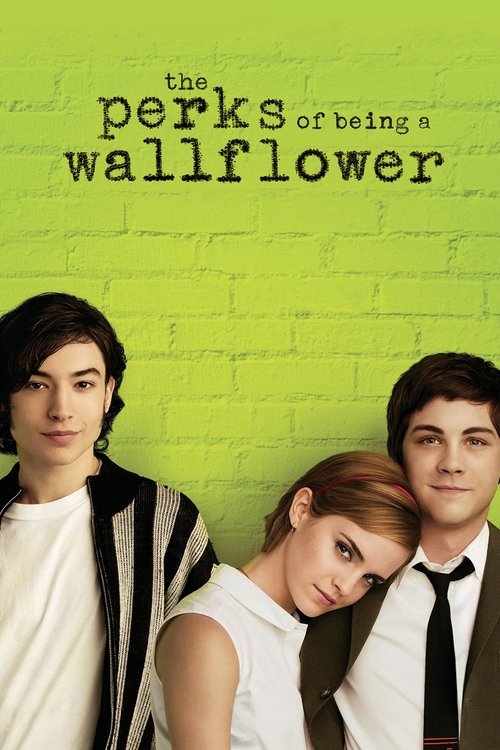
- 2012The Perks of Being a Wallflower extends the confessional into genuine trauma The Perks of Being a Wallflower
- 2018Eighth Grade brings the performance of identity into the smartphone era Eighth Grade
More growing-up stories worth your time
Coming of Age
Explore the Coming of Age guide →When you grow up, your heart dies. But five kids in a library proved that you can choose to keep it alive, at least for one afternoon.The Breakfast Club, 1985