

Forrest Gump (1994) is a film about a man who never quite understands why the world loves him, and an audience that never quite understands why they keep crying about it. Robert Zemeckis and screenwriter Eric Roth turned Winston Groom's satirical novel into something warmer and more elegiac: a picaresque road through the Kennedy assassination, Vietnam, Watergate, and the AIDS crisis, all witnessed by a man with an IQ of 75 and a gift for being exactly where history happens. The through-line a fan chases is the particular ache of the film: the way it holds enormous loss (Jenny, Bubba, Lieutenant Dan's legs, an entire American innocence) inside a story told with the lightness of a fairy tale. Tom Hanks' performance never condescends to Forrest; the film trusts him completely, and that trust is contagious.
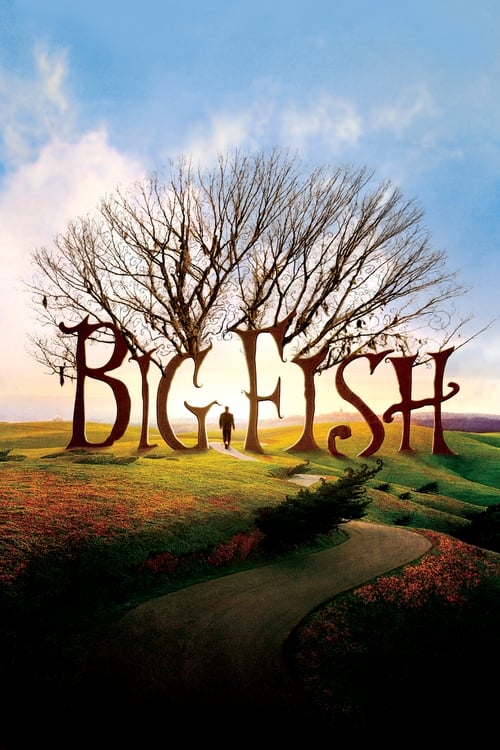
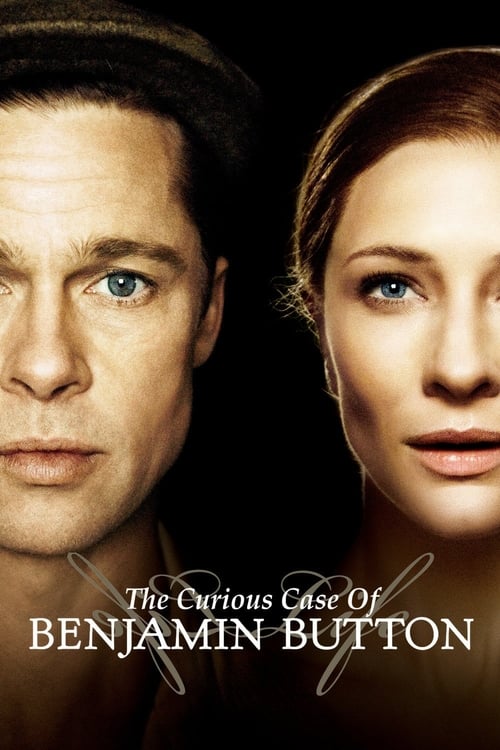
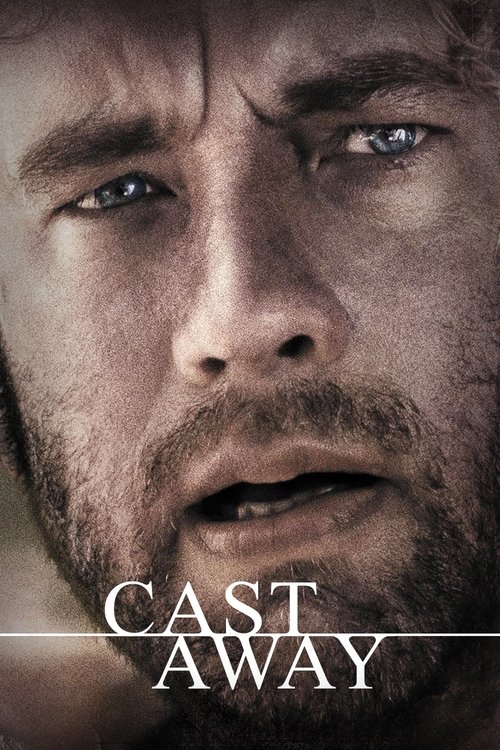
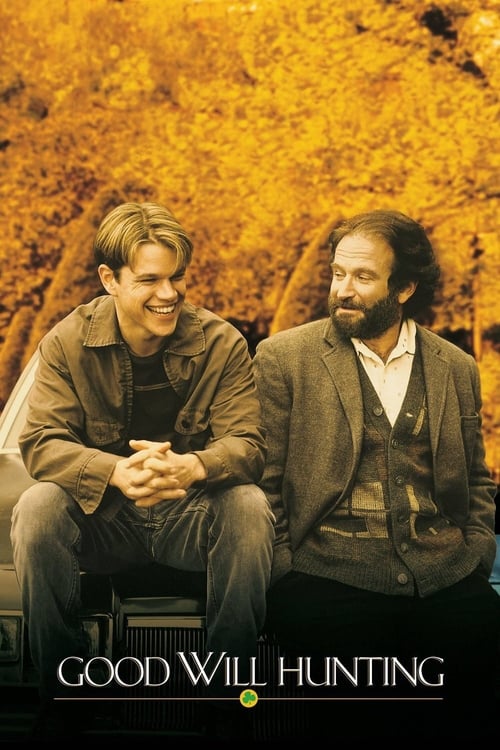
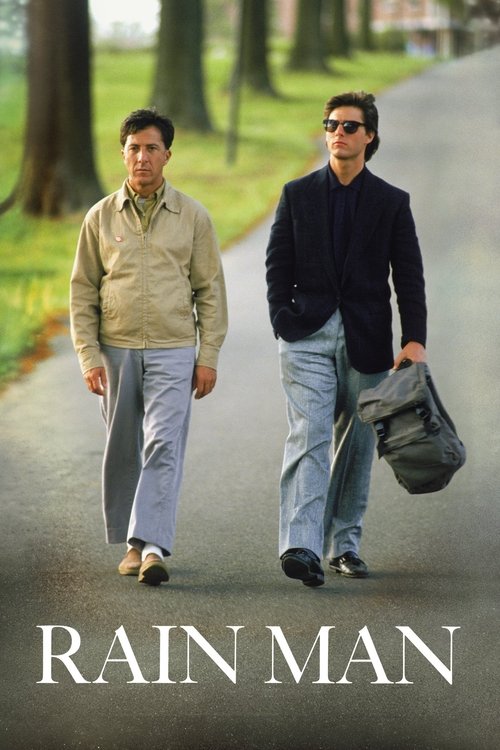
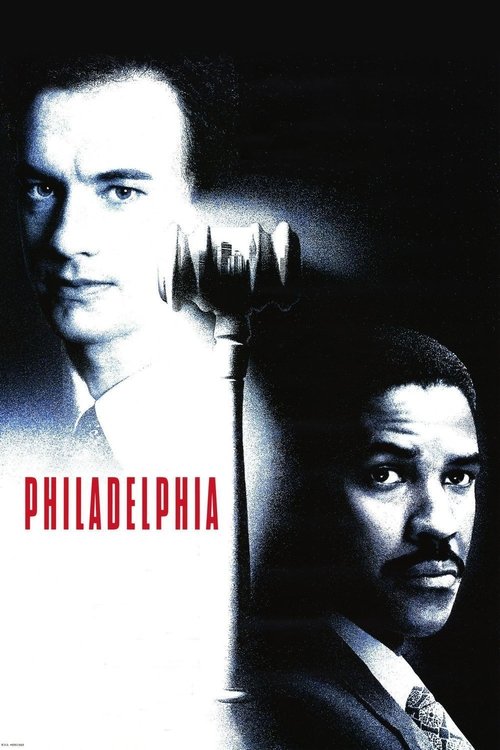
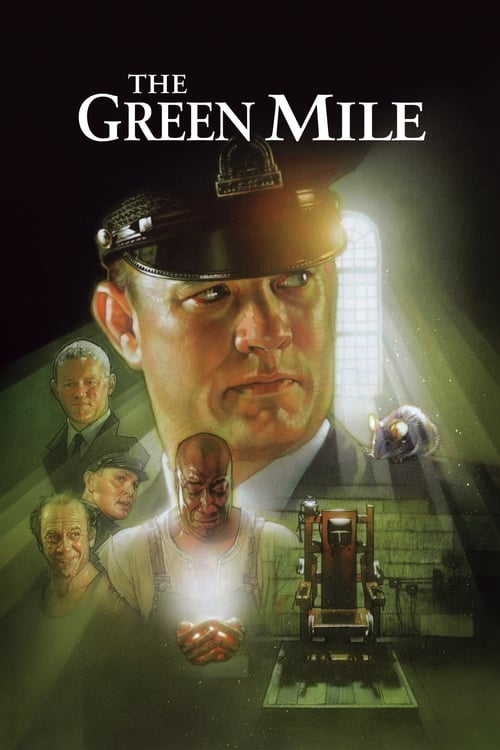
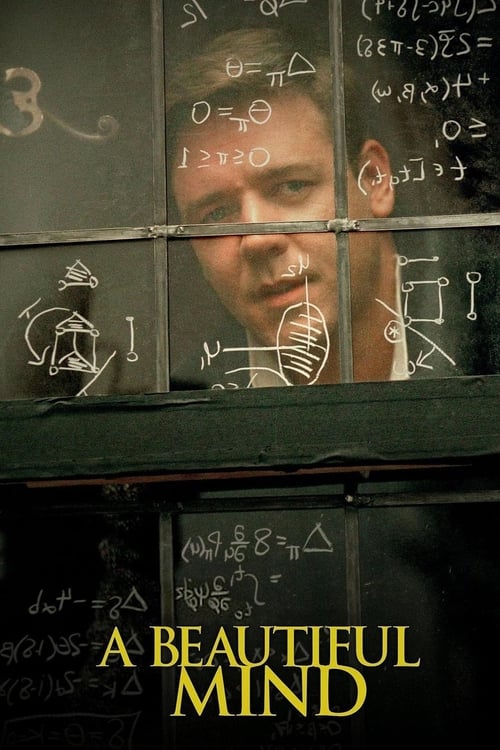
Same Era, Same Ache: Films That Hold History Lightly
Movies that use a single life to move through decades of upheaval, blending comedy and mourning the way Forrest Gump does.
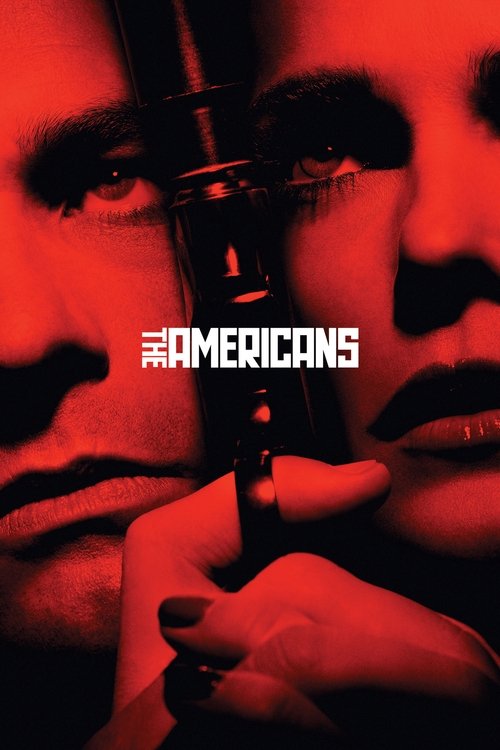
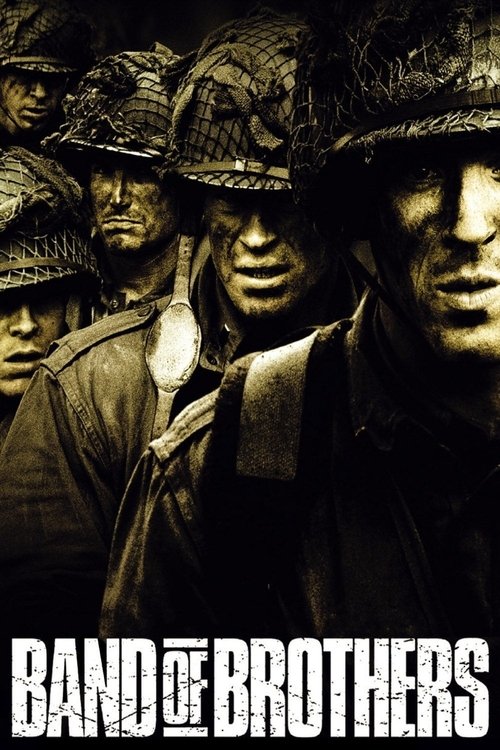
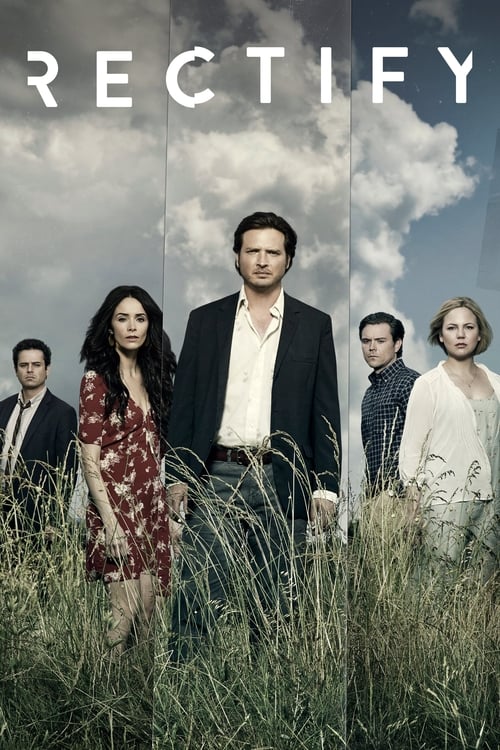
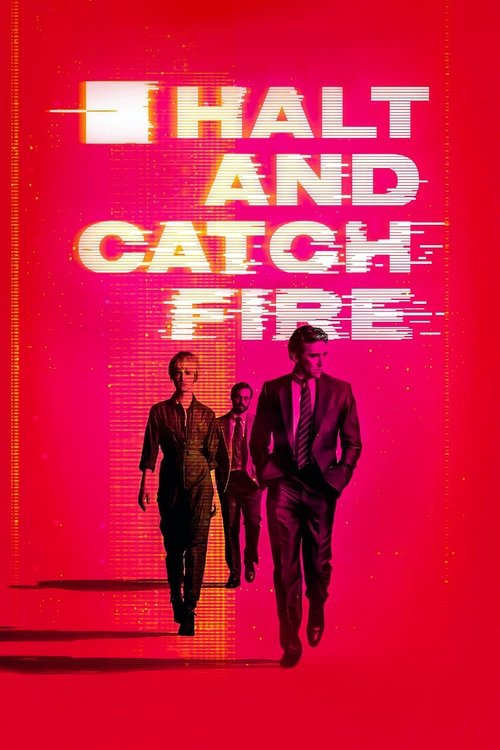
Life as a Long Walk: TV Series About Ordinary People in Extraordinary Times
Series that follow one person (or family) across years of history, finding the intimate inside the epic.



Novels About Accidental Lives and Impossible Decades
Books that share Forrest Gump's DNA: an unlikely narrator, a long American arc, and a bittersweet accounting of what it cost.


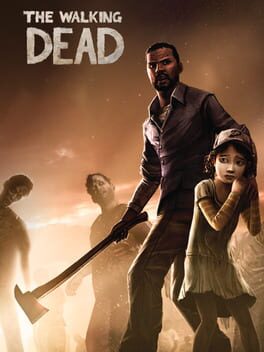
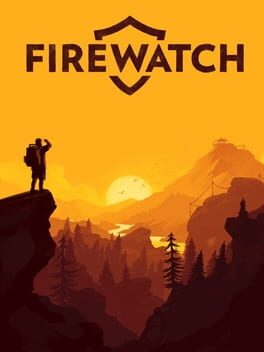
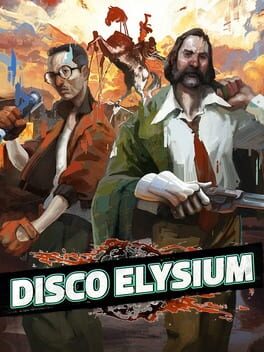
Games About Running, Surviving, and Moving Through a World That Won't Hold Still
Games that share Forrest Gump's spirit of forward motion, survival, and finding meaning in an indifferent landscape.
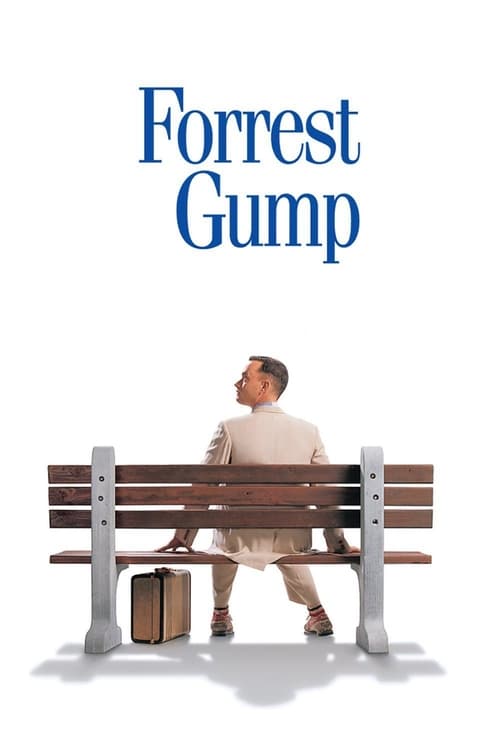
Tom Hanks Doesn't Play Forrest — He Becomes Him
The performance could have been a stunt: a famous actor doing a voice and a walk. Instead Hanks found something genuine in Forrest's literal-mindedness. He plays every line as if it is the only logical thing a person could say, and that sincerity makes the audience complicit in Forrest's view of the world. By the time the film arrives at its grief, the audience has been trained to feel it fully.
The Decade-Hopping Structure Is the Film's Real Trick
Forrest Gump doesn't ask you to believe in coincidence — it asks you to feel time passing. Each era is rendered just precisely enough (the Watergate hotel, the Vietnam jungle, the Washington Mall) that the gap between 1944 and 1994 becomes emotional rather than historical. The film is less about American events than about what it means to live through them without understanding them.
Jenny Is the Film's Hidden Center
Robin Wright's Jenny gets less screen time and far more punishment than Forrest, which is by design. She represents the American 1960s and 70s in a way Forrest cannot: the damage of the counterculture, the cost of searching, the toll of freedom pursued without safety. The film's politics are easiest to argue about, but Jenny's arc is what makes the ending land.
Alan Silvestri's Score Carries the Film's Weight
The piano theme that opens and closes Forrest Gump is doing nearly as much work as the screenplay. Silvestri keeps it light, almost tentative, which means it can appear over joy or grief without overclaiming either. It is one of the rare Hollywood scores that earns its sentiment because it refuses to push.
Forrest Gump: A Timeline of the Story and Its Legacy
- 1986Winston Groom publishes the source novel
- 1994Film released, directed by Robert Zemeckis Forrest Gump
- 1994Alan Silvestri's score recorded and released Forrest Gump: The Soundtrack
- 1995Film wins six Academy Awards including Best Picture and Best Actor
- 1995Groom publishes a sequel novel
- 2007Library of Congress selects the film for the National Film Registry
Wonder, grief, and accidental heroes
For Fans of Tom Hanks
Explore the For Fans of Tom Hanks guide →Life is like a box of chocolates. You never know what you're gonna get.Forrest Gump (1994)