

The Architect of Impossible Feelings
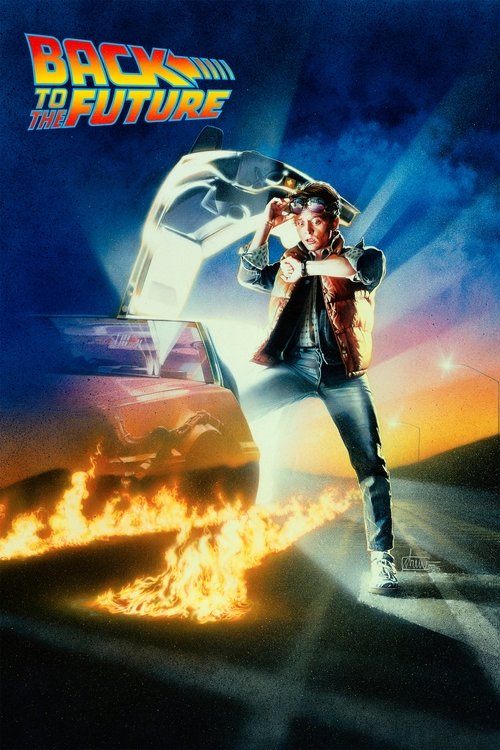
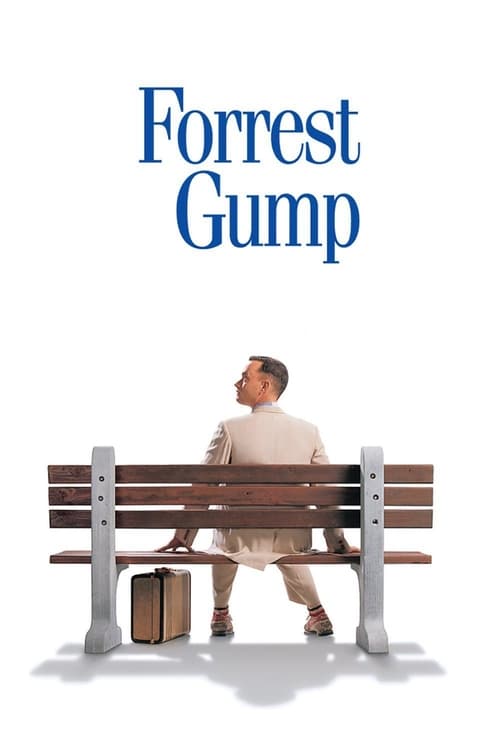
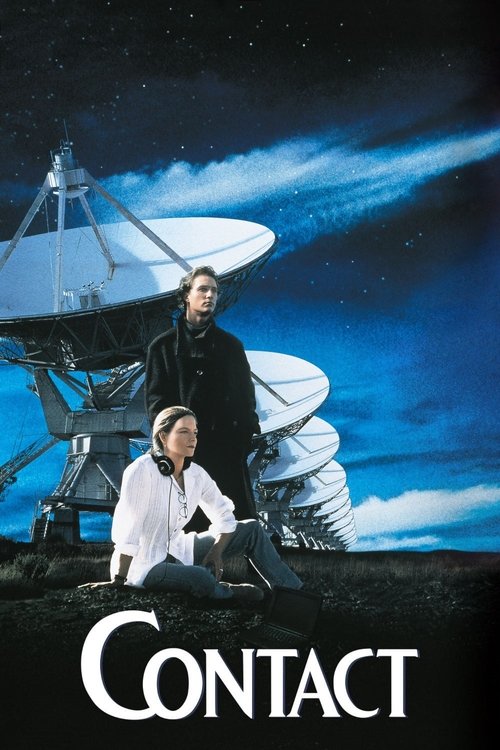
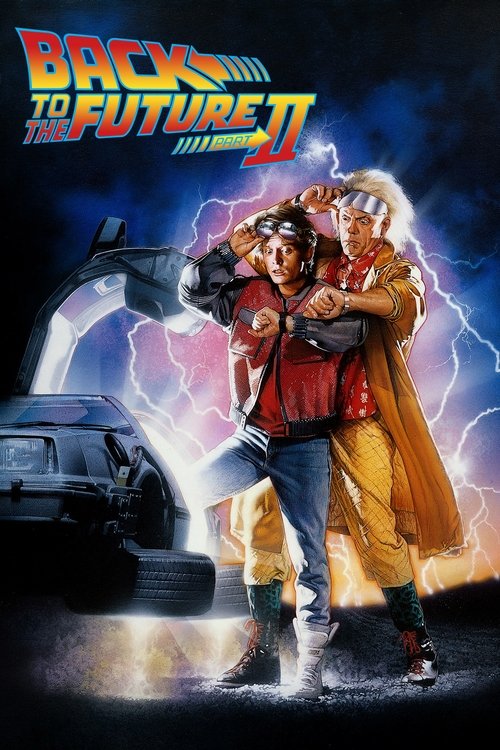
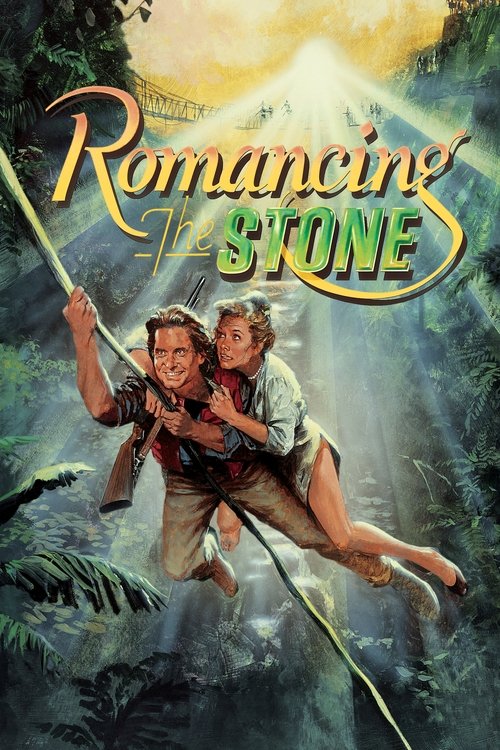
Robert Zemeckis is the filmmaker who convinced an entire generation that pure cinema spectacle and genuine emotional sincerity are not opposites, that you can break your heart and your mind at the same time. He came up through the Spielberg school in the late 1970s, co-writing 1941 and directing the scrappy road-comedy Used Cars, before he found his register with Romancing the Stone in 1984. Then came the run: Back to the Future, Who Framed Roger Rabbit, Forrest Gump, Cast Away, Contact, Flight. Every few years, a film that felt genuinely new.
What unites them is not genre but texture: a very specific sense that the world is slightly more plastic, more alive to possibility, than we normally allow ourselves to believe. Time bends. The dead speak. A man washes ashore and rewrites himself. A box of chocolates becomes a whole cosmology. Zemeckis is fascinated by the question of how much of our life is fate and how much is velocity, the will to keep moving forward. His protagonists are almost always ordinary people caught in extraordinary physics, and they survive by not stopping.
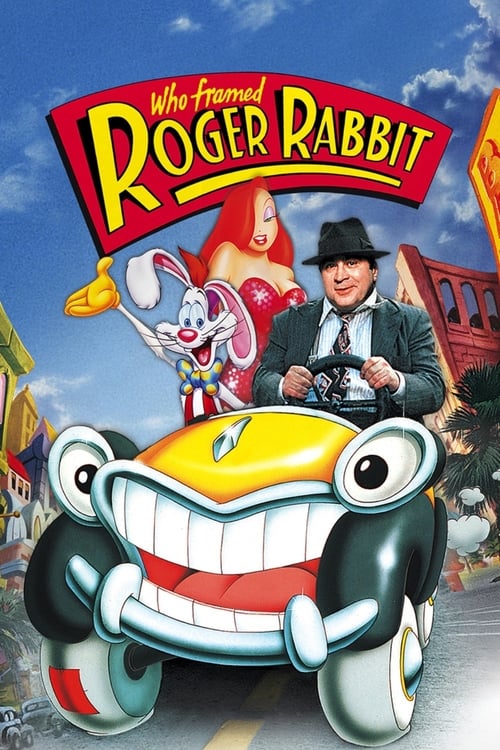
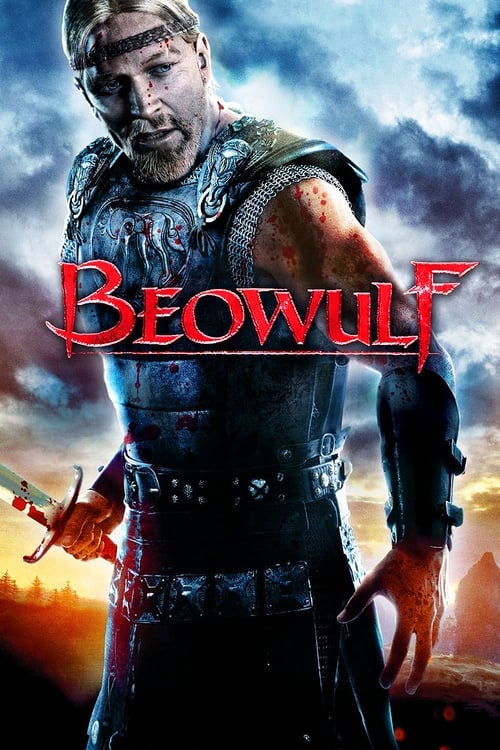
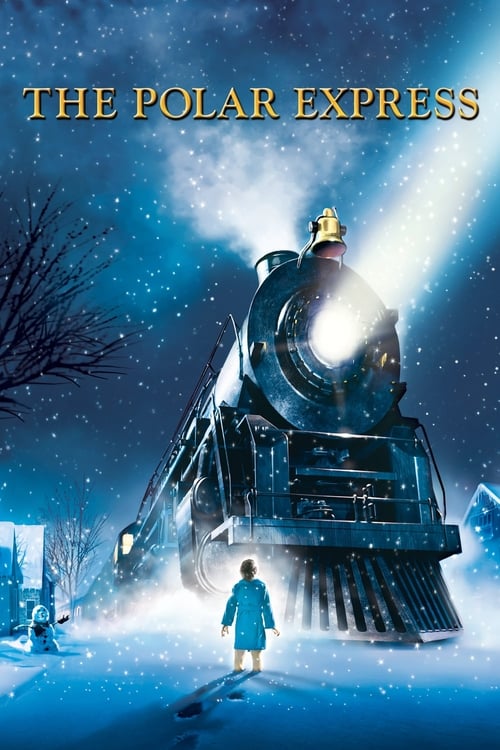
His other great obsession is the technology of illusion. Who Framed Roger Rabbit fused live action and animation in ways that still feel seamless. The motion-capture films of his middle period (The Polar Express, Beowulf, A Christmas Carol) divided audiences but pushed the form regardless. He has never been content to tell a story the same way twice. If you love Zemeckis, you love a certain kind of filmmaking that trusts the audience to feel more than they expect to.
Essential Robert Zemeckis
His own work, in rough order of where to start


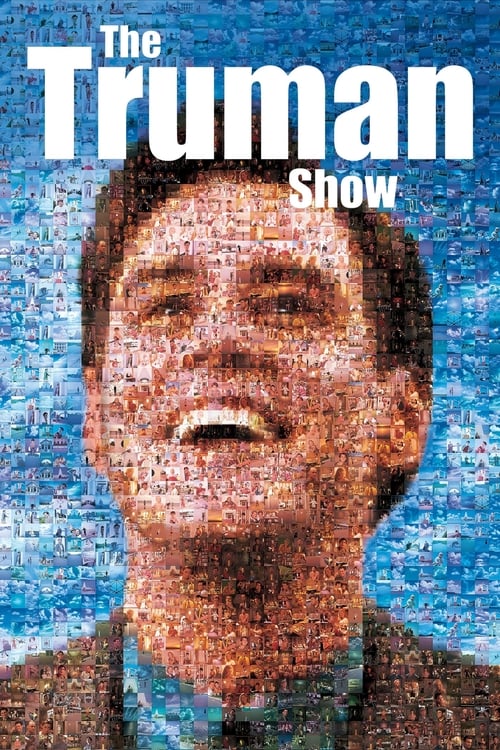
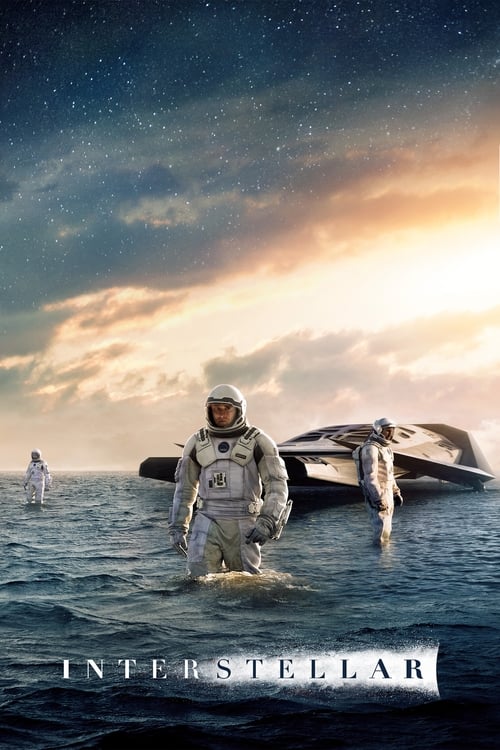
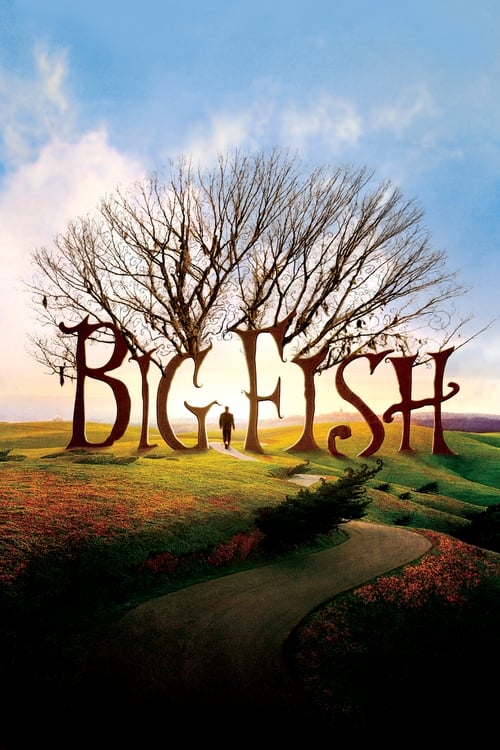
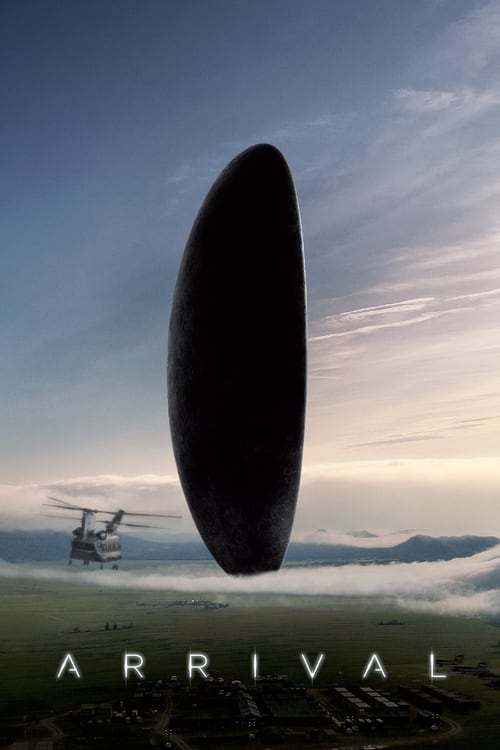
Ordinary People, Extraordinary Physics
Films where an everyday protagonist collides with forces far beyond them

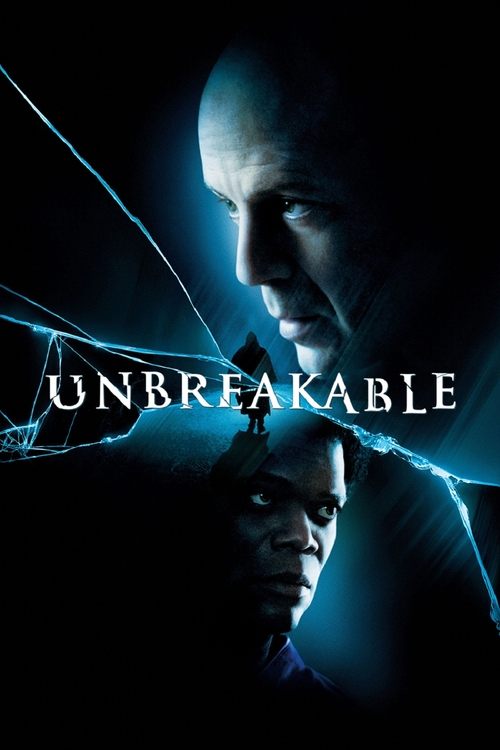
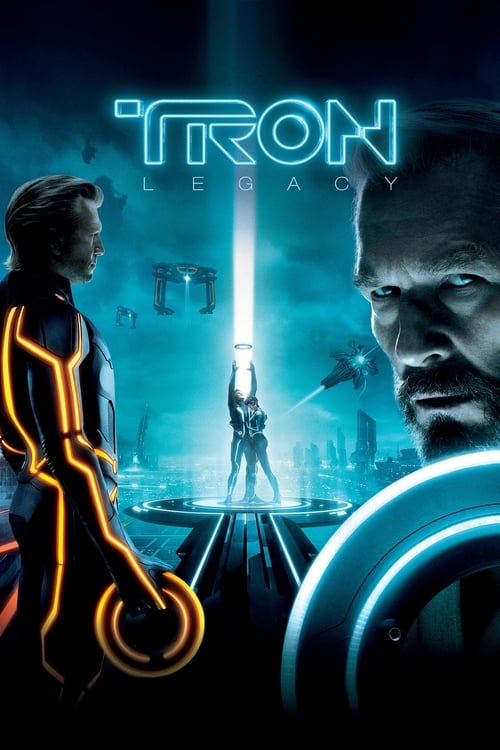
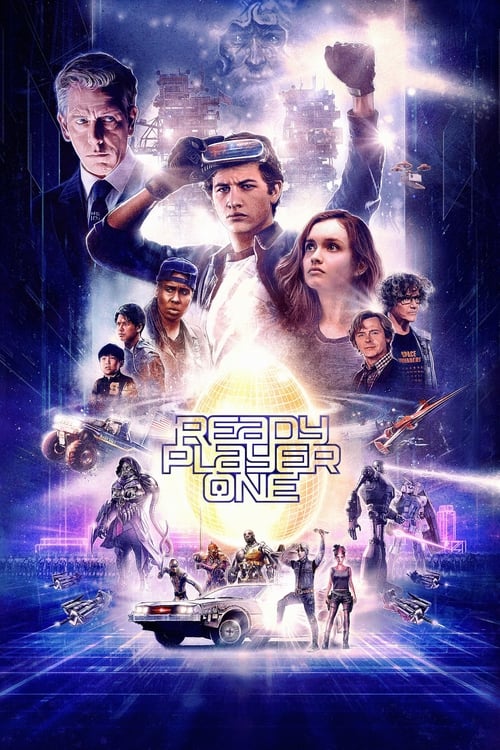
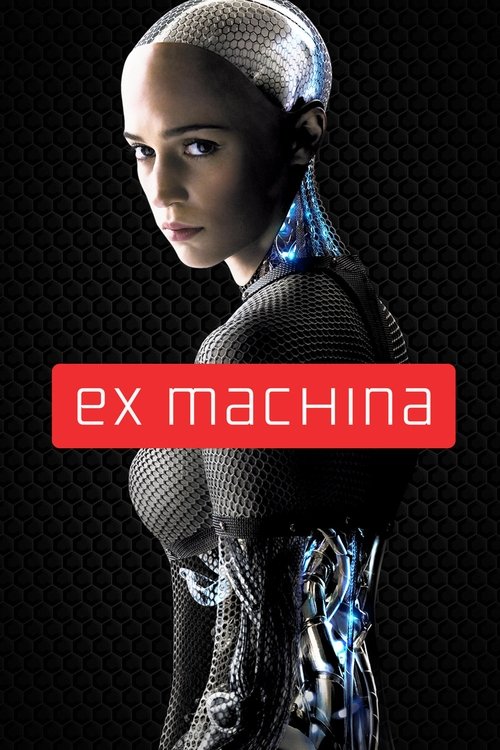
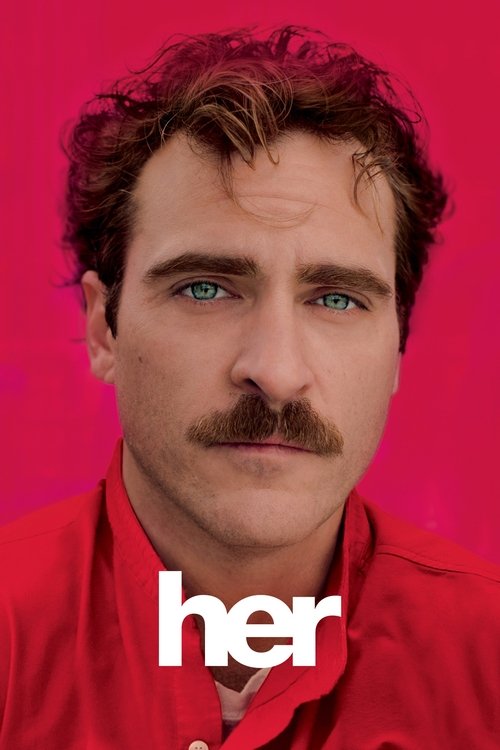
When Technology Becomes the Story
Films and games that put their craft front and center without losing the human core
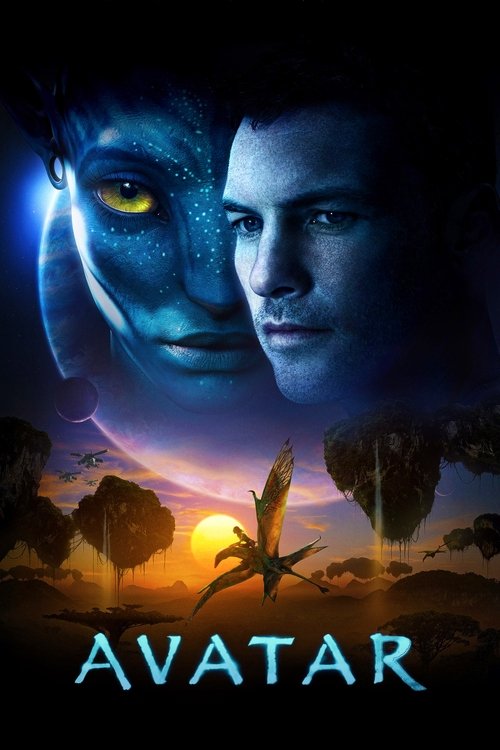
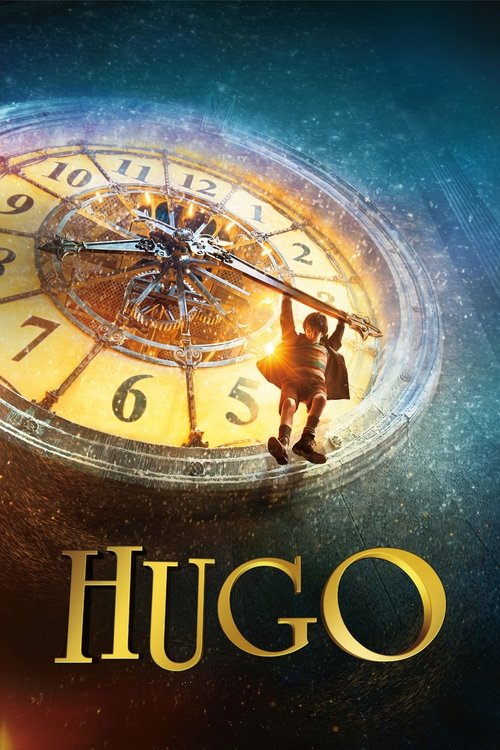
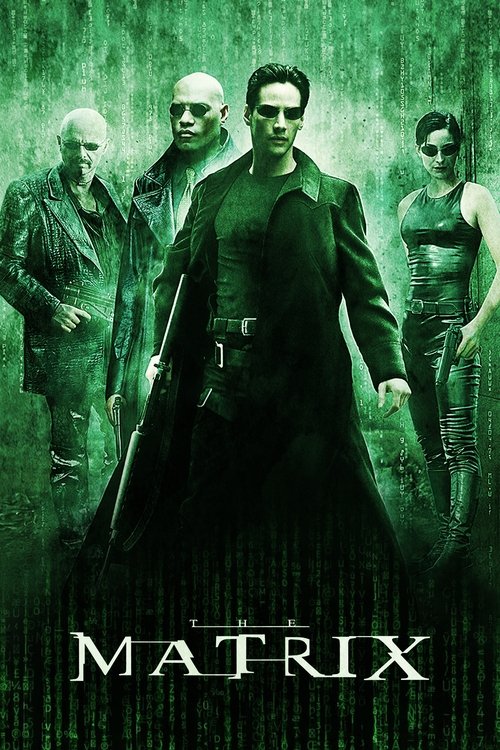
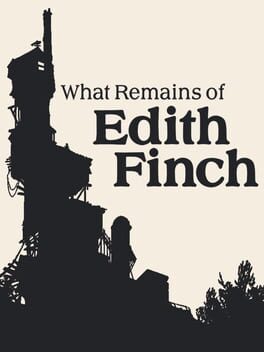
America as Myth
Stories that use the sweep of American life or landscape to ask what it all means
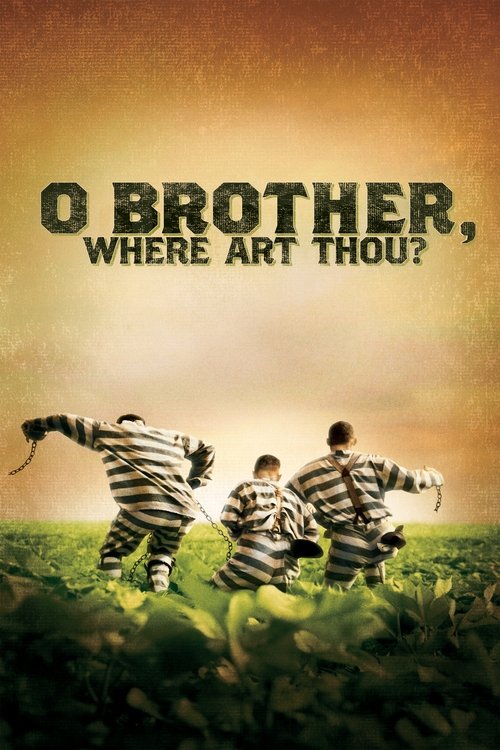
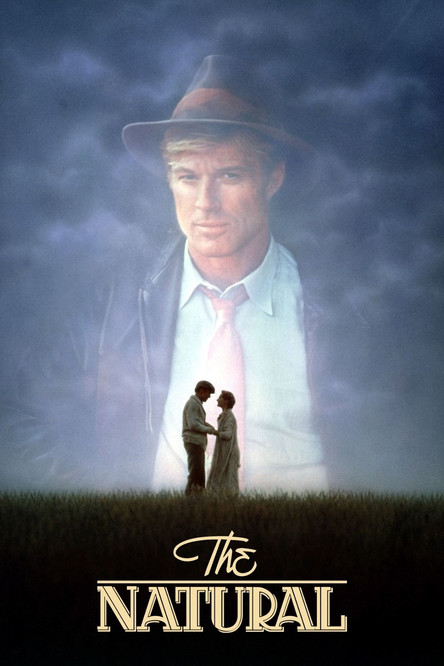
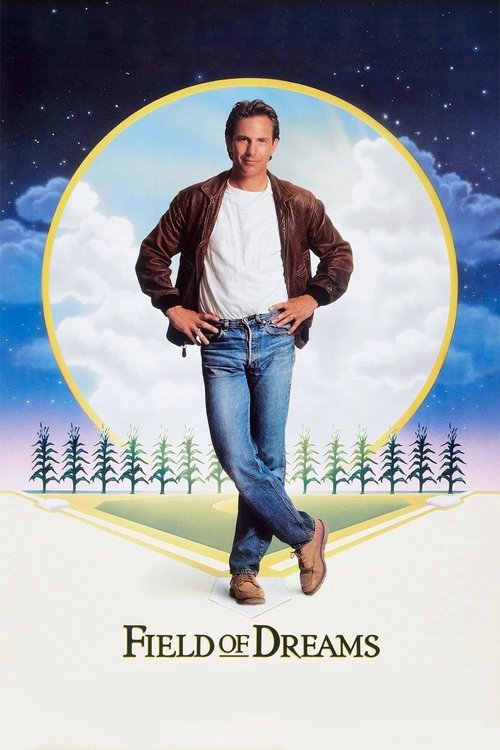
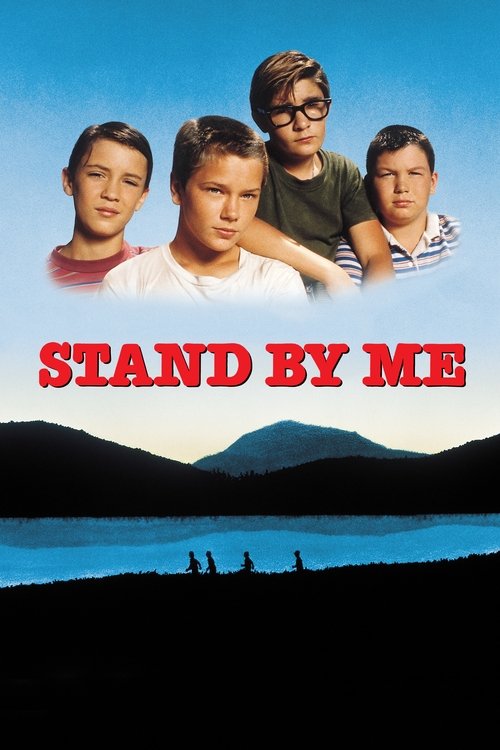
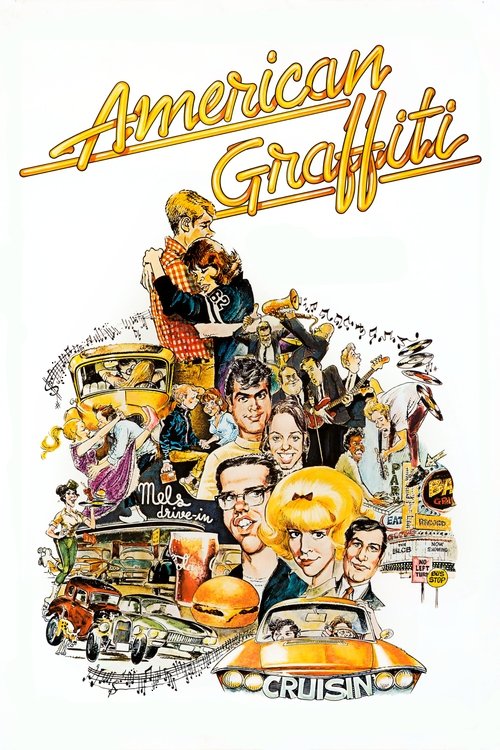
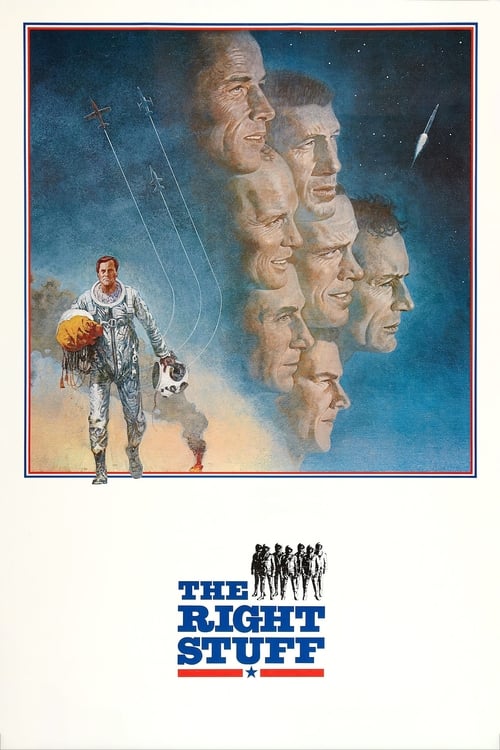

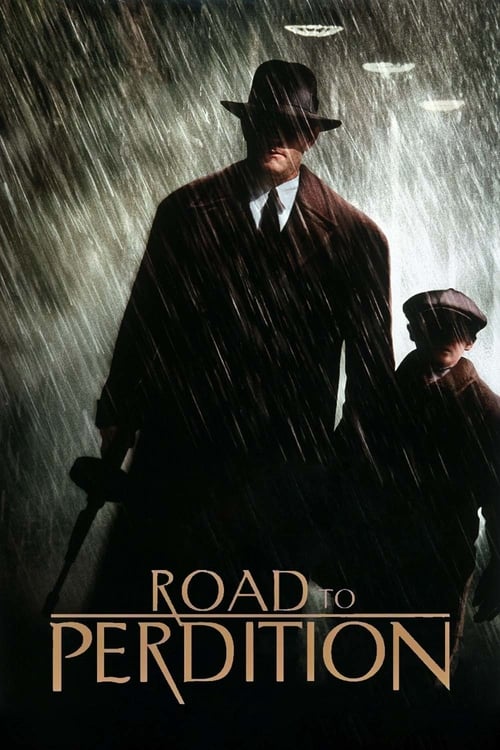


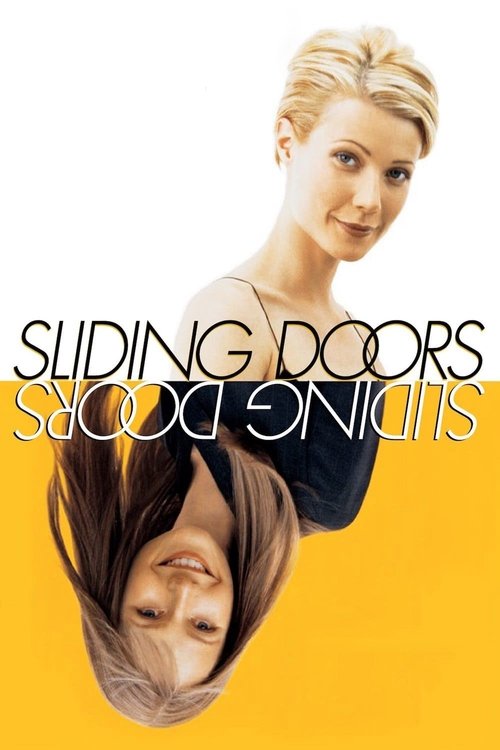
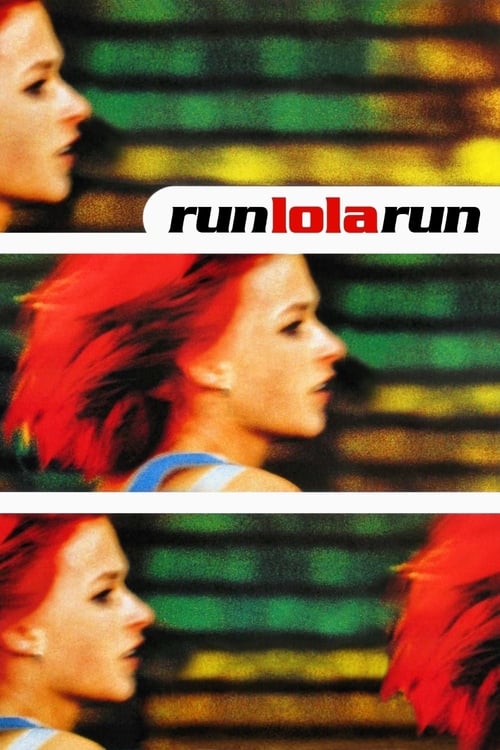
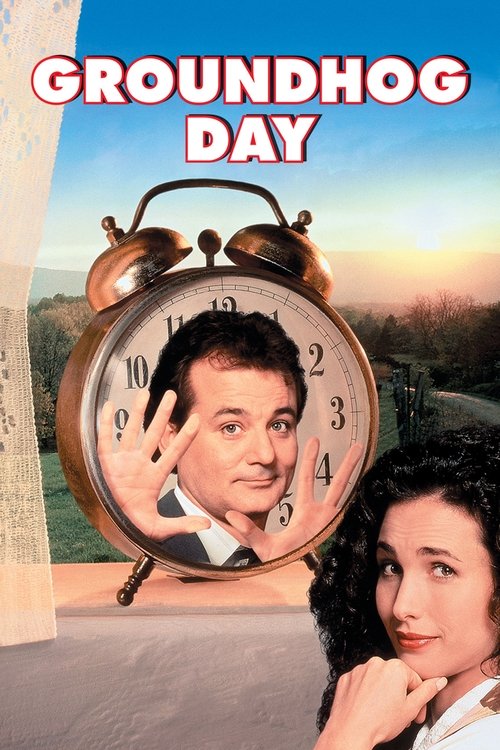
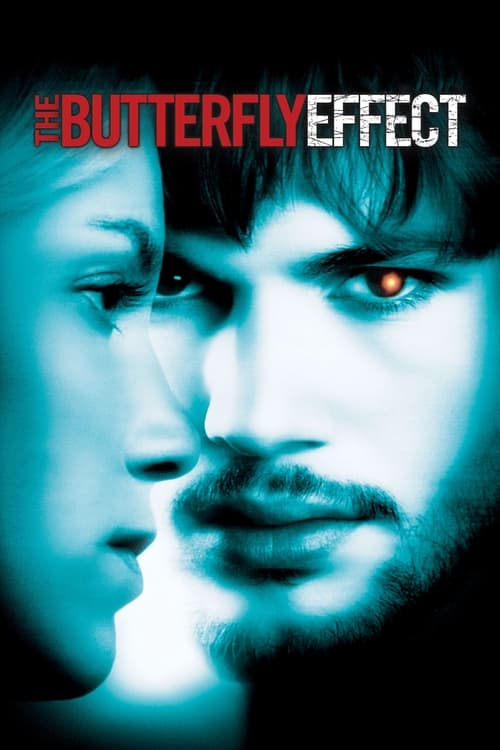
Fate, Chance, and the One Decision That Changes Everything
Novels and films built around the pivot point, the moment life turns on a dime


The perfect entry point is not the obvious one
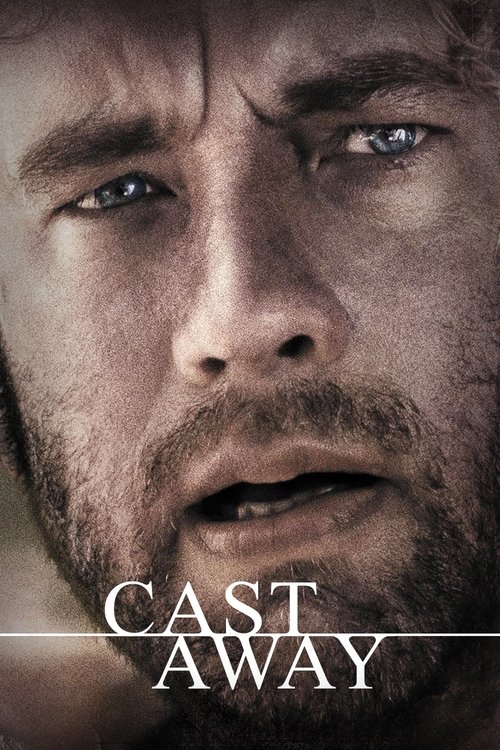
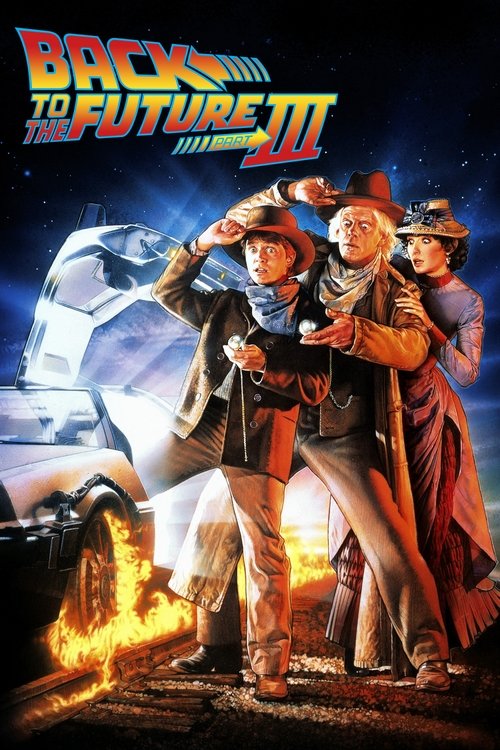
Cast Away is the better introduction to what Zemeckis actually does than Back to the Future, even though the time-travel film is the masterpiece. Cast Away strips everything to a single question: what is a person without all the external scaffolding of modern life? No genre conventions, no comic sidekick, barely any dialogue for 90 minutes. What remains is pure Zemeckis: a man whose only tool is forward momentum, using it to survive. Tom Hanks carries it alone, and the film trusts him completely. Watch it first if you want to understand the filmmaker before the myth.
The underrated one deserves its second look
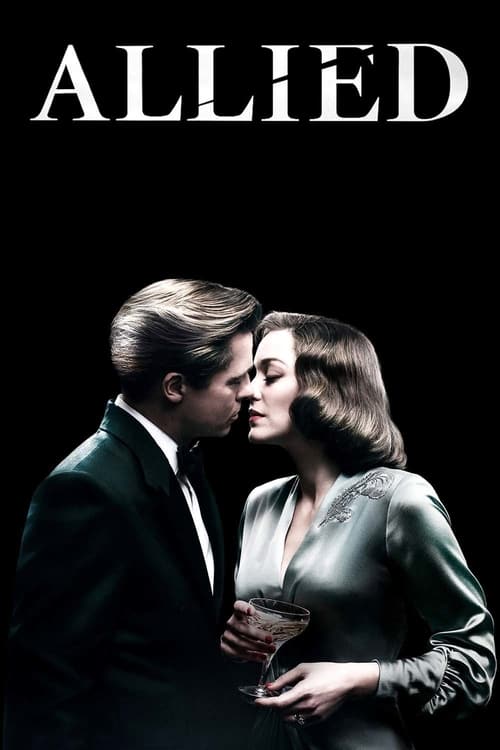
Allied (2016) arrived and vanished without much ceremony, partly because its marketing sold it as a thriller when it is actually something stranger: a wartime romance built around the question of whether love is possible when identity is a lie. The Morocco sequences have a golden, studio-era shimmer that Zemeckis clearly savoured. The film is imperfect, but the central dilemma (do you keep trusting someone when the evidence turns against them) is exactly Zemeckis territory, and Brad Pitt and Marion Cotillard are both better in it than its reputation suggests.
The spiritual successor is a TV show, not a film
Dark is the closest television has come to Zemeckis's particular obsession: the way time is a physical force that acts on people rather than a backdrop to their choices. Where Zemeckis tends toward warmth, Dark is cold and Lutheran, but the underlying machinery is identical. Every decision echoes backward and forward. Every character is a prisoner of causality trying to outrun it. It rewards the same kind of total attention that Back to the Future Part II demands, and it earns that attention in full.
The game that captures his sense of wonder
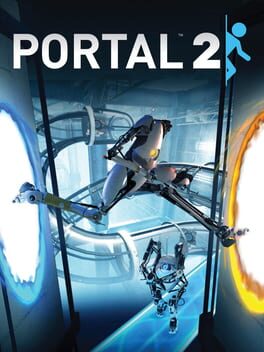
Portal 2 shares Zemeckis's conviction that you can deliver genuine comedy, genuine emotion, and genuine technical awe in the same package, and that audiences are smart enough to handle all three at once. The physics puzzles carry the same quality as a Back to the Future plot mechanism: elegant, slightly absurd, and completely logical once you accept the rules. The ending lands harder than most films. That is not a claim made lightly.
Robert Zemeckis: A Career in Milestones
- 1978Debut feature I Wanna Hold Your Hand I Wanna Hold Your Hand
- 1984Breaks through with Romancing the Stone Romancing the Stone
- 1985Back to the Future defines a generation Back to the Future
- 1988Roger Rabbit rewrites animation and live-action Who Framed Roger Rabbit
- 1994Forrest Gump wins five Oscars including Best Picture Forrest Gump
- 1997Contact adapts Carl Sagan on faith and science Contact
- 2000Cast Away: one man, one island, one volleyball Cast Away
- 2004The Polar Express launches his motion-capture period The Polar Express
- 2012Flight: a darker, harder-edged return to form Flight
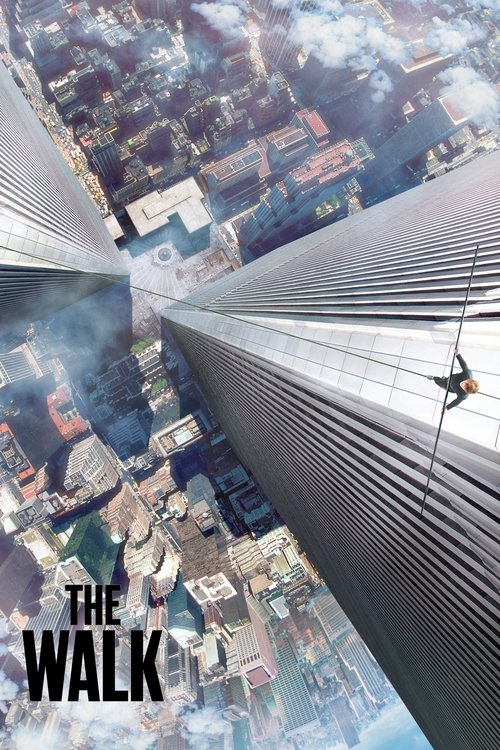
- 2015The Walk recreates Philippe Petit's high-wire crossing The Walk
Technical wizardry turned to wonder
For Fans of Back to the Future
Explore the For Fans of Back to the Future guide →Zemeckis does not make films about what could go wrong. He makes films about what happens when you refuse to stop moving, and somehow that is always enough.CrossBinge