
Frank Sinatra did not just sing songs. He inhabited them. From the swooning balladry of his Columbia years through the ring-a-ding confidence of Capitol and Reprise, he turned the American popular song into autobiography, and autobiography into mythology. The through-line a Sinatra fan loves is emotional honesty delivered with absolute technical command: the phrasing that lands a syllable a half-beat late and breaks your heart for it, the saloon wisdom that makes loneliness feel shared, the cool that never tips into cold. That sensibility radiates outward into films, literature, and an entire era of mid-century Americana that still defines a certain idea of what style can mean.
Sinatra on Screen
His films and concert films, from dramatic peaks to Rat Pack capers



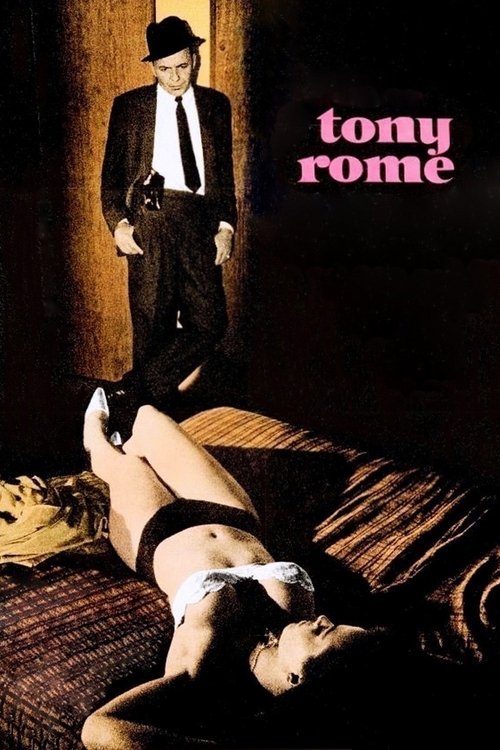
The Rat Pack Orbit and Mid-Century Cool
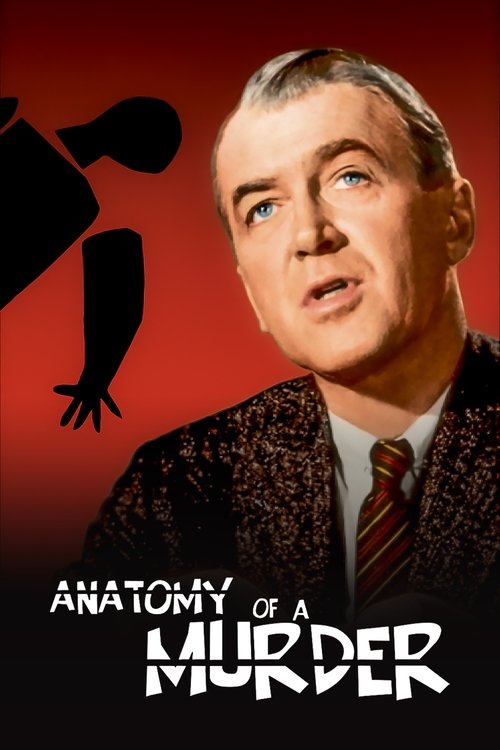
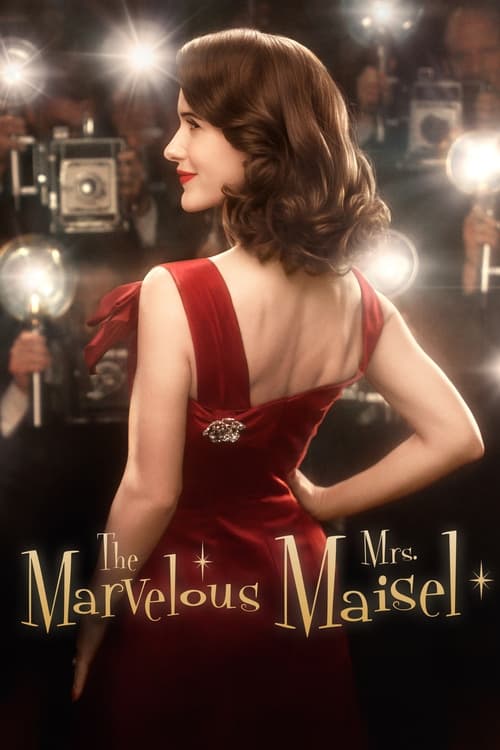
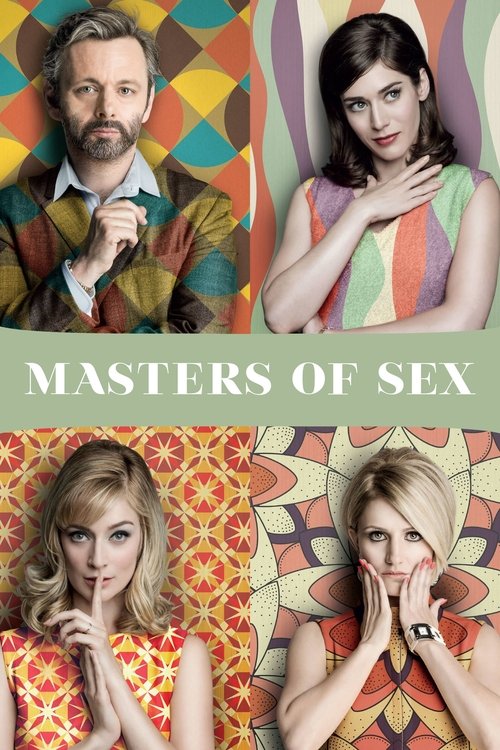
Films and series soaked in the same tuxedo-and-tumbler spirit
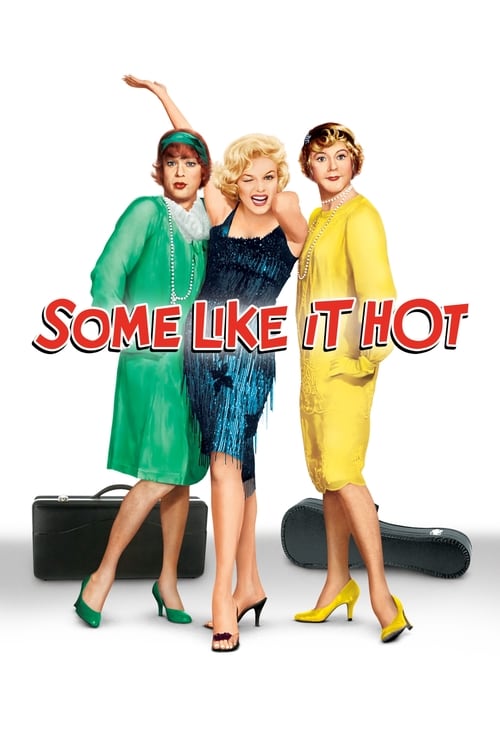
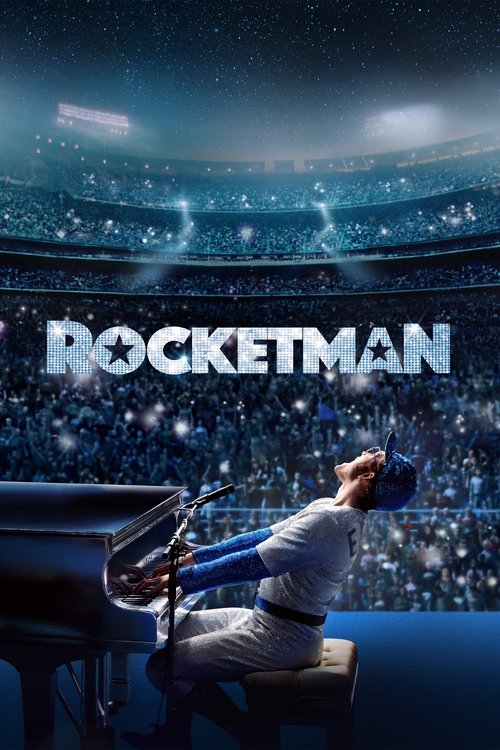
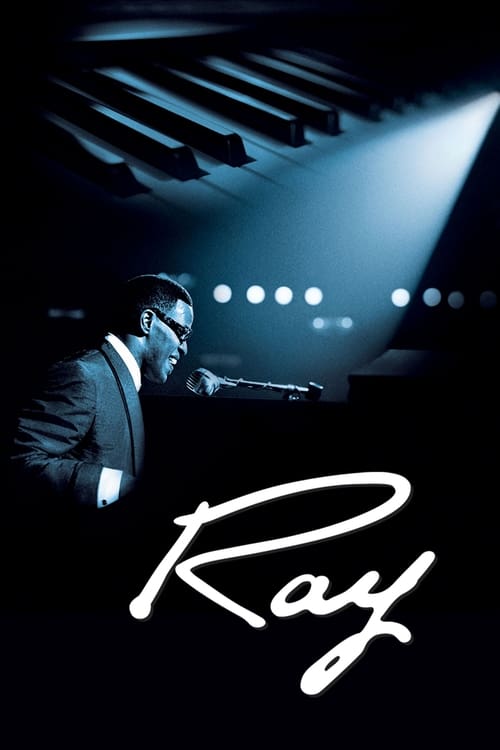
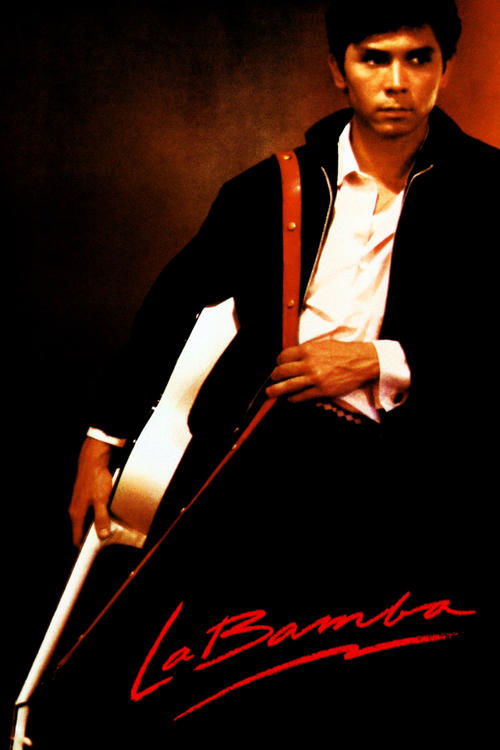
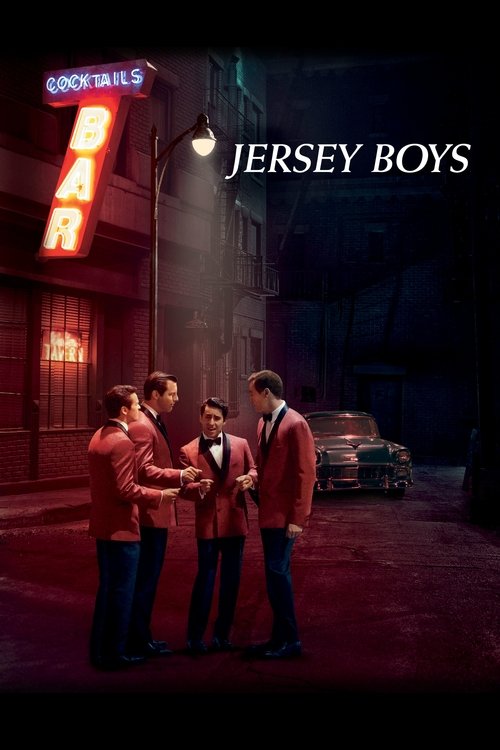
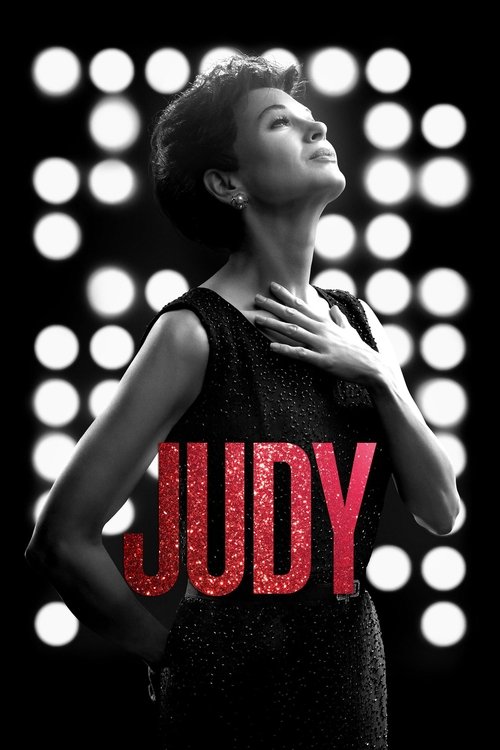
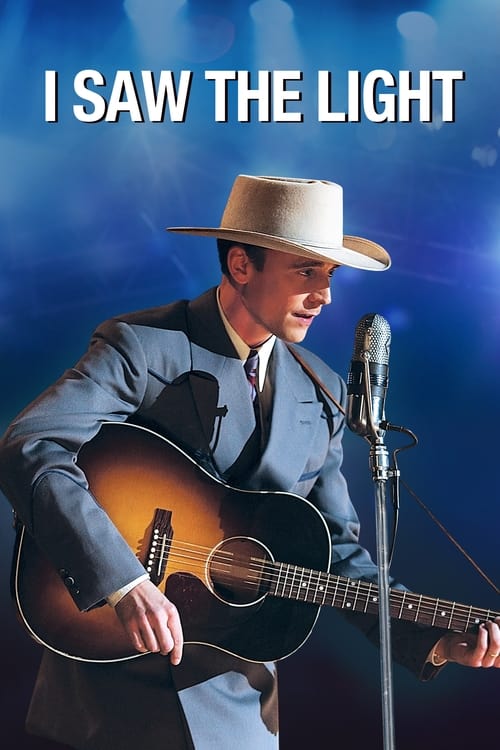
Music Biopics Worth Your Time
When a life becomes a film: the best real-musician stories on screen

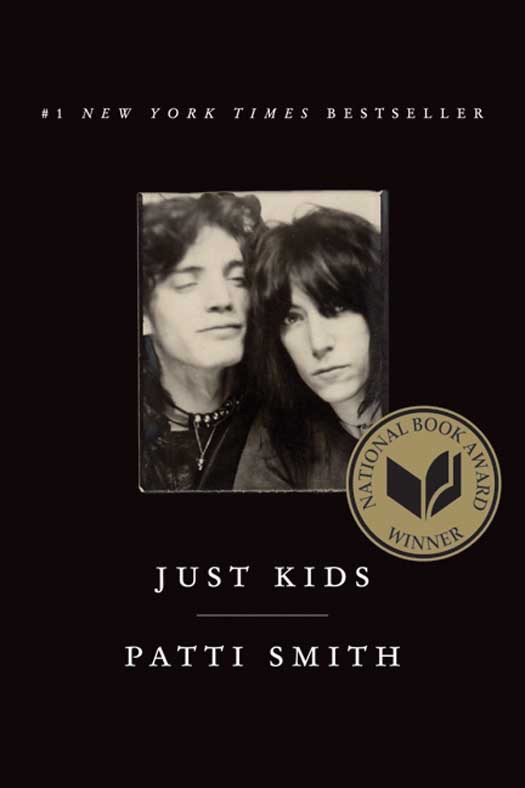
Books for the Sinatra Fan
Biographies, histories, and novels that breathe the same air


Music Documentaries and Concert Films
Behind the mic: the best films about artists, eras, and the American songbook
In the Wee Small Hours is the greatest breakup album ever made
Before the concept album was a concept, Sinatra and arranger Nelson Riddle built one in 1955: sixteen songs about the small hours after a love has gone, bound by tempo, key, and a palpable sense of a man nursing a drink and a wound. The voice is intimate in a way that feels almost intrusive. Nothing released since has matched its disciplined devastation.
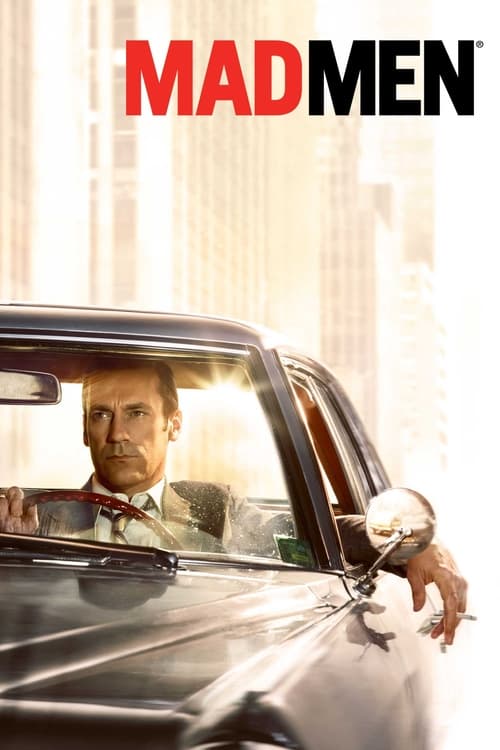
Mad Men is the visual equivalent of a Sinatra record
The advertising world Matthew Weiner constructed across seven seasons is soaked in the same cocktail of aspiration and melancholy that runs through Sinatra's Capitol catalog. Don Draper lives inside the Sinatra myth, and the show knows exactly what the myth costs. If you respond to the emotional texture of a Sinatra ballad, Mad Men is its television twin.
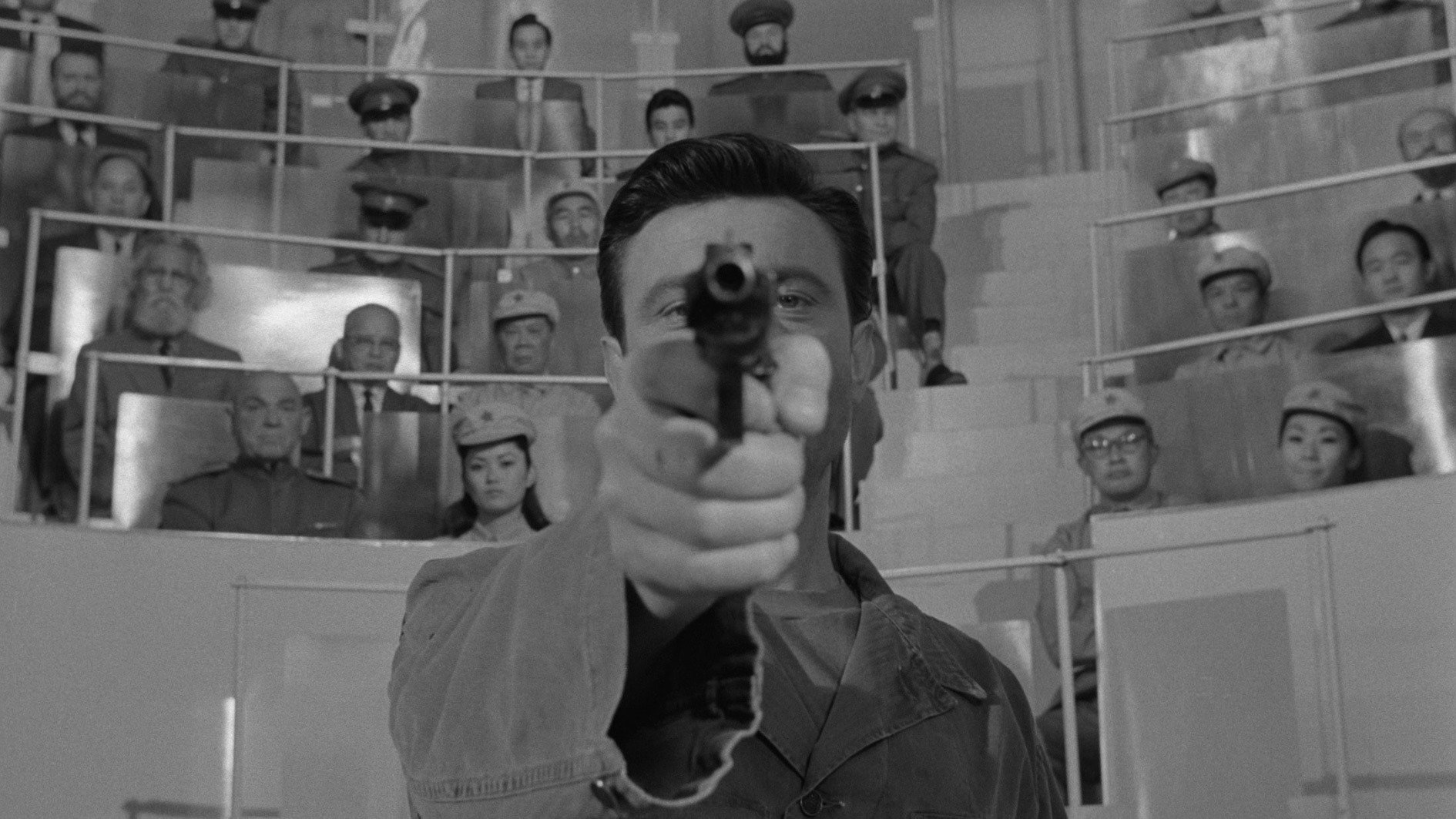
The Manchurian Candidate shows how good an actor Sinatra could be when the material deserved it
Sinatra often sleepwalked through lesser pictures. John Frankenheimer's 1962 Cold War thriller gave him no room to coast, and he didn't. His Ben Marco is paranoid, haunted, and genuinely frightening in moments. The film stands as proof of what Sinatra's instinctive naturalism could achieve when matched with a script that demanded more than charm.
The American Songbook is the jazz standard collection Sinatra helped canonize
Cole Porter, Rodgers and Hart, Harold Arlen, Johnny Mercer: Sinatra did not write these songs, but his interpretations became the versions against which every subsequent recording is measured. Understanding that tradition, and its roots in Broadway and Tin Pan Alley, doubles the pleasure of any Sinatra record. The composers he championed are their own discovery.
A Life in Swing
- 1939First major recordings with Harry James and Tommy Dorsey orchestras
- 1943Solo career explodes; bobby-soxer phenomenon at the Paramount Theatre
- 1953Career rebirth: Academy Award for From Here to Eternity From Here to Eternity
- 1955In the Wee Small Hours defines the concept album In the Wee Small Hours
- 1956Songs for Swingin' Lovers! with Nelson Riddle Songs for Swingin’ Lovers!
- 1960Ocean's 11 and the Rat Pack at the Sands Hotel, Las Vegas
- 1961Founds Reprise Records; total creative control
- 1966Sinatra at the Sands recorded; September of My Years wins Grammy Album of the Year
- 1971Announces retirement; comes back two years later
- 1980New York, New York becomes his second signature anthem Past, Present & Future
- 1998Dies at 82; My Way plays over loudspeakers on the Las Vegas Strip
Swing, charisma, elegant heartbreak
Music & Musicians
Explore the Music & Musicians guide →He was the kind of singer you could hear in a crowded room and suddenly feel alone with.Gay Talese, Frank Sinatra Has a Cold, 1966