

The casino is the only room designed to make you believe you are about to win. Every detail, the low light, the absent clocks, the rhythm of the machines, is engineered to keep you at the table one hand longer than you planned. Popular culture loves it for the same reason: gambling stories are really stories about desire and control, and about what people do when they have very little of the second and too much of the first.
The genre splits clean down the middle. One half is about systems: the card counter, the poker professional, the crew running an edge they worked out mathematically. The other half is about compulsion: the man who cannot stop, the house debt that keeps growing, the lie told at 3am that nothing is wrong. The best gambling stories walk both sides at once, because the system player and the addict are often the same person, separated by nothing but a losing streak.
Essential gambling stories
The canon across every screen

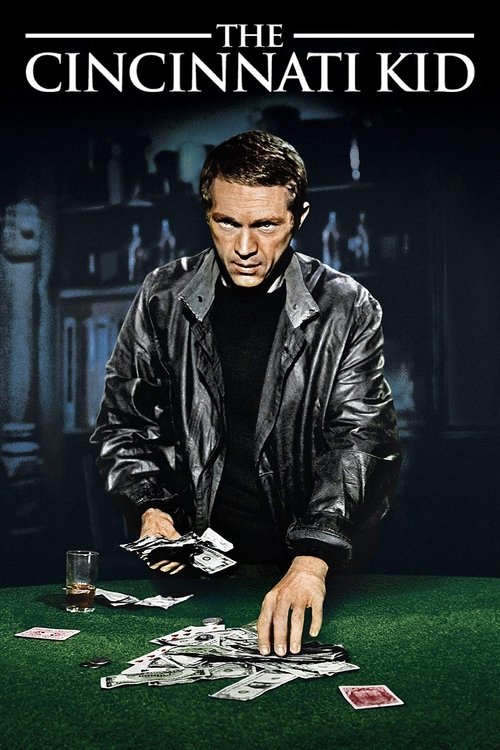

The one that set the template
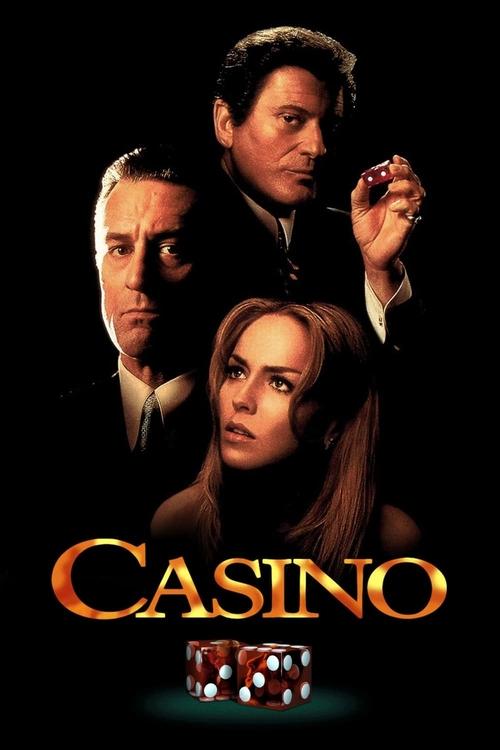
Scorsese's Casino is three hours of a man building an empire out of other people's money and his own inability to leave well enough alone. Robert De Niro's Sam Rothstein understands the house edge mathematically, yet cannot apply that same cold calculus to his own life. It is the definitive statement of gambling as both profession and pathology: the casino does not just take your chips, it takes your judgment, your loyalty and eventually your freedom. Everything the genre does well, Casino did first and longest.
Poker at the highest table
Card players, grinders and the all-in moment
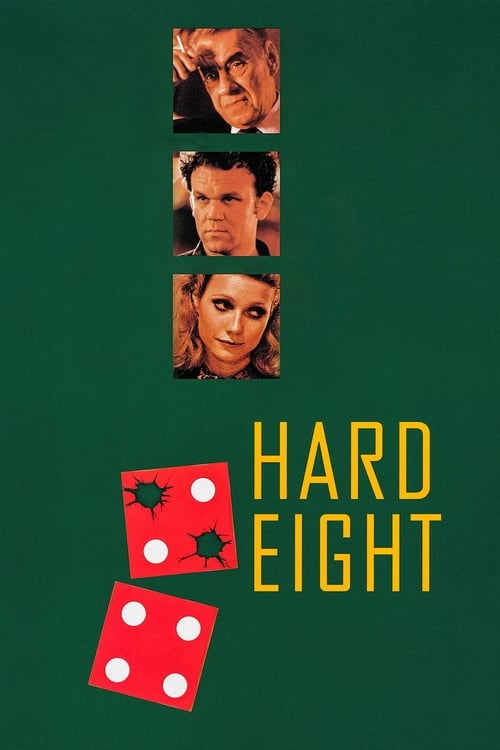


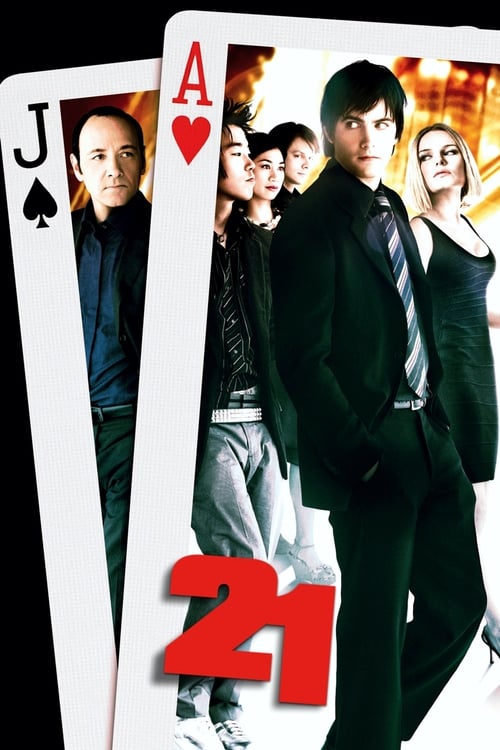
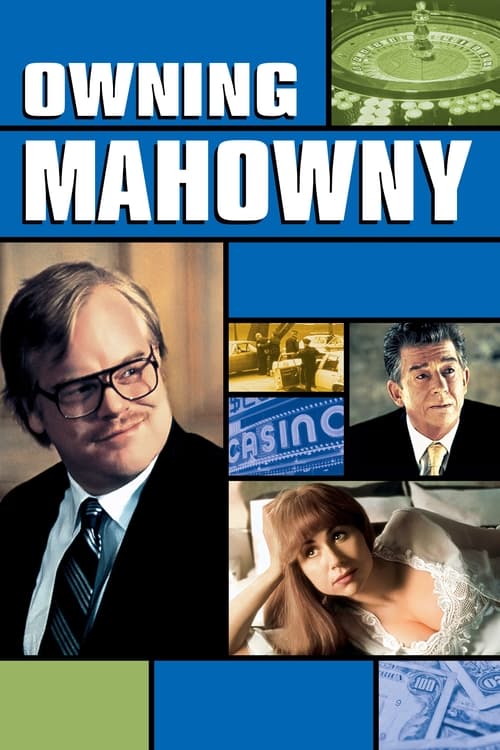
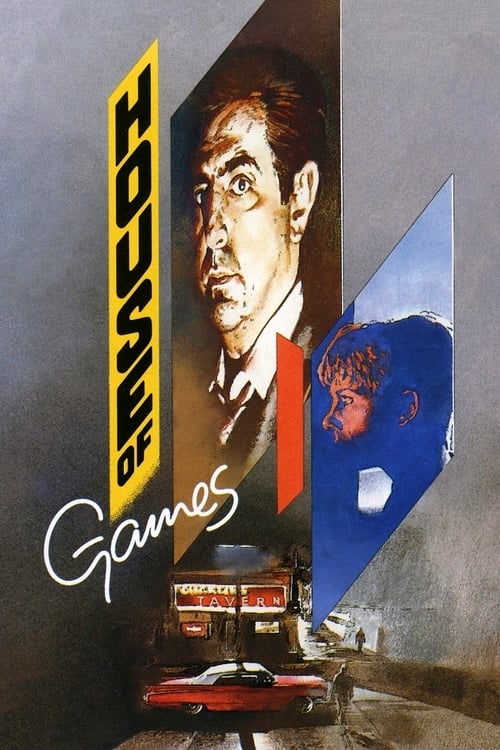
The table as confessional
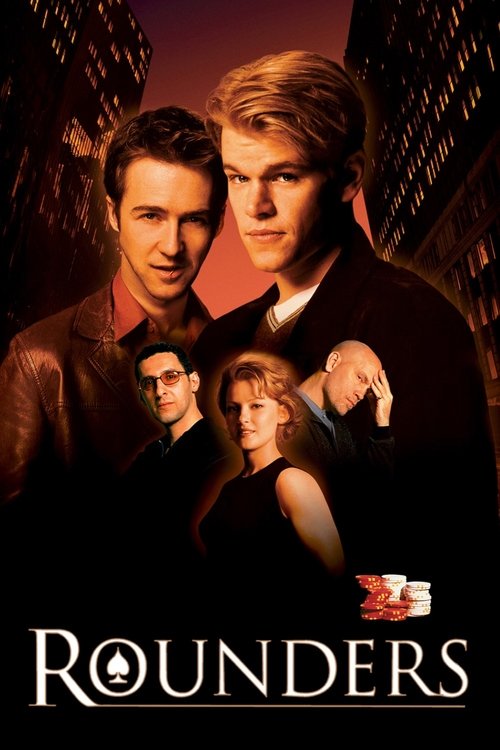
What poker did for cinema that roulette and slots could not is give the camera something to read. A face across a poker table is a text. Does he know what I have? Does he think I know? The bluff is the closest cinema gets to interior monologue made visible, and Rounders understood this so well that it practically invented the poker-as-character-study subgenre. Matt Damon's Mike McDermott does not play cards for money: he plays to find out who he is. The table tells him faster and more honestly than anyone else in his life.
The compulsion
When the game stops being a game
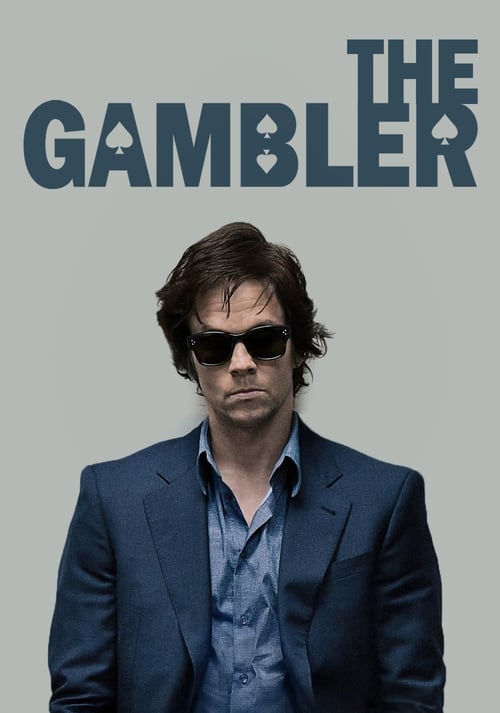


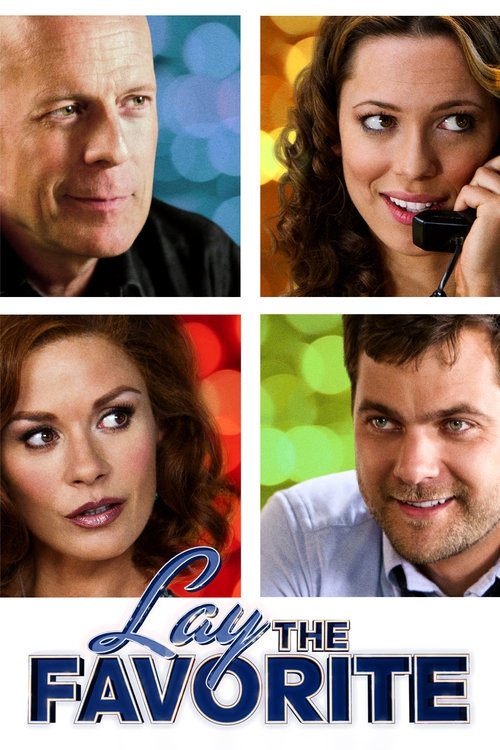
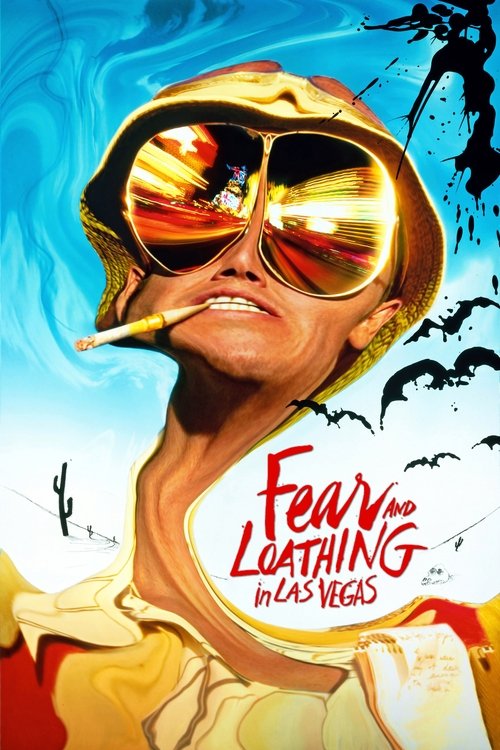
Rounders is actually two different films
John Dahl's Rounders is remembered as a poker movie, but watch it again and notice how little time actually passes at the table. What the film is really doing is running two gamblers in parallel: Mike, who wants to quit but cannot quite make himself, and Worm, who never wanted anything but the next hand. One of them grows up by the end. One of them cannot. The genius of the script is that it never tells you which outcome is the right one; it just deals the cards and lets you decide which man you would rather be.
Vegas, baby
The city as protagonist
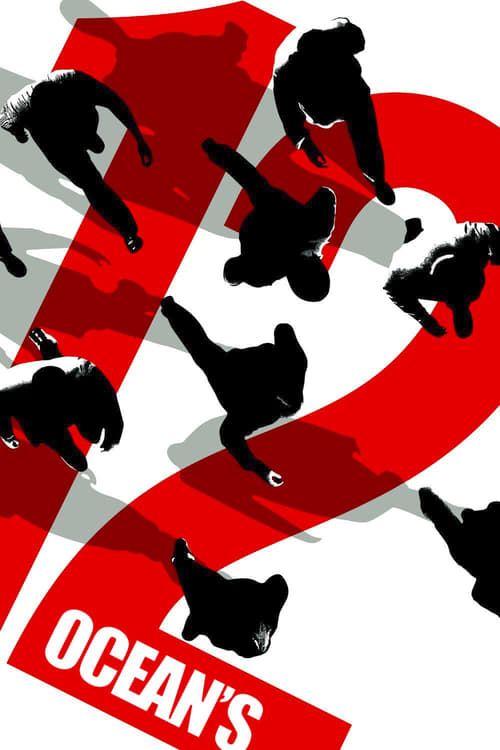

The small screen has the best gamblers
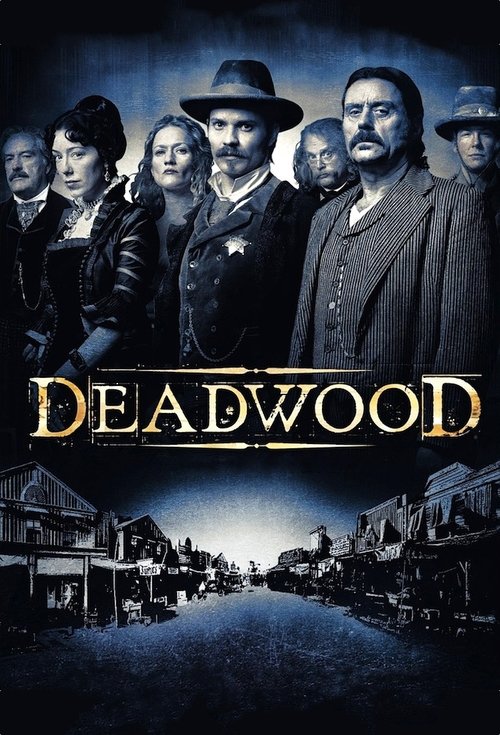
Two recent shows proved that television is now the sharpest place to play. Poker Face gives Natasha Lyonne an inverted mystery format where we know the killer in the cold open, then watch her bumble and bluff her way to the truth: it is a show built on reads, tells and the performance of not knowing things you know. Deadwood meanwhile puts a poker table at the center of frontier power and shows that every deal in the camp is actually a negotiation for control of the street. The green felt is just the place where the real game of who runs this town gets played out in public.

On the small screen
Gambling, cards and casino life by the season
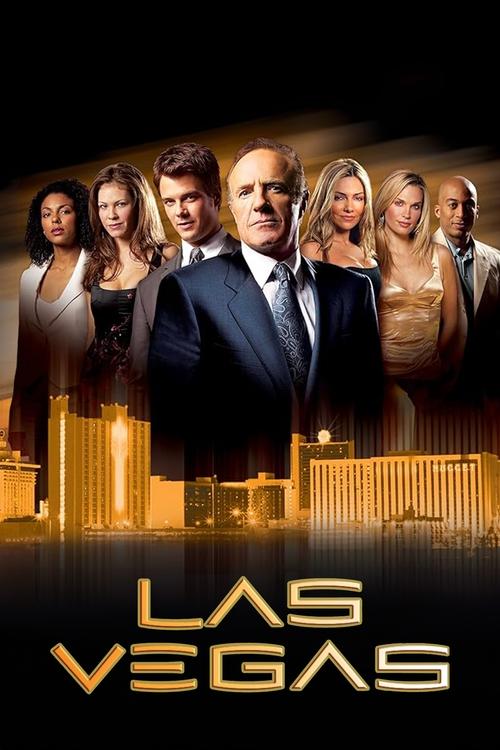
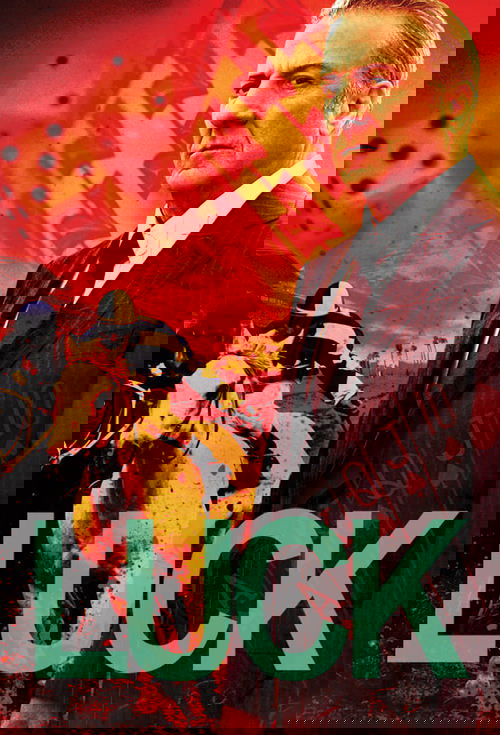

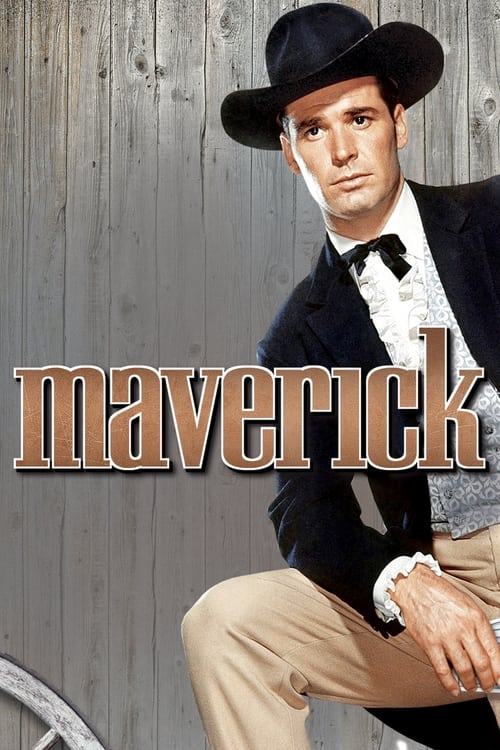
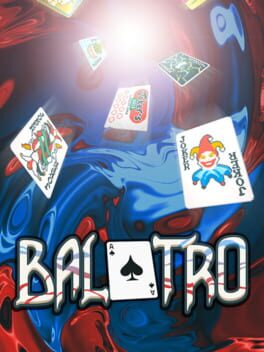
Balatro is the most honest gambling game ever made
The great trick of Balatro is that it cannot be completed by skill alone, only by understanding which risks are worth taking. It looks like a poker game but plays like a rogue-like built around a slot machine that rewards learning the odds. The game models the gambler's actual experience: a run starts well, you make sensible choices, then one hand in the back third turns on you and you are back at zero. Unlike a casino, it tells you exactly what the odds are. Unlike a casino, it lets you lose the same amount of nothing every time. That is either the most comforting or the most damning thing about it, depending on how many runs you have played today.
Cards and chips to play
Gambling at the controller
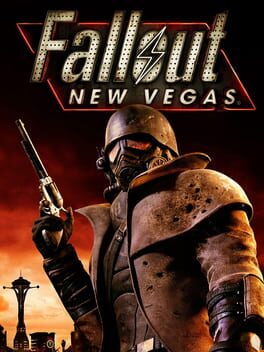
The deep cuts
Forgotten and underrated gambling films worth your time
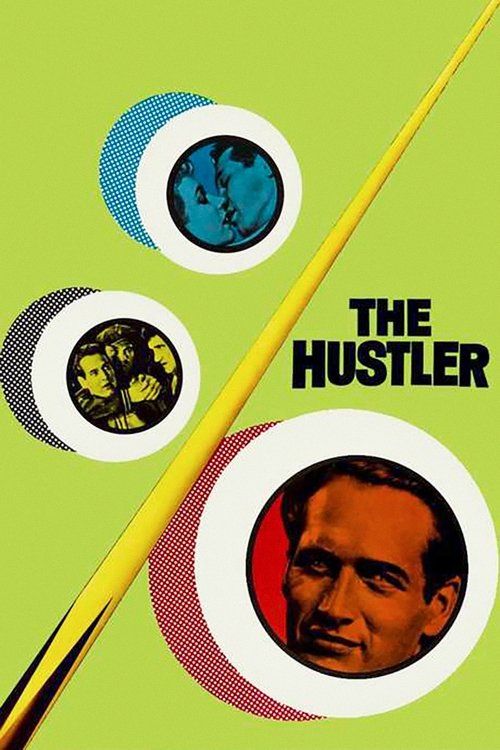
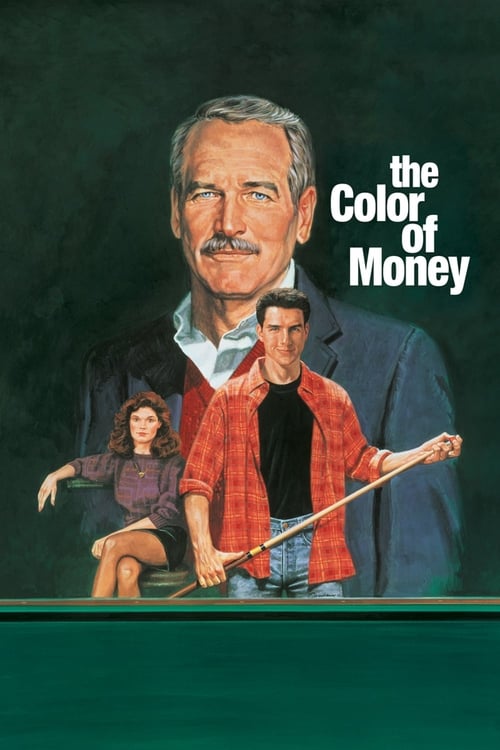
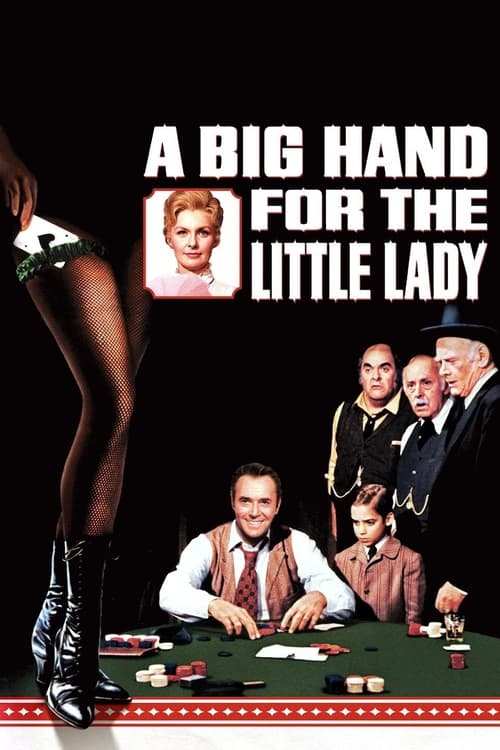

More marks, more cons, more rigged games
Con Artists & Grifters
Explore the Con Artists & Grifters guide →The house edge is a fraction. It is also a certainty. The whole industry is built on the gap between those two facts, and so is most of the drama.On why the casino always wins and why we keep going back