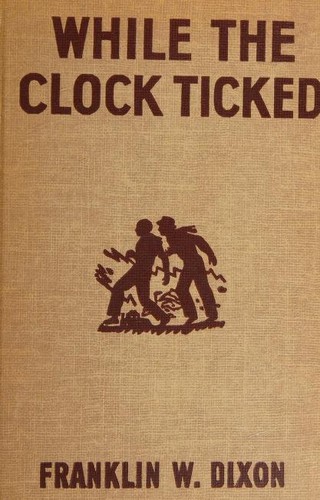

Brothers, clues, and the open road
"Franklin W. Dixon" is a pen name, a house pseudonym invented by the Stratemeyer Syndicate in 1927 for what became one of the most widely read juvenile series in American publishing history. No single person wrote the Hardy Boys. Dozens of ghostwriters worked behind the name over the decades, turning out volume after volume about Frank and Joe Hardy, the teenage sons of a famous private detective, solving mysteries in and around the fictional Bayport. The books were revised repeatedly to strip out dated slang and racial stereotypes, the earliest volumes rewritten almost entirely in the 1950s and 1960s, so the "original" texts most readers grew up with are already a palimpsest.
What endures is the feeling: two capable, curious young men who take each other seriously, who move through a world that rewards sharp observation and cool nerves, where the geography of small-town America (the old mill, the abandoned lighthouse, the docked sailboat) is also the geography of adventure. The series sits at the center of a specific tradition in juvenile fiction, the same tradition that produced Nancy Drew, Trixie Belden, and the Boxcar Children, all of it organized around the belief that young people can be competent protagonists, not just observers of adult action. That belief, and the particular texture of the Hardy Boys world, a kind of perpetual golden-hour Americana crossed with pulp thriller suspense, is the thread that connects everything on this page.
The Hardy Boys themselves
Series entries readers return to most, including the Stratemeyer-era omnibus volumes


Young detectives who mean business
Juvenile and YA mystery series built on the same competent-kid premise


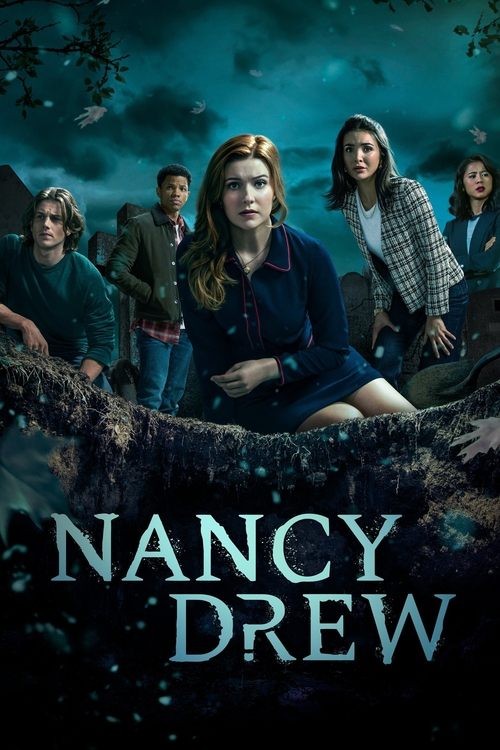
Pulp crime with the same propulsive energy
Adult mystery and thriller fiction that runs on the same plot-first engine


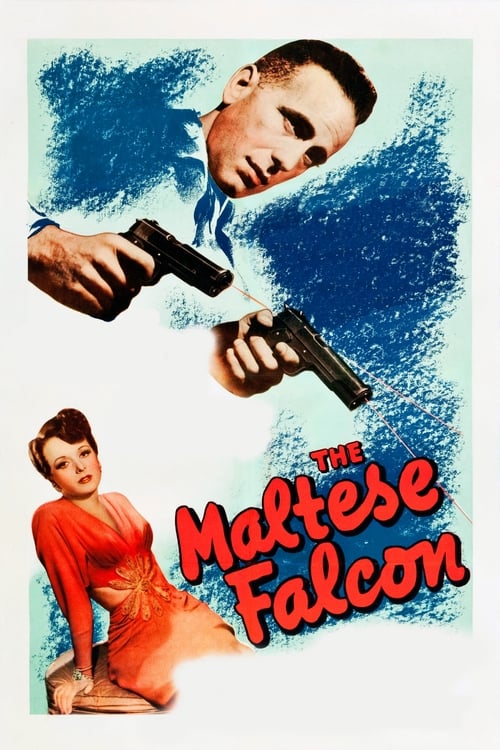
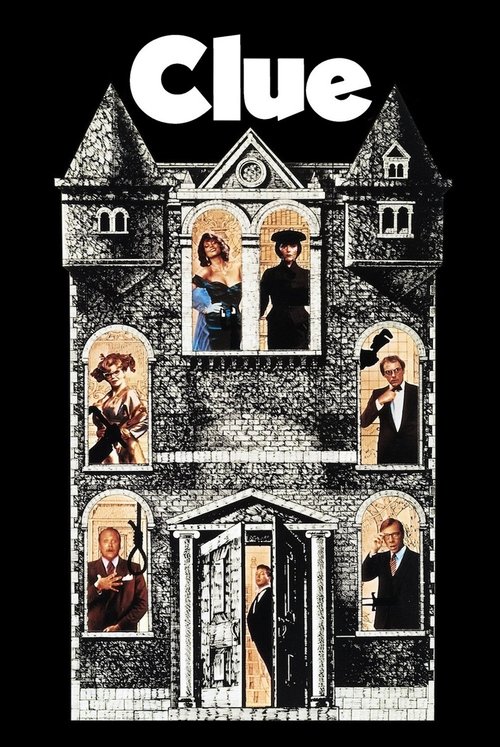
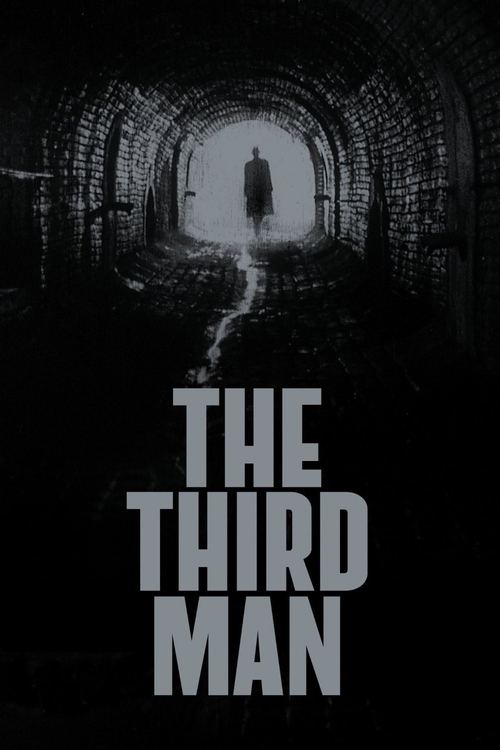
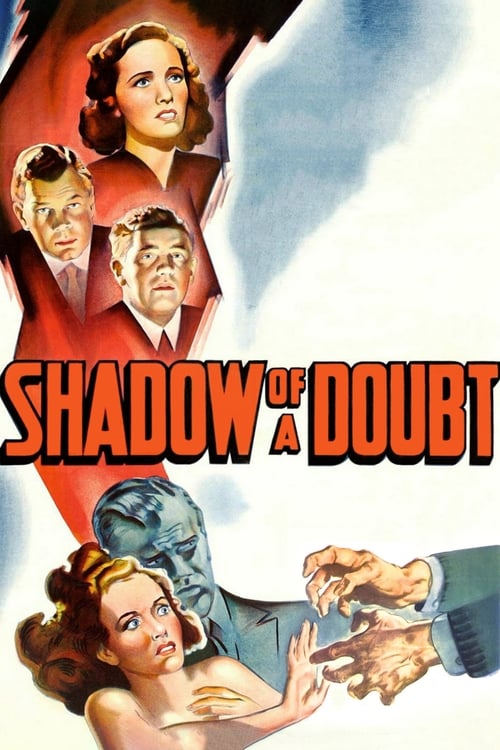
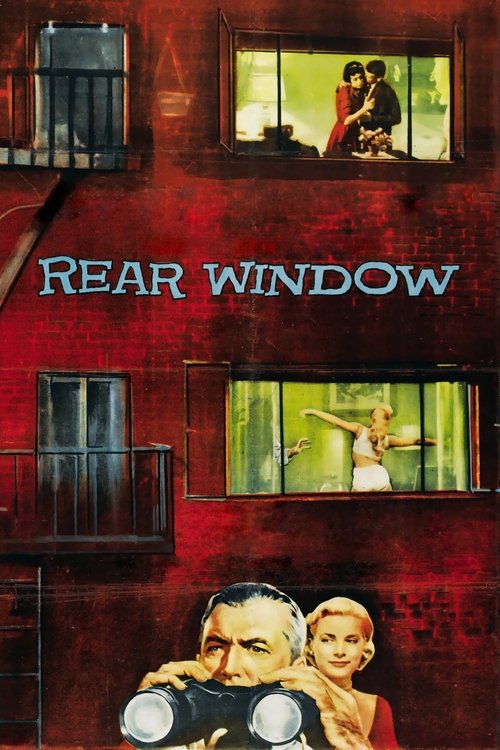
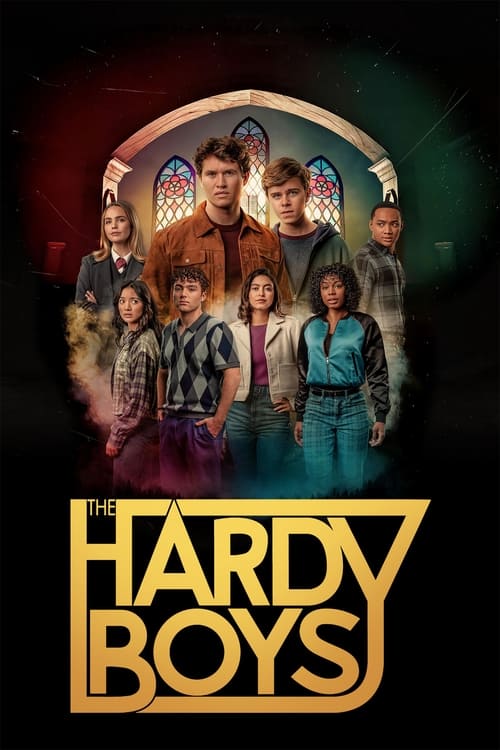
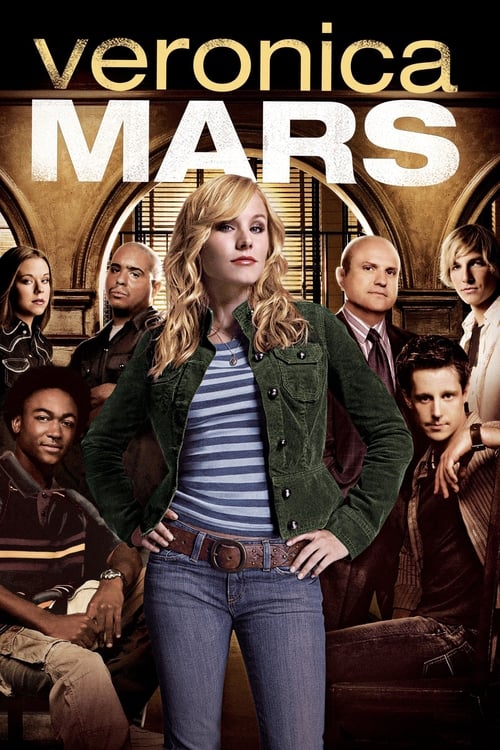
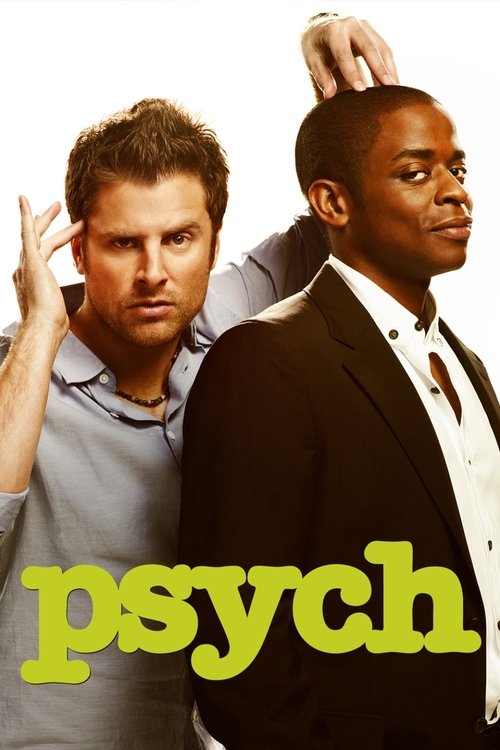
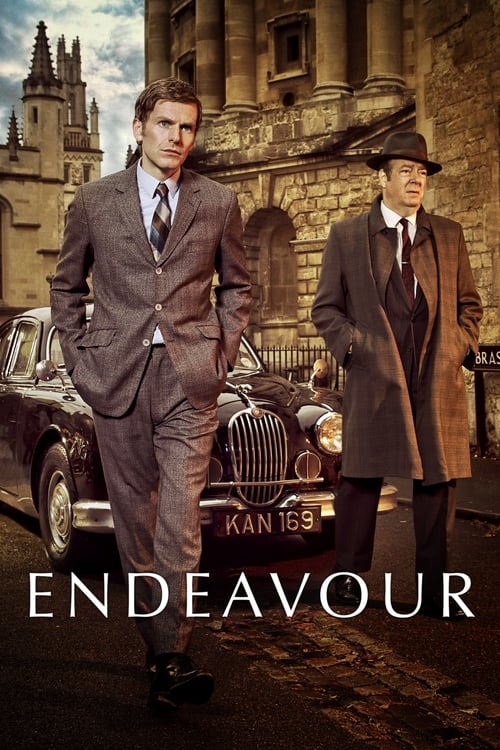
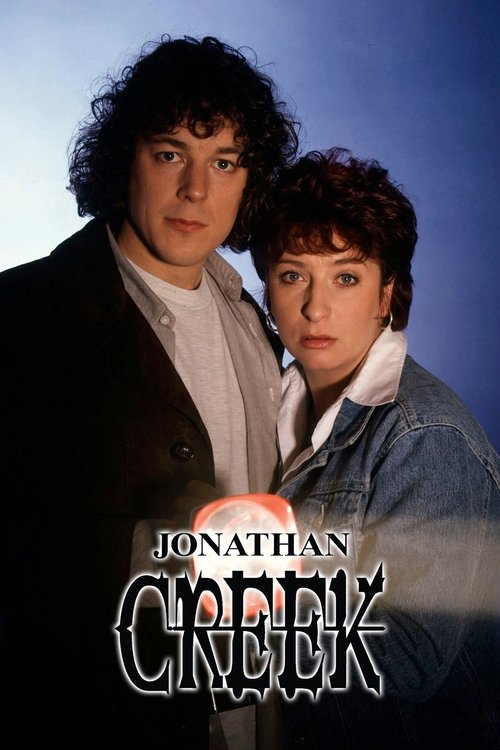
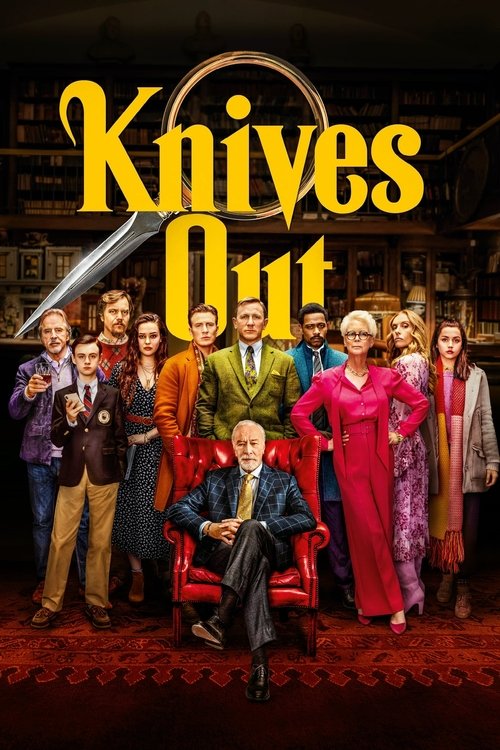
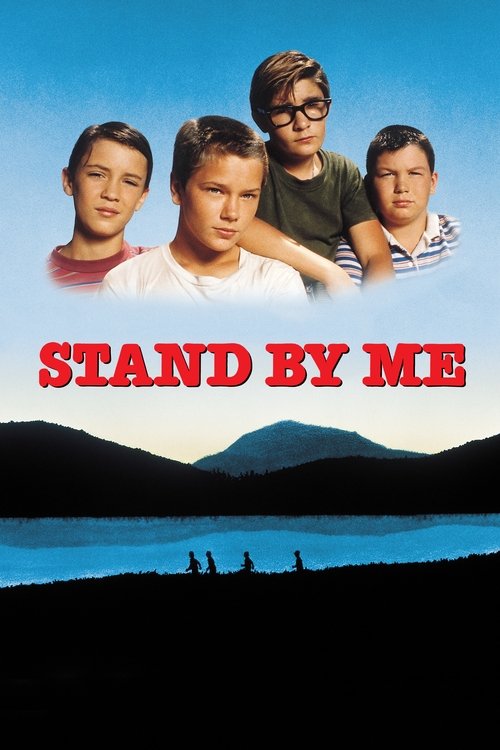
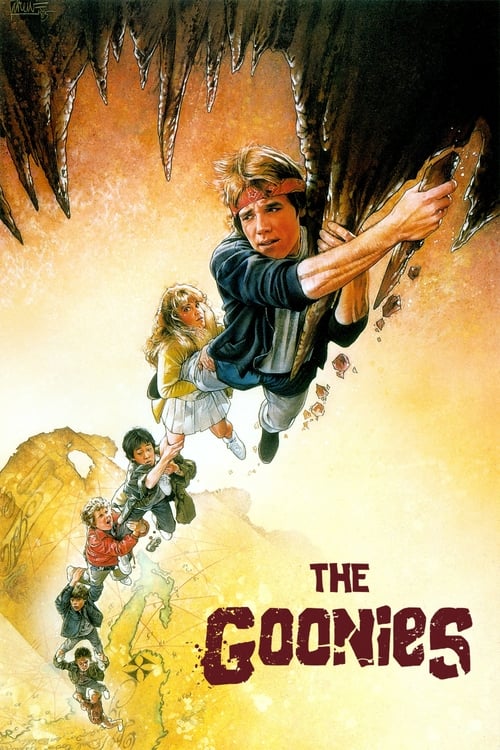
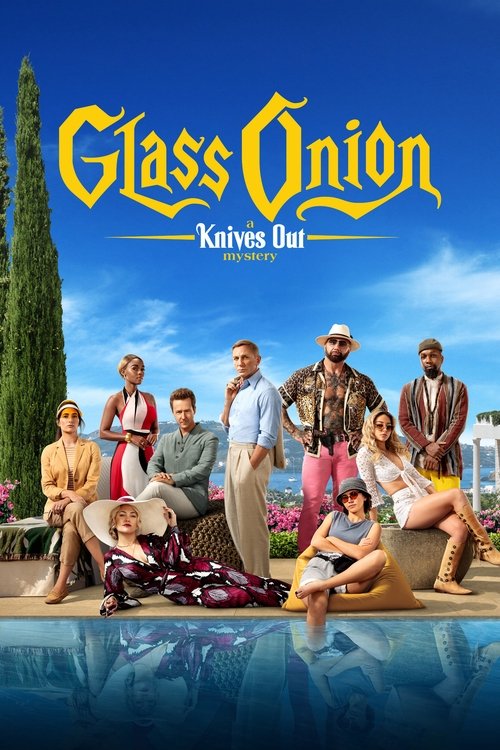
Screen mysteries with the same atmosphere
Films and series that capture Bayport's mix of small-town safety and lurking danger

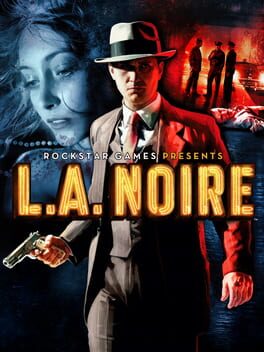
Games that put you in the detective's seat
From classic point-and-click mysteries to modern investigation titles

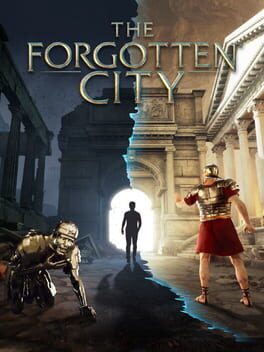
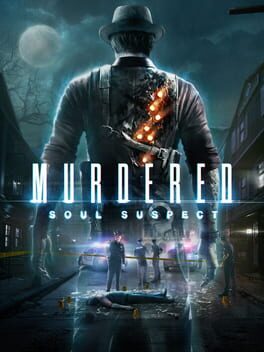
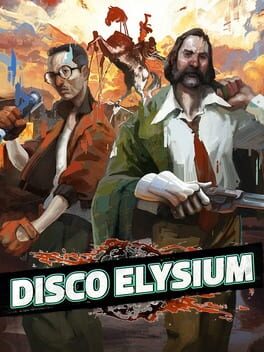
Start with the revised text, not the original
The 1927 Tower Treasure is a document of its time, clunky in ways that are more distraction than period charm. The 1959 revised edition is shorter, faster, and gives you the actual Hardy Boys as the series settled into its identity. Start there, read through the first twelve revised volumes, and you have the complete original run of what most readers mean when they say Hardy Boys. The 1927 originals are for scholars of the Stratemeyer Syndicate, not for the experience of reading Frank and Joe.
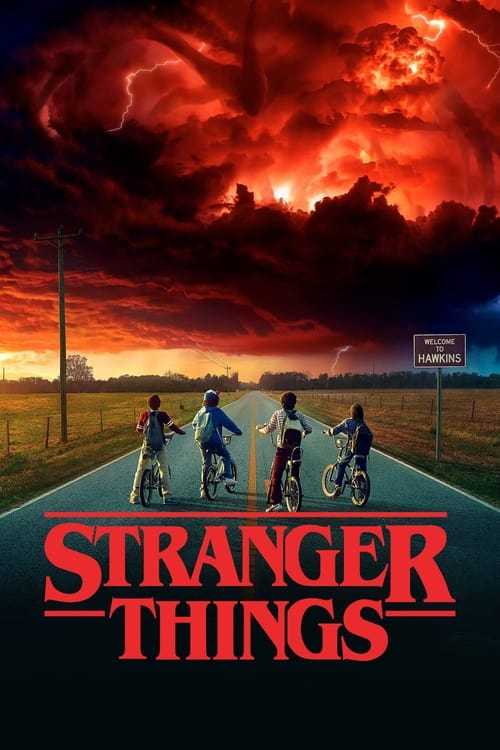
Stranger Things is the closest spiritual heir on screen
What Stranger Things understood, and what made its first season feel like the recovery of something lost, is that a group of kids solving a mystery is only compelling when you believe they are genuinely capable and genuinely in danger at the same time. The Hardy Boys always walked that line. The Duffer Brothers understood it instinctively, and the early seasons of the show are the most faithful adaptation of the Stratemeyer spirit that television has produced, even though they never mention Bayport once. The show earns the comparison not through homage but through shared belief in what young protagonists are capable of.
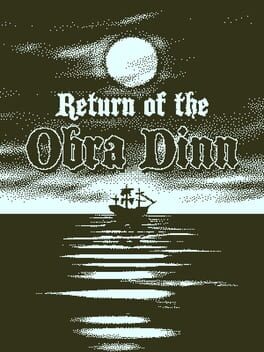
Return of the Obra Dinn is what grown-up Hardy Boys feels like
Lucas Pope's game hands you a ship full of corpses and a magic pocket watch and asks you to reconstruct exactly what happened to each of 60 crew members through pure deduction. There are no false clues, no hand-holding, and no narrative until you earn it. It is the Hardy Boys problem-solving loop, the slow triangulation of evidence into certainty, distilled into its purest mechanical form. The series always promised that paying attention was enough. Return of the Obra Dinn is the one that actually makes good on the promise.
The Hardy Boys gave a generation the idea that paying attention is a superpower, that a careful kid with a good flashlight can walk into any dark place and come out knowing what happened.CrossBinge
The Hardy Boys across decades
- 1927The Tower Treasure published, Stratemeyer Syndicate launches the series
- 1959First major revision wave begins, shortening and updating the original 38 volumes
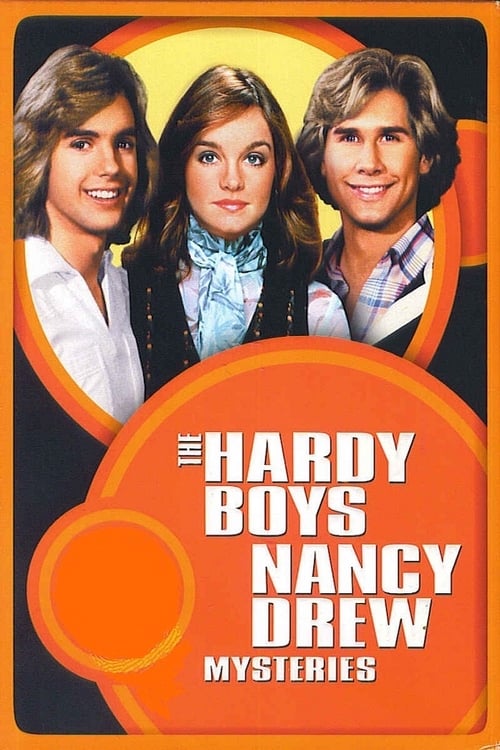
- 1977Hardy Boys/Nancy Drew Mysteries premieres on ABC, Parker Stevenson and Shaun Cassidy as Frank and Joe
- 1987Hardy Boys Casefiles launches, darker stakes and an older readership
- 2020Hulu/YTV Hardy Boys series premieres, a second full reboot for a new generation