
A Woman Who Wrote for Kids Who Already Knew How to Take Care of Themselves
Gertrude Chandler Warner was a Connecticut schoolteacher who wrote The Boxcar Children in 1924 as a book she wished had existed when she was young. The premise is deceptively simple: four orphaned siblings, the Aldens, turn an abandoned railroad boxcar into a home, cooking their own meals, hauling water from a brook, and fashioning furniture from salvaged odds and ends. No adults arrange it for them. They do it because they have to, and the doing of it is the point.
The book was initially rejected as too radical. A children's book about kids living without grown-ups, relying entirely on each other? Publishers worried it would unsettle young readers. Warner held her ground. When it finally appeared, children loved it instantly, and she went on to write the first eighteen volumes of the series herself, continuing until her death in 1979 at age 89. The series eventually ran to more than 150 volumes.
What Warner understood was that children do not only want to read about being rescued. They want to read about being competent. The Boxcar stories are full of small domestic satisfactions: a found tin cup, a cold stream that doubles as a refrigerator, a pine-needle mattress that turns out to be surprisingly comfortable. The mystery plots that anchor most books in the series are almost secondary to this texture of daily ingenuity. The Aldens are good at things. They notice things. They are curious and fair-minded and loyal to each other in the uncomplicated way children actually are when they are allowed to be.
That is the DNA this guide follows: resourceful young people, the pleasure of figuring things out with limited materials, and the particular warmth of a found family that has chosen itself.
Essential Gertrude Chandler Warner
The books she wrote and the ones that share her exact register


Kids Who Figure It Out Themselves
Screen stories where young people solve problems before any adult arrives










The Mystery Drawer
Clues, suspects, and young detectives doing the work the grown-ups missed










Making Something Out of Nothing
The satisfaction of building, gathering, and settling in
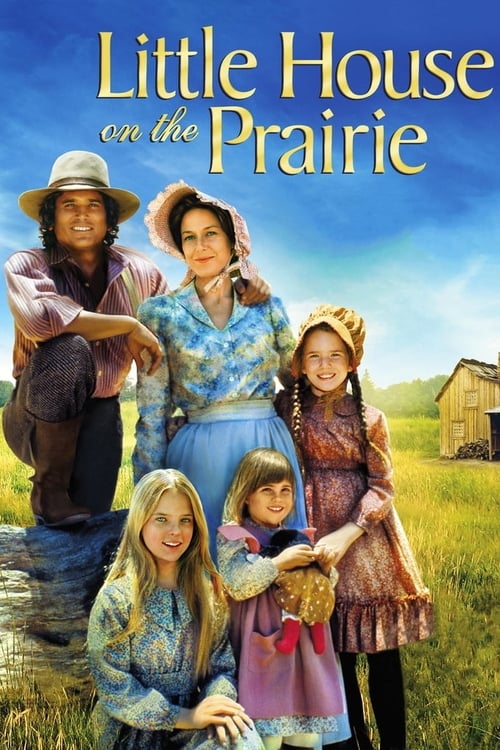
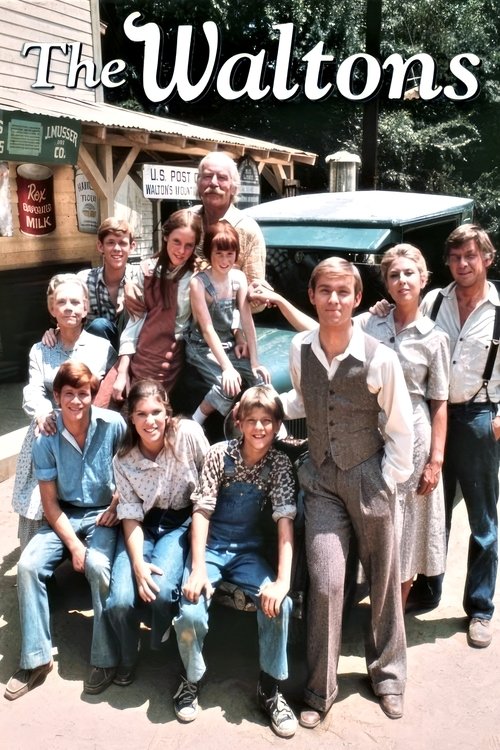









Warm, Wholesome, and Not Afraid to Be
Nothing ironic here. Just good stories that assume children are worth trusting.
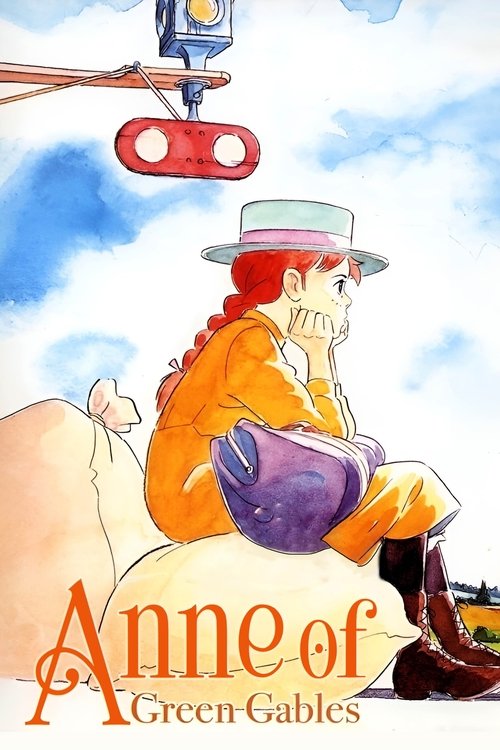
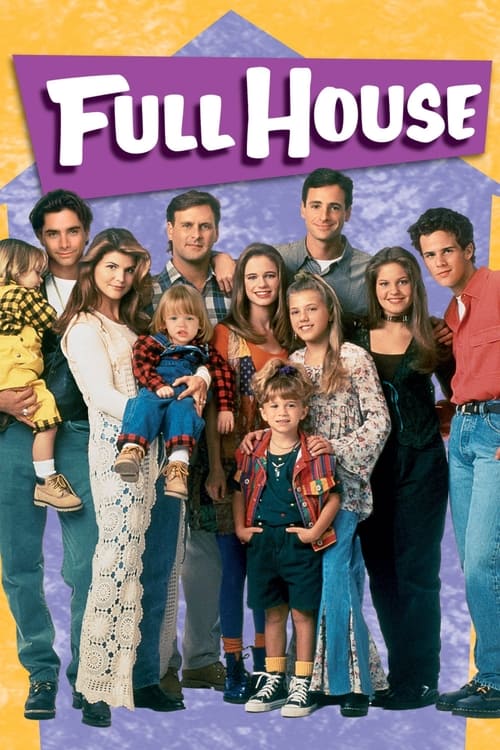

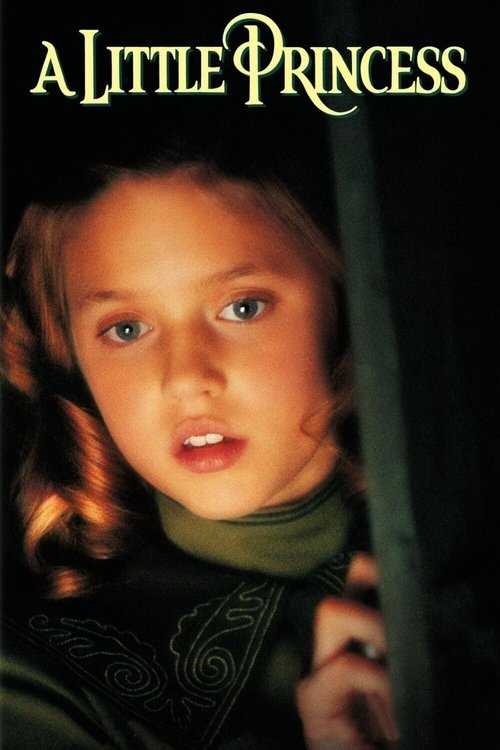

The perfect entry point is not the first book
The 1942 revised edition is perfect. But if you are reading Warner to a child who has just started chapter books, go straight to a mid-series entry where the family is already comfortable and the mystery is front and center. The origin story is great, but it is also the book where the children are most precarious, the undertone of need sharpest. The middle books have warmth without that edge. Start there, then circle back to the beginning once the child is already in love with the Aldens.
Stranger Things is the most faithful heir
The Duffer Brothers have said they grew up on Amblin films, but the show's real DNA is closer to Warner. A tight group of children who trust each other more than any adult, a central mystery that rewards close observation, and a tone that takes childhood friendship completely seriously. The Aldens would recognize the dynamics immediately. Mike Wheeler is essentially Henry Alden with a Dungeons and Dragons rulebook instead of a pocket watch.
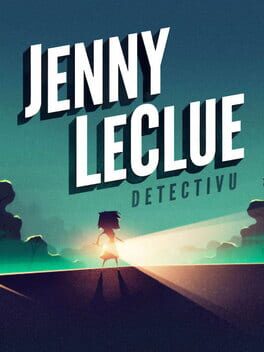
The underrated game in this space is Jenny LeClue
Jenny LeClue - Detectivu is a hand-drawn point-and-click mystery about a girl investigating a murder in her small town, complicated by the fact that she is literally a character in a book series written by an increasingly desperate author. That meta layer never undermines the actual mystery, which is genuinely clever and age-appropriate without being condescending. The note-taking, observation-based gameplay is exactly what Boxcar Children readers will feel at home in.
Stardew Valley is the spiritual successor for adults who grew up on these books
Warner's books are fundamentally about the pleasure of labor that produces visible results: you forage the berries, you find the tin cups, you have a home. Stardew Valley is built around the same loop, updated for the anxious adult who misses that feeling. You restore a neglected farm one season at a time, build relationships with neighbors, and turn a derelict plot into something genuinely lovely. The emotional register is nearly identical to the Alden children's satisfaction when they finally get the old boxcar in order.
How the Boxcar Children grew up
- 1924Warner writes the first draft of The Boxcar Children as a reading primer for her students The Boxcar Children
- 1942Scott Foresman publishes the revised version after initial rejections; it becomes a classroom staple
- 1953Warner begins the second book in the series after years of reader letters demanding more Alden adventures
- 1977Warner, well into her eighties, is still writing new Boxcar mysteries The Hardy Boys / Nancy Drew Mysteries
- 1979Warner dies at 89, having written the first 19 volumes of the series herself
- 1989Scholastic licenses the series; new authors carry it forward, eventually past 150 volumes
- 1995A direct-to-video animated film adaptation reaches a new generation of readers
- 2024A new generation discovers the books through school reading lists and audiobook platforms
Kid sleuths and found family
For Fans of Franklin W. Dixon
Explore the For Fans of Franklin W. Dixon guide →She did not write about children waiting to be saved. She wrote about children saving themselves, and each other, and that turned out to be the only story that mattered.CrossBinge editorial