
Funk is not a mood you choose. It is a physical argument made by a rhythm section that refuses to stop moving. It began in the mid-1960s when James Brown stripped his arrangements down to pure percussion-and-bass interlock, turned every instrument into a drum, and commanded his band to land on the One. What followed was a decade of invention: George Clinton and Parliament-Funkadelic pushed the groove into science fiction; Sly Stone broke it into psychedelia; Prince folded it into pop, rock, and R&B without losing a single ounce of feel. The hallmarks are consistent across all of them: syncopated bass lines that lock with the kick drum, brass stabs that function as percussion, and a guitarist chopping at chords rather than soloing. That architecture became the most-sampled musical tradition in history, forming the backbone of hip-hop, house, drum and bass, and neo-soul. Following funk means following the pulse that runs underneath almost all contemporary popular music.
Essential Funk
The records that define the genre, from its founding texts to its grandest statements
The Groove on Film
Documentaries and concert films that put you inside the machine
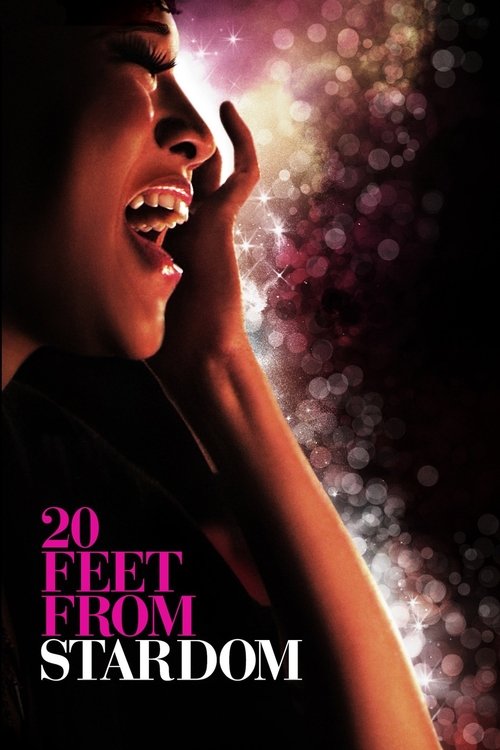
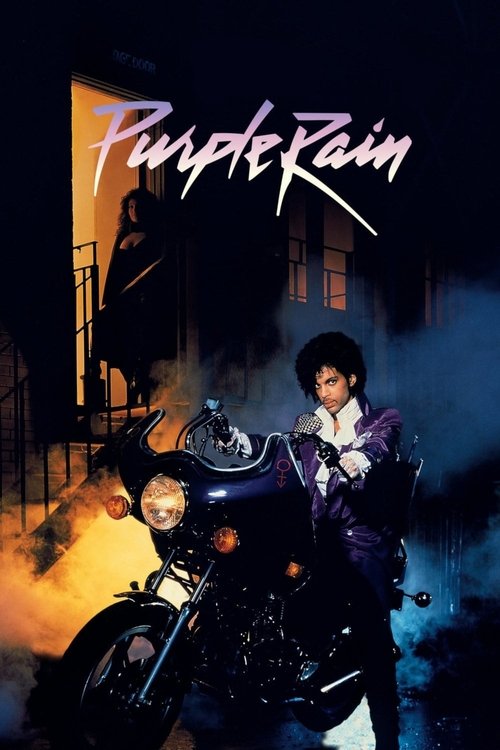
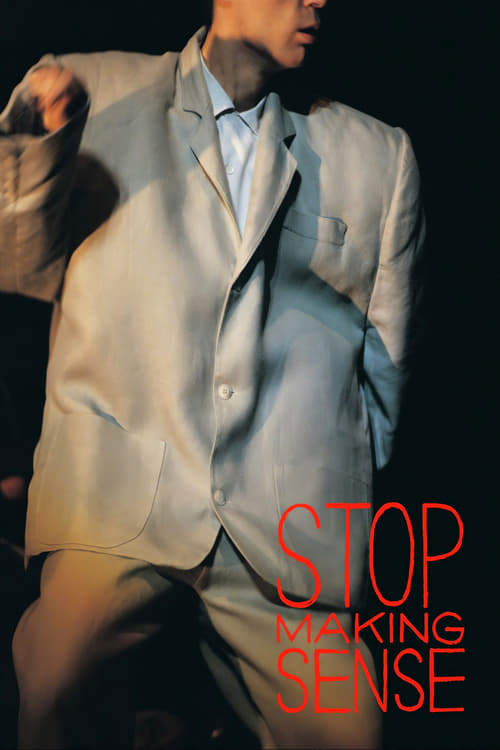
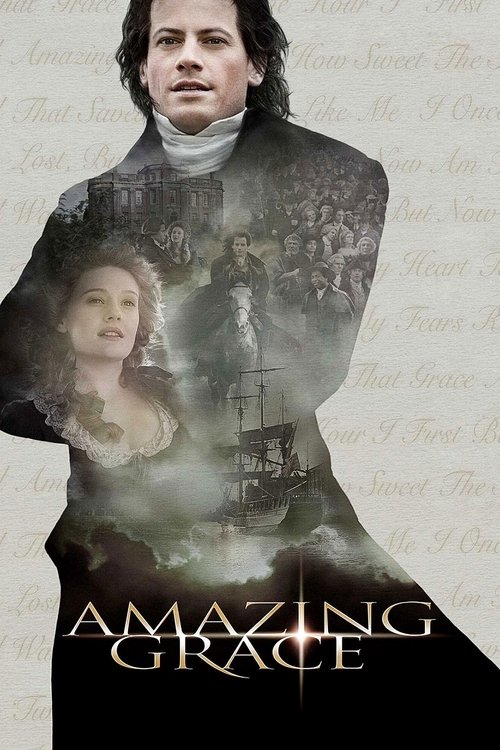
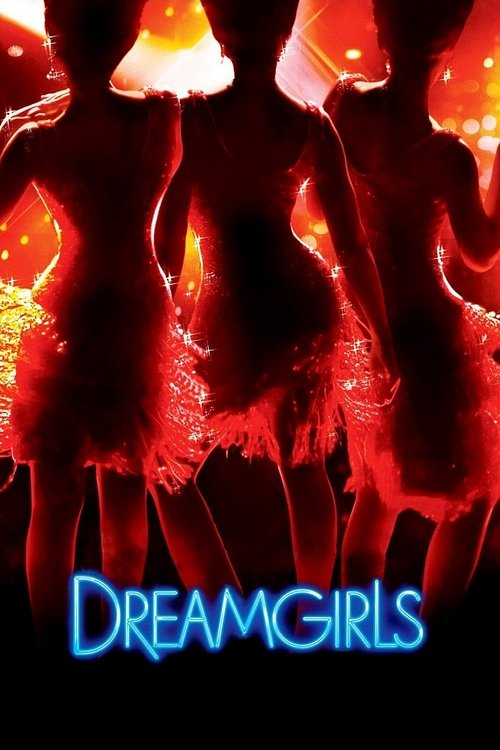
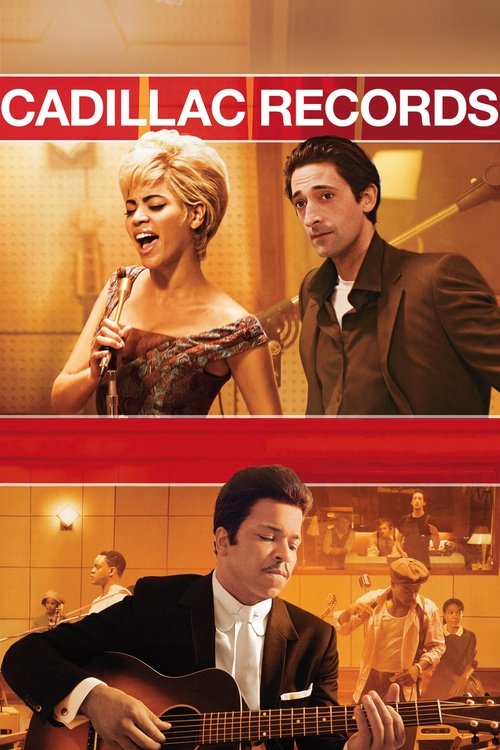
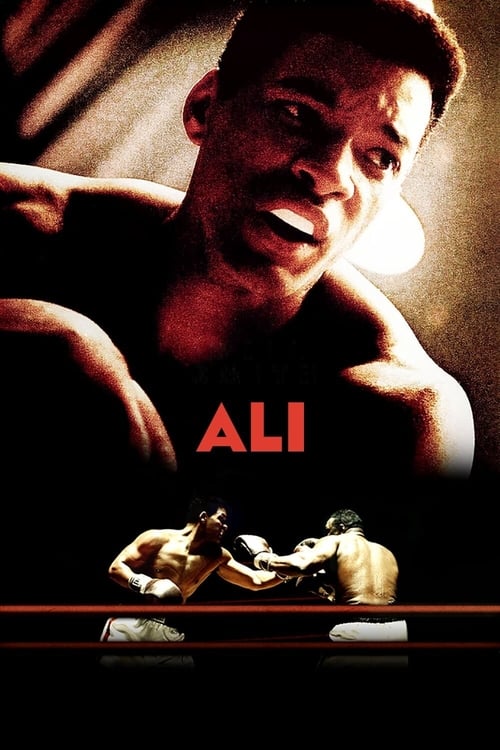
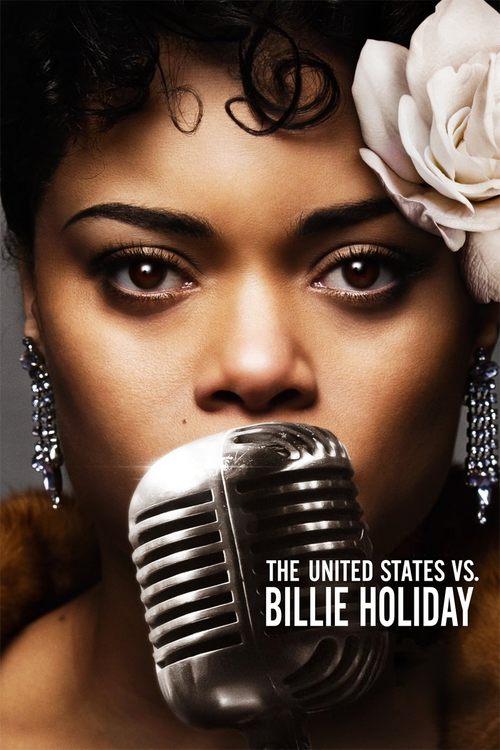
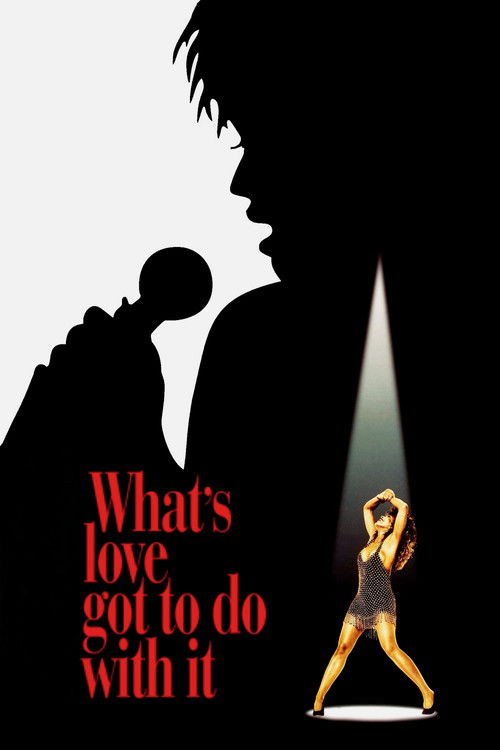
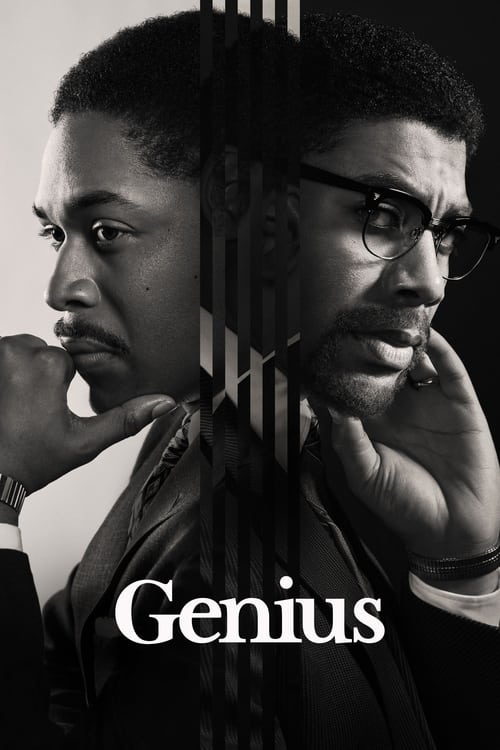
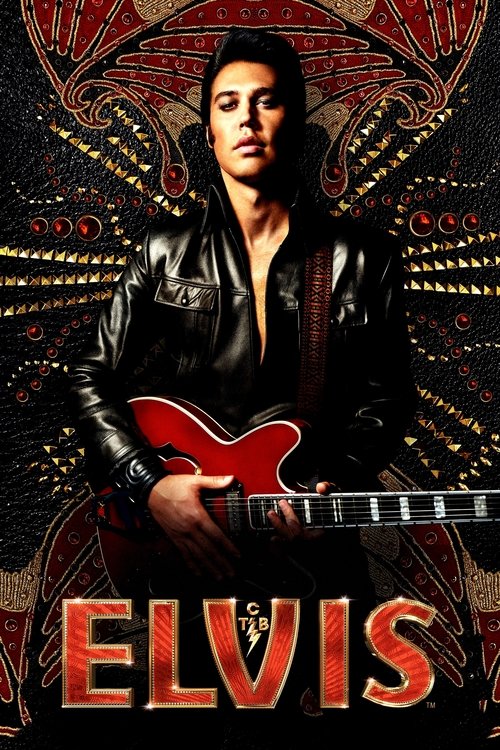
Stories of the Sound: Biopics and Music Dramas
Films and series that live inside the world of Black American music and the artists who shaped it

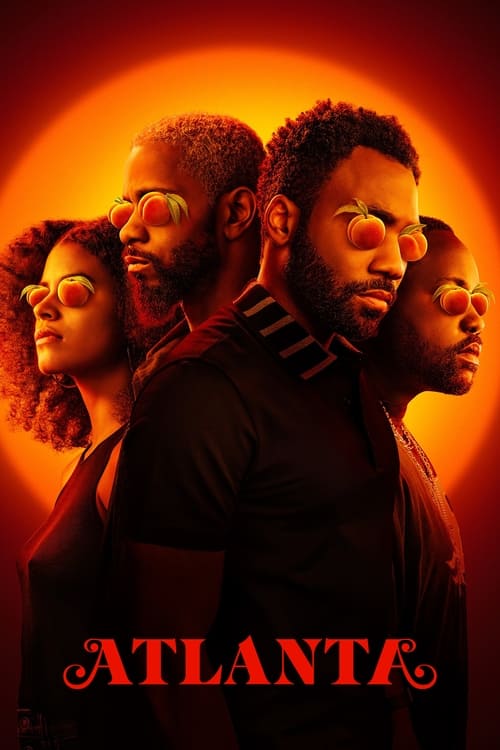
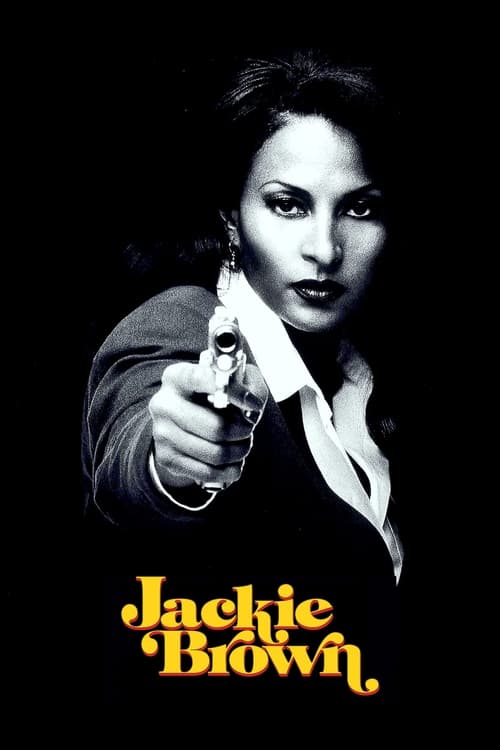
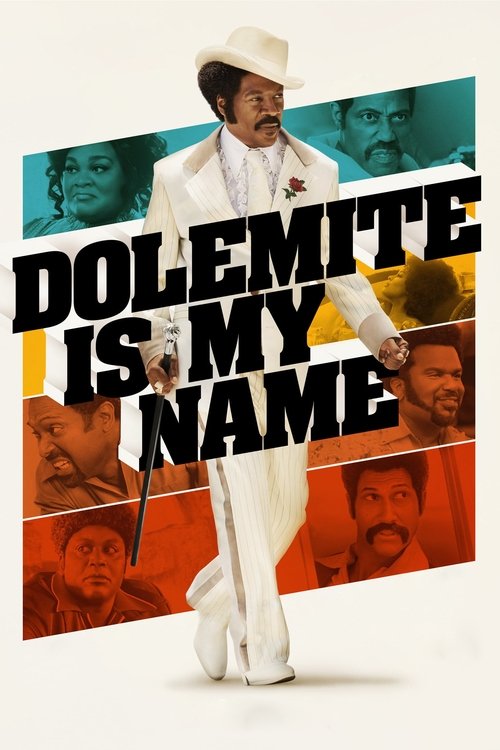
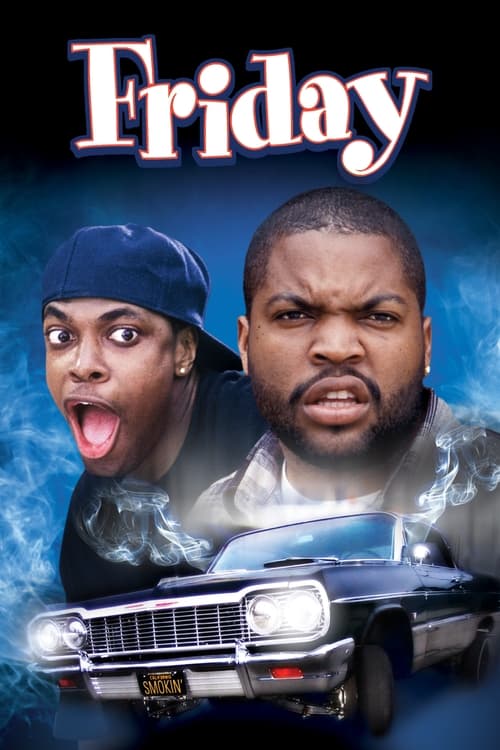
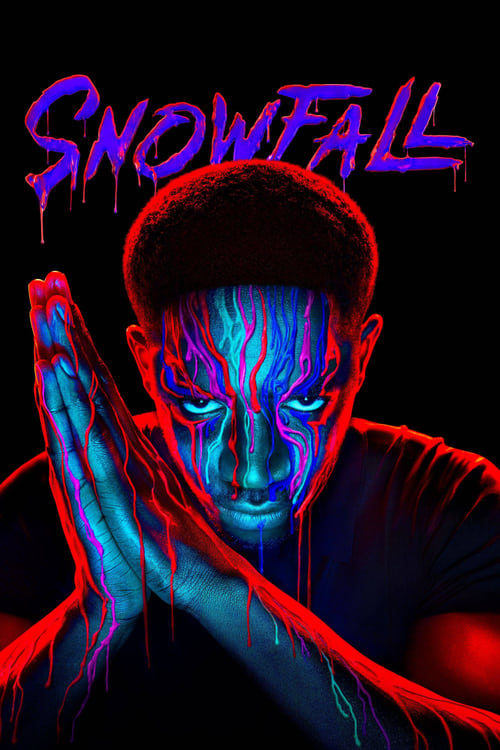
Same Energy, Different Screen
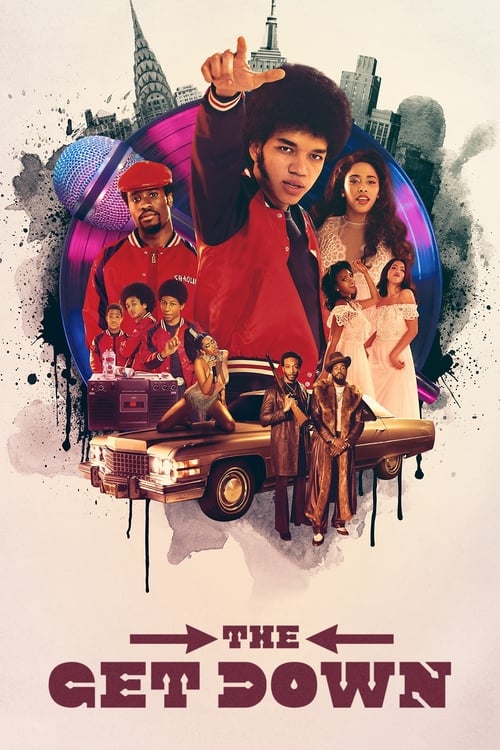
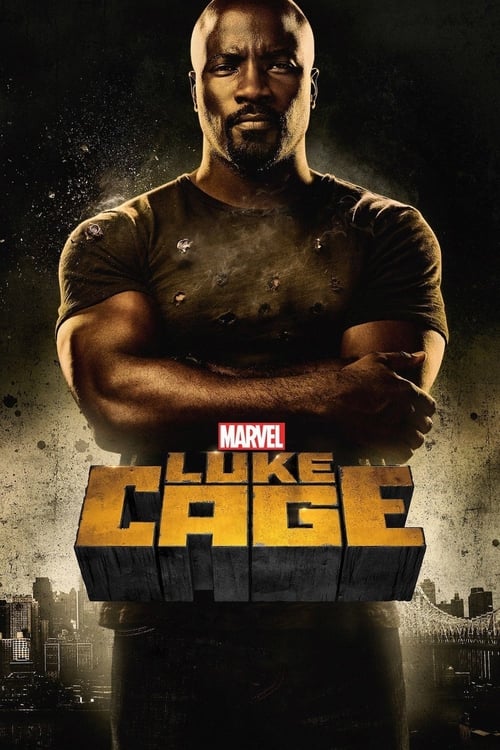
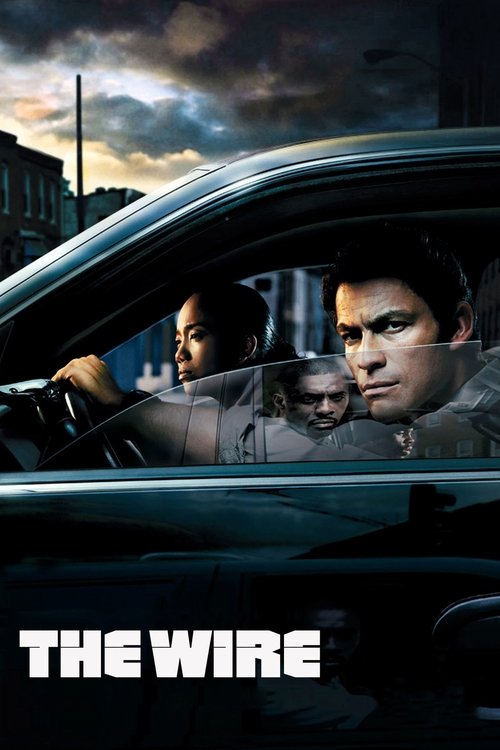
Series and films carrying the looseness, physicality, and swagger of the funk era
Rhythm Games and Music in Play
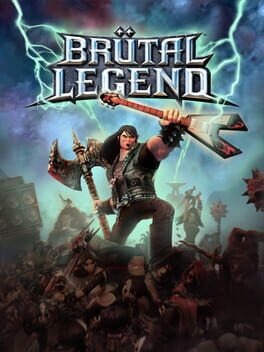
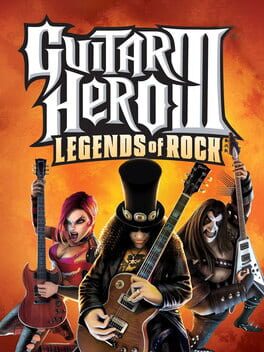
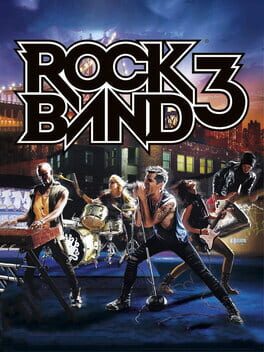
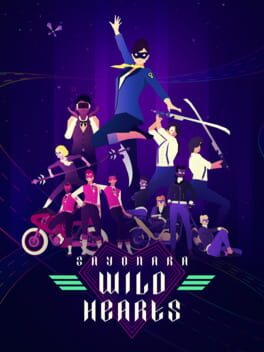
Games built on the groove, or ones that let you live inside the beat
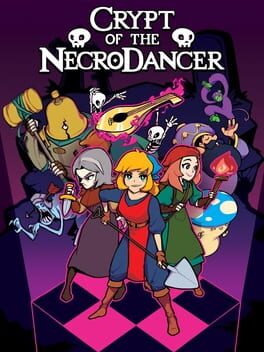
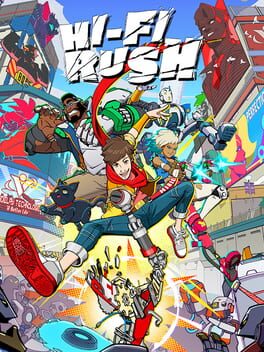
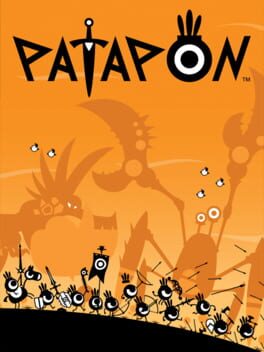
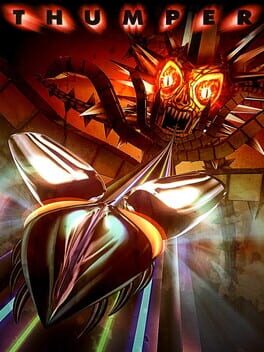
Books That Understand the Groove
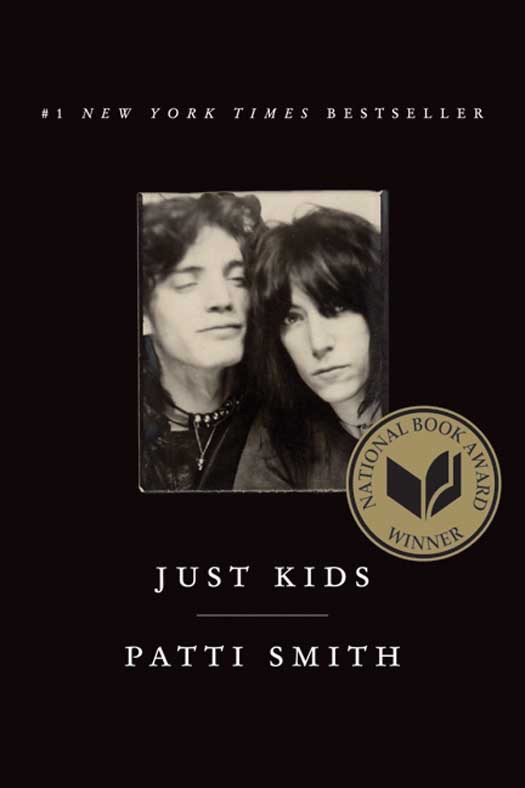
Music writing and fiction for readers who want words that move like a rhythm section


James Brown Invented a New Way for Music to Work
Before James Brown, rhythm sections supported melodies. After him, rhythm was the point. On records like 'Funky Drummer' and 'Sex Machine,' the groove is not the vehicle for the song; the groove is the song. Every horn player, every guitarist, every singer becomes a percussionist. This inversion is the hinge that everything after it swings on: hip-hop producers sampling JB breaks, house producers building kicks around his template, neo-soul vocalists phrasing against the pulse rather than with it.
Parliament-Funkadelic Built a Mythology Around the Groove
George Clinton understood that great funk needed a world to live in. The P-Funk mythology, with its Mothership, its Dr. Funkenstein, its battles between the Bop Gun and Sir Nose D'Voidoffunk, gave audiences a cosmology as elaborate as any science fiction universe. It was absurdist, political, and ecstatic at the same time. No other genre in American music produced a mythology this detailed while also producing this many indispensable dance records.
Prince Was the Last True Classicist of Funk
By the early 1980s, funk had fragmented. Prince pulled it back together. He absorbed James Brown's band discipline, Sly Stone's studio experimentation, and George Clinton's conceptual ambition, then recorded almost every instrument himself. 'Sign O' the Times' and 'Purple Rain' are demonstrations of total fluency: he could slow the groove to almost nothing, or lock it into overdrive, and the feeling never left. When he played guitar over a funk foundation, the interplay between lead line and rhythm was as compositionally precise as Bach.
Hip-Hop Kept Funk Alive When Radio Abandoned It
When disco collapsed and funk dropped off radio playlists, hip-hop producers in New York and Los Angeles were already mining its archives. From Afrika Bambaataa looping Kraftwerk over JB breaks to Dr. Dre rebuilding Parliament riffs into G-funk, the tradition survived through sampling. Kendrick Lamar's 'To Pimp a Butterfly' proved the line had never broken: live Thundercat bass lines, Kamasi Washington horns, and arrangements that are structurally indistinguishable from the great 1970s records.
Funk: A Timeline of the Groove
- 1965James Brown releases 'Papa's Got a Brand New Bag,' marking the first fully realized funk single.
- 1968Sly and the Family Stone release 'Dance to the Music,' fusing funk with psychedelia and political optimism.
- 1971Funkadelic's 'Maggot Brain' extends the genre into ten-minute electric guitar psychedelia. Maggot Brain
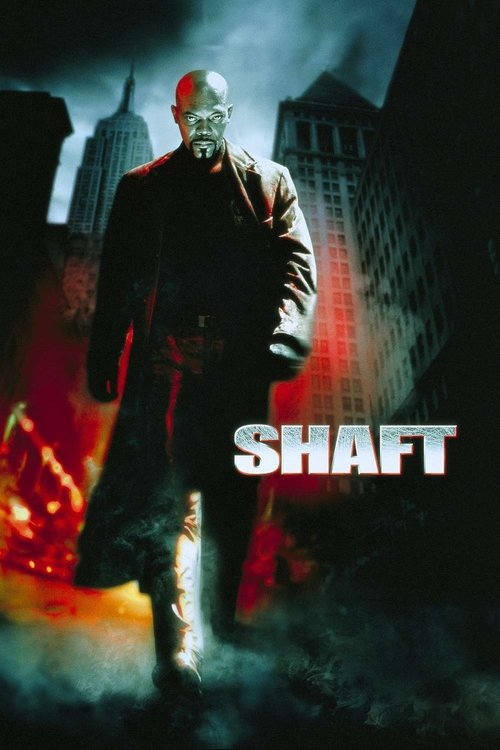
- 1971Isaac Hayes' 'Shaft' soundtrack brings funk orchestration to Hollywood. Shaft
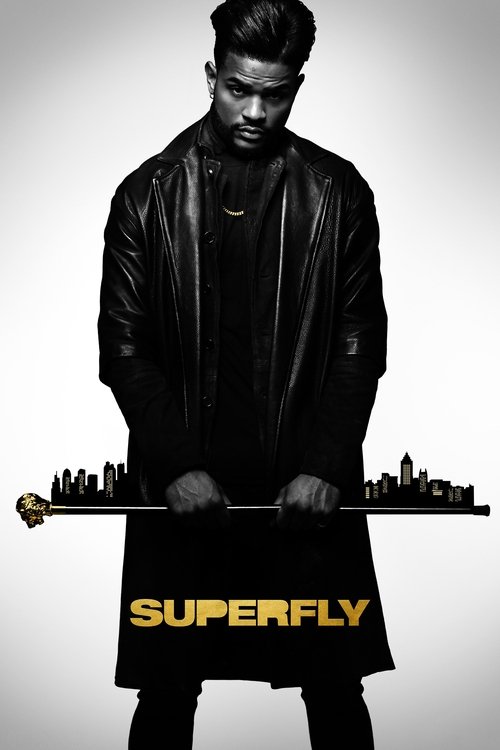
- 1972Curtis Mayfield's 'Superfly' soundtrack politicizes the street groove. SuperFly
- 1975Parliament releases 'Mothership Connection,' building the P-Funk mythology at its peak. Mothership Connection
- 1977Funkentelechy vs. the Placebo Syndrome delivers the P-Funk cosmology at its most conceptually complete.
- 1984Prince's 'Purple Rain' proves funk can anchor a blockbuster film and a career-defining album simultaneously. Purple Rain
- 1987'Sign O' the Times' becomes the genre's most complete solo statement. Sign “☮︎” the Times
- 1998Outkast's 'Aquemini' fuses Atlanta hip-hop with deep Southern funk roots. Aquemini
- 2000D'Angelo's 'Voodoo' revives the live-band groove for the neo-soul era. Voodoo
- 2015Kendrick Lamar's 'To Pimp a Butterfly' reactivates the full-band funk tradition for a new generation. To Pimp a Butterfly
- 2021Questlove's 'Summer of Soul' brings the 1969 Harlem Cultural Festival to global audiences, recontextualizing the era.
More Grooves and Funk Pioneers
For Fans of James Brown
Explore the For Fans of James Brown guide →You've got to feel it in your feet, in your chest, in the small of your back. The groove is not an idea. It is a fact.George Clinton