
Grave of the Fireflies (1988) does one specific thing almost no war film dares: it refuses to show you the war. Director Isao Takahata places two orphaned siblings — teenage Seita and four-year-old Setsuko — at the fringe of the Pacific theater, and lets the machinery of conflict grind them down from a distance. The film is not about heroism or ideology. It is about hunger, pride, a tin of fruit drops, and the gap between what a fourteen-year-old boy can do and what the world asks of him. What fans chase here is a quality of grief that feels earned rather than manufactured: intimate scale, unsparing honesty, and an emotional register that stays with you long after the screen goes dark.
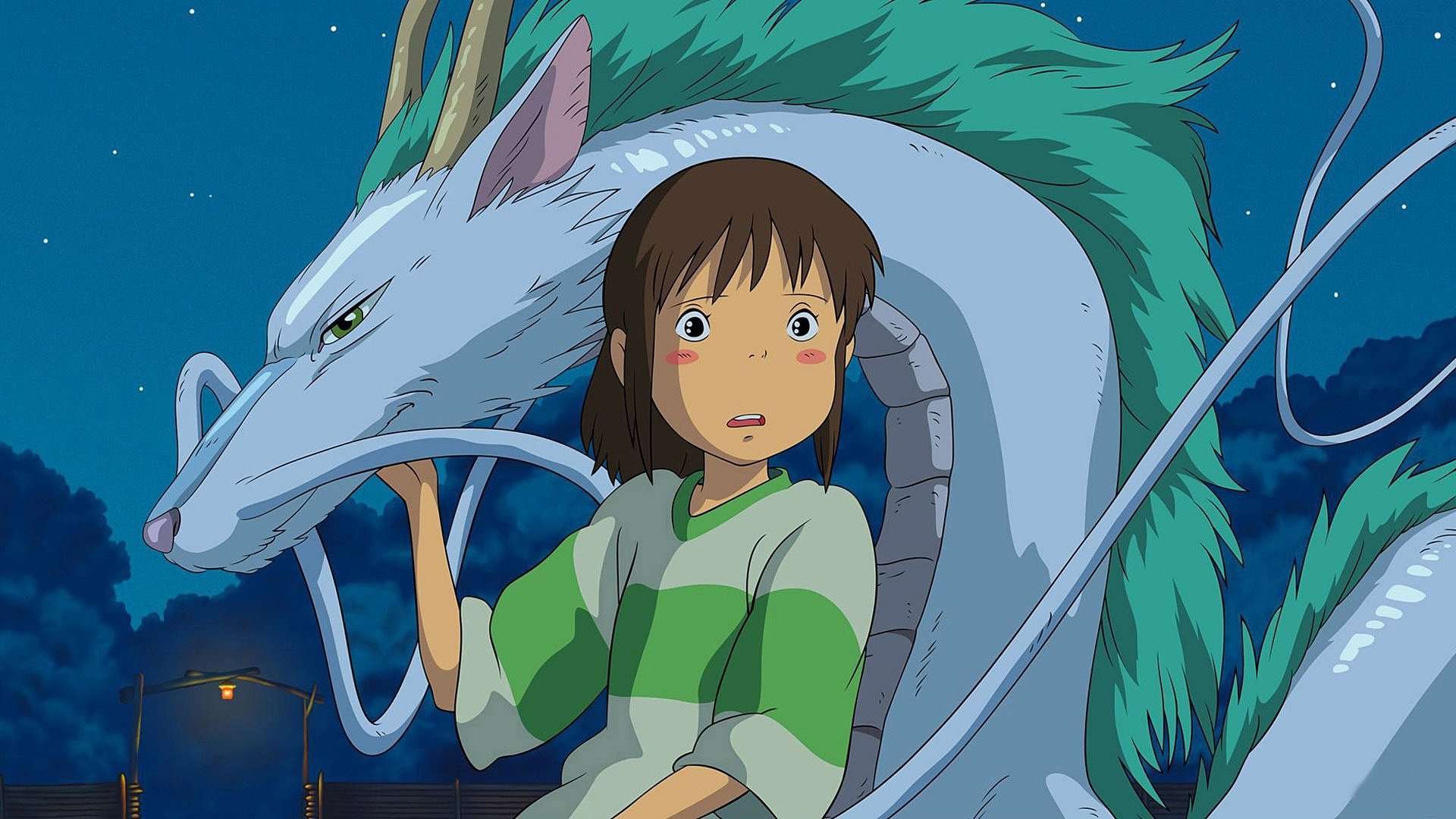
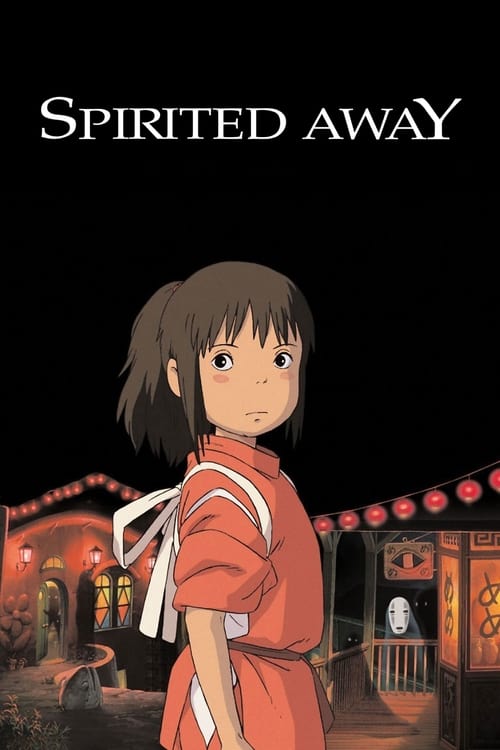
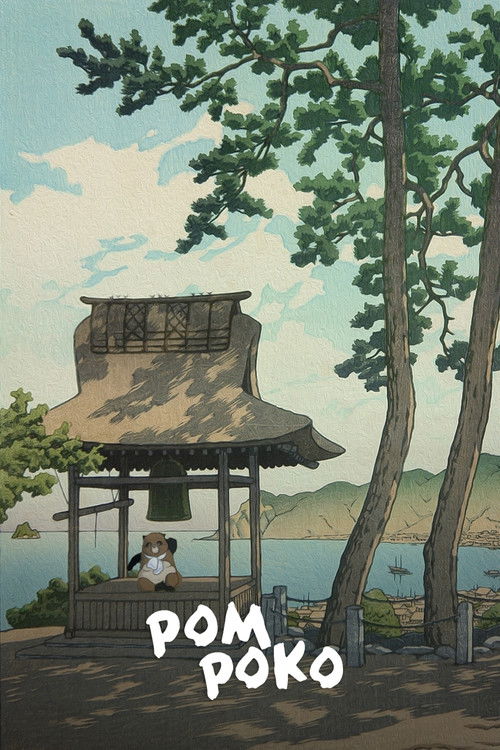
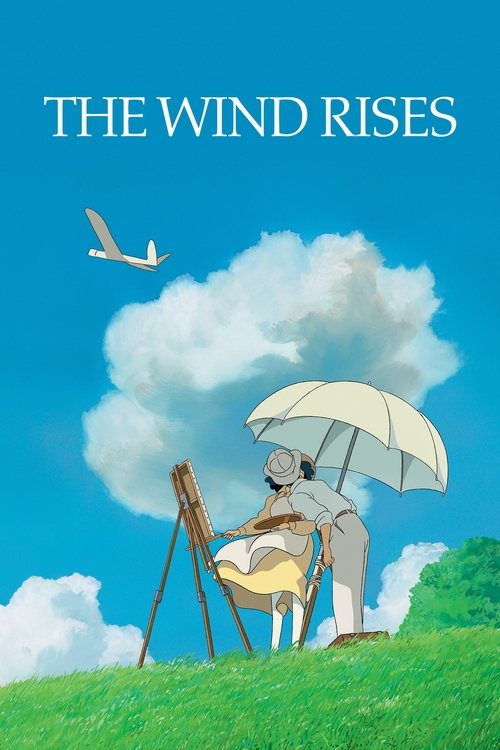
Essential Studio Ghibli: The Films That Changed Animation
The films from Takahata and Miyazaki that prove animation is not a genre — it is a medium for serious human stories.
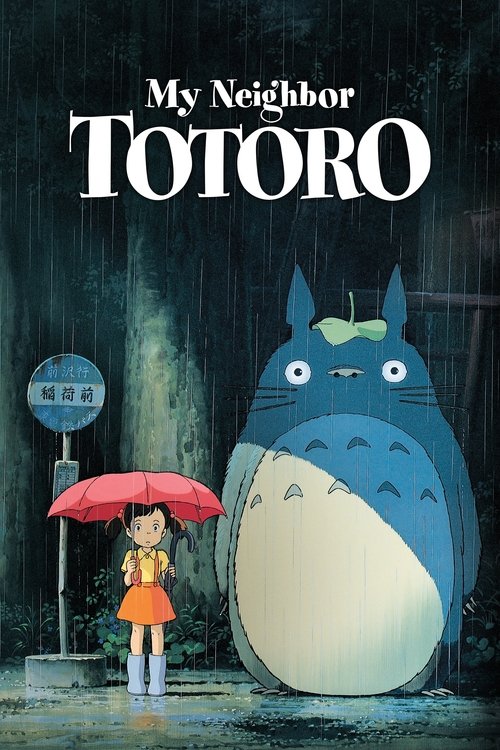
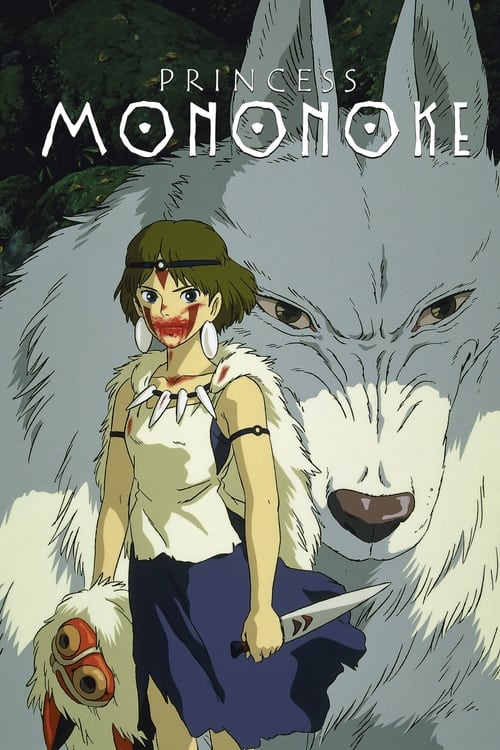
If You Love Grave of the Fireflies: Films That Honor Ordinary Victims of War
Live-action and animated films that center civilians, children, and the cost of conflict on people who never chose it.
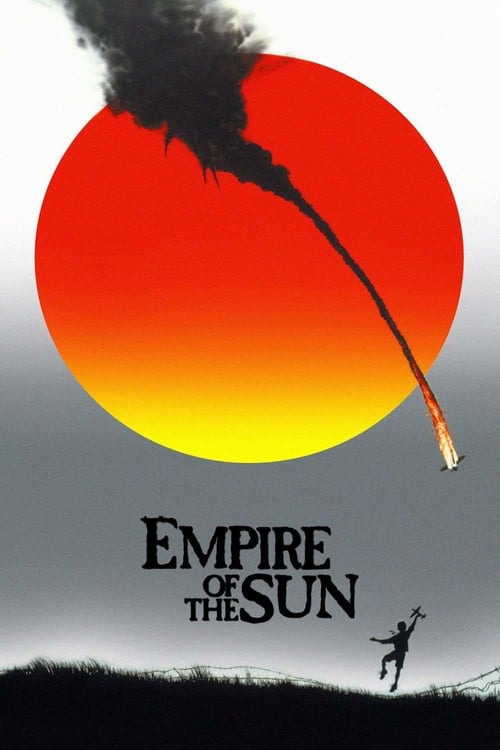

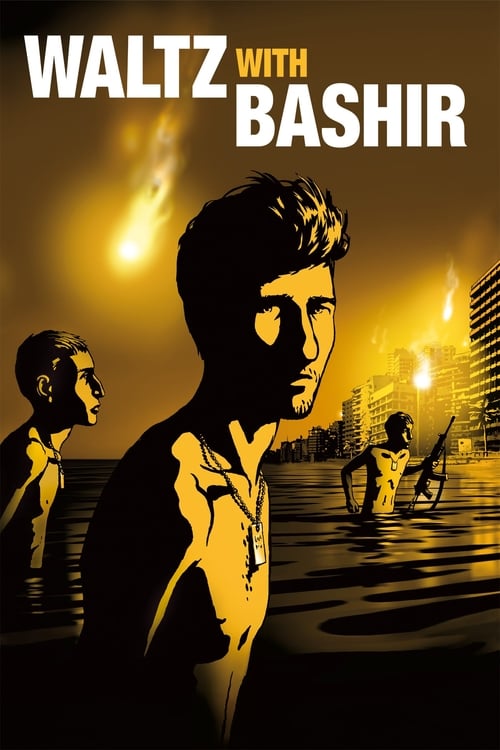
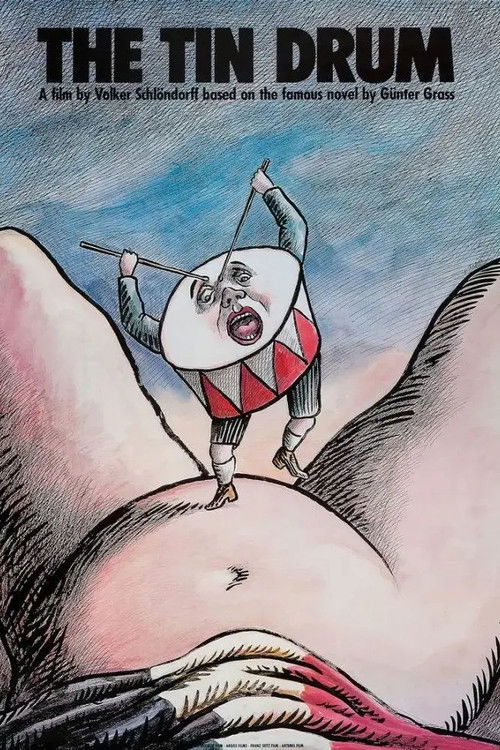
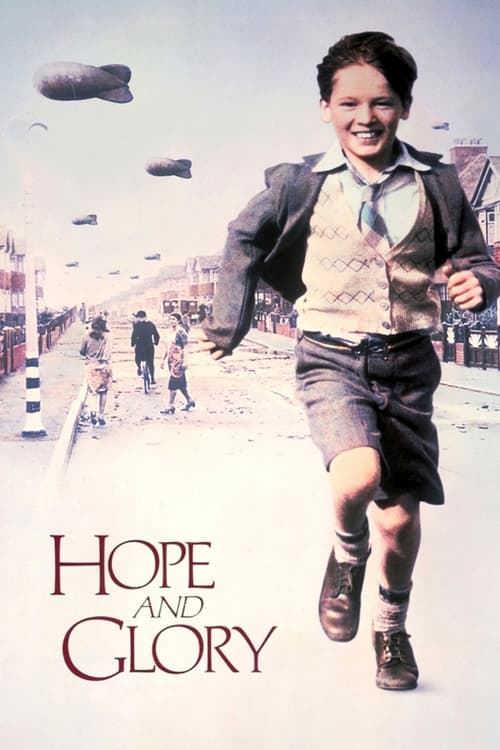
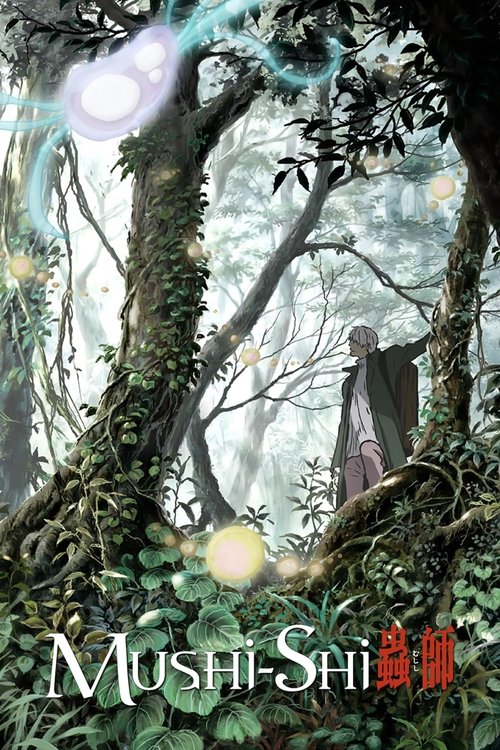
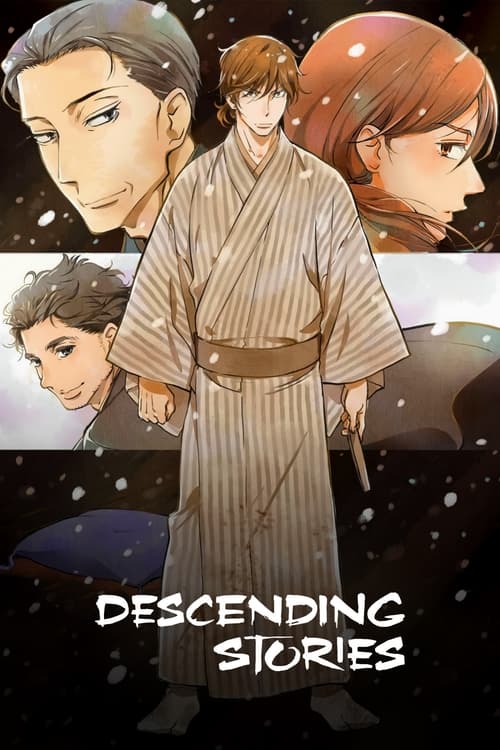
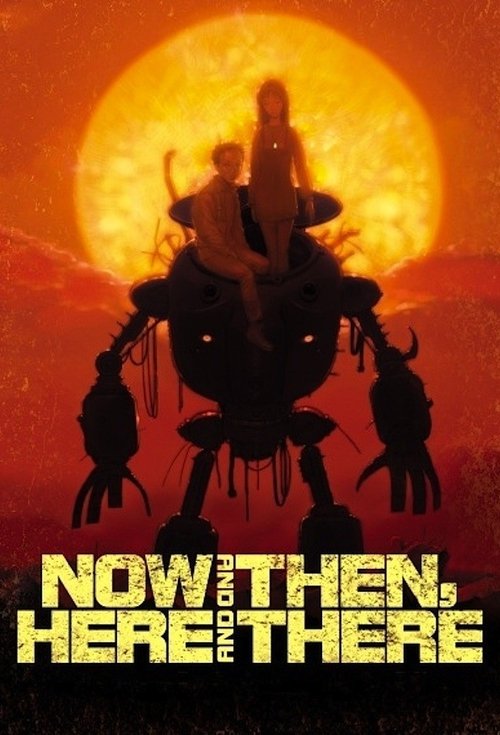
If You Love Grave of the Fireflies: Series Built Around Survivors, Not Soldiers
Television that keeps the camera on the people caught in history rather than the people making it.
If You Love Grave of the Fireflies: Novels That Refuse to Look Away
Books that put children or ordinary families at the center of historical catastrophe, with the same refusal to soften the truth.


If You Love Grave of the Fireflies: Games That Carry the Weight of Loss
Games where the emotional core is grief, survival under pressure, or the impossible choices of people with no good options.


Isao Takahata Is Animation's Great Realist
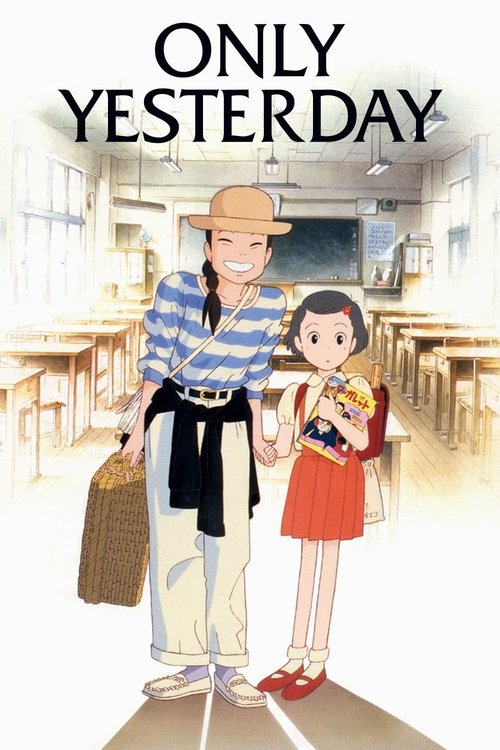
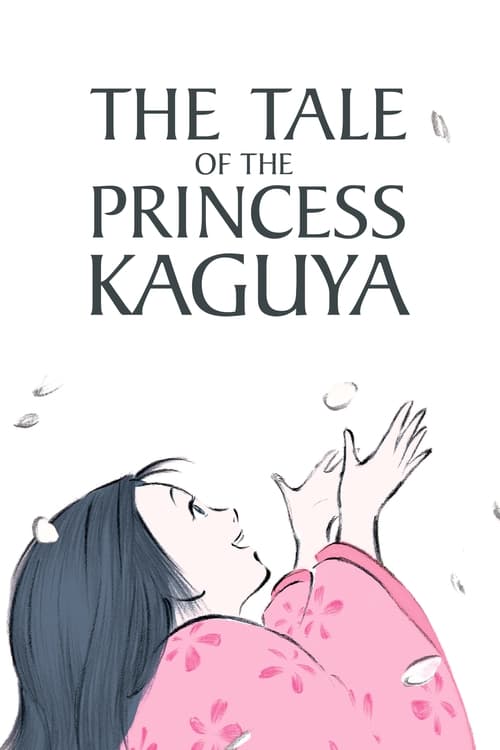
Hayao Miyazaki gets the global spotlight, but Isao Takahata made the more formally demanding films. Where Miyazaki builds worlds of wonder, Takahata dismantles comfortable distance. Only Yesterday (1991) is a meditation on memory and choice that most live-action directors would be afraid to attempt. The Tale of the Princess Kaguya (2013) uses rough, ink-wash animation to tell a story about the cost of beauty and belonging. Grave of the Fireflies is the most devastating of his works, but it belongs to a body of art that insists animation can hold the full weight of adult life.
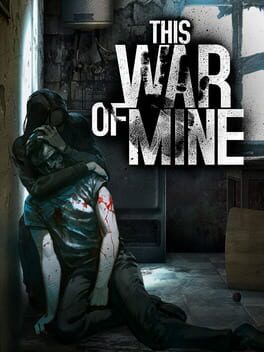
This War of Mine Is the Closest a Game Has Come to This Feeling
Most war games put you behind a rifle. This War of Mine (2014) puts you in a basement with a group of civilians trying to survive a siege. Resources are scarce, decisions are moral, and the game makes you feel the weight of every choice: do you steal from a starving old couple to feed your own group? The visual style is monochromatic sketches, the sound design is muffled and claustrophobic, and the emotional throughline is exactly what Grave of the Fireflies articulates: war is not won or lost by the people it destroys most completely.
Come and See Shares the Same Moral Seriousness
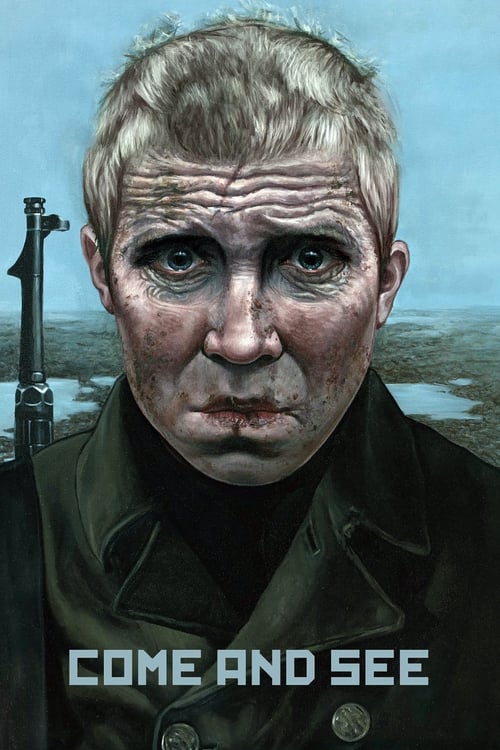
Elem Klimov's Come and See (1985) is the live-action film that occupies the same ethical space as Grave of the Fireflies. Both follow a young person through wartime atrocity, both refuse catharsis, and both leave the audience without the comfort of a lesson. Klimov shot the film in sequence so his lead actor aged visibly on camera. The result is a portrait of innocence destroyed that is every bit as precise and unsparing as Takahata's animation. They are companion pieces across different mediums.
A History of War Told Through Civilian Eyes
- 1959Astrid Lindgren publishes Mio, My Son, one of the earliest postwar children's books to encode grief and loss into fantasy adventure
- 1967Akiyuki Nosaka publishes the autobiographical short story Grave of the Fireflies, a self-indictment for his sister's wartime death
- 1985Elem Klimov releases Come and See, the Soviet war film that follows a Belarusian boy through Nazi atrocities with no heroic escape Come and See
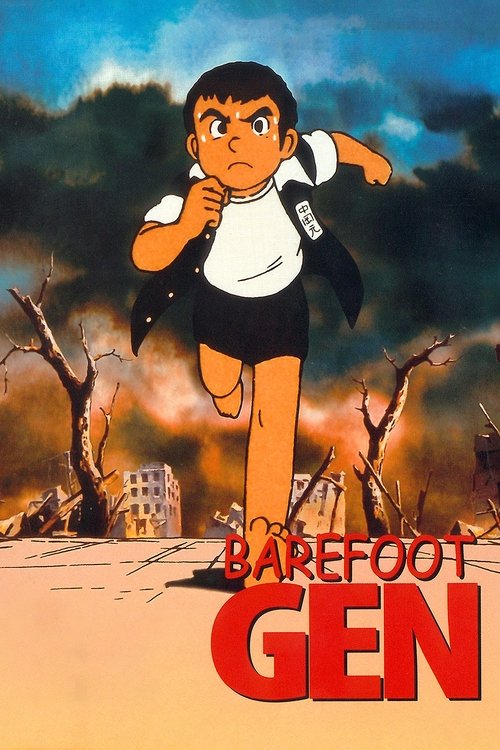
- 1983Barefoot Gen is released, depicting the Hiroshima bombing from a child's perspective in graphic animated detail Barefoot Gen
- 1988Isao Takahata adapts Nosaka's story as Grave of the Fireflies, released as a double feature with My Neighbor Totoro Grave of the Fireflies
- 2014This War of Mine launches, the first major game to center civilian survival in a wartime siege This War of Mine
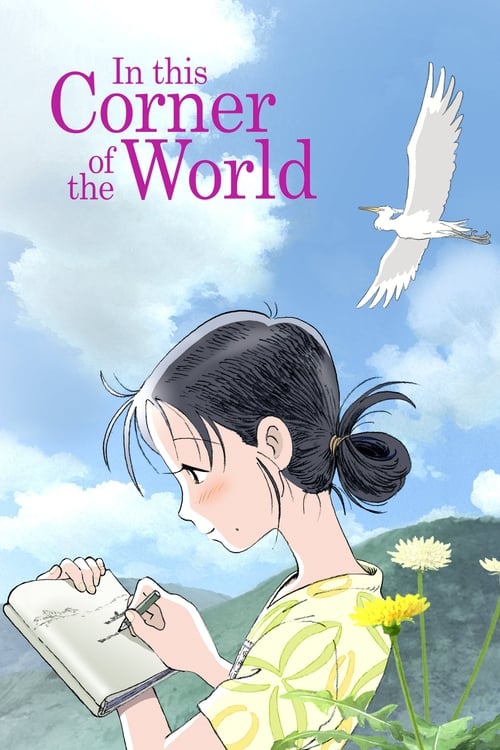
- 2016In This Corner of the World brings the same intimate civilian perspective to a story of life in Hiroshima leading up to the bombing In This Corner of the World
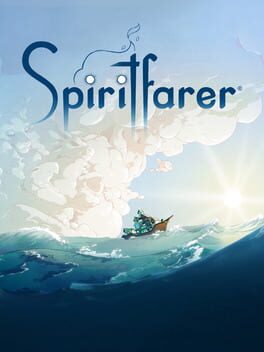
- 2019Spiritfarer begins development, a management game about grief and letting go that shares Grave of the Fireflies's emotional core Spiritfarer
War, loss, and Ghibli tenderness
For Fans of Studio Ghibli
Explore the For Fans of Studio Ghibli guide →A film that begins with its ending and still manages to devastate you completely — because war does not become more bearable when you see it coming.CrossBinge editorial