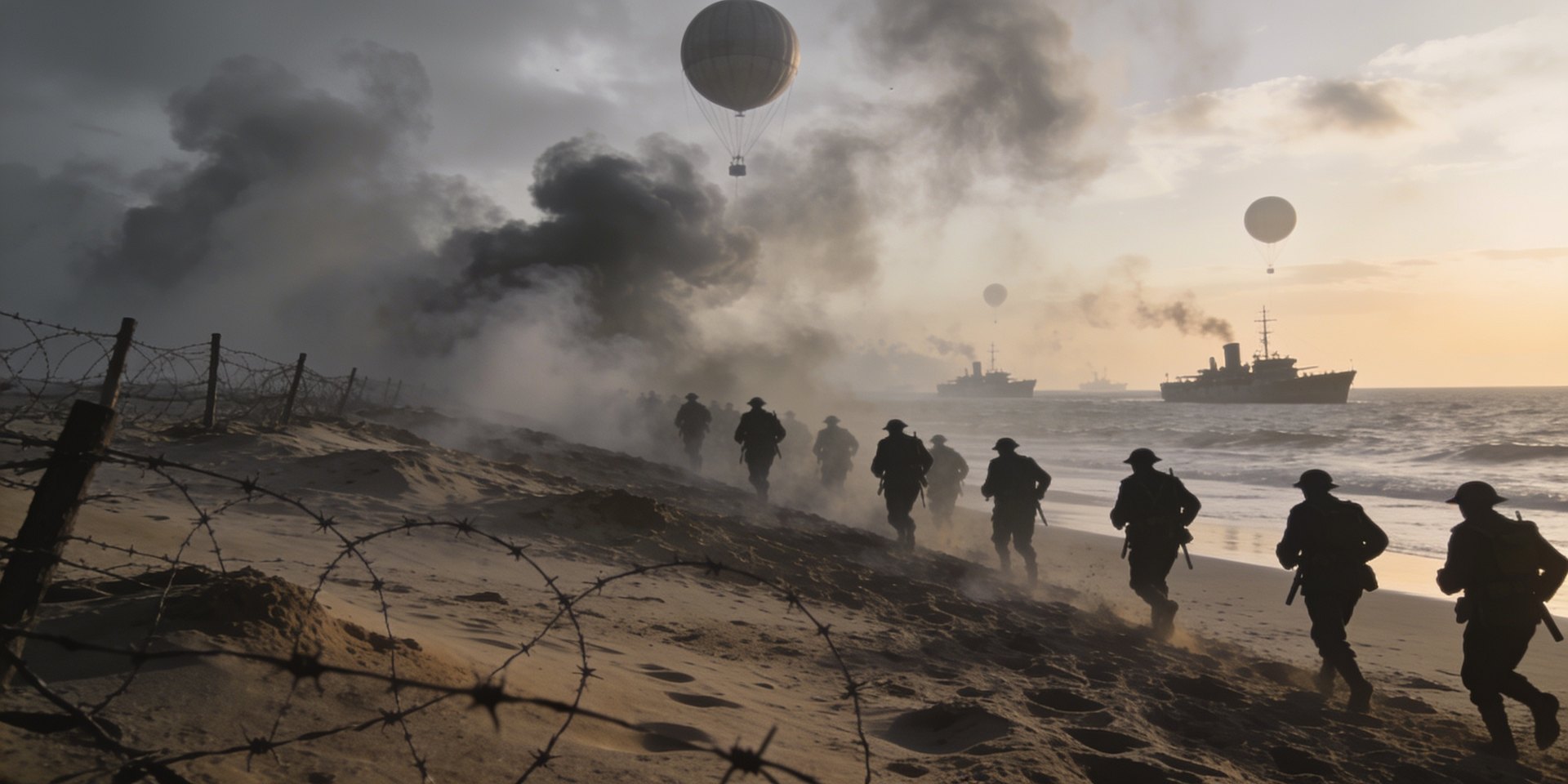

No event has been retold across more screens and pages than the Second World War, and for good reason: it remains the great moral reckoning of the modern age, the last war the West agreed to call necessary, and a bottomless source of stories about courage, atrocity and survival. The genre spans the unbearable and the heroic, from the gates of the death camps to the sand of Omaha Beach, and the best of it never lets the spectacle erase the cost. Behind every storming of a position is a young person who is never going home.
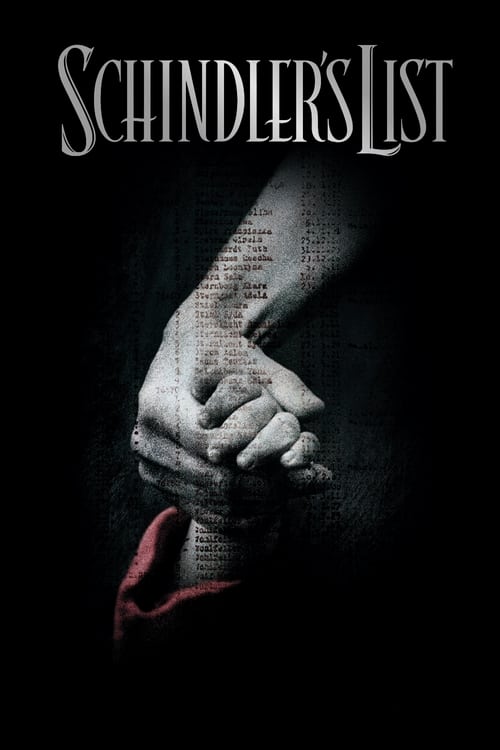
From the solemn weight of Schindler's List to the brotherhood of a single airborne company, the war endures in fiction because it asks the questions that never stop mattering: what would you have done, and at what price?
Essential World War II
Combat, the Holocaust, resistance, and the home front, from Normandy to the Pacific.
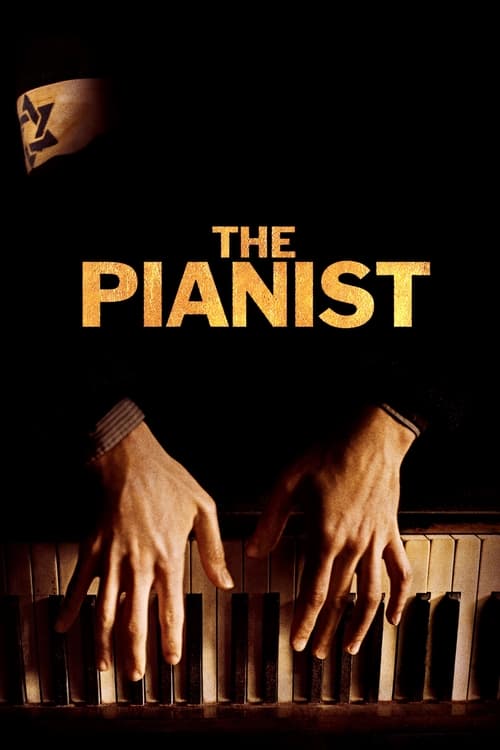
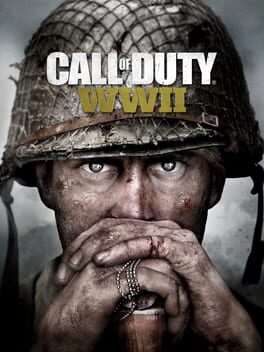

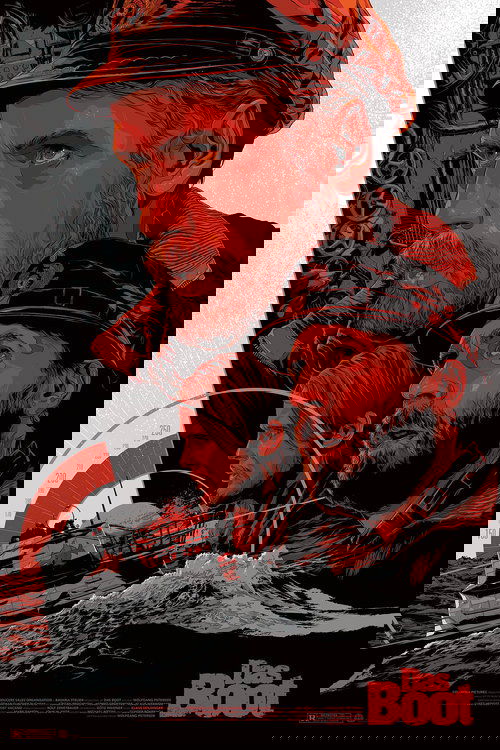
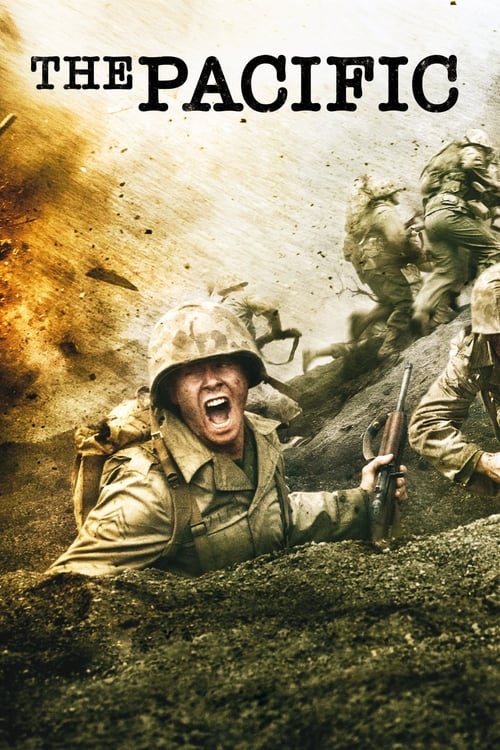
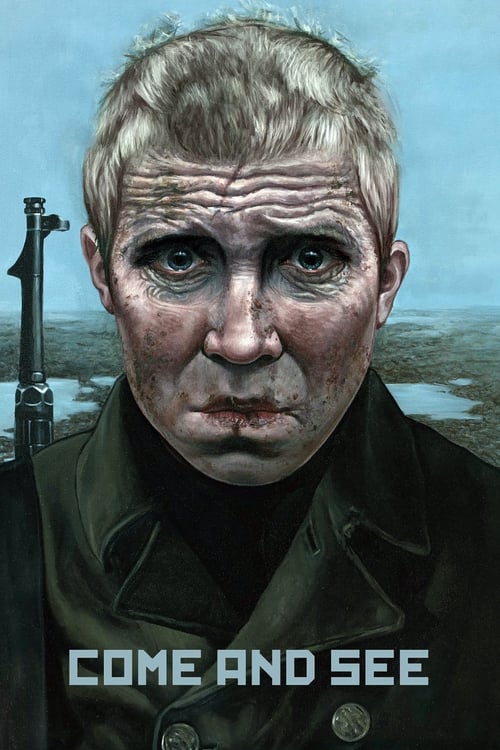

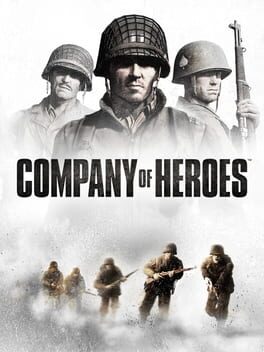
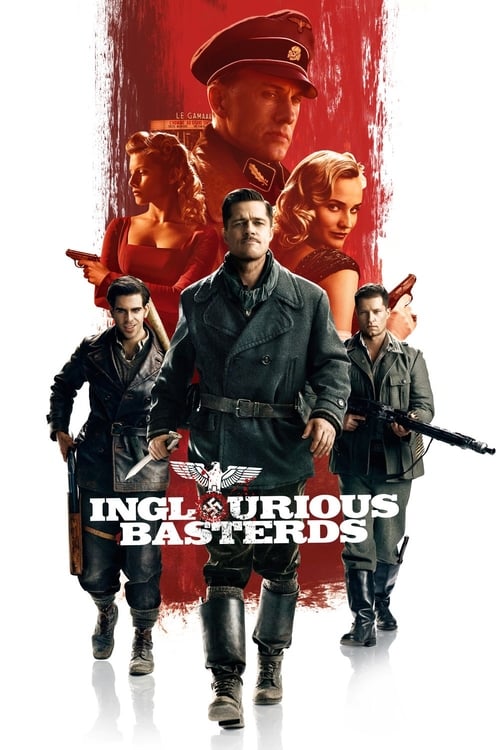
The scale is the story, and so is the single soldier
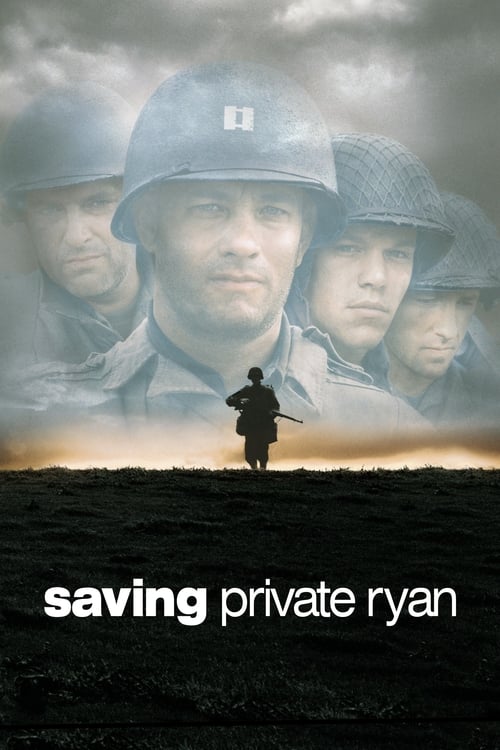
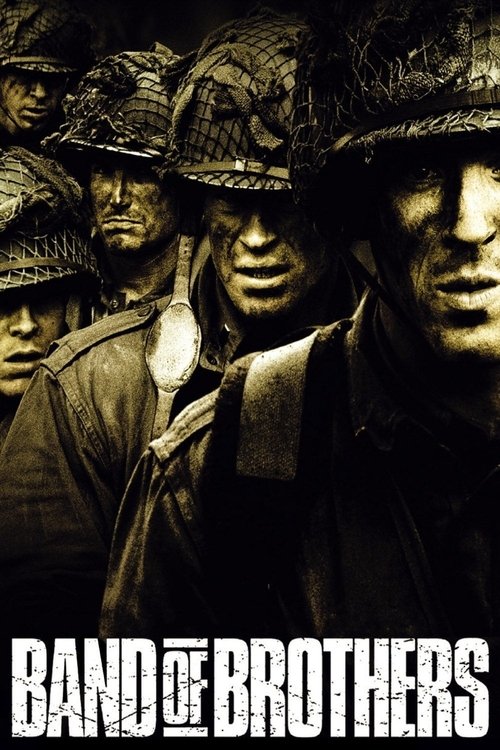
The finest WWII stories hold two scales at once: the continent-spanning catastrophe and the one frightened person inside it. Saving Private Ryan and Band of Brothers earn their epic sweep precisely because they never lose the individual, the squad, the name, in the noise.
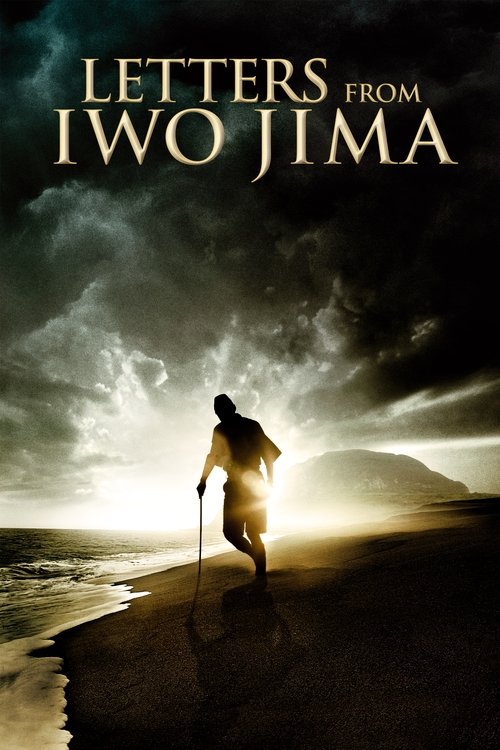
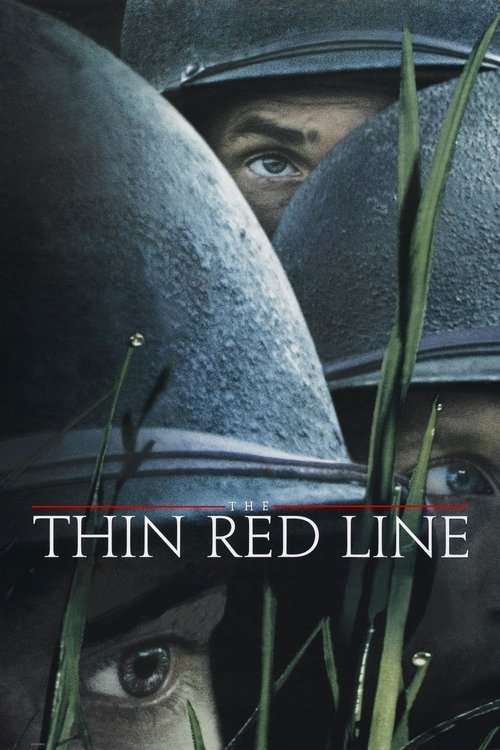
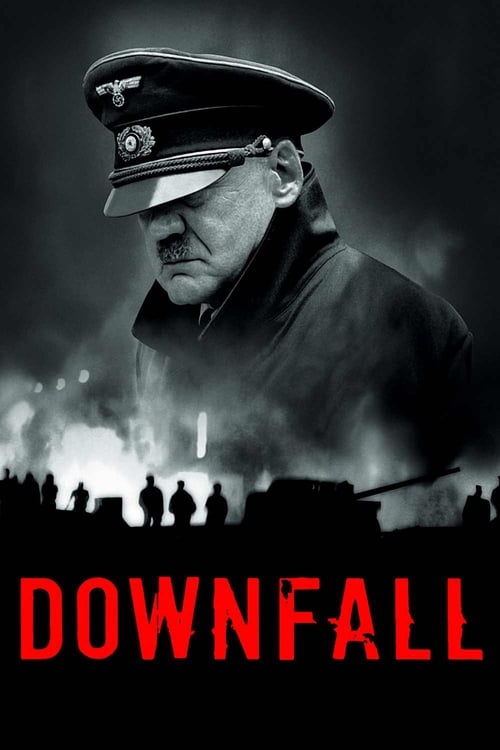
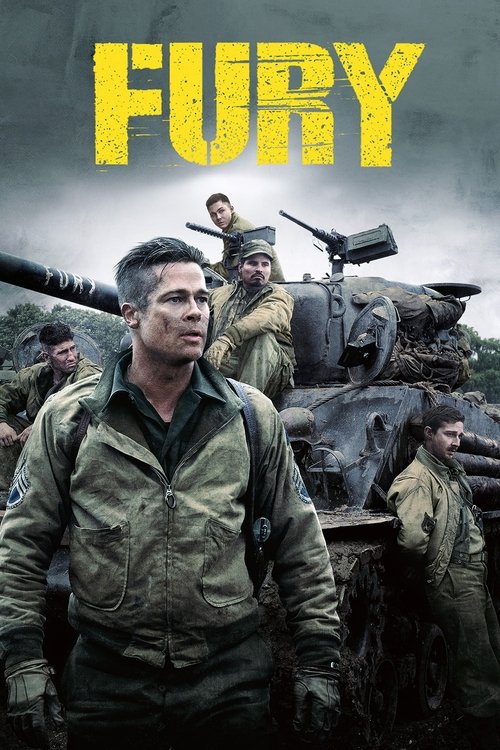
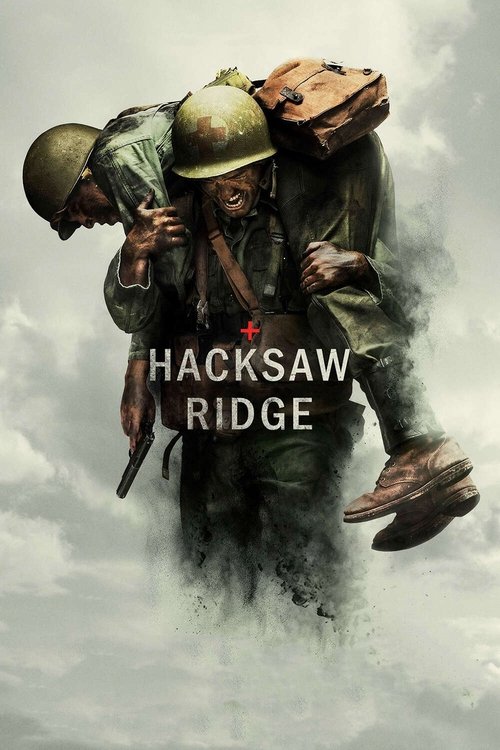
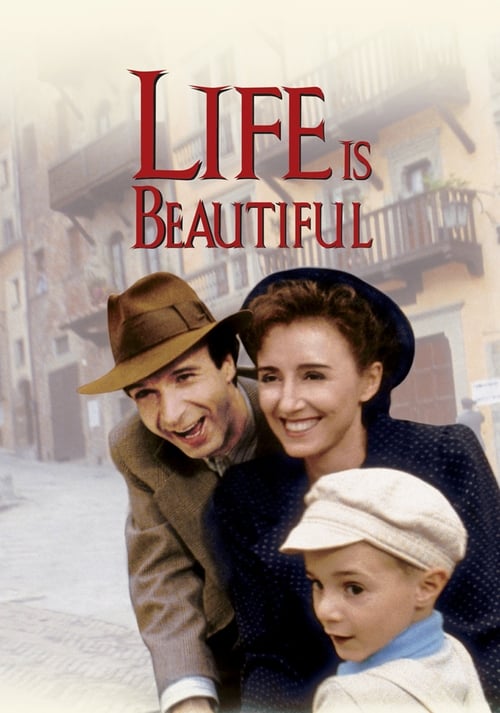
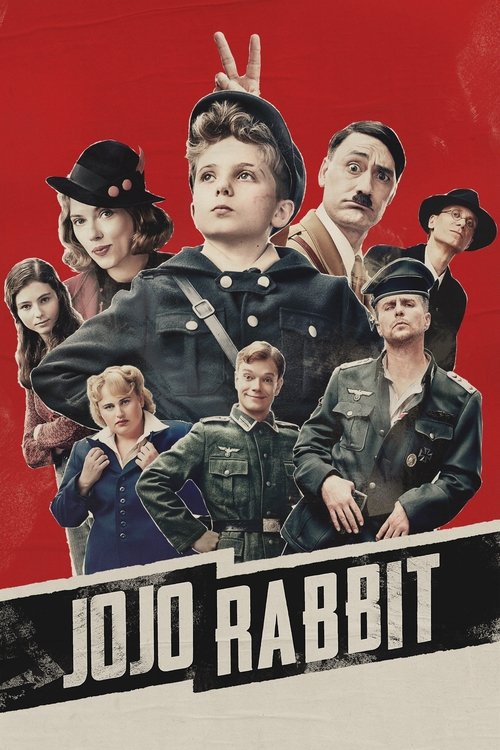
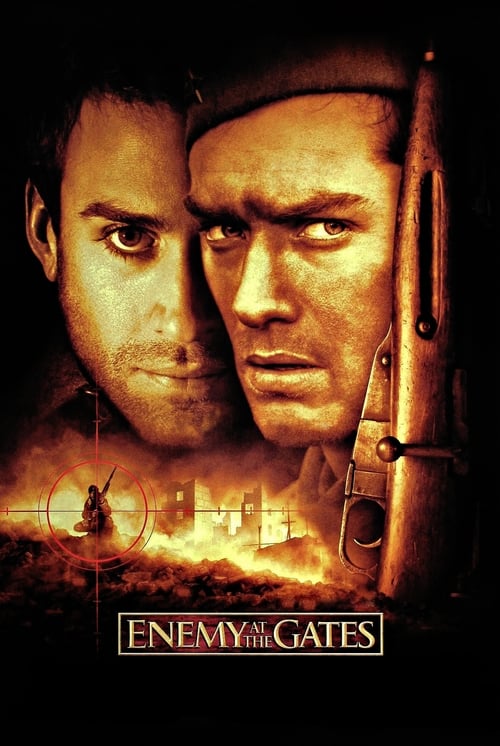
The war on film
From the beaches of Normandy to the camps of occupied Europe.
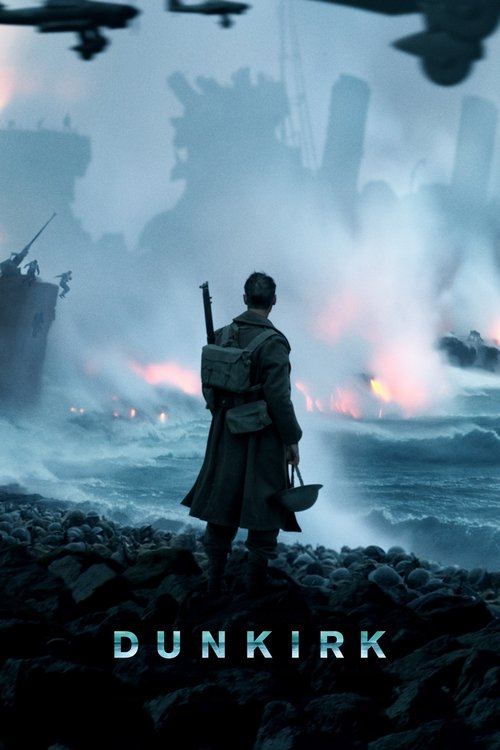
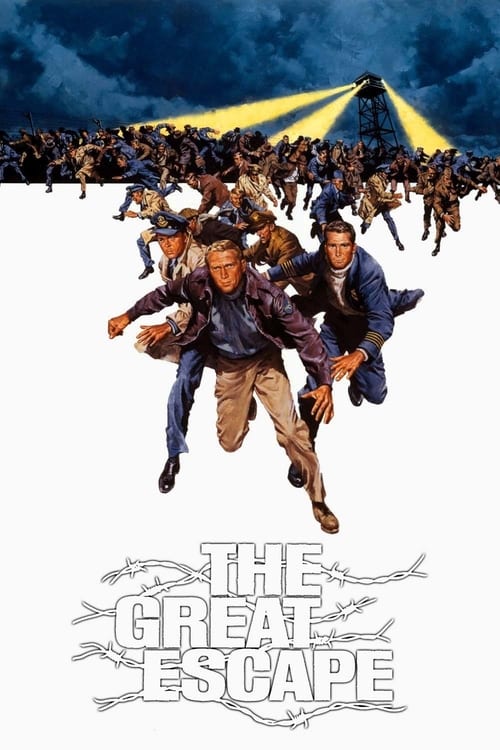
Boots on the ground: the games
Storm the beaches, command the front, or snipe behind enemy lines.
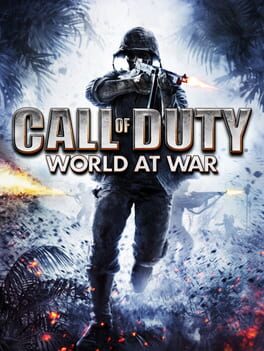
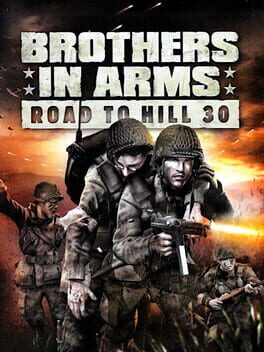
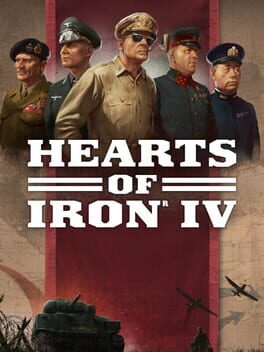
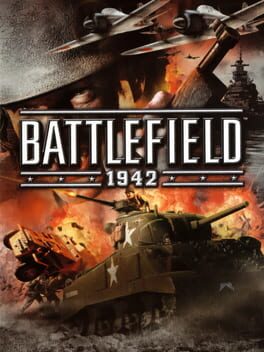
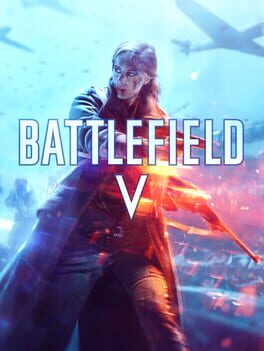
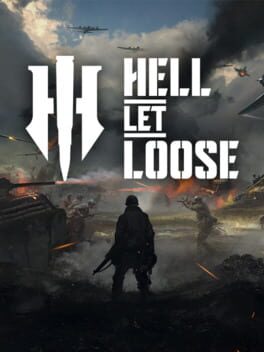
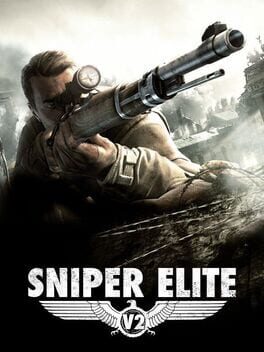
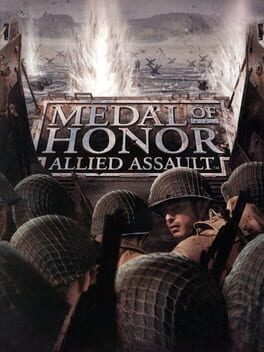
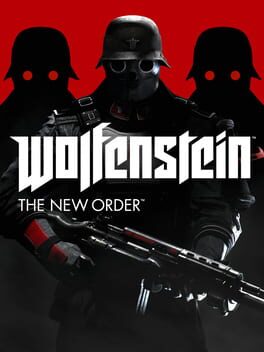
Gaming made the war the foundational shooter setting, from the beaches of Normandy to the rubble of Stalingrad, and the grand-strategy games that let you command the whole catastrophe from above.
The war on TV
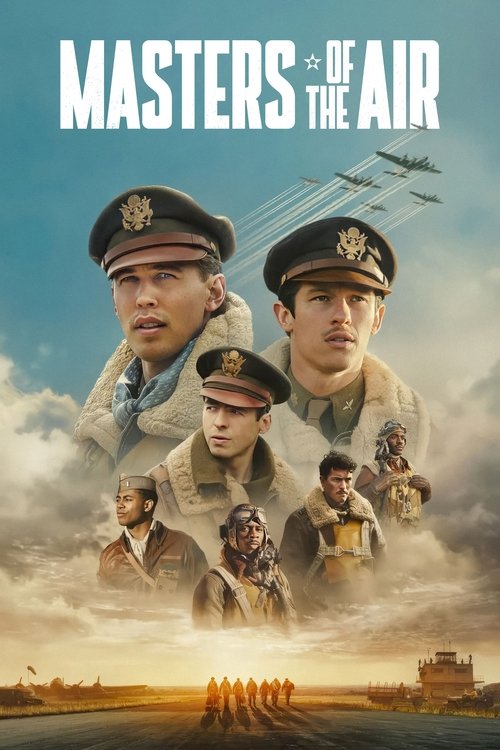
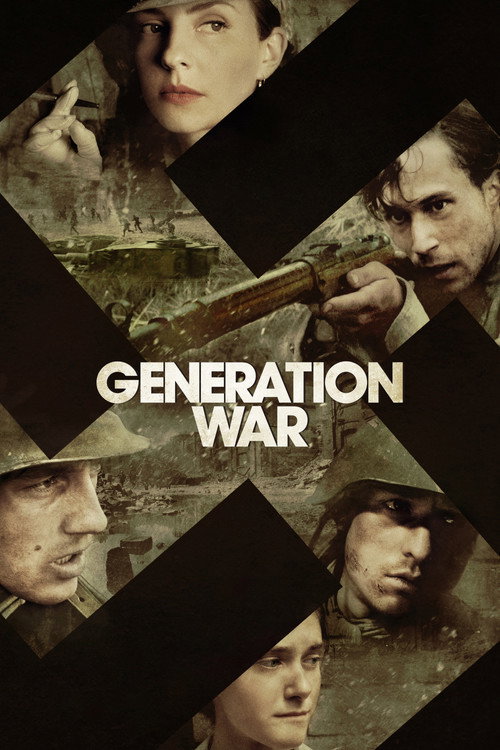
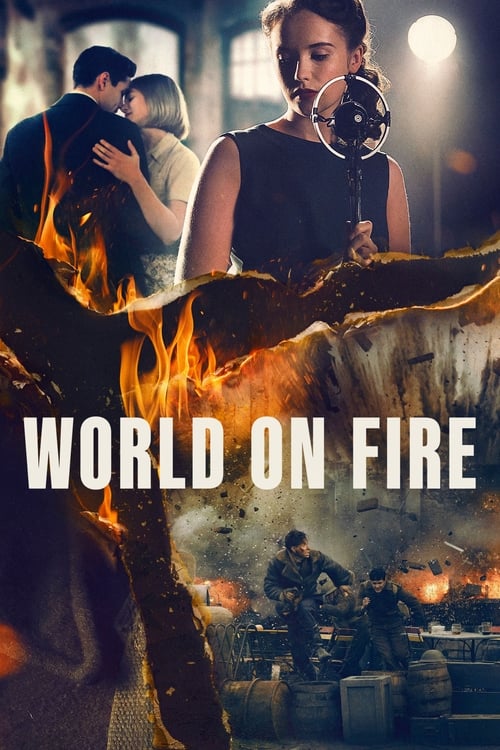
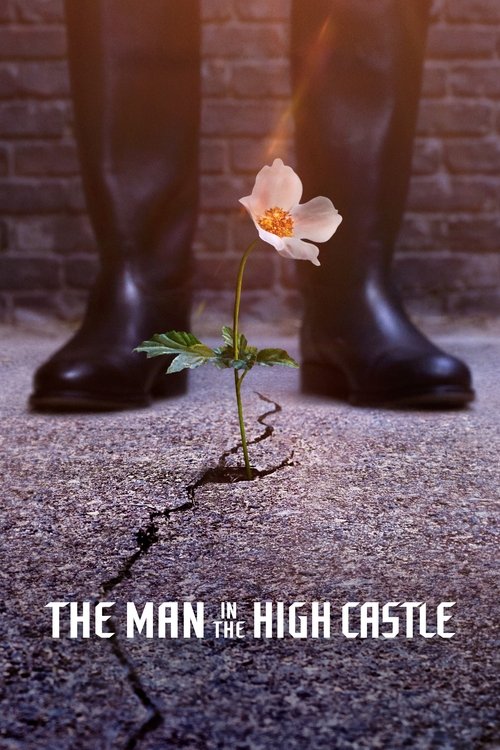
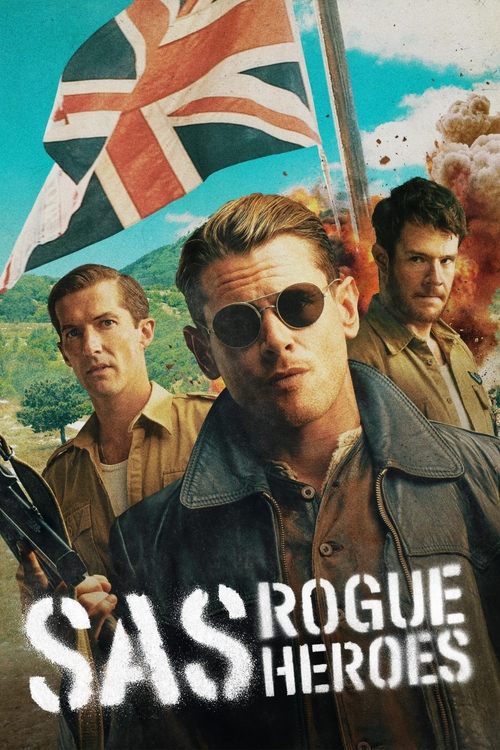
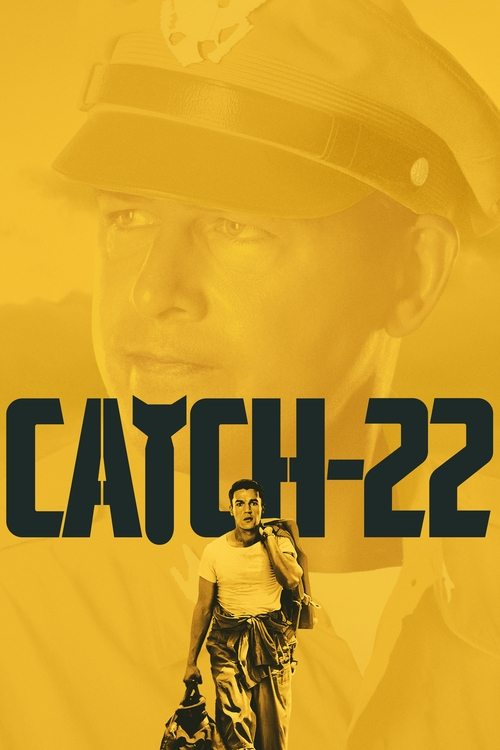
The long-form epics: companies of men, bomber crews, and a continent torn apart.
The war on the page
The novels and memoirs that carry the war's memory: the absurd, the harrowing, the unforgettable.


And the page carries its deepest memory, the absurdist howl of Catch-22, the quiet devastation of the camp memoirs, the novels that refuse to let it fade into history.
More of the century at war
World War One
Explore the World War One guide →The Second World War endures in fiction because it still asks the only questions that matter: what would you have done, and what would it have cost you? Every great war story is really putting the audience on the beach.