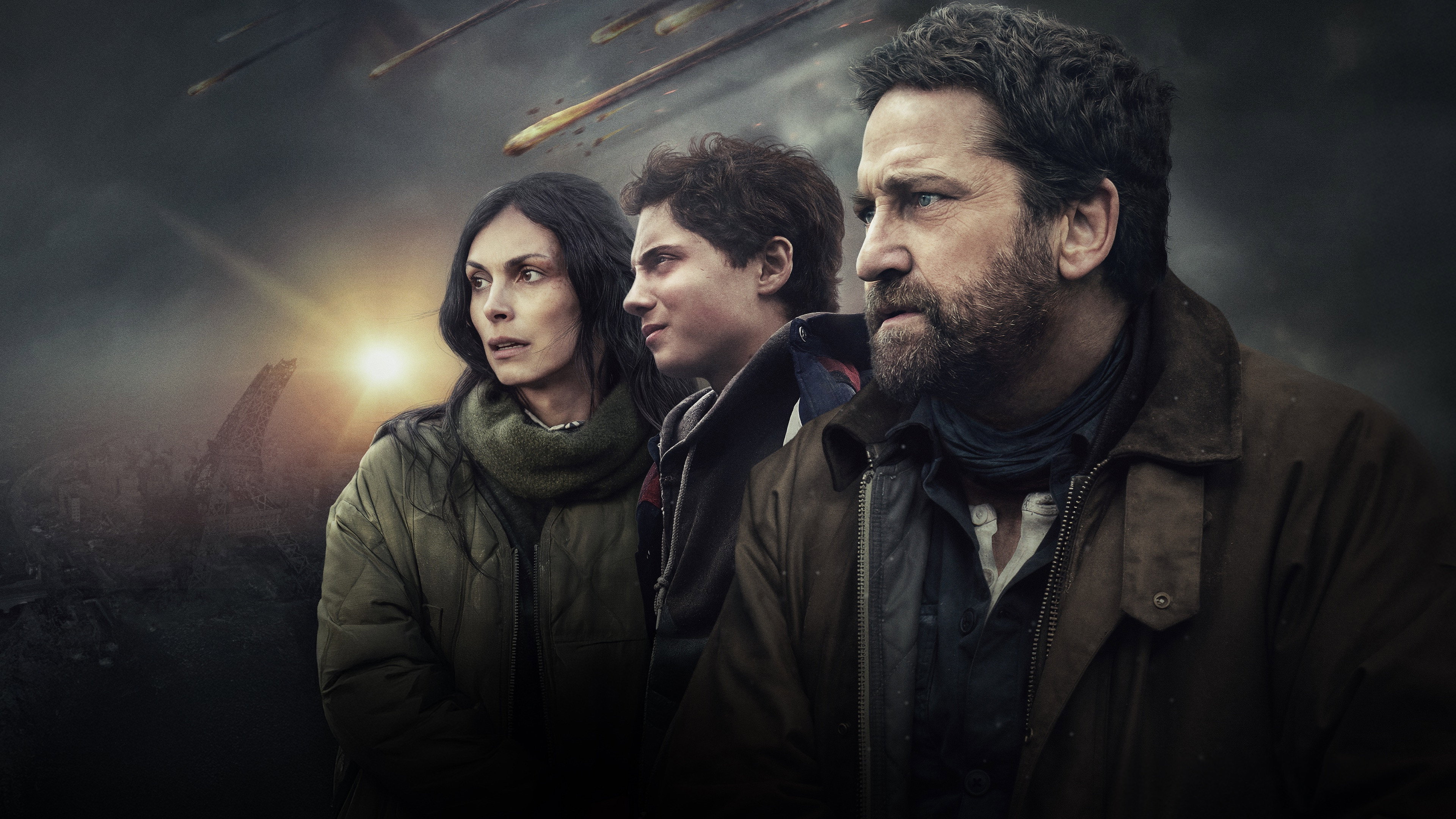

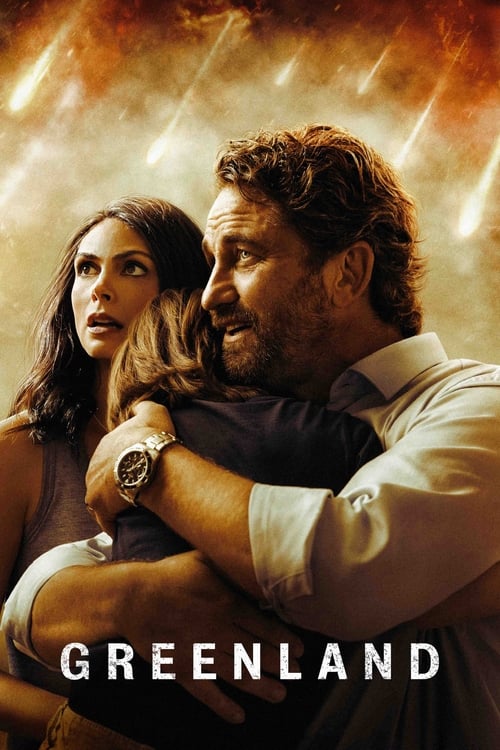
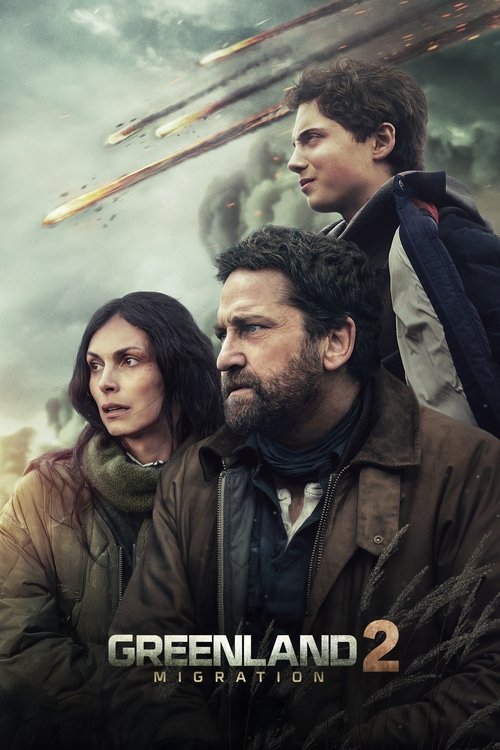
Greenland 2: Migration picks up where most disaster films dare not go: the morning after. The comet has already hit. The bunkers are open. And the Clarke family, having survived one impossible night, must now cross a continent of collapsed infrastructure, desperate strangers, and fractured borders to find something resembling a future. What the film chases, and what its fans chase with it, is not spectacle for its own sake but the geometry of family under pressure: how much do you risk for the person next to you when every other institution has failed? Director Ric Roman Waugh keeps the camera tight on Gerard Butler's face, not on the CGI horizon, and that choice is everything. Migration belongs to a strand of disaster cinema that treats catastrophe as a pressure test for ordinary love, a tradition running from the slow-burn survival novels of the 1970s through prestige TV apocalypses and the most emotionally honest of the post-apocalyptic game genre. If the film worked for you, what you were actually responding to was the through-line: people moving, choosing, losing, and still choosing again.
Survival Cinema That Keeps the Camera on the People
Films that use catastrophe as a lens on family, choice, and what we carry


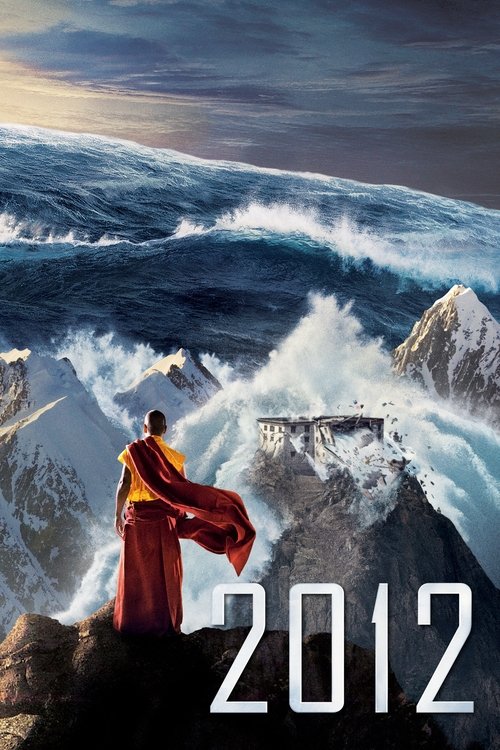
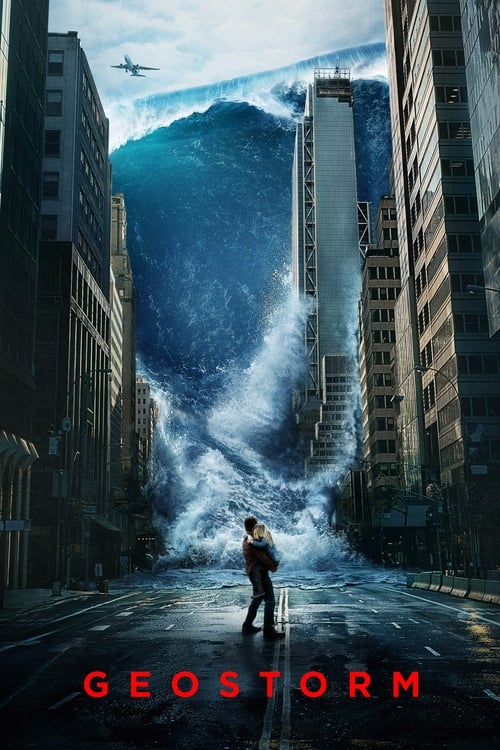
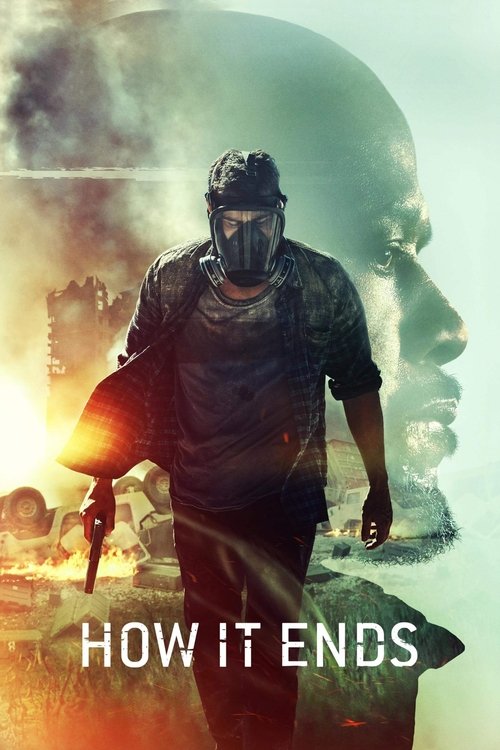
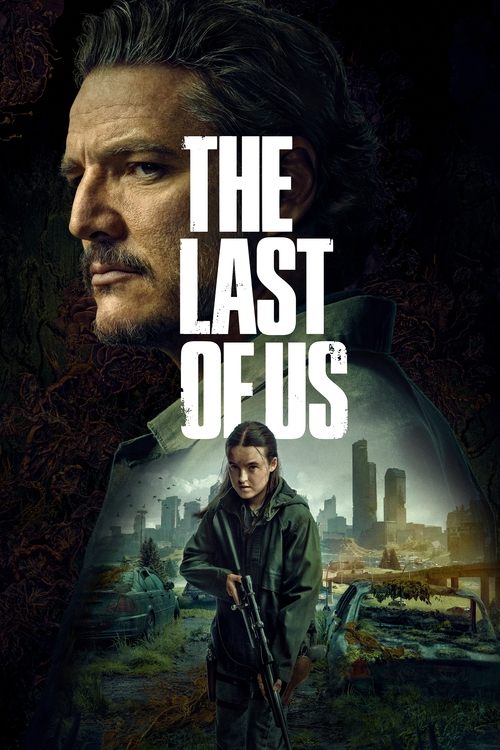
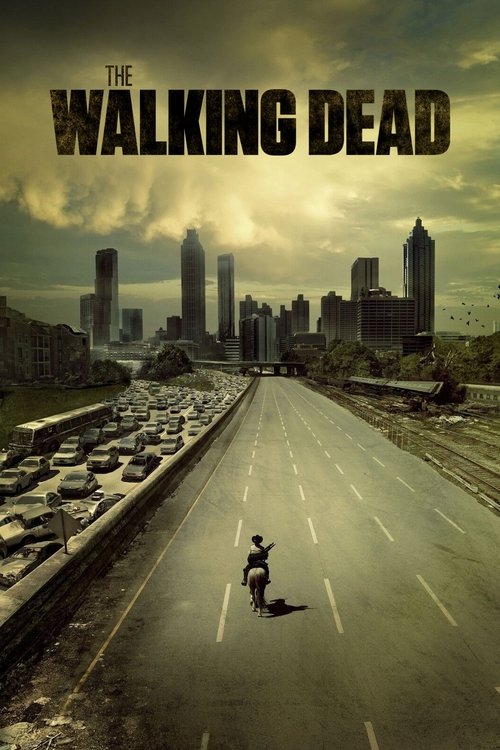
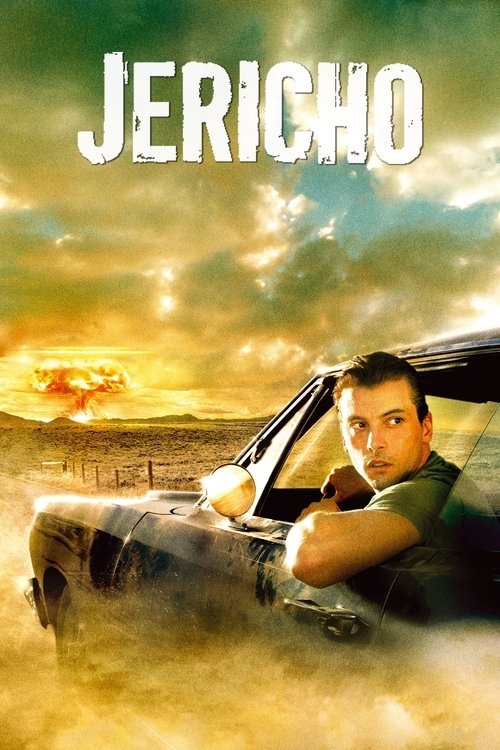
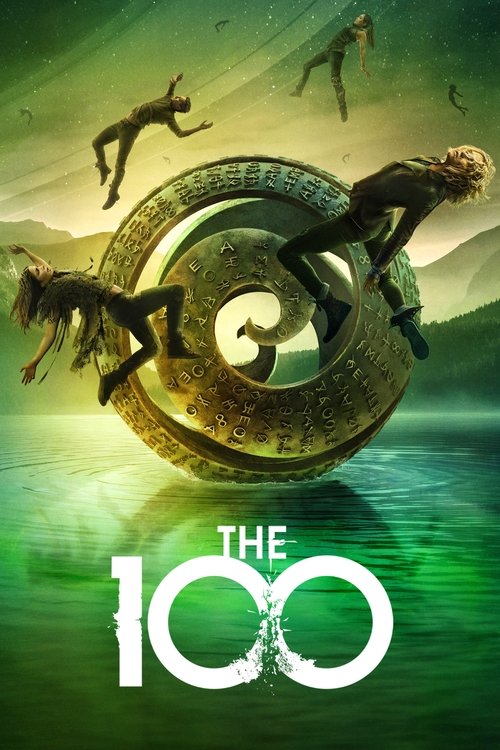
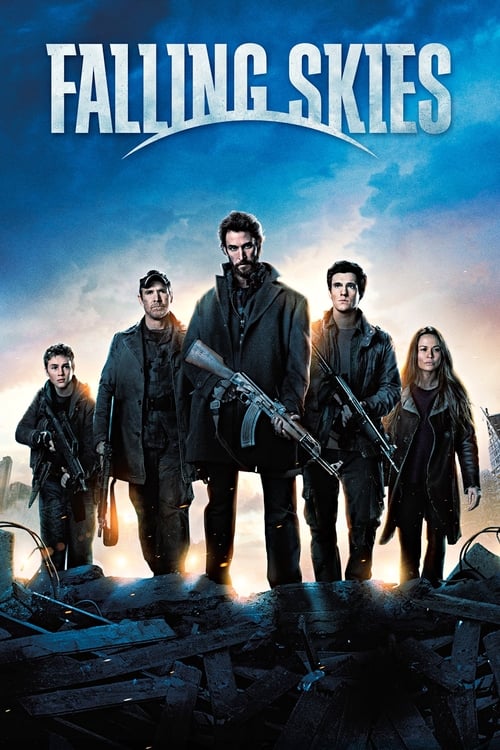
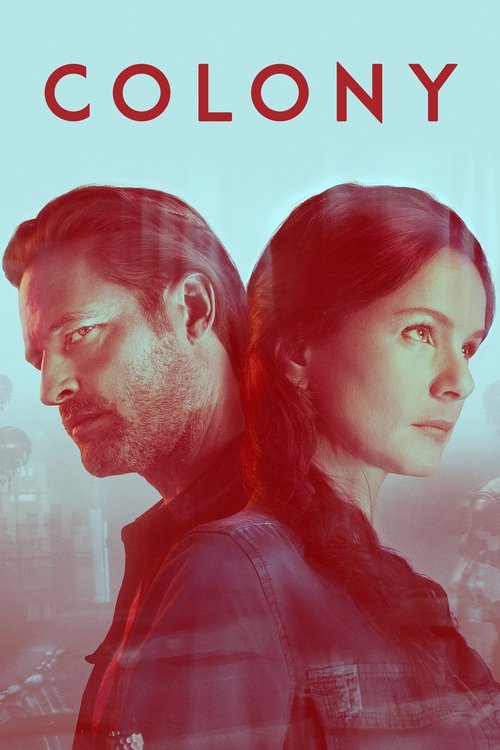
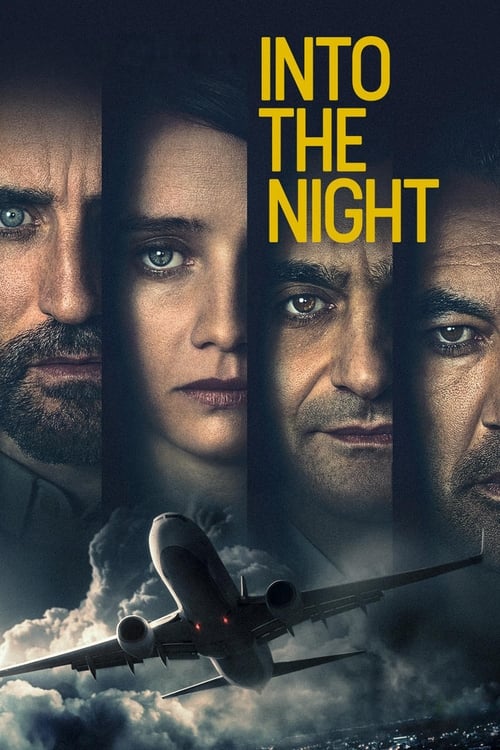
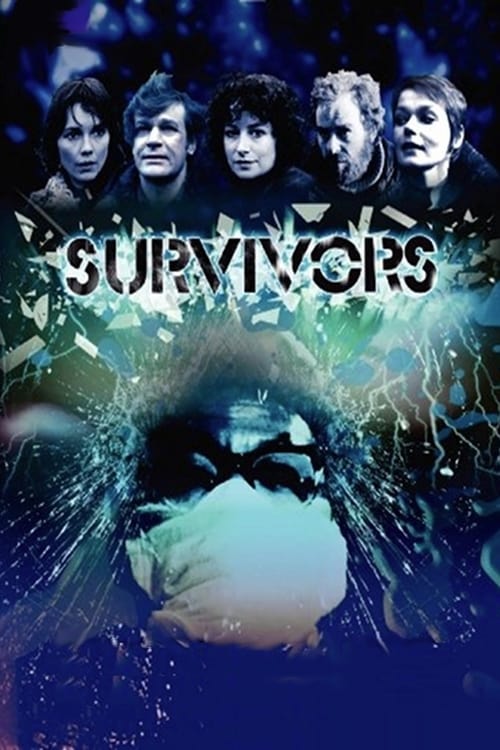
Series That Live in the Aftermath
Television that inhabits the long tail of collapse, not just the disaster moment

Novels That Mapped the Exodus First
Books that understood migration, collapse, and the human convoy long before the films caught up


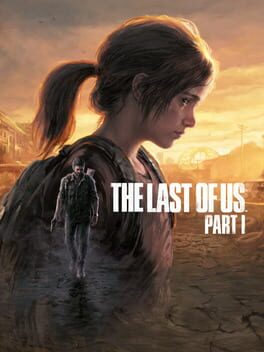
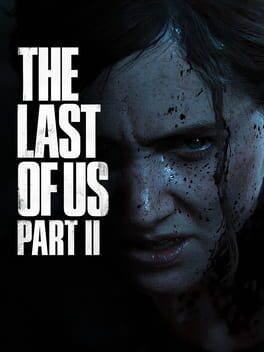
Games That Make You Feel the Weight of Every Step
Interactive survival that asks what you will sacrifice and who you will become

The best disaster films are about geography, not destruction
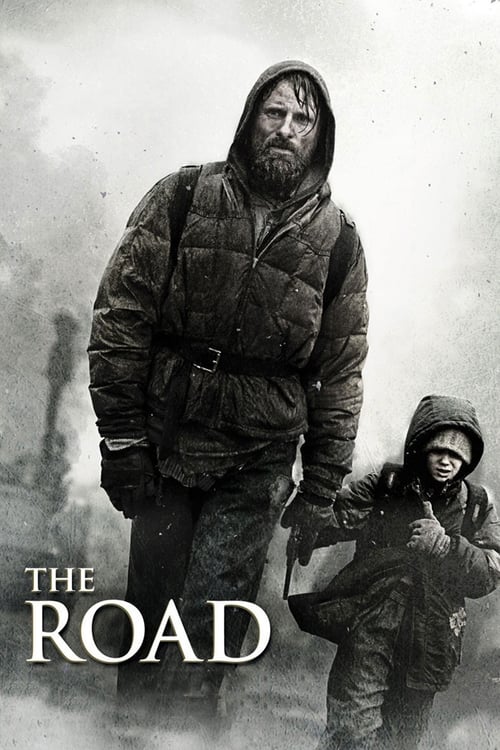
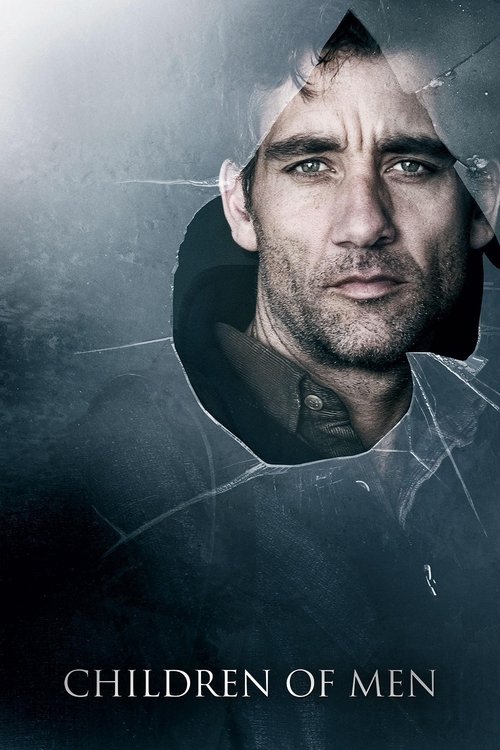
Migration earns its title because it takes seriously what most disaster sequels skip: the physical problem of getting from here to there when every system meant to help you do that has stopped working. The film's middle act, a sustained overland crossing through a Europe that has reverted to something pre-modern, is its real achievement. The Road does the same thing in prose. Children of Men does it in cinema. The genre's best entries all understand that collapse is not an event but a landscape.
Gerard Butler's best work is always in the gear just below full throttle
Butler spent years in action films that asked him to be invincible. His Greenland films work because they ask him to be afraid. John Clarke is a structural engineer, not a soldier, and Butler plays the competence correctly: a man who can read a situation and make one good decision at a time, not a man who can fight his way through anything. That specific flavor of competence under terror is rarer than it looks.
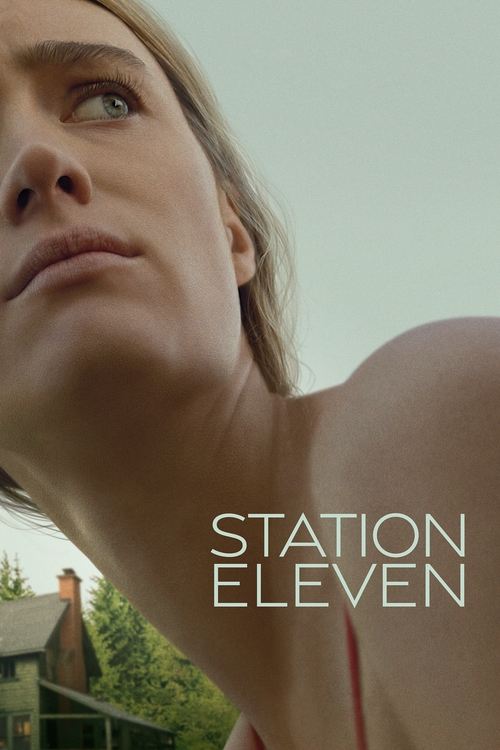
Station Eleven is the novel Migration most wants to be when it grows up
Emily St. John Mandel's novel (and the HBO adaptation) shares Migration's core preoccupation: what culture, art, and connection survive a civilizational reset, and who carries them forward. Both works reject the survivalist fantasy that collapse strips us down to pure animal competition. They insist, against the evidence of the premise, that people keep organizing, keep caring, keep performing Shakespeare in parking lots. Migration reaches for this in its ensemble crowd scenes; Station Eleven lives there.
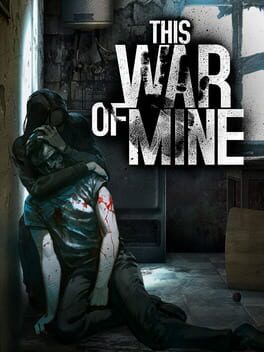
This War of Mine is the game version of every humanitarian crisis subplot in Migration
Where most survival games hand you a power fantasy, This War of Mine hands you a family of civilians in a besieged city and asks you to make unwinnable choices about food, medicine, and moral compromise. The overlap with Migration's texture is precise: both are interested in the administrative and ethical nightmare of being ordinary people in an extraordinary catastrophe, the forms, the borders, the other people who need what you need.
The Disaster Cinema Timeline: Catastrophe as Family Story
- 1959On the Beach establishes the post-catastrophe waiting-room tone that the genre will return to for decades On the Beach
- 1983The Day After (TV movie) normalizes apocalyptic dread for a mainstream American audience
- 1994Cormac McCarthy publishes The Road manuscript (published 2006); the novel defines the aesthetic of the parental survival walk The road
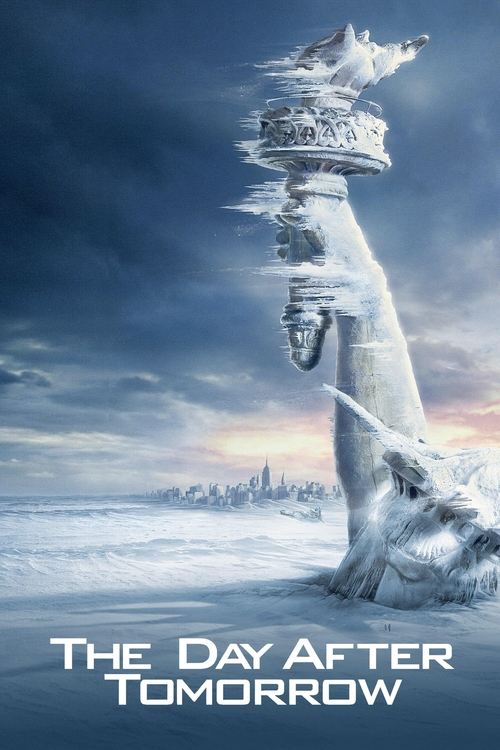
- 2004The Day After Tomorrow modernizes the disaster-film grammar: the scale is planetary, the story is a father walking to his son The Day After Tomorrow
- 2006Children of Men reframes the genre around a single escort mission through collapsed Britain Children of Men
- 2014Emily St. John Mandel's Station Eleven shifts the genre's center of gravity from survival to cultural memory Station Eleven
- 2014This War of Mine brings the civilian survival experience to games for the first time at serious dramatic scale This War of Mine
- 2018A Quiet Place proves that restraint and family dynamics, not spectacle, are the genre's strongest tools A Quiet Place
- 2020Greenland opens: a comet-extinction film that insists on staying at ground level with one family Greenland
- 2021Station Eleven (HBO) adapts Mandel's novel into the genre's most emotionally ambitious prestige TV entry Station Eleven
- 2023The Last of Us (HBO) demonstrates that the game-to-TV adaptation can deepen rather than dilute the source material's emotional core The Last of Us
- 2024Greenland 2: Migration extends the Clarke family story into the logistical and human complexity of the world after impact Greenland 2: Migration
The comet is just the premise. The film is about what people do in line.On Migration's real subject: not extinction but the social texture of survival