

The Poet of Outsiders
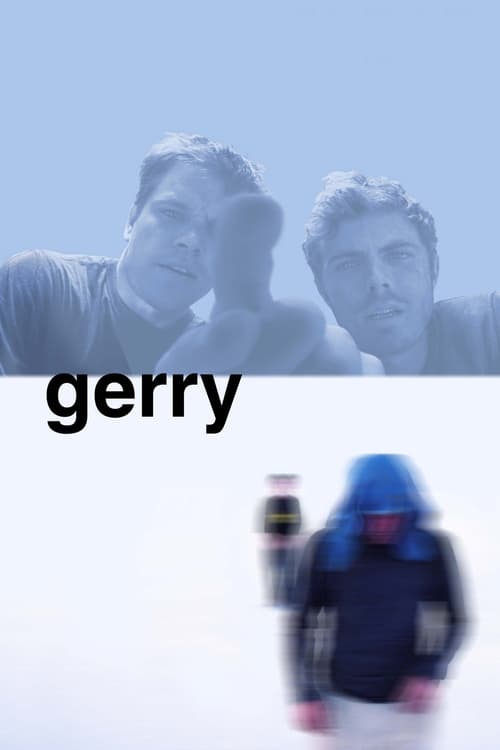
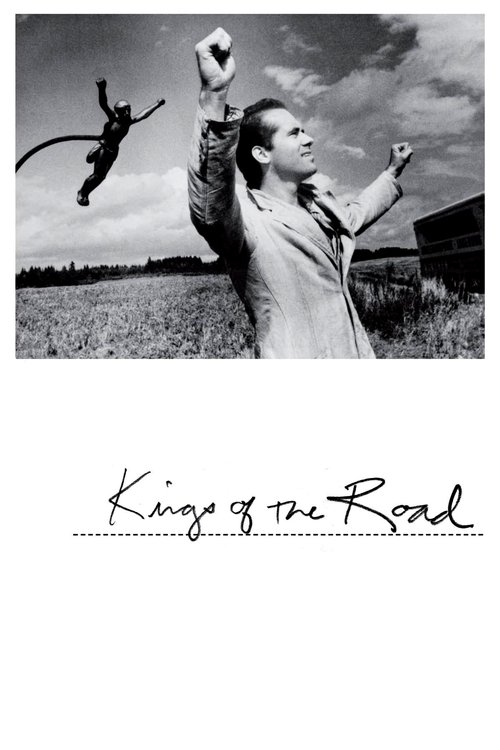
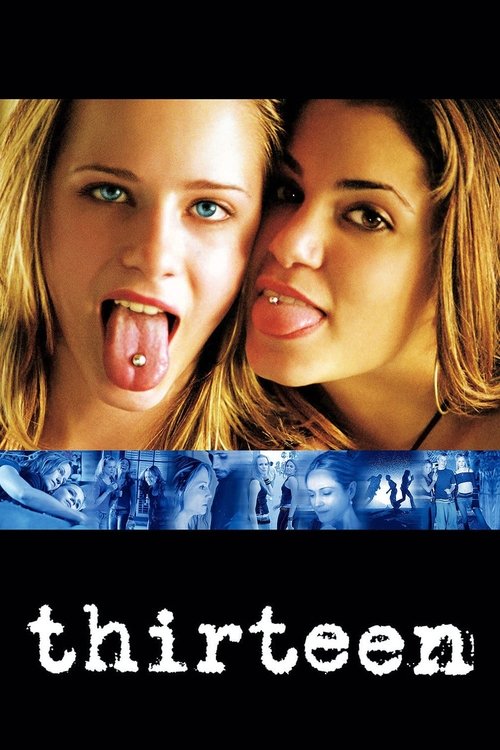
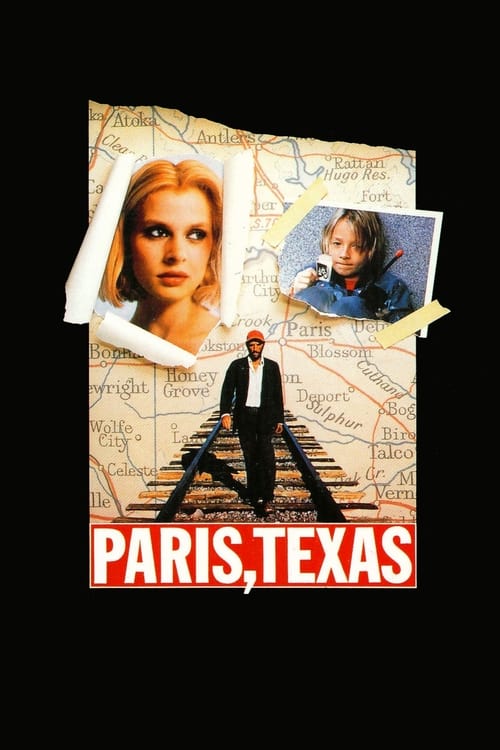
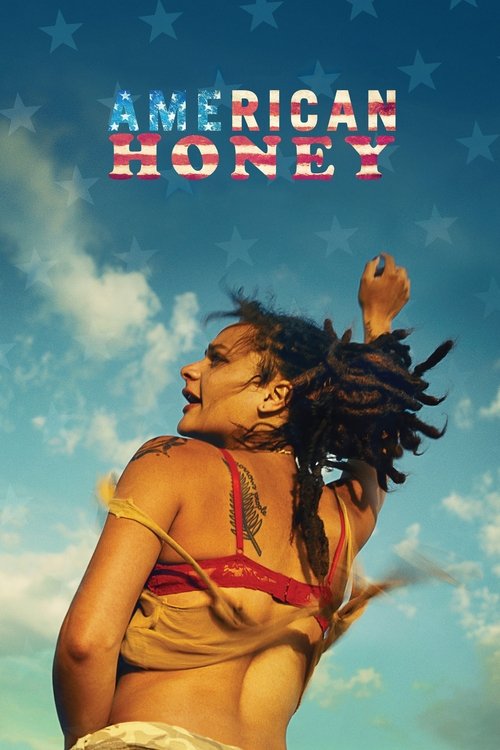
Gus Van Sant is the kind of director who makes you feel the weight of a silence. Working out of Portland, Oregon, he built a career from the margins inward, starting with low-budget portraits of hustlers and junkies on the streets of his adopted city before eventually winning an Oscar and then, almost defiantly, retreating back to the margins. His films share a texture more than a genre: long, unbroken takes that follow characters from behind; landscapes that feel like emotional states; narratives that refuse neat resolution. His subjects are consistently the young, the queer, the disenfranchised, and the brilliant-but-broken. Whether he is following two friends walking through an endless wilderness (Gerry) or tracing the life of Harvey Milk (Milk), he works with the same patience, the same willingness to let a moment breathe until it reveals something true.
What fans of Van Sant love is a particular quality of longing. His films feel like they are grieving something even when nothing has been lost yet. He absorbed influences from the New Queer Cinema movement, from the experimental long-take tradition of Bela Tarr, and from classic Hollywood melodrama, and synthesized them into something distinctly his own. To follow him into the rest of this guide is to follow that longing across film, TV, books, and games.
Essential Gus Van Sant
The core filmography, from the streets of Portland to the corridors of power

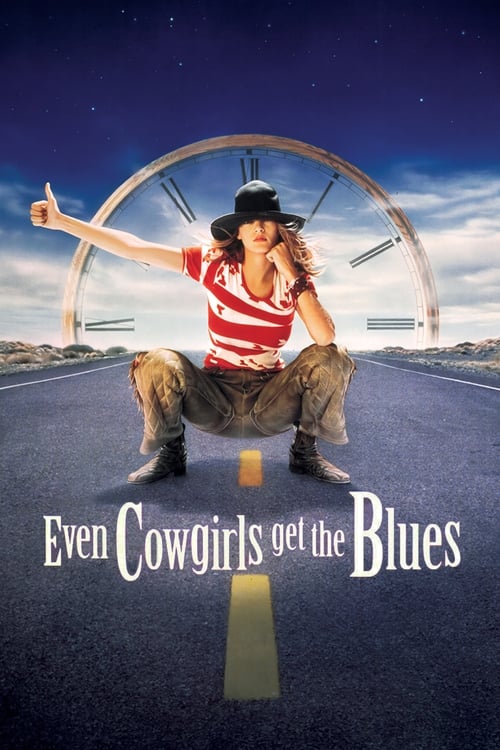
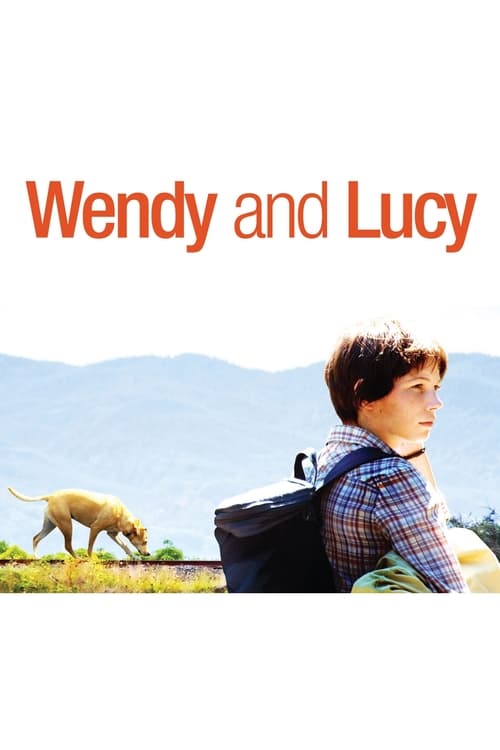
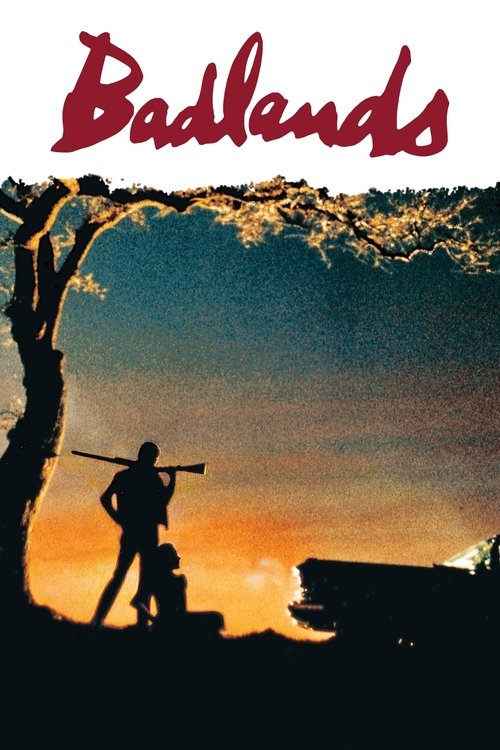
Adrift and Beautiful
Films that share his sense of youth unmoored, roads without destinations, and time moving like water



Queer Lives, Held with Care
Stories of queer identity told with the same tenderness and refusal to look away


The Long Take, the Slow Burn
Directors and novels with the same patience, the same trust that atmosphere is meaning



Portland, the Pacific Northwest, the American Margin
The specific geography of Van Sant's imagination: rain, firs, highway motels, and lives nobody notices

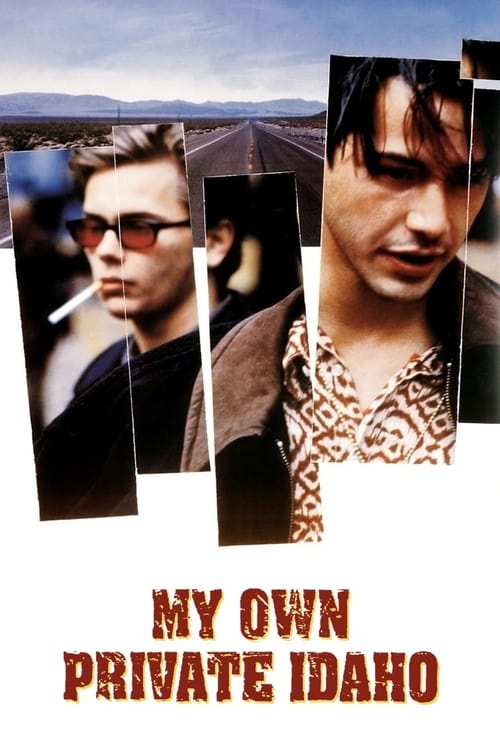
Start with My Own Private Idaho
If you are new to Van Sant, My Own Private Idaho is the film that shows you everything at once: the lyricism, the street-level realism, the Shakespeare, the longing, the Pacific Northwest highway as existential space. It is the most audacious thing he ever made, and it is somehow also tender. River Phoenix's performance is the clearest argument for why Van Sant, at his peak, belonged in the same conversation as anyone working in American cinema at the time.
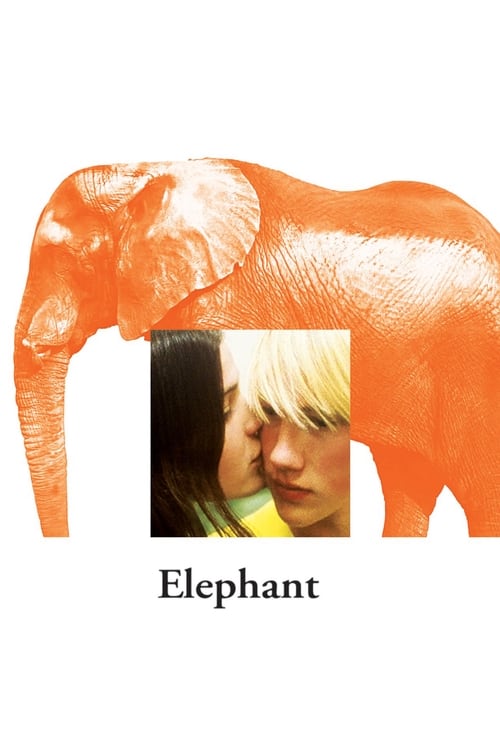
Elephant is the underrated masterpiece
Elephant routinely gets dismissed as cold or clinical, but that coldness is the point. Van Sant strips away the editorial gravity that an event-film would demand and just watches, like a security camera that has no idea what it is about to record. The Palme d'Or was deserved. Rewatching it a decade later, it feels more radical, not less.
The Death Trilogy is where he went deepest
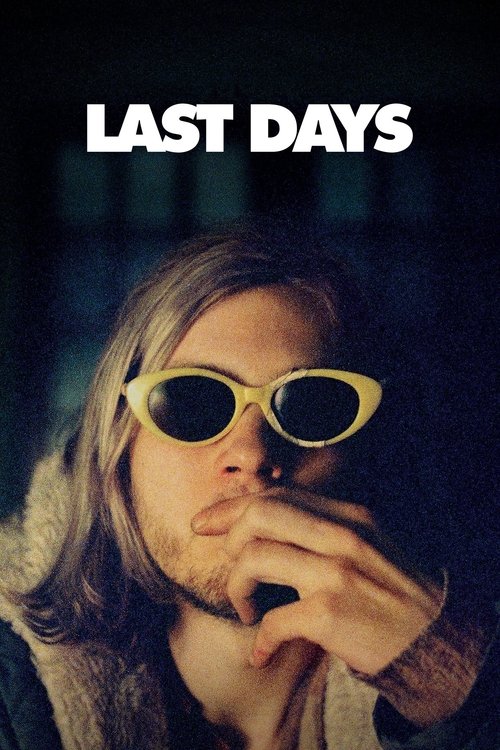
Between 2002 and 2007, Van Sant made three films (Gerry, Elephant, Last Days) that each circle a death without landing on it. No explanations, no catharsis, just the strange ordinary weight of people moving through space before something irreversible happens. Gerry especially is a film that genuinely tests your patience, and then repays it in ways that take time to name.
The spiritual successor is Moonlight
Barry Jenkins shares with Van Sant a commitment to the interior life of people who are rarely the protagonists of their own cultural moment. Moonlight carries the same slow-burn intimacy, the same refusal to explain a character's pain when you can simply feel it. If Van Sant's films made you want more, Jenkins is the most direct continuation of that conversation.
His films don't move toward conclusions. They move the way grief does: sideways, in circles, sometimes standing very still in the middle of a road.CrossBinge Editors
A Career in Key Moments
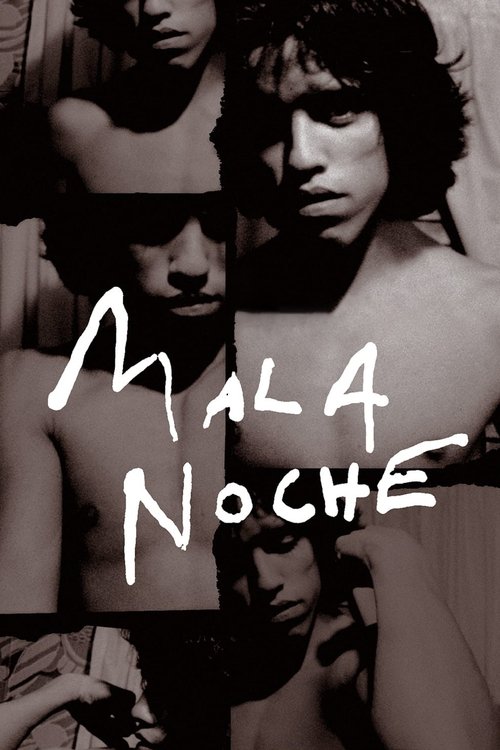
- 1985Debut: Mala Noche Mala Noche
- 1989Drugstore Cowboy announces a major voice Drugstore Cowboy
- 1991My Own Private Idaho, career-defining My Own Private Idaho
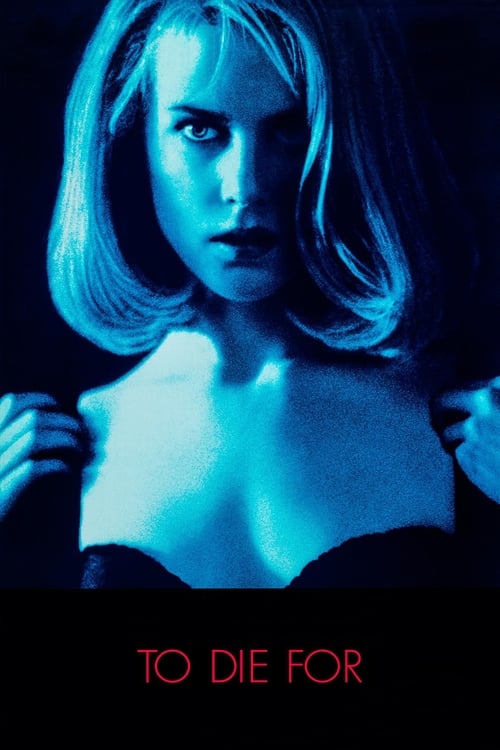
- 1995To Die For, satirical detour To Die For
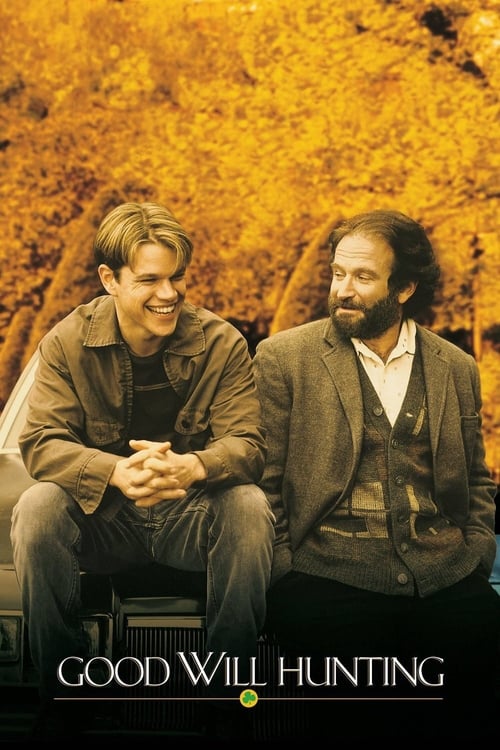
- 1997Good Will Hunting, Oscar win Good Will Hunting
- 1998Psycho remake, controversial experiment Psycho
- 2002Gerry opens the Death Trilogy Gerry
- 2003Elephant wins the Palme d'Or Elephant
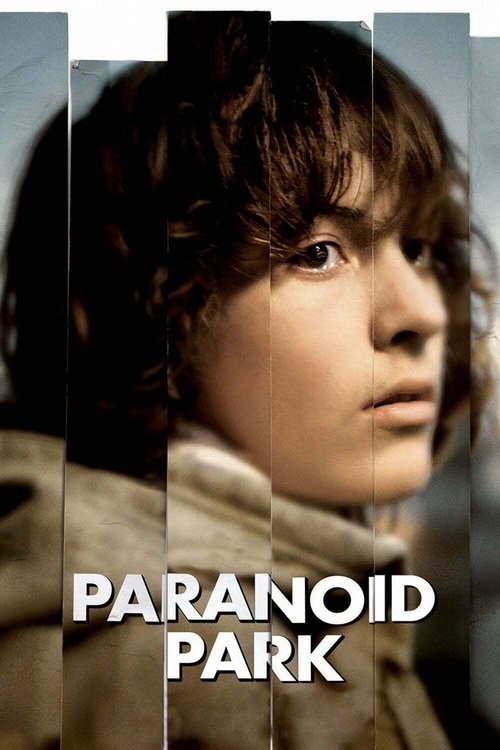
- 2007Paranoid Park, skaters and guilt Paranoid Park
- 2008Milk, Harvey Milk's story MiLK