
Harper Lee published two novels across six decades. That brevity is deceptive. To Kill a Mockingbird (1960) remains one of the most-read books in the English language, a story about racial injustice in Depression-era Alabama told through the eyes of a child who still believes justice is possible. Go Set a Watchman (2015), drafted before Mockingbird and published near the end of Lee's life, complicates the mythology and rewards rereading. The through-line a fan loves: moral seriousness delivered through specific, lived-in characters; the South as a real place with real contradictions; and the question of what courage actually costs when the community around you has already decided.
On Screen: Mockingbird and Its Kin
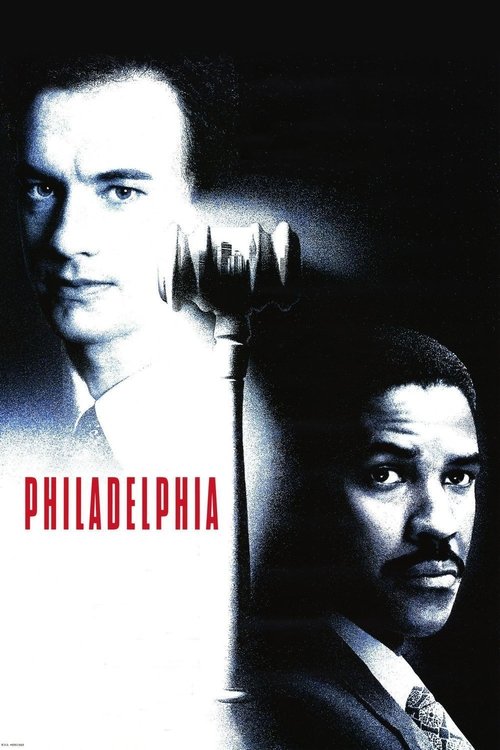
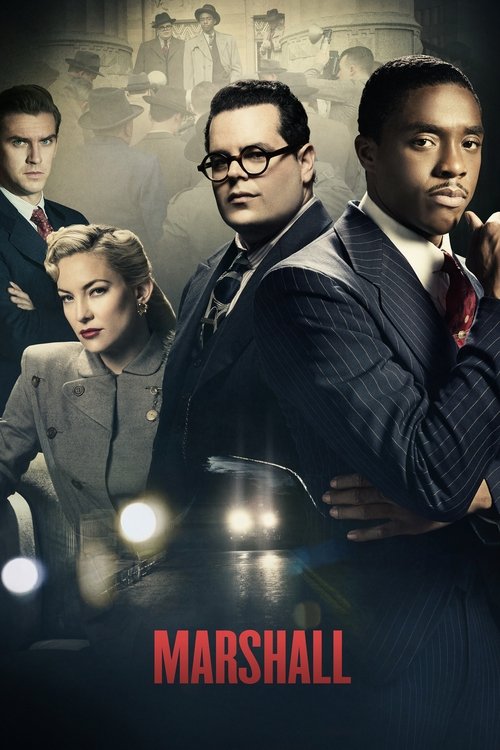
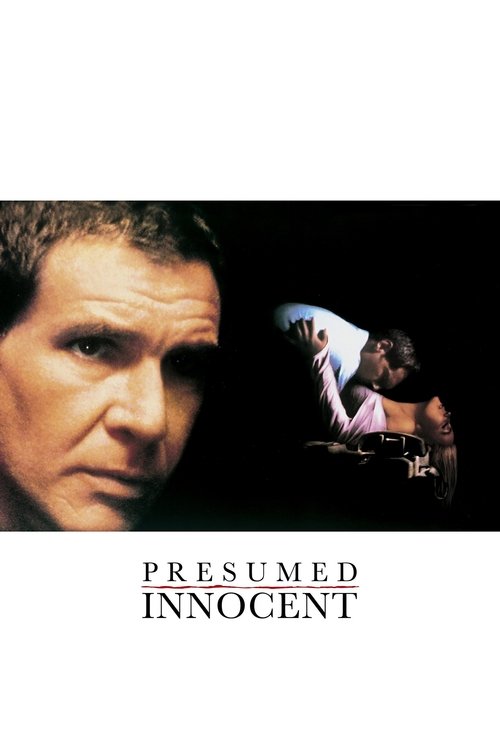
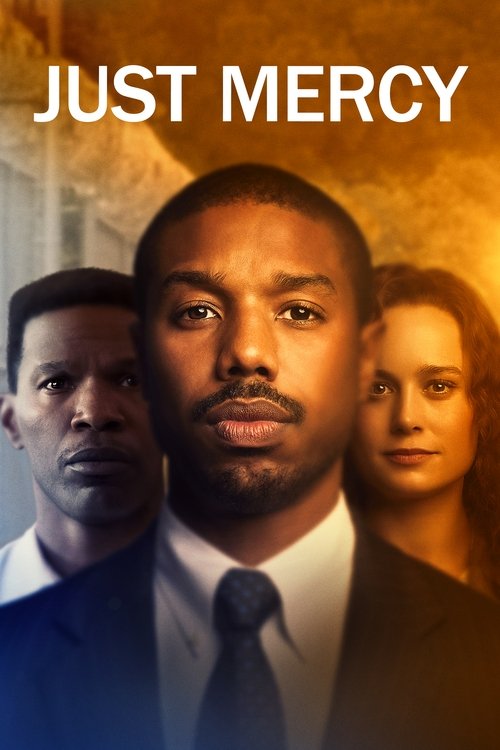
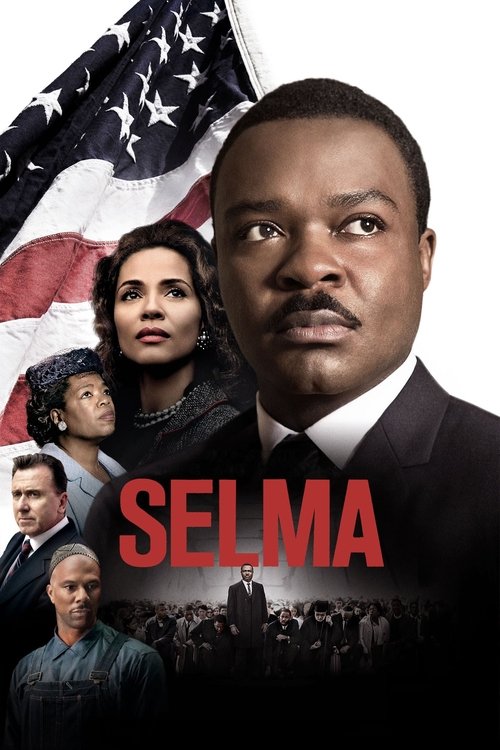
Adaptations of Lee's work and films that share its courtroom moral weight
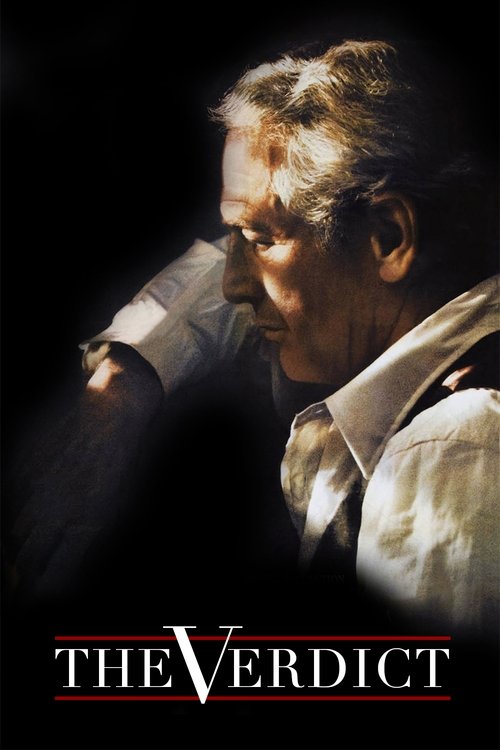
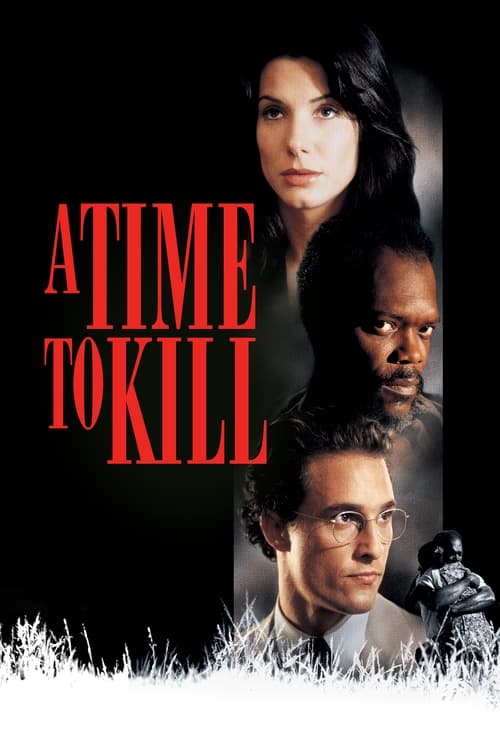
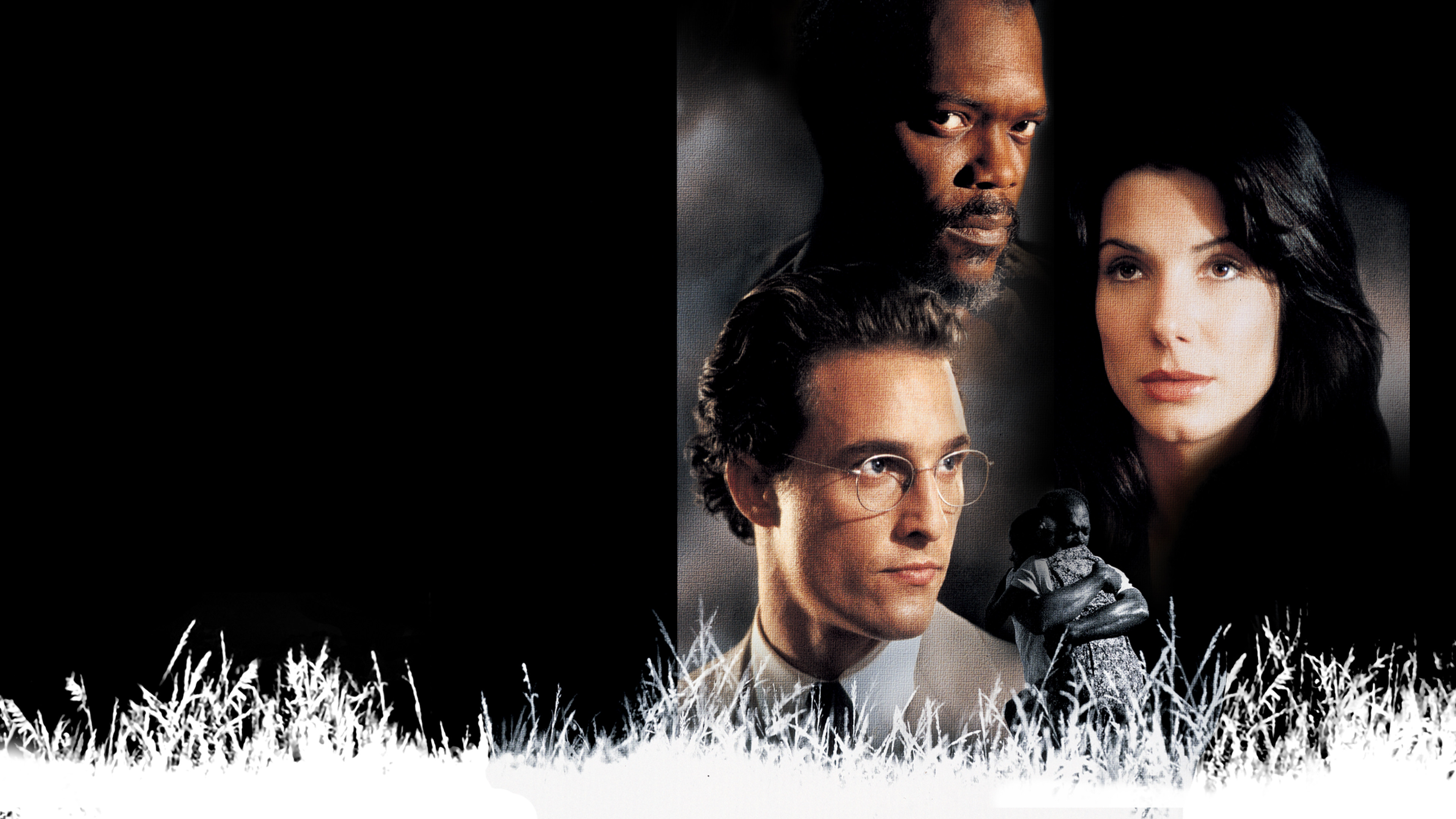
Southern Fiction with the Same Heat
Novels that put you inside the American South at its most charged


Coming-of-Age with Moral Stakes
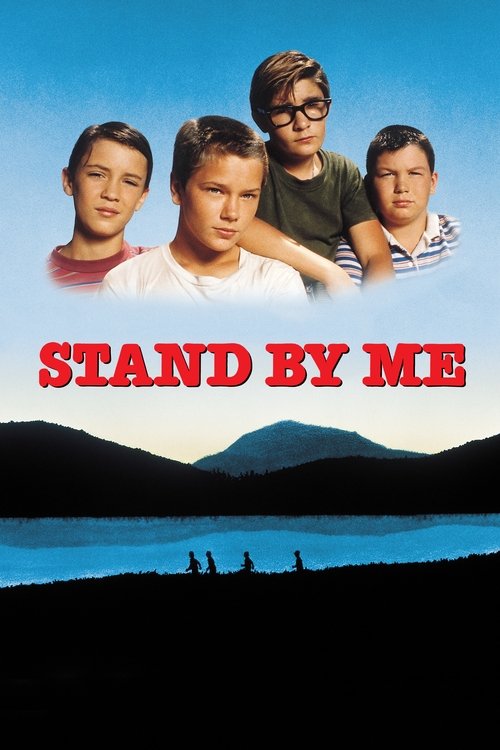
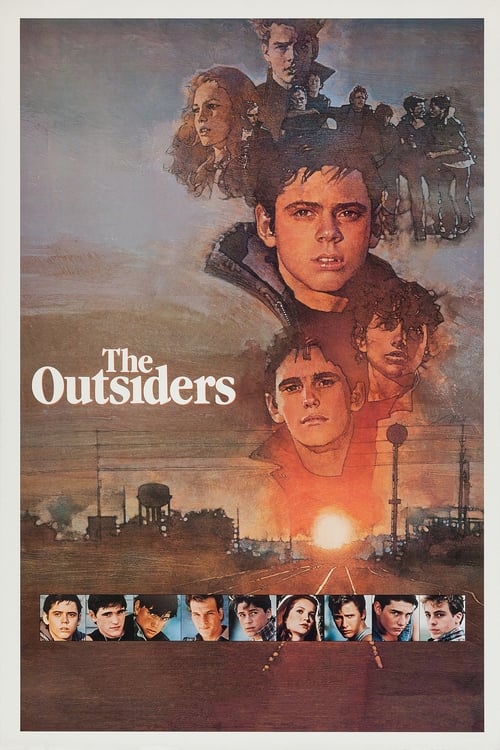
Films and series where a young protagonist faces a world that has already made up its mind
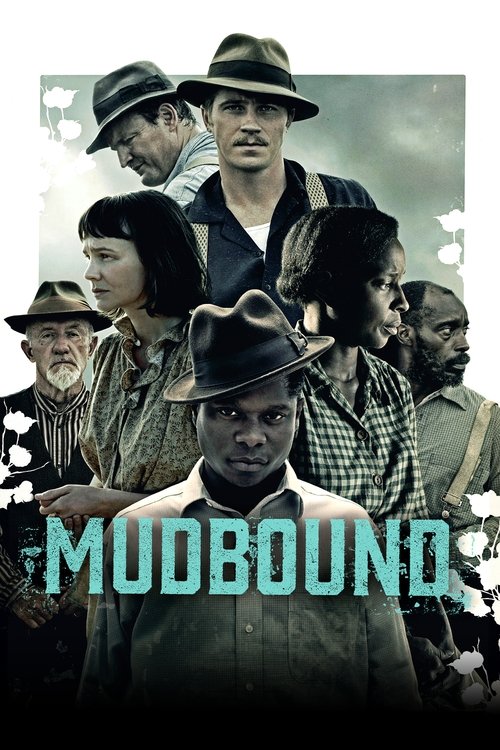

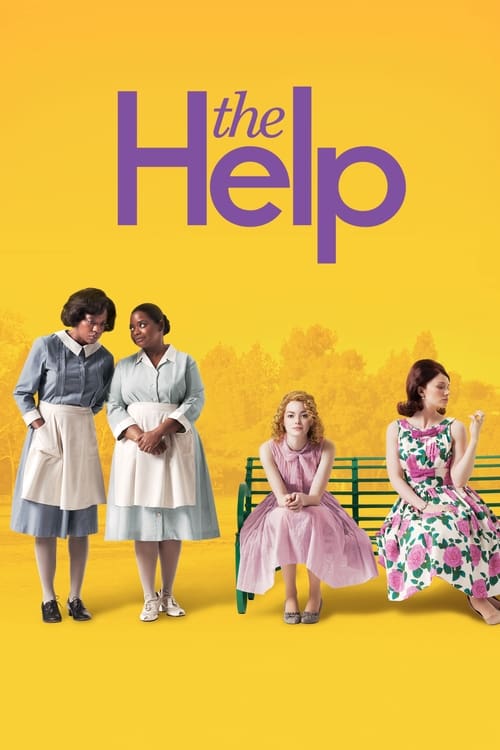

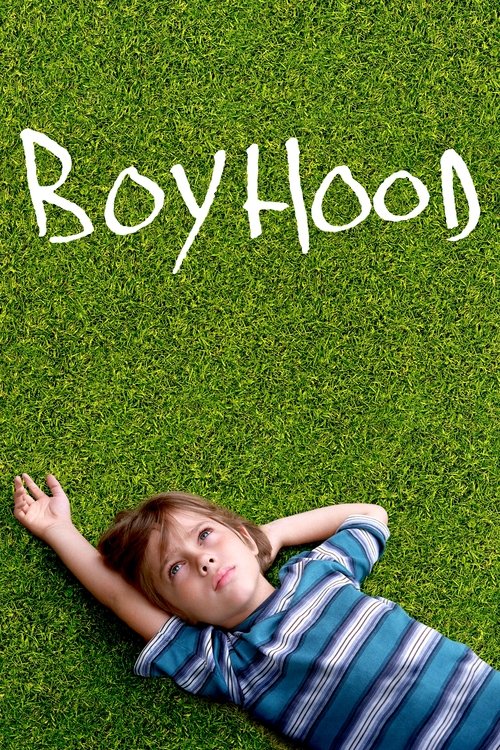
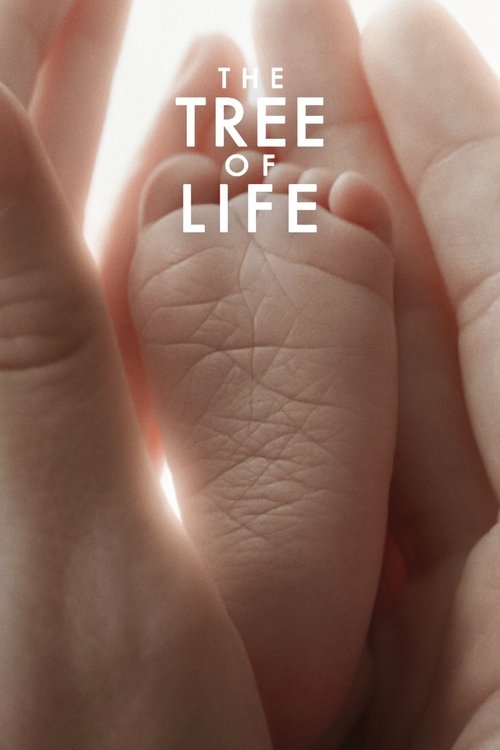
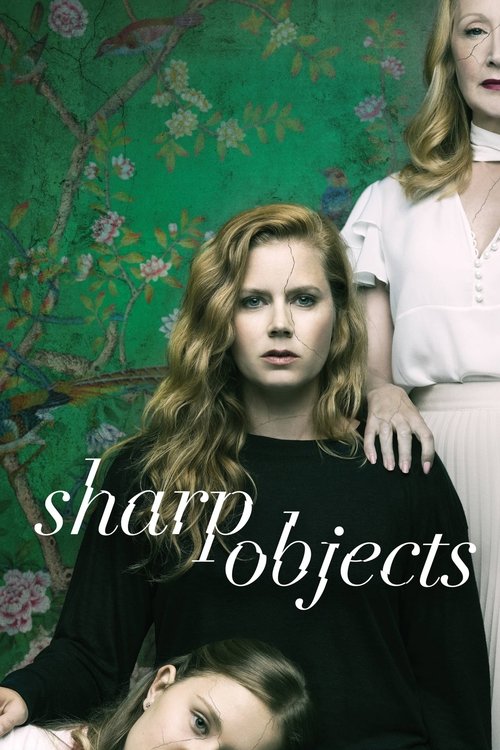
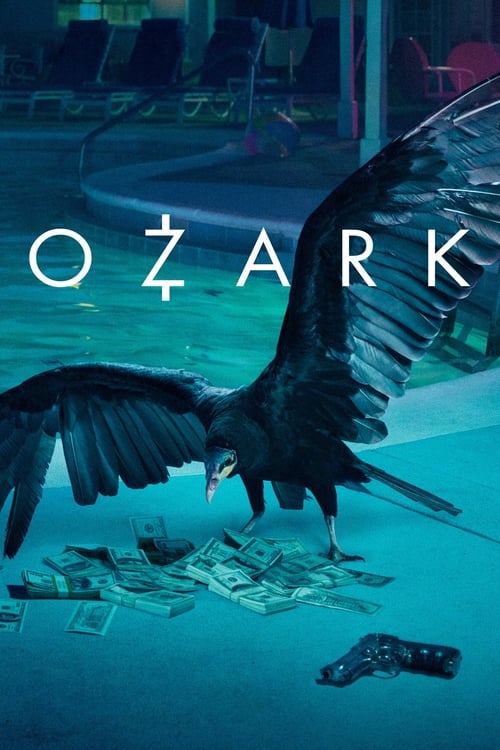
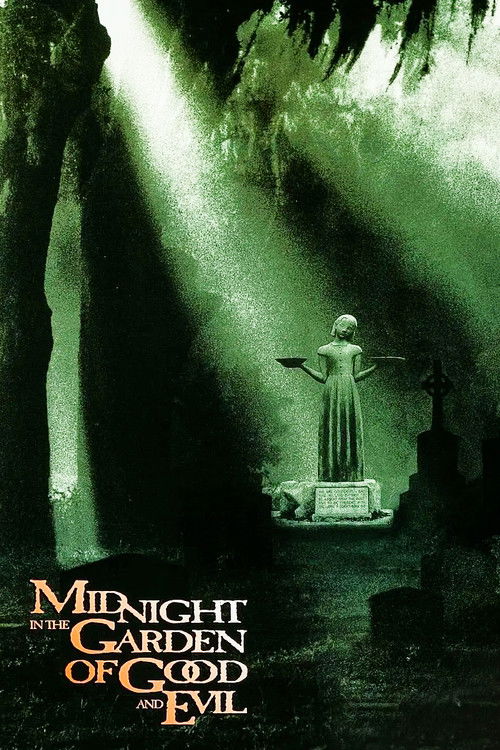
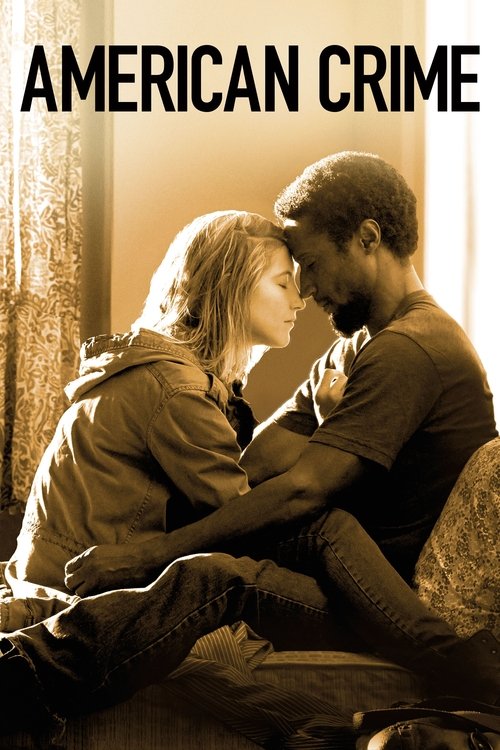
Small Towns, Big Reckonings
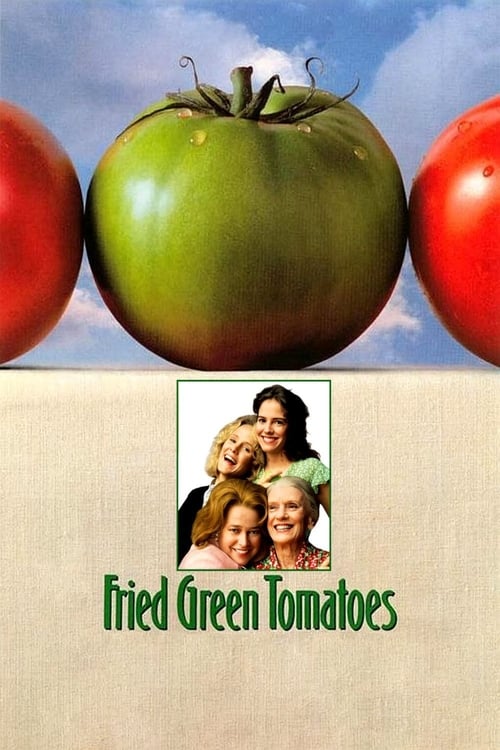
TV series where community and conscience collide

Games About Justice, Choice, and Consequence
Games where moral weight and community pressure drive the story
Scout Finch Is the Standard for Child Narrators
Narrating Mockingbird through Scout's eyes was not a stylistic choice. It was an ethical one. An adult narrator processing the trial of Tom Robinson could shield themselves with retrospective irony. A six-year-old cannot. She reports what she sees before she understands it, which means the reader understands it first. That gap is where the novel does its real work. Every coming-of-age story with a child narrator since 1960 is in conversation with this technique, consciously or not.


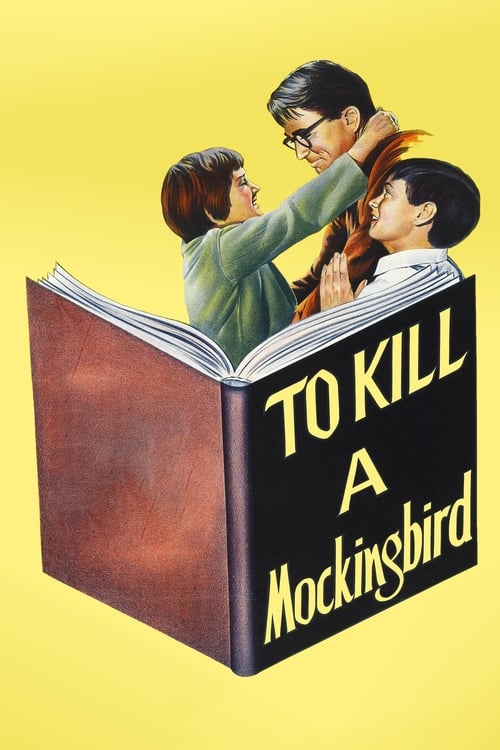
The 1962 Film Is One of the Great Adaptations
Robert Mulligan's adaptation retains what matters: the texture of Maycomb, the children's perspective, and Gregory Peck's performance as Atticus, which became so definitive that the character's ambiguities in Go Set a Watchman feel like a personal shock to readers who met him through Peck first. Horton Foote's screenplay won the Oscar. The film holds up not because it prettifies the source material but because it respects the moral precision of Lee's original choices.
Truman Capote Is the Unavoidable Parallel
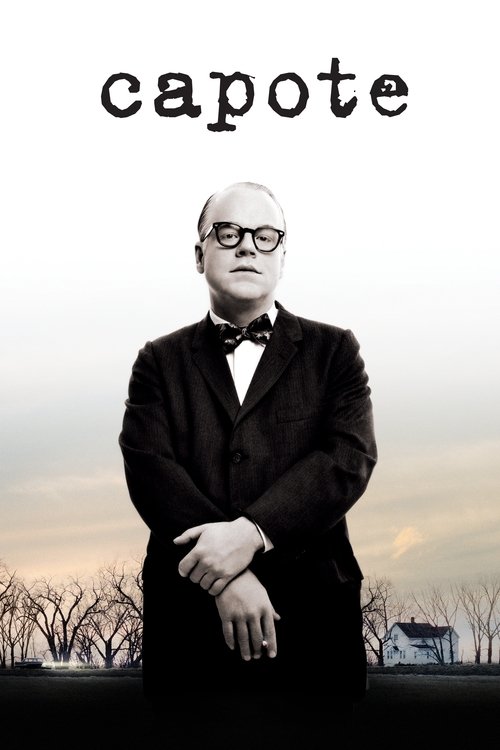
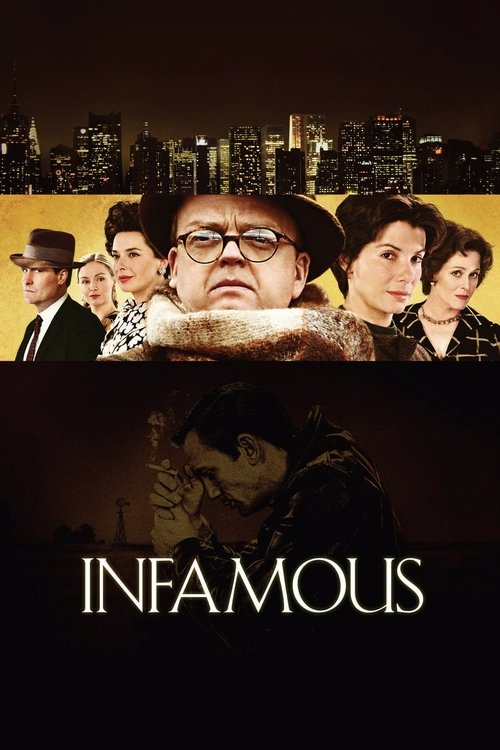
Lee and Capote grew up together in Monroeville, Alabama, and the cross-pollination runs deep. Lee accompanied Capote to Kansas while he researched In Cold Blood and did much of the initial interviewing. Capote's Dill in Mockingbird is Lee; her Nelle Harper Lee is woven into the texture of In Cold Blood. Reading them together is not a parlor game. It is two writers helping each other find the form that the material demands.

Rectify Carries the Same DNA on Television
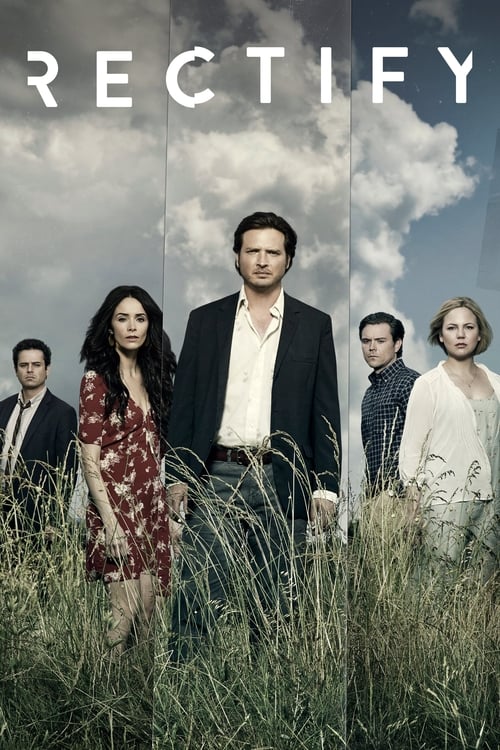
SundanceTV's Rectify (2013-2016) is the series that most seriously inherits Lee's concerns: a man released from death row after 19 years returns to a small Southern town that still believes he is guilty. Creator Ray McKinnon is uninterested in thriller mechanics. He is interested in what conviction costs, what innocence means after it has been deferred that long, and how a community metabolizes guilt it would rather not examine. If Mockingbird had been a slow-burn limited series, it might have looked like this.
Harper Lee: The Long Arc
- 1926Nelle Harper Lee born in Monroeville, Alabama, the youngest of four children of a lawyer.
- 1945Enrolls at the University of Alabama, studies law, edits the campus humor magazine.
- 1949Moves to New York City, abandons law school, works as an airline reservation clerk while writing.
- 1957Submits manuscript to J.B. Lippincott; editor Tay Hohoff works with her for two and a half years on extensive revisions.
- 1959Accompanies Truman Capote to Kansas to research what becomes In Cold Blood; does much of the early interviewing.
- 1960Publication of To Kill a Mockingbird. Mockingbird
- 1961Wins the Pulitzer Prize for Fiction.
- 1962Film adaptation released, starring Gregory Peck. To Kill a Mockingbird
- 2007Awarded the Presidential Medal of Freedom.
- 2015Publication of Go Set a Watchman, the manuscript written before Mockingbird.
- 2016Dies in her sleep in Monroeville at age 89.
Small town conscience and coming of age
For Fans of Mark Twain
Explore the For Fans of Mark Twain guide →You never really understand a person until you consider things from his point of view, until you climb inside of his skin and walk around in it.Atticus Finch, To Kill a Mockingbird