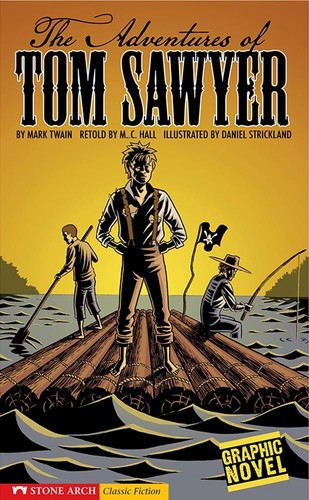

Mark Twain built American literature on a raft. His great subjects were boyhood freedom, the hypocrisy of respectable society, and the Mississippi River as a symbol of both escape and the country's moral rot. What makes his work endure is the voice: that drawling, deadpan, deeply humane narrator who never let a pompous institution off easy. Whether he was sending a Connecticut Yankee back to King Arthur's court or letting Huck Finn reckon with whether to betray his friend Jim, Twain kept asking the same question: what does it cost a person to do the right thing when every respectable force around them says otherwise. Fans of that combination, wit sharpened into moral seriousness, pastoral American landscapes charged with unease, and underdog heroes navigating corrupt worlds, will find it echoing across an enormous range of films, series, novels, and games.
Essential Mark Twain
The books that made the voice







If You Love Twain on Screen
Adaptations of his books worth watching


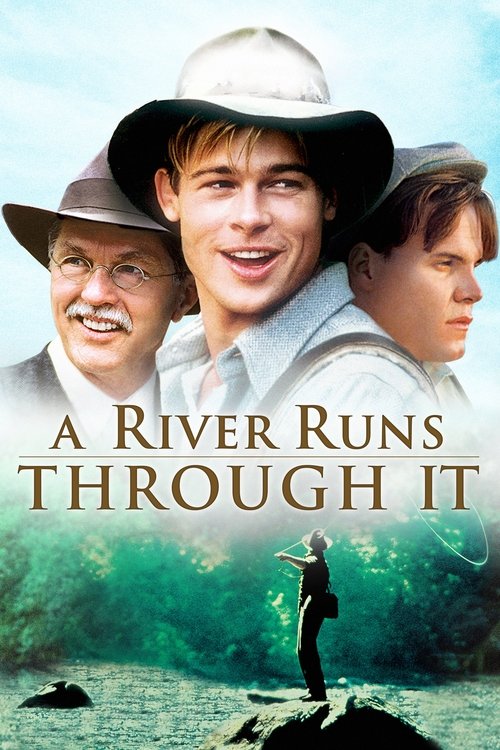
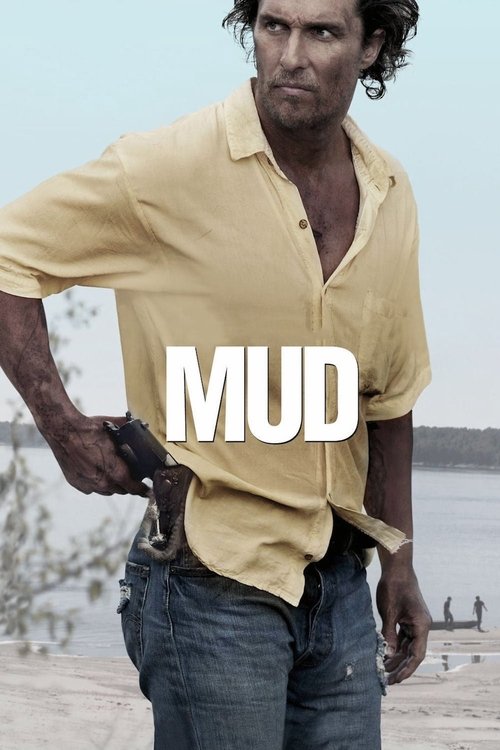
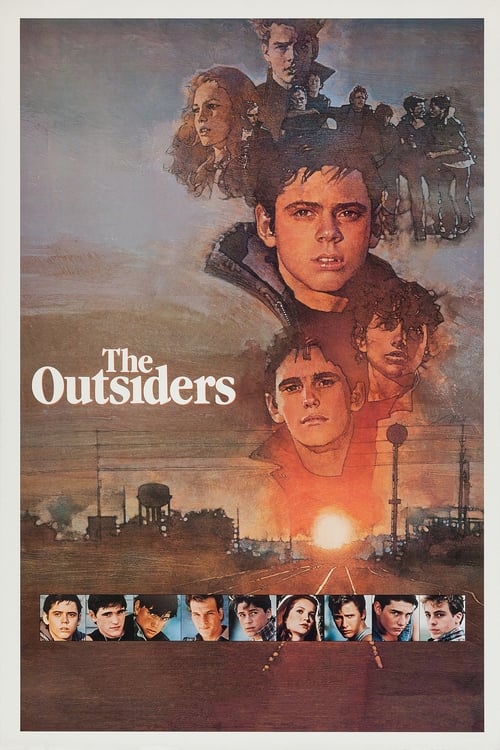
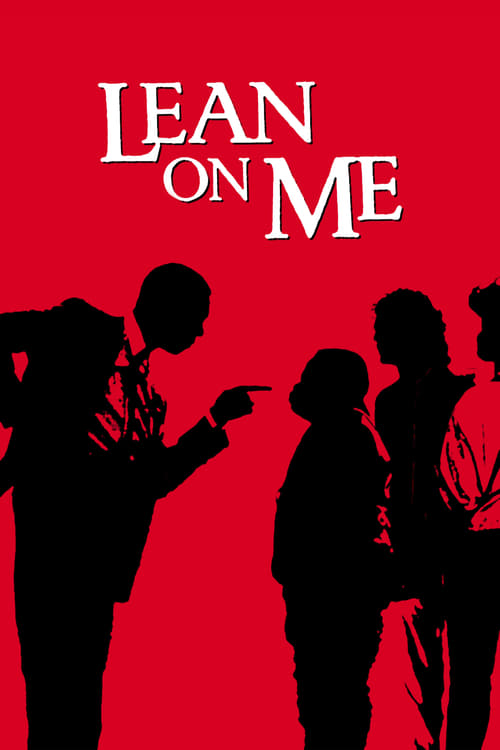
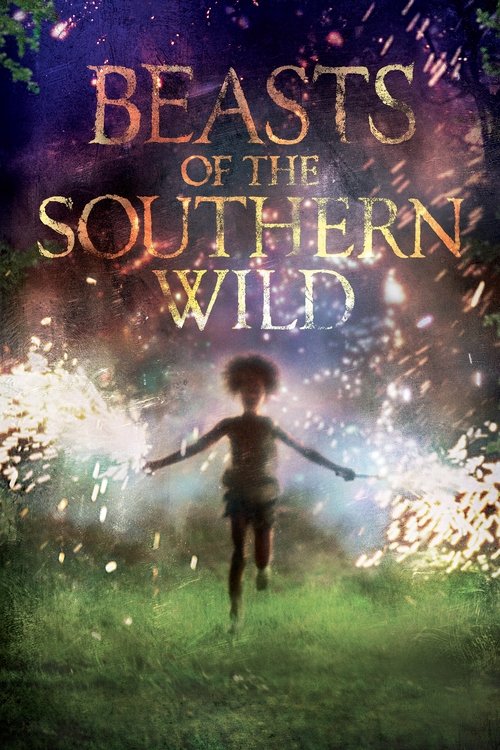
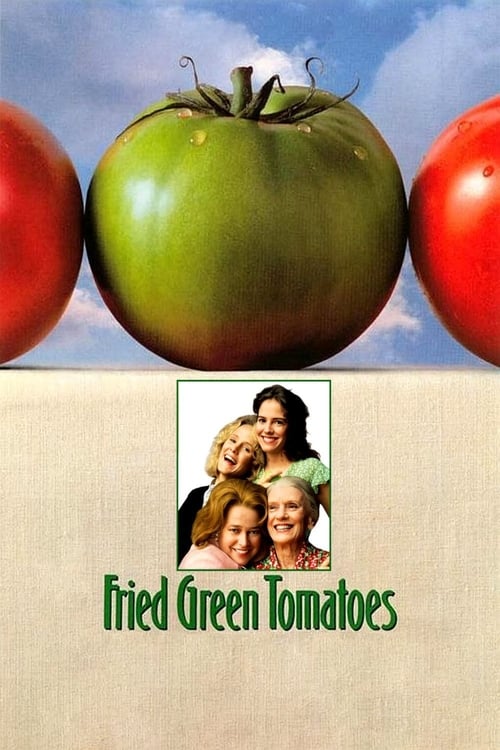
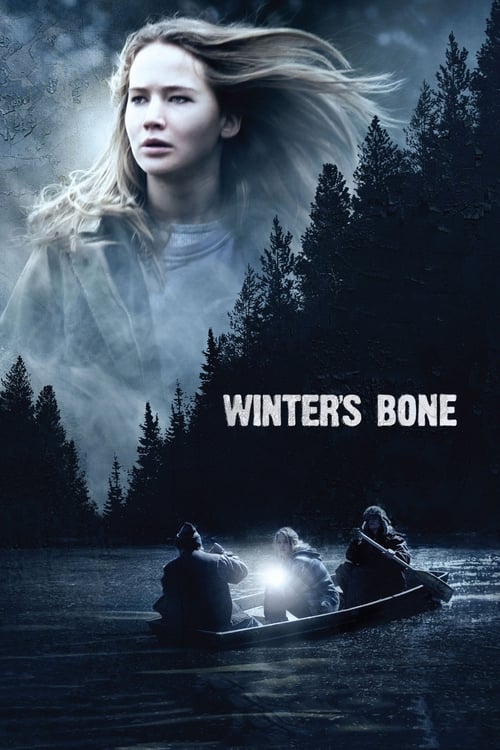
American Coming-of-Age on Film and TV
Boyhood, rebellion, and the weight of the world outside childhood


Satirists and Conscience Keepers
Books with the same moral wit and irreverent eye




The American Frontier in Games
Open rivers, wide territories, and moral choices in the dust
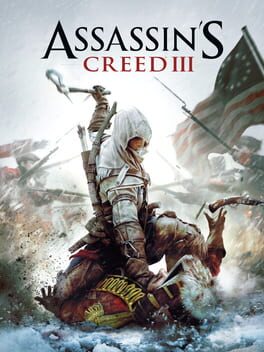
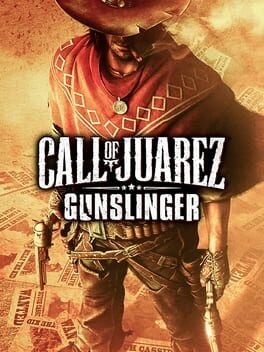
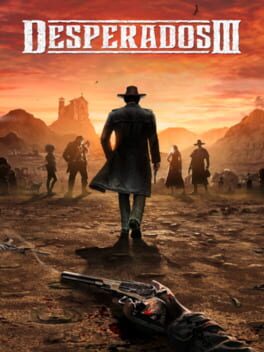
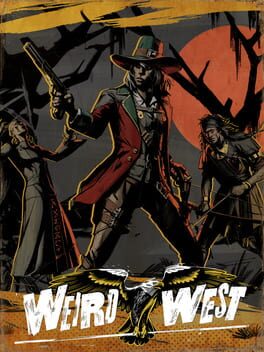

Deadpan America: Comedy with a Sting
Films and shows that do what Twain did, make you laugh then make you think



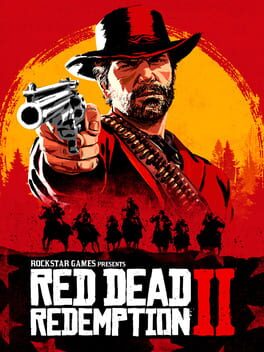
Red Dead Redemption 2 Is Twain's Mississippi on Horseback
Rockstar's open-world epic covers the same moral ground Twain mapped in Huckleberry Finn: a decent person trying to stay decent in a society built on violence and hypocrisy, with the frontier itself as both sanctuary and trap. Arthur Morgan navigating the Van der Linde gang's collapse echoes Huck navigating the river, discovering that every authority figure who claims righteousness is mostly protecting their own interests. The game's final chapters hit as hard as any passage Twain wrote about the cost of conscience.
'O Brother, Where Art Thou?' Is the Closest Thing to Twain on Film
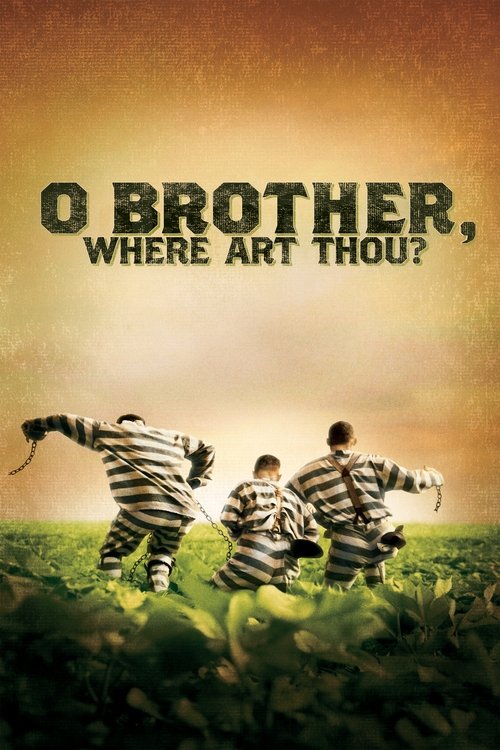
The Coen Brothers' Depression-era Southern odyssey packs more Twain DNA than any official adaptation. The trio of bumbling but fundamentally kind fugitives, the absurdist authority figures they outwit, the lush American landscape that feels both beautiful and hostile: it all runs on the same fuel as Tom Sawyer. The film understands that Twain's comedy was always a delivery mechanism for something more aching.
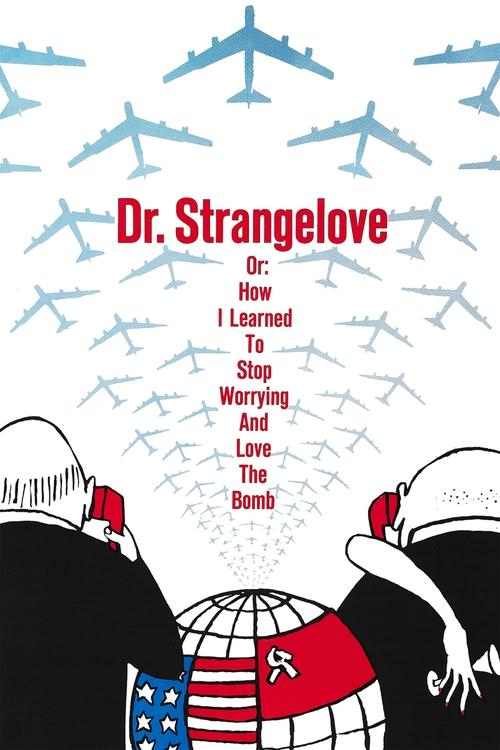
Catch-22 Is the Twain Novel the 20th Century Wrote for Itself
Joseph Heller's novel shares Twain's core move: using absurdist comedy to expose the murderous logic of institutions that claim to serve the people inside them. Yossarian and Huck Finn are spiritual cousins, both trying to opt out of systems that demand complicity in something monstrous while everyone around them treats the demand as normal. If you respond to Twain's satirical fury more than his pastoral warmth, Catch-22 is the more direct descendant.
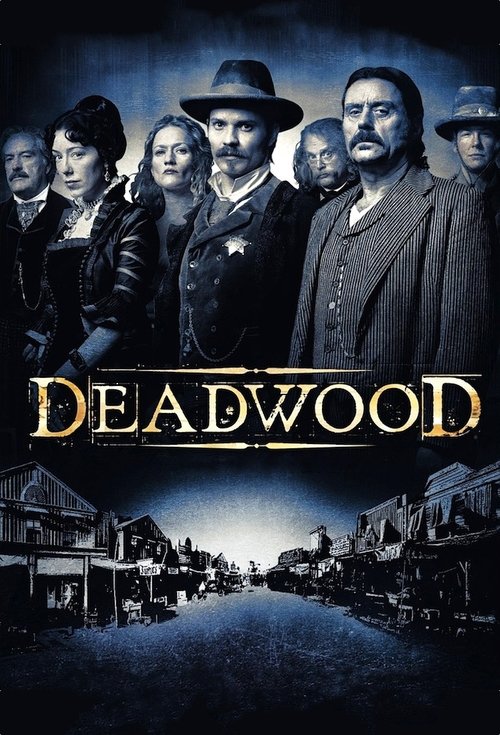
Deadwood Does What Life on the Mississippi Did
Twain's journalism and travel writing, especially Life on the Mississippi and Roughing It, were fascinated with the gap between the myth of the American frontier and its grubby reality: con artists, violence, fleeting civic order. David Milch's Deadwood covers exactly that ground in dramatic form, with a camp full of speculators and killers slowly, reluctantly building a society. The language, baroque and profane, has Twain's same love of American vernacular at full stretch.
Twain and His World: Key Dates
- 1865The Celebrated Jumping Frog of Calaveras County published, making Twain nationally famous
- 1869The Innocents Abroad: Twain's irreverent take on Europe and the Holy Land becomes a bestseller The Innocents Abroad
- 1876The Adventures of Tom Sawyer published The Adventures of Tom Sawyer
- 1884Adventures of Huckleberry Finn published in the US, immediately controversial Adventures of Huckleberry Finn
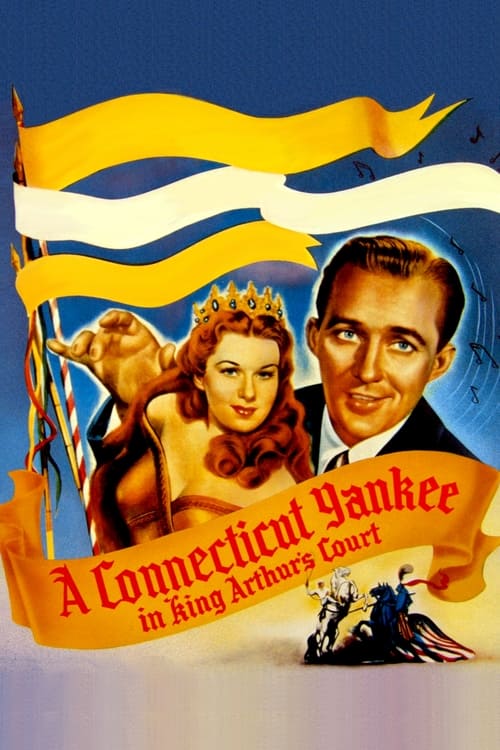
- 1889A Connecticut Yankee in King Arthur's Court: time travel as social satire A Connecticut Yankee in King Arthur's Court
- 1894The Tragedy of Pudd'nhead Wilson published, one of his darkest works on race The Tragedy of Pudd'nhead Wilson
- 1910Twain dies; his autobiography left unpublished by his own instruction until 100 years later
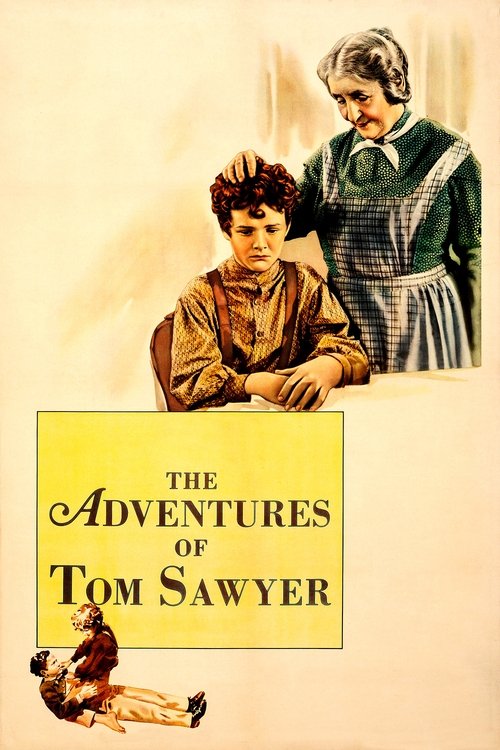
- 1939The Adventures of Tom Sawyer (1938 film) is an early Technicolor adaptation The Adventures of Tom Sawyer
- 1960Hal Holbrook premieres Mark Twain Tonight! on Broadway, a defining portrait of the author
- 2010Twain's uncensored autobiography finally published, 100 years after his death
More American voices and frontier tales
For Fans of Harper Lee
Explore the For Fans of Harper Lee guide →The difference between the almost right word and the right word is really a large matter. It's the difference between the lightning bug and the lightning.Mark Twain