

What readers come back to in Hatchet is not the plot summary but the texture of it: the mosquitoes, the skunk, the first failed fire, the patience required before the fire finally catches. Gary Paulsen strips Brian Robeson of everything a modern teenager takes for granted and then watches, with almost clinical attention, as the boy invents solutions from scratch. The through-line fans chase is competence earned through failure, solitude that teaches rather than punishes, and nature presented as neither villain nor friend but as an indifferent system you either learn to read or you don't. If that rhythm of earned survival lodges in you, here is where else to find it.
The Hatchet Books
Paulsen's Brian saga and the survival novels closest to it in spirit


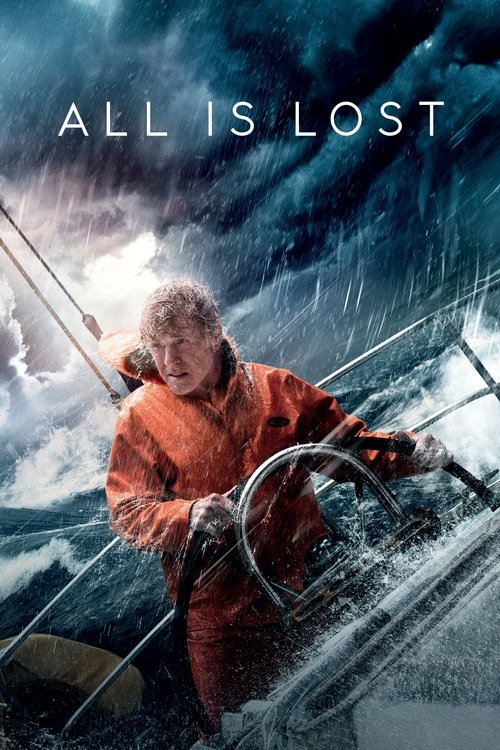
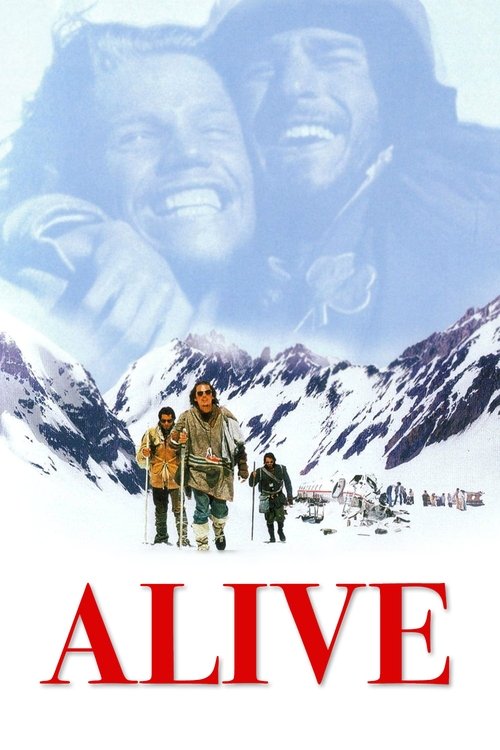
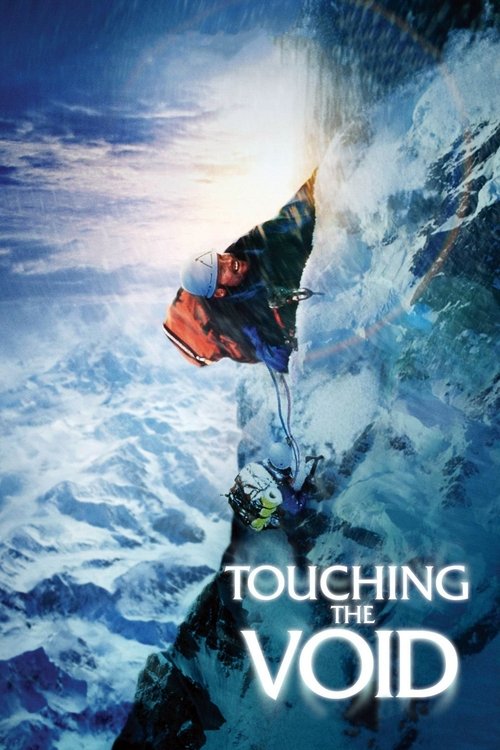
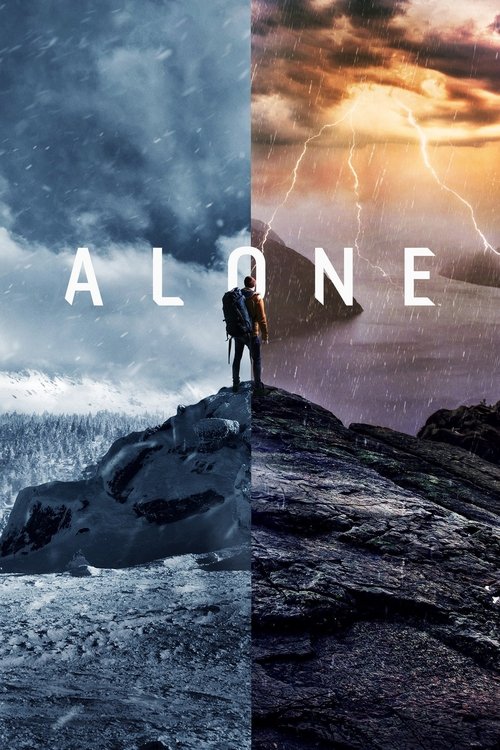
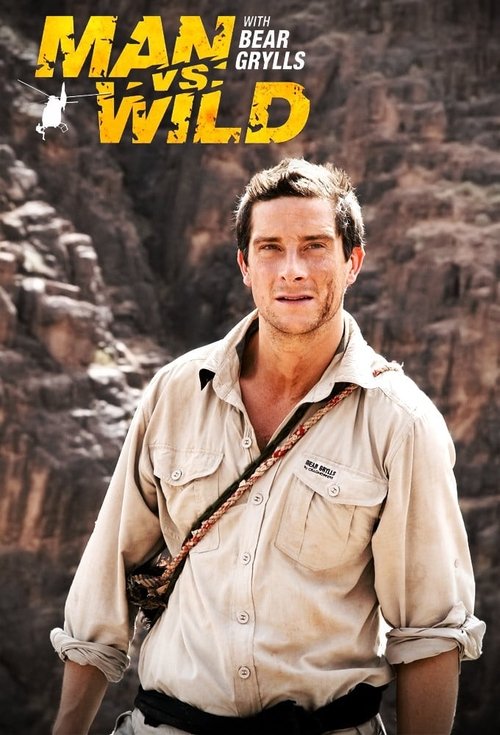
Alone Against the Wild: Survival Films
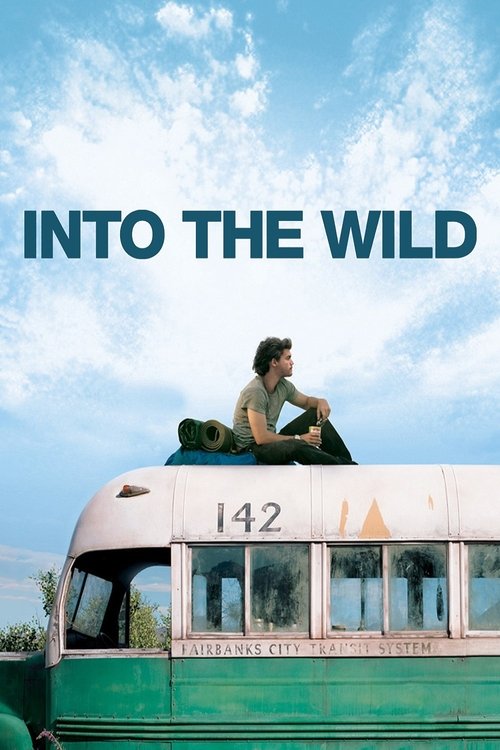
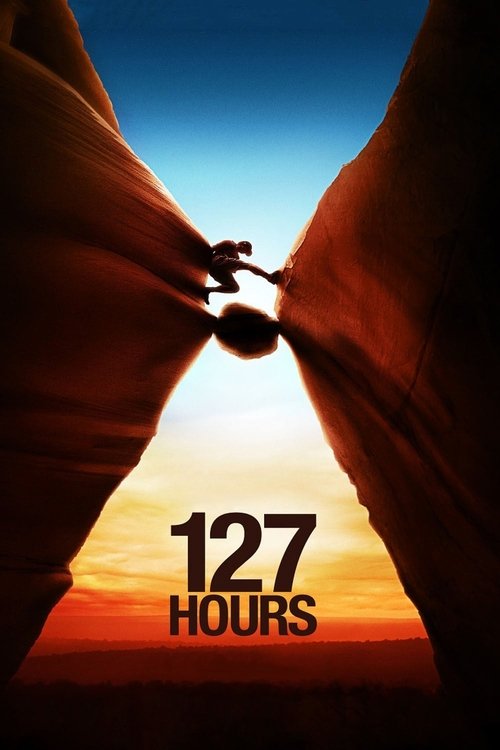
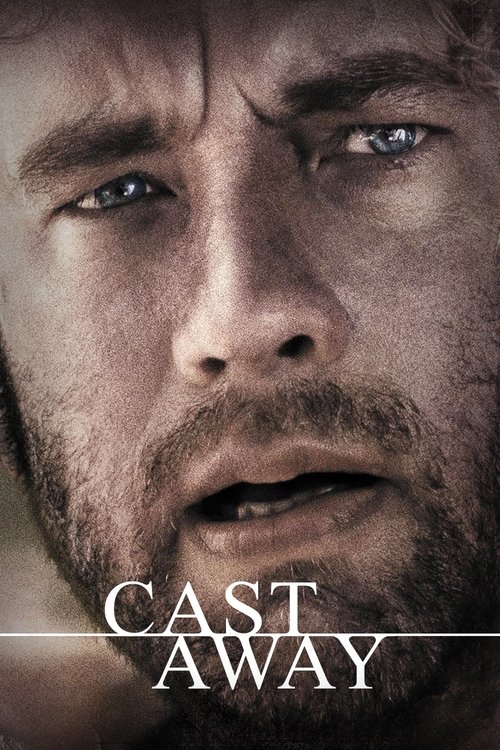
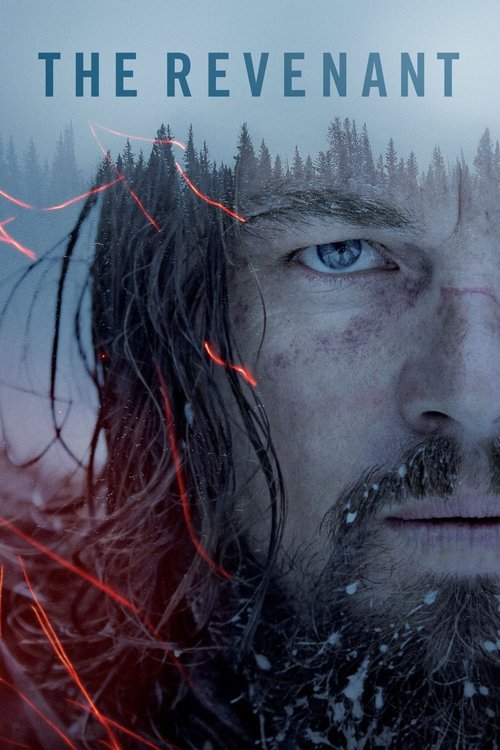
Films that put one person in an unforgiving landscape and trust the audience to sit with the silence


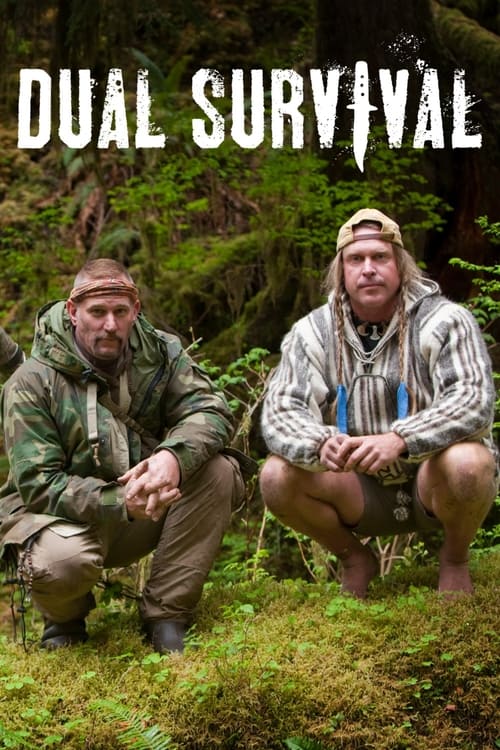
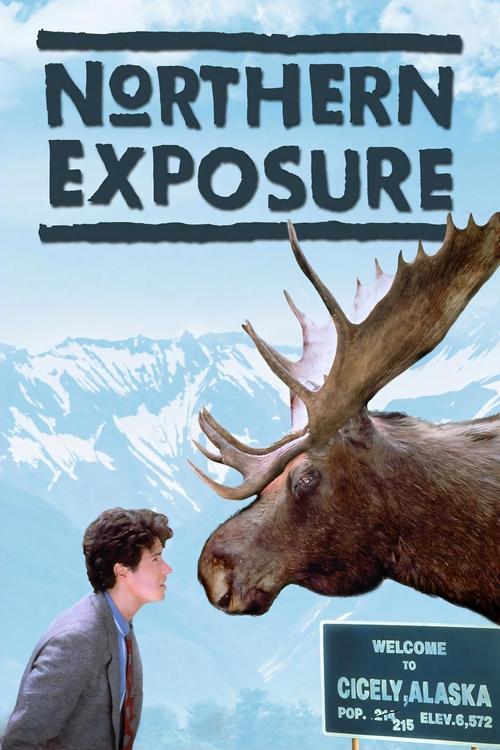
Wilderness and Coming-of-Age on Screen
Series where youth, isolation, and the natural world force characters to grow up faster than they planned
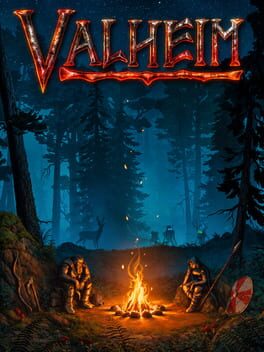
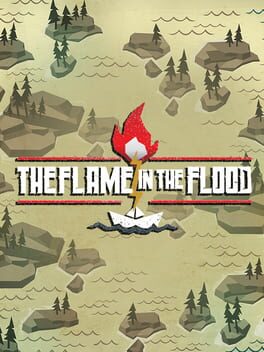
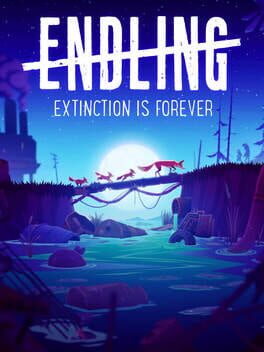
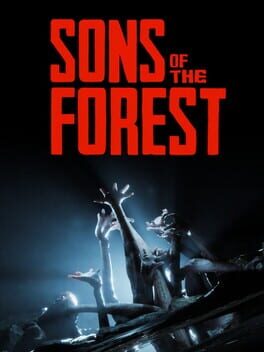
Earned Survival: Games About Staying Alive
Games where knowledge and patience matter more than reflexes, and the environment is your most demanding teacher

The Fire Scene Is the Whole Book
Every lesson Hatchet teaches about patience and iterative failure is compressed into the chapters where Brian tries to make fire. He has the flint, he has the idea, he has the desperation, and it still takes him dozens of attempts across days. Paulsen makes you feel each failed spark as a real setback, not a montage. That scene alone explains why the book has sold millions of copies to kids who don't normally finish books.

Paulsen Wrote From Life, and It Shows
Gary Paulsen ran the Iditarod, lived rough, and built his own survival skills before writing Brian's story, and you feel the difference between that and research-based wilderness fiction on every page. The specific detail of what a porcupine attack actually feels like, or how foolbirds hold still in brush, comes from somewhere real. That specificity is what separates Hatchet from adventure novels that use the wilderness as set dressing.
The Best Survival Games Learned the Same Lesson
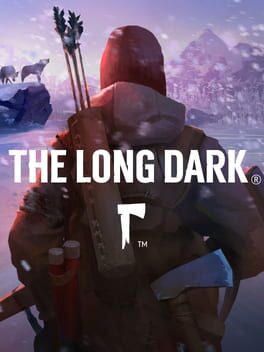
The Long Dark is the closest any game has come to the emotional register of Hatchet: no map markers, no quest arrows, calorie math you have to actually do, and a wolf encounter that is terrifying precisely because wolves behave like wolves. Both works reward the player or reader who slows down, observes, and plans rather than charges forward.
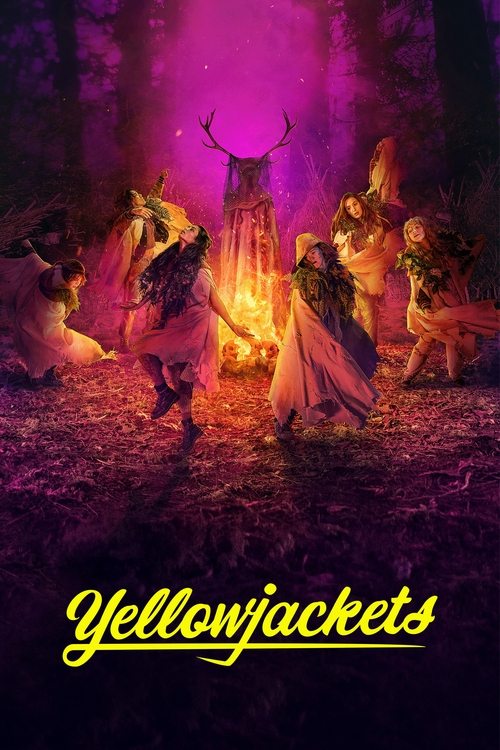
Yellowjackets Is Hatchet for Adults
Where Brian is alone and the threat is nature, the Yellowjackets crash survivors have each other, which turns out to be its own kind of dangerous. The show uses wilderness survival as a frame for group psychology under pressure, which is a darker but legitimate extension of the same question Paulsen asks: what do you become when the structures of civilization fall away? The answers are less optimistic, but the question is identical.

Brian Robeson's Published Life
- 1987The original novel publishes; Brian survives 54 days in the Canadian bush after a plane crash Hatchet
- 1991Paulsen returns Brian to the wilderness with a government researcher observing him The River
- 1996An alternate timeline: what if Brian had not been rescued before winter came
- 1999Brian goes back to the wilderness voluntarily, trying to understand what it changed in him
- 2003Brian, now older, tracks a pack of wolves into the Canadian north
He was not the same. The Brian that had been, the Brian of the hamburgers and fries and the movie on the television, that Brian was gone. In his place was this Brian, this new Brian that knew... how to make fire.Gary Paulsen, Hatchet (1987)