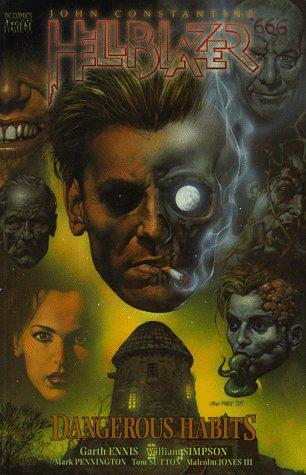

Mike Mignola launched Hellboy in 1993 and spent the next three decades building one of the most complete mythologies in comics. The appeal is specific: Hellboy is a creature of prophecy who refuses his destiny, a son of the apocalypse who would rather punch Lovecraftian monsters and drink beer. Mignola draws on Arthurian legend, Nazi occultism, Russian folklore, H.P. Lovecraft, and golden-age pulp adventure, then filters all of it through a visual style so stark and shadow-heavy it reads almost like woodblock prints. The B.P.R.D. and the wider Mignolaverse expanded that world across dozens of miniseries and spinoffs, making the mythology richer with every volume. What the devoted reader chases is that particular atmosphere: horror that feels ancient, action that feels mythic, and a hero who is genuinely melancholic beneath the wise-cracking surface.
Comics with the Same Dark Mythology
Graphic novels and comic collections for readers who love folklore horror and occult pulp


Films with the Same Occult Pulp Energy
Movies that share Hellboy's blend of monster-hunting, folklore, and dark atmosphere

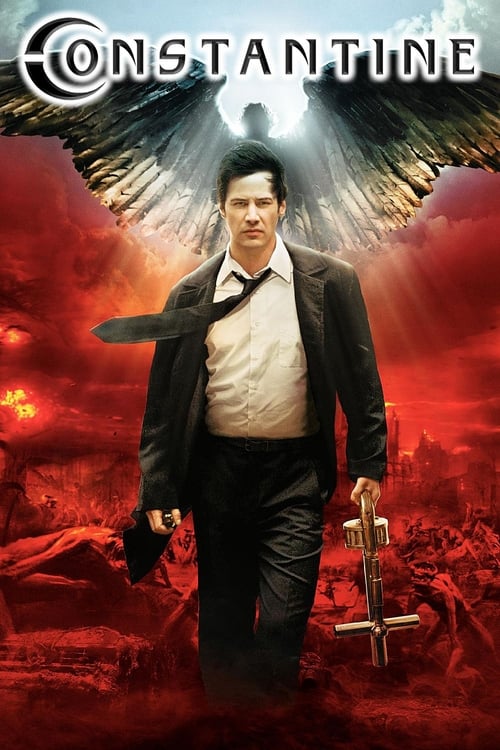
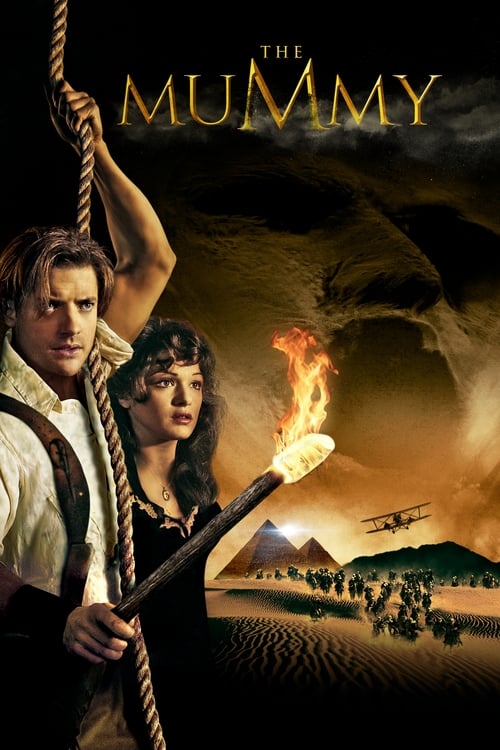



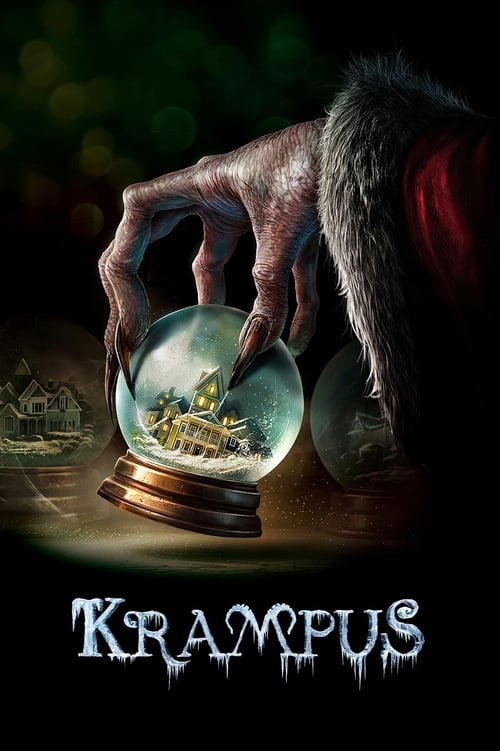
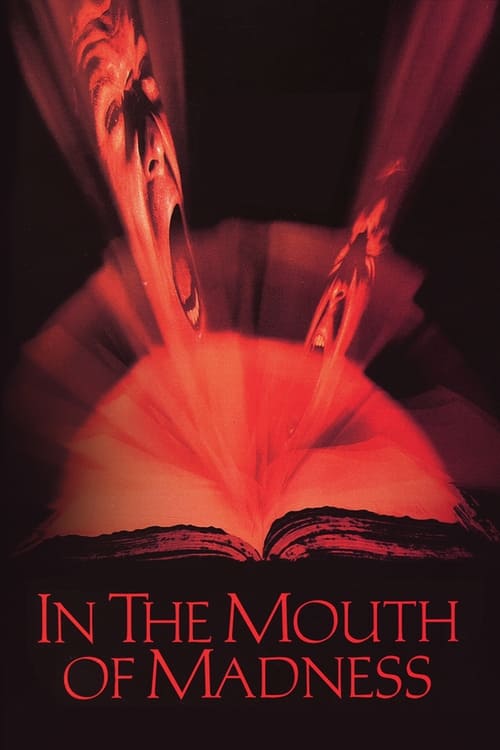
Series for the Monster-Hunter Fan
TV shows that channel the same paranormal investigation and folkloric horror
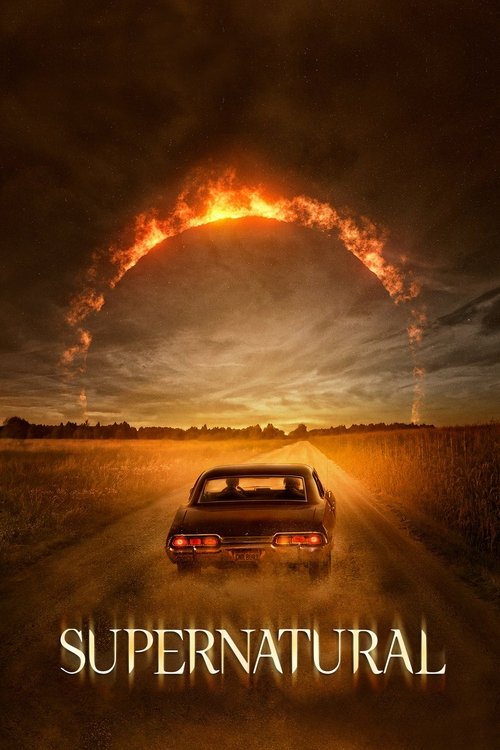

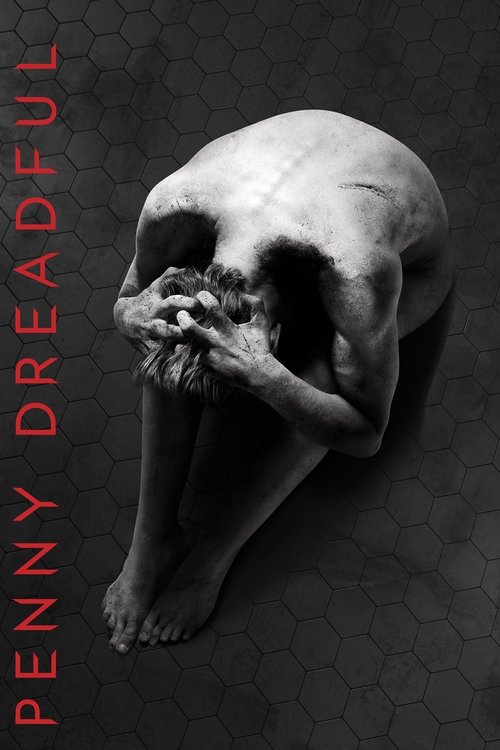
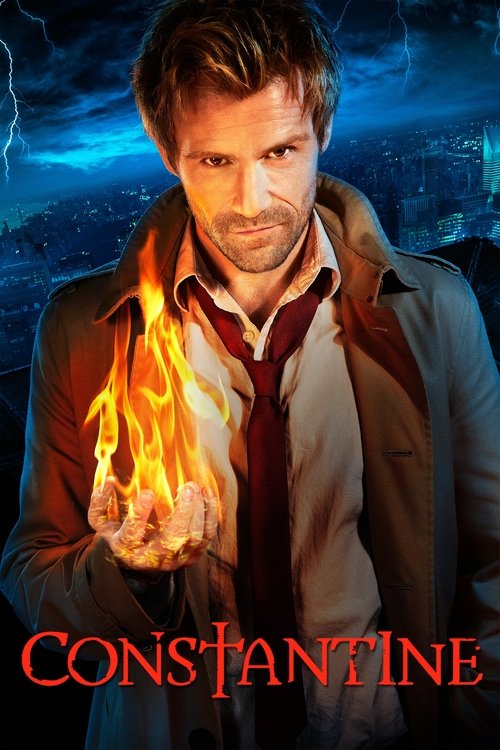


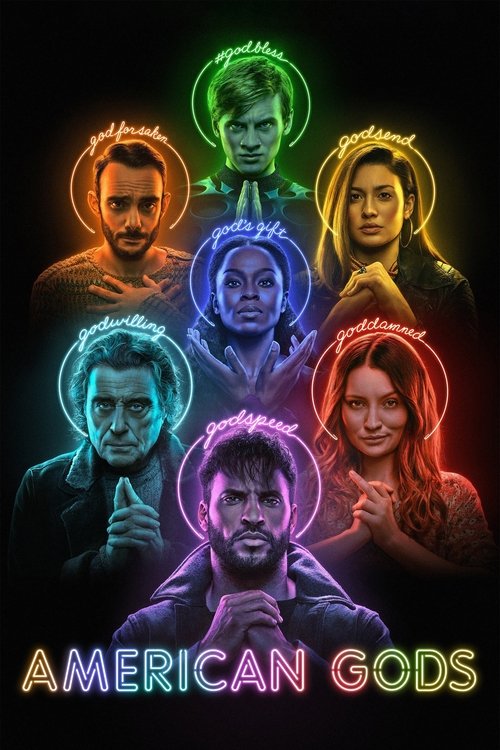
Games Inspired by the Same Themes
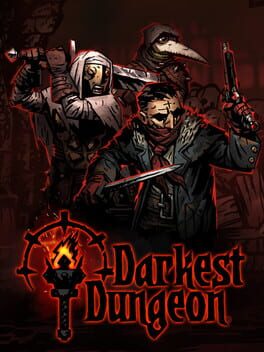
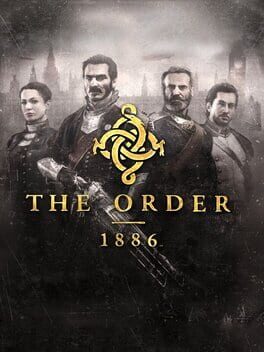
Games built around occult horror, folklore monsters, and a lone hero against ancient darkness
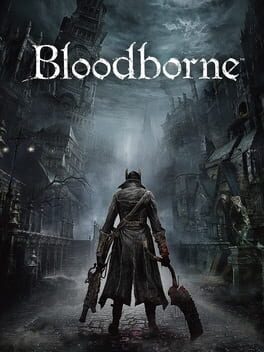
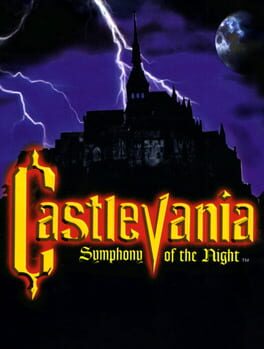
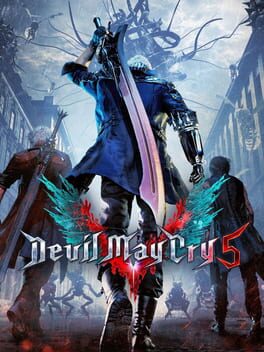


The del Toro Films Are a Different (and Worthy) Thing
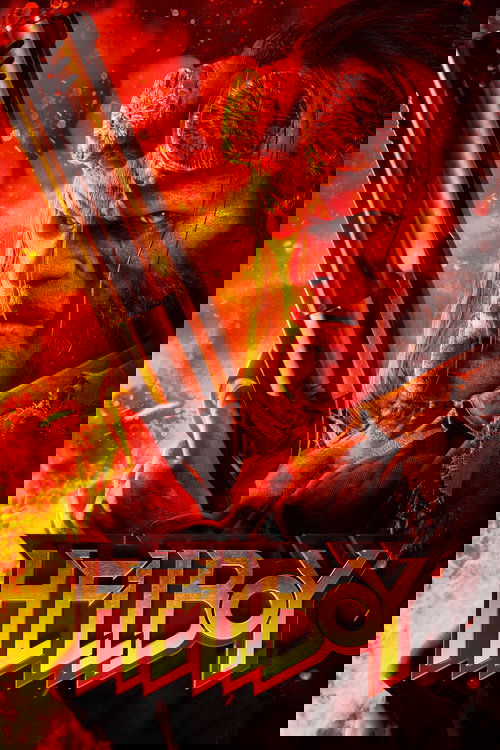
Guillermo del Toro's two Hellboy films take considerable liberties with the source material, leaning into fantasy spectacle over Mignola's spare horror. The Golden Army in particular is almost operatic in scale. What del Toro captures perfectly is the emotional core: a monster who chose humanity. That is the thread that makes both films worth watching back to back, regardless of where you stand on the mythology changes.

The B.P.R.D. Spinoffs Are Not Optional
New Hellboy readers often treat the B.P.R.D. series as supplemental. This is a mistake. The Bureau for Paranormal Research and Defense books, particularly Plague of Frogs and Hell on Earth, expand the mythology into something genuinely apocalyptic. Hellboy's cast of supporting agents, especially Liz Sherman and Johann Kraus, get full arcs here that make the core Hellboy volumes hit harder in retrospect. The spinoffs are half the story.

The Mignolaverse Timeline
- 1993Hellboy debuts in San Diego Comic-Con Comics
- 1994First standalone Hellboy miniseries published by Dark Horse
- 2000Conqueror Worm closes the first major arc of the Hellboy saga
- 2004Guillermo del Toro brings Hellboy to cinemas Hellboy
- 2008The Golden Army expands the mythology with del Toro's grandest vision Hellboy II: The Golden Army
- 2012Hellboy in Hell begins: Mignola draws Hellboy's end himself Hellboy
- 2019A reboot film tries a harder R-rated approach Hellboy
- 2022The complete Hellboy in Hell collected edition closes the saga
Pulp occult, monster hunters, dark folklore
Paranormal Investigators
Explore the Paranormal Investigators guide →Hellboy is the son of the apocalypse who decided he would rather fish. That refusal is the whole story.On the core appeal of Mike Mignola's creation