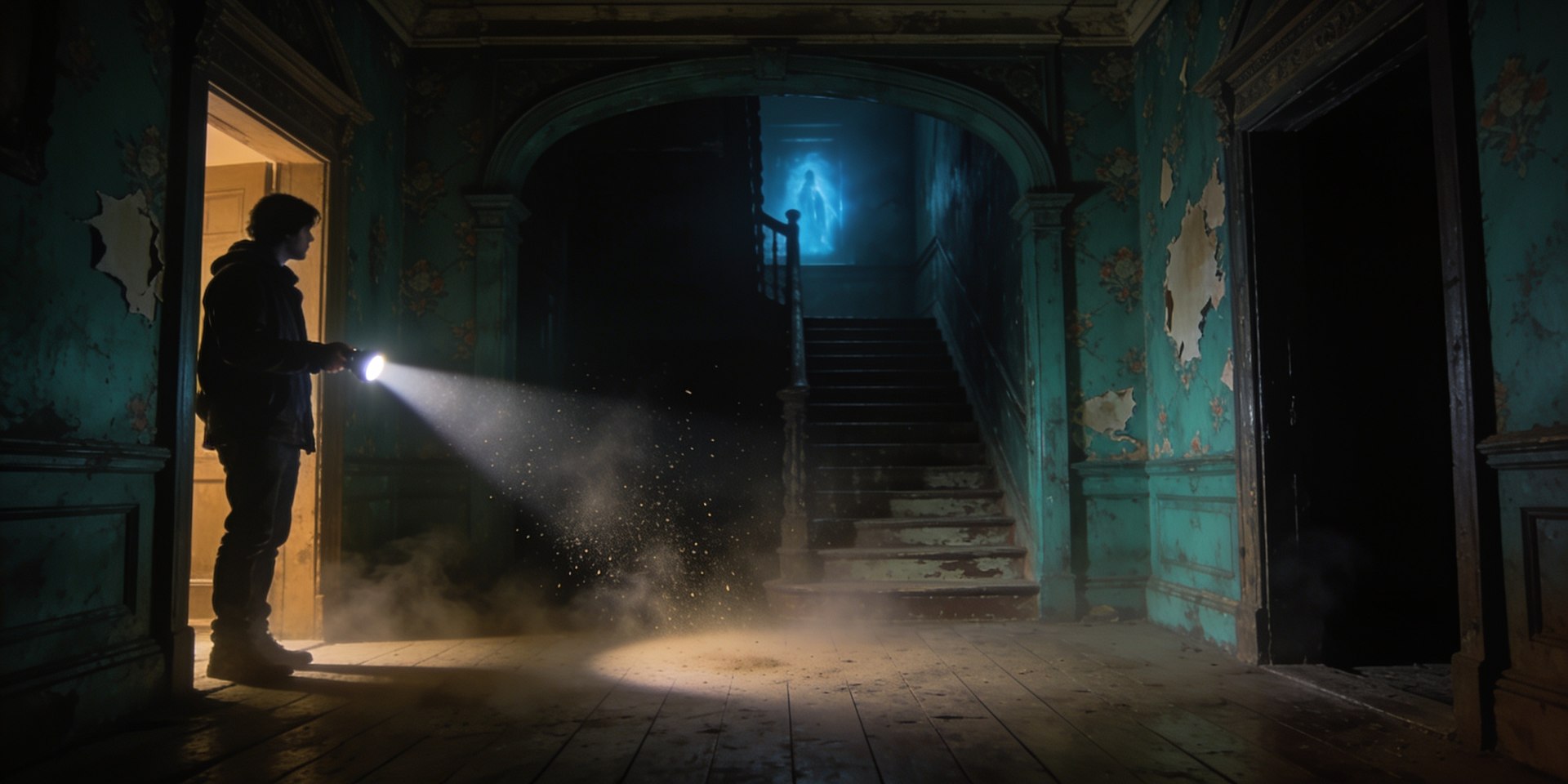

Most horror is about the people trying to get out of the haunted house. This is the genre about the people who walk in. They carry thermal cameras and salt and a tape recorder, they knock on the wall and ask the dark a question, and they stay long after any sensible person would have left. The paranormal investigator is part scientist, part priest, part fool, and the best stories in this corner of horror understand that all three of those things can be true of the same person at once.
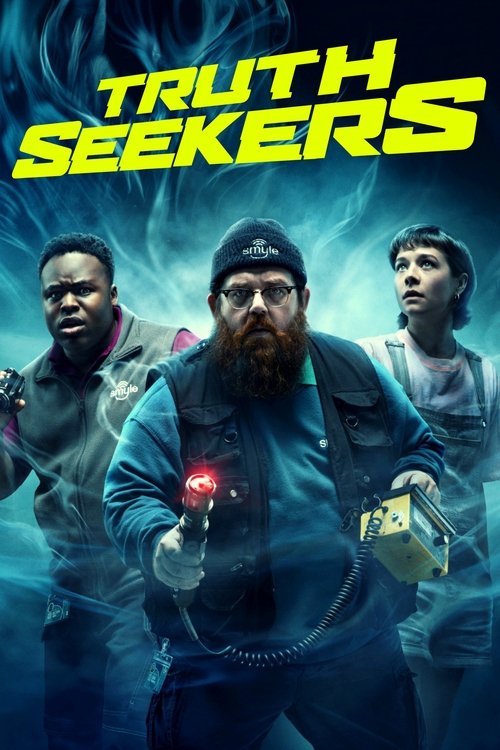
The shape recurs across every medium. A skeptic and a believer, a meter that clicks faster as the temperature drops, a basement nobody wants to enter. Sometimes it is played for laughs, as when four men in jumpsuits strap unlicensed nuclear accelerators to their backs and open a business. Sometimes it is played for dread, as when a demonologist and his wife sit across a table from a family and realize the thing in the house has been waiting for them specifically. The tools change. The question does not: what is in here with us, and what does it want.
Essential paranormal investigators
The canon: ghost hunters, demonologists and the teams who answer the call
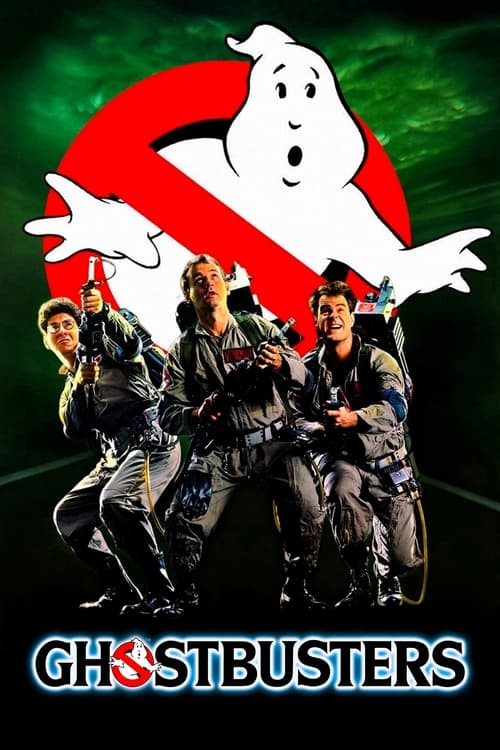

Ghostbusters is the only one that treats it as a job
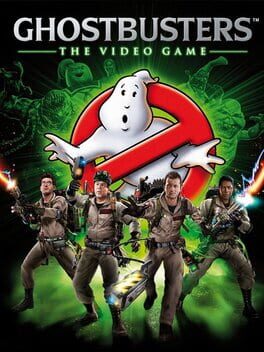
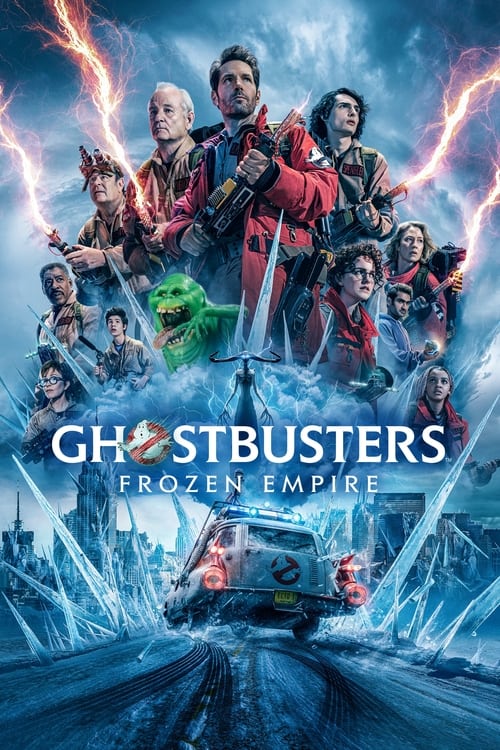
Almost every other entry in this genre frames investigating the paranormal as a calling, a curse, or a mistake. Ivan Reitman's Ghostbusters (1984) had the better idea: make it a small business. The genius of the film is that it treats class-five free-roaming vapors as a billing problem. Bill Murray's Peter Venkman is a fraud who becomes competent almost against his will, Harold Ramis's Egon is the engineer who actually understands the proton pack, and the city of New York is the haunted house. The proton stream, the ghost trap, the containment grid: this is the genre inventing its own equipment and then selling you the service.
The 2009 video game, written by the original cast, is effectively the third film and lets you finally fire the pack yourself. Frozen Empire carries the franchise into a new generation without losing the core joke, which is that catching ghosts is mostly paperwork and property damage.
Hauntings on the big screen
Demonologists, exorcists and the cases that follow them home



The believer and the skeptic
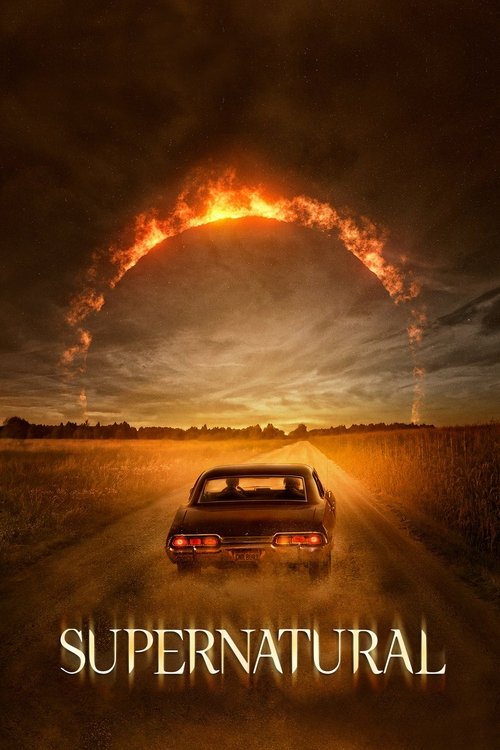
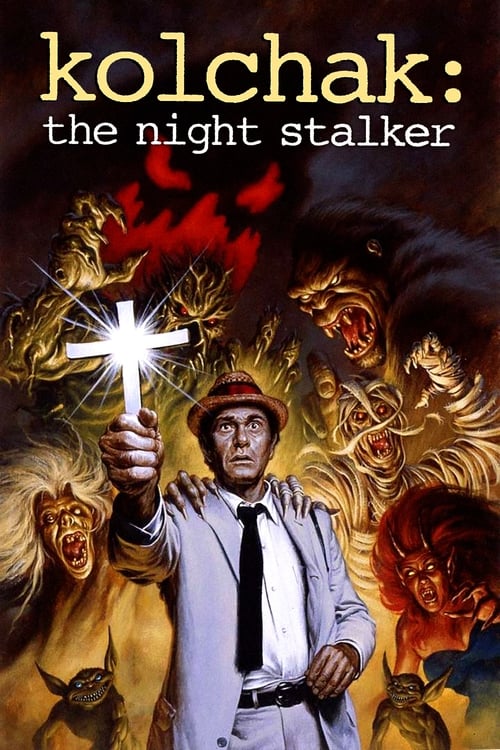
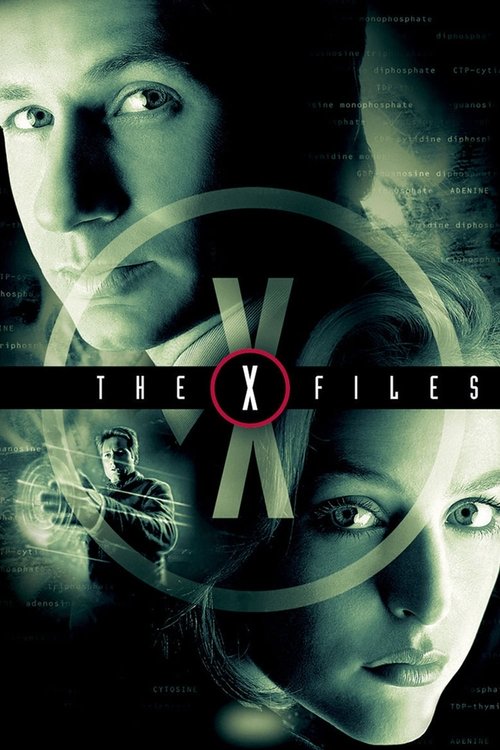
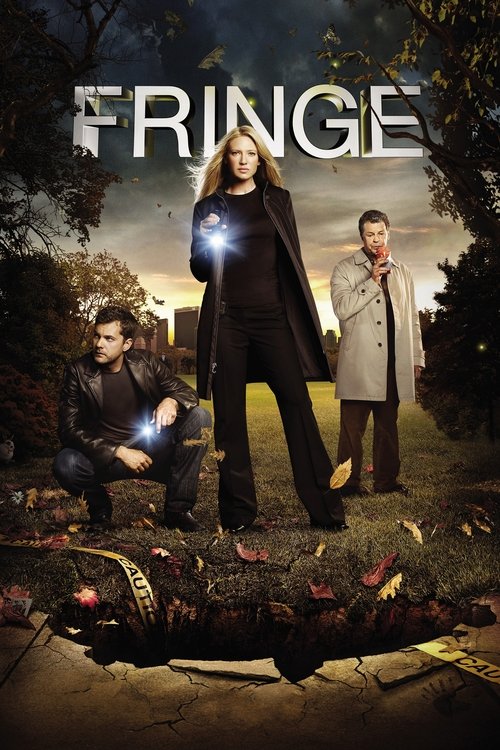
The genre's oldest engine is the pairing of someone who wants to believe with someone who refuses to. Television figured this out early. Kolchak: The Night Stalker put a rumpled Chicago reporter on the trail of vampires and swamp creatures in 1974 and gave the whole field its template: the lone investigator nobody in authority will listen to, filing stories that get spiked. Two decades later The X-Files split that figure in two, handed Mulder the belief and Scully the science, and ran the argument for nine seasons without ever fully resolving it. That tension is the form working as designed.
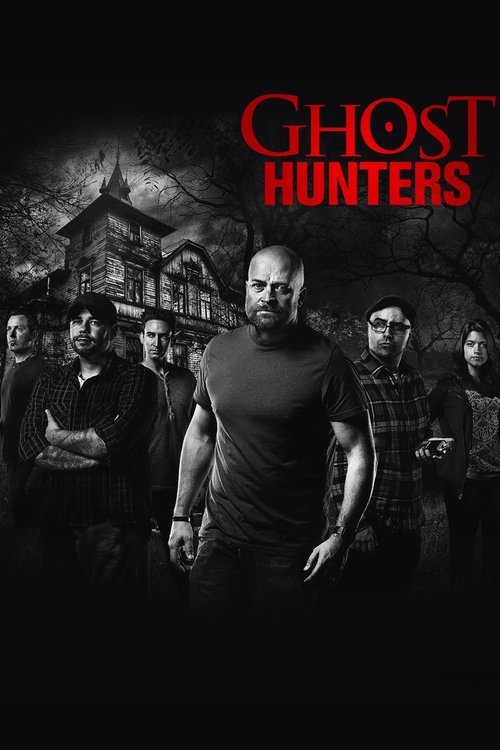
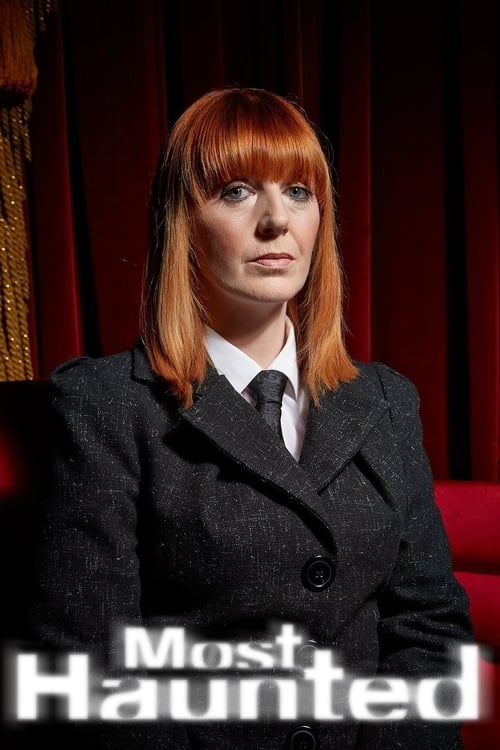
Reality television then collapsed the fiction entirely. Ghost Hunters sent two plumbers with EMF meters into actual buildings and asked the dark to knock once for yes. Most Haunted did the same for Britain, all night-vision green and held breath. Whether or not anything is really there, the ritual is the same one the dramas dramatize: set up the equipment, kill the lights, and wait.
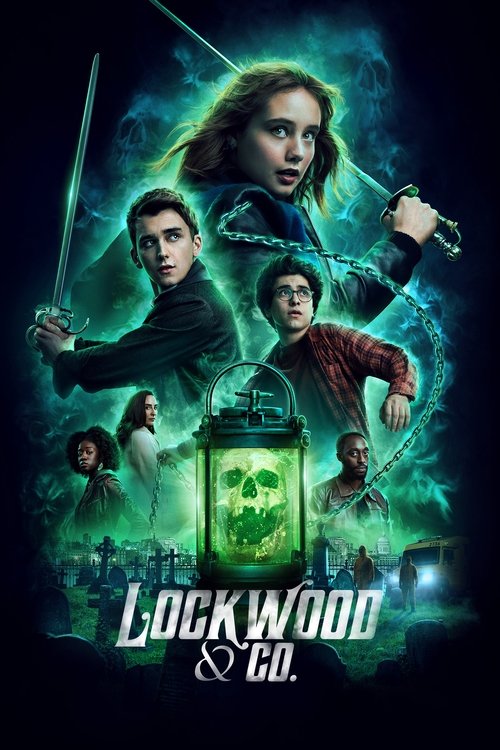
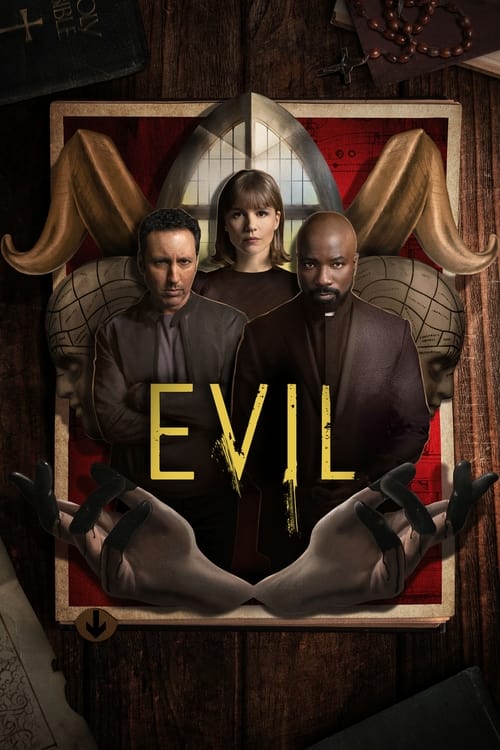
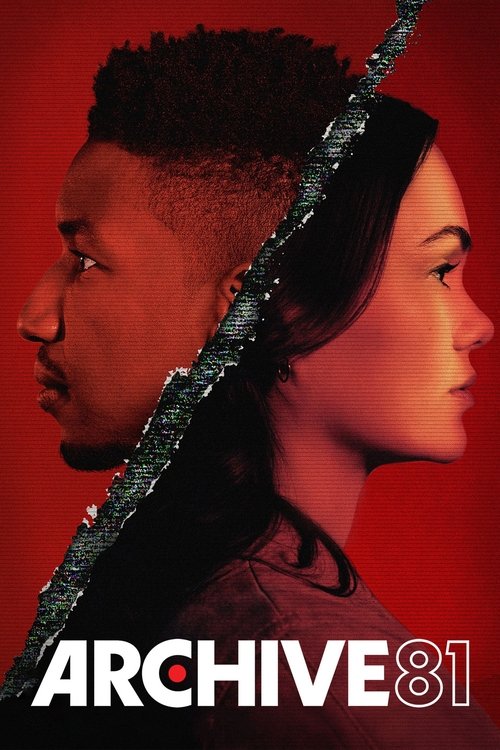
Investigators on the small screen
From Kolchak's notebook to night-vision ghost hunts
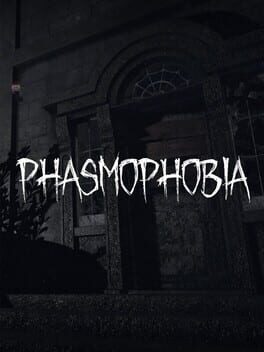
Phasmophobia turned the investigation into the whole game
For decades the paranormal investigator was a character you watched. Phasmophobia made you the investigator and built the entire game out of the procedure. You and up to three friends drive a van to a haunted location, take in exactly the gear the films and ghost-hunting shows made iconic (EMF reader, spirit box, thermometer, UV light, a crucifix if things get bad), and your job is to identify the ghost from the evidence it leaves. The horror is not jump scares. It is the moment the temperature reads below freezing and you realize you are standing in the room with it.
What makes it land is the talking. The ghost responds to your actual voice through your microphone, so saying its name out loud in an empty house becomes a genuinely difficult thing to do. It took the ritual every other work in this genre depicts and handed you the recorder.
Haunts you have to investigate yourself
Flashlight in one hand, EMF reader in the other
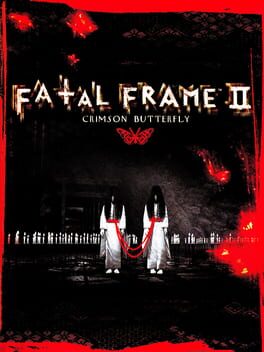
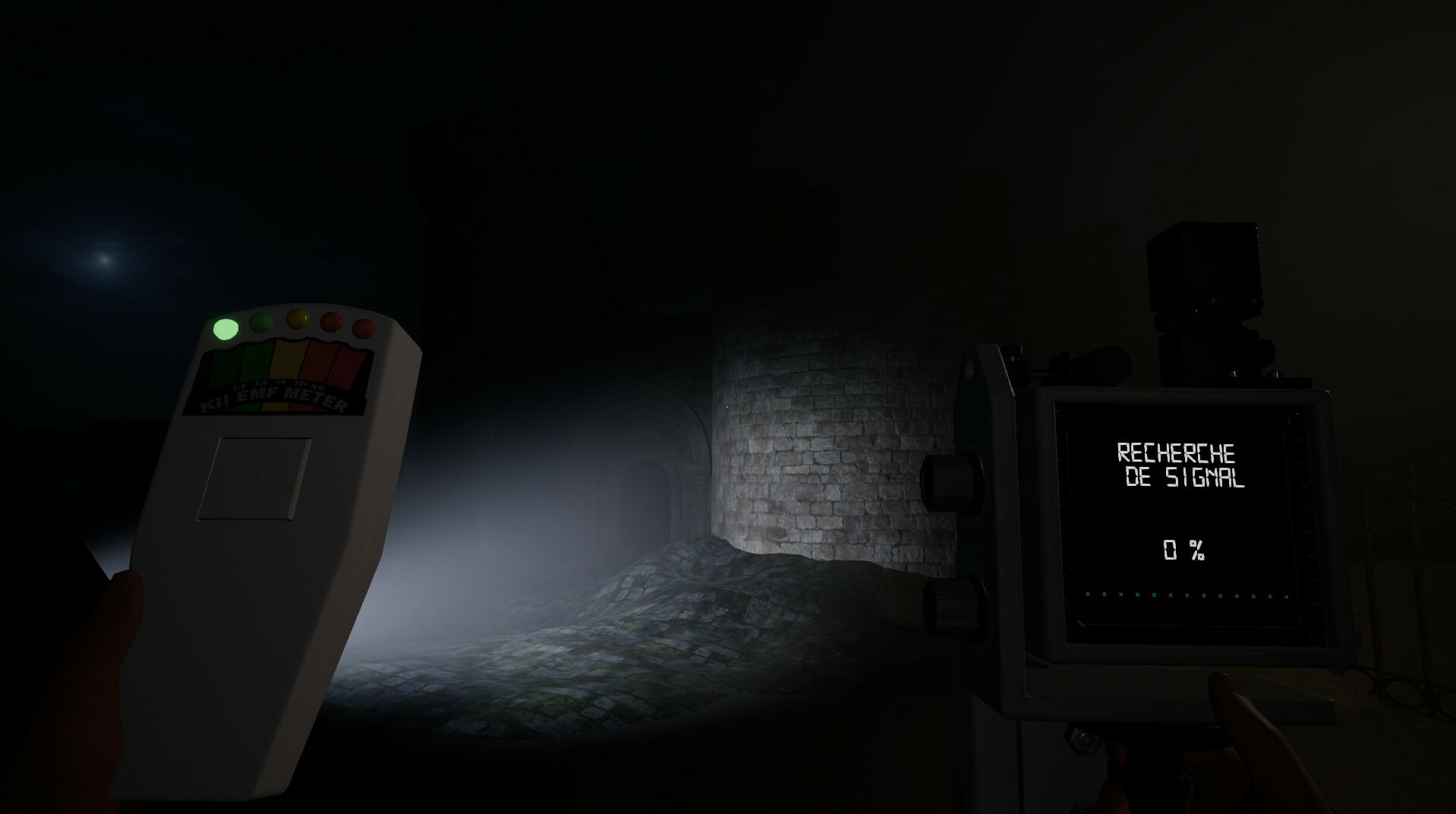
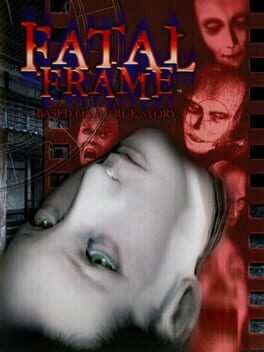
Fatal Frame made the camera the only weapon that works
Most games arm you. Fatal Frame takes the gun away and hands you an antique camera, the Camera Obscura, which is the only thing capable of harming the dead. To fight a ghost you have to point the lens at it and let it come closer, because the more dangerous the framing the more powerful the shot. It is the purest expression of what this genre is actually about: you cannot defeat the haunting, you can only document it, and documenting it means letting it get close enough to touch you.
Crimson Butterfly, the second game, is the high point, a story of twin sisters in an abandoned village that ranks among the most genuinely frightening things the medium has produced. The series understood that the investigator's real risk is not death but seeing too clearly.
The page got there first
Long before the proton pack, the haunted-house investigation was a literary form. Henry James's The Turn of the Screw set the template in 1898 and left the central question unanswered on purpose: is the governess seeing ghosts, or losing her mind? Shirley Jackson's The Haunting of Hill House assembled a research team to study a house scientifically and let the house study them back, and Richard Matheson's Hell House sent a physicist, a medium and a sensitive into the most haunted house in America to prove or disprove survival after death. Susan Hill's The Woman in Black sent a solicitor to settle an estate and gave him far more than paperwork.
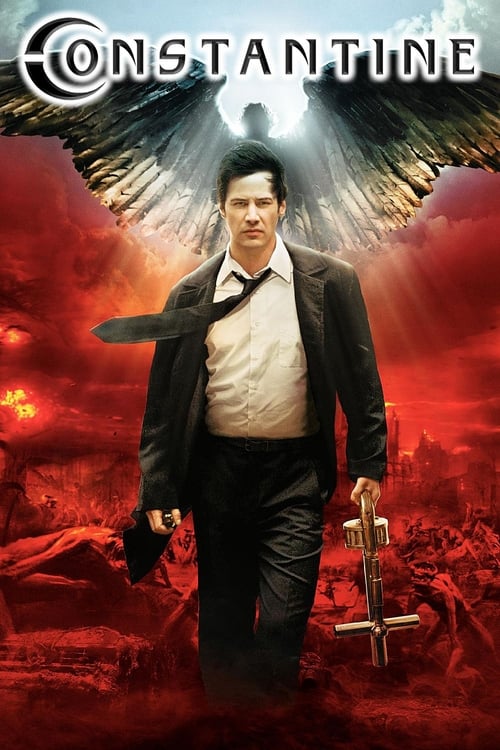
Comics built whole careers on the figure. Hellboy works for the Bureau for Paranormal Research and Defense, the closest thing the genre has to a real agency, while John Constantine in Hellblazer is the investigator as con man, trading favors with demons and rarely walking away clean. Mark Z. Danielewski's House of Leaves turned the haunted-house investigation into the form of the book itself, a documentary about a house that is bigger on the inside, footnoted into madness.
The haunted on the page
From Henry James to Hellboy: the investigators of horror fiction


Set up the equipment, kill the lights, and ask the dark a question. The hard part is staying for the answer.The working method of every ghost hunter, real and fictional
Scores to hunt ghosts by
The sound of the dark: themes and soundtracks built to unsettle
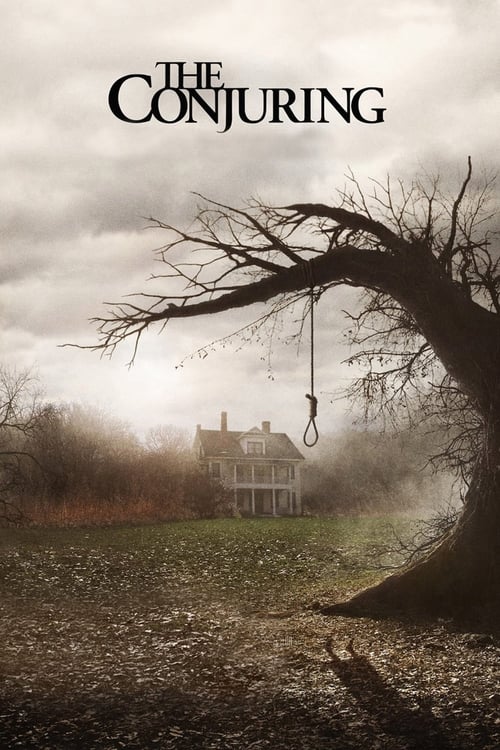
The Conjuring works because the investigators are the heroes
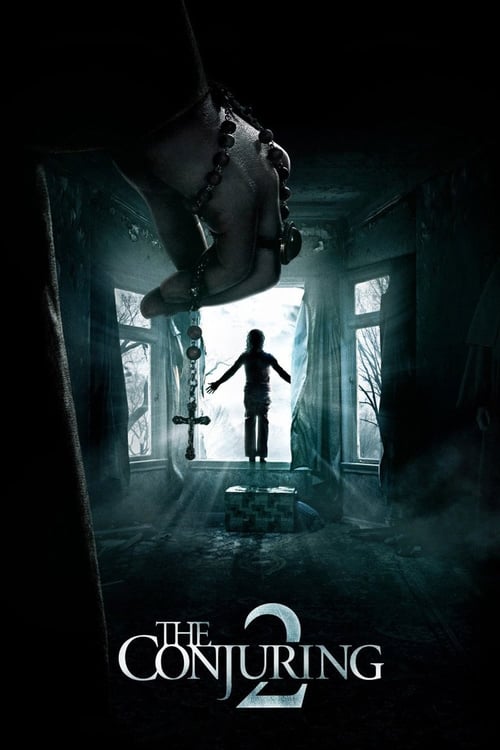
James Wan's The Conjuring did something most haunted-house horror refuses to do: it made the people studying the haunting the leads. Ed and Lorraine Warren arrive at the Perron farmhouse as professionals, with case files and a Catholic framework and decades of fieldwork behind them, and the film treats their expertise as real. The scares are excellent, but the reason the franchise became the biggest horror engine of its era is that audiences wanted to spend time with investigators who were brave, competent and clearly in love.
The sequel moves the case to Enfield and the famous British poltergeist, and it is arguably the better film, because it lets Lorraine's fear for Ed become the actual stakes. Strip the demons out and The Conjuring is a story about two people whose job is walking toward the thing everyone else runs from, together.