
Hip-hop did not begin in a studio. It began at a party in the Bronx on August 11, 1973, when DJ Kool Herc isolated the percussion break in two copies of the same record and looped it indefinitely, turning a fleeting musical moment into a foundation. What grew from that single turntable trick became a culture with four pillars: DJing, MCing, breakdancing, and graffiti writing. Each discipline is its own art form with its own lineage of masters, feuds, schools, and golden eras.
The through-line a hip-hop fan follows is craft under constraint: making something from nothing, finding poetry in the block, turning borrowed sounds into wholly original statements. That sensibility travels. The same eye for sampling and layering that Madlib brings to a beat exists in a great thriller novel's structure, in a documentary's archival juxtaposition, in a game where rhythm and timing are everything. If you love hip-hop's combination of verbal dexterity, sonic invention, historical witness, and defiant style, this guide is your cross-media map.
Essential Hip-Hop
The albums and artists that define the canon, from the old school to the present
If You Love Hip-Hop: The Documentaries
Films that witness the culture from the inside, frame by frame


If You Love Hip-Hop: The Films and Series
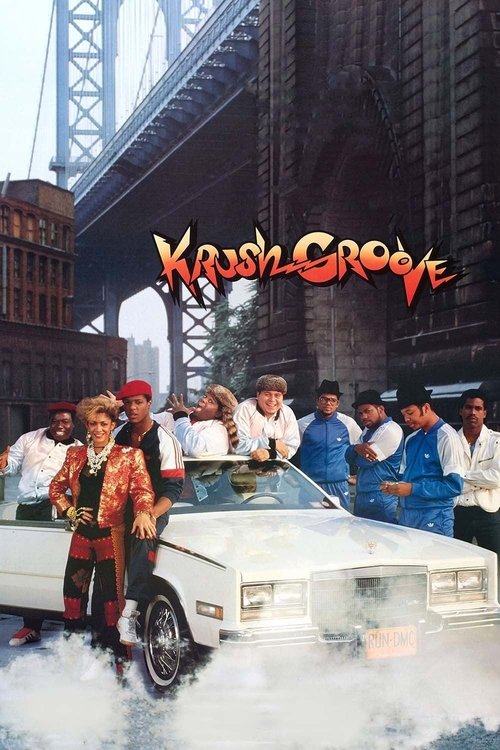
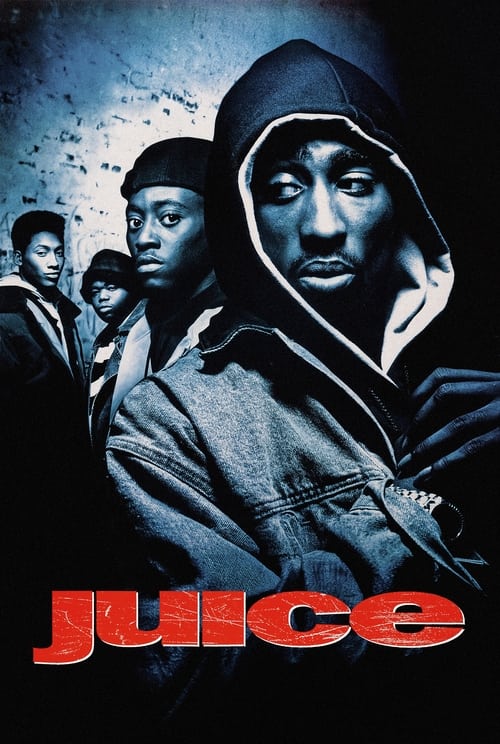
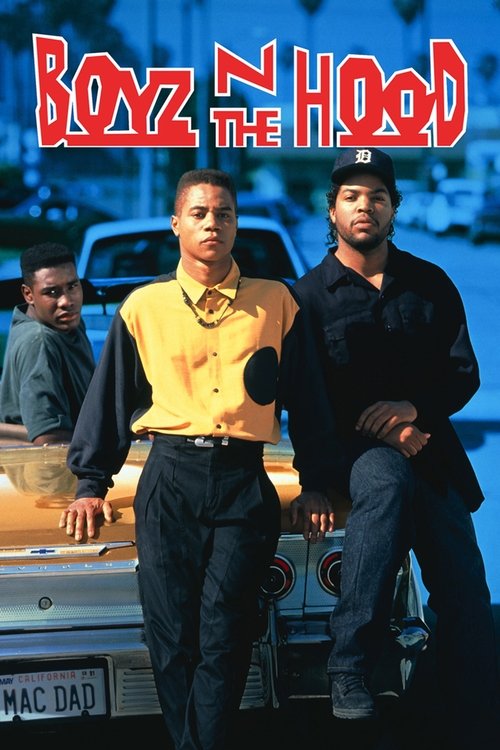
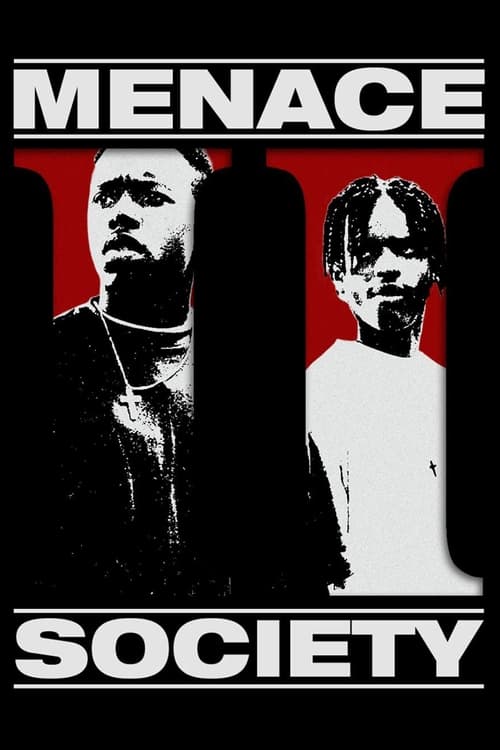
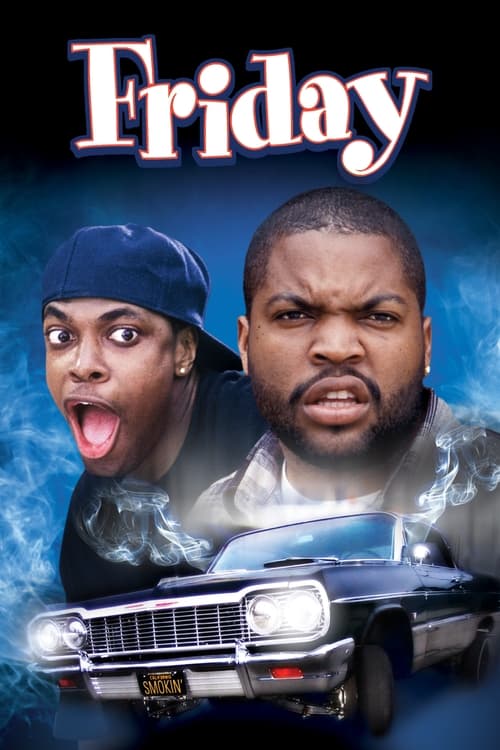
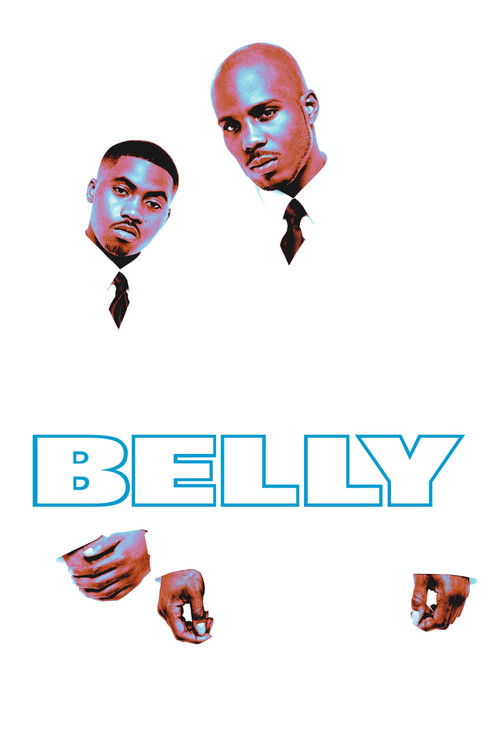
Narrative cinema and TV that grew from the same streets, the same struggle, the same sound
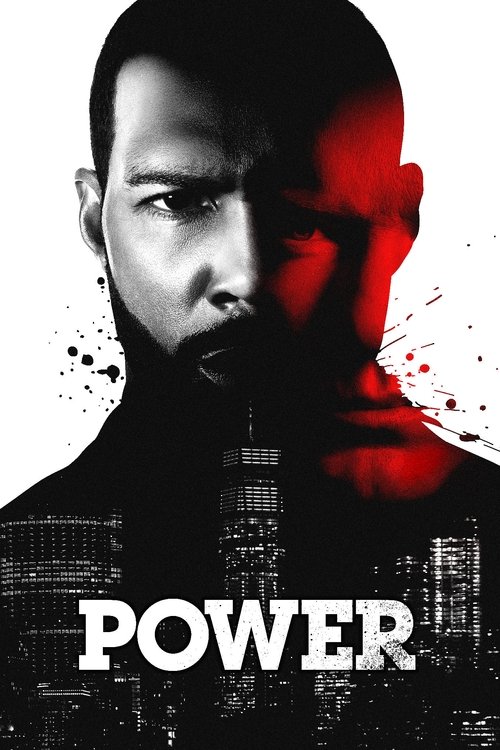
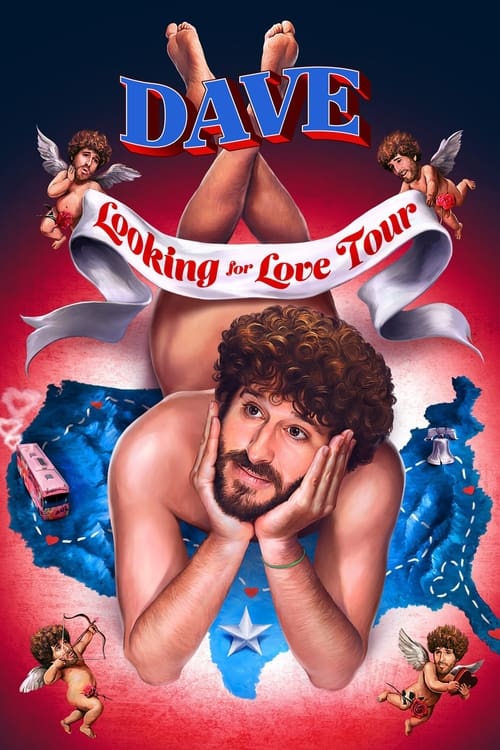
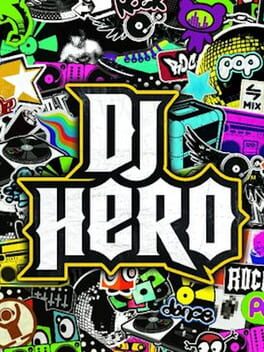
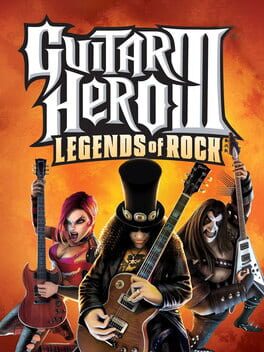
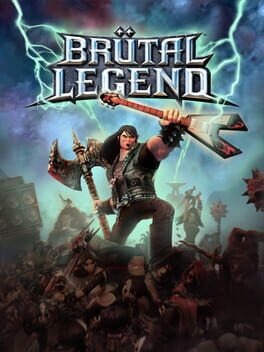
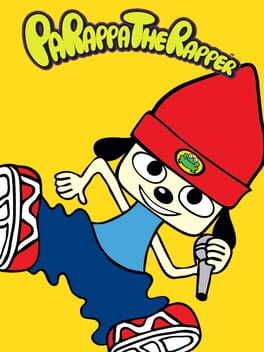
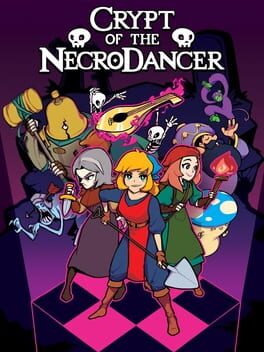
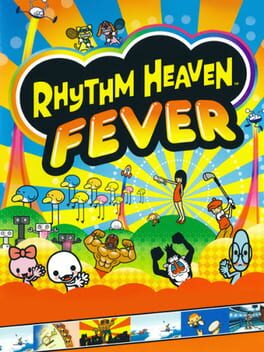
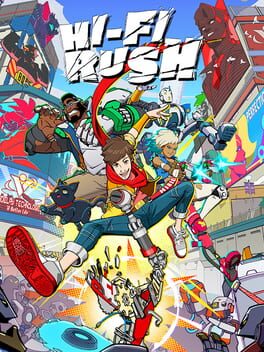
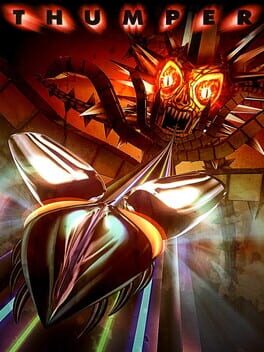
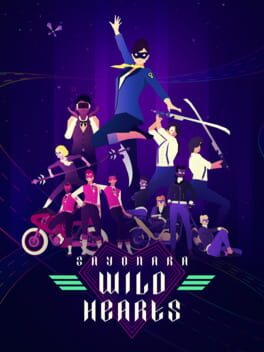
If You Love Hip-Hop: Rhythm, Music, and Flow Games
Games where timing, beats, and style are the whole point
If You Love Hip-Hop: Essential Reading
Books that document, theorize, and tell the stories behind the beats


Illmatic Is Still the Measure
Every few years someone floats the argument that hip-hop has a new benchmark album. The contenders are real: To Pimp a Butterfly rewrote what rap production could reach for; Madvillainy proved that underground abstraction was its own greatness; Good Kid, M.A.A.D City made concept albums feel as urgent as news. But Illmatic, Nas's 1994 debut at 39 minutes and 10 songs, remains the compact standard because it solved everything at once: a teenager's street wisdom given the weight of literature, over production that felt ancient and futuristic in the same bar. No album since has made less feel like more with such finality.
Atlanta Is the Best Hip-Hop Show Ever Made
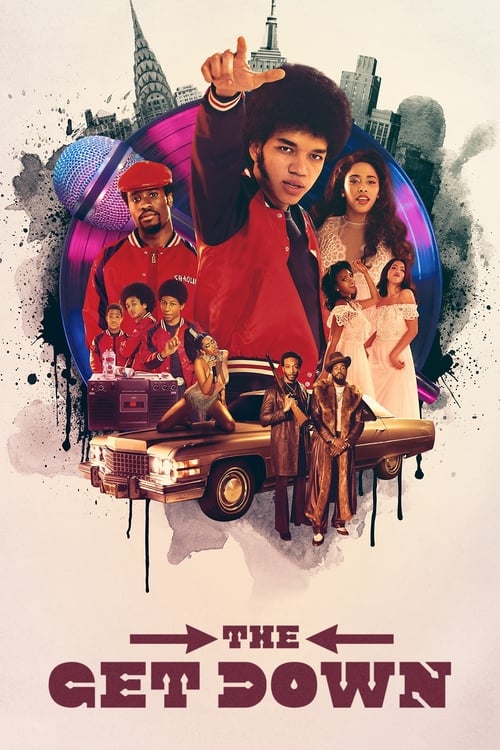
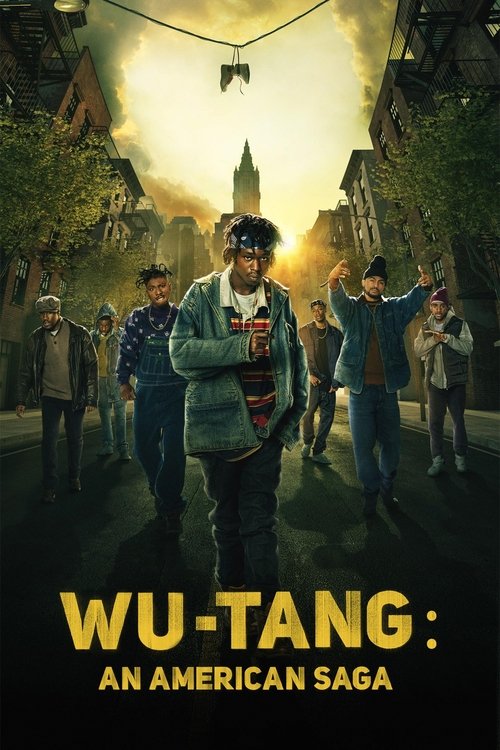
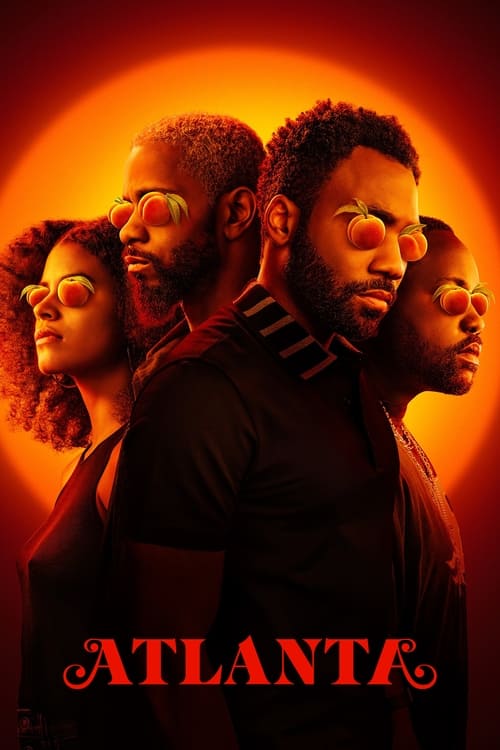
Donald Glover's Atlanta is not strictly about hip-hop the way The Get Down or Wu-Tang: An American Saga are. But it captures what hip-hop actually feels like from the inside: the absurdity of trying to build something in a system designed to ignore you, the specific surrealism of Black Southern life, the gap between the music's mythology and the daily grind of the people who make it. Paper Boi's slow rise to local fame is more truthful about the music industry than any biopic. The show's willingness to go fully strange, even unwatchable, in service of an emotional point is hip-hop methodology applied to television.
Wild Style Is the Document the Genre Deserved First
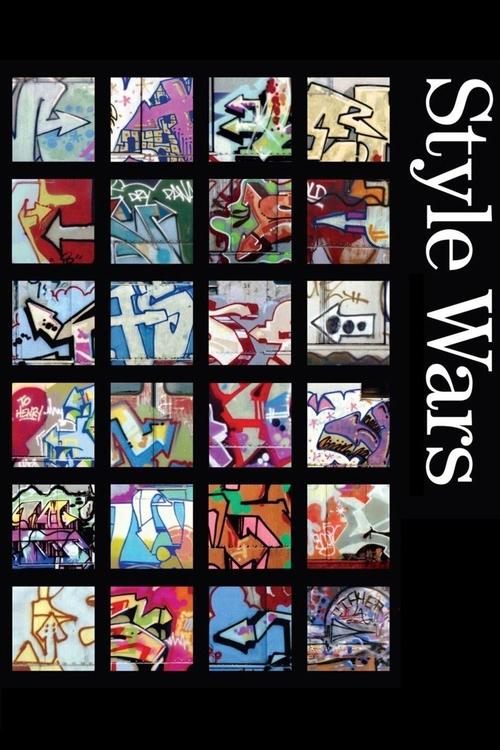
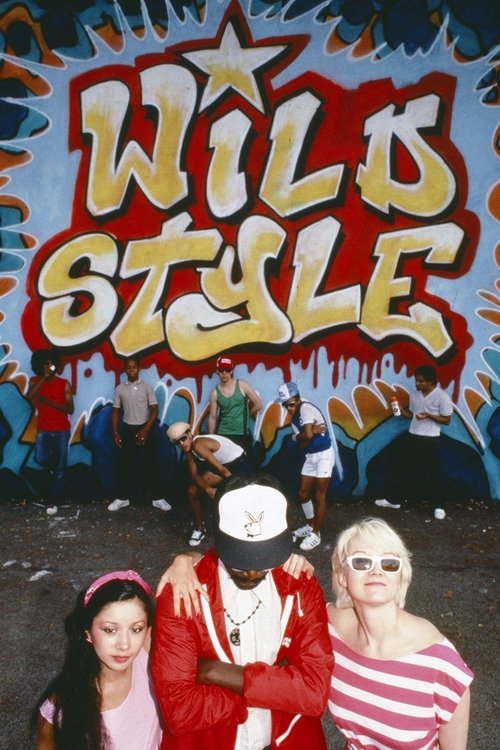
Charlie Ahearn's 1983 film Wild Style was made on the streets of New York with real writers, breakers, and MCs playing fictionalized versions of themselves, and it captured all four elements of hip-hop before anyone had finished deciding what hip-hop was. The film's rough, semi-documentary quality is not a flaw. It is evidence. Style Wars, released the same year as a PBS documentary, is its companion piece: a deeper look at the graffiti world specifically, with real stakes and real conflict. Together the two films are the closest thing to primary source footage the culture has.
Hip-Hop: A Timeline of Defining Moments
- 1973DJ Kool Herc throws the party at 1520 Sedgwick Avenue in the Bronx that is widely considered hip-hop's origin point, isolating the break in funk records.
- 1979The Sugarhill Gang releases Rapper's Delight, hip-hop's first mainstream hit, introducing the genre to a national audience.
- 1982Grandmaster Flash and the Furious Five release The Message, proving rap could be social documentary.
- 1983Wild Style and Style Wars both reach audiences, creating the first visual archive of all four hip-hop elements. Wild Style
- 1986Run-DMC and Aerosmith record Walk This Way together, crossing hip-hop into rock radio and MTV. Raising Hell
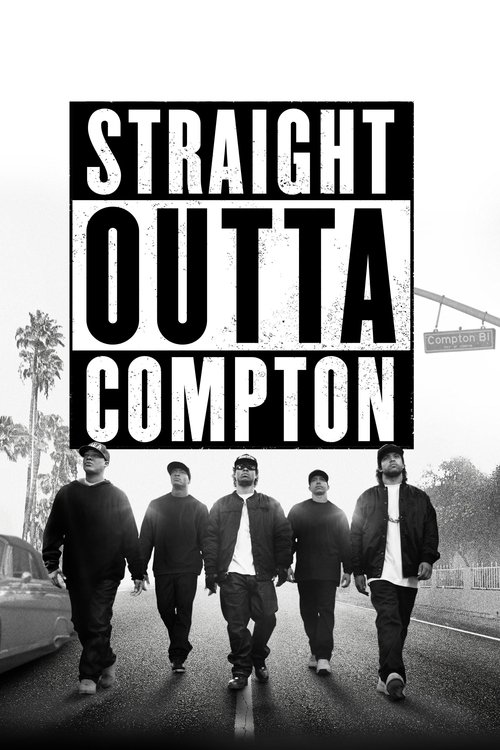
- 1988N.W.A releases Straight Outta Compton, establishing West Coast gangsta rap and triggering a national controversy over lyrics. Straight Outta Compton
- 1994Illmatic and Ready to Die arrive in the same year, defining East Coast lyricism and the New York sound. Illmatic
- 1996The deaths of Tupac Shakur and Biggie Smalls close hip-hop's most intense rivalry and begin its transformation into global pop. All Eyez on Me
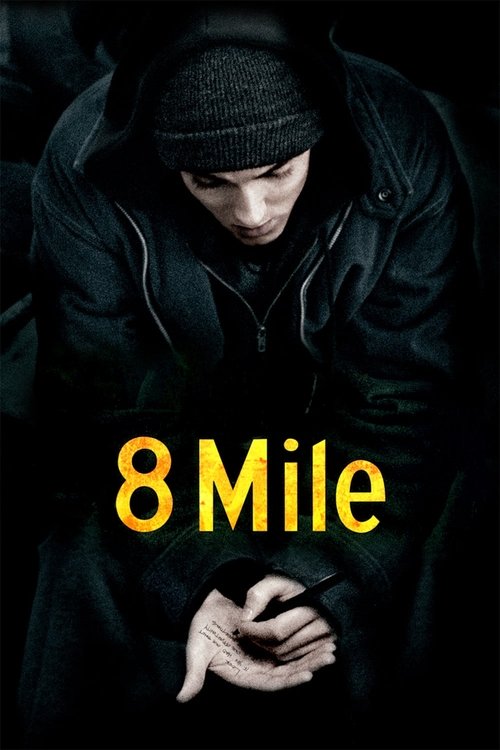
- 20028 Mile gives hip-hop its first major Hollywood origin narrative, and Eminem's rap battles enter the cultural mainstream. 8 Mile
- 2004Madvillainy redefines underground rap, MF DOOM's fractured lyricism over Madlib's warped loops becoming a permanent reference. Madvillainy
- 2015To Pimp a Butterfly arrives; Kendrick Lamar's fusion of jazz, funk, spoken word, and protest expands what rap is allowed to be. To Pimp a Butterfly
- 2016Netflix debuts The Get Down, Baz Luhrmann's musical drama set in the South Bronx during hip-hop's birth years. The Get Down
- 2019Wu-Tang: An American Saga begins, dramatizing the Staten Island group's formation and early struggles across a prestige drama format. Wu-Tang: An American Saga
Hip-hop artists, music, and street culture
Music & Musicians
Explore the Music & Musicians guide →Hip-hop is the only art form where you can look someone in the eye and say I made something from nothing, and mean it literally: the break, the sample, the battle, the piece on the wall. It is folk art that became pop art without losing its original reason.Jeff Chang, Can't Stop Won't Stop