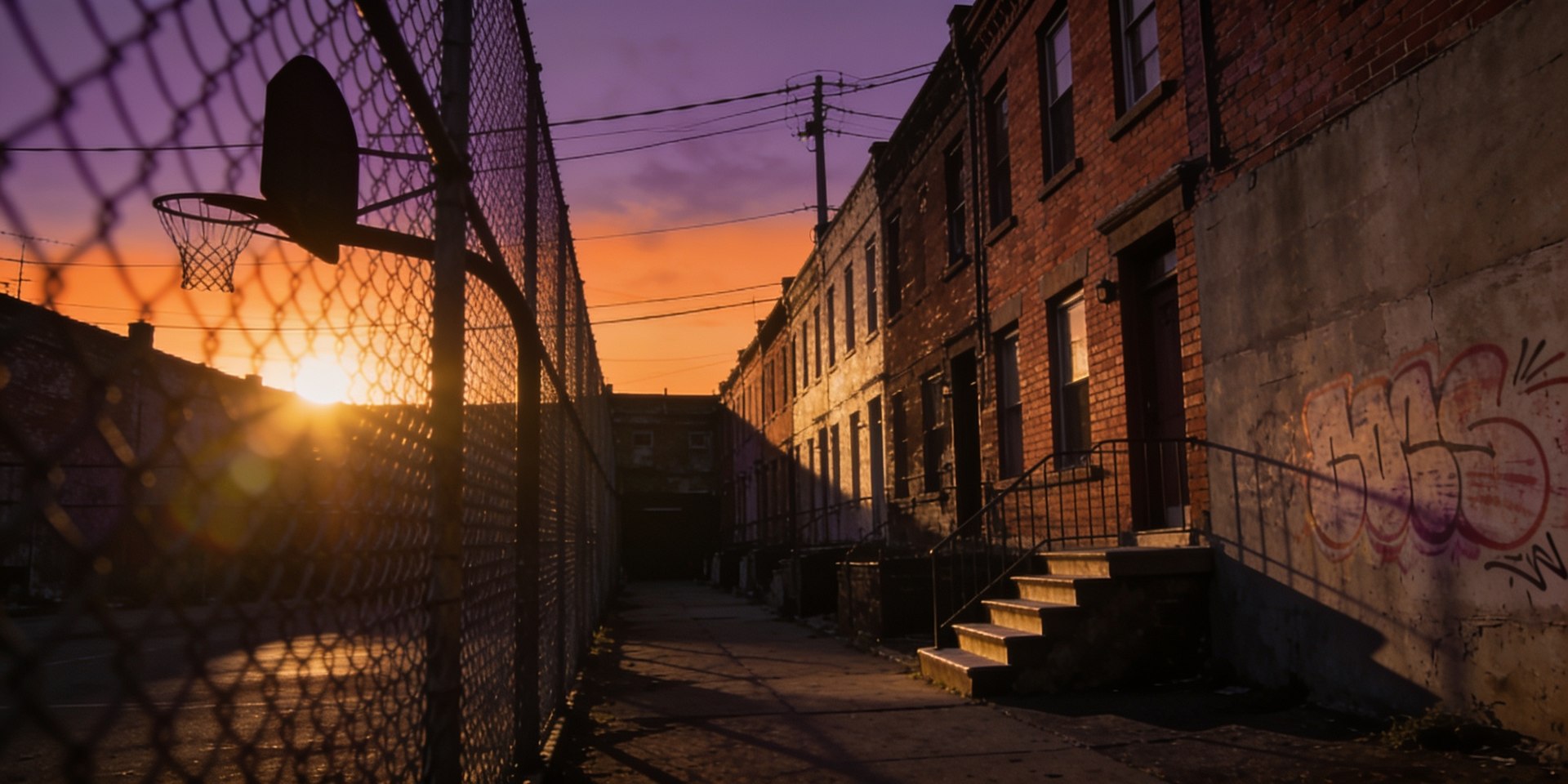

Every gang story is really a story about belonging. The crew is a family you choose because the one you were born into could not protect you, a flag to fly when the block has given you nothing else to be proud of, a ladder that promises a way up and usually delivers a way out in a body bag. The genre keeps returning to the same corner because the corner keeps producing the same heartbreak: a kid old enough to carry a gun and too young to imagine being forty.
What makes the best of this work great is that it refuses to flinch in either direction. It does not romanticize the life into a gangster fantasy, and it does not lecture from a safe distance about the tragedy of it all. Boyz n the Hood and The Wire and City of God understand that the people inside the life are not statistics or warnings. They are funny, loyal, ambitious, terrified human beings making rational choices inside an irrational machine. The same impulse runs through the music, where N.W.A and Tupac and Nas turned the view from the corner into the most influential American art form of the last forty years.
Essential street gangs
The canon: corner economics, crew loyalty and the price of the life across every medium
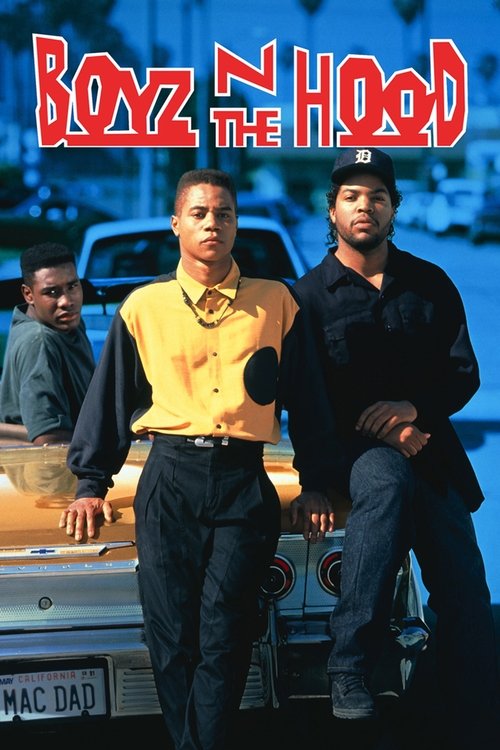


Boyz n the Hood is still the one to beat
John Singleton was twenty-four when he made Boyz n the Hood, and the film carries the urgency of someone telling the truth before anyone can talk him out of it. South Central Los Angeles is rendered with the specificity of a place the director actually lived in, not a backdrop borrowed for tension. The genius of the film is structural: it spends its time on the ordinary, on barbecues and fathers and homework and girls, so that when the violence finally arrives it lands as the catastrophe it is rather than the entertainment the genre usually makes of it.
Laurence Fishburne's Furious Styles is the film's spine, a father trying to teach his son a way of being a man that the street is actively working to unteach. The argument the movie makes is quiet and devastating: the kids are not the problem, the system that surrounds them is. More than thirty years later, nothing has aged. It remains the gold standard every film on this list is measured against.
Gangs on film
From South Central to the Cidade de Deus, the Bronx to the banlieue

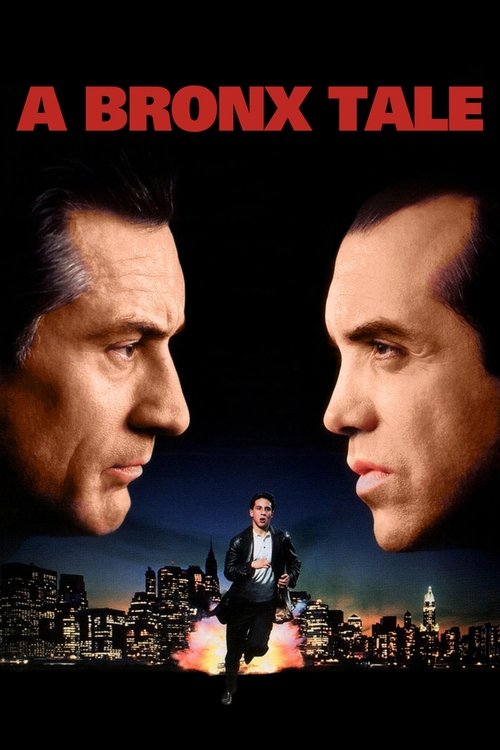
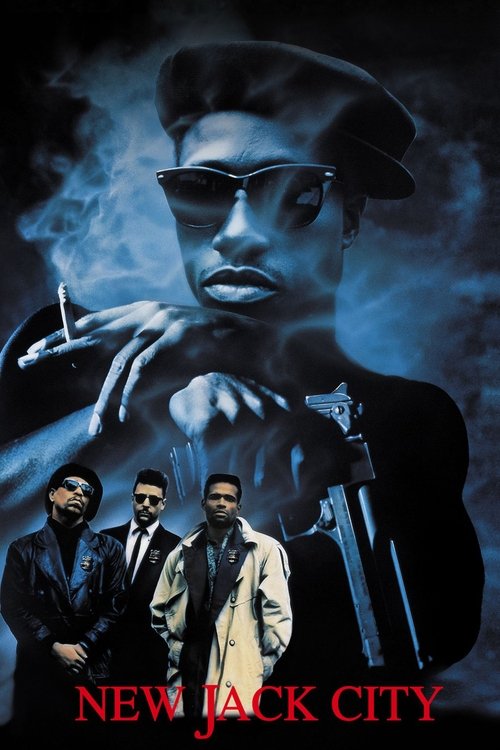
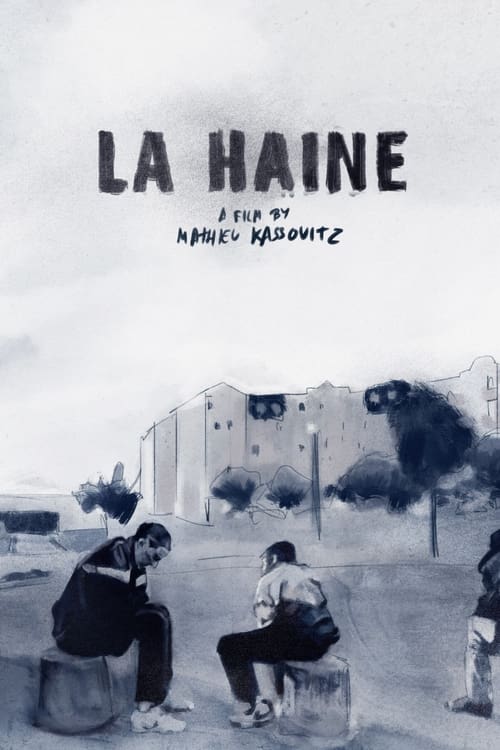
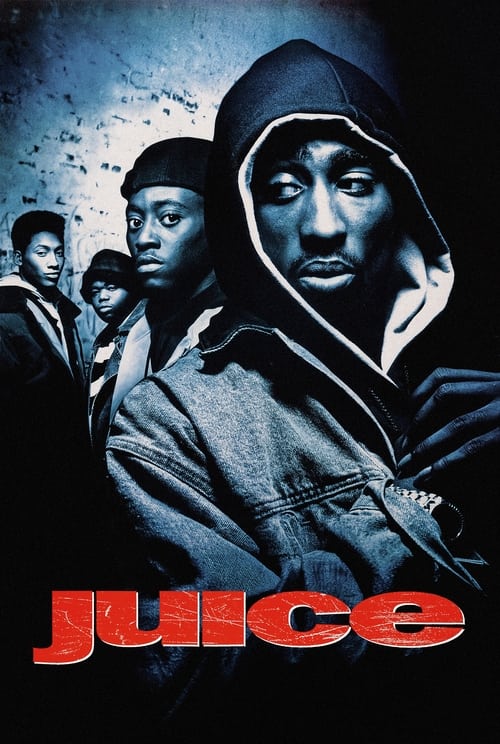
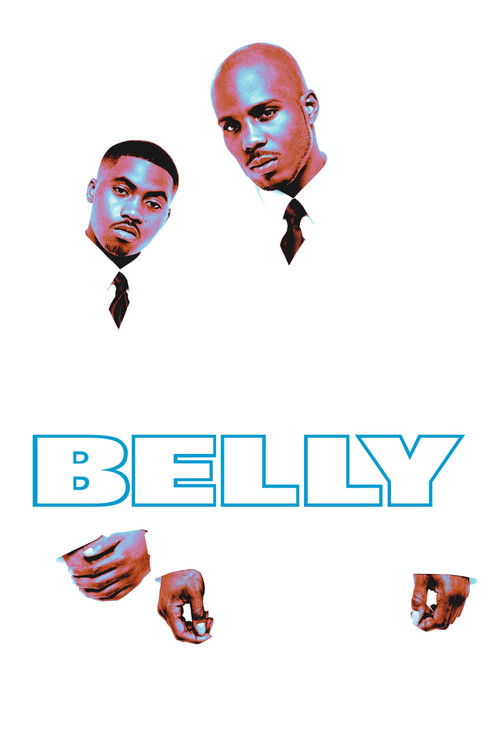
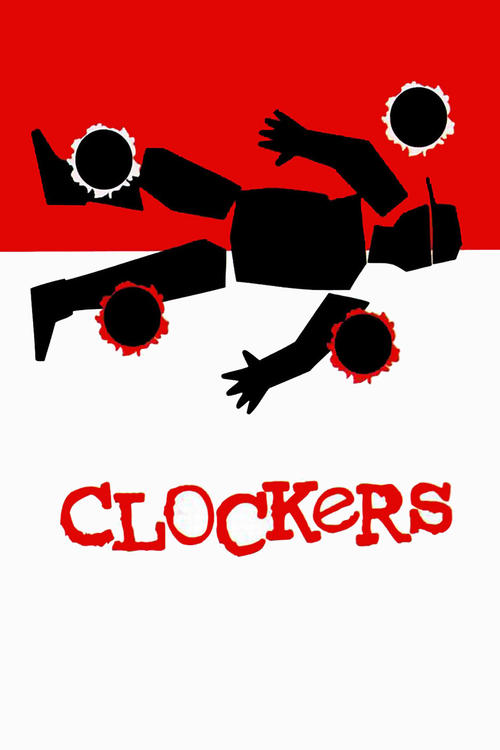
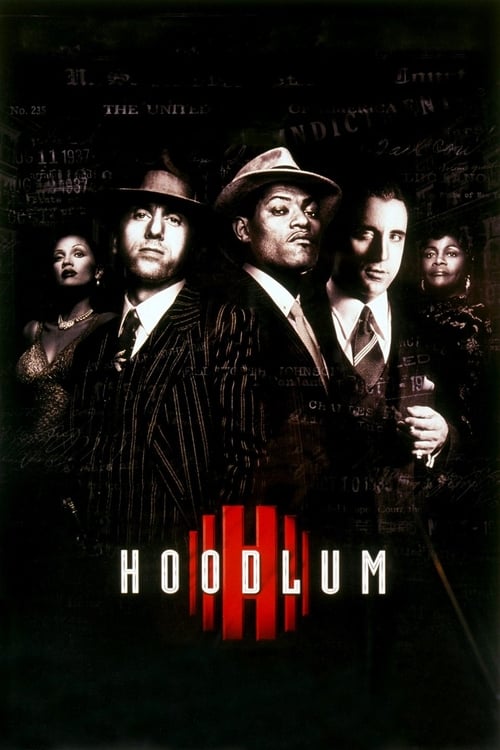
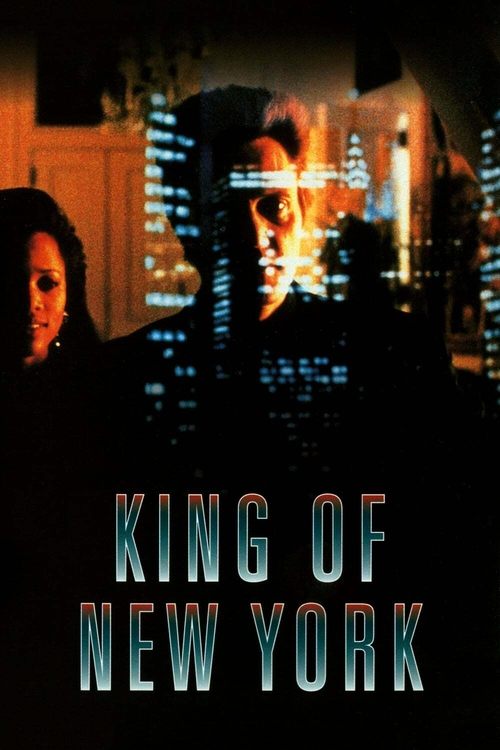
The long form found its subject
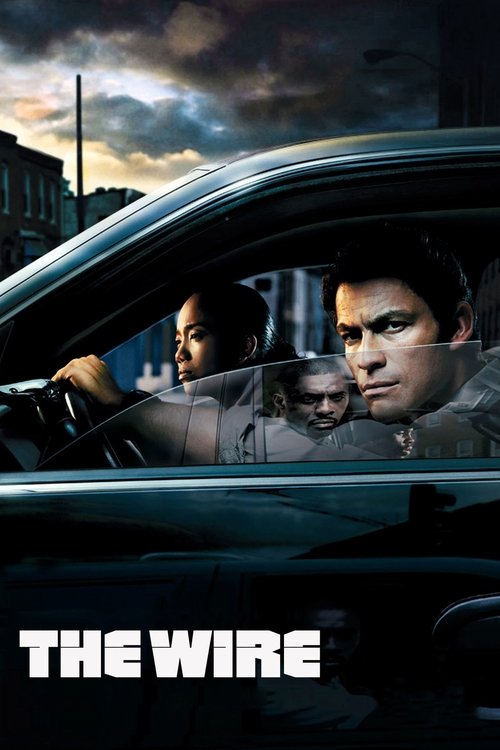
The gang story always wanted to be a novel, and television finally gave it the room. The Wire is the obvious peak: David Simon and Ed Burns built a five-season argument that the drug corner, the police, the docks, the schools and the press are all the same broken institution seen from different angles, and that no single arrest or hero can fix any of it. It is the most complete portrait of an American city the medium has produced.
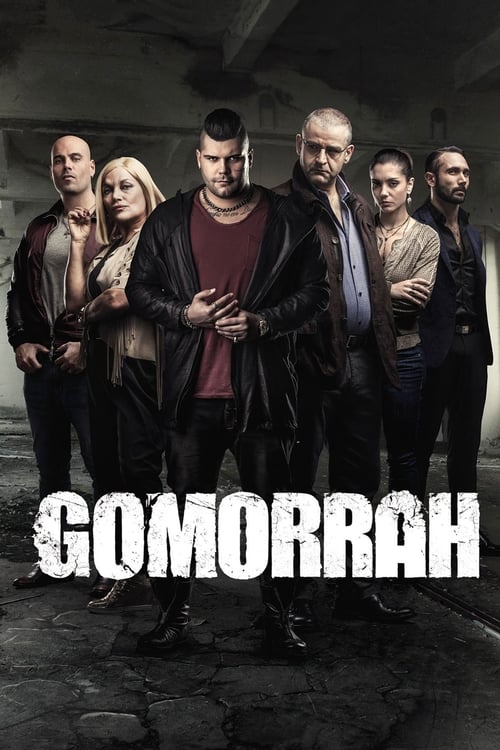
The form travels. Top Boy did for a Hackney estate what The Wire did for Baltimore, with Ashley Walters and Kano as the two poles of a business that eats everyone who runs it. Snowfall charts the arrival of crack in 1980s Los Angeles through Franklin Saint, the smartest kid on the block making the worst possible bet. Gomorrah takes the Neapolitan Camorra and strips out every drop of glamour until only the cold arithmetic of power is left. Each one understood that the gang is not a plot. It is an economy, and an economy needs seasons to show its math.
Gangs on television
Baltimore, Hackney, Naples and the long-form portrait of the corner



San Andreas built the open-world gang fantasy
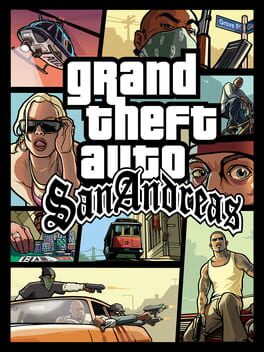
Grand Theft Auto: San Andreas did something no film could: it let you live in the gang world long enough for the novelty to wear off and the texture to set in. CJ comes home to Los Santos for his mother's funeral and gets pulled straight back into the Grove Street Families, and the early missions are pure neighborhood: tagging over a rival set's graffiti, riding bikes through the projects, taking the block back corner by corner. Rockstar understood that the gang is local before it is anything else, and the game is at its best when it stays small.
The scope eventually balloons into jetpacks and casinos, but the heart of San Andreas is that opening hour in Grove Street, where loyalty is the only currency and the map is just a few sun-baked streets you would die to protect. Two decades on it is still the most lived-in gang world a game has built, and the reason the genre on consoles owes it everything.
Gangs to play
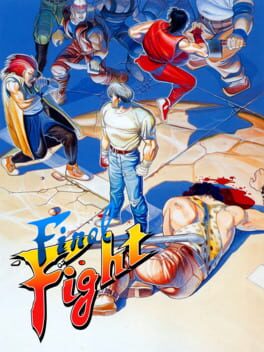
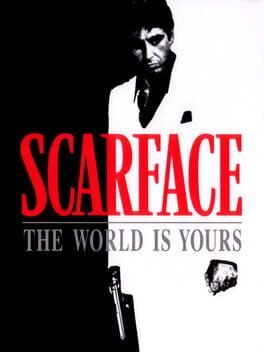
Open-world turf, side-scrolling brawls and the long climb up the criminal ladder


You come at the king, you best not miss.Omar Little, The Wire: the corner's whole code in eight words
The books that started it
Long before the cameras arrived, the gang lived on the page. S.E. Hinton wrote The Outsiders at fifteen and sixteen, and it remains the foundational text of the teenage gang: Greasers and Socs, the wrong side of town, a kid who reads Robert Frost between fights. Sol Yurick's The Warriors recast the Anabasis of Xenophon as a New York gang trying to get home across hostile turf, the novel Walter Hill's cult film is built on. Paulo Lins lived in the Cidade de Deus favela and turned it into the sprawling novel that became Fernando Meirelles's film.
The nonfiction is just as essential. Our America collected the reporting of two teenagers, LeAlan Jones and Lloyd Newman, on life inside a Chicago housing project, and it is unbearable and necessary in equal measure. The Cross and the Switchblade told the true story of a rural preacher walking into 1950s New York gang territory, the book that gave the genre one of its first mainstream audiences. Donald Goines wrote Dopefiend from the inside of the addiction it describes. Angie Thomas's Concrete Rose and Ibi Zoboi's American Street carry the tradition into the present, where the choices are no easier than they ever were.
Gangs on the page
Hinton, Yurick, Lins and the reporters who went to the corner themselves


Hip-hop is the gang story's truest medium
No film ever put you closer to the corner than the records did. Straight Outta Compton arrived in 1988 like a police report nobody had asked for, N.W.A reporting from a Los Angeles the rest of the country pretended not to see. Four years later Dr. Dre's The Chronic turned that rage into something cinematic and West Coast cool, and Snoop's Doggystyle made it a whole world you wanted to live in. On the other coast Nas wrote Illmatic at twenty, ten tracks of Queensbridge reportage so precise it reads like a novel, and Biggie's Ready to Die told the entire arc of the life from hunger to despair.
The form never stopped renewing itself. Tupac's All Eyez on Me is the sound of a man who knew his time was short and spent it anyway. Decades later Kendrick Lamar's good kid, m.A.A.d city did the thing the best films do, walking you through one Compton day where every choice could be the last, and proved the corner still had the deepest stories left to tell.
The soundtrack of the corner
The albums that turned the view from the block into America's most influential art form
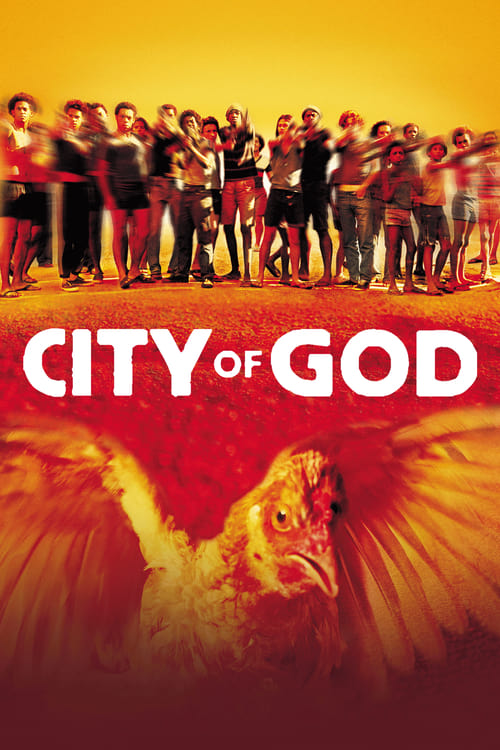
City of God is the most kinetic gang film ever shot
Fernando Meirelles and Katia Lund filmed City of God with non-professional actors from the favelas it depicts, and the result has a charge no studio recreation has matched. It spans roughly two decades in the Cidade de Deus, narrated by a kid who wants to be a photographer instead of a soldier, and watches a generation of children grow into the war that consumes them. The camera never stops moving and never looks away.
The film's hardest idea is generational: Li'l Ze is not an aberration but a product, the inevitable output of a place where the only ladder up runs through the gun. By the time the youngest kids on the block are picking up weapons in the final act, the movie has earned its despair completely. It is brutal, gorgeous, and impossible to shake, and it proved the genre belonged to the whole world, not just to American cities.