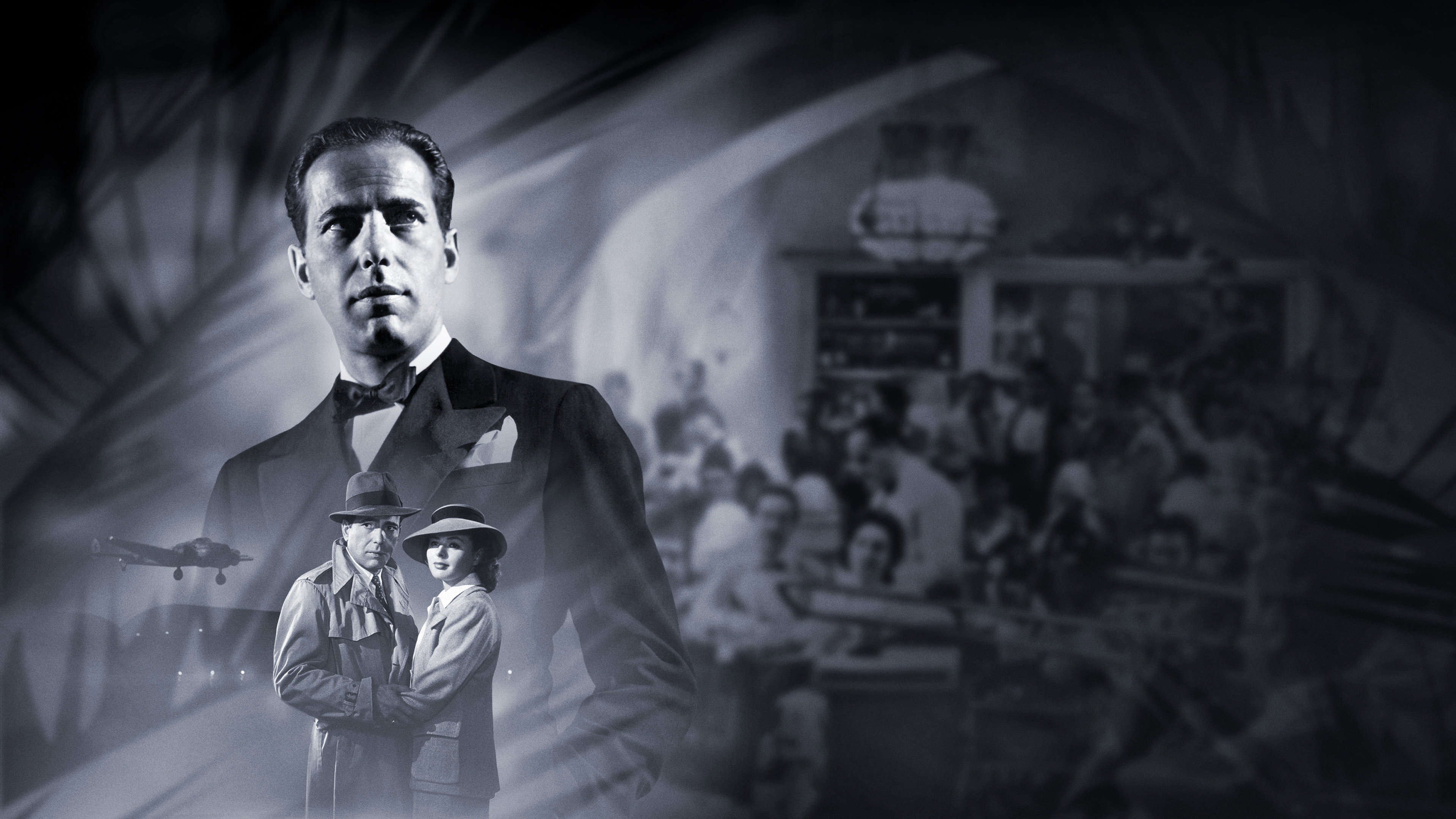

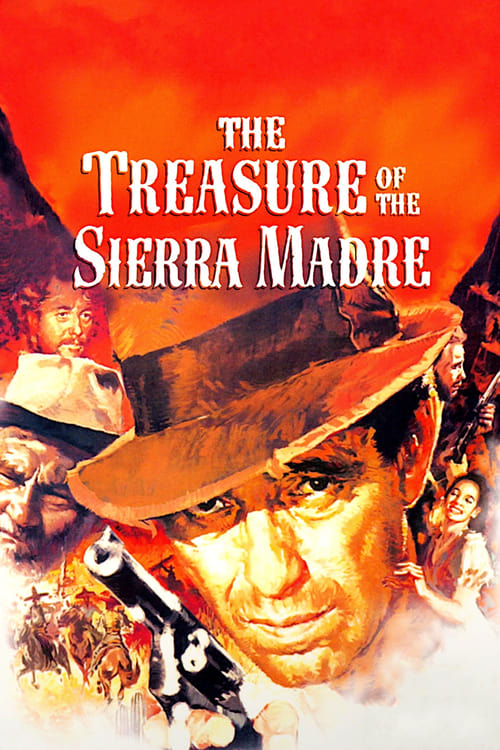
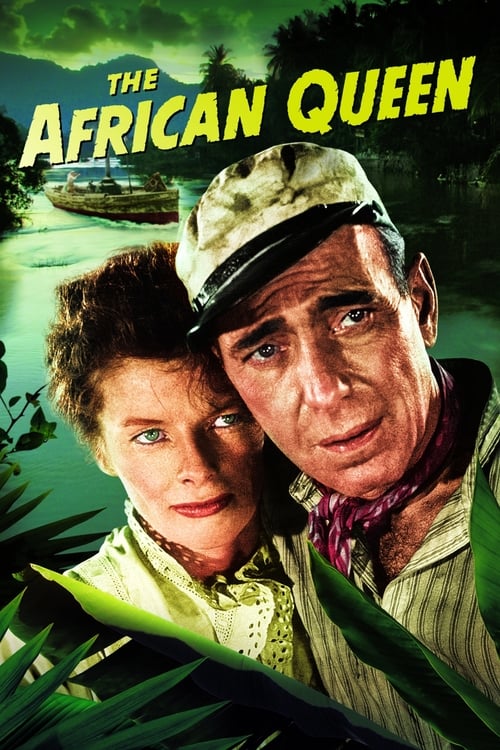
Humphrey Bogart spent the 1930s playing gangsters and heavies before landing the role that cracked him open: Sam Spade in The Maltese Falcon (1941). From there, the persona locked into place: tough, laconic, quicker to a quip than a punch, and underneath all of it, surprisingly tender. Whether he was Rick Blaine sacrificing love for principle in Casablanca, a paranoid gold prospector in The Treasure of the Sierra Madre, or a dissolute boat captain pressed into wartime service in The African Queen, Bogart's characters share a through-line: a man who has seen too much to be easily fooled, and too much to entirely stop caring. The films that attract fans to Bogart tend to prize a certain quality of melancholy intelligence, sharp dialogue, moral ambiguity, and worlds where cynicism is not an affectation but a survival skill.
Essential Humphrey Bogart
The films that built the legend

If You Love Bogart: Same-Vibe Films and Series
The cynical romantic, the world-weary investigator, the man who knows the score

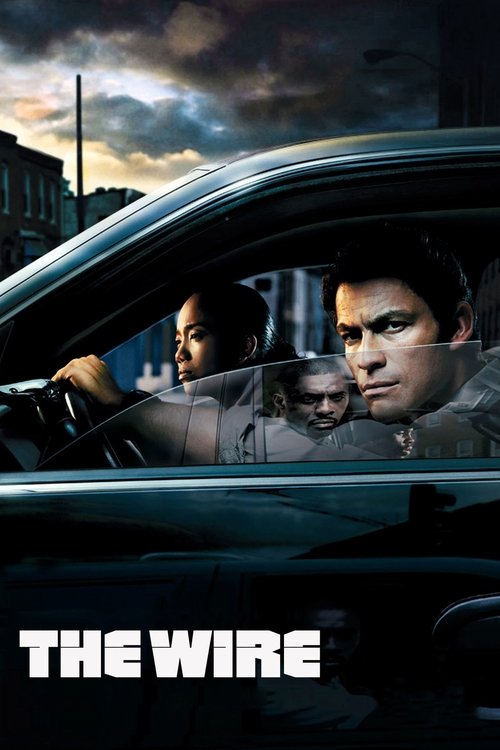
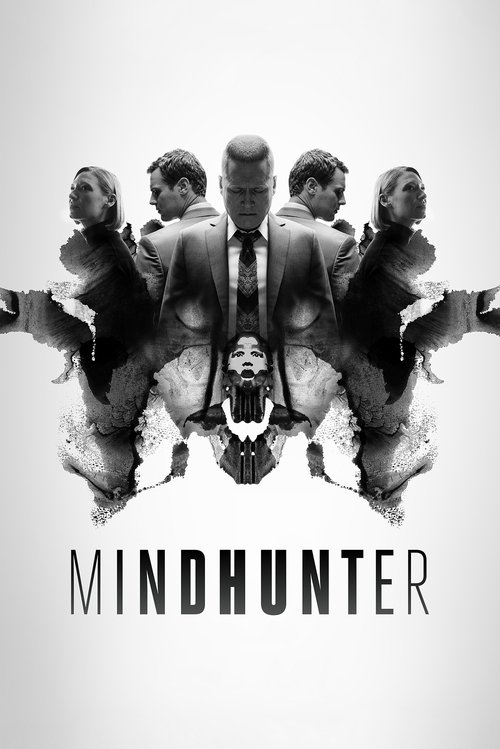
The Source Novels: Hammett, Chandler, and the Books Behind Bogart
The hard-boiled fiction that shaped his world


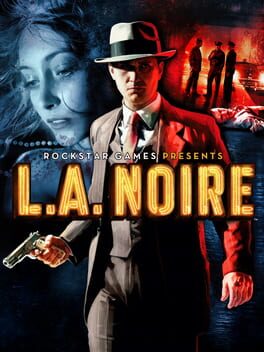
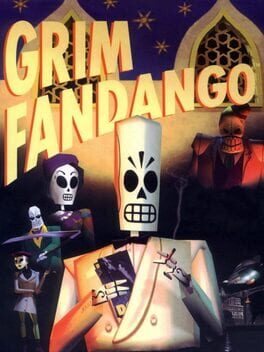
Noir and Moral Grit in Games
The same rain-soaked moral ambiguity, now interactive



Same Register: Actors Who Carry the Same Weight
Films built on the performance of a man who has seen too much
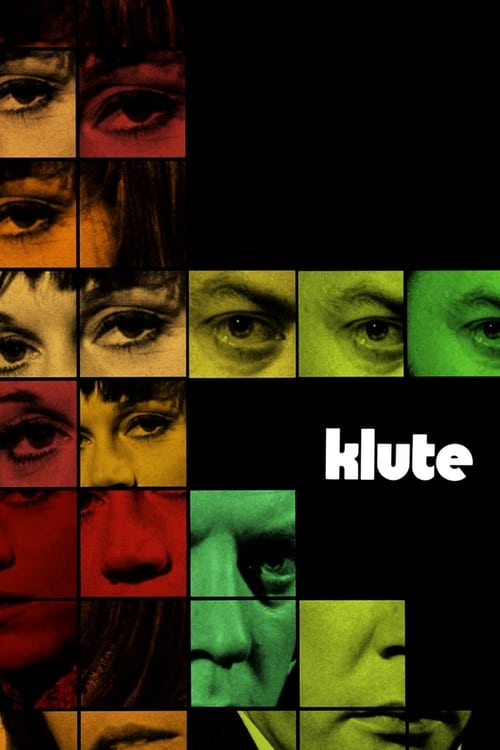
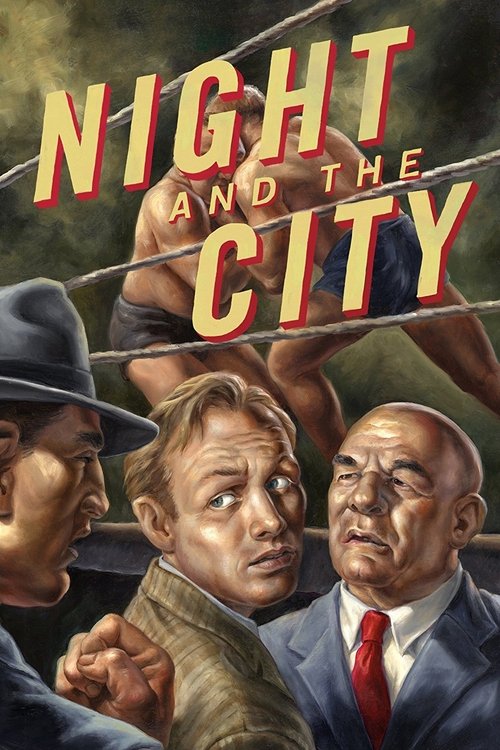
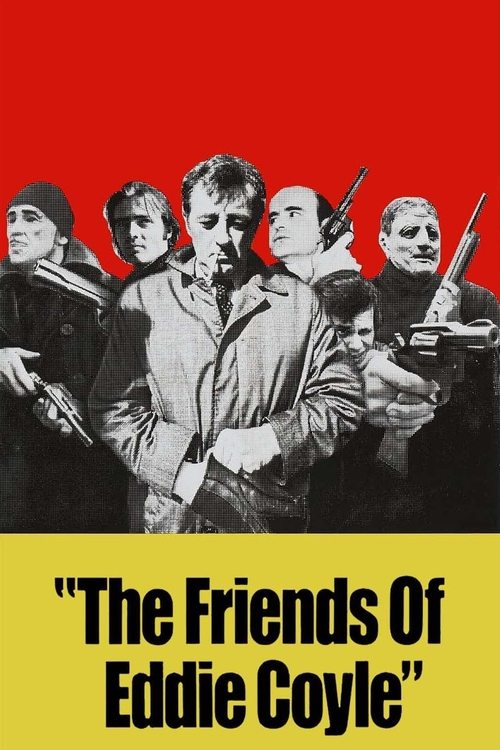
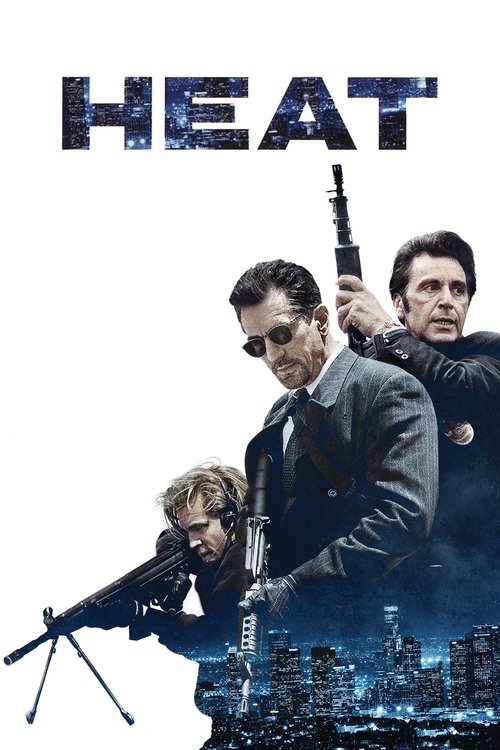

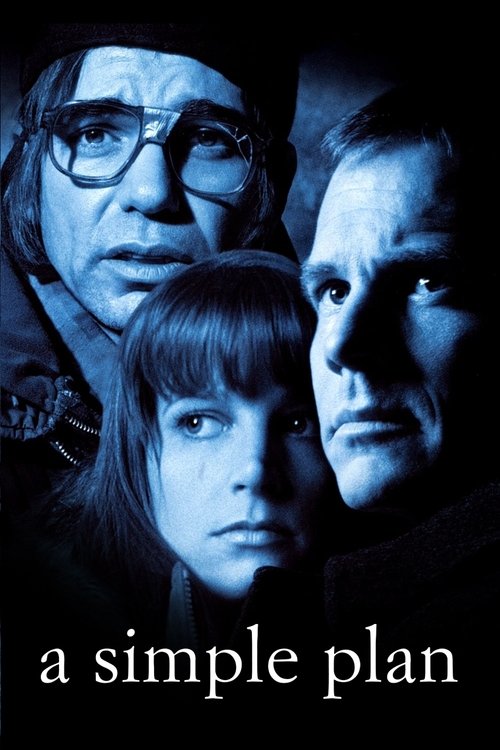
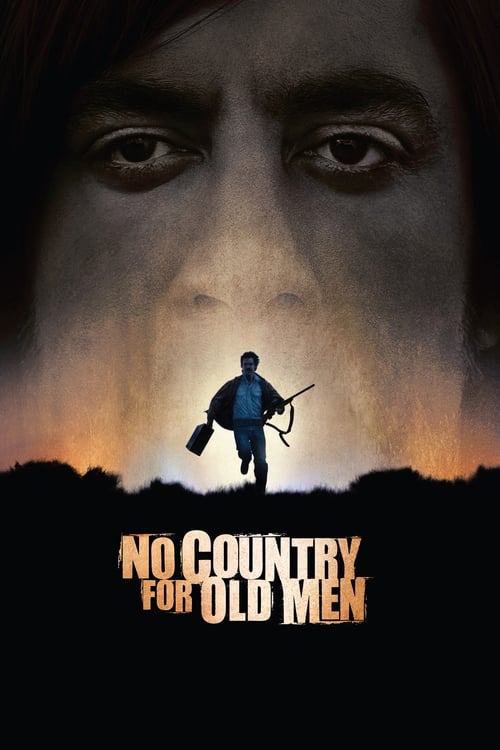

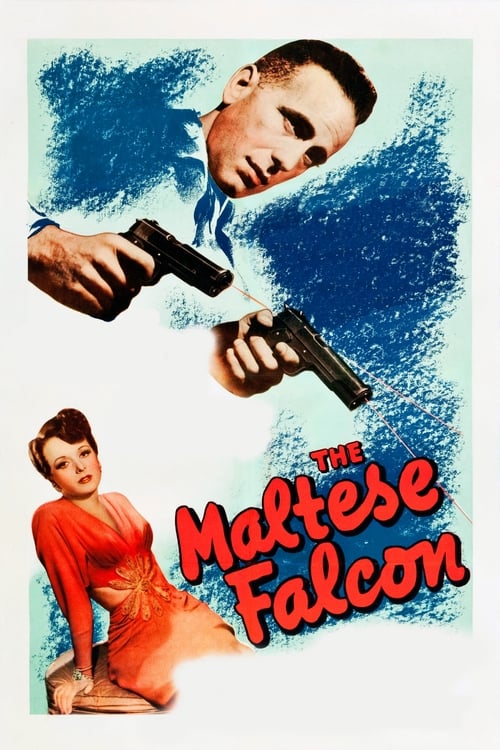
The Maltese Falcon Changed What a Hero Could Look Like
Before Sam Spade, screen heroes were supposed to be trustworthy. Bogart's Spade is clever and self-interested, and the film never pretends otherwise. He hands over the woman he loves to the police not out of civic virtue but because he cannot afford to be made a sap. That cold calculation, delivered with a kind of exhausted honesty, made audiences feel they were finally being told the truth about how the world works. Dashiell Hammett's original novel had the same quality, and John Huston's adaptation preserved it entirely.
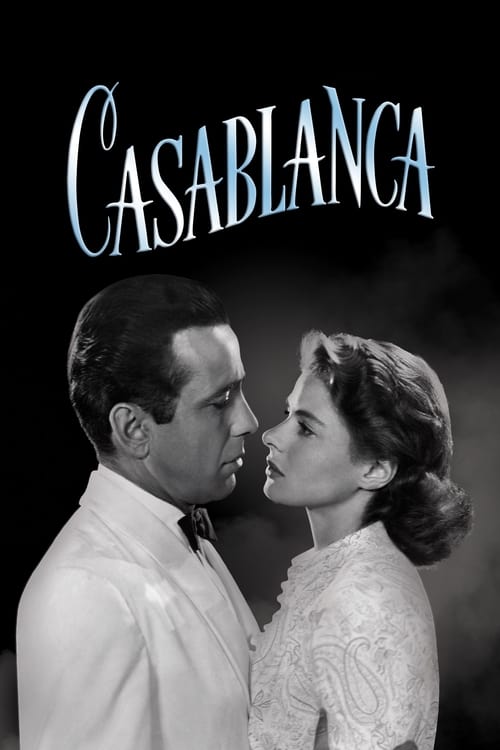
Casablanca Is a War Film Wearing a Romance
Rick Blaine insists he sticks his neck out for nobody, and the film spends two hours proving him wrong. Casablanca works because it is serious about its political stakes: the occupied world Bogart and Bergman inhabit is genuinely threatening, and the sacrifices are real. The romance is the engine, but the war is the road the engine runs on. It holds up precisely because no one in it is naive about what the moment costs.
Disco Elysium Is the Spiritual Heir to Bogart Noir
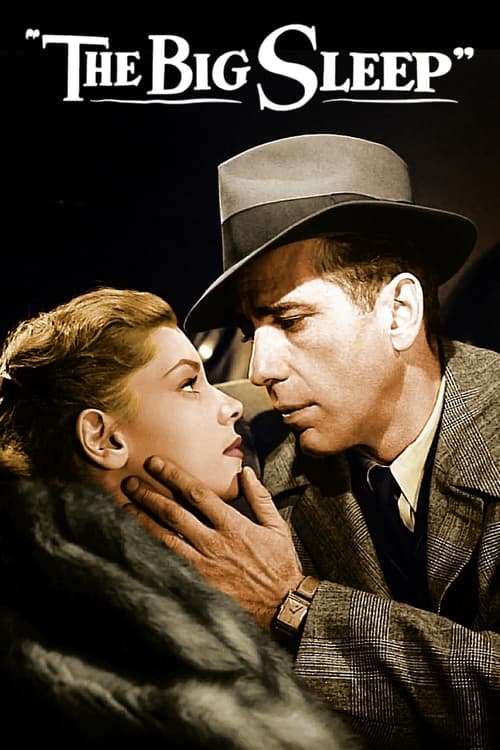
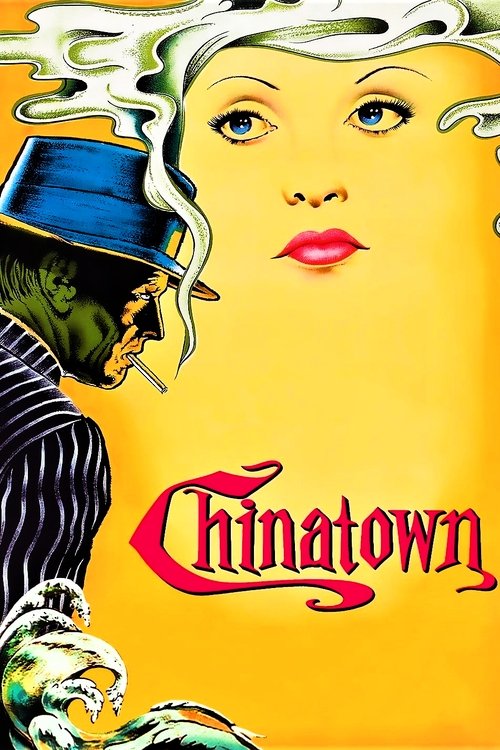
Disco Elysium casts you as a cop who has drunk himself into amnesia and must reconstruct both the case and himself at the same time. The voice, the city, and the moral exhaustion are pure hard-boiled: a man trying to be decent inside a system that makes decency absurd. The game's political cynicism and its refusal to offer clean resolutions place it in the same lineage as Chinatown and The Big Sleep, just interactive and set in a world slightly stranger than ours.
Raymond Chandler Built the World Bogart Inhabited
Philip Marlowe only became the iconic figure he is partly because Bogart embodied him in The Big Sleep and The Long Goodbye adaptations. But Chandler's novels stand entirely on their own: the prose is the attraction, a first-person narration that is simultaneously hardboiled and lyrical, full of similes that are both funny and precise. The Long Goodbye in particular reads as a late-career elegy, a great detective growing old inside a city that keeps getting worse.
Bogart: From Heavy to Icon
- 1936Breaks through on Broadway and in early gangster pictures The Petrified Forest
- 1941John Huston casts him as Sam Spade; the persona crystallizes The Maltese Falcon
- 1942Rick Blaine becomes the role that outlives everything Casablanca
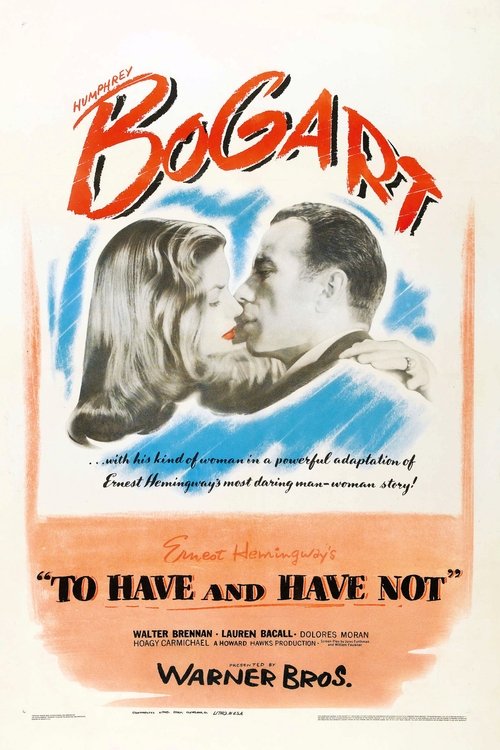
- 1944Co-stars with Lauren Bacall for the first time; they marry in 1945 To Have and Have Not
- 1948Huston collaboration produces his most psychologically complex role The Treasure of the Sierra Madre
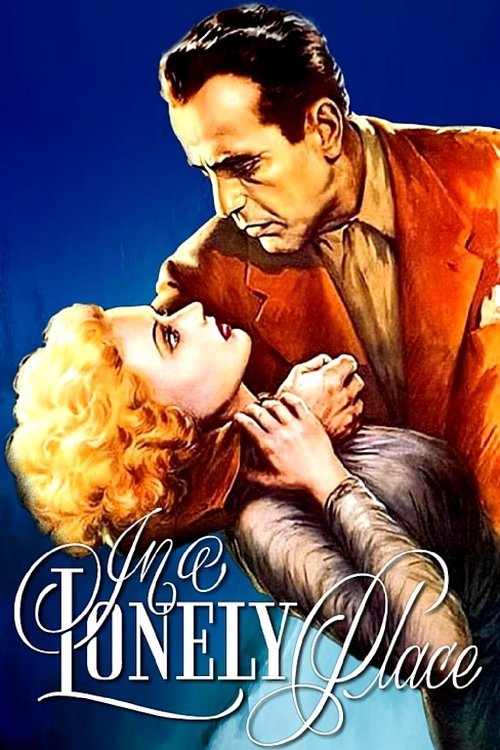
- 1950In a Lonely Place shows the darkness the charming mask can hide In a Lonely Place
- 1951African Queen wins him his only Academy Award for Best Actor The African Queen
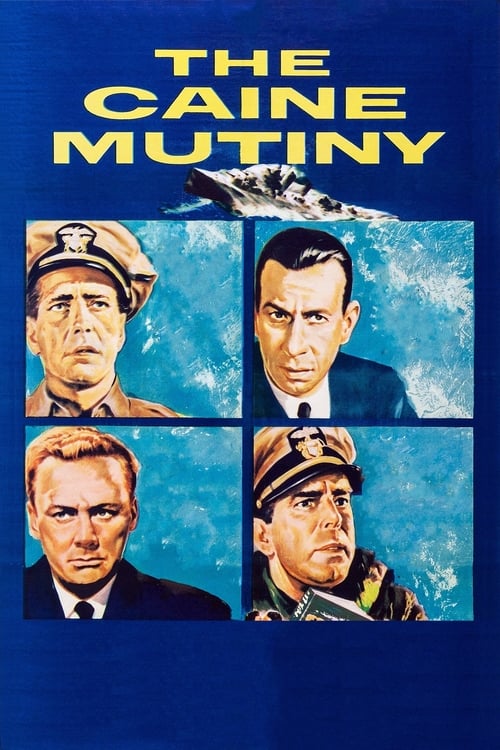
- 1954Against type as a paranoid, crumbling commander in The Caine Mutiny The Caine Mutiny
- 1957Dies of esophageal cancer at 57; films continue to define the archetype
Down These Mean Streets
Film Noir & Neo-Noir
Explore the Film Noir & Neo-Noir guide →The stuff that dreams are made of.Sam Spade, The Maltese Falcon (1941)