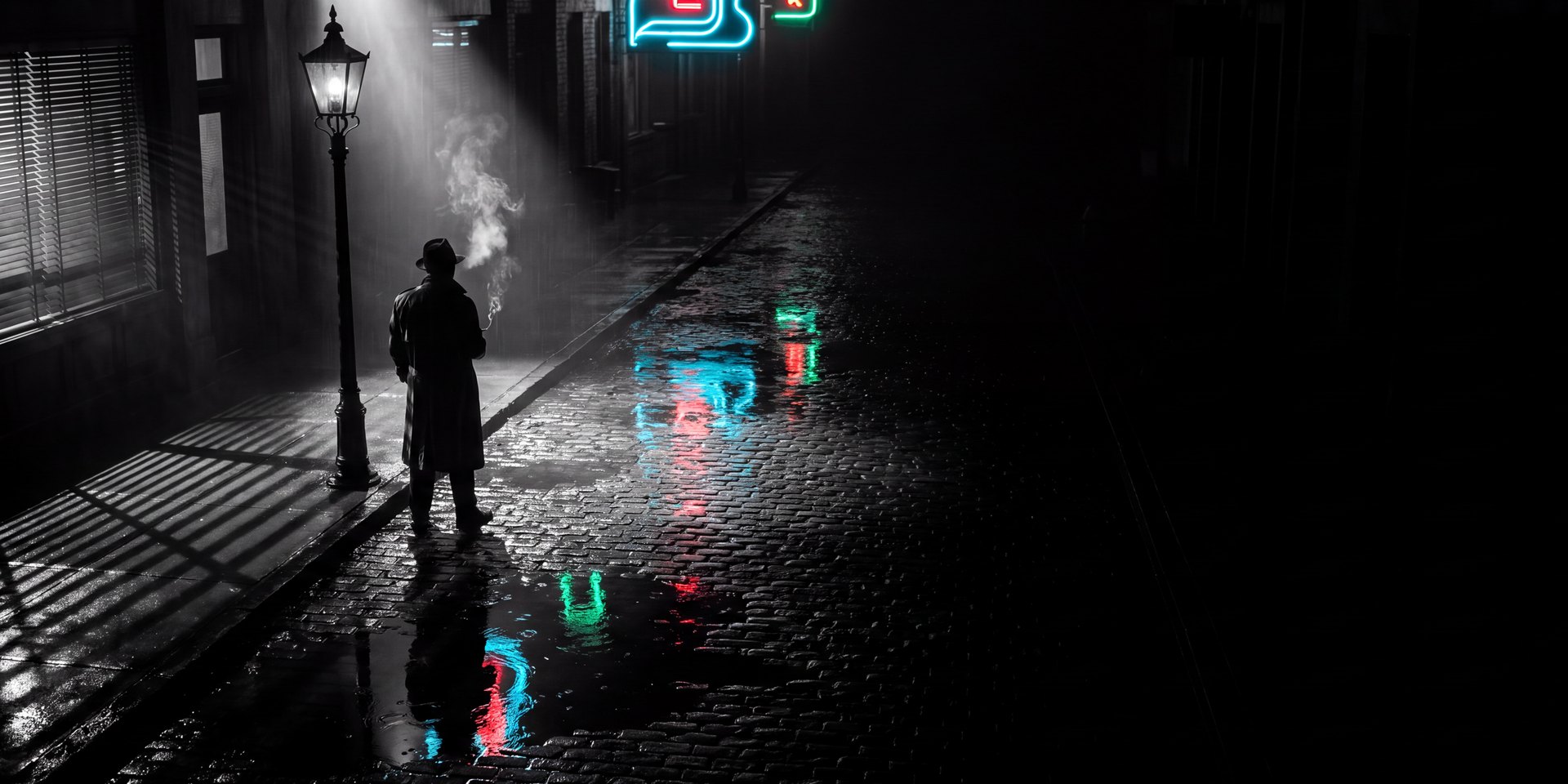

Noir is less a genre than a verdict: the world is rigged, desire is a trap, and the protagonist walks in anyway. The look everyone knows, hard shadows, cigarette smoke, a city that only exists at night, was invented by exiled German cinematographers and hardboiled pulp writers colliding in 1940s Hollywood, and the sensibility has outlived every era that tried to retire it.
This guide runs the whole length of the tradition: the 1941 to 1958 classic cycle, the paperbacks that wrote the movies before the movies existed, the 70s revision and the 90s crime wave, the international masters from Melville to Park Chan-wook, television's long-form fatalism, and the surprisingly rich shelf of noir you can play. Light a cigarette you do not smoke. It is raining somewhere.
The essential classic noirs
The 1941 to 1958 cycle at full strength: start anywhere, end up doomed

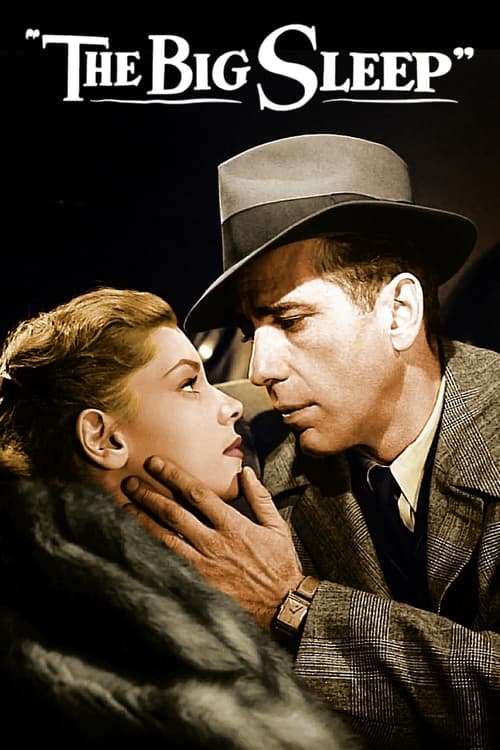
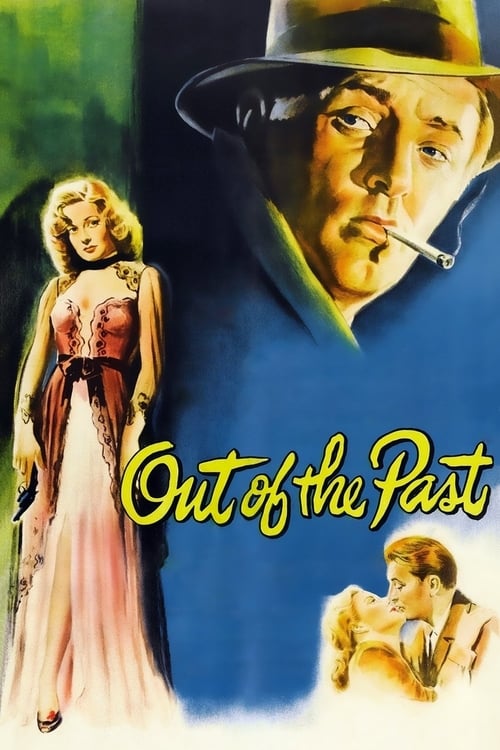
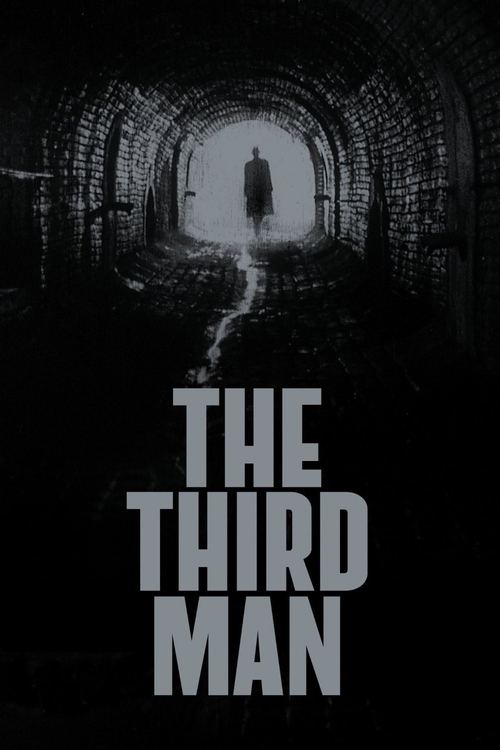
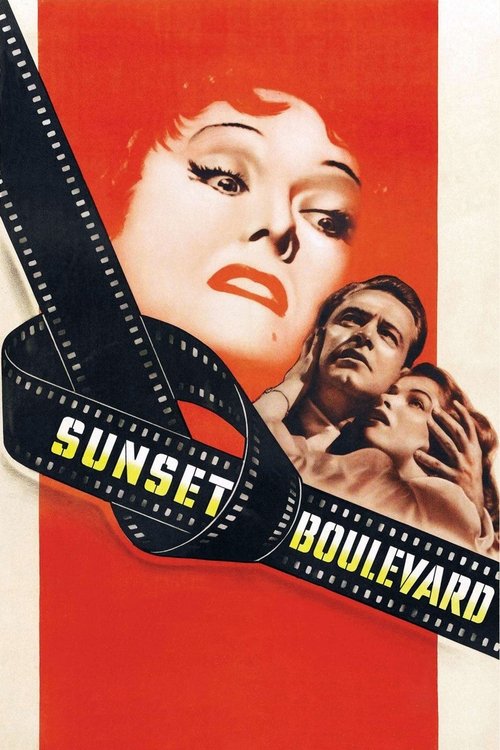

Out of the Past is the purest noir ever made
Not the first, not the biggest, but the most complete. Robert Mitchum's doomed cool, Jane Greer as the genre's perfect femme fatale, a flashback structure that folds the past over the present like a shroud, and an ending that closes every exit quietly. Every element of noir operating at maximum with zero excess. Double Indemnity has the sharper script and The Third Man the greater style, but if you can show an alien only one film noir, it is this one. Build the double bill with Criss Cross and watch the same doom run on different rails.
The books wrote the movies first
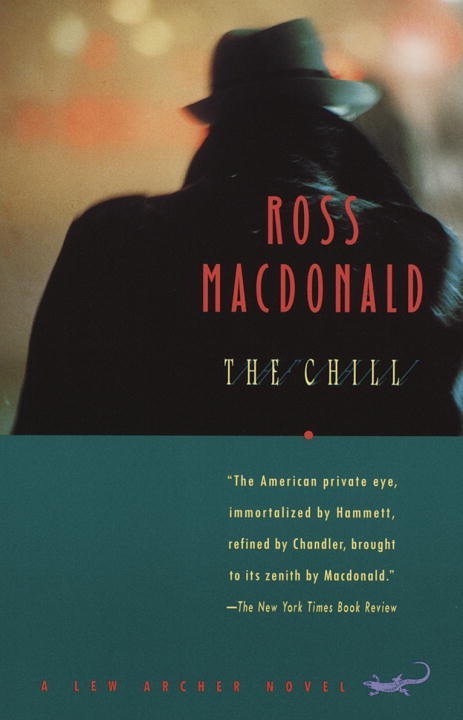
Film noir adapted a literature that already existed. Dashiell Hammett's Red Harvest arrived in 1929 with the hardboiled voice fully formed; Raymond Chandler gave it a soul and the best similes in American prose; James M. Cain supplied the lust and the insurance paperwork. Then came the paperback originals of the 50s, crueler than Hollywood was allowed to be: Jim Thompson narrating from inside a killer's skull, Patricia Highsmith making the reader an accomplice, David Goodis writing skid row from experience.
The hardboiled bookshelf
Hammett, Chandler, Cain: the founders


Paperback originals: pulp's cruel second wave
Thompson, Highsmith, Goodis and Himes went where Hollywood could not



Shadows and B pictures
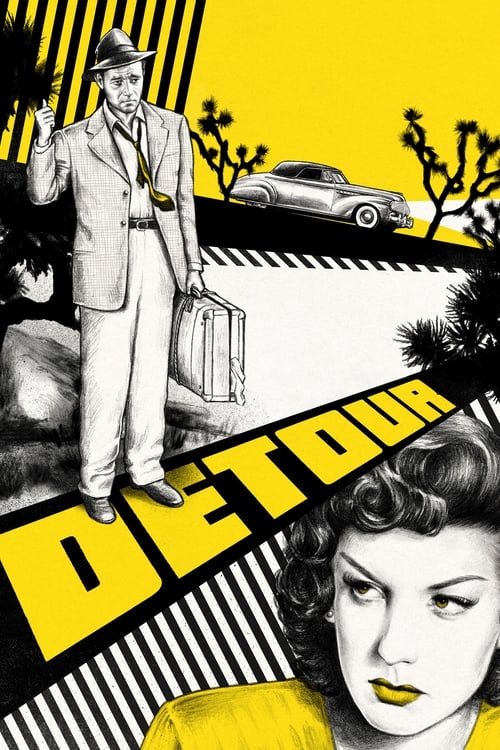
The canon's deep bench is where the obsessives live. Poverty-row fatalism (Detour, shot in two frantic weeks on pocket change, outlived a thousand prestige pictures), John Alton lighting entire films with one bulb and a venetian blind, Ida Lupino directing the leanest road thriller of the cycle, and Kubrick assembling his racetrack heist like a bomb. None of these were respectable. All of them are permanent.
Shadows and B pictures: deeper classic cuts
The connoisseur shelf
 This Gun for Hire
 Scarlet Street
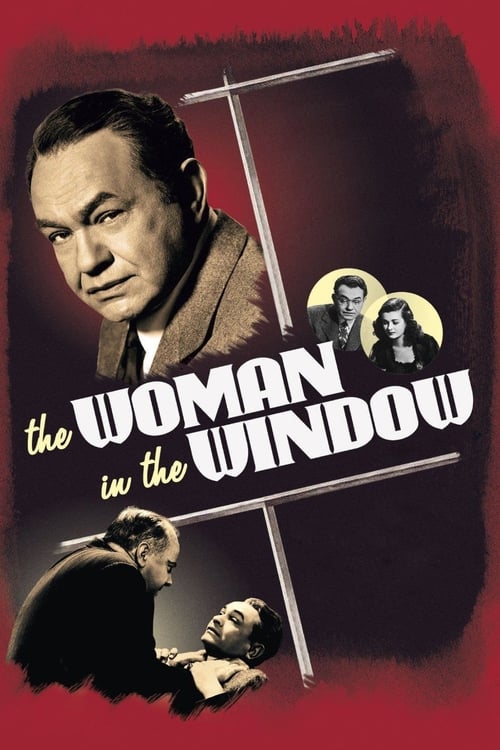 The Woman in the Window
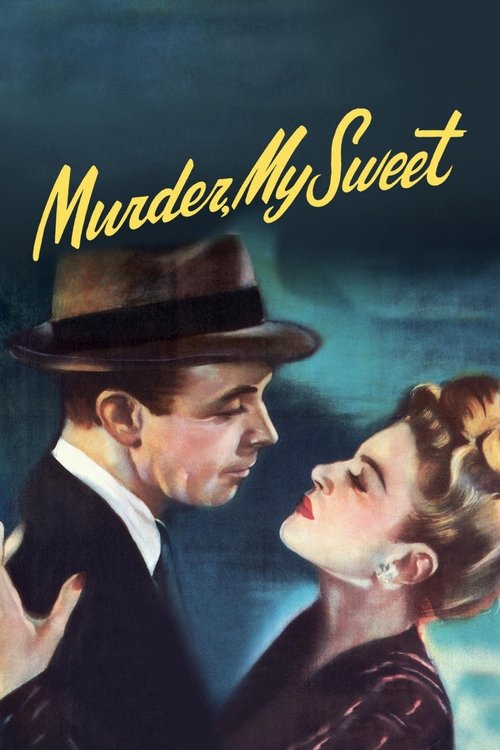 Murder, My Sweet
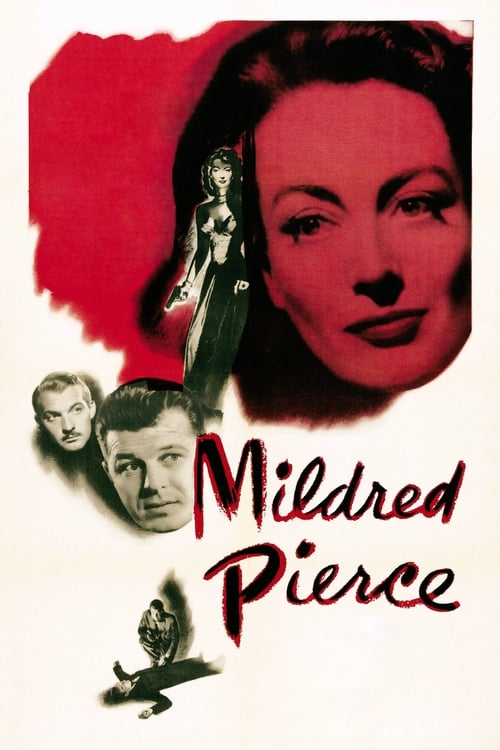 Mildred Pierce
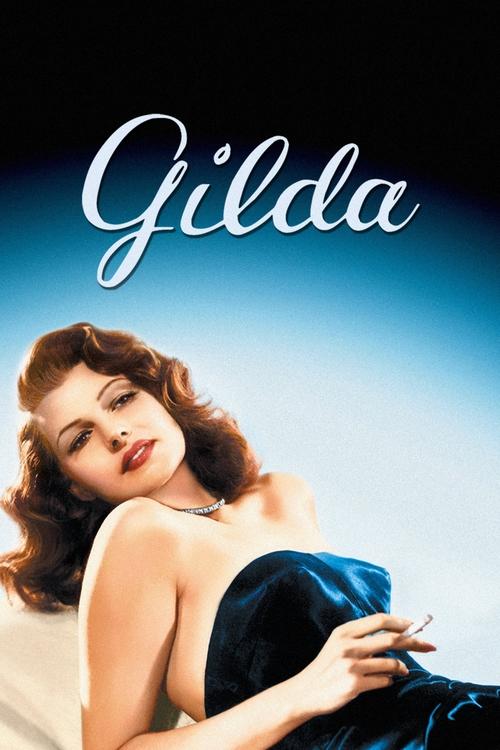 Gilda
Gilda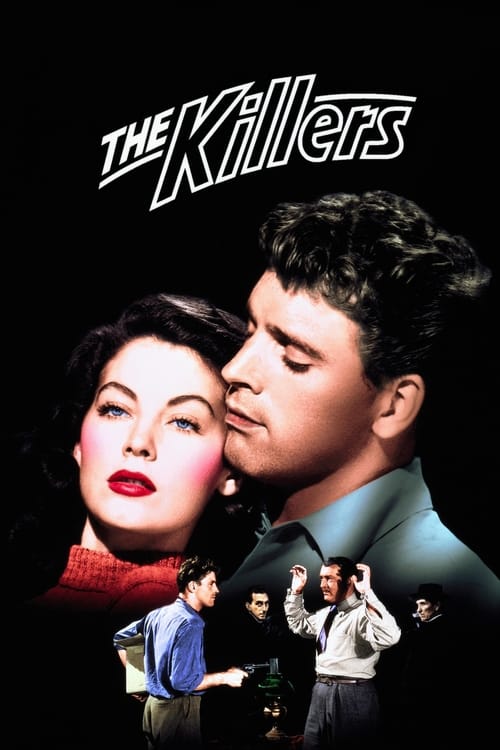 The Killers
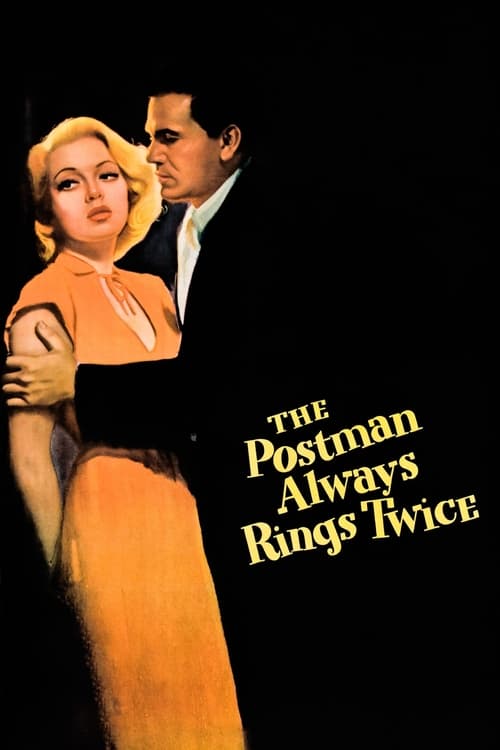 The Postman Always Rings Twice
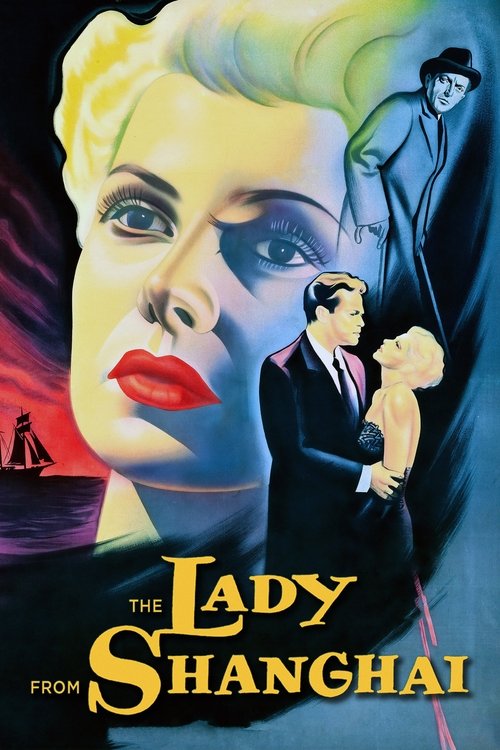 The Lady from Shanghai
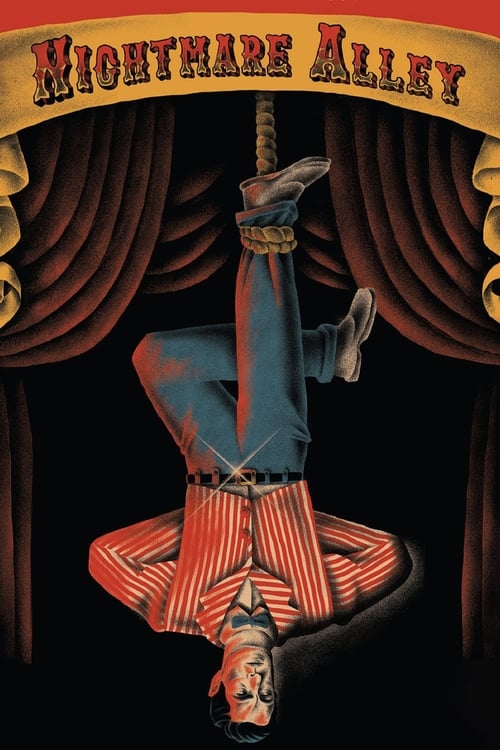 Nightmare Alley
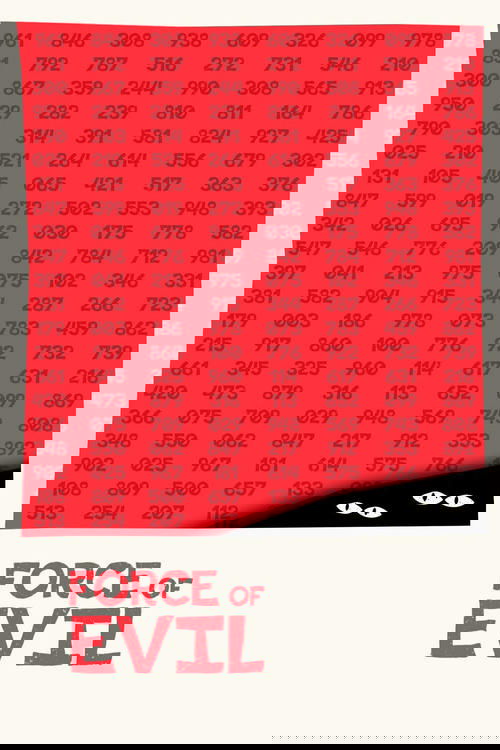 Force of Evil
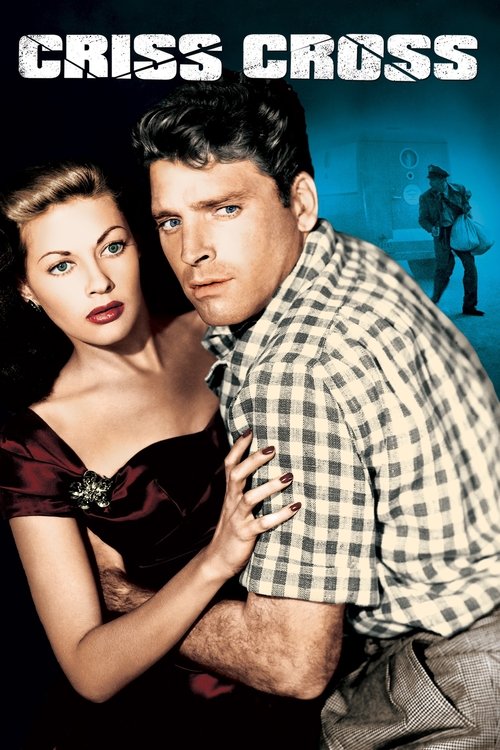 Criss Cross
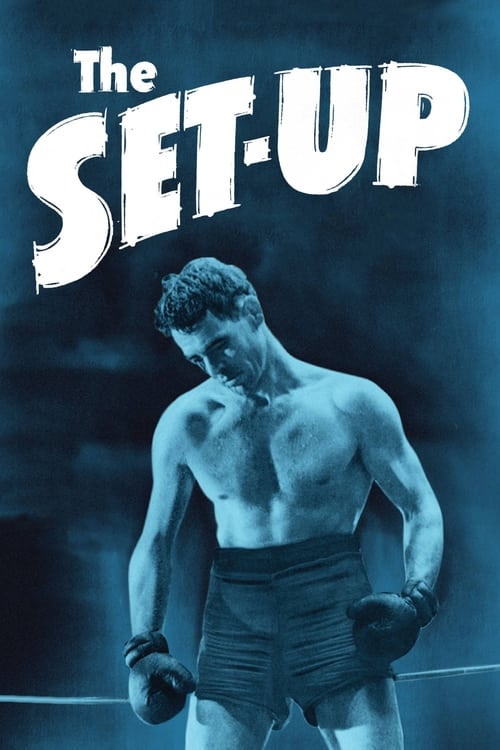 The Set-Up
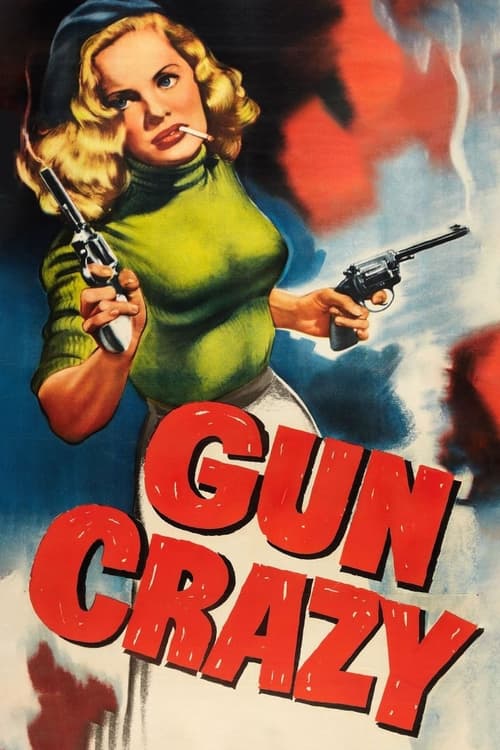 Gun Crazy
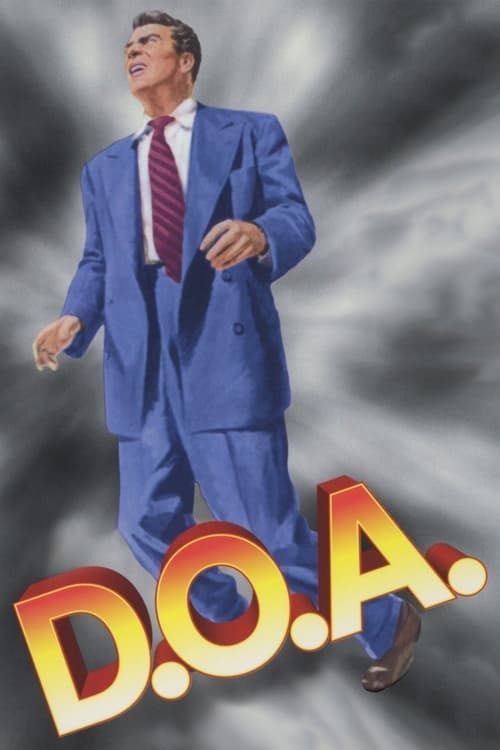 D.O.A.
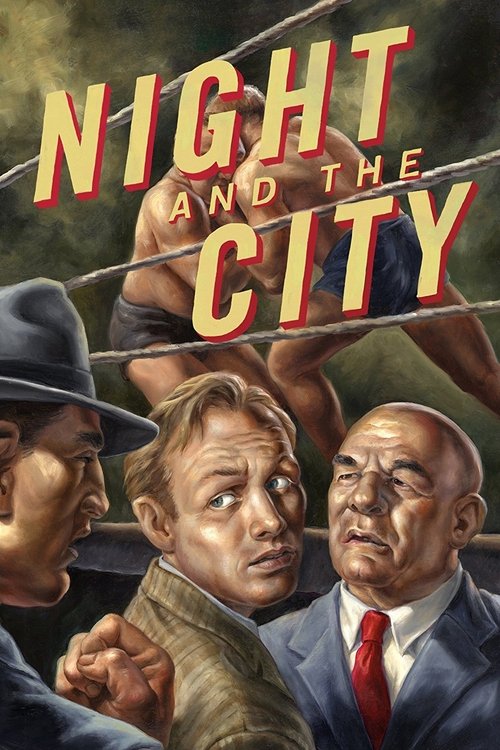 Night and the City
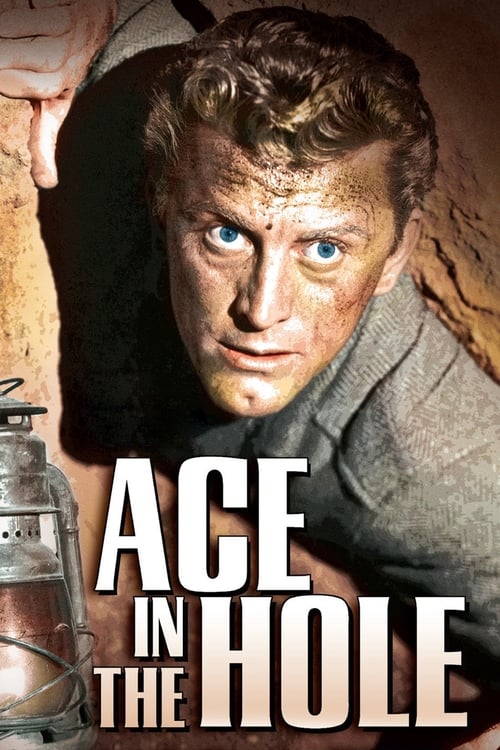 Ace in the Hole
 Pickup on South Street
 The Hitch-Hiker
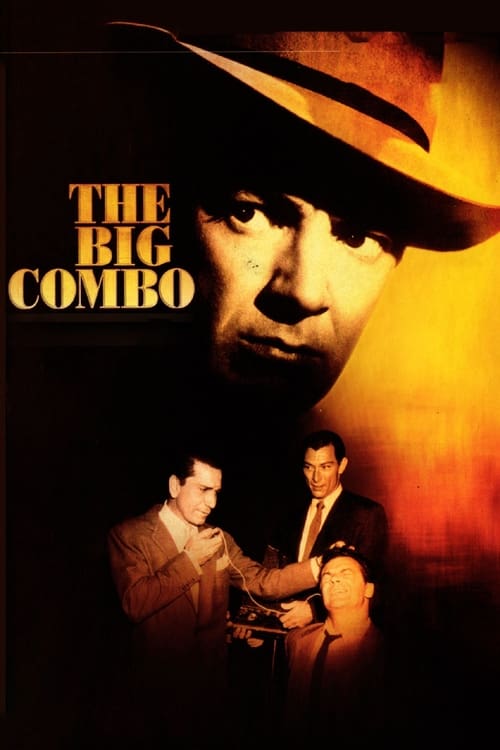 The Big Combo
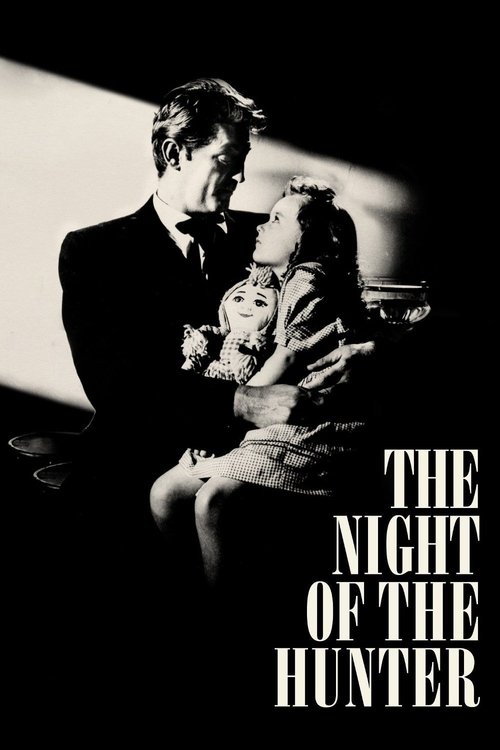 The Night of the Hunter
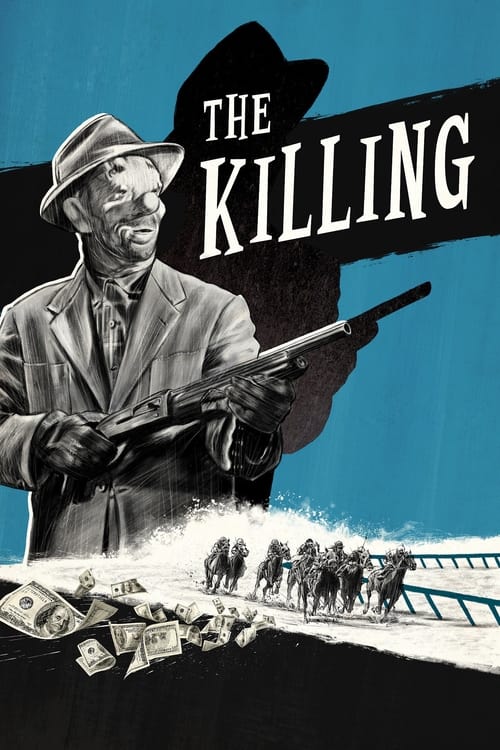 The Killing
 White Heat
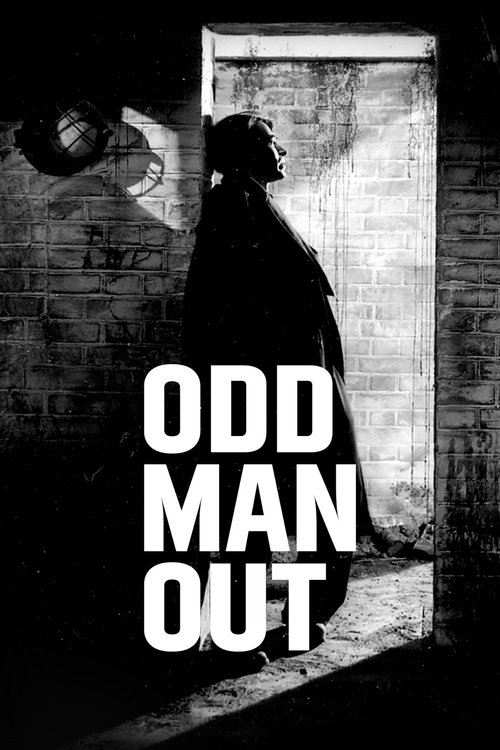 Odd Man Out
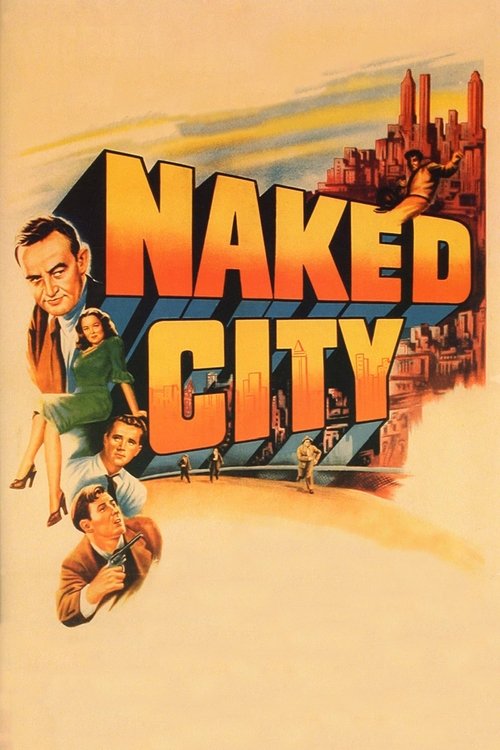 The Naked City
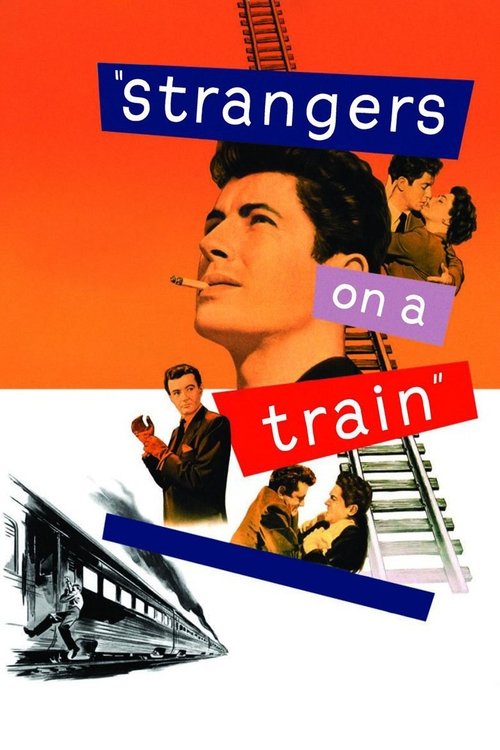 Strangers on a Train
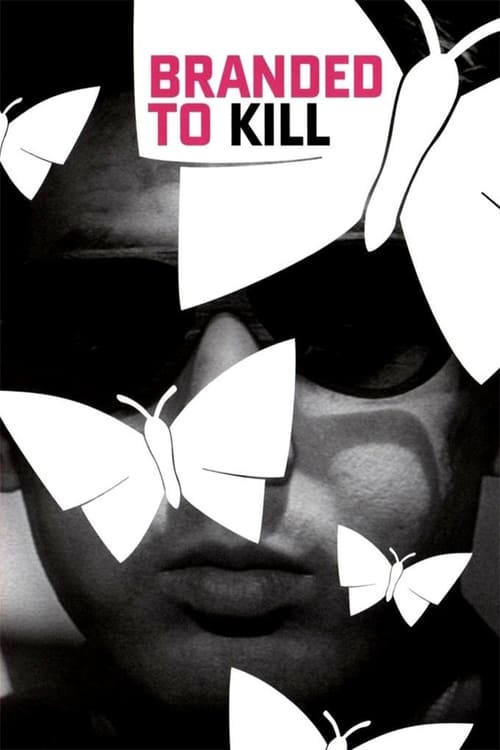
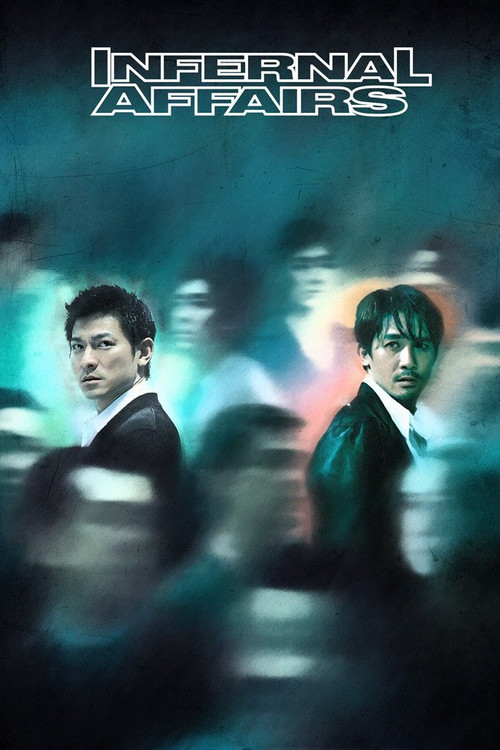
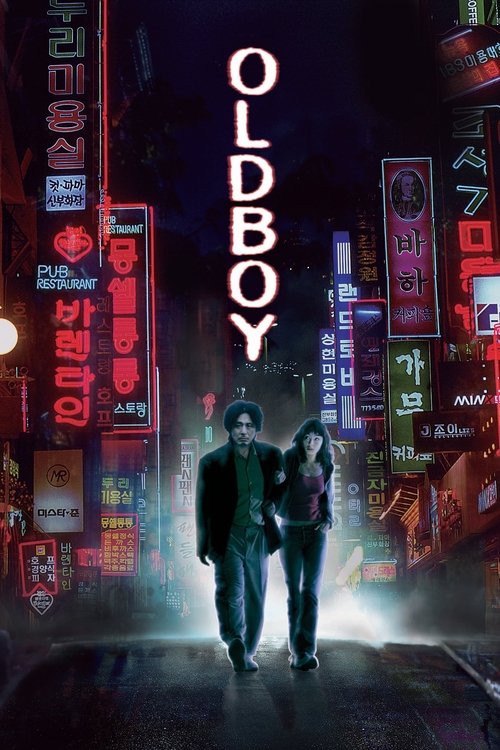
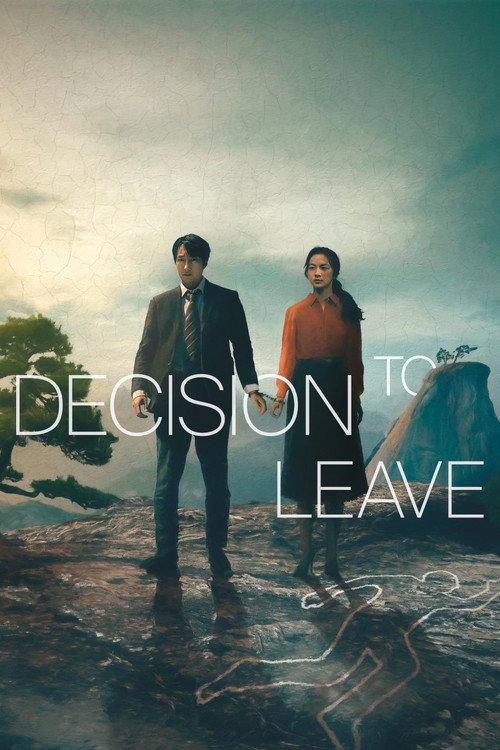
Paris, Tokyo, Seoul: noir without borders
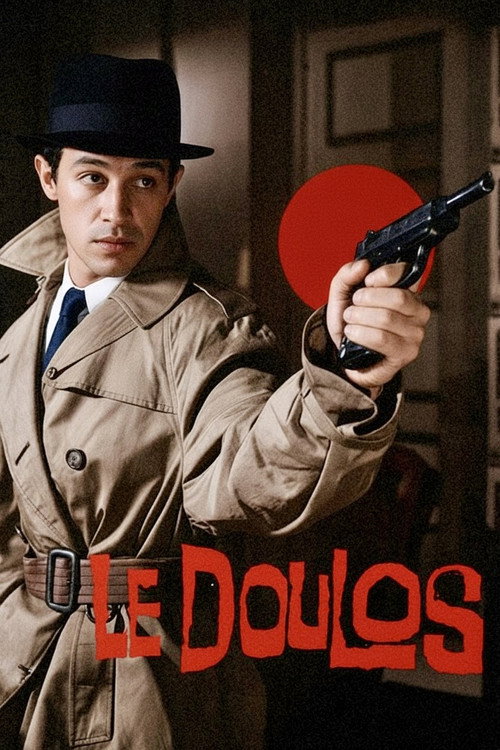
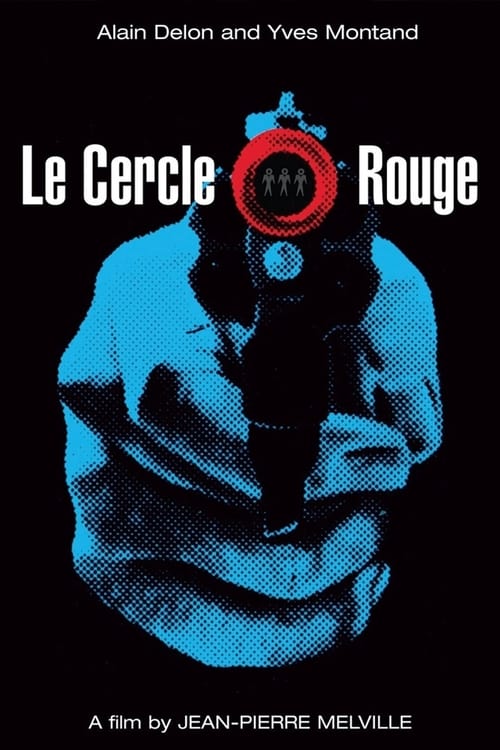
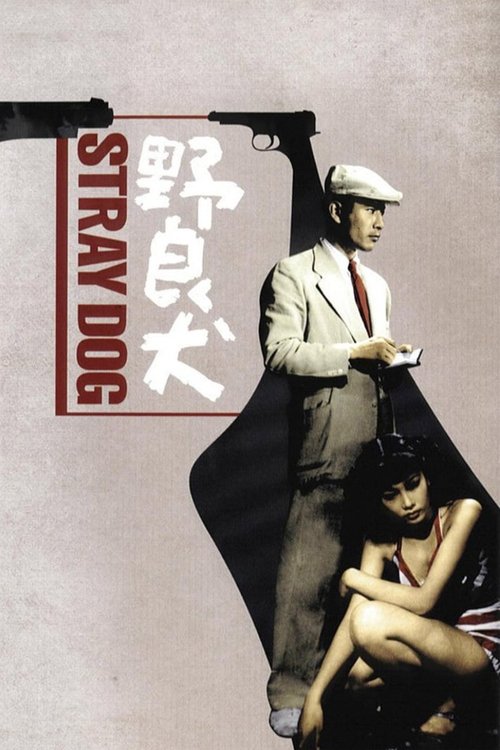
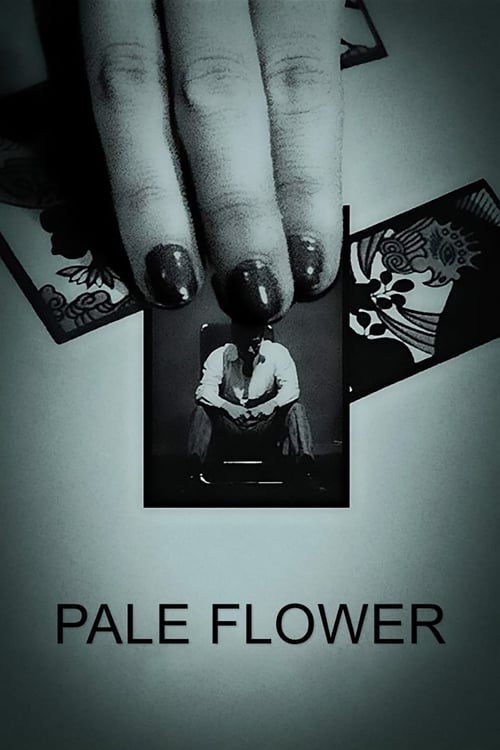
Melville's trench coats, Suzuki's hitmen, Korea's obsessive detectives



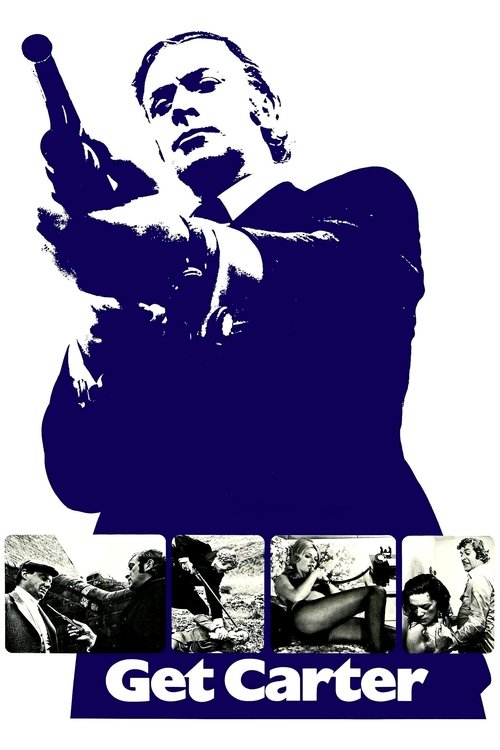
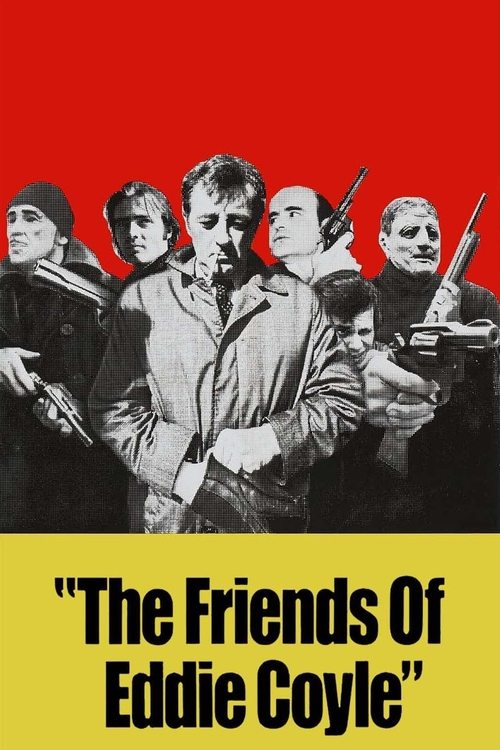
Neo-noir: three revisions
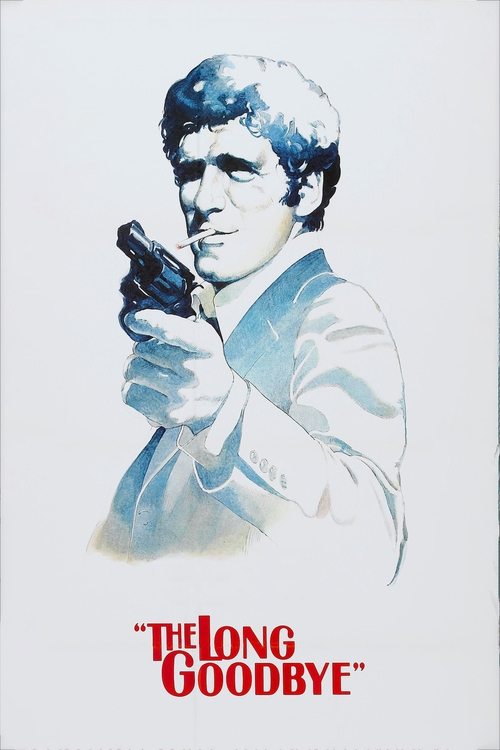
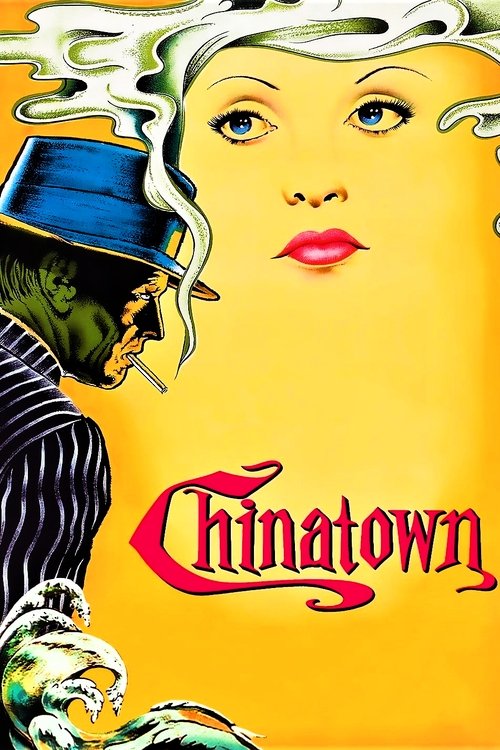
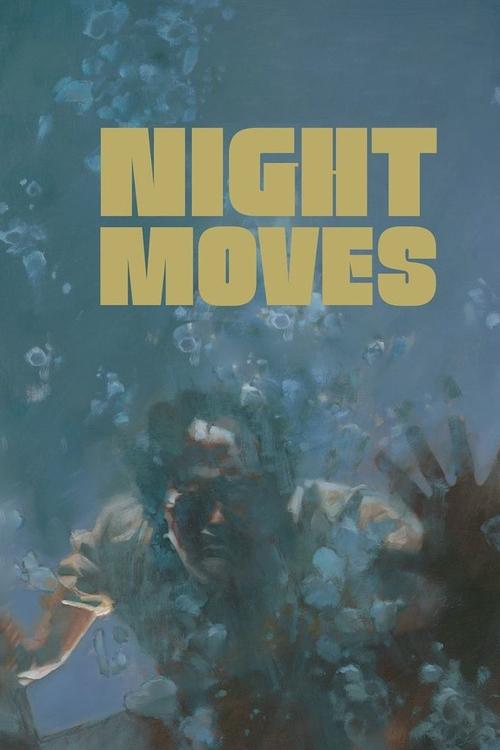
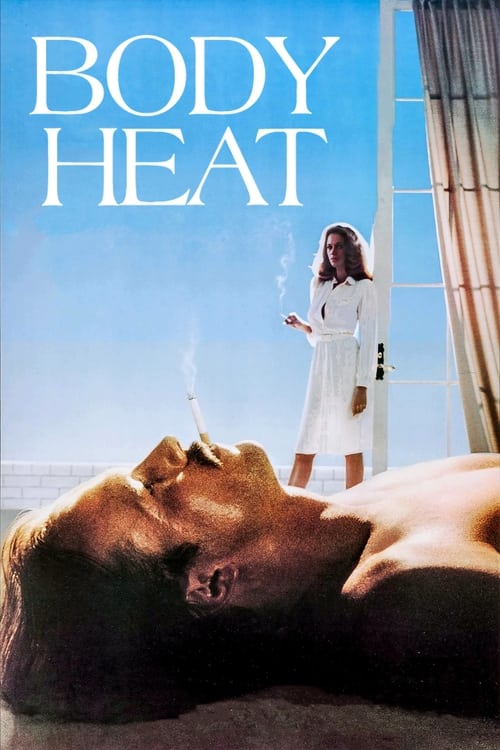
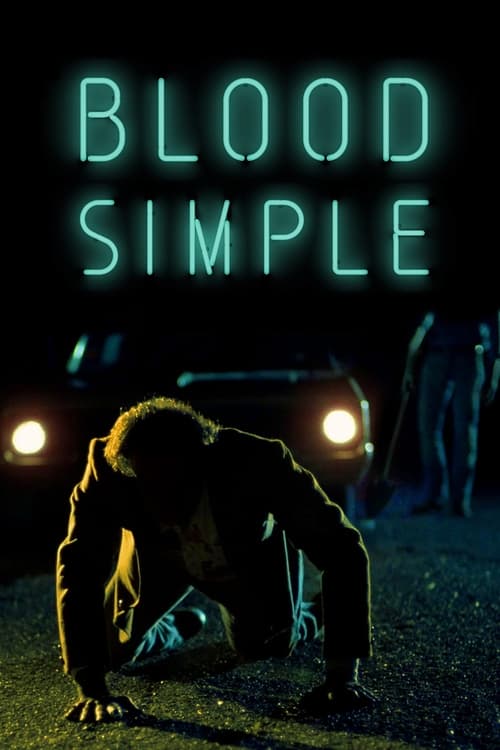
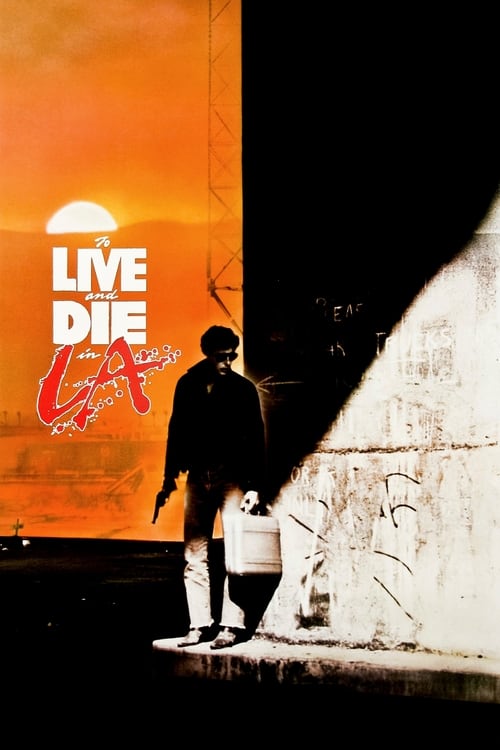
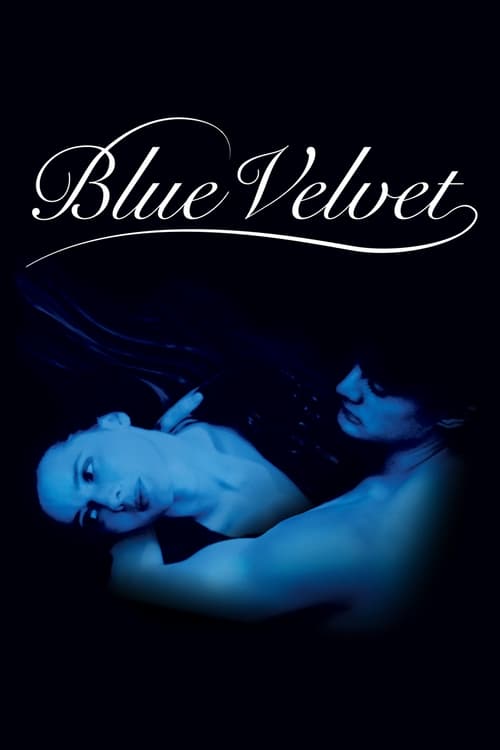
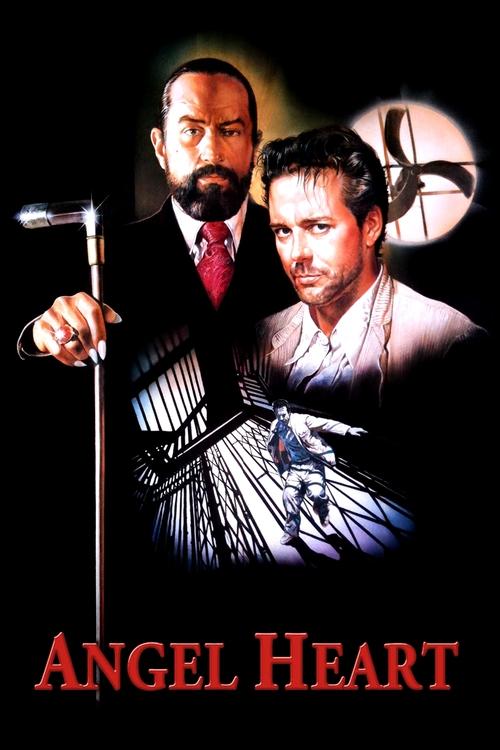
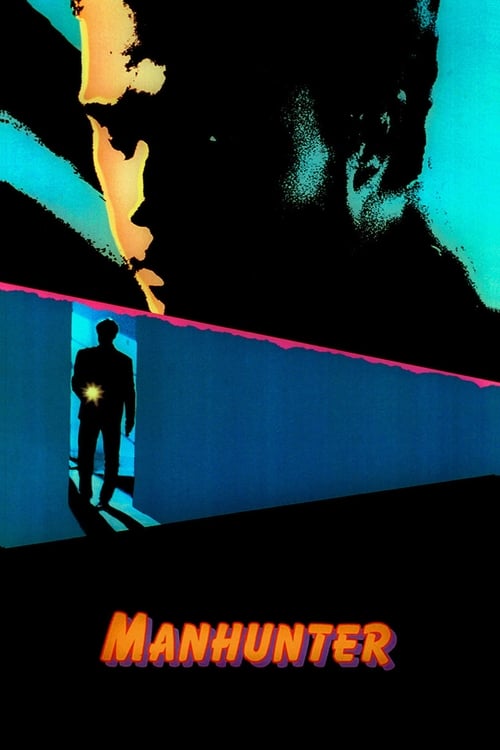
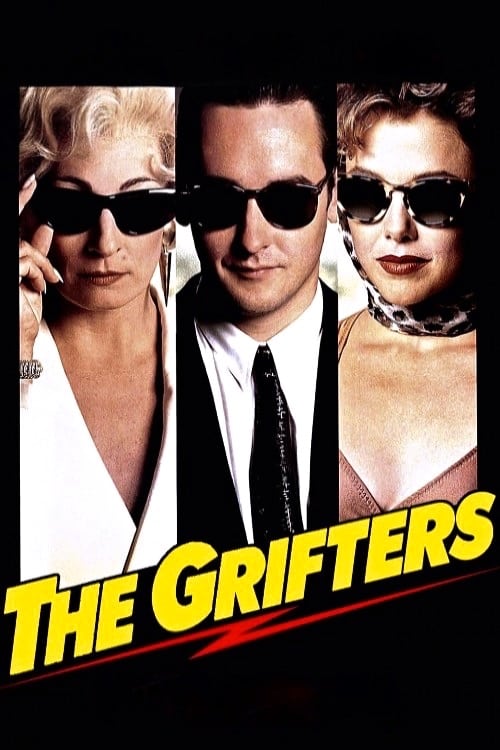
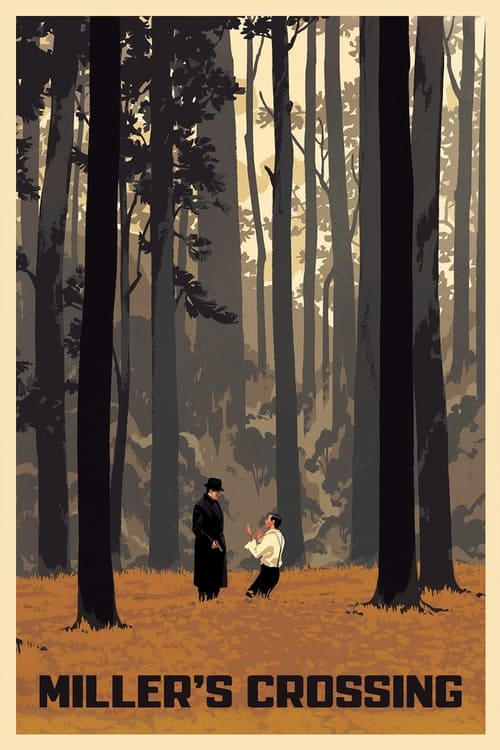
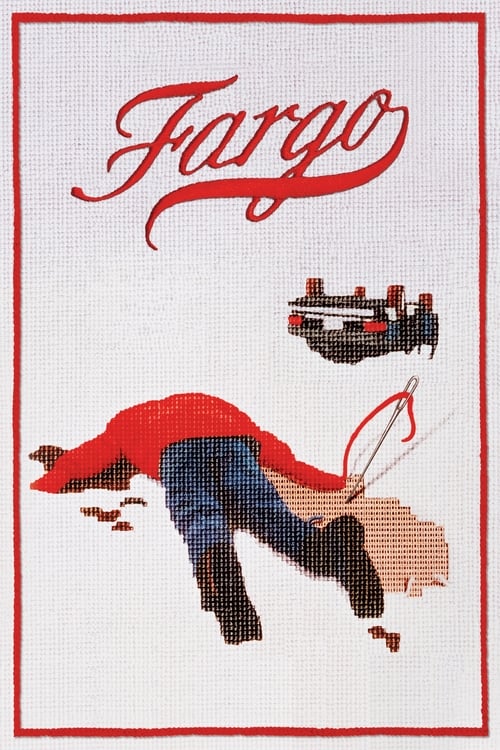
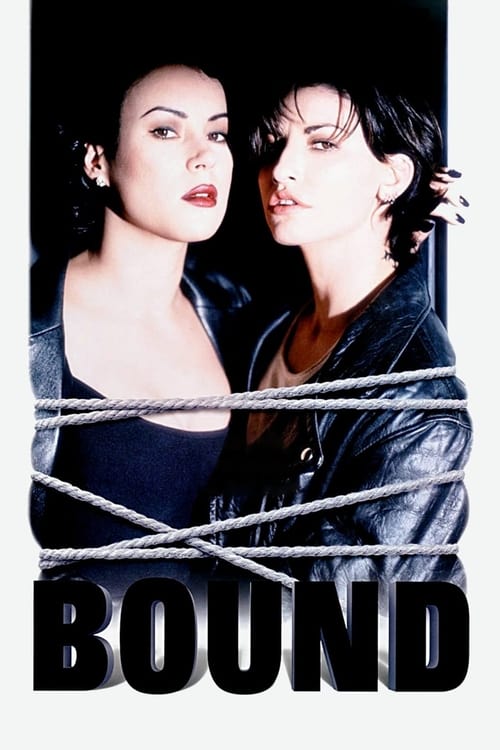
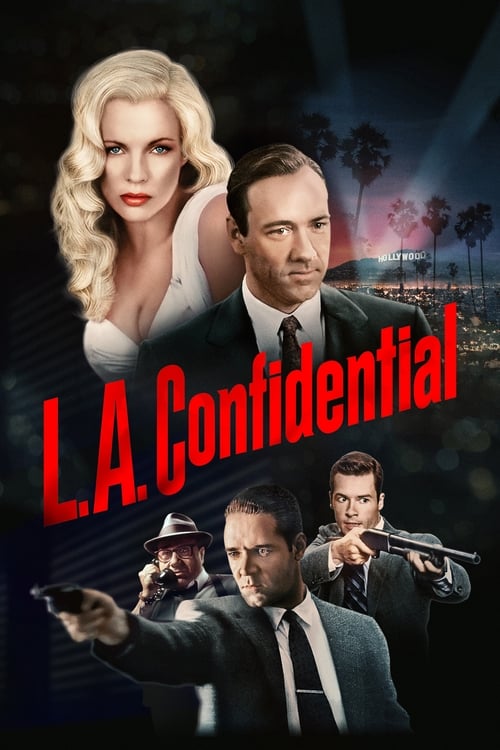
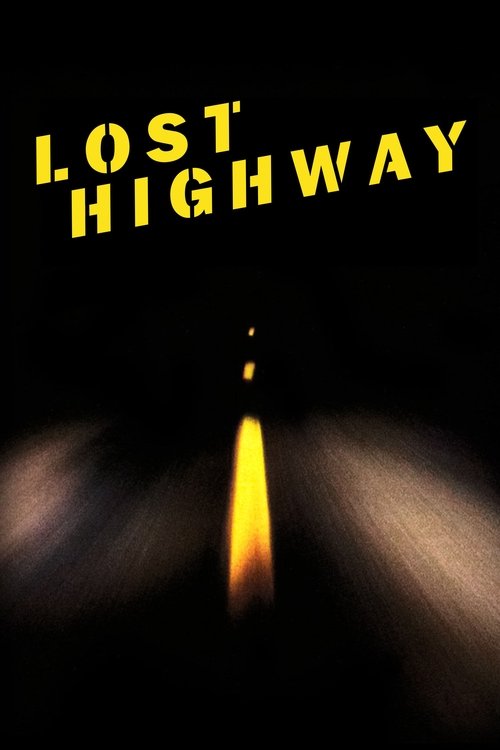
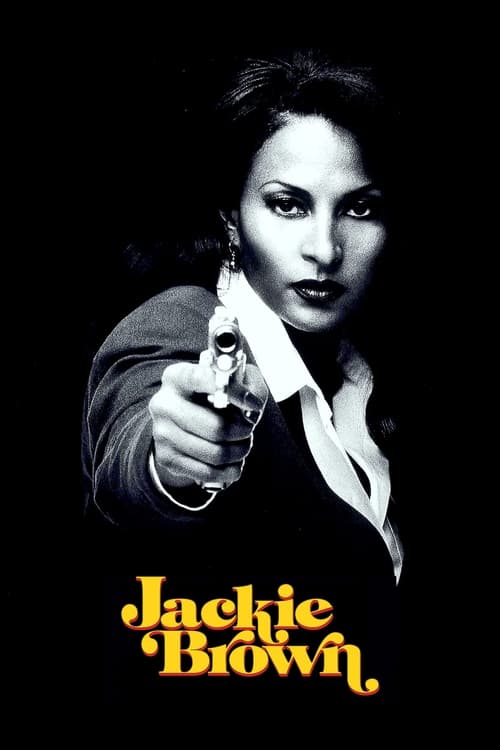
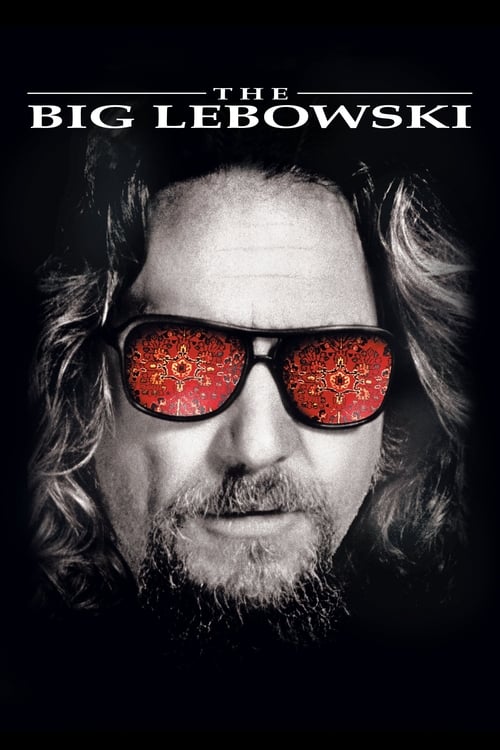
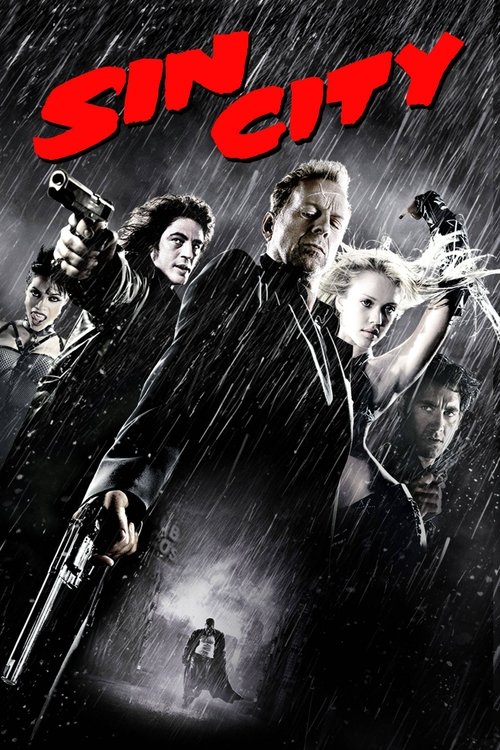
Noir died with the studio system and immediately began its afterlife. The 70s revision picked the old genre's locks and found paranoia inside: Chinatown's water and rot, The Long Goodbye's shabby Marlowe adrift in hot-tub Los Angeles, Night Moves solving nothing. The 80s brought back the femme fatale with the humidity turned up. And the 90s produced the deepest bench the mode ever had, half of it from first-time directors who had grown up on the classics and wanted blood.
Neo-noir: the 70s revision
New Hollywood finds nothing but paranoia inside the old genre

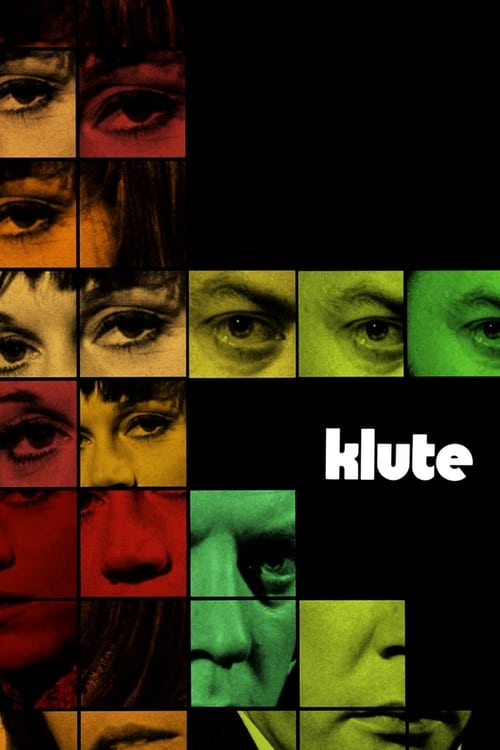
Neon and chrome: 80s noir
Sweat, synths and the femme fatale's comeback tour
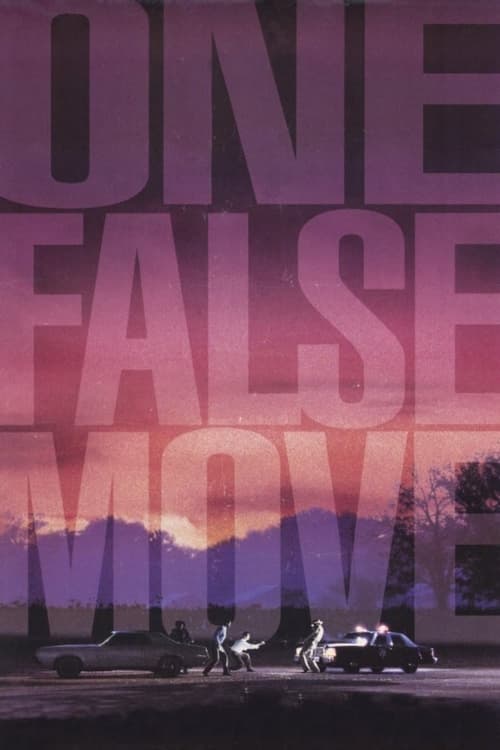
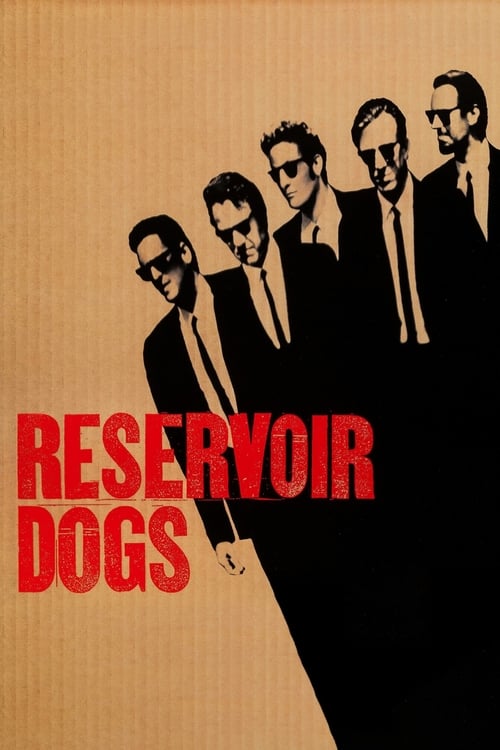
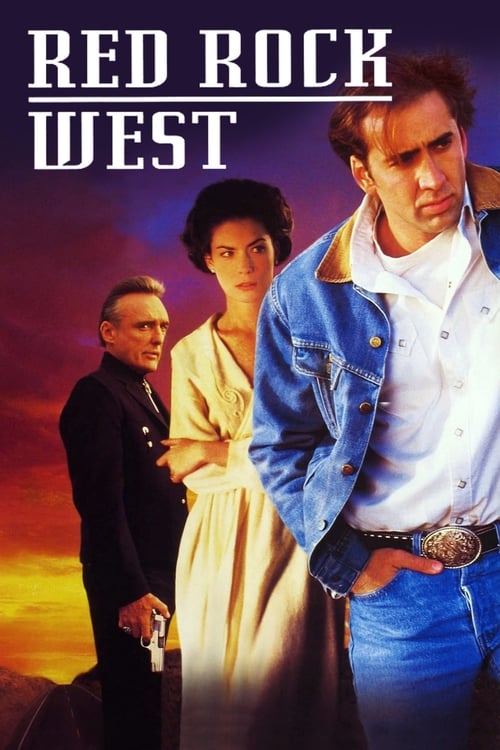
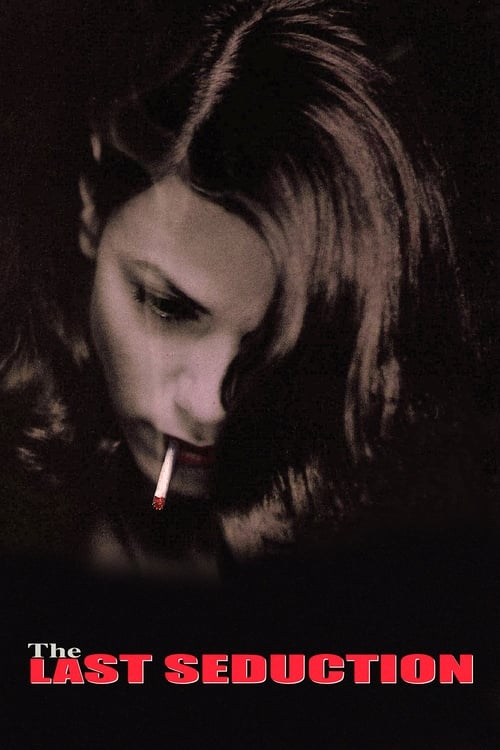
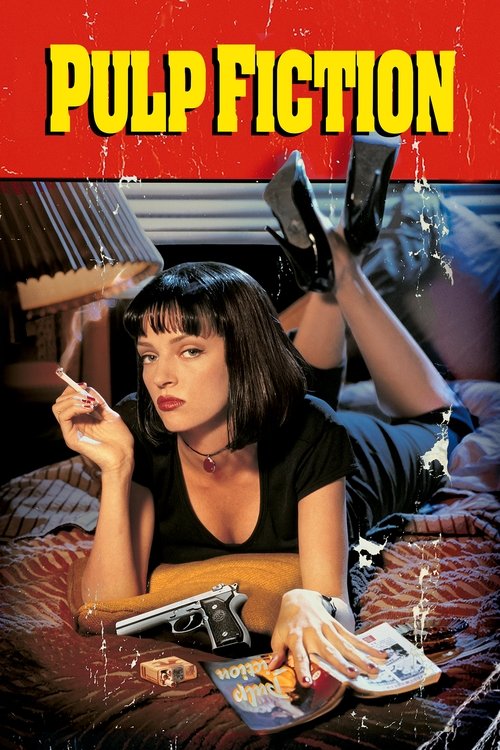
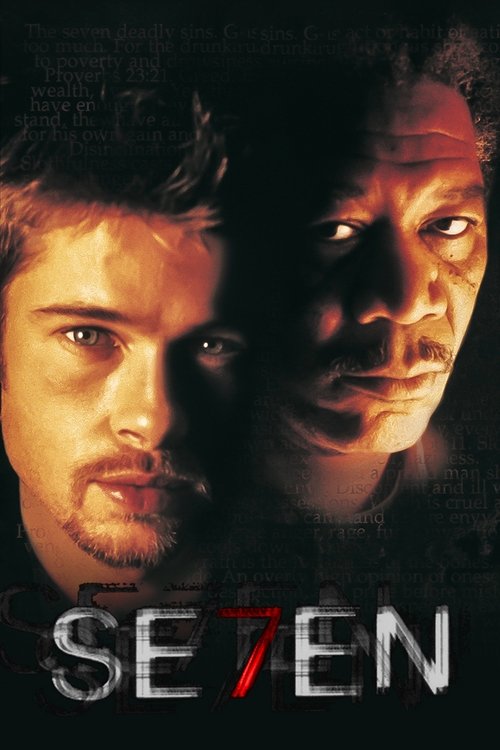
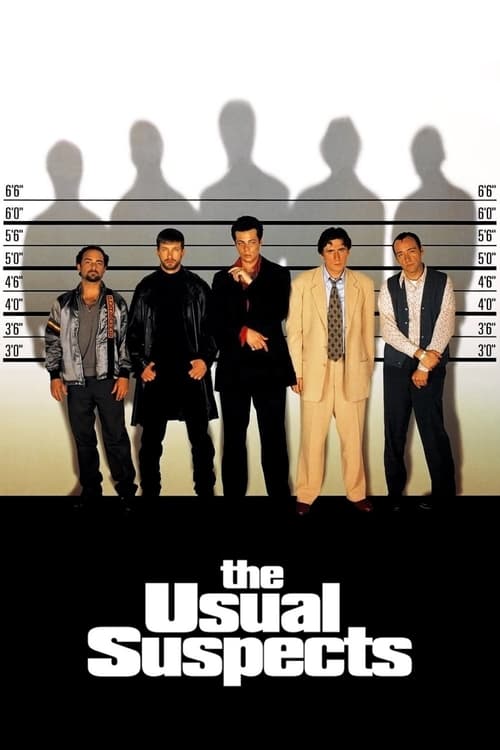
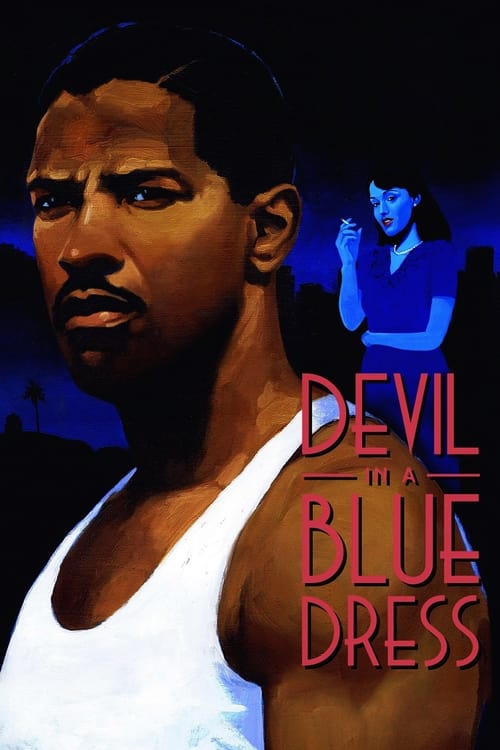
The 90s crime wave
The decade noir conquered the multiplex
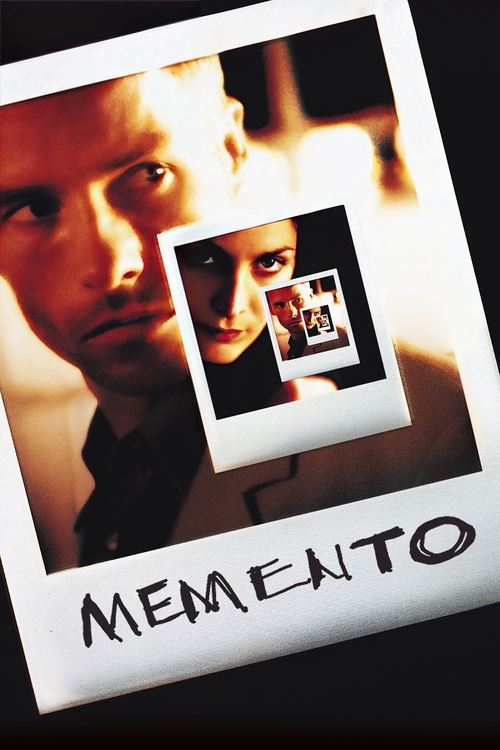
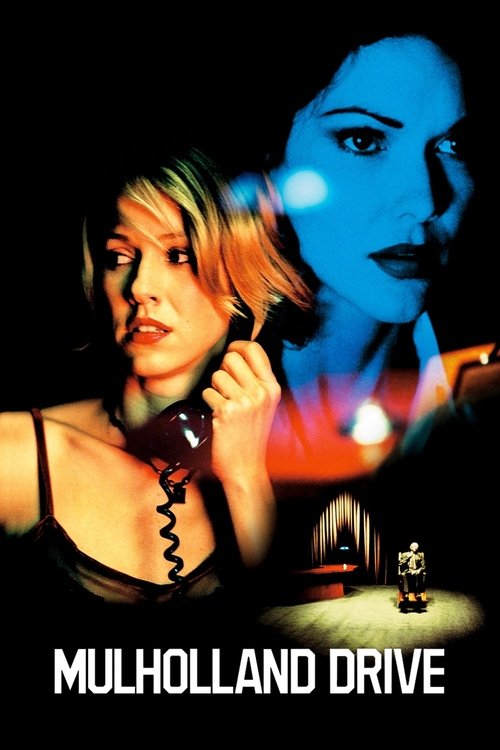
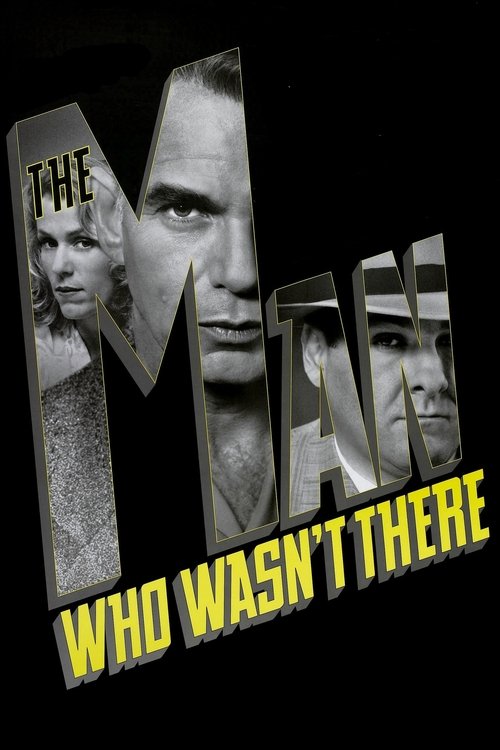
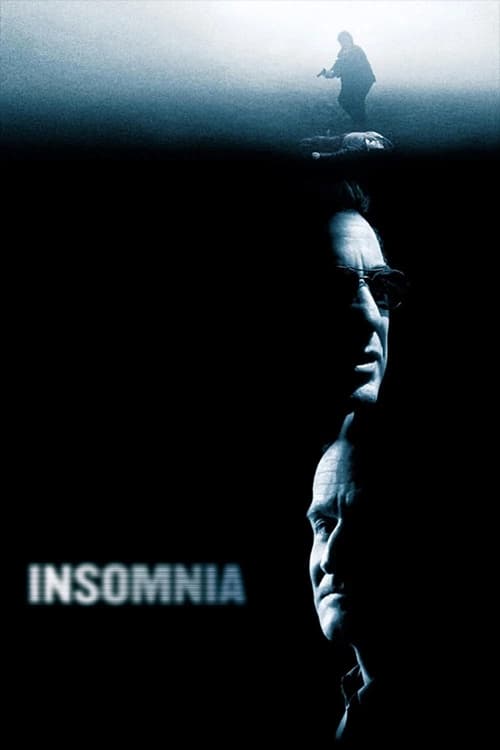
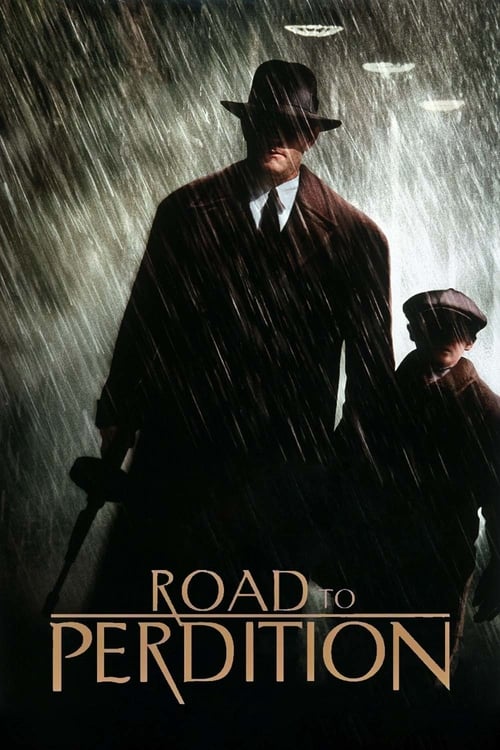
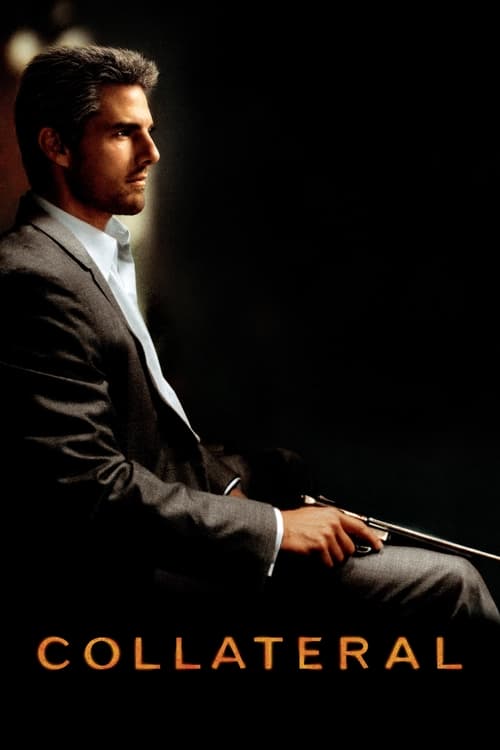
Noir after midnight: the 2000s on
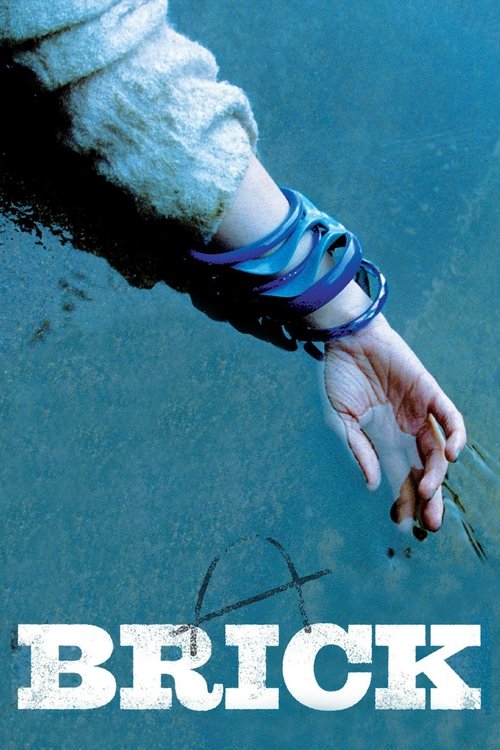
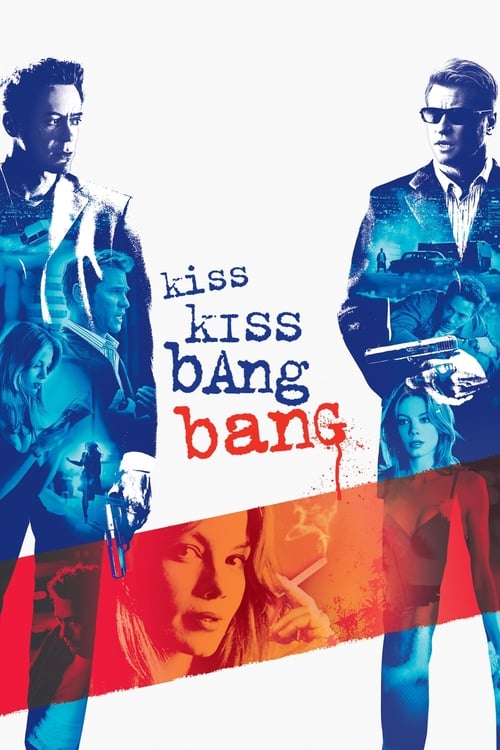
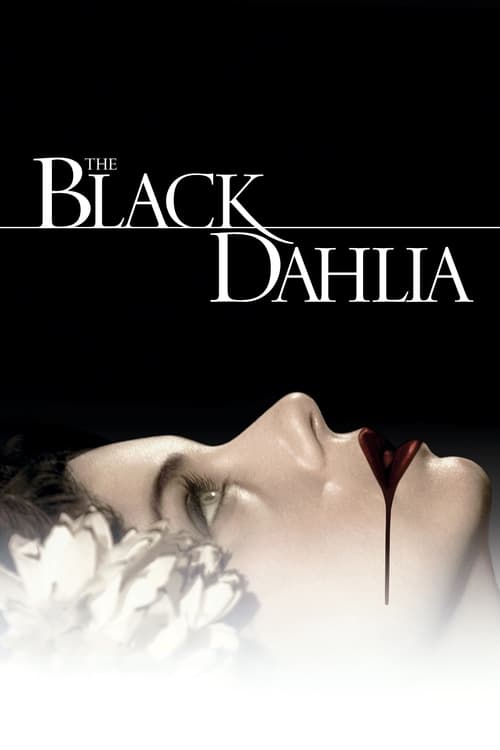
Memory loss, digital nights and high-school gumshoes


Future noir
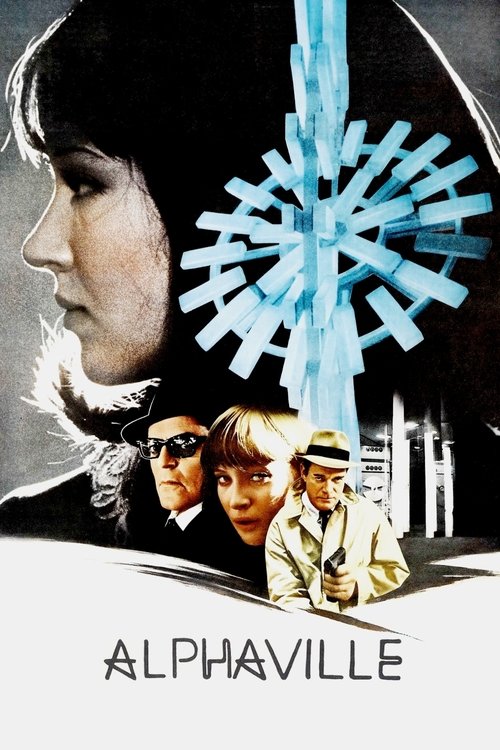
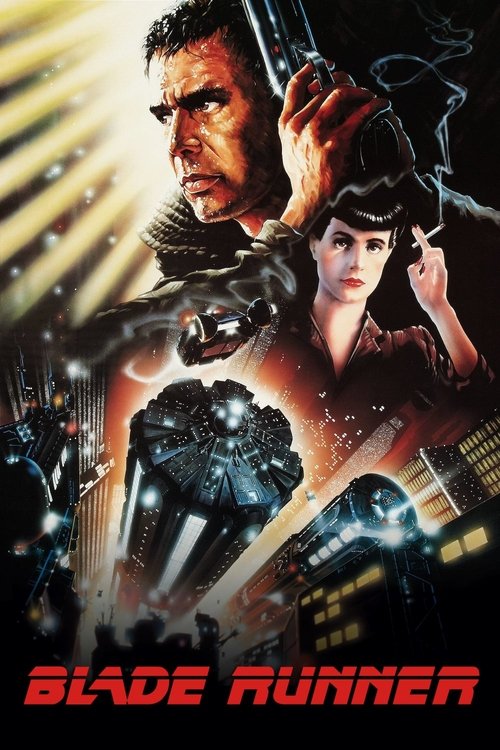
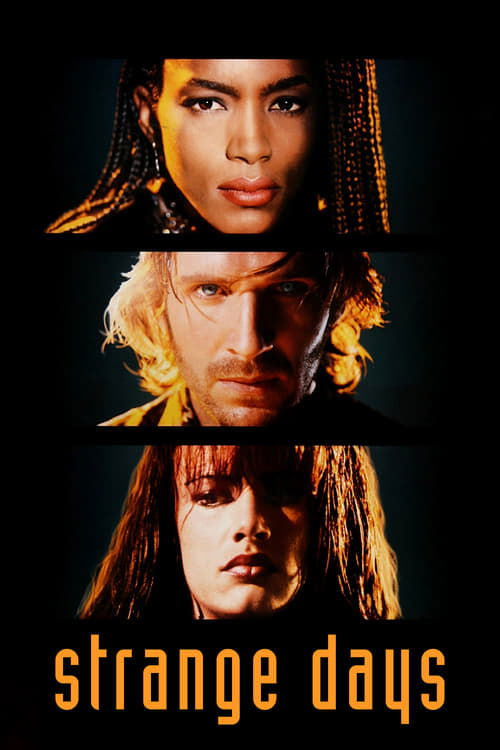
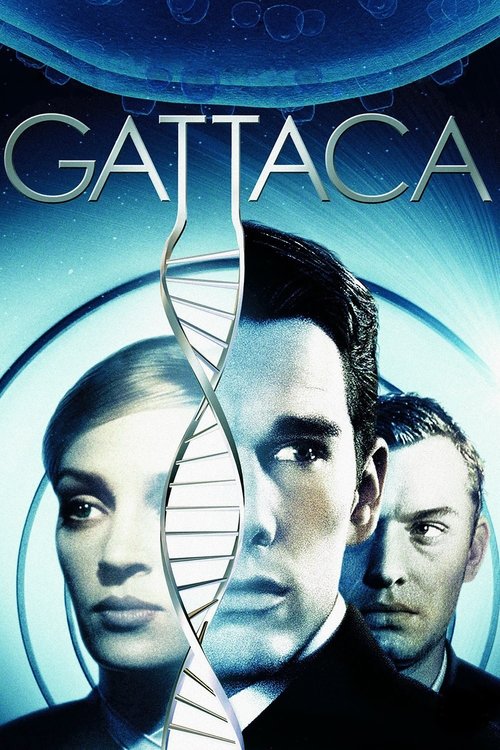
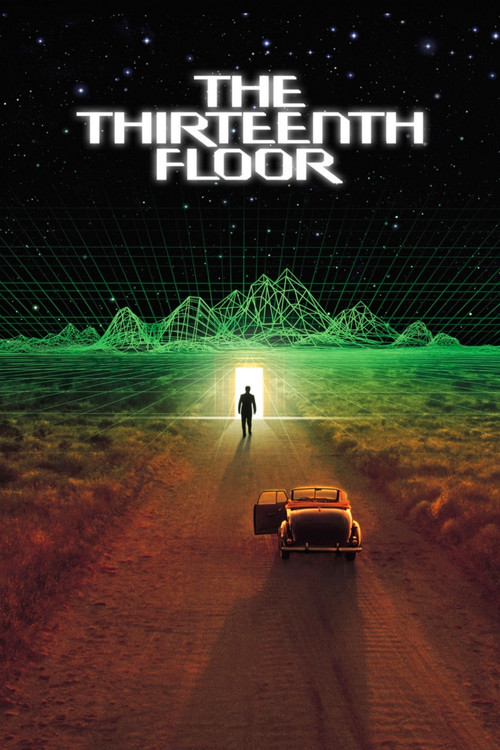
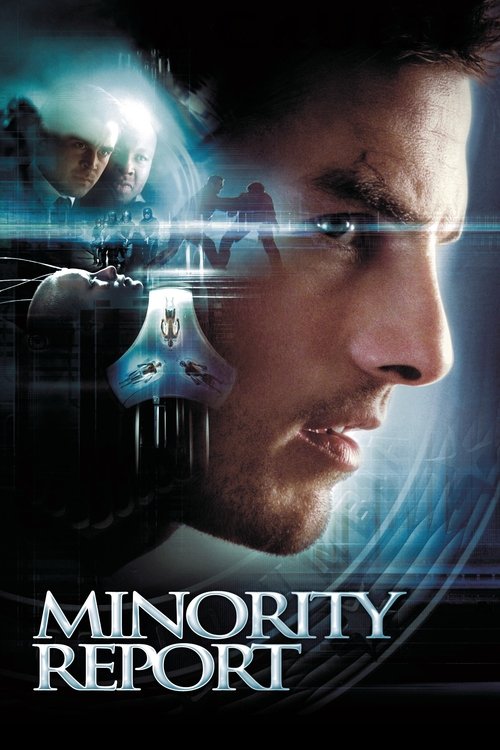
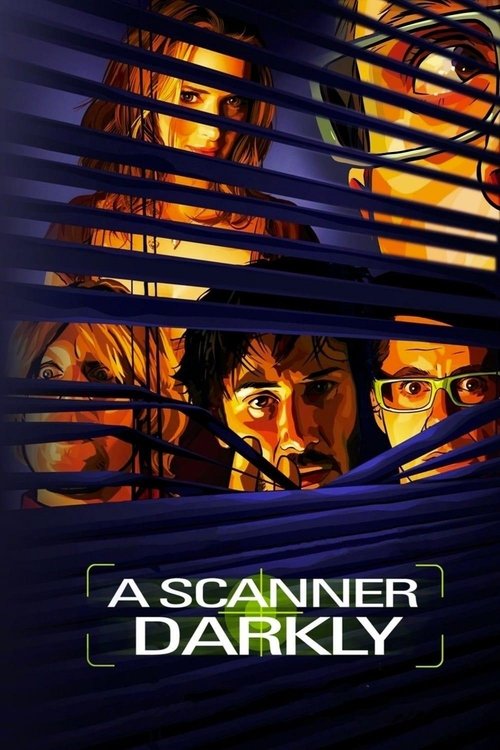
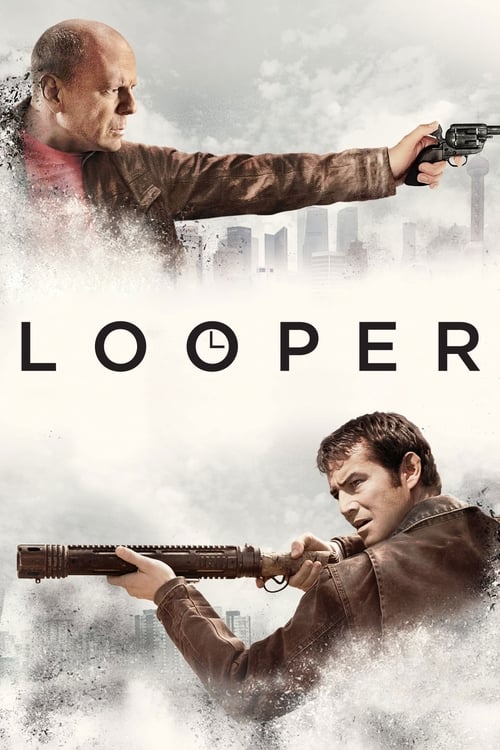
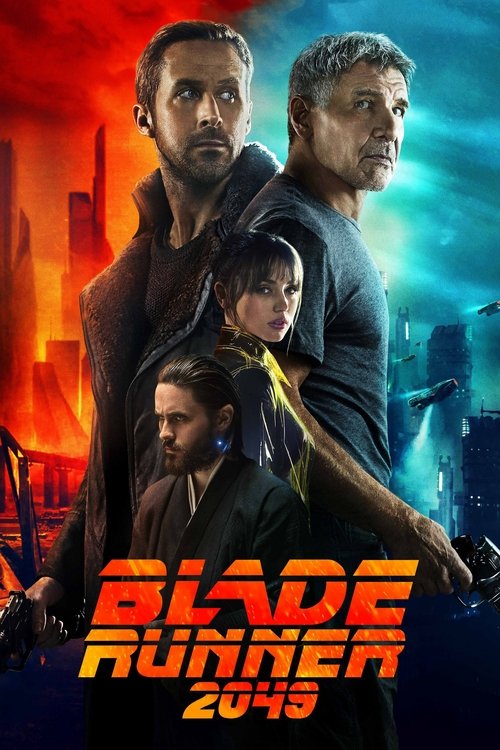
In 1982 Blade Runner proved the trench coat fits over a spacesuit, and science fiction has been running noir's operating system ever since. The combination is natural: both genres are about cities that outgrew their people, technologies of surveillance, and detectives hired to find out what a human being is worth. From Godard's Alphaville, which shot the future in present-day Paris hotels, to Villeneuve's 2049 and the playable dystopias of Observer and Cloudpunk, this is noir's most durable afterlife.
Future noir: science fiction in a trench coat
The city grew, the rain stayed: films, television, games and the Dick novel underneath



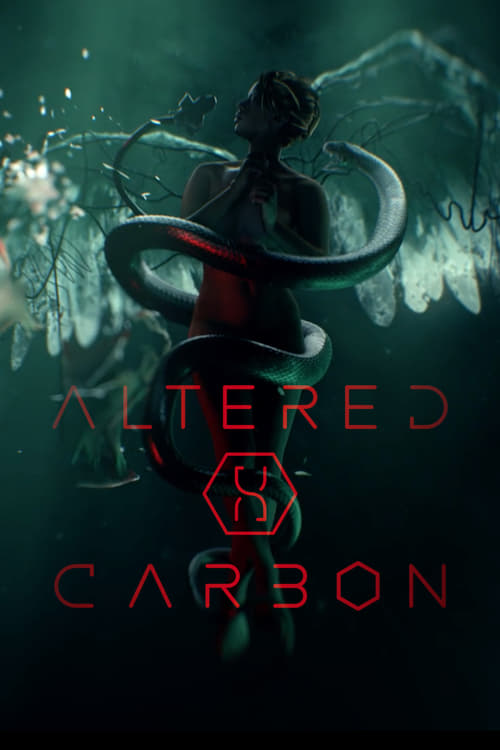
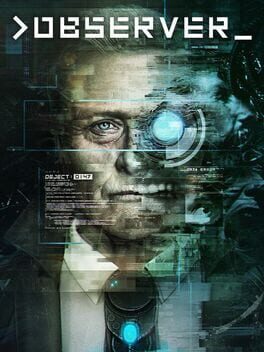
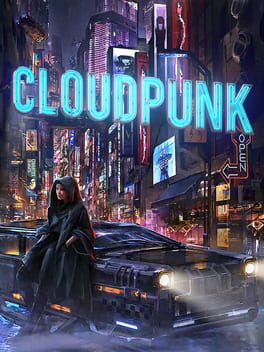
Noir, from pulp to pixels
- 1929Hammett publishes Red Harvest; hardboiled fiction arrives fully formed Red Harvest
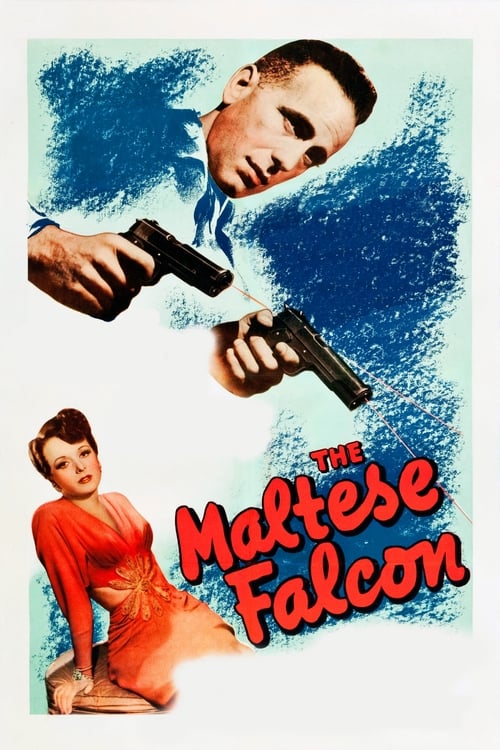
- 1941Huston's Maltese Falcon opens the classic cycle The Maltese Falcon
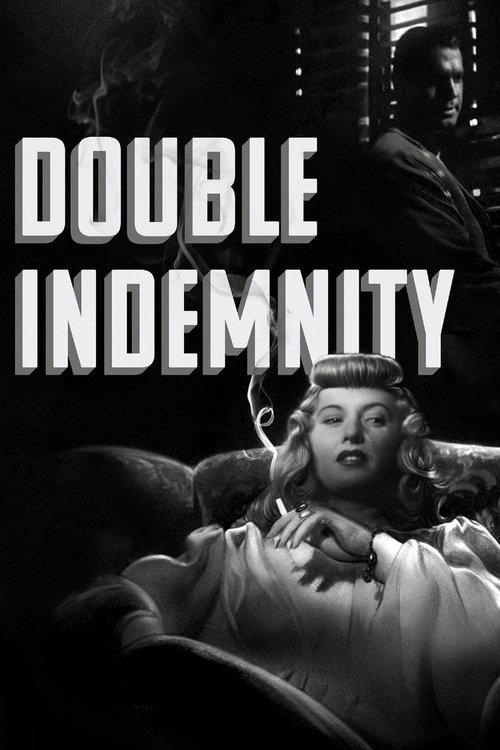
- 1944Double Indemnity, Laura and Murder, My Sweet in one year: the style has a shape Double Indemnity
- 1946French critic Nino Frank coins the term film noir for the dark American imports The Killers
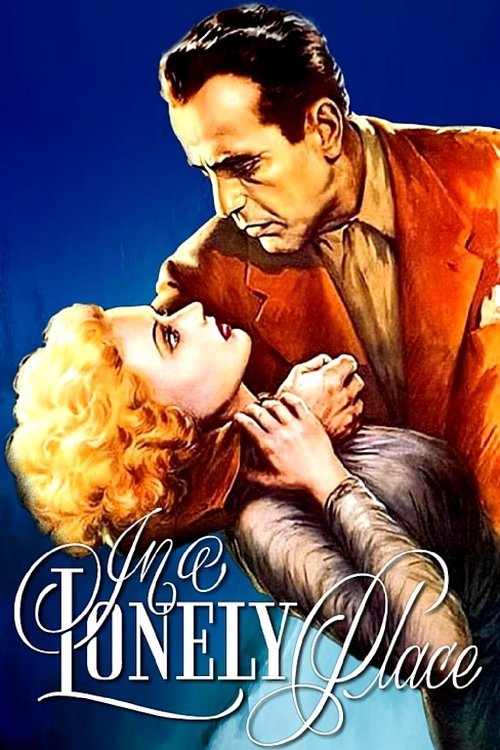
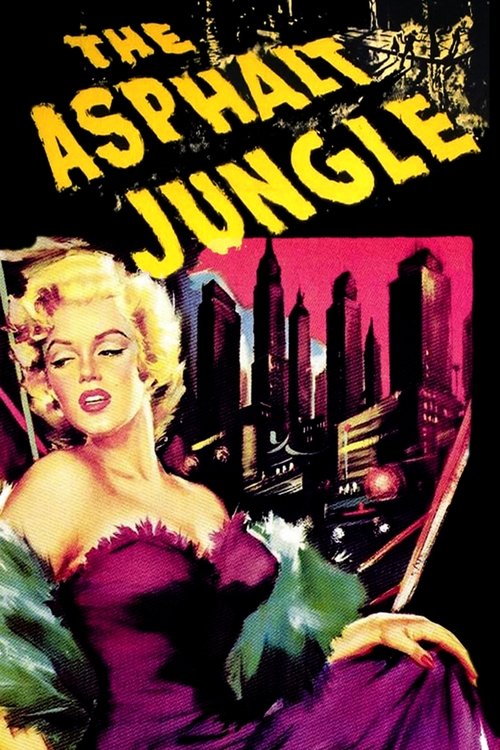
- 1950Peak cycle: Sunset Boulevard, In a Lonely Place and The Asphalt Jungle within months Sunset Boulevard
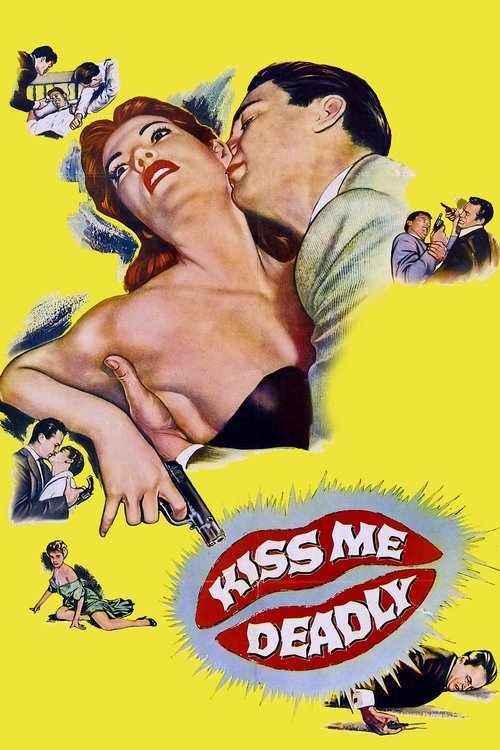
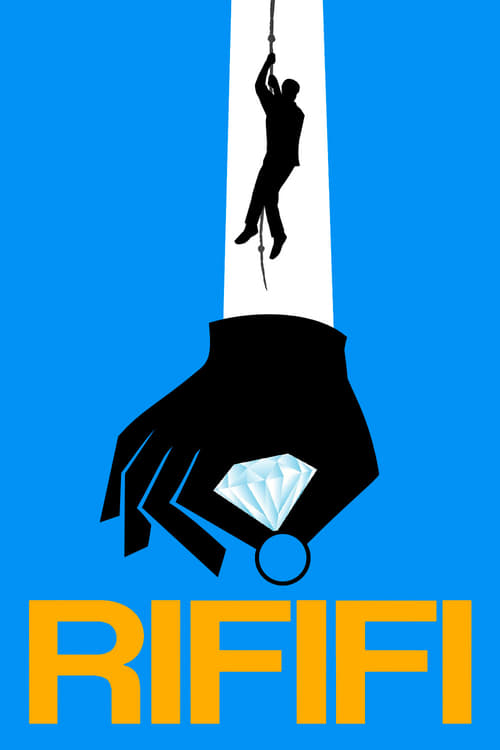
- 1955Kiss Me Deadly goes atomic in L.A. while Rififi perfects the heist in Paris Kiss Me Deadly
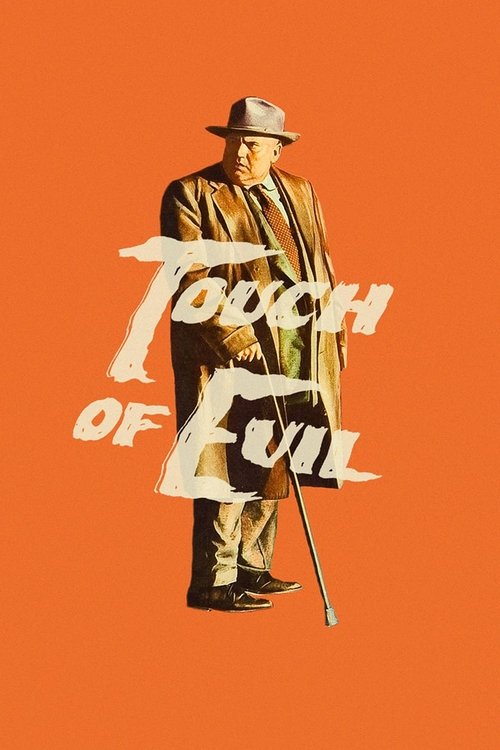
- 1958Touch of Evil closes the classic American cycle Touch of Evil
- 1967Point Blank and Le Samourai launch neo-noir on both sides of the Atlantic Le Samouraï
- 1974Chinatown sets the neo-noir standard: solve the case, lose everything Chinatown
- 1982Blade Runner fuses noir permanently with science fiction Blade Runner
- 1995The 90s wave crests: Se7en, The Usual Suspects and Devil in a Blue Dress in a single year Se7en
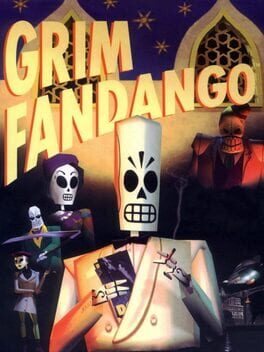
- 1998Grim Fandango proves noir plays as well as it watches Grim Fandango
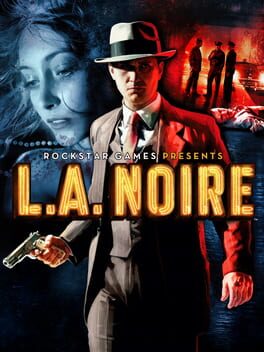
- 2011L.A. Noire rebuilds 1947 Los Angeles case by case; Drive scores it in synths L.A. Noire
- 2019Disco Elysium makes the great noir protagonist a character sheet Disco Elysium
- 2022Decision to Leave proves the obsessive-detective noir still works, now on smartphones Decision to Leave
Playable noir
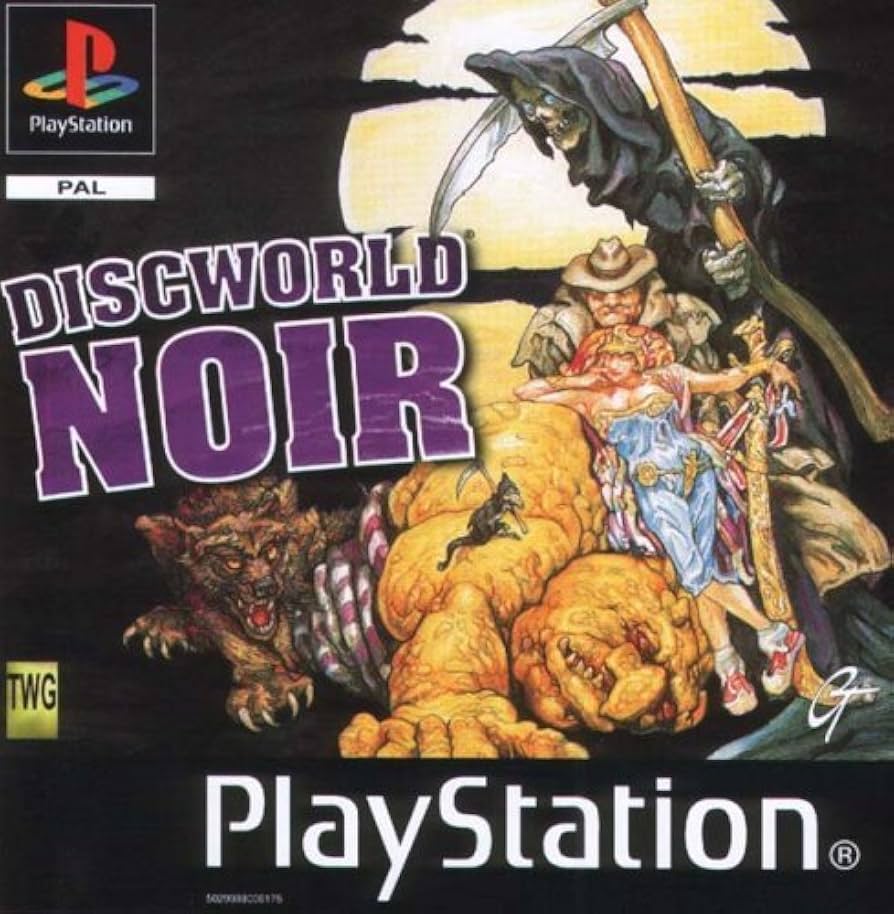
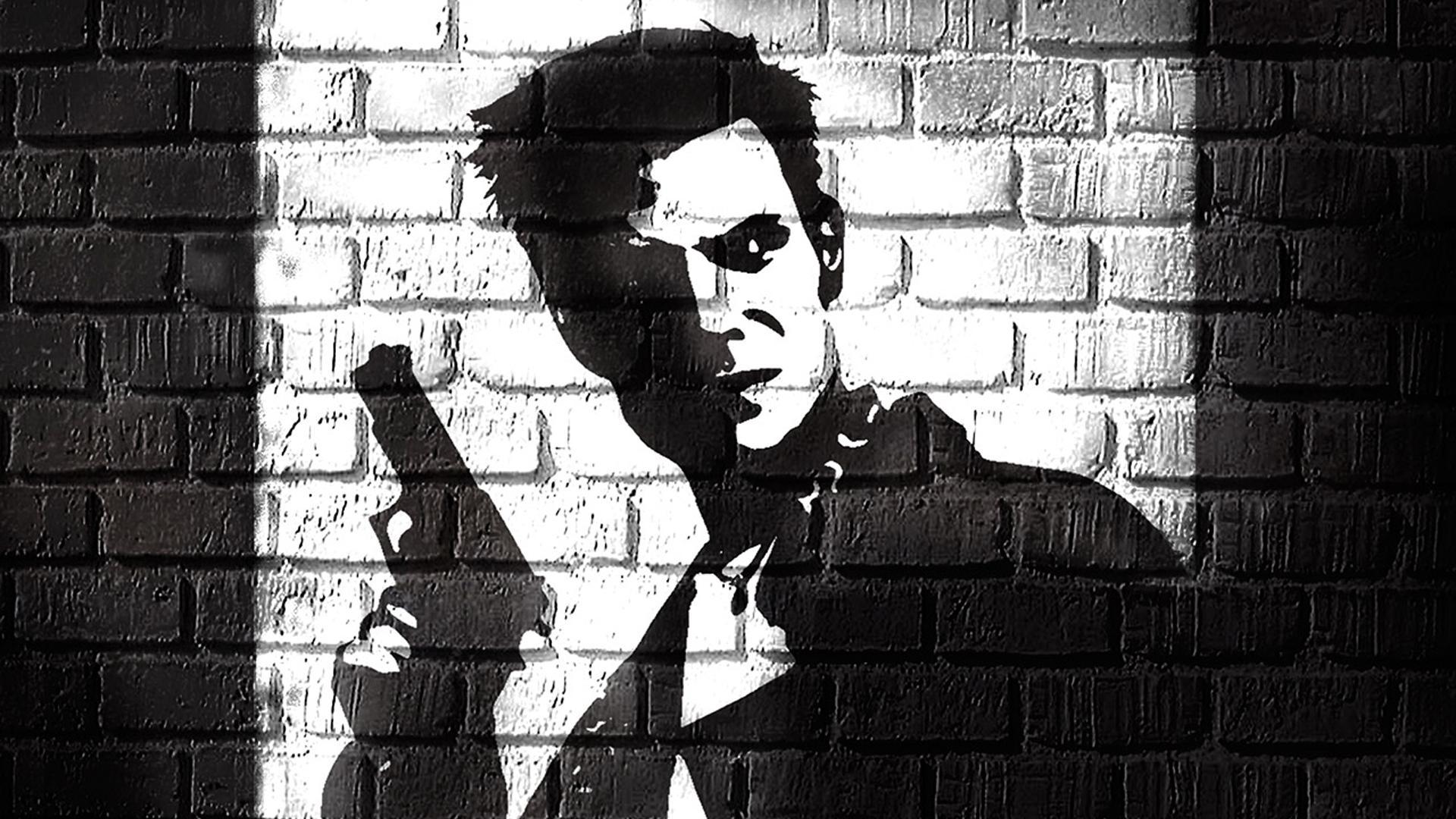
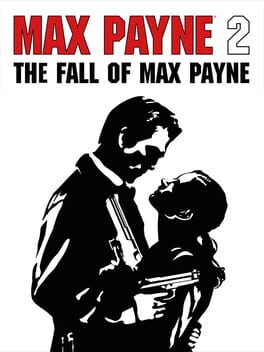
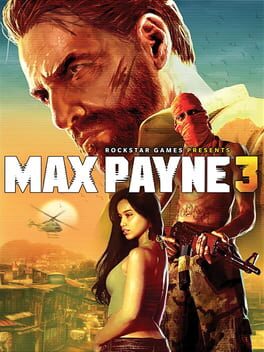
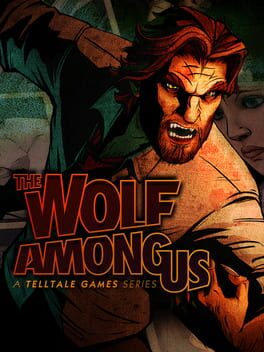
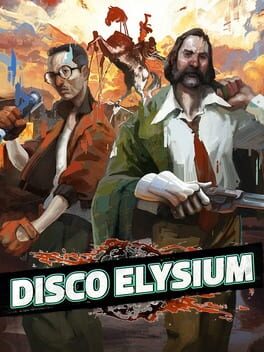
Games took the trench coat seriously. Westwood's Blade Runner ran a parallel story through the film's rain in 1997, Grim Fandango moved Chandler to the Land of the Dead and lost nothing in transit, and Max Payne turned the genre's internal monologue into a mechanic. The modern peak is a pair: L.A. Noire, the meticulous 1947 museum you can drive through, and Disco Elysium, which plays the way noir feels, a ruined detective arguing with his own worst instincts while a city lies to him.
Playable noir: the games
From Westwood's Blade Runner to Revachol
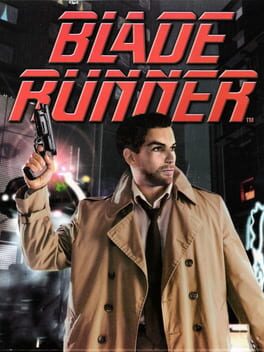
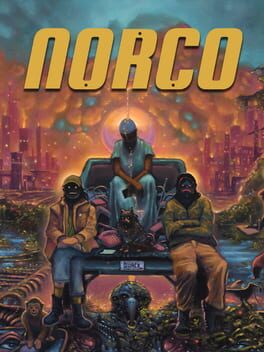
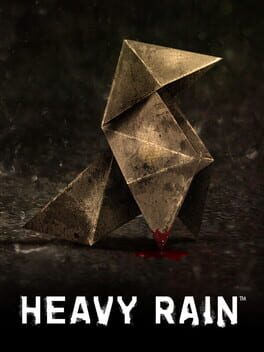
Noir on TV
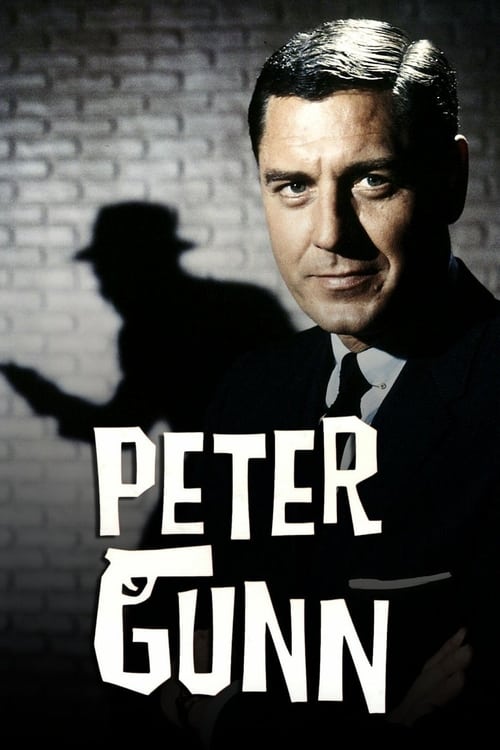
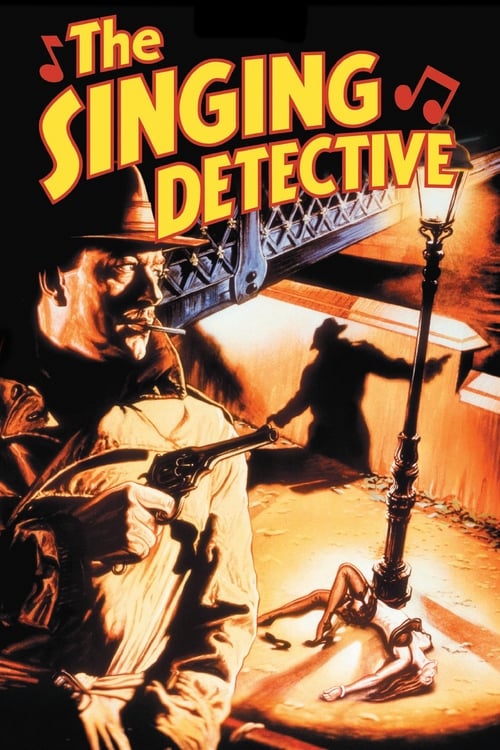
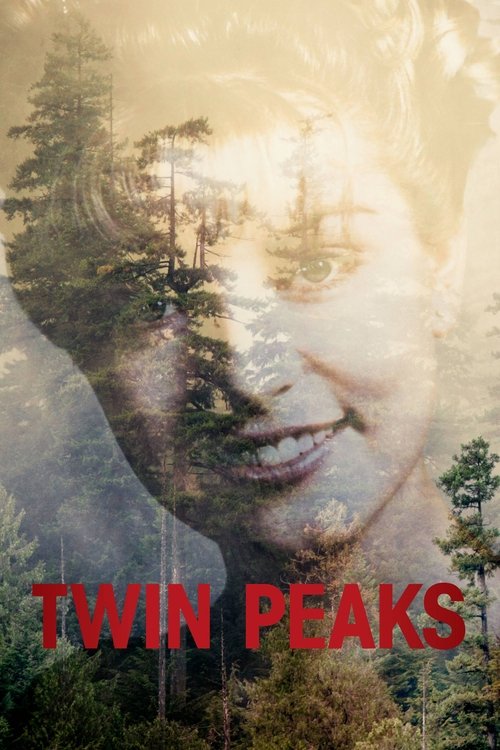
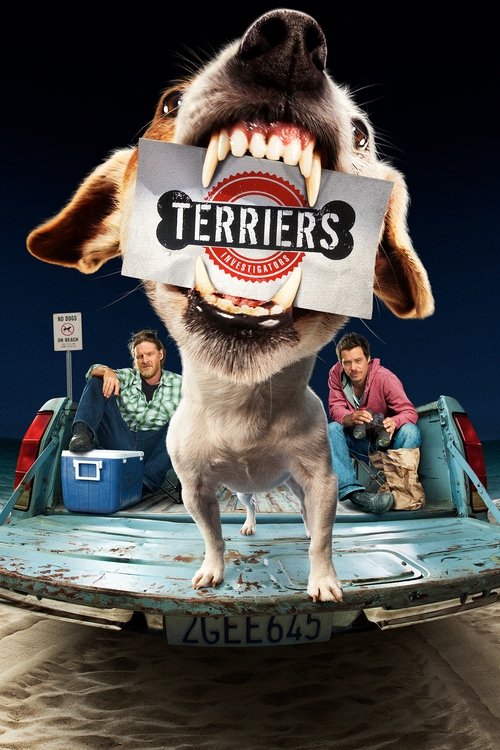
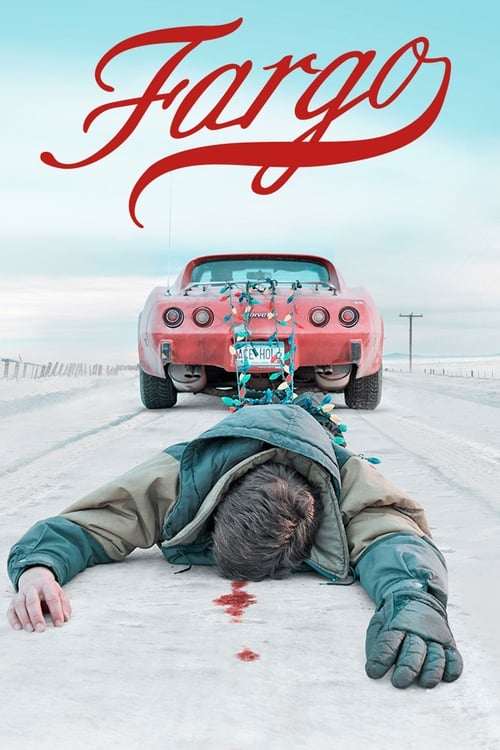
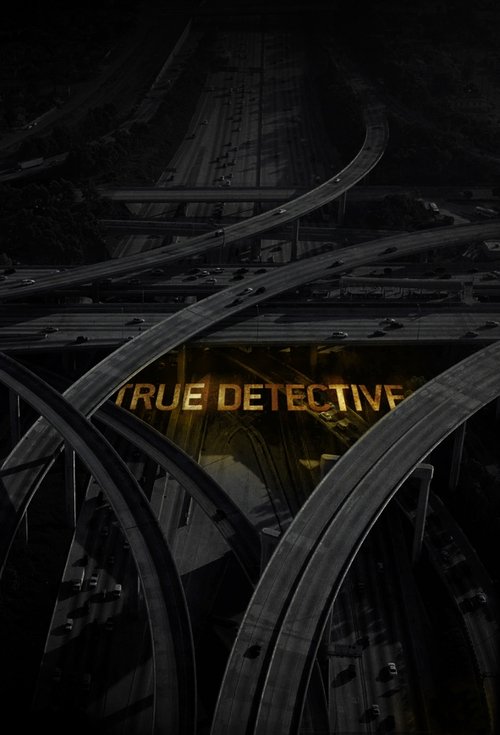
Long-form fatalism, from Peter Gunn's jazz clubs to Babylon Berlin
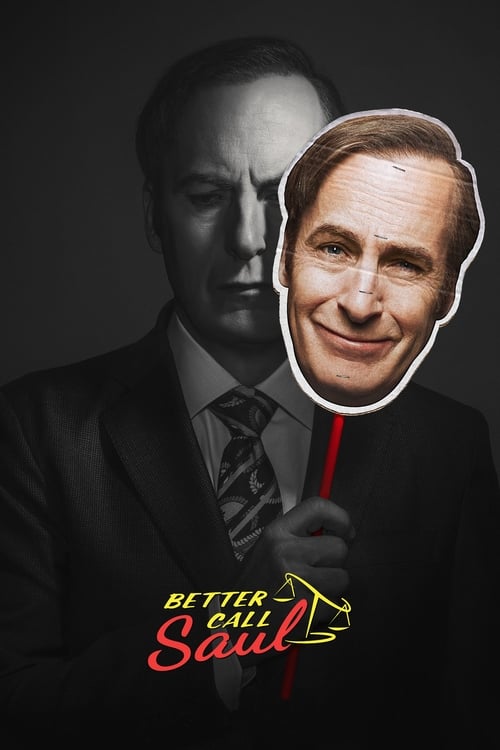
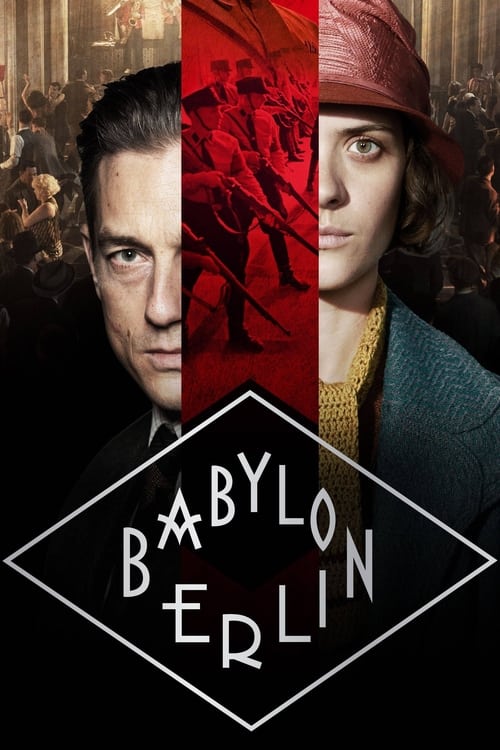
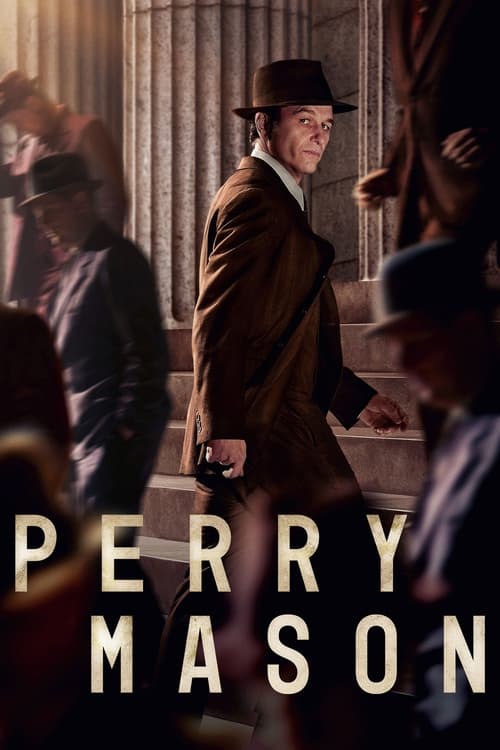

Down these mean streets a man must go who is not himself mean, who is neither tarnished nor afraid.Raymond Chandler, The Simple Art of Murder
Modern noir on the page
Ellroy's L.A., Mosley's Watts, Block's New York


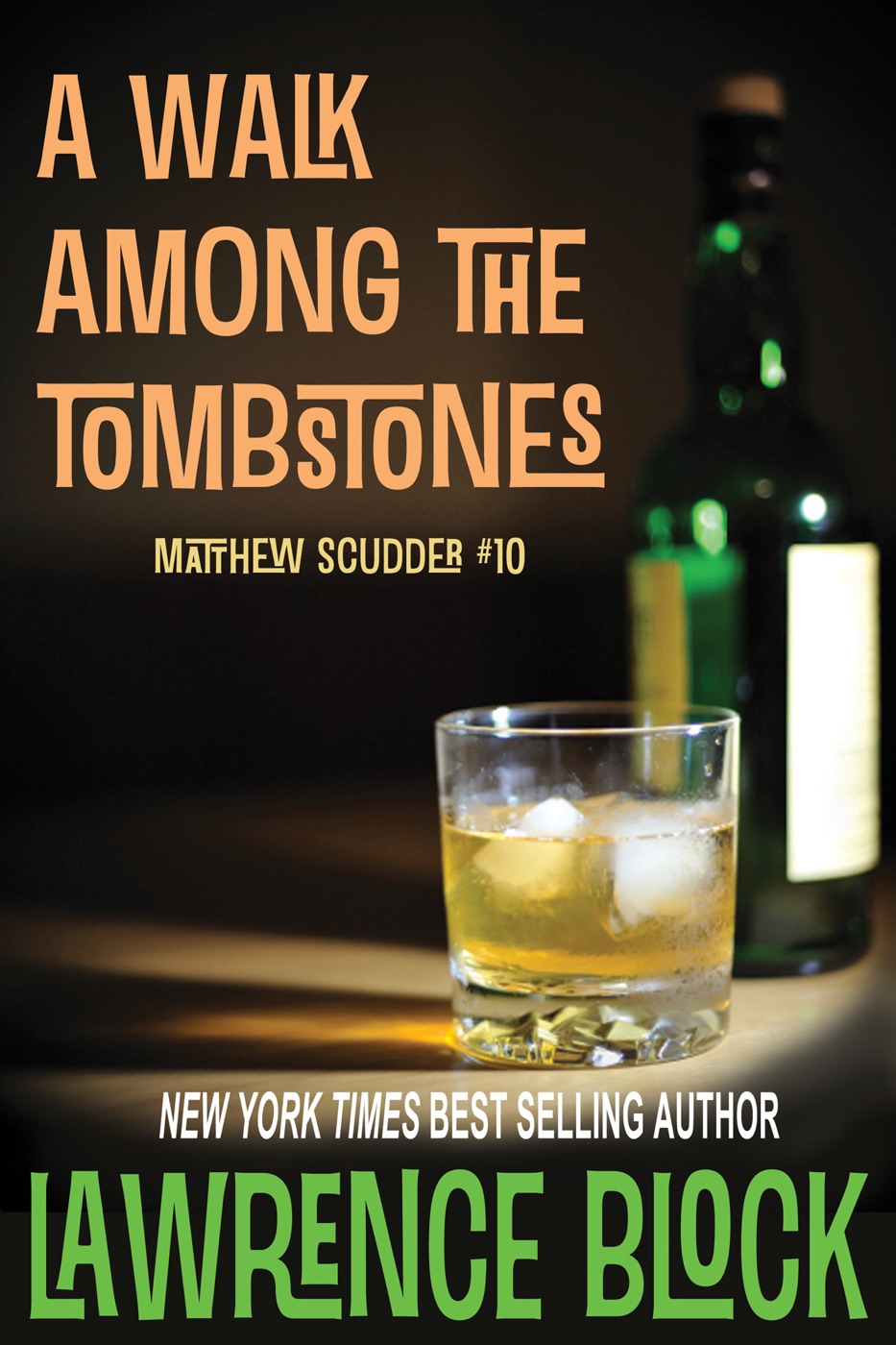


The patron saints
The writers, directors and faces noir cannot exist without
Stay in the shadows
The Serial-Killer Hunt: From M to Mindhunter
Explore the The Serial-Killer Hunt: From M to Mindhunter guide →Frequently asked
What actually makes a film noir?
Less a genre than a mood: crime stories built on fatalism, moral compromise and doomed desire, usually told with low-key lighting, night streets, voice-over and flashbacks. A heist film can be noir; so can a melodrama. The test is whether the world is rigged against the protagonist and they walk in anyway.
What is the difference between film noir and neo-noir?
Film noir usually means the American cycle from The Maltese Falcon (1941) to Touch of Evil (1958), made inside the studio system and the censorship code. Neo-noir is everything after that consciously revives the mode with modern freedoms: Point Blank, Chinatown, Body Heat, L.A. Confidential, Drive. Same fatalism, new rules.
Where should I start with classic noir?
Double Indemnity for the template, Out of the Past for the mood, The Third Man for the style, and Sunset Boulevard for the writing. Those four cover the map; after them follow whichever thread hooked you, the heists (The Asphalt Jungle, The Killing) or the doomed romances (In a Lonely Place, Gilda).
Is Blade Runner really noir?
Yes, and deliberately so: a trench-coated detective, a femme fatale, rain, neon, voice-over in the original cut, and a hero who ends up morally compromised. It just swaps the city of 1947 for the city of 2019, and half of modern science-fiction noir descends from it.
What are the best noir games?
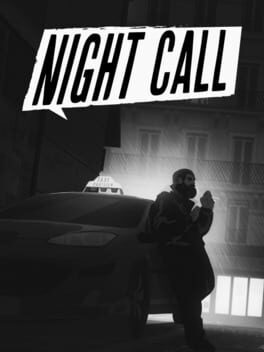
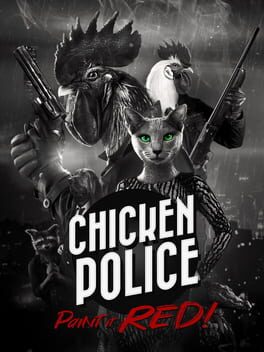
Disco Elysium and L.A. Noire are the twin peaks: one a broken-detective RPG, the other a painstaking recreation of 1947 Los Angeles. Around them sit Max Payne's pulp monologues, Grim Fandango's Chandler-in-the-afterlife wit, The Wolf Among Us, and indie gems like Norco, Gemini Rue and Night Call.
What does hardboiled mean, and is it the same as noir?
Hardboiled describes the fiction: tough, unsentimental crime writing in the Hammett-Chandler line, usually with a professional detective. Noir is the fatalist worldview, and its protagonists are often amateurs in over their heads. Marlowe is hardboiled but survives; a true noir hero usually does not.