
Isaac Asimov published over 500 books across science fiction, popular science, history, and humor, and he did it with a compulsive clarity that made the most difficult ideas feel inevitable. The pleasure of reading him is twofold: the intellect crackles on every page, and the plots move. Whether you are entering the crumbling Galactic Empire of the Foundation series, watching Elijah Baley solve a murder alongside a robot partner, or watching a scientist race against a deadline in a dying star system, the stakes are always real. What his fans keep returning to is the combination of structural elegance, the Three Laws, psychohistory, the positronic brain, with the conviction that reason, curiosity, and cooperation are humanity's best tools. This guide follows that instinct across every medium.
Essential Asimov
The core of his fiction, in recommended reading order


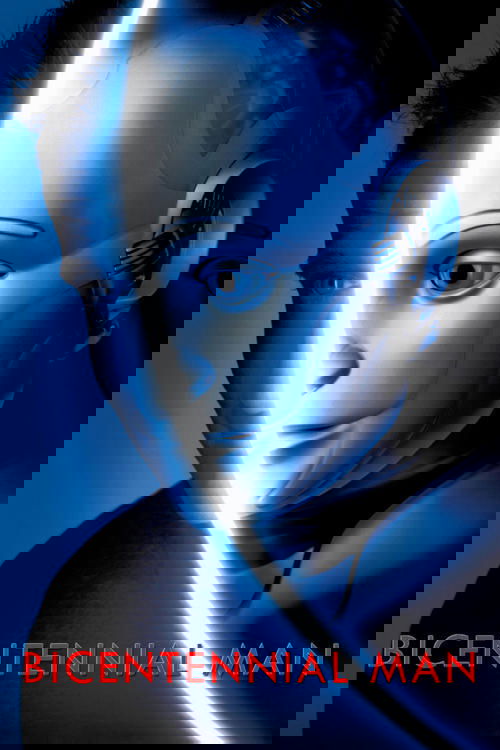
Asimov on Screen
Adaptations of his work in film and television

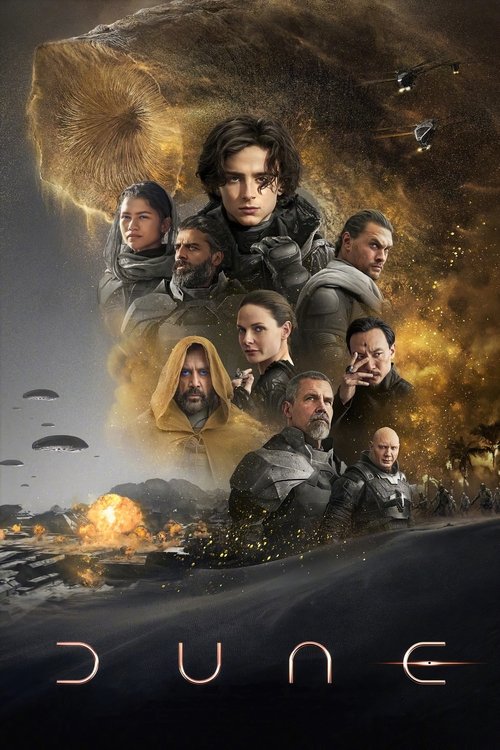
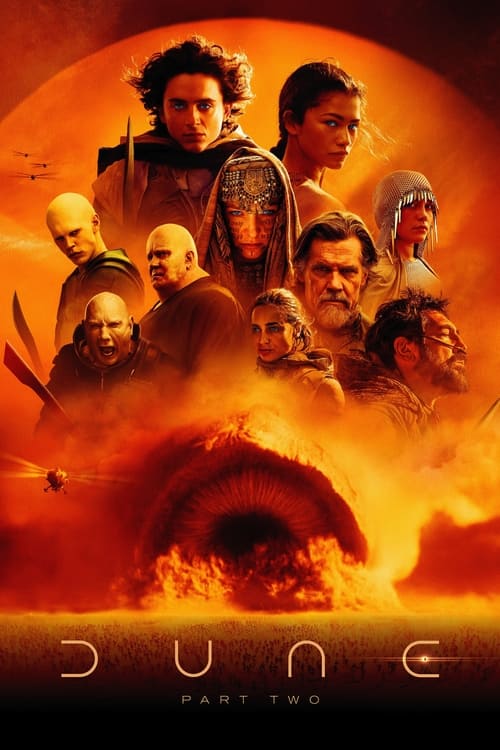
If You Love the Foundation Series
Epic science fiction that operates on a civilizational scale



If You Love the Robot Mysteries
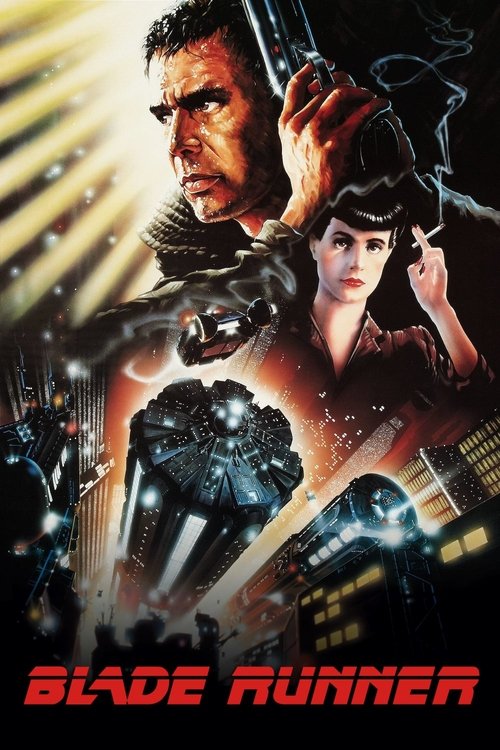
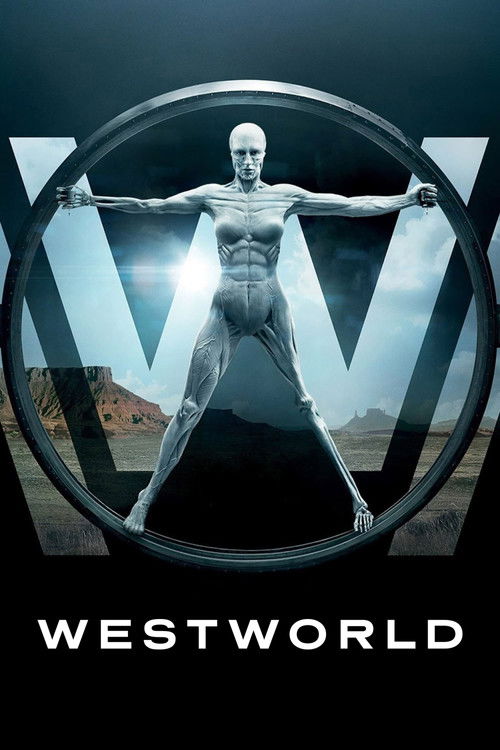
Rational detectives, artificial minds, and the puzzle of consciousness




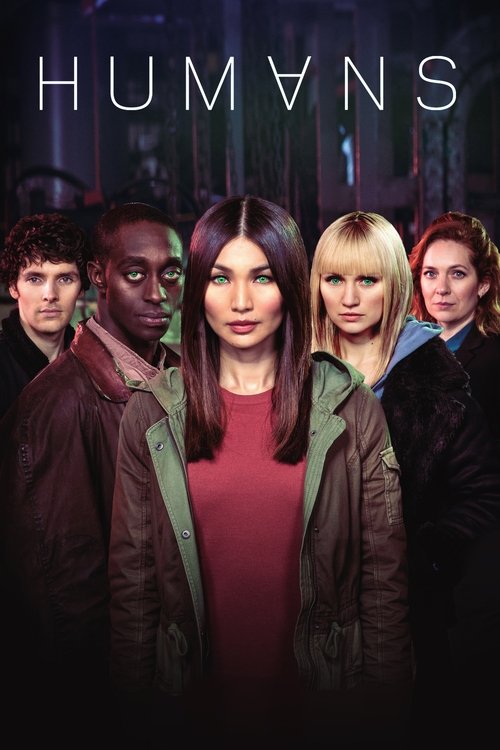
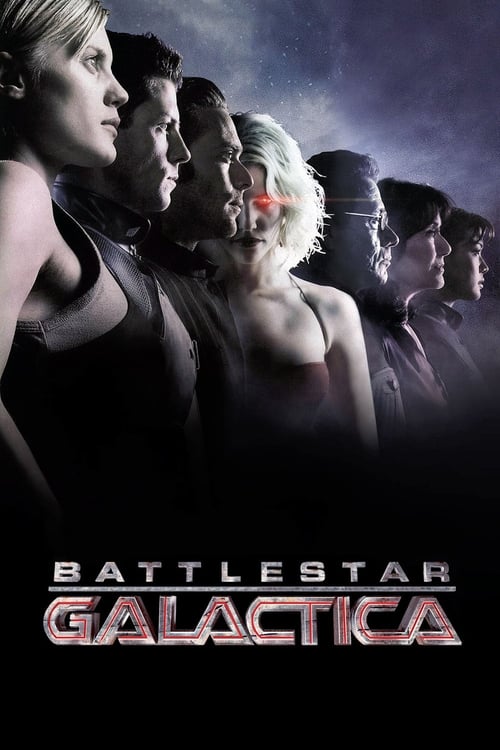
Hard Science Fiction Authors
Writers who share Asimov's commitment to rigorous ideas and big-picture thinking


Thematically Aligned Films and Series
Screen stories that share Asimov's preoccupations: empire, reason, and what makes us human

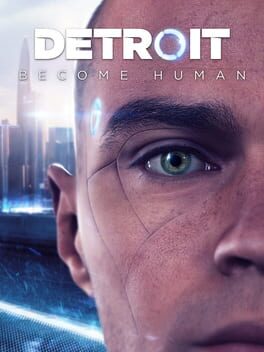
Games for the Asimov Brain
Games built on big systems, logical puzzles, and science-fictional world-building
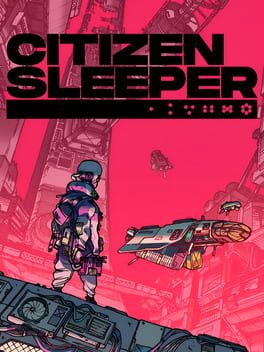
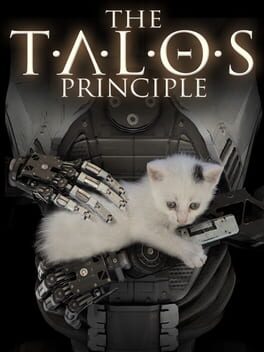
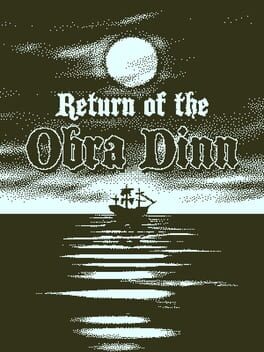
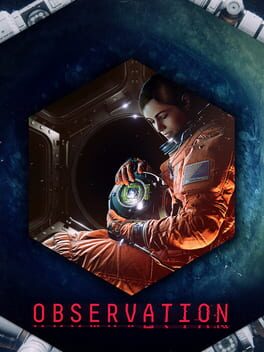
Foundation Is a Political Novel Wearing a Space Opera Suit
Psychohistory, the fictional science that predicts the behavior of large populations, is Asimov's way of asking whether history has laws the way physics does. The Foundation series is at its core a meditation on institutional knowledge, the fragility of civilization, and whether a small group of rational actors can steer a falling empire toward a shorter dark age. Published between 1942 and 1950, those questions have not aged.
The Three Laws Are a Thought Experiment, Not a Safety Guarantee
Asimov invented the Three Laws of Robotics to escape the tired 'robot turns on humanity' plot. What he discovered was richer: the Laws create conflicts, loopholes, and genuine ethical dilemmas. Every robot story he wrote is really a logic puzzle about what happens when good rules meet an imperfect world. Detroit: Become Human and The Talos Principle both owe a significant debt to that framework.
The Gods Themselves Is His Most Underrated Novel
Asimov himself said The Gods Themselves was his personal favorite among his novels, and it is easy to understand why. It features alien characters whose physiology and society are genuinely strange, not just humans with different names. The novel takes on scientific community politics and the willingness to ignore inconvenient data, themes that feel more pressing now than when the book was published in 1972. If you have only read Foundation and the Robot books, start here next.
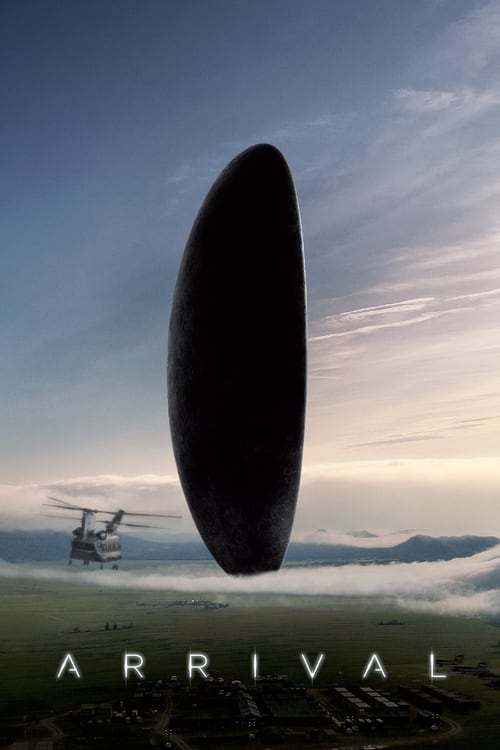
Arrival Is the Closest Film to the Asimov Sensibility
Arrival shares Asimov's conviction that the most interesting science fiction is about what the science actually means for how we understand ourselves and time. Both prioritize cognition over combat. The film, adapted from Ted Chiang's Story of Your Life, has the same structural elegance Asimov prized: every element earns its place, and the final revelation reframes everything that came before.
Asimov's Universe: Key Dates
- 1942Foundation serialization begins in Astounding Science Fiction Foundation
- 1950I, Robot collects the robot short stories I, Robot
- 1951Foundation published as a novel Foundation
- 1954Elijah Baley and R. Daneel Olivaw debut The Caves of Steel
- 1966Foundation trilogy wins the Hugo for Best All-Time Series
- 1972His most personal novel, featuring genuinely alien characters The Gods Themselves
- 1982Asimov returns to the Foundation after 30 years Foundation's Edge
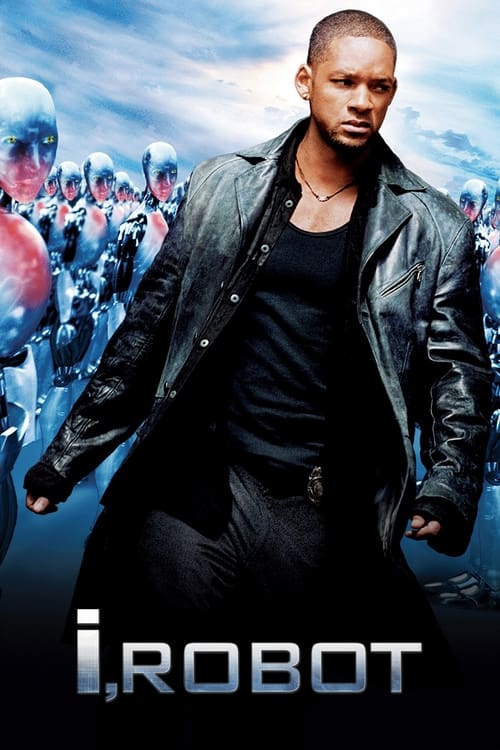
- 2004Will Smith adaptation reaches cinemas I, Robot
- 2021Apple TV+ Foundation series premieres Foundation
Robots, Laws, and Falling Empires
For Fans of Foundation
Explore the For Fans of Foundation guide →The true delight is in the finding out rather than in the knowing.Isaac Asimov