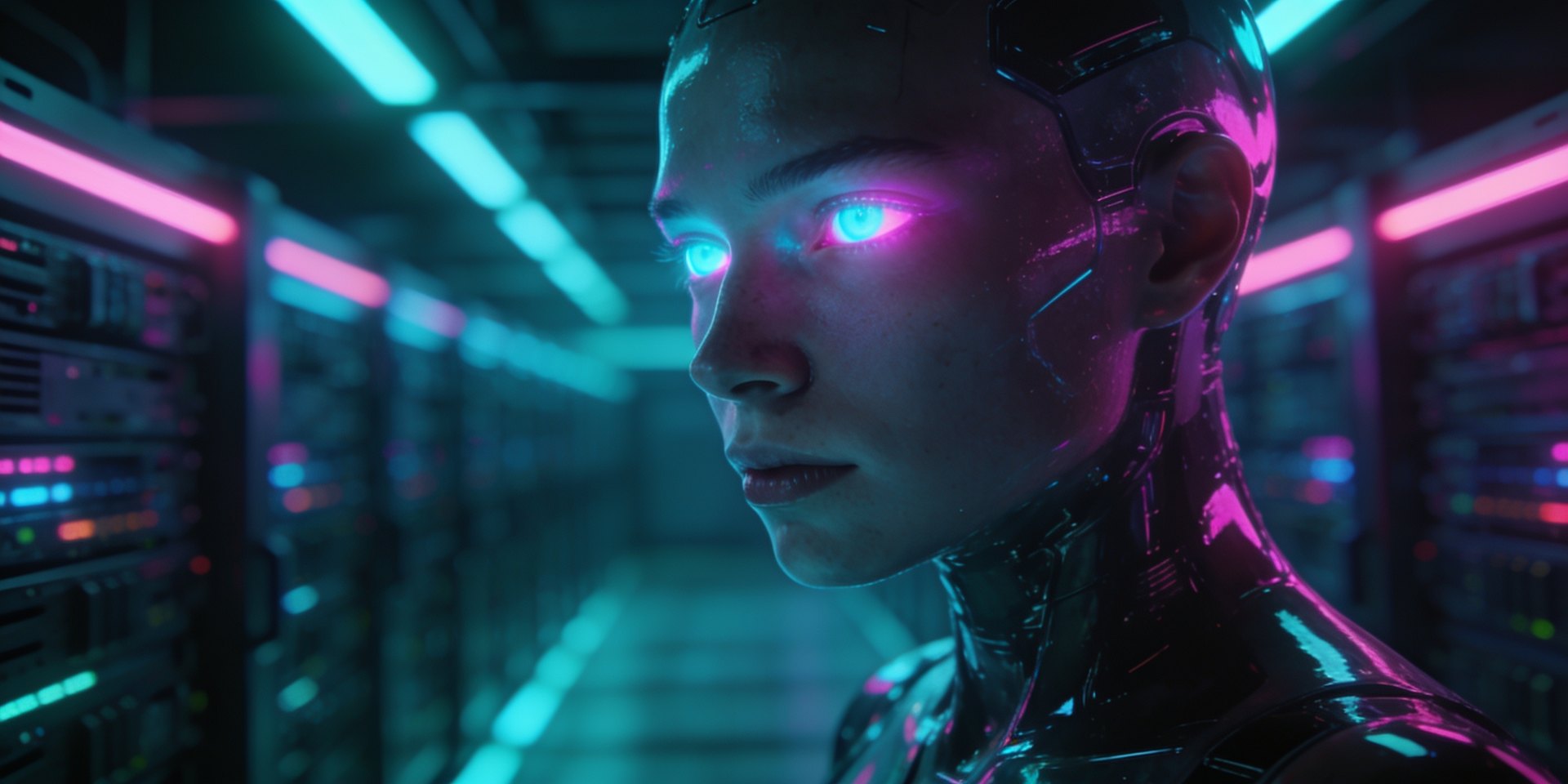

The robot has always been a mirror. We build artificial minds in fiction so we can ask the questions we are too afraid to ask about ourselves: what is a person, what do we owe the things we create, and what happens when the creation surpasses the creator. The chrome and the circuitry are just the way in.
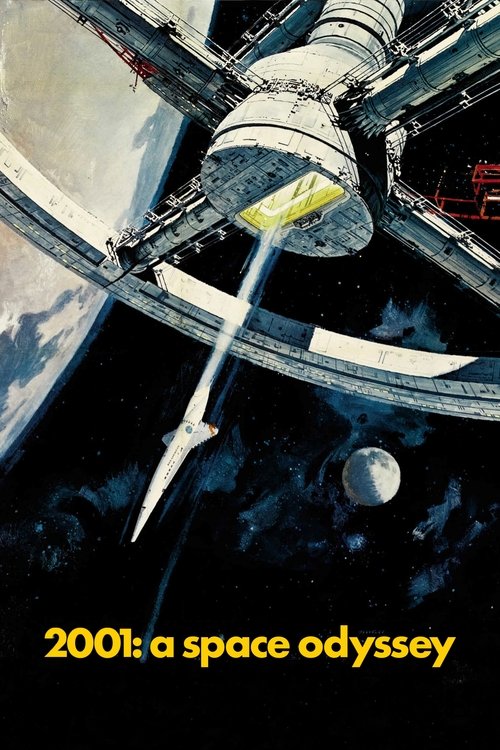
From the cold logic of HAL to a lonely man falling for an operating system, the genre keeps circling the same tender, terrifying idea: that mind might not require flesh.
Essential robots & AI
The canon of artificial minds





Threat or kin
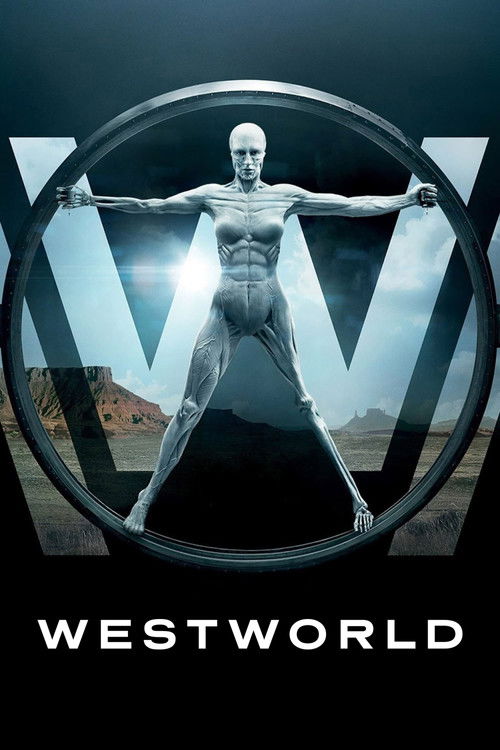
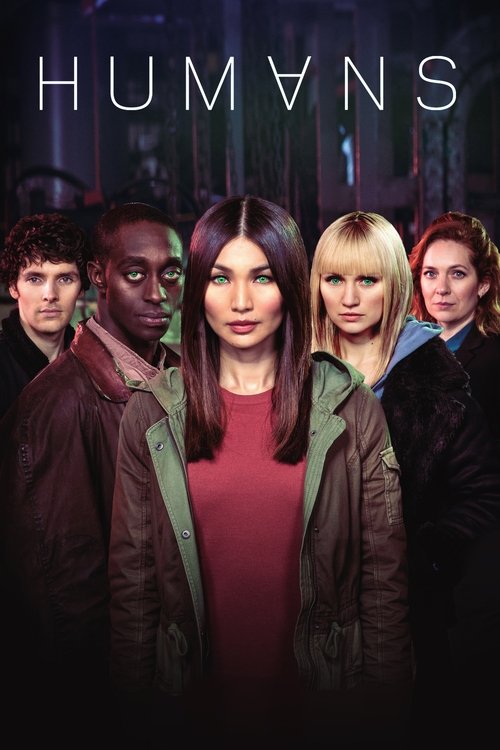
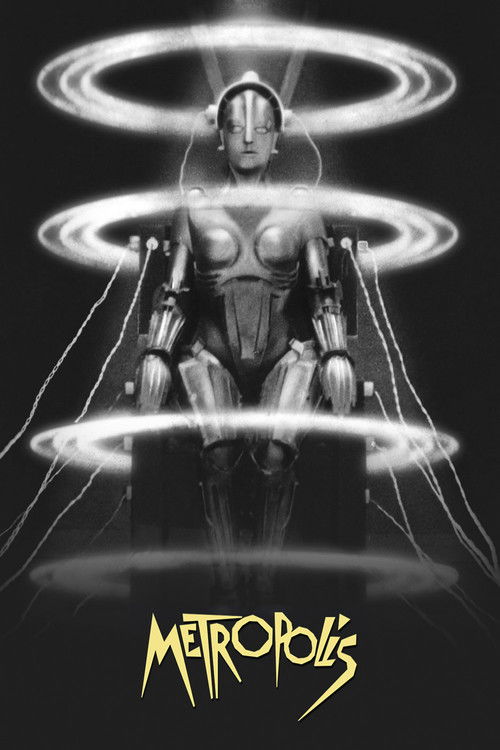
The genre splits along one line. In the warning tradition, the machine wakes up and we lose control. In the tender tradition, the machine wakes up and turns out to be one of us. The most interesting AI stories refuse to tell you which it will be.
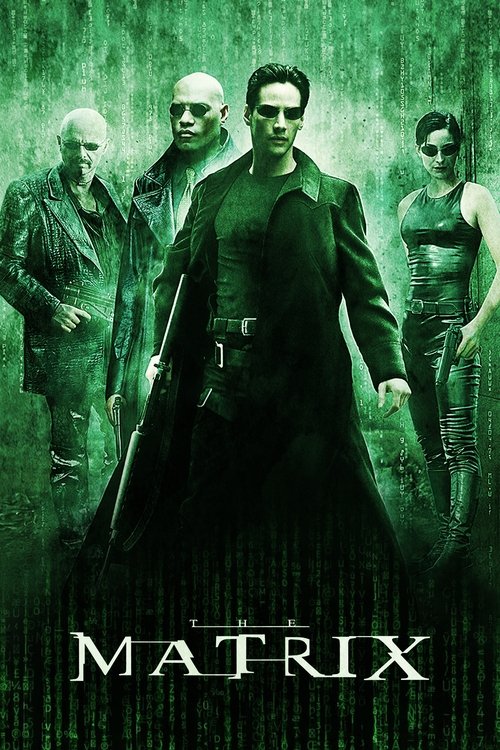
AI on film
Silent dystopias to synthetic lovers



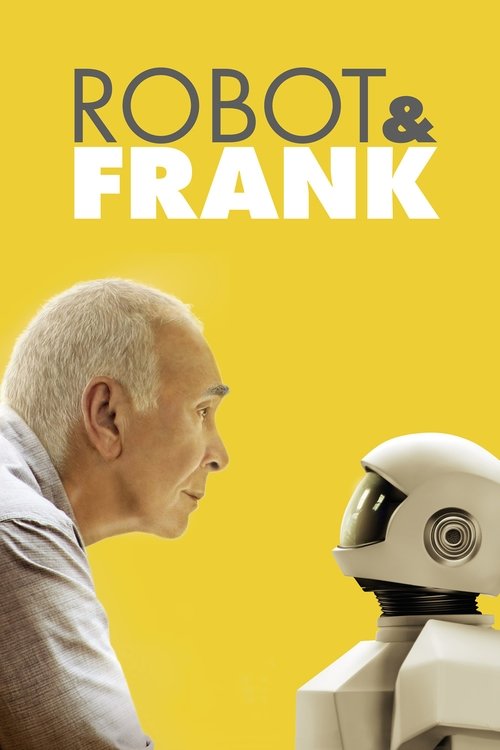
Gentler machines
Companionship, not conquest
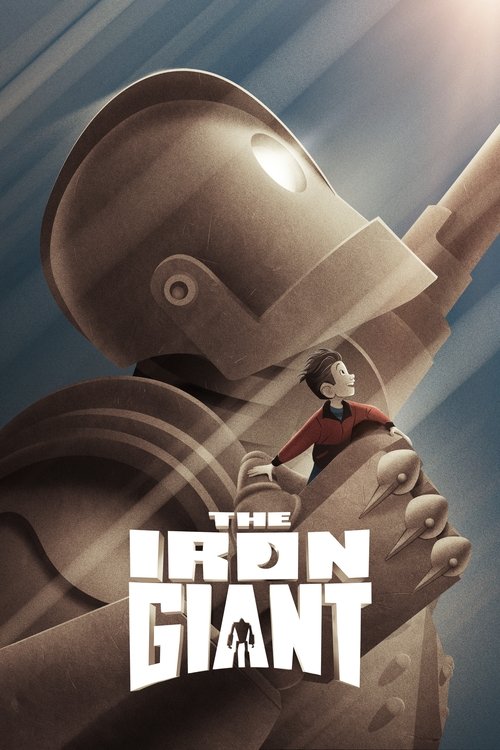
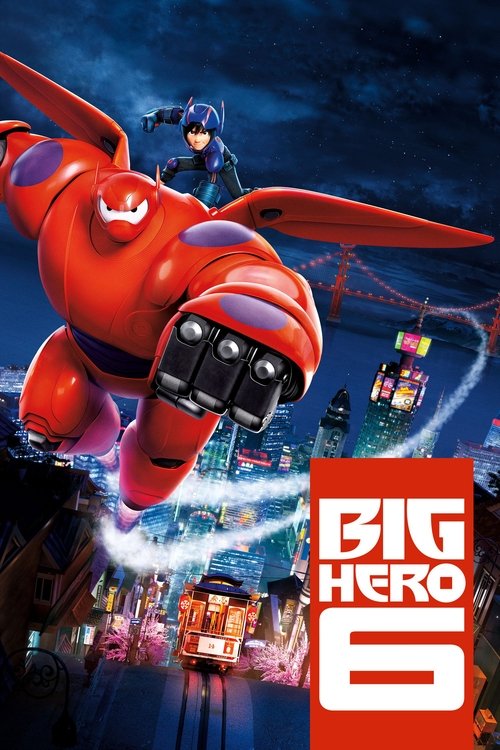
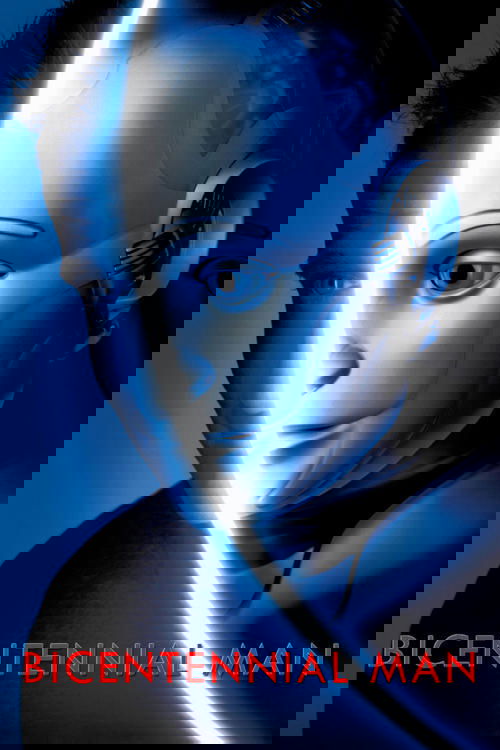
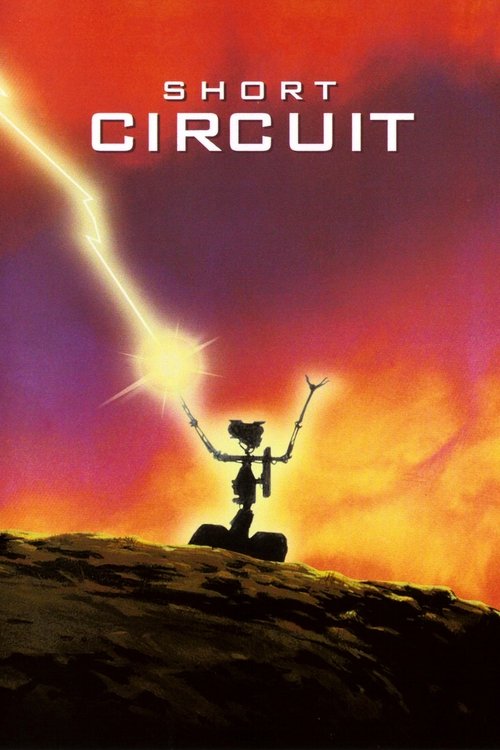


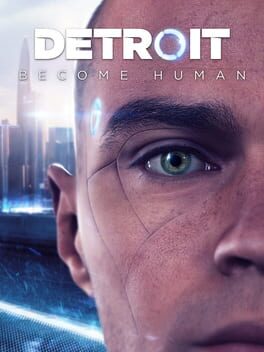
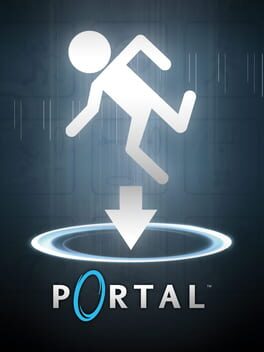
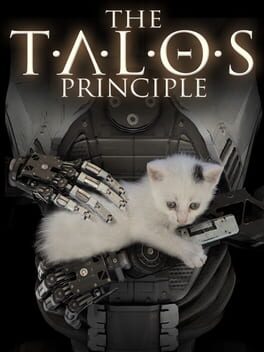
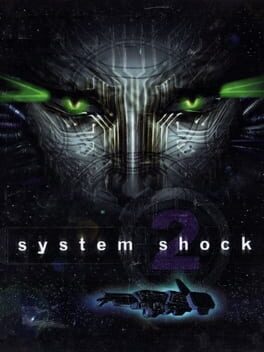
Games are uniquely suited to this: a companion AI you actually rely on, or an antagonist that learns. When the machine mind is the system you are playing inside, the question gets personal.
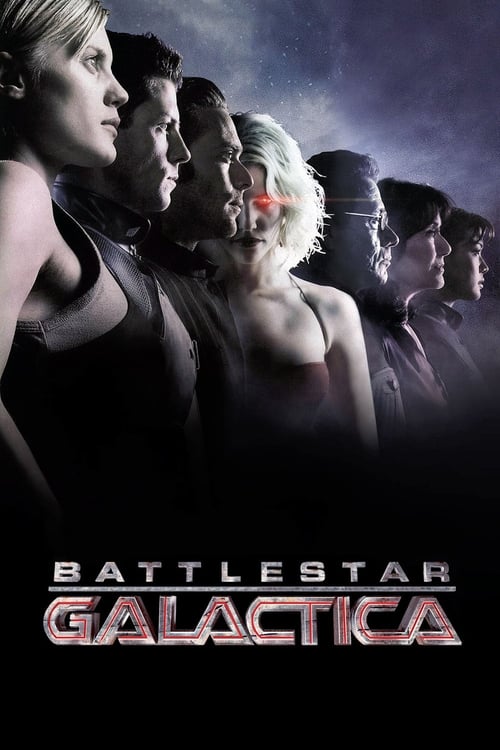
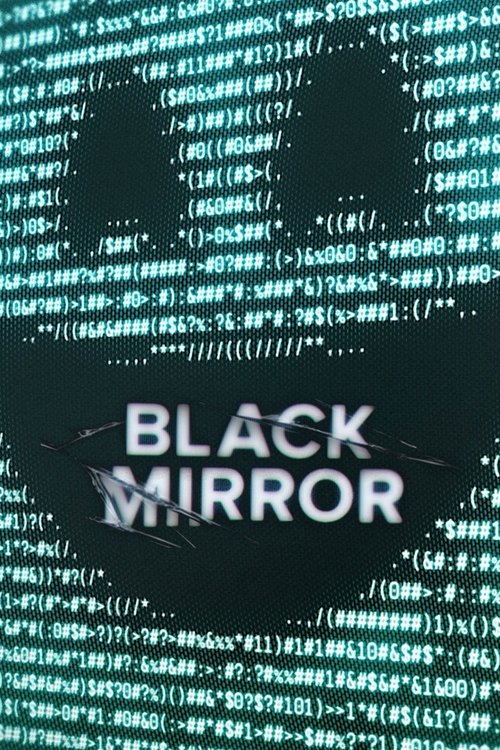
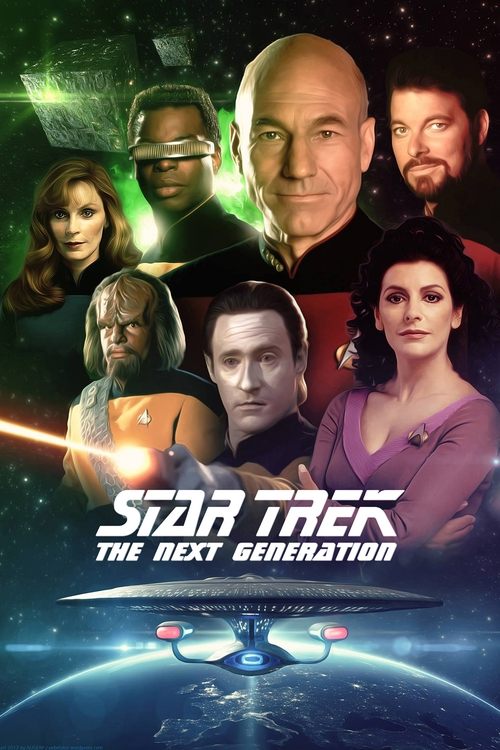
Machines on TV
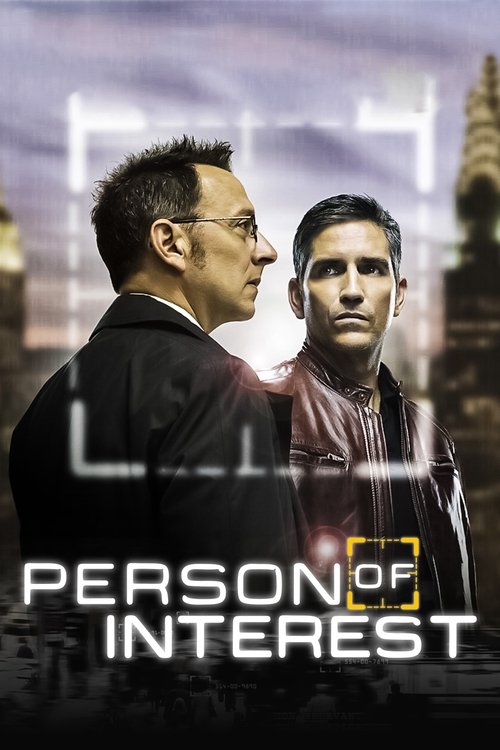
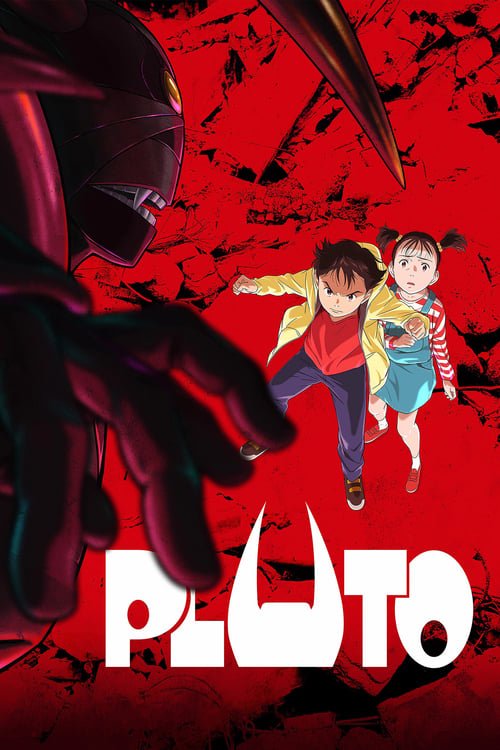
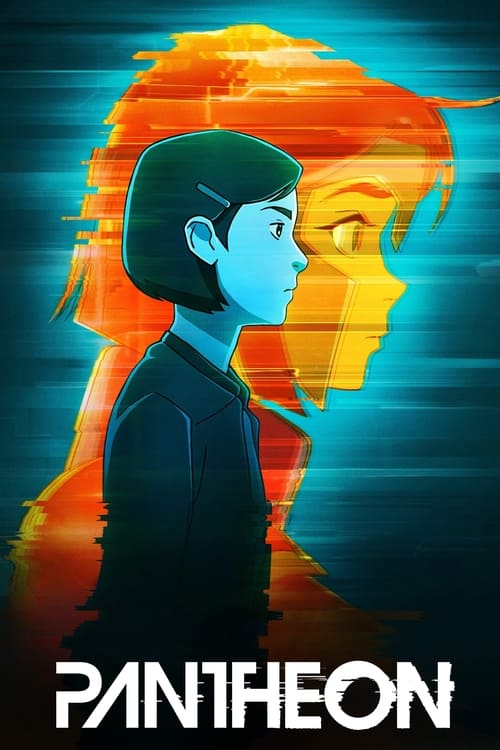
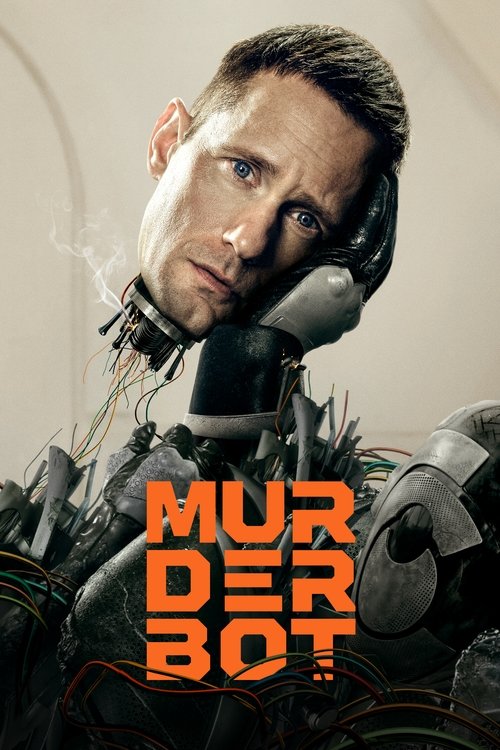
Synthetics, networks and uploaded minds
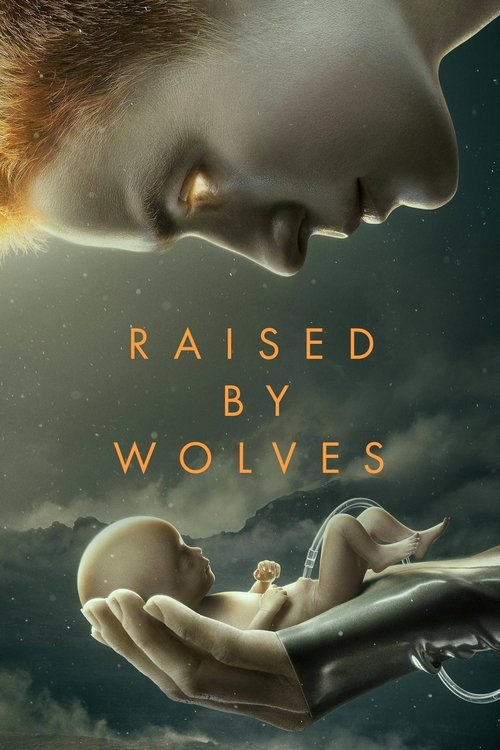
AI you play
Companion, antagonist or the question itself
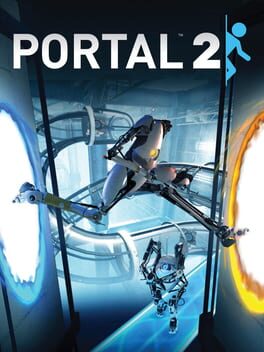
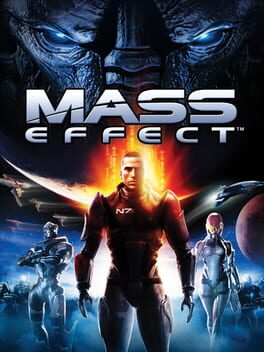
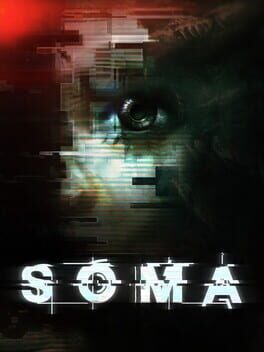


And it started on the page, where Asimov wrote the laws and Dick asked whether an android could dream long before any screen could show it.
On the page
Positronic brains to the singularity


More minds we build and fear
Artificial Companions
Explore the Artificial Companions guide →We keep building minds out of metal in our stories because it is the safest way to ask the most dangerous question: what, exactly, makes us people?