
J.D. Salinger published only a handful of works, but the weight they carry is almost unreasonable. "The Catcher in the Rye" gave a generation of teenagers the word phoniness as a diagnosis for everything that felt wrong about the adult world. His Glass family stories, collected in "Nine Stories," "Franny and Zooey," and "Raise High the Roof Beam, Carpenters," are some of the most carefully observed family portraits in American letters. Then in 1965 Salinger stopped publishing entirely, retreating to Cornish, New Hampshire, and becoming as mythologized for his silence as for his words. The through-line a Salinger fan loves: the collision between a hypersensitive inner life and a world that seems fundamentally indifferent to it, rendered in prose so conversational it reads like overhearing someone you suddenly care about deeply.
Salinger on Screen: Adaptations and the Man Himself
The author who refused Hollywood, and the films that circled him anyway

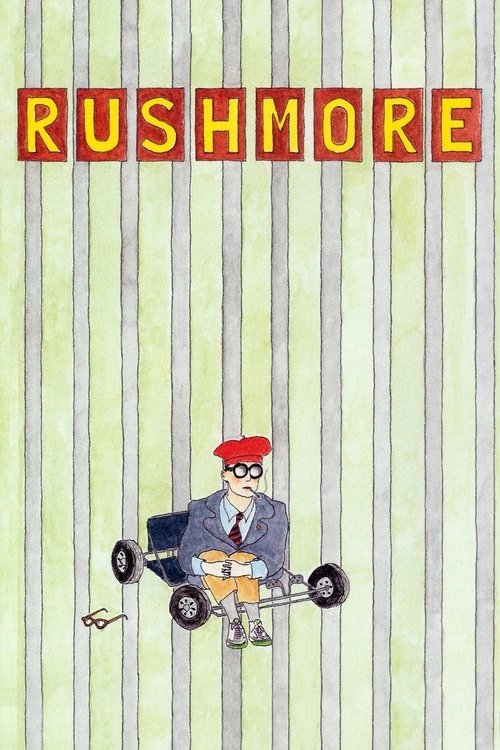
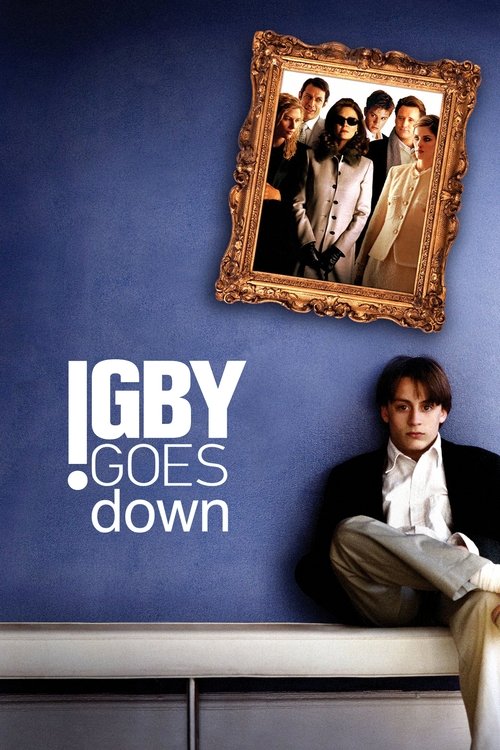
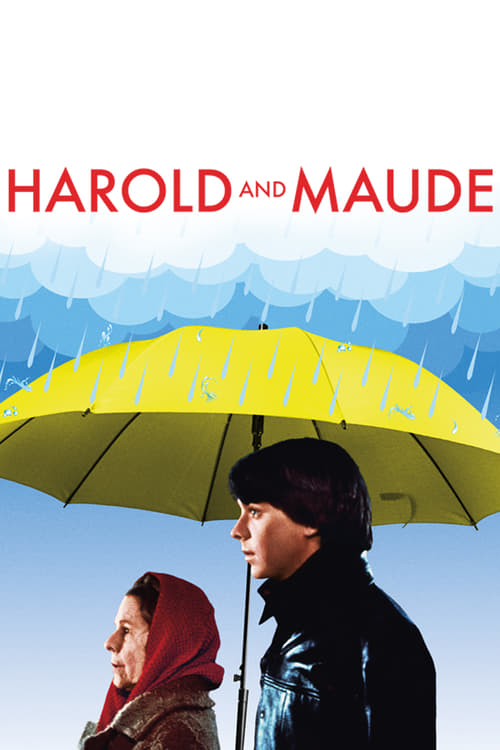

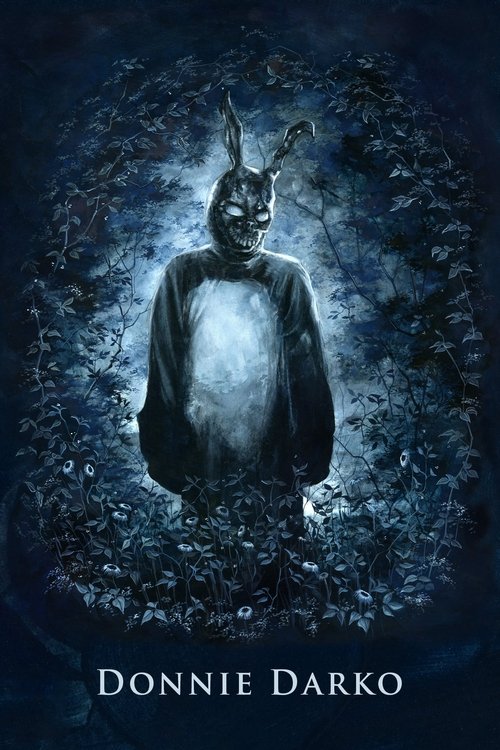
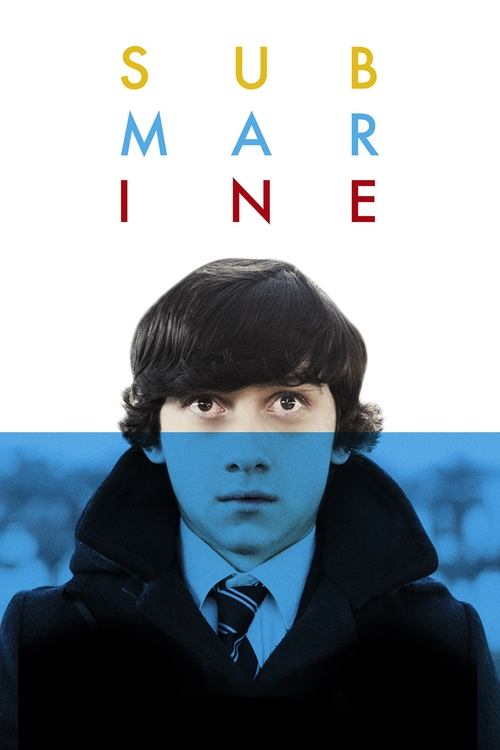
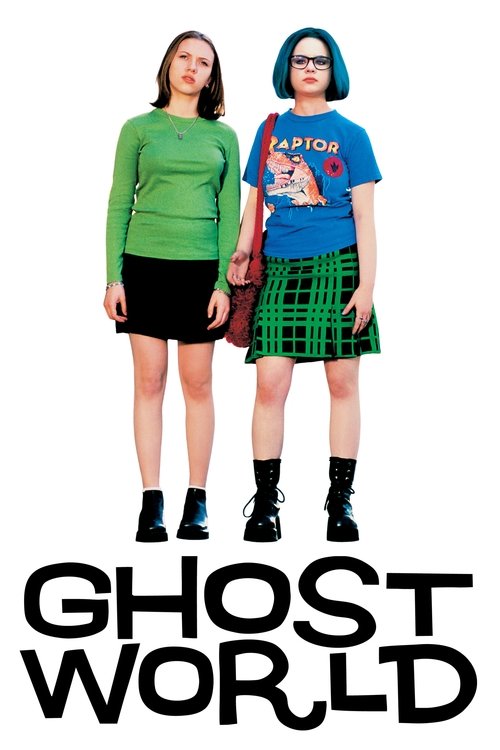
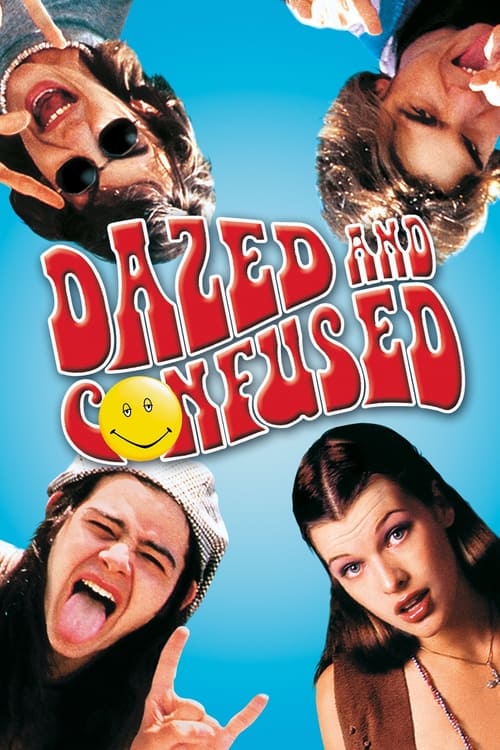
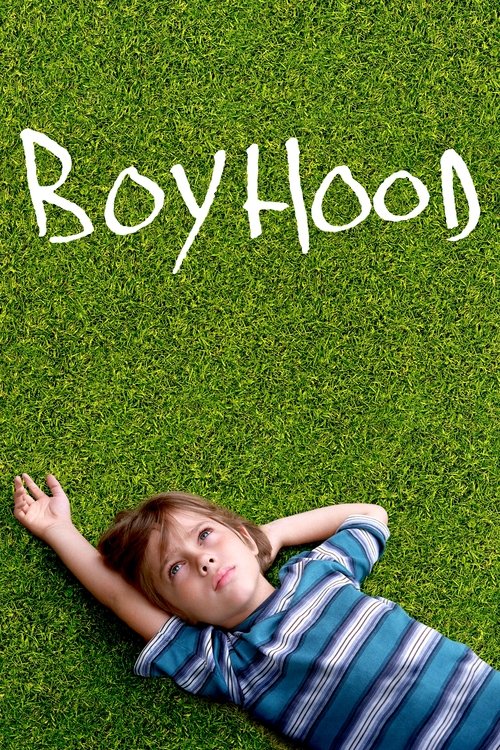
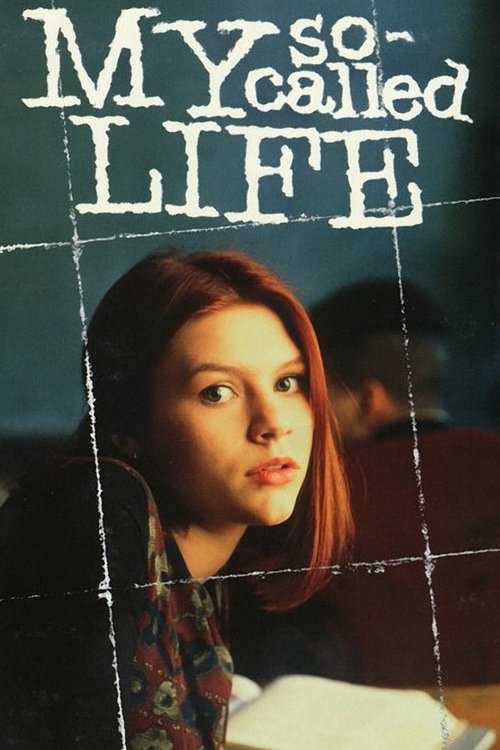
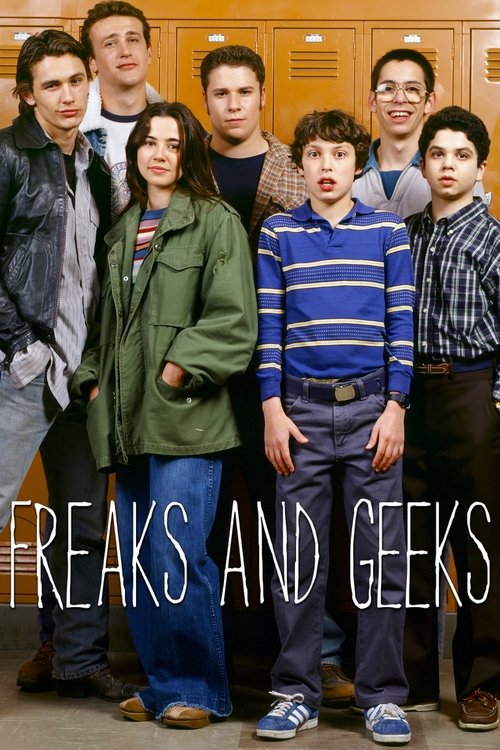
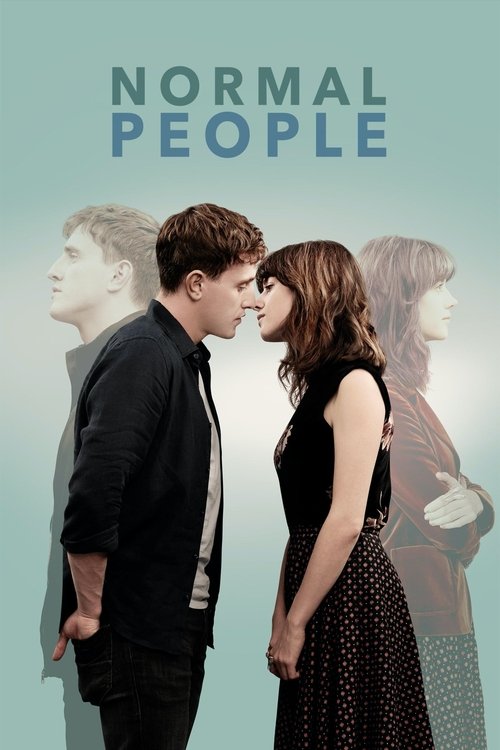
Alienated Youth, On Screen
Films and series that live inside the same restless, searching consciousness
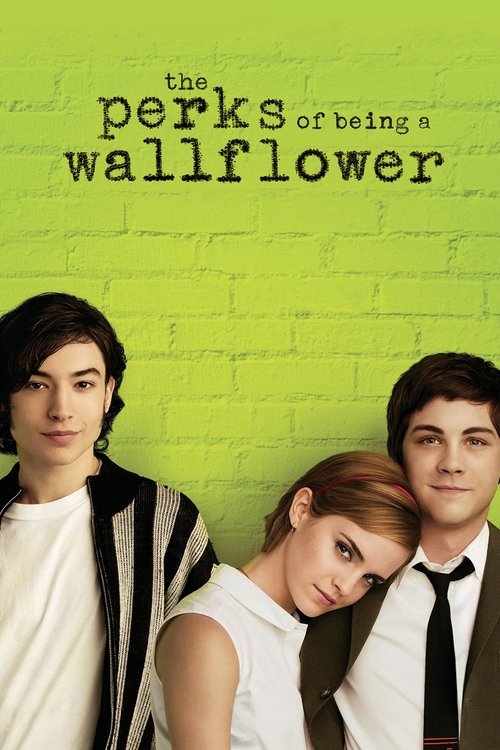



Literary Kin: Authors Who Share Salinger's Frequency
Books for the reader who loved the voice as much as the story


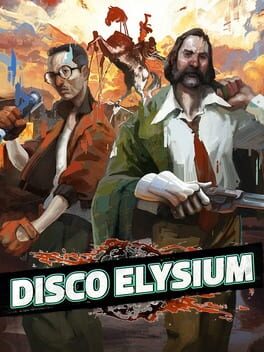
Coming-of-Age Games: Identity Under Pressure
Games that put you inside a mind wrestling with who it is and who it refuses to become




Music for the Disconnected
Albums that understand the mood of a Salinger afternoon
Holden Is Not the Problem. He Is the Mirror.
Every generation produces a critic who announces that Holden Caulfield is tiresome, privileged, or simply unpleasant to spend time with. These critics are, of course, proving his point. Salinger constructed a narrator whose hyperawareness of adult compromise reads as insufferable precisely because most adult readers have made their peace with the compromises Holden cannot stomach. The novel works not because Holden is sympathetic but because the things that wound him, the indifference, the performance, the managed grief, are real. Reading him at sixteen feels like recognition. Reading him at forty feels like a kind of diagnosis of where something went.

The Glass Family Is Salinger's Real Masterpiece
The Catcher in the Rye gets all the press, but the Glass family stories, Seymour, Buddy, Zooey, Franny, and the rest, are where Salinger did his most sustained and demanding work. "Franny and Zooey" is built almost entirely from a phone call and a bathroom conversation, and it crackles. "A Perfect Day for Bananafish" remains one of the great American short stories: funny and unbearable and complete. The Glass family is the argument that Salinger made across two decades, about spiritual hunger in a secular age, and it rewards a reader who comes back to it.

Disco Elysium Is the Salinger Game Nobody Called Salinger
Disco Elysium puts you inside a mind at war with itself: a detective who has forgotten who he is, surrounded by ideologies he can barely hold at arm's length, failing upward through a case that keeps opening new rooms of grief. The inner monologue, the self-loathing humor, the genuine philosophical weight carried by very ordinary conversations, all of it would be at home in a Salinger paragraph. Both are about a consciousness too raw for the world it finds itself in, and both are funnier and more tender than they first appear.
Salinger's Silence Was Also a Work
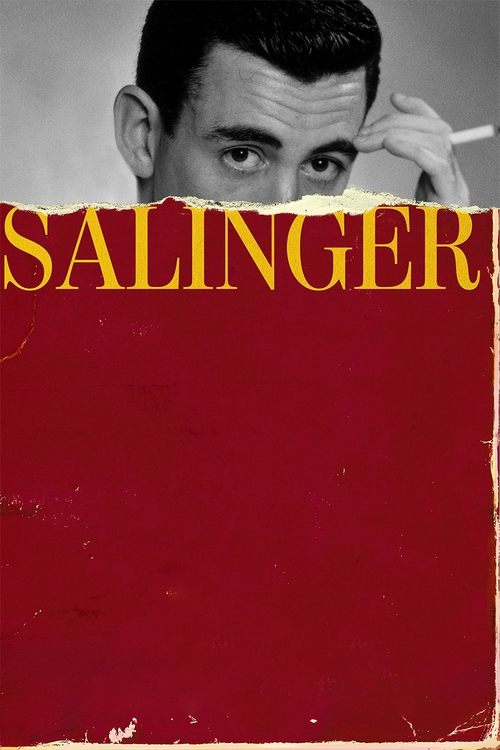
After "Hapworth 16, 1924" in 1965, Salinger published nothing. He lived another 45 years. The 2013 documentary "Salinger" made the case, supported by interviews and newly available material, that he kept writing the whole time and that significant manuscripts exist. Whether they ever appear is unknown. But the silence itself has become part of the Salinger text: the idea that a writer could simply refuse the transaction, that the work was never really for the audience anyway. It is either the most principled or the most self-defeating artistic position imaginable, and the argument between those two readings is worth having.
Salinger: A Life in Publication (and in Retreat)
- 1940First short stories published in Story magazine and other periodicals
- 1948"A Perfect Day for Bananafish" published in The New Yorker, introducing Seymour Glass Stories
- 1951The Catcher in the Rye published; becomes an immediate sensation The catcher in the rye
- 1953Nine Stories collects his best New Yorker work Stories
- 1955Salinger moves to Cornish, New Hampshire, beginning his retreat from public life
- 1961Franny and Zooey published
- 1963Raise High the Roof Beam, Carpenters and Seymour: An Introduction published
- 1965"Hapworth 16, 1924" published in The New Yorker; his last published work
- 2010Salinger dies in Cornish at age 91; the literary estate holds whatever manuscripts remain
- 2013Documentary "Salinger" released, revealing new details about his reclusive later decades Salinger
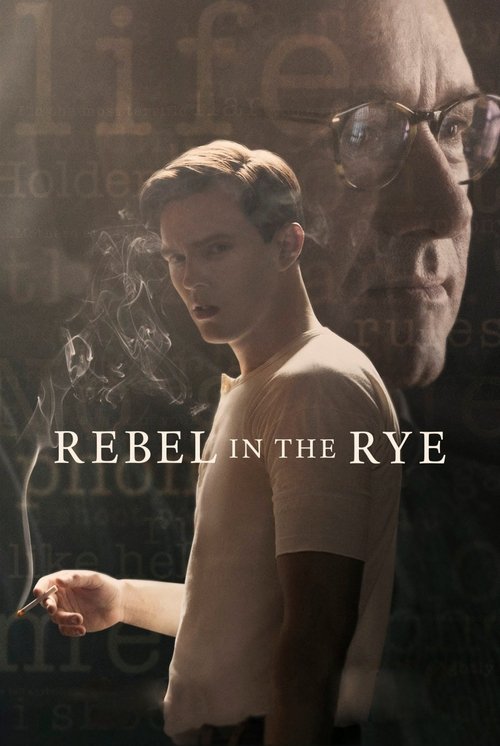
- 2017Rebel in the Rye, a biopic about Salinger's early life and the writing of Catcher, released Rebel in the Rye
The Ache of Not Belonging
Coming of Age
Explore the Coming of Age guide →What really knocks me out is a book that, when you're all done reading it, you wish the author that wrote it was a terrific friend of yours and you could call him up on the phone whenever you felt like it.J.D. Salinger, The Catcher in the Rye