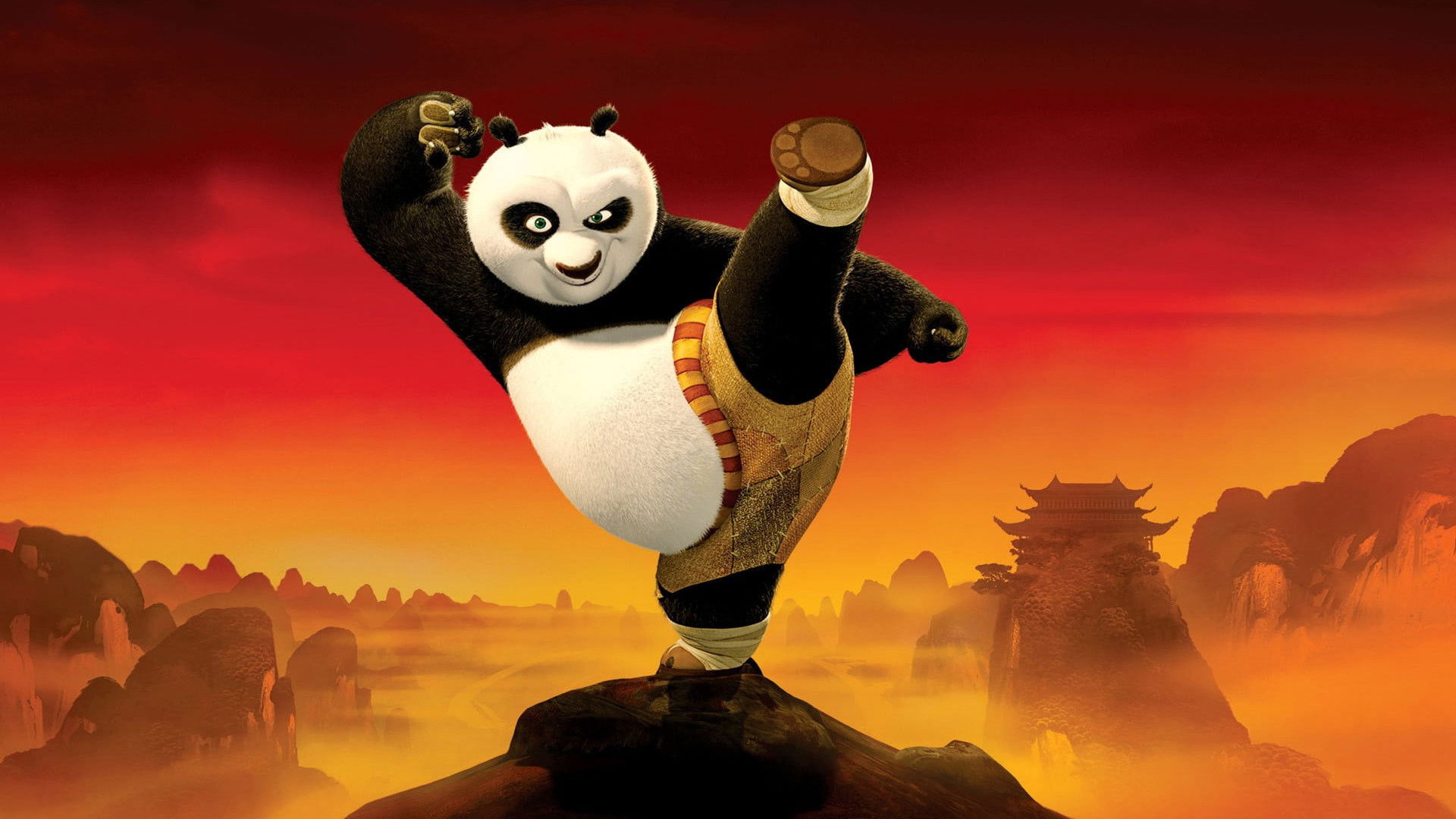

Jackie Chan did something Hollywood spent decades trying to replicate and never quite managed: he made danger funny. Coming up through the Peking Opera School, then grinding through Hong Kong B-pictures in the shadow of Bruce Lee, he built a body of work defined by a single commitment: every stunt is real, every hit lands, and somewhere inside the pain there is a punchline. His best films are miniature ecosystems where physical comedy, precise choreography, and genuine jeopardy coexist. The through-line fans love is not just the action: it is the sincerity. Chan plays men who get scared, get hurt, make mistakes, and improvise their way through. The outtake reels that close every film are not bloopers; they are evidence. If you feel the giddy vertigo of watching someone do something genuinely impossible, this is your corner of cinema.
Essential Jackie Chan
His own definitive works, from Hong Kong golden-era masterpieces to crossover blockbusters


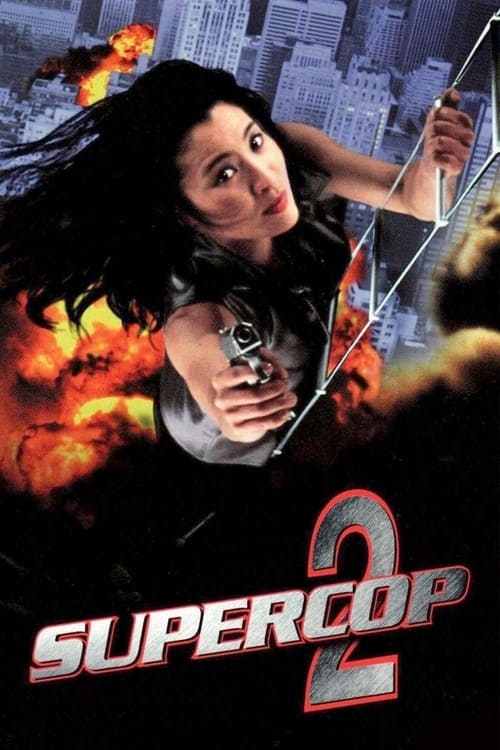
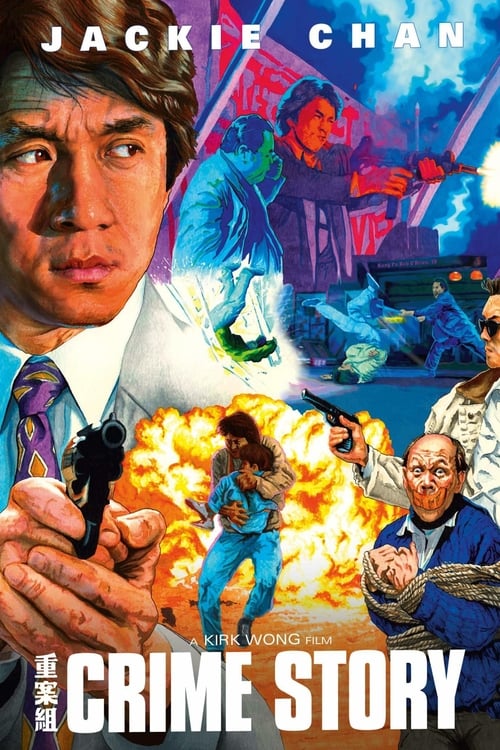

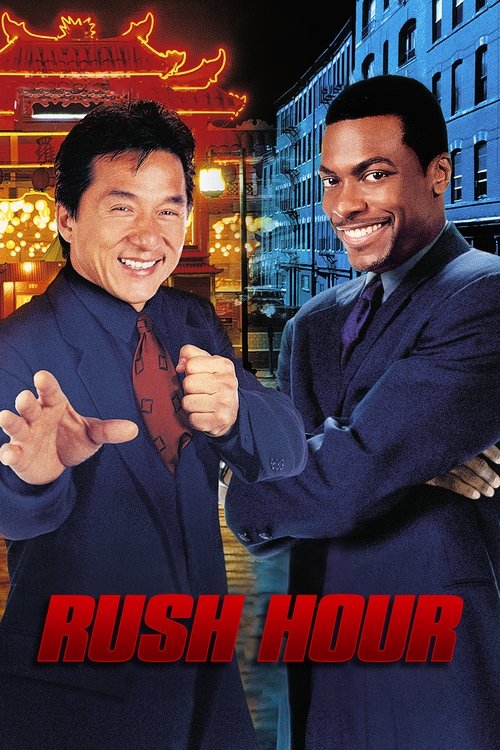
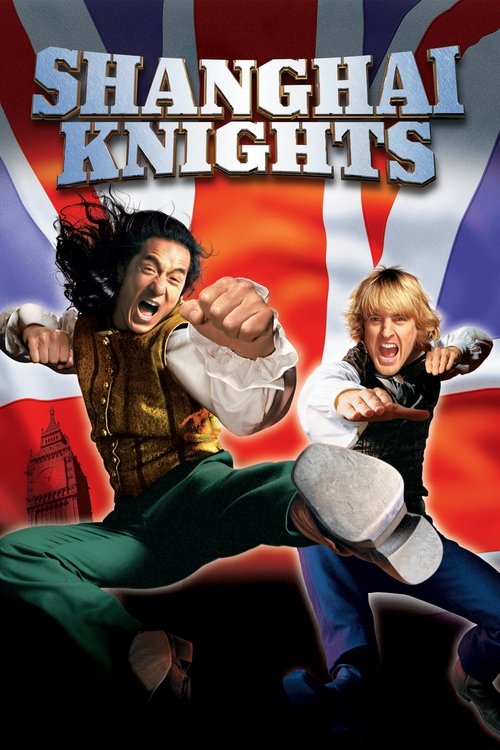
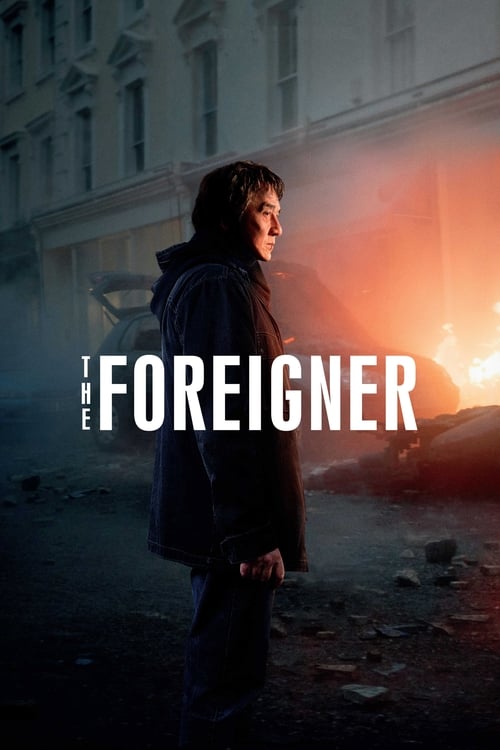
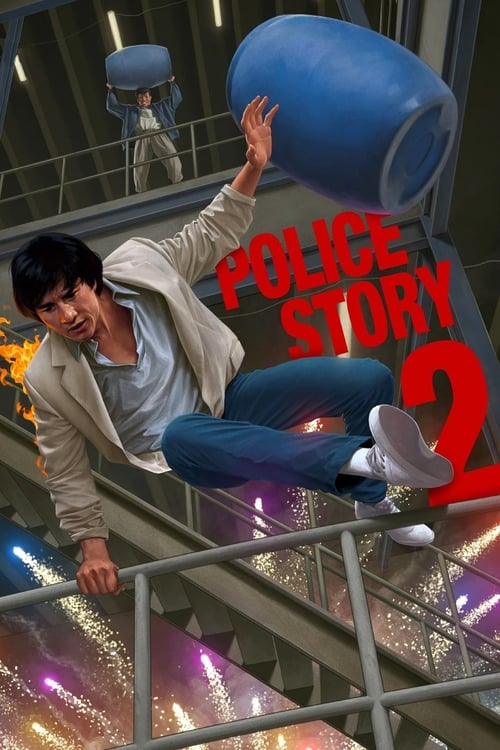
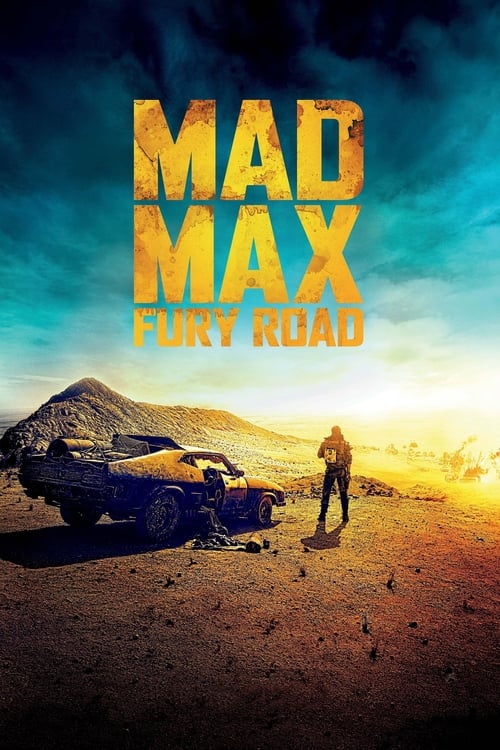
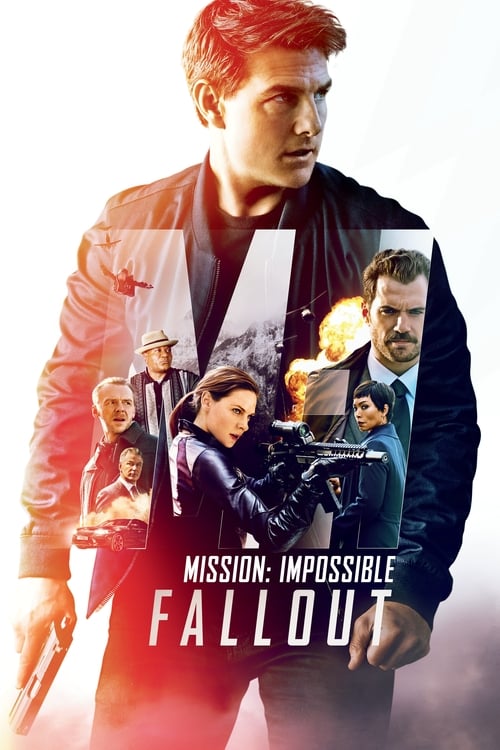
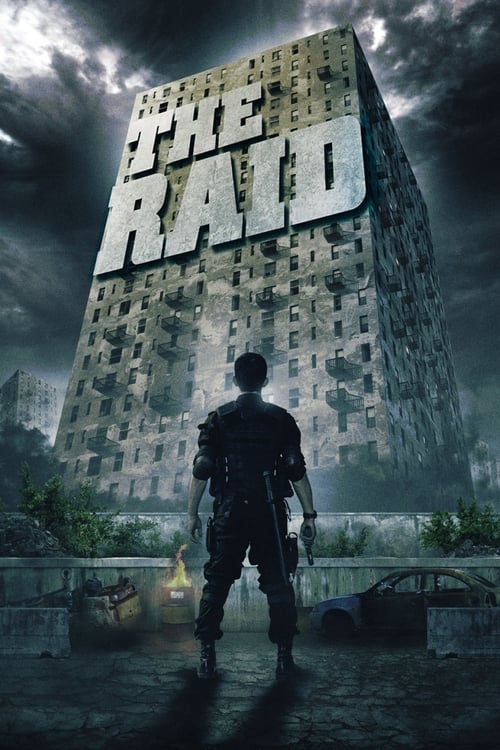
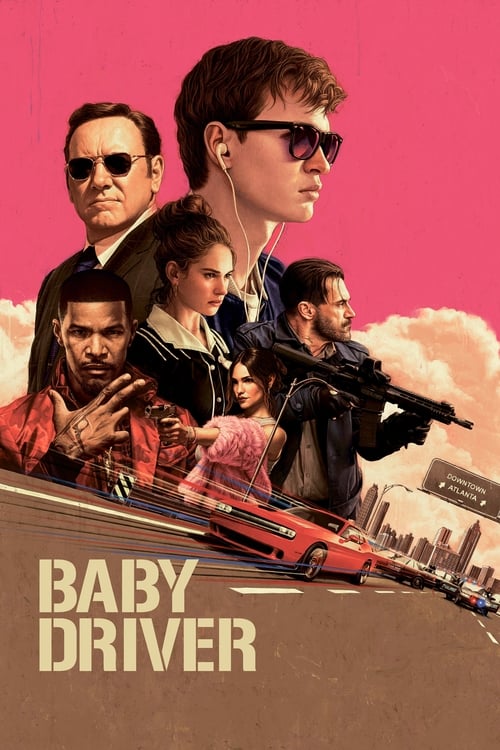
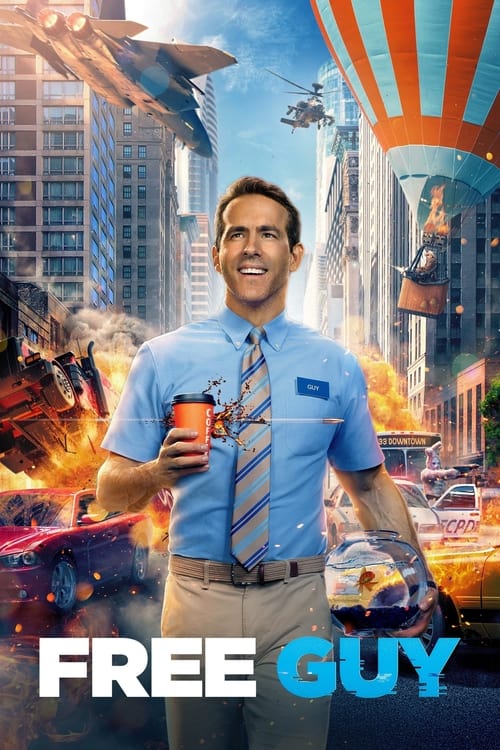
Same DNA: Stunt-Driven Action Comedy
Films that share Jackie's philosophy: real bodies, real locations, real risk, real laughs
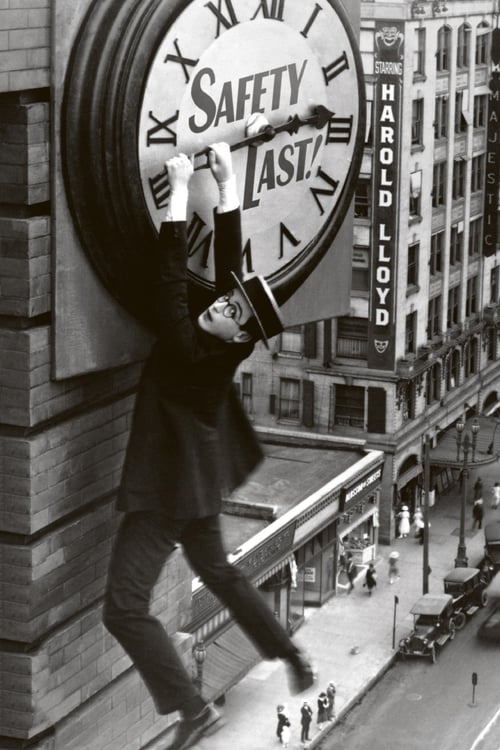
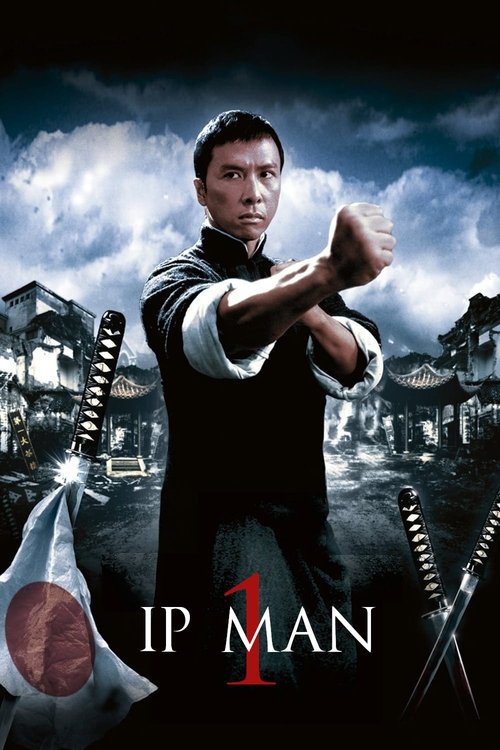
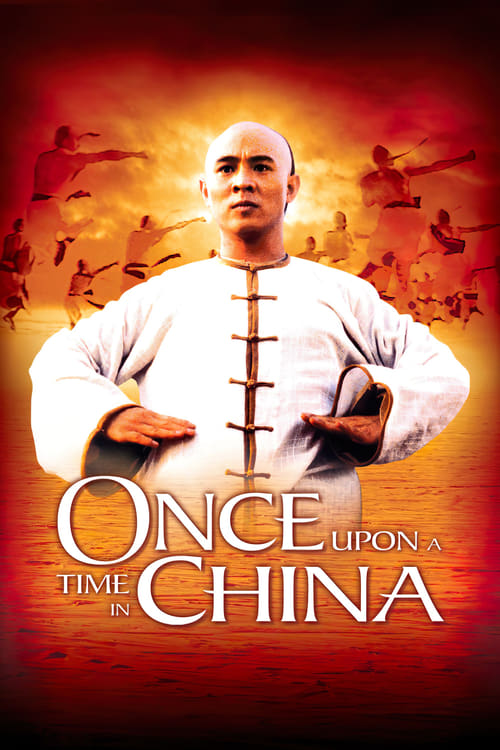
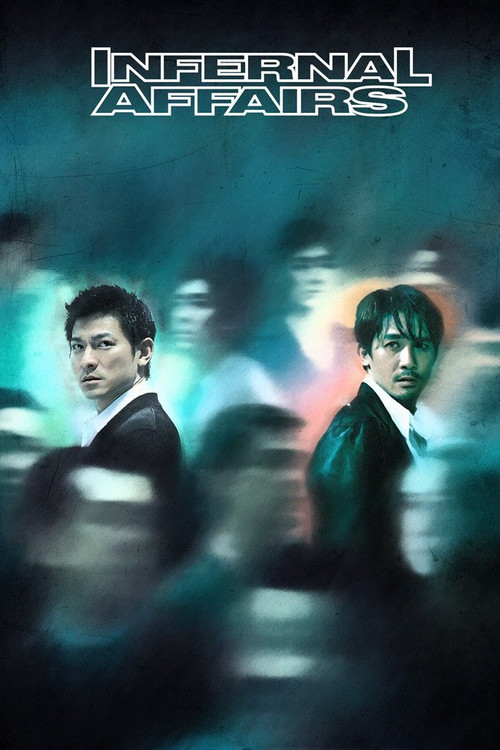
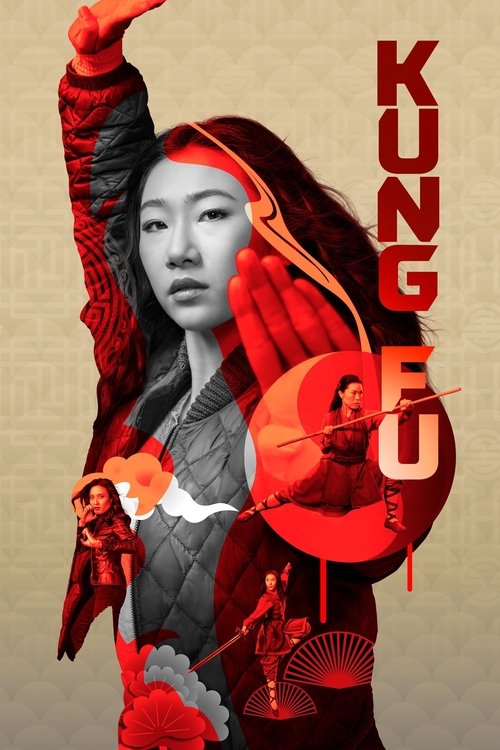
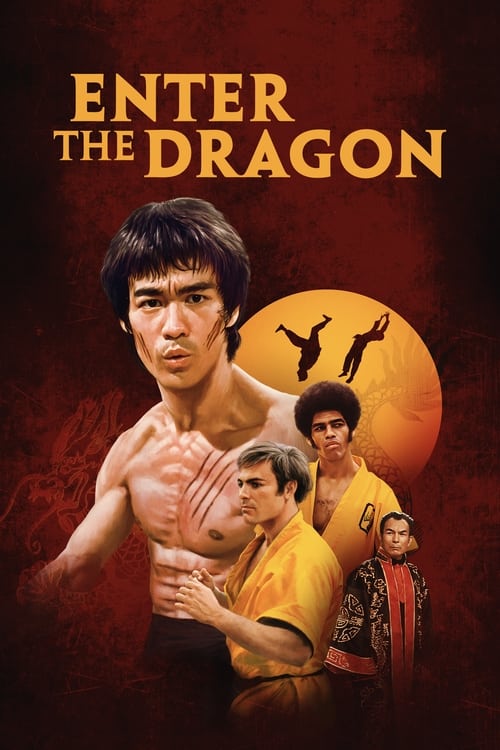
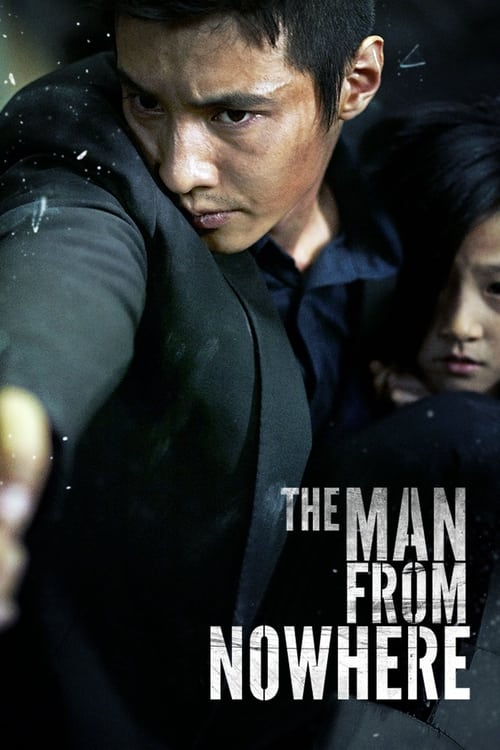
Hong Kong Cinema and Asian Action TV
Series and films from the broader tradition Chan emerged from and helped define
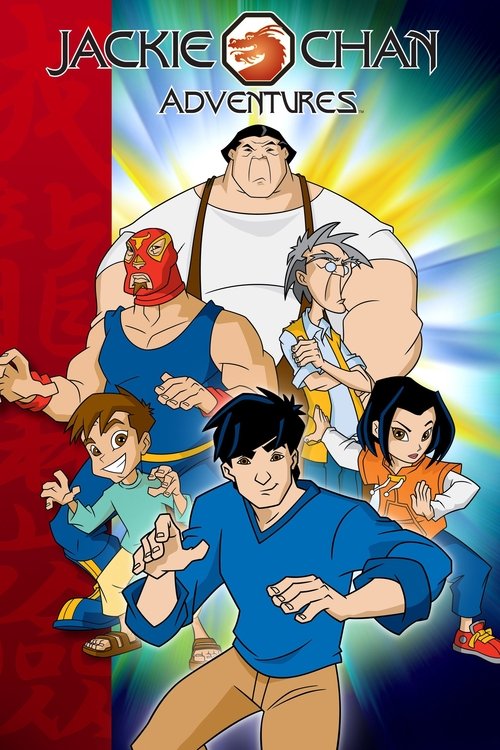
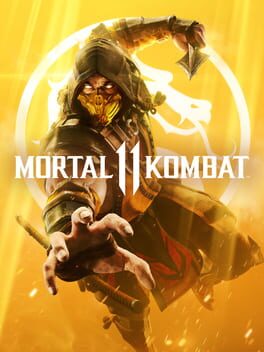
Animated Series and Martial Arts Games
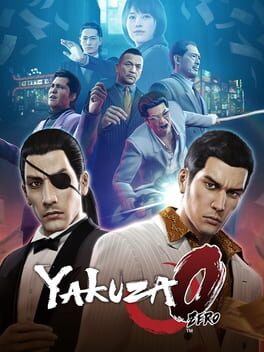
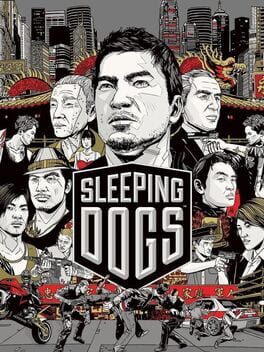
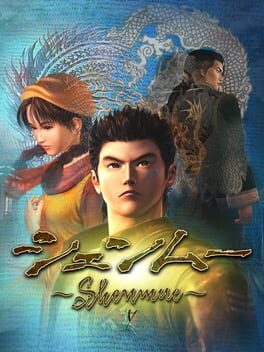
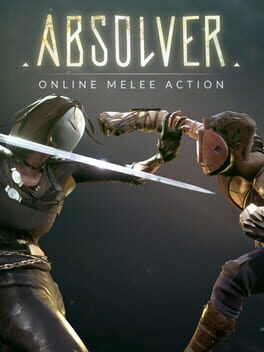
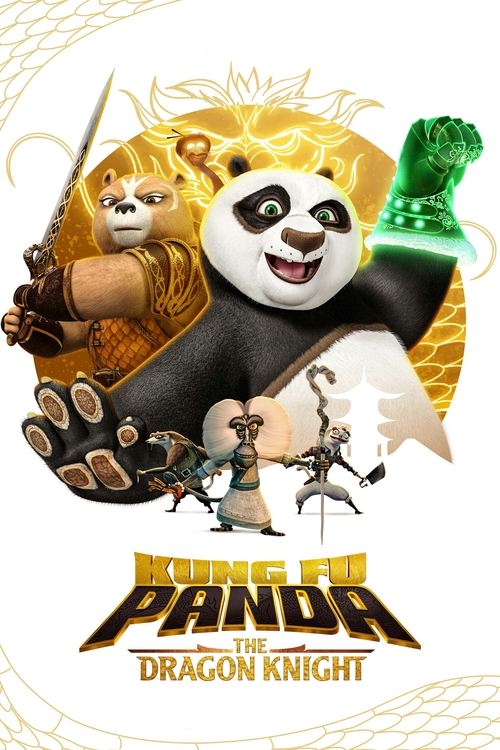
Games and animated spin-offs that capture Jackie's kinetic, comedic martial-arts energy
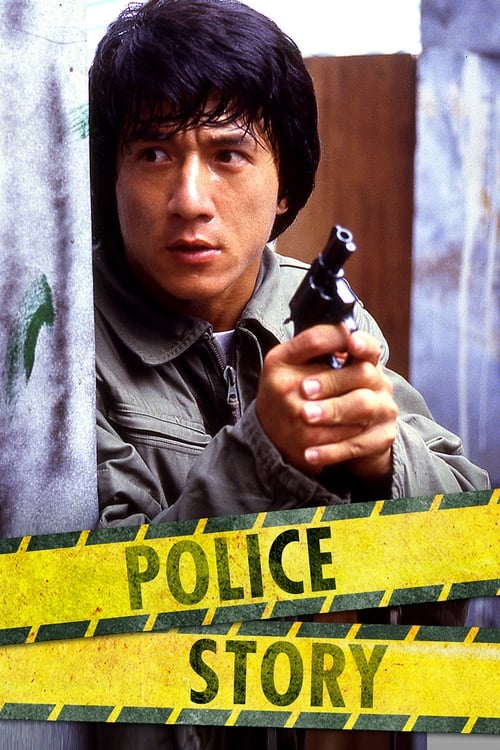
Police Story is the Benchmark
Every conversation about practical stunt filmmaking eventually returns to Police Story (1985). The shopping-mall finale is not just impressive as a period piece; it holds up because the camera placement is ruthlessly honest: you see where the performer is, where the ground is, and how far the fall really is. Nothing is compressed or cheated. Chan produced, directed, and starred, which is why the risk-taking could be calibrated exactly. It set a standard that even modern blockbusters with unlimited budgets rarely match, because budget is not the variable. Commitment is.
Drunken Master II is His Greatest Performance
Rush Hour introduced Chan to Western audiences, but Drunken Master II (1994) is the film serious fans cite first. The Zui Quan style requires the performer to look simultaneously out of control and precisely in control, and Chan's execution in the climactic factory fight is a kind of physical poetry that took decades of training to achieve. The shift in tone near the end, where comedy gives way to something genuinely menacing, catches most first-time viewers off guard. That range, from pratfall to peril in the same sequence, is what separates him from action stars who can only do one register.
The Outtake Reel as Artistic Statement
Other franchises hide their bloopers or bury them online. Chan ends his films with them. The outtakes serve a specific purpose: they close the contract with the audience, confirming that what looked impossible was actually attempted. Watching a stunt go wrong, seeing the medical team rush in, and then understanding that the take you just watched in the film was the one that worked changes how you experience action cinema. It is a transparency that few filmmakers of his era (or any era) have been willing to offer.
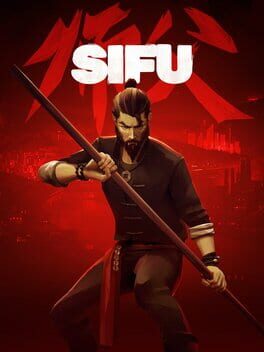
Sifu Captures the Discipline Without Copying the Moves
The game Sifu (2022) is the most coherent translation of Chan's filmmaking philosophy into an interactive form, even though it never mentions him. The Pak Mei style it portrays is precise and grounded rather than fantastical; losing a fight sets you back in a way that makes victory feel earned rather than inevitable; and the environments are designed as obstacle courses where furniture and architecture become weapons. The aging mechanic on death is almost a structural metaphor for what Chan's body absorbed over a career: every failure costs you something, but the knowledge accumulates.
A Career in Milestones
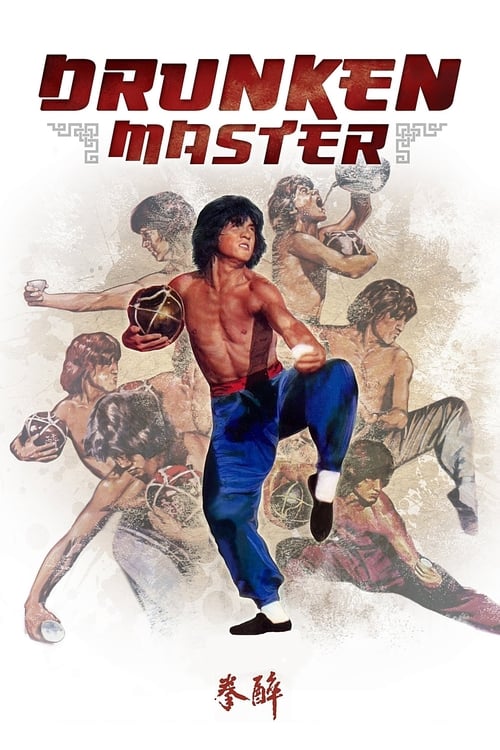
- 1978Breakthrough with the original Drunken Master establishes Chan's comedic kung-fu identity, separating him from Bruce Lee comparisons. Drunken Master
- 1982Project A fuses period action with Buster Keaton-style physical comedy; the clocktower fall becomes one of Hong Kong cinema's iconic images. Project A
- 1985Police Story raises the bar for practical action filmmaking and wins the Hong Kong Film Award for Best Film. Police Story
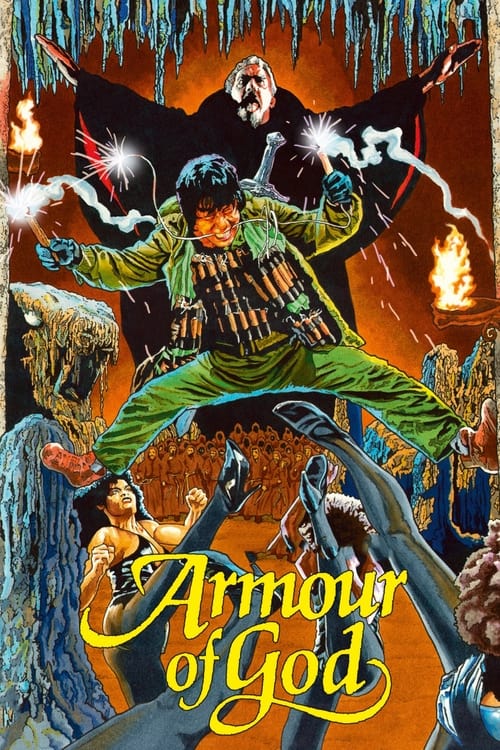
- 1986A near-fatal skull fracture during Armour of God filming in Yugoslavia; Chan returns to finish the film and continues more carefully. Armour of God
- 1994Drunken Master II is widely considered his artistic peak, showcasing the full range of his physical and dramatic abilities. Drunken Master III
- 1995Rumble in the Bronx is his American crossover breakthrough, opening wide in the US after being re-dubbed and re-scored. Rumble in the Bronx
- 1998Rush Hour pairs him with Chris Tucker and becomes one of the highest-grossing buddy-action films of the decade. Rush Hour
- 2000The animated Jackie Chan Adventures launches on Kids WB, running five seasons and introducing a generation of younger fans. Jackie Chan Adventures
- 2016Chan receives an honorary Academy Award for cinematic achievements and extraordinary distinction in lifetime achievement.
- 2017The Foreigner shows a darker dramatic range far from his comedic persona, drawing strong reviews for his restrained performance. The Foreigner
More martial arts and Hong Kong action
Martial Arts
Explore the Martial Arts guide →I never wanted to be the next Bruce Lee. I just wanted to be the first Jackie Chan.Jackie Chan