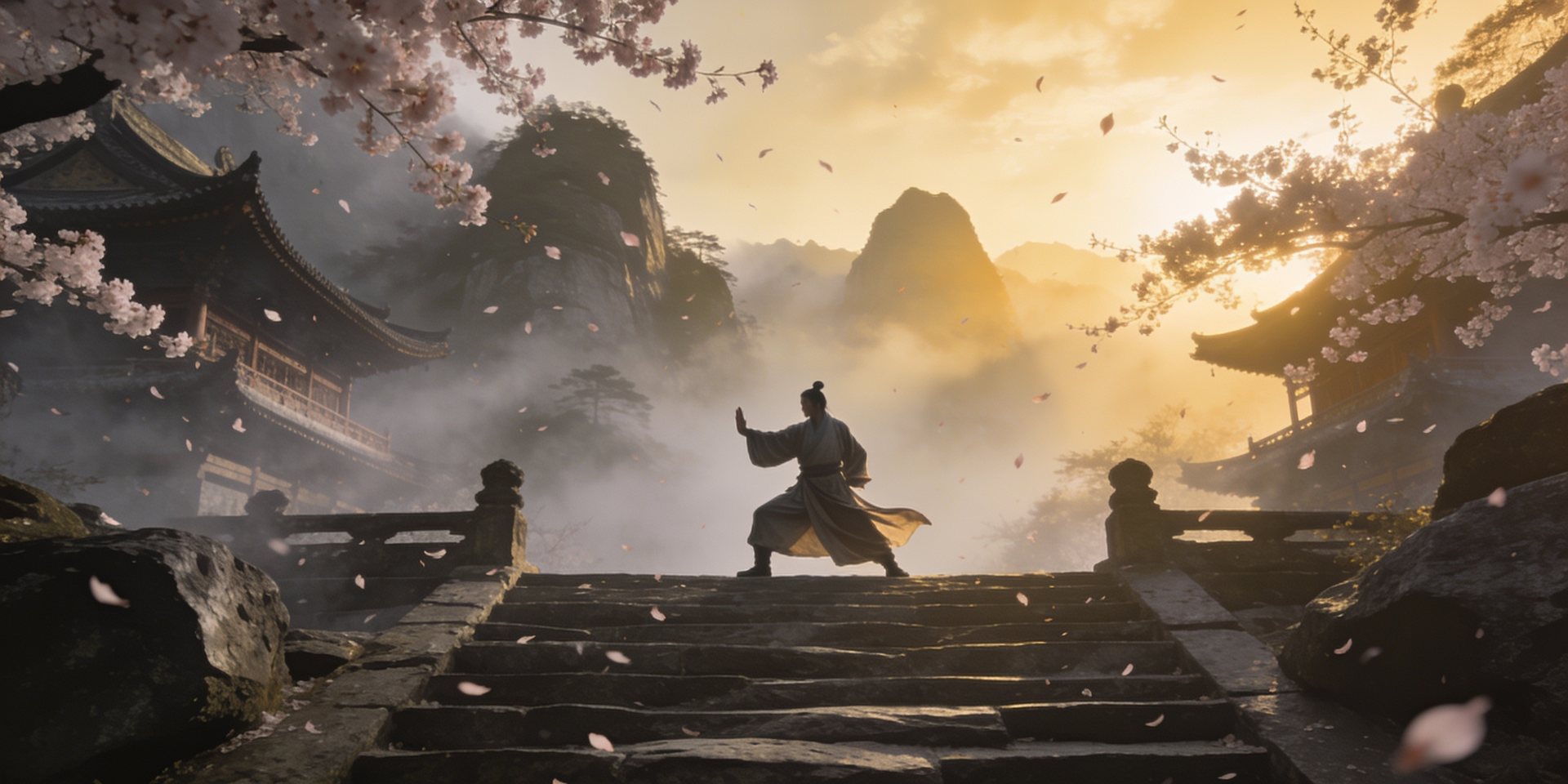

Every other action genre uses the fight to get somewhere. The martial-arts story treats the fight as the destination. The choreography is the dialogue, the training is the character arc, and the final duel is the whole film's argument settled in motion.
It is the most physical storytelling there is, and at its best it is closer to dance than to violence: two people saying everything they cannot say, with their hands.
Essential martial arts
The films, games and series that define the genre
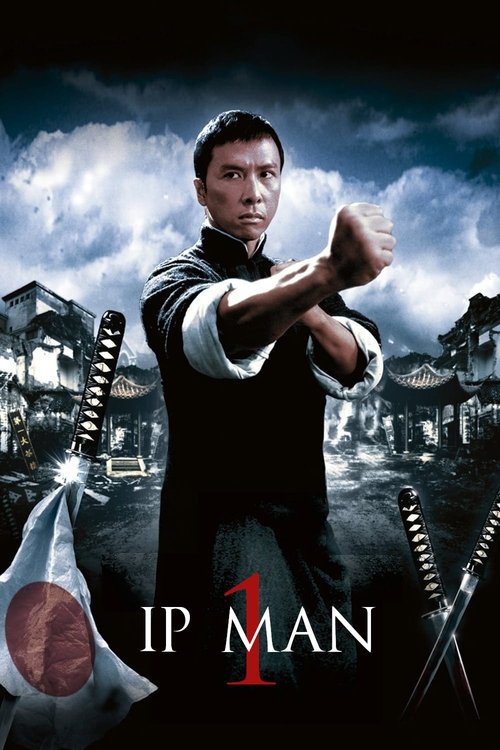

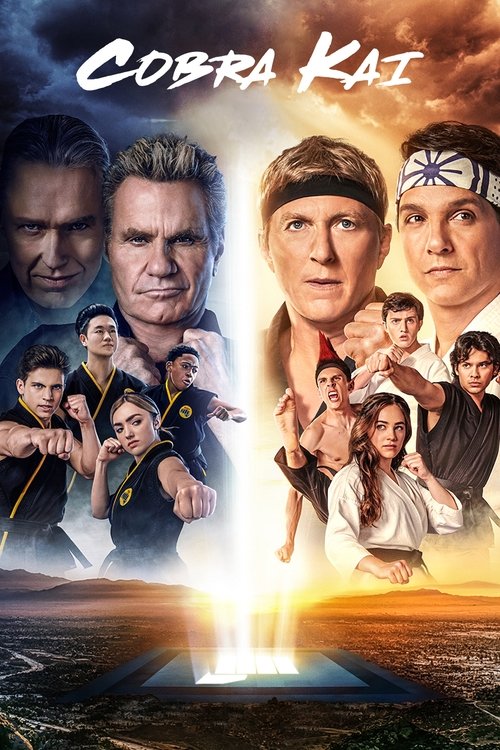
When the fight becomes poetry
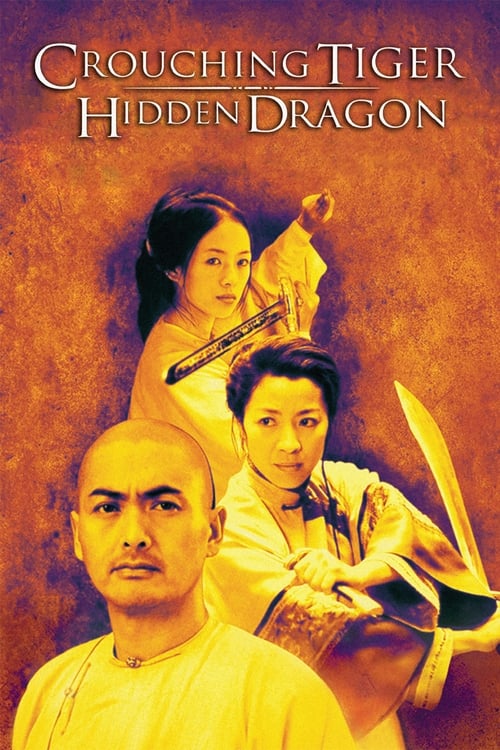
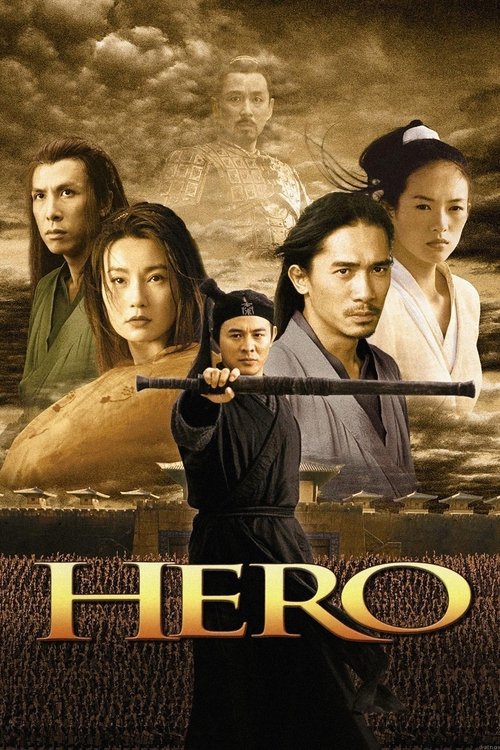
At one extreme, the genre lets go of gravity entirely. Crouching Tiger, Hidden Dragon sent its fighters soaring through bamboo forests and turned a sword fight into a love scene, and Hero shot its duels like paintings, each colour a different version of the truth. This is wuxia, where martial arts is not about damage at all. It is about grace, longing and honour made visible.
Hong Kong and wuxia
Shaolin chambers and flying swords
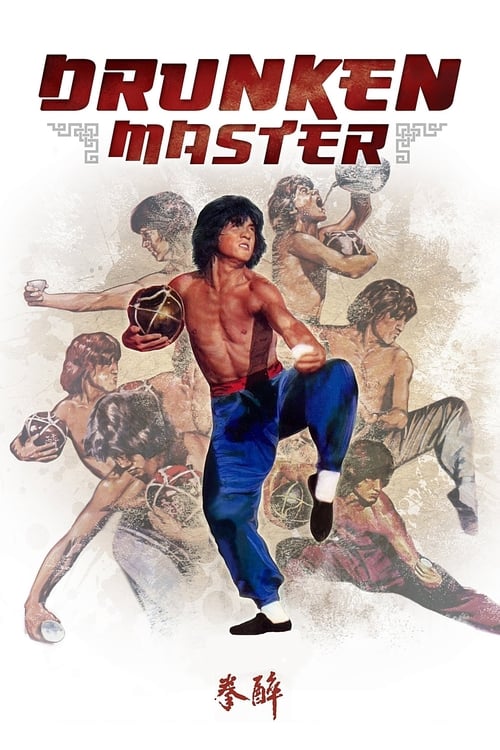


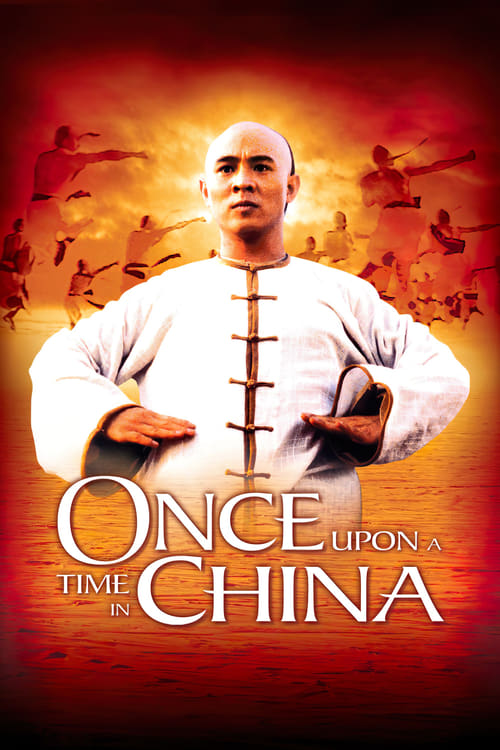
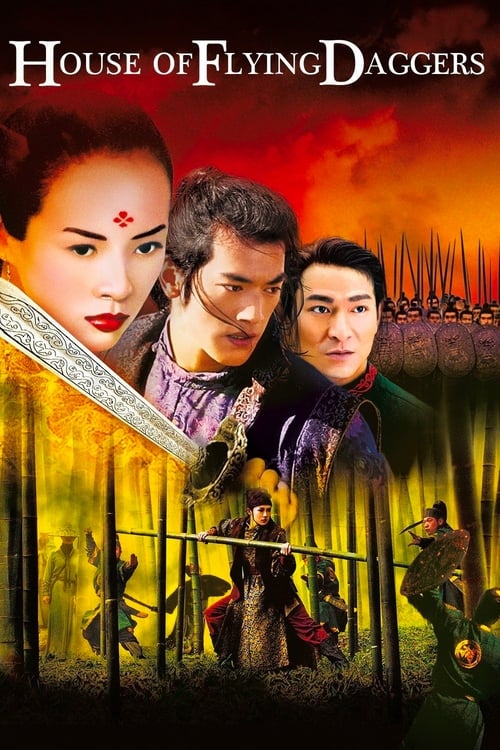
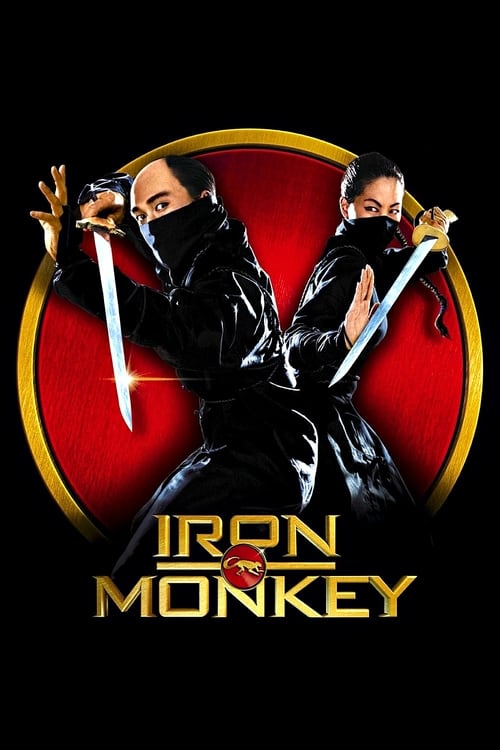
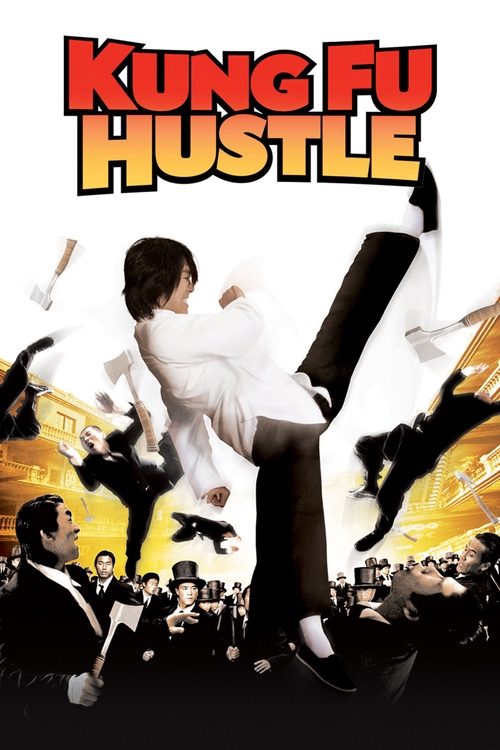
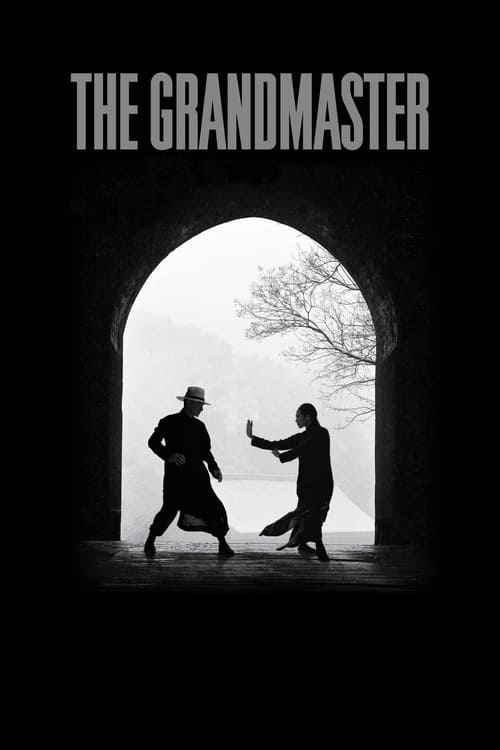
Two traditions, one discipline
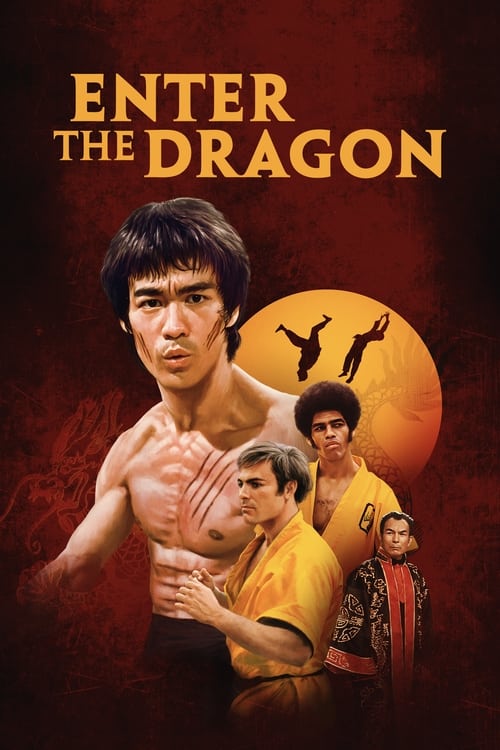
The genre runs on a tension between two schools. There is the grounded tradition, all bone and impact and real human limits, where a punch is a punch and the thrill is watching a master make the impossible look merely very hard. And there is the wuxia tradition, where fighters fly and a blade can split a raindrop. The first wants you to wince. The second wants you to gasp.
Bone and impact
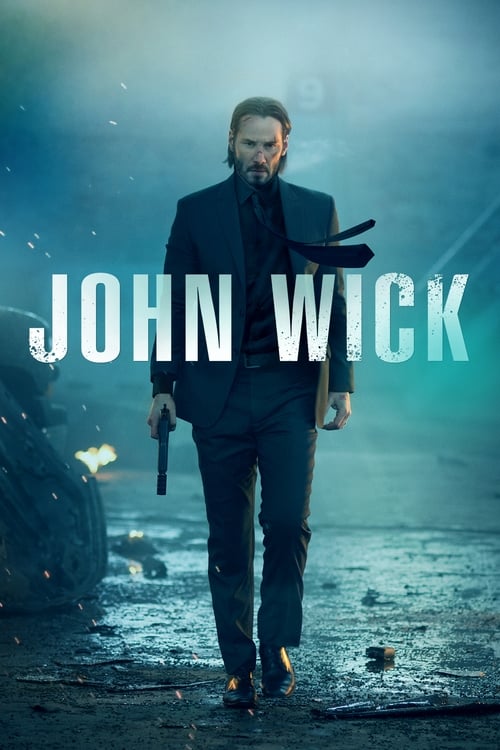
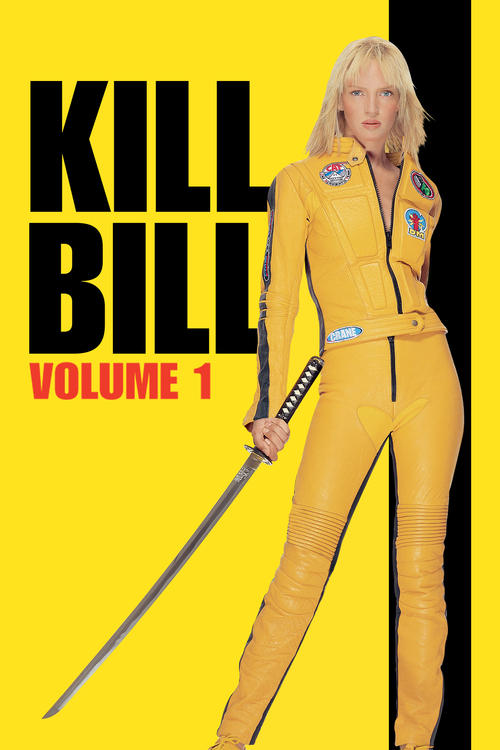
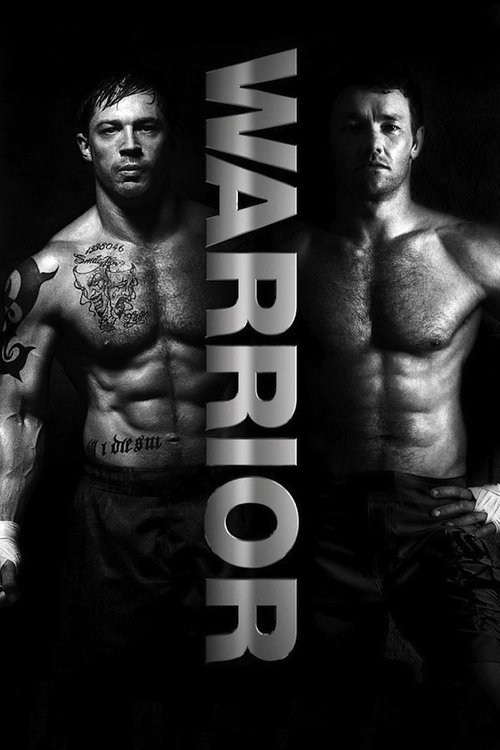
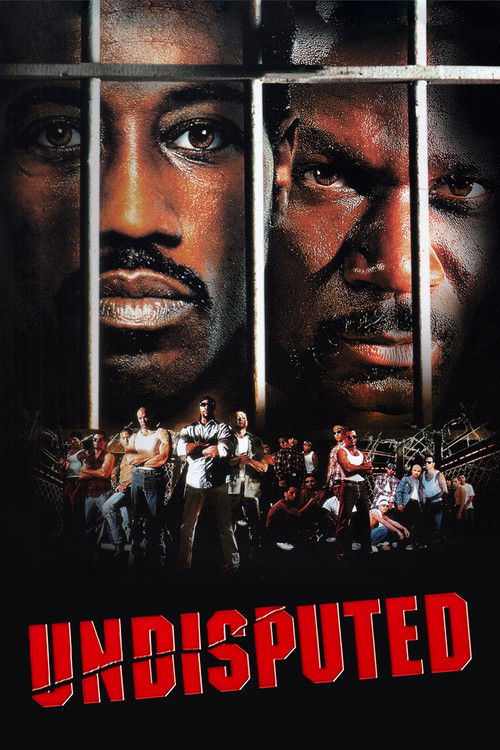
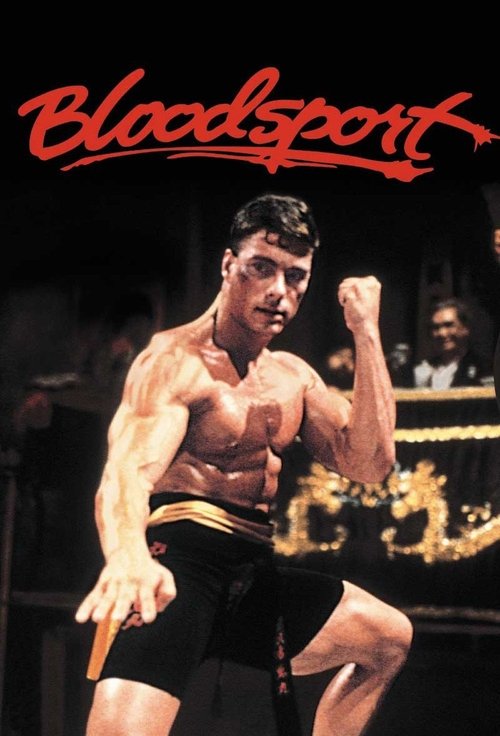
Bare-knuckle brutality and gun-fu
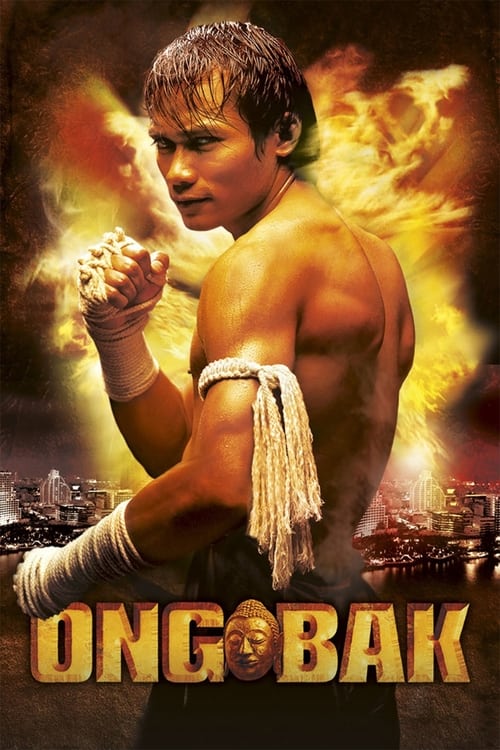
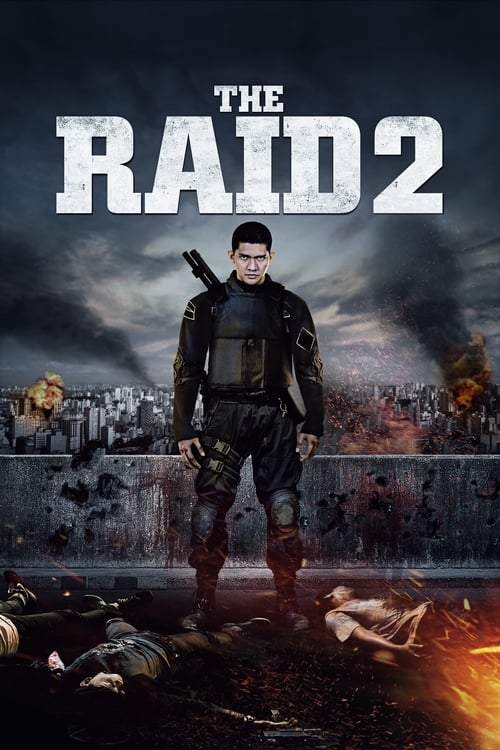
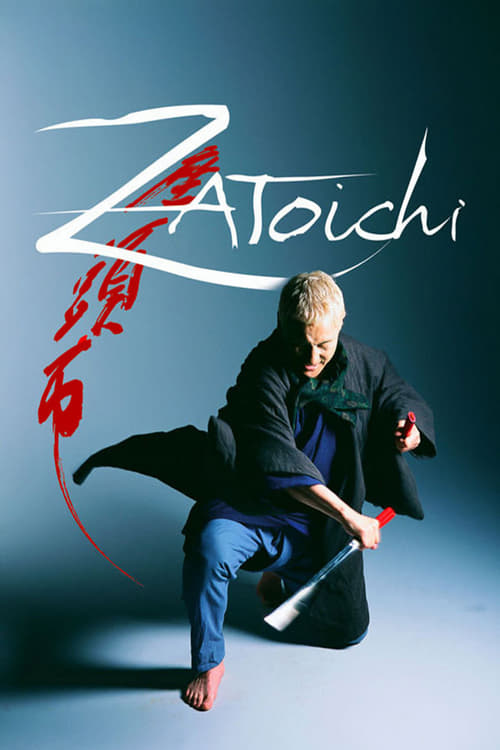
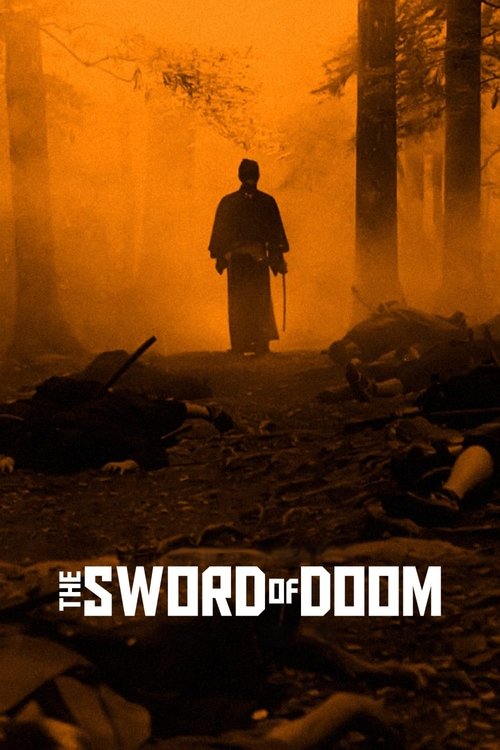
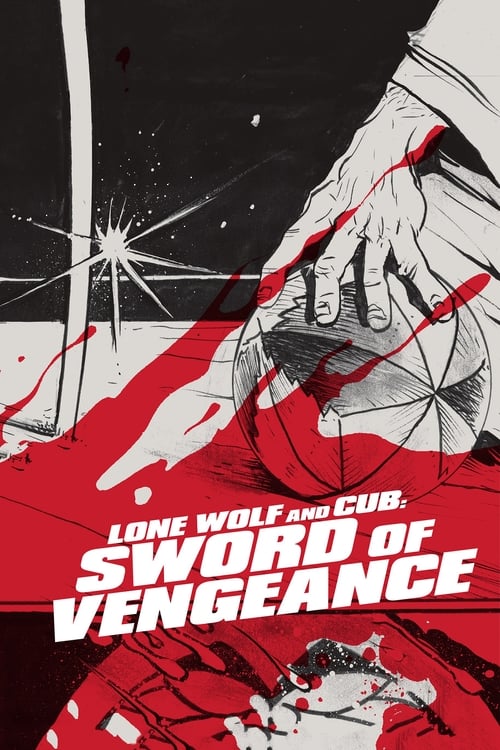
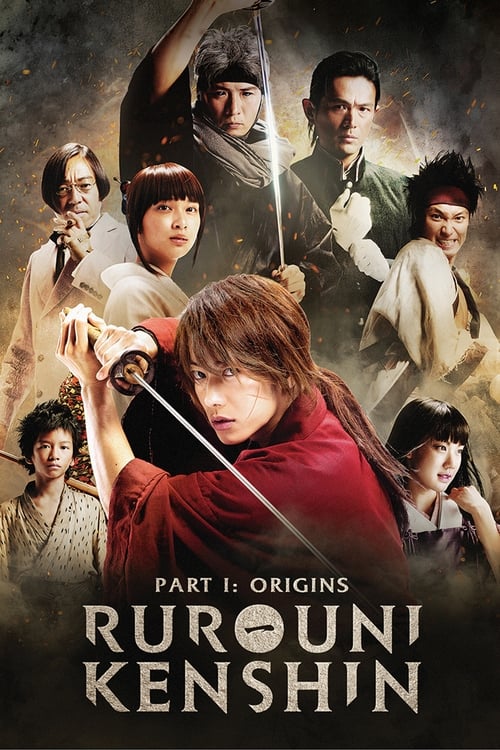
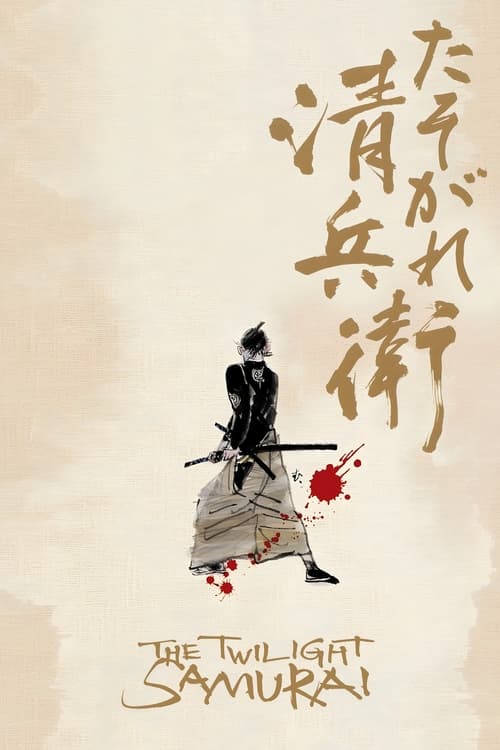
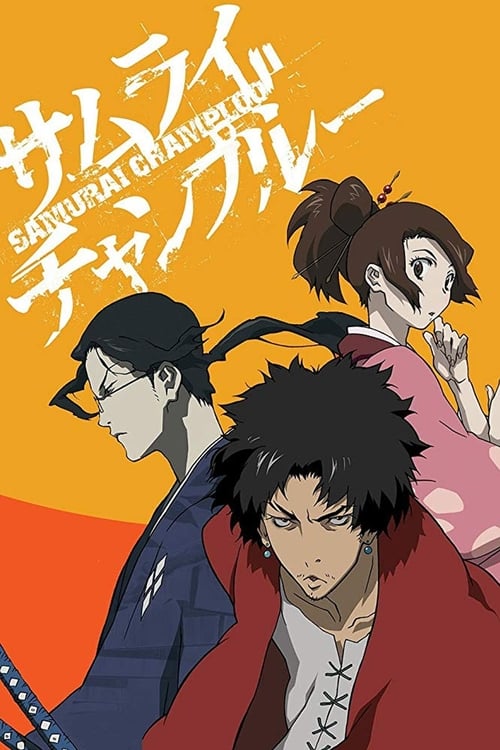
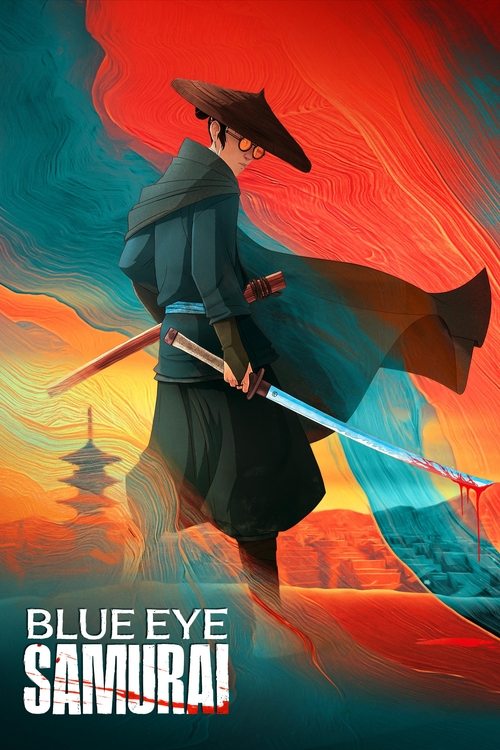
Samurai and the sword
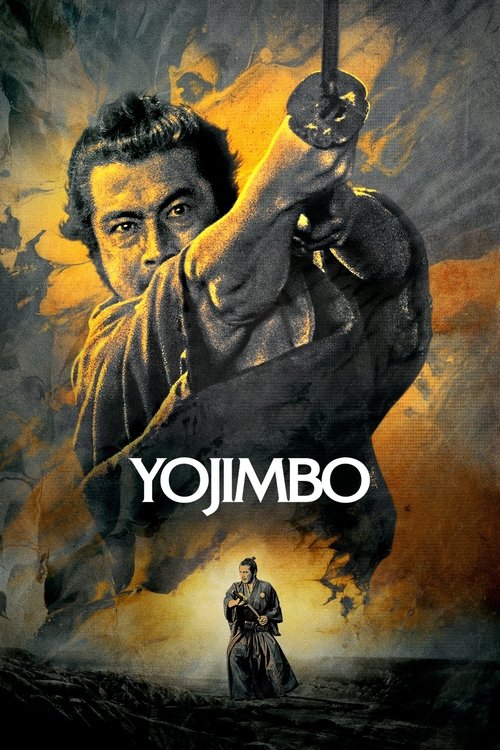
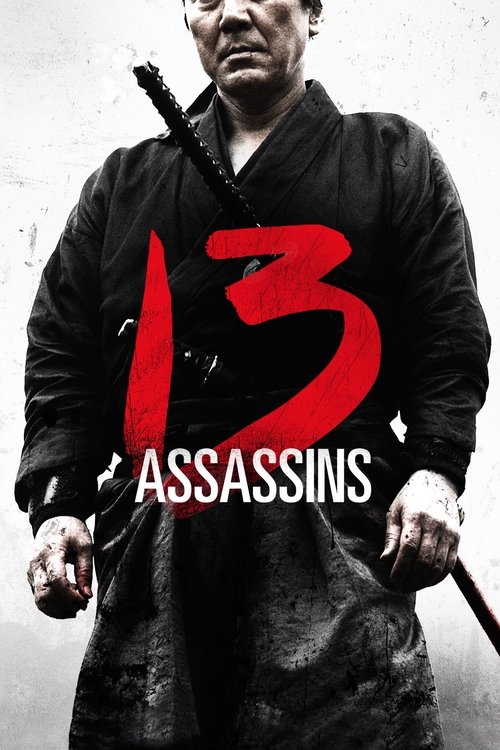
Ronin, blind swordsmen and bushido

The master and the student
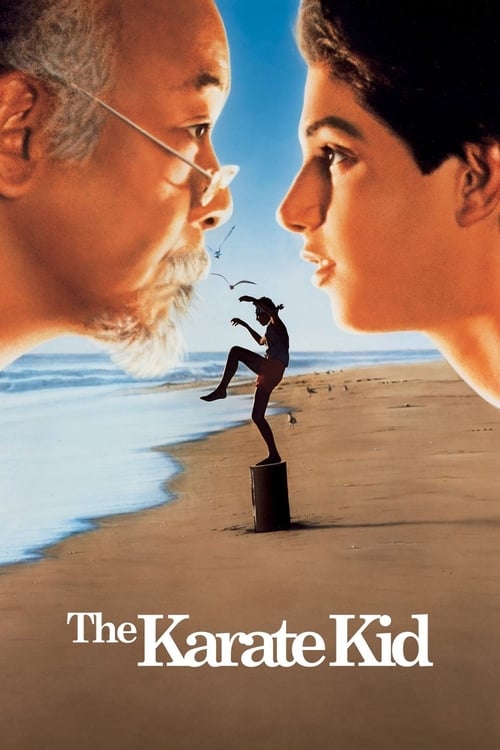
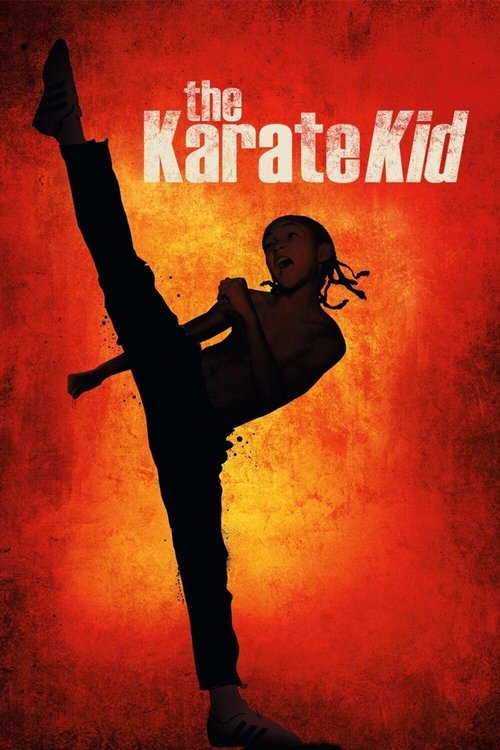
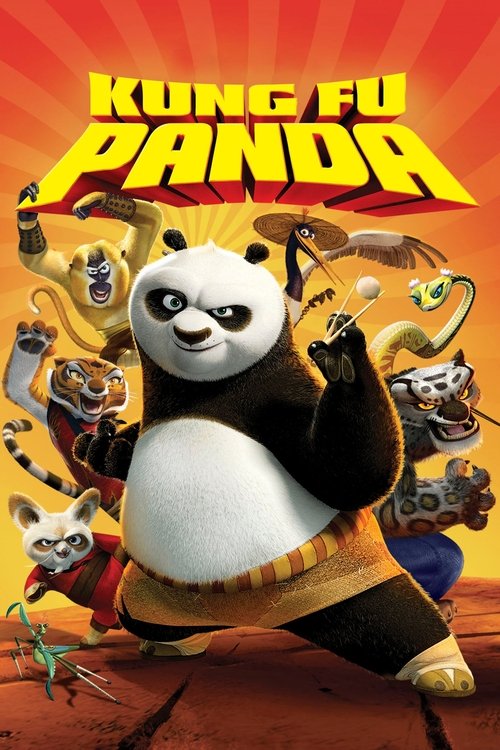
Beneath the spectacle, the genre keeps telling one story: someone learns. The Karate Kid made the training montage an emotional climax, Cobra Kai aged its rivals into mentors and asked who they had become, and even Kung Fu Panda understood that the real lesson is never the technique. It is the patience, the humility, and the long road before the fight.
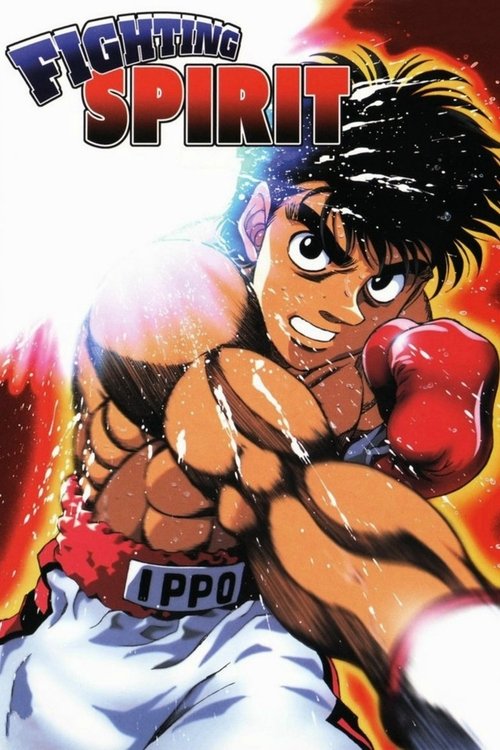
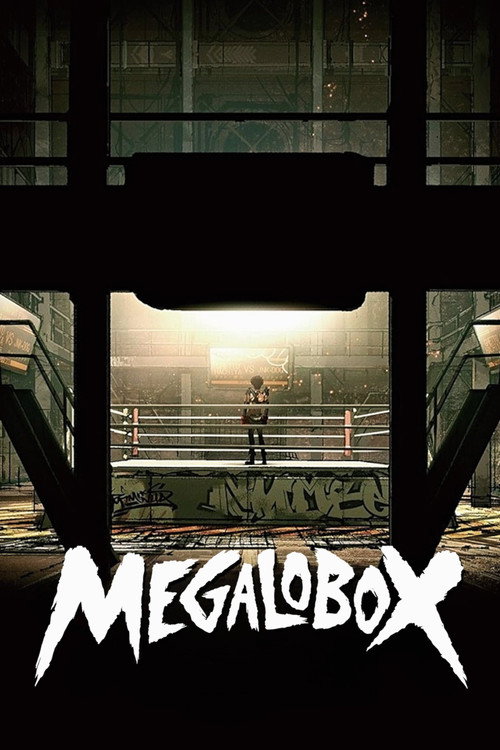
Step into the ring
Tournaments, combos and soulslike duels
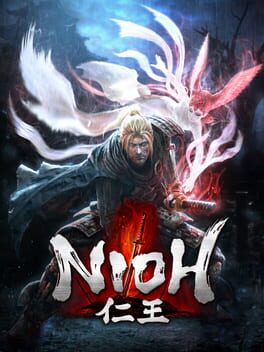
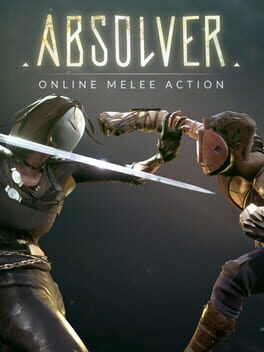
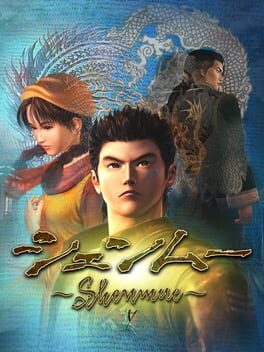
Become the warrior
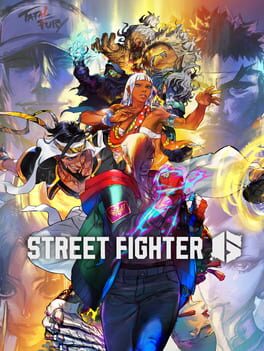
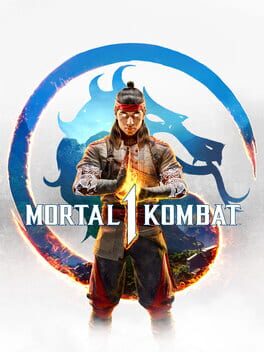
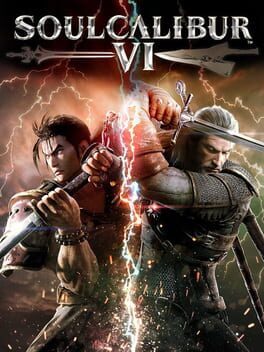
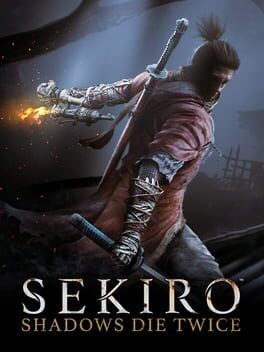
Games let you put in the repetitions yourself. Sekiro: Shadows Die Twice makes you earn every victory through rhythm and nerve until a duel feels like meditation, and Ghost of Tsushima turns a samurai standoff into the most beautiful screenshot you will take all year. The genre's discipline stops being a theme and becomes the thing you actually have to do.
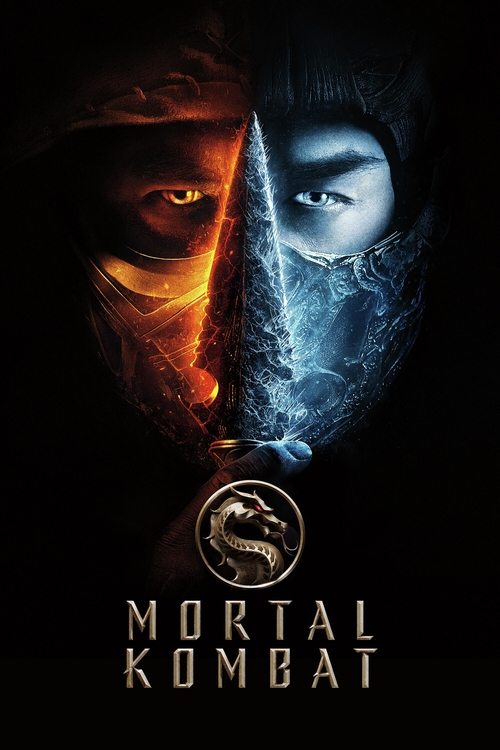
Martial arts on screen
Underground fight clubs and sword epics
On the page
The warrior's code


More stories where the body is the weapon
Samurai & Feudal Japan
Explore the Samurai & Feudal Japan guide →Two people, no words, everything at stake. The martial-arts film says it all with motion, and trusts you to read it.