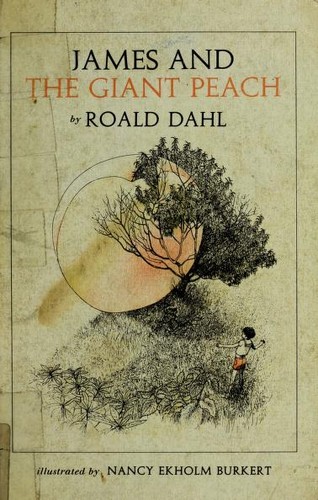

What James and the Giant Peach delivers is a very specific thrill: a child in a genuinely miserable situation who escapes not through luck or adult rescue, but through a magical environment that becomes its own society. James Henry Trotter does not wait to be saved. He climbs inside the impossible object, makes friends out of creatures that should terrify him, and sails across the Atlantic inside a piece of fruit. The tone is the thing: blackly funny about cruelty, warmly earnest about friendship, and utterly committed to the idea that imagination is a form of survival. Fans of this book are chasing stories where the fantastical is treated with complete seriousness, where the adult world is either absent or actively hostile, and where the journey itself rewrites who the protagonist is. The strange travelling vessel, the eccentric found family, the deadpan acceptance of the impossible: these are the elements that pull readers back across every medium.
Essential Roald Dahl
The other books from the same imagination, each building its own sealed world of dark wonder


On Screen: The Peach and Its Kin
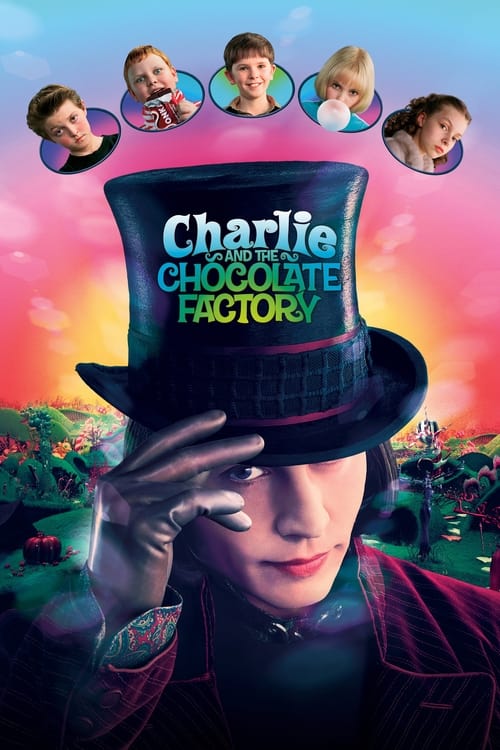
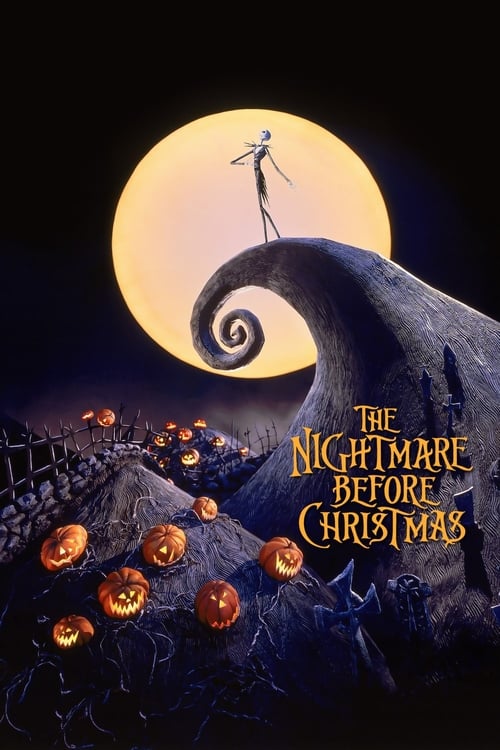
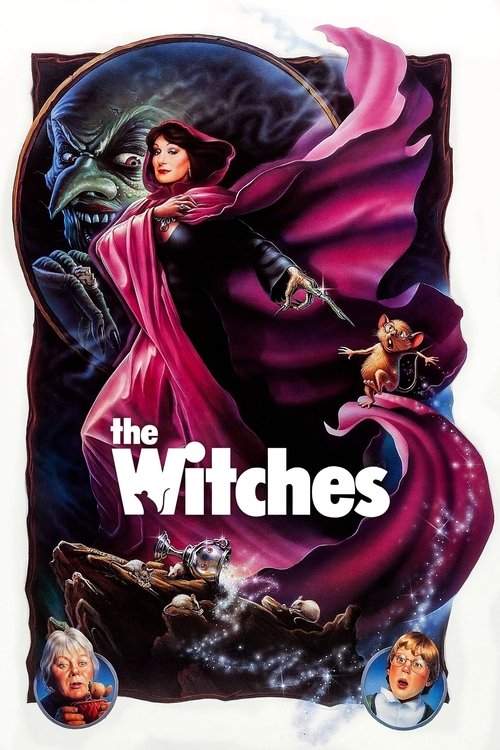
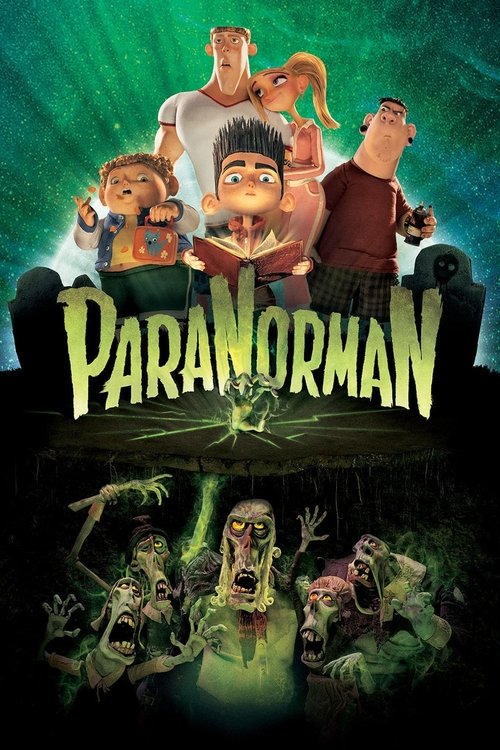
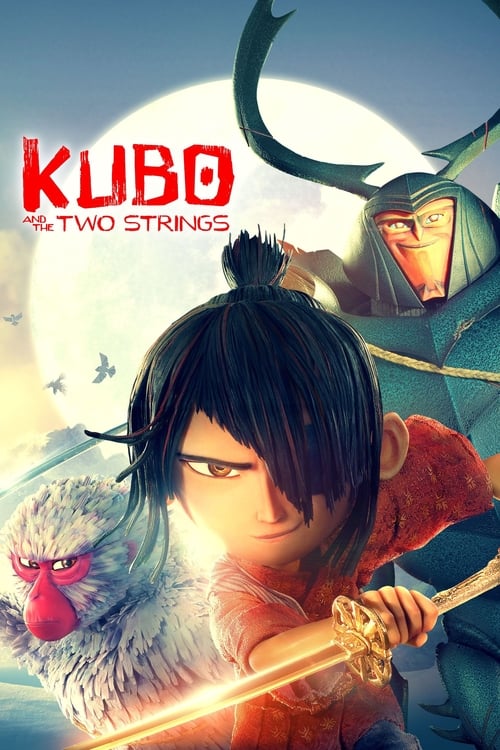
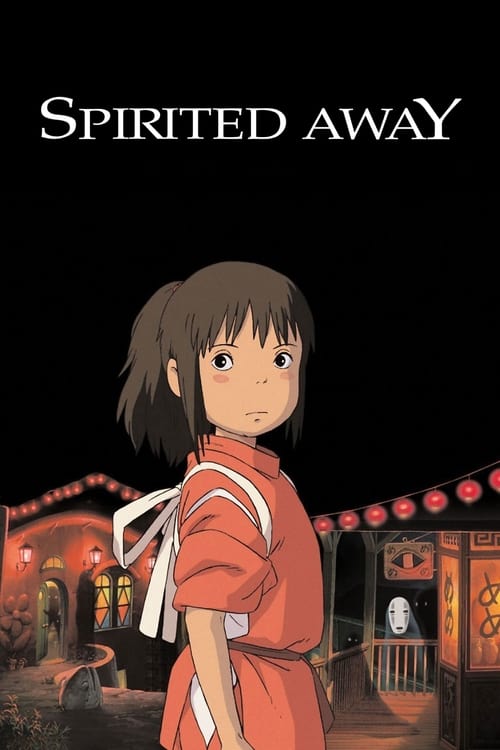
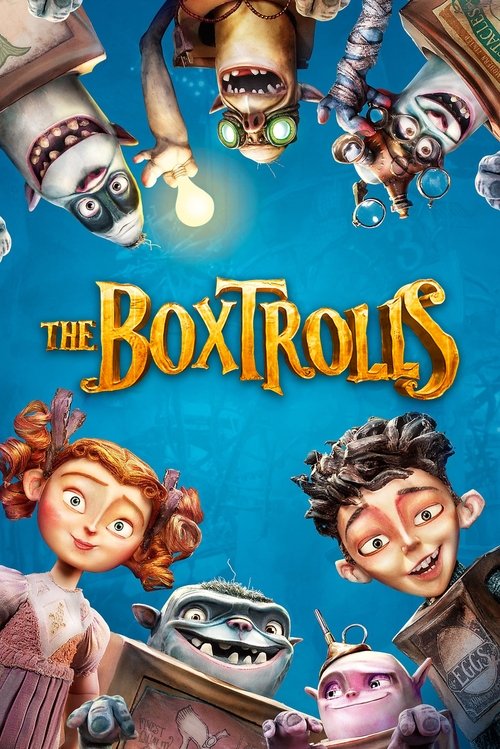
The 1996 adaptation plus films that share its visual daring, found-family logic, and refusal to soften childhood strangeness


Books for the Same Reader
Novels that share the magic-realist sensibility: a child protagonist, an outlandish premise treated straight, and a vein of genuine darkness beneath the wonder


Series: Strange Journeys, Found Families
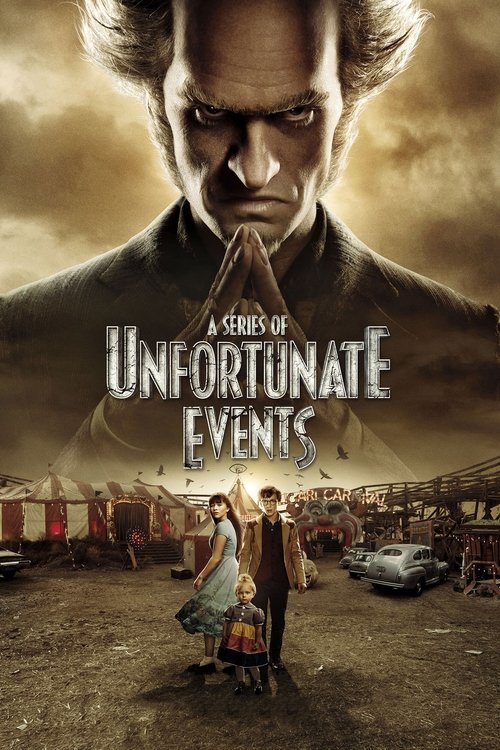
TV that captures the same energy: young protagonists in impossible circumstances, adult menace treated as a given, and a group of oddballs who become family


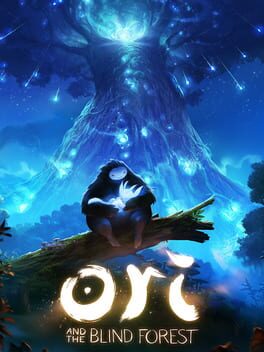
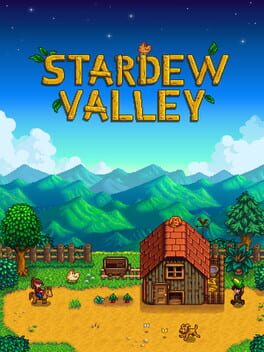
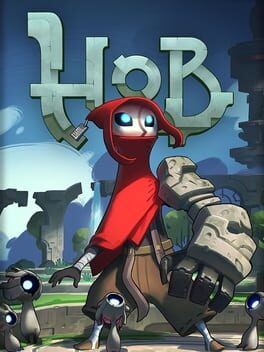
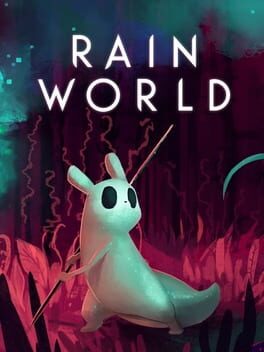
Games: Worlds That Reward Wonder
Games that share the peach's internal logic: a strange contained world with its own rules, an outcast protagonist, and a sense that imagination itself is the engine of progress
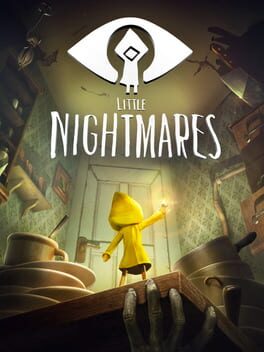
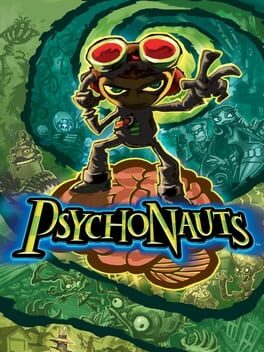
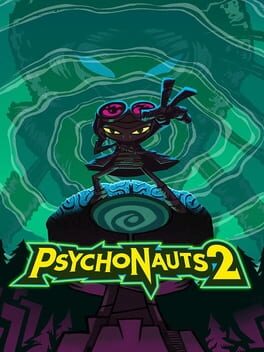
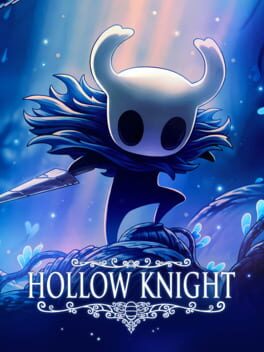
The Stop-Motion Adaptation Got the Tone Exactly Right
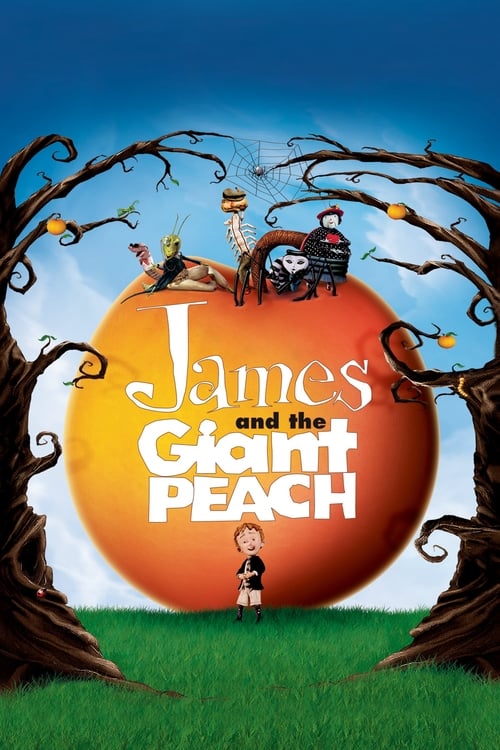
Henry Selick's 1996 film is one of the rare adaptations that understands source material without being enslaved to it. The live-action framing device keeps the aunts grotesque without tipping into camp, and the shift to stop-motion the moment James enters the peach is a formal choice that earns its meaning: the impossible world looks different from the real one. Randy Newman's songs are odd and not conventionally pretty, which is correct. The film never condescends. It is one of the best Dahl adaptations precisely because it is willing to be as strange as the book.
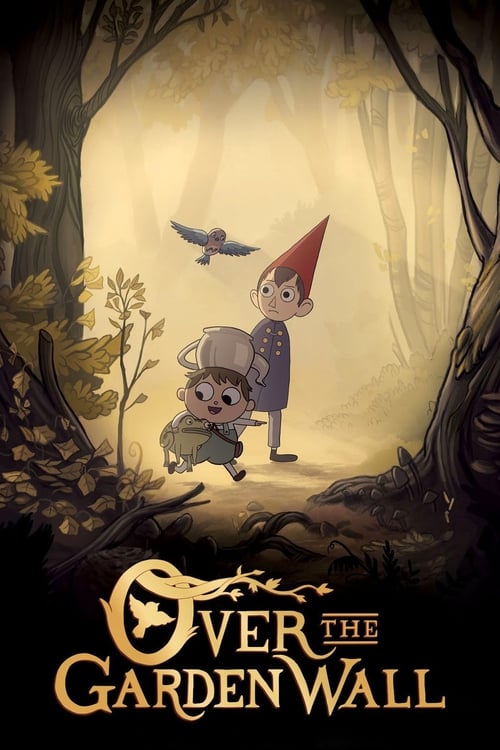
Over the Garden Wall Is the Closest Any Series Has Come to the Same Feeling
The Cartoon Network miniseries from 2014 compresses everything that makes James and the Giant Peach work into ten episodes: two children lost in an autumnal fantasy world, a guide who is unreliable and melancholy, adult menace that is never fully explained, and a resolution that is both satisfying and slightly heartbreaking. The folk-music score and the hand-painted backgrounds create a world that feels genuinely old, not nostalgically retro. It is the obvious next watch for anyone who loves the Dahl tonal register.
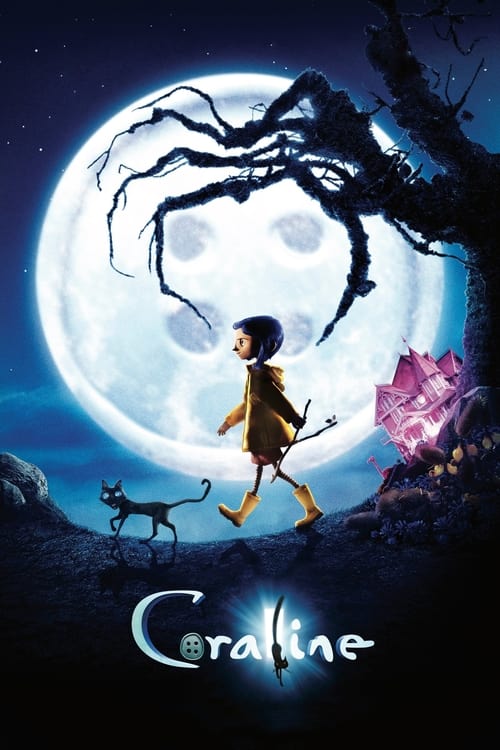
Coraline Is Dahl's True Heir, Even Though It Is Not By Dahl
Neil Gaiman's 2002 novella is the book that most precisely inherits the Dahl formula: a neglected child, a parallel world that seems better than the real one, a villain who wears the mask of parental warmth, and a resolution that requires the protagonist to be genuinely brave rather than merely lucky. The stop-motion film directed by Henry Selick (who also directed James and the Giant Peach) extends the aesthetic lineage further. Fans of James who have not read the Coraline novella are missing the most direct continuation of the thing they love.
The Life of a Giant Peach
- 1961Roald Dahl publishes James and the Giant Peach, illustrated by Nancy Ekholm Burkert James and the Giant Peach
- 1982A new illustrated edition appears with artwork by Lane Smith, giving the book a darker visual identity that shapes later adaptations
- 1996Henry Selick's stop-motion and live-action film adaptation is released by Walt Disney Pictures James and the Giant Peach
- 2001Coraline is published, establishing Neil Gaiman as Dahl's most precise successor in the dark-wonder register Coraline
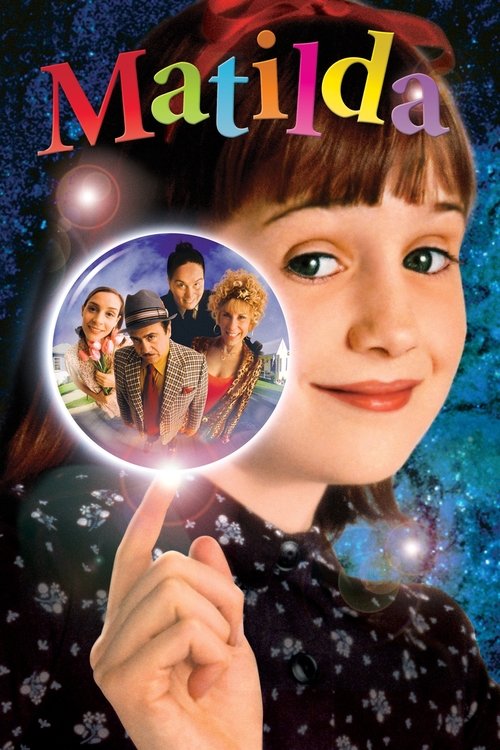
- 2013Matilda the Musical premieres on Broadway after its West End run, proving Dahl's work translates naturally to theatrical spectacle
- 2014Over the Garden Wall airs on Cartoon Network, creating the closest television equivalent to the Dahl tonal world Over the Garden Wall
- 2017A Series of Unfortunate Events arrives on Netflix, adapting Lemony Snicket's Dahl-descended novels with appropriate darkness A Series of Unfortunate Events
- 2022Netflix releases Matilda the Musical as a film, bringing Dahl's school-set story to a new generation
Adults are obsolete children, and the hell with them.Roald Dahl