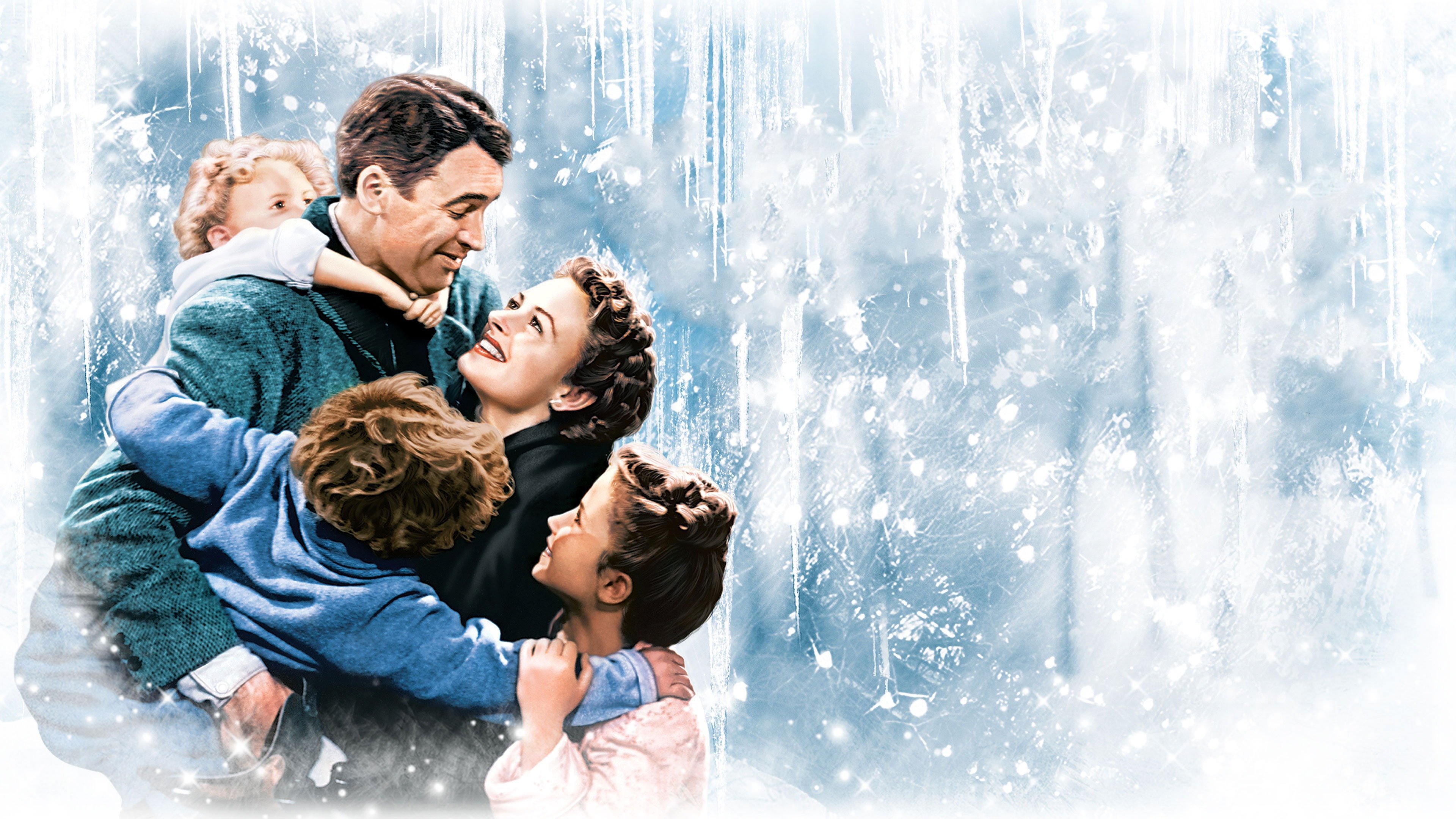

James Stewart built a career on one unshakeable quality: you believed him. Not just in the plot, but in the feeling behind every line. Whether he was a naive senator being crushed by Washington cynicism, a retired detective undone by obsession, or a rancher holding his ground against a hired gun, Stewart played ordinary men placed under extraordinary pressure, and the strain always showed. His signature stammer was not a quirk; it was the sound of a man thinking in real time. Working across four decades with directors like Frank Capra, Alfred Hitchcock, Anthony Mann, and John Ford, he covered more dramatic ground than almost any Hollywood star of his generation, while remaining recognizably himself throughout.
Essential James Stewart
The films that define his range, from idealism to obsession

The Same Vibe: Actors Who Mean It
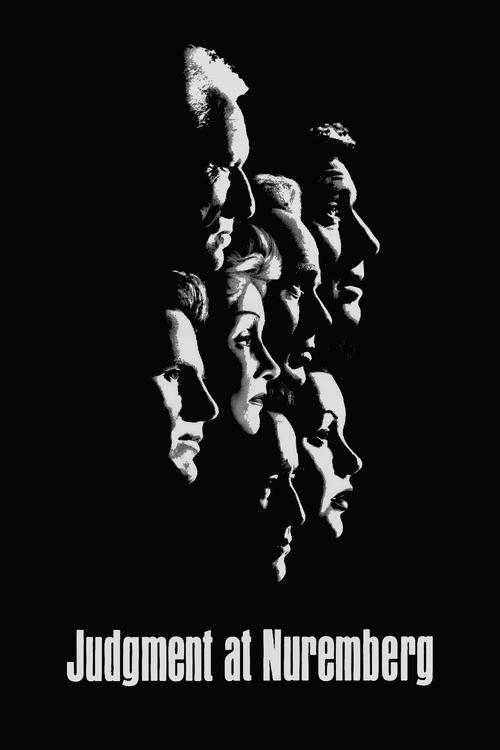
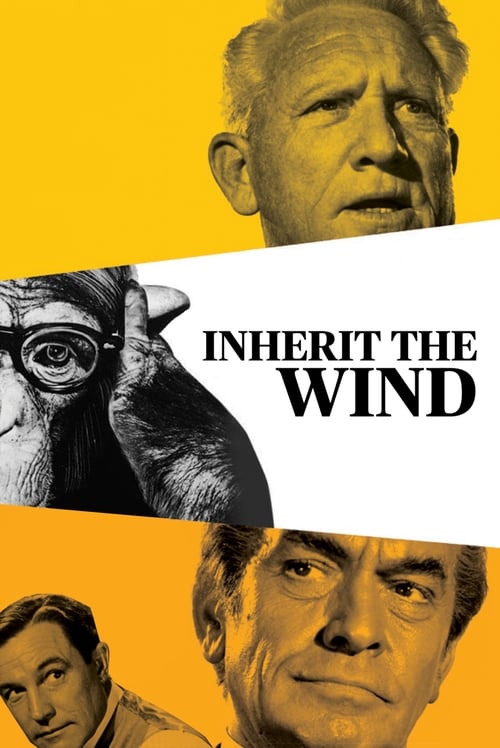
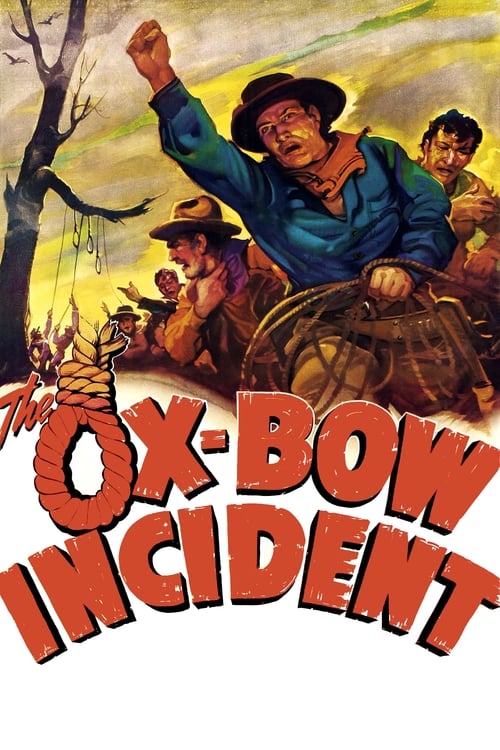
Films built on quiet conviction and moral weight

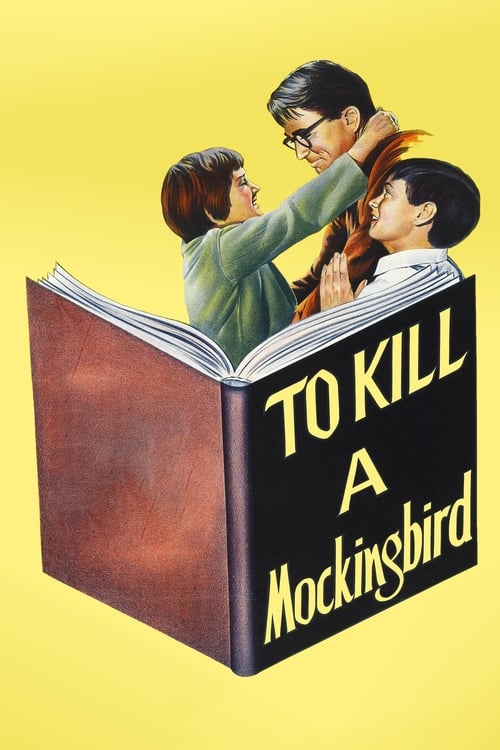
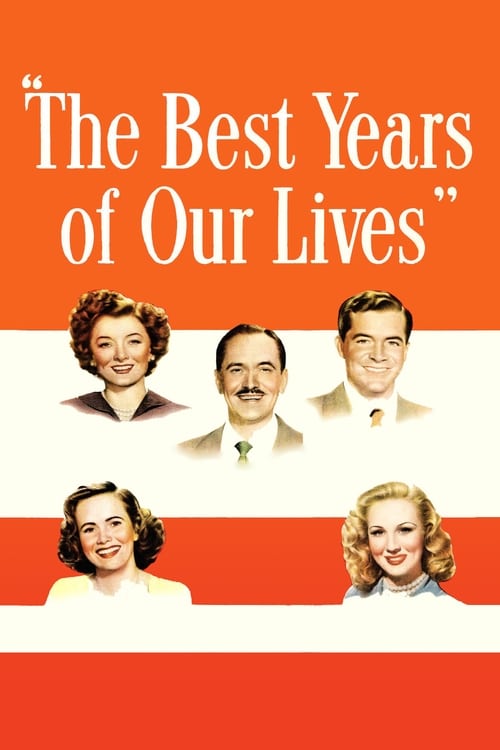
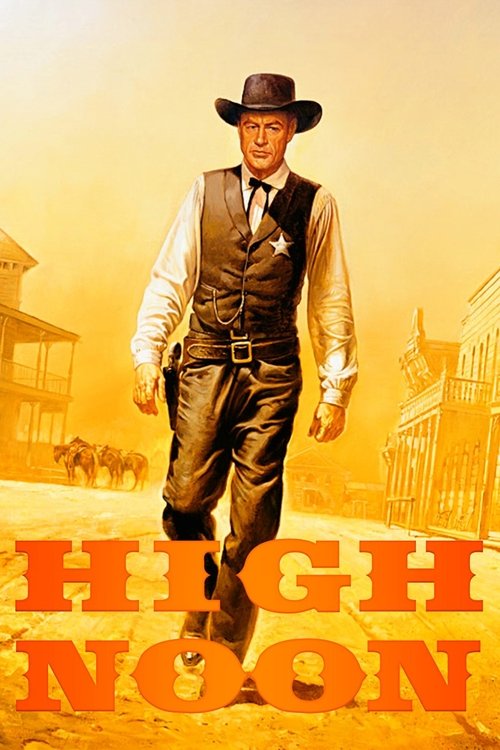
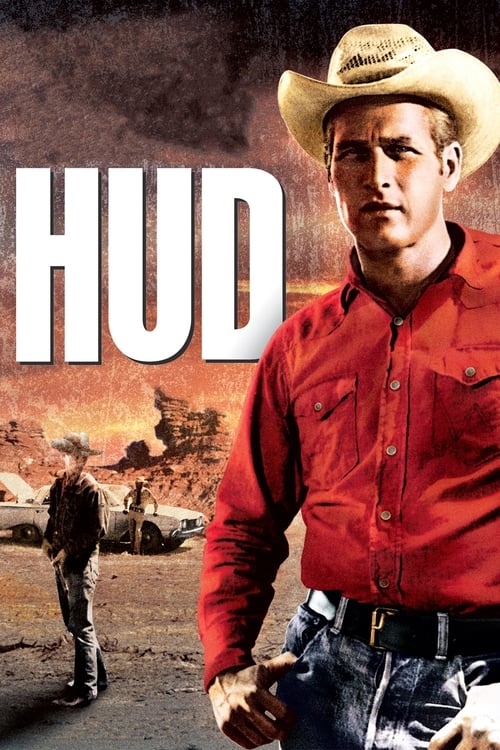
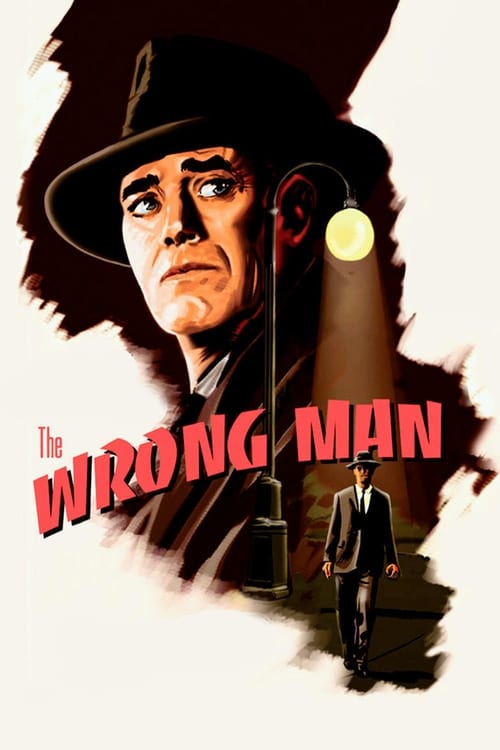
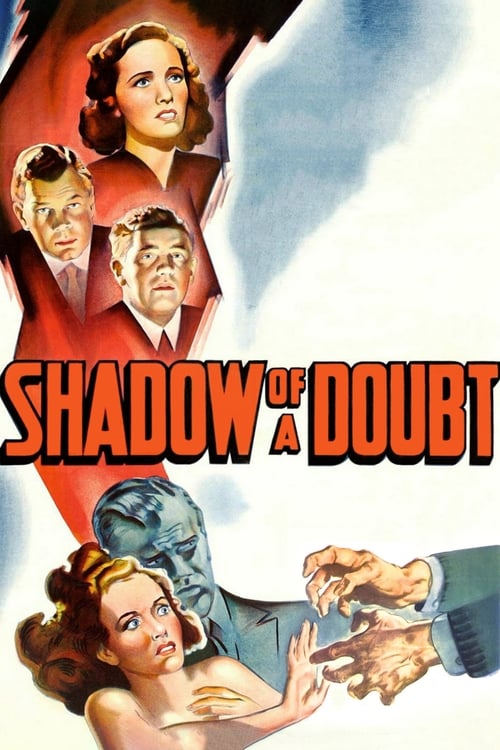
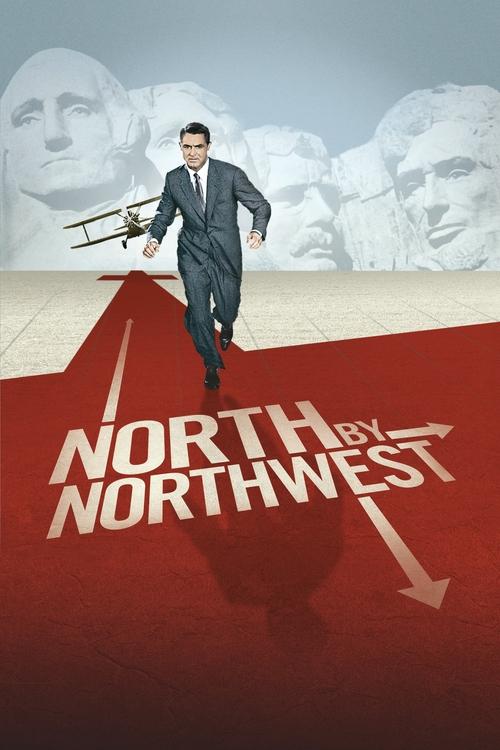
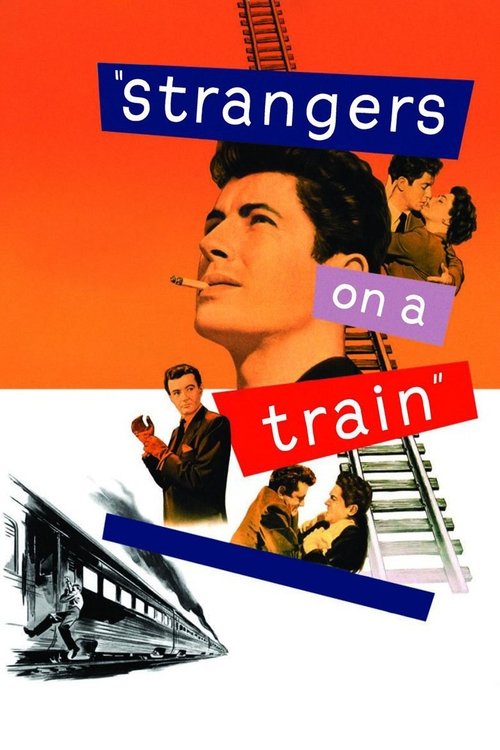
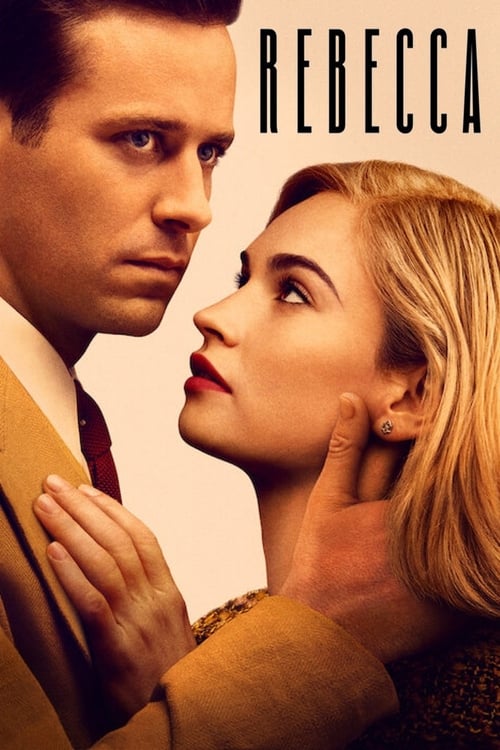
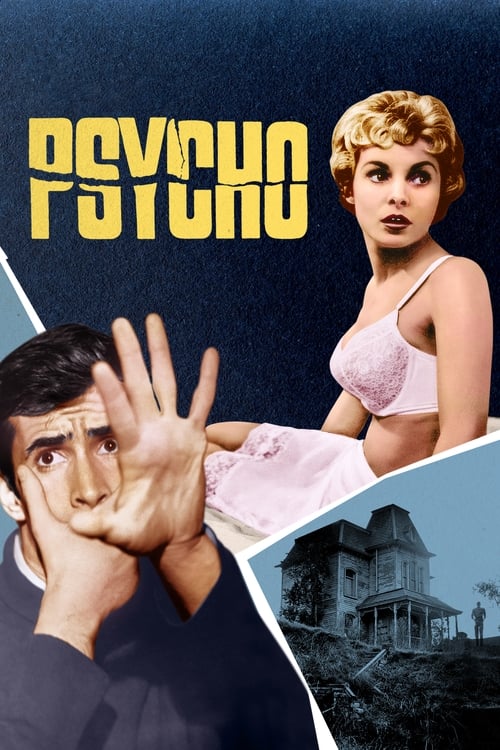
Hitchcock's Other Players
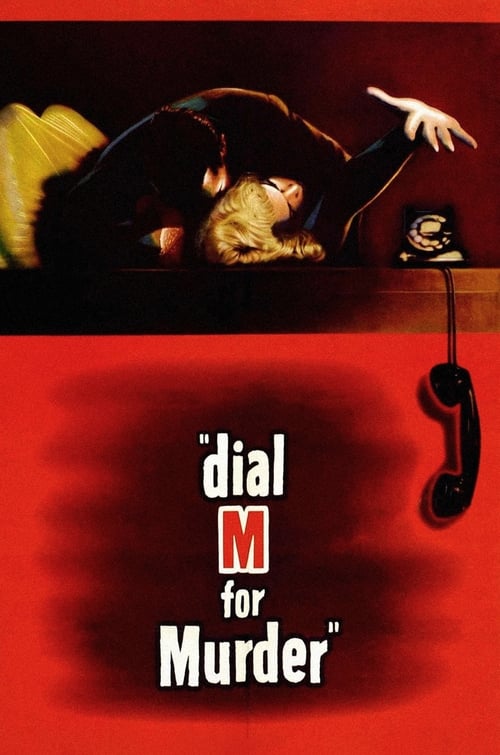
Films from Stewart's long collaboration with Hitchcock, and the thrillers that carry the same coiled tension
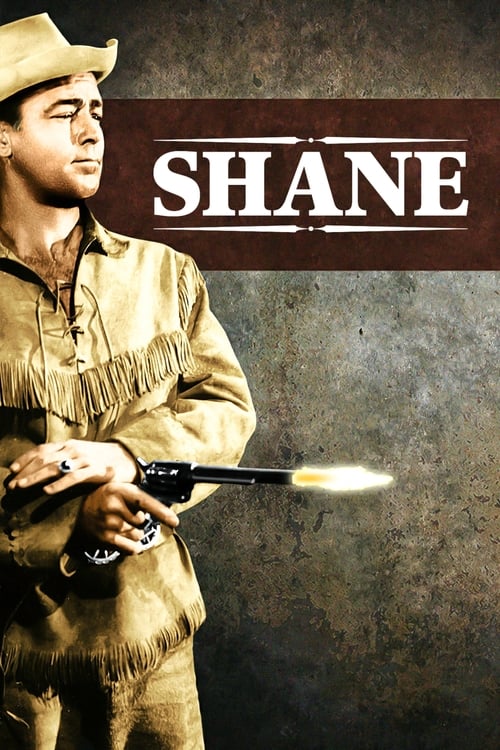
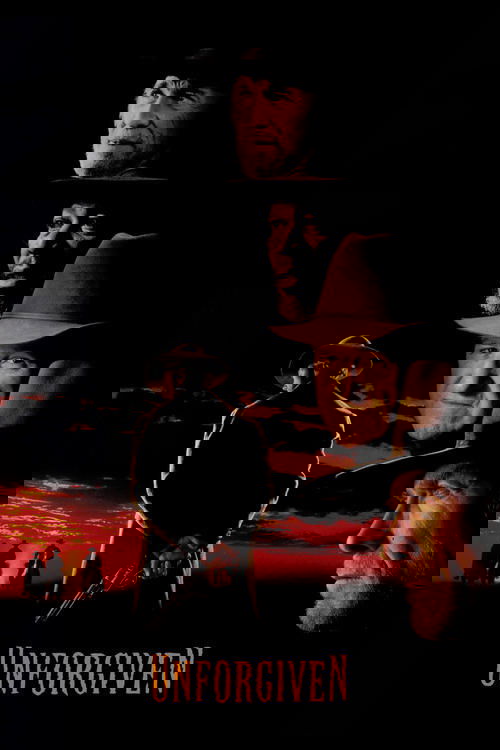
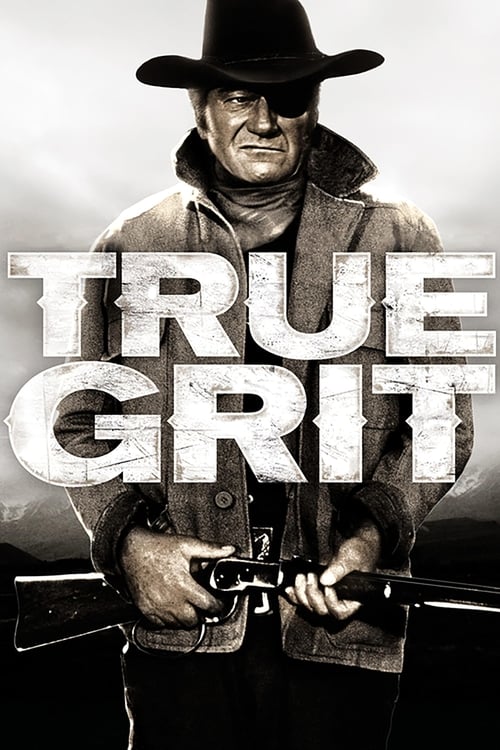
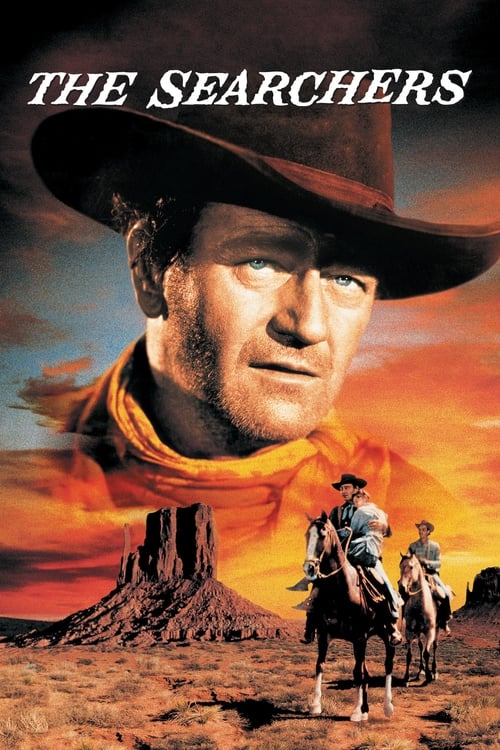
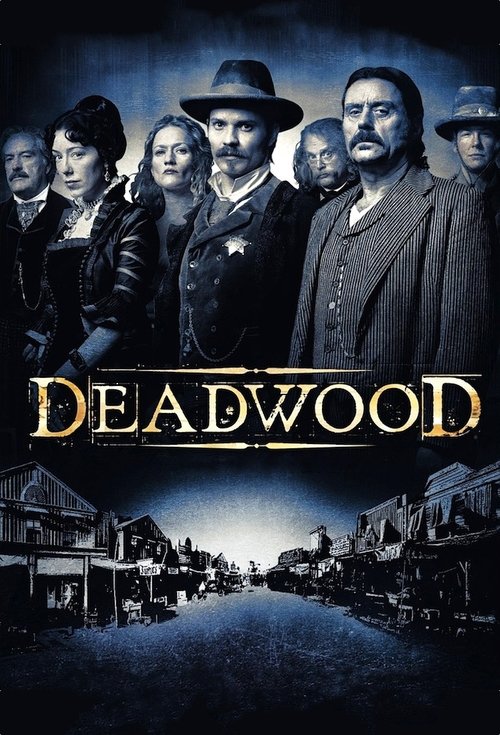
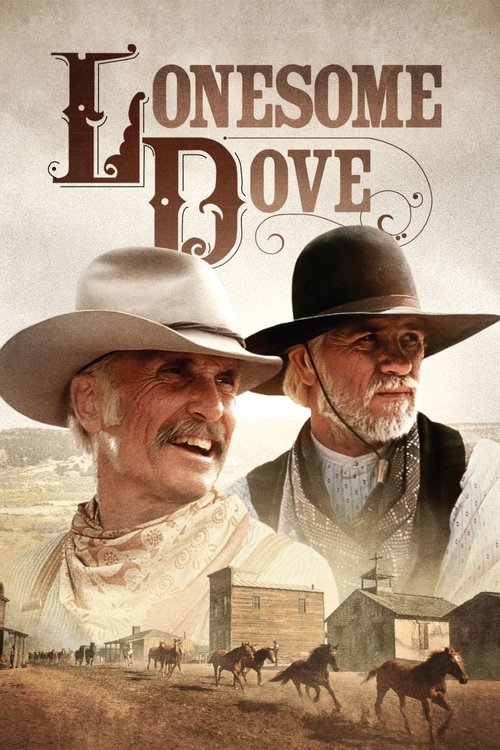
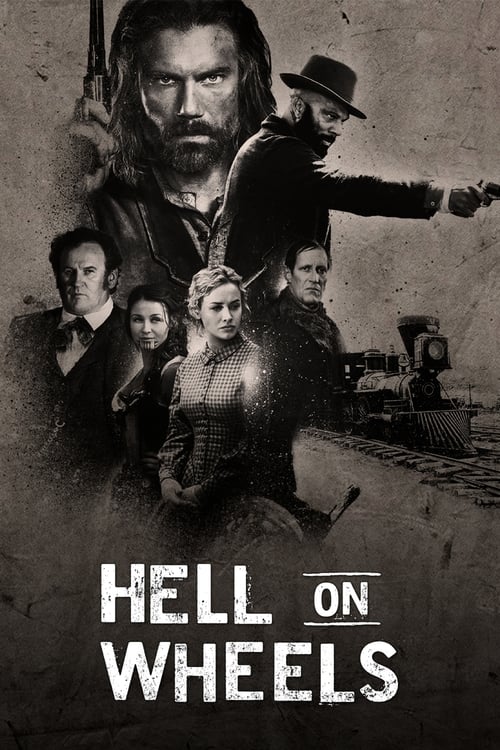
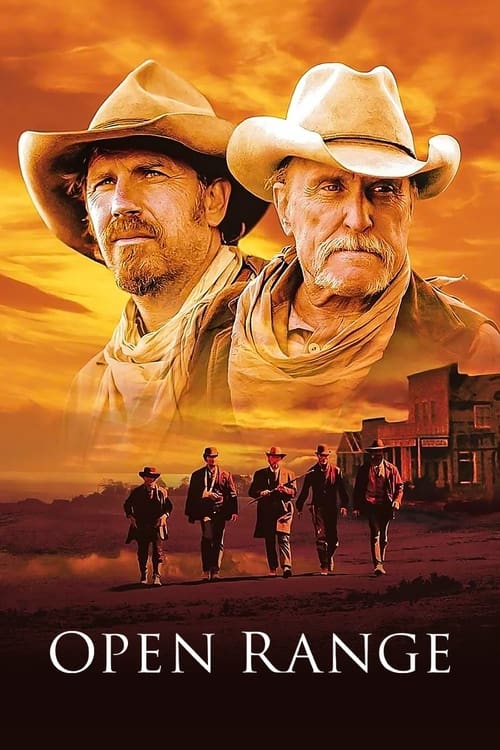
Westerns Worth Your Time
The genre Stewart helped redefine, and its best successors
The Source Material: Books Behind the Films
Novels and plays that fed Stewart's greatest roles


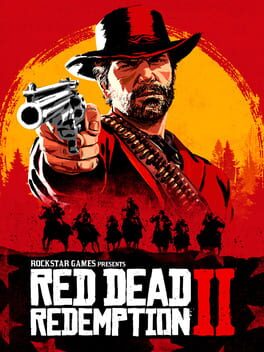
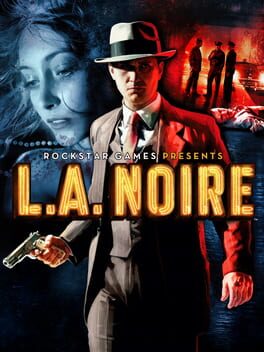
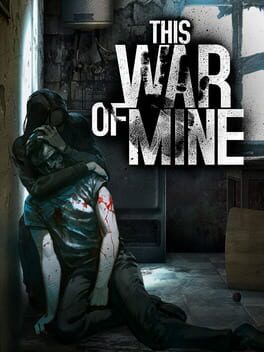
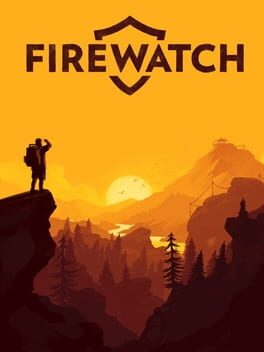
Games with the Same Moral Weight
Games about ordinary people under pressure, moral choices, and the cost of conviction
Vertigo Is the Bravest Thing Stewart Ever Did
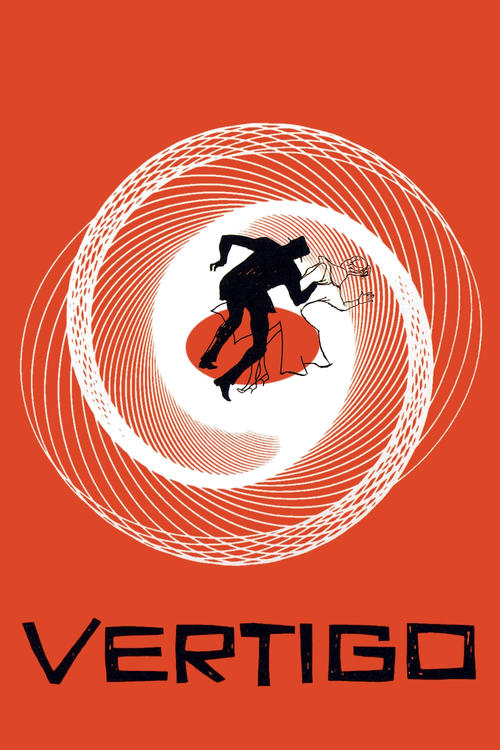
Stewart was 50 when he made Vertigo and had never played anything close to its protagonist: a detective whose obsessive love turns controlling and finally self-destructive. It is not a comfortable performance. Hitchcock used Stewart's established trustworthiness as a trap, letting audiences follow a man into behavior they would normally reject. The film failed commercially on release. Fifty years later it sits at or near the top of almost every serious critical ranking of cinema. Stewart never played it safe here, and it cost him at the box office.
The Anthony Mann Westerns Are Underrated
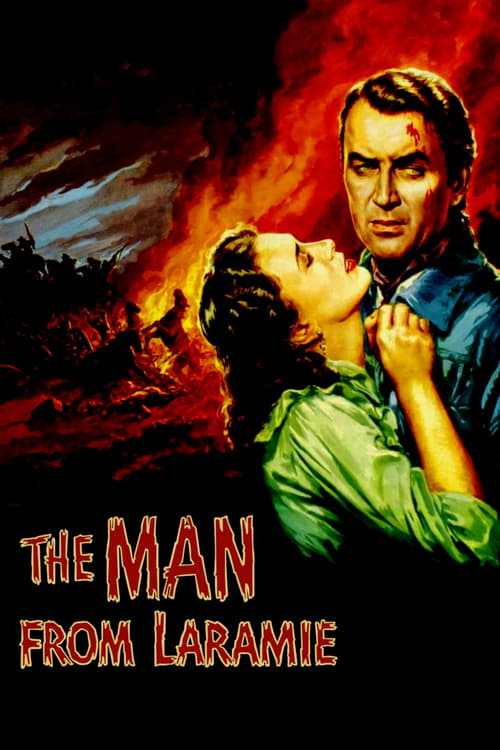
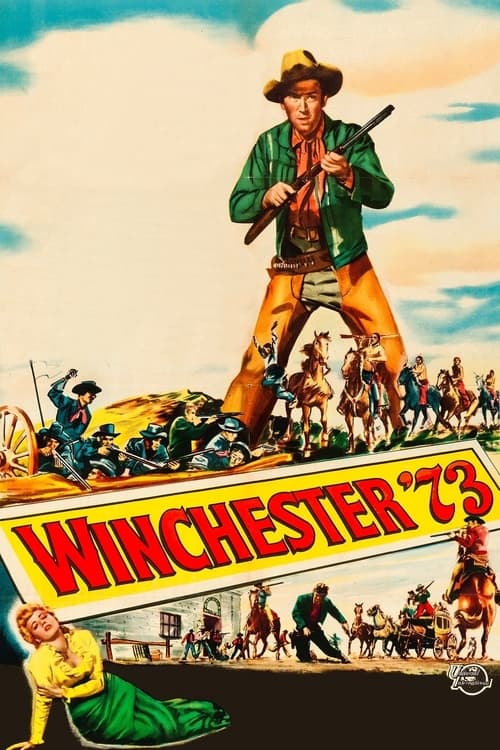
Between 1950 and 1955 Stewart made five Westerns with director Anthony Mann that collectively reinvented what a Western hero could be. These men carried grudges, made mistakes, and sometimes won through stubbornness rather than virtue. Winchester '73, Bend of the River, The Naked Spur, The Far Country, and The Man from Laramie form a complete arc through postwar American anxiety, dressed up as frontier adventure. They are still among the finest psychological Westerns ever made.
Harvey Is the Film That Explains Everything
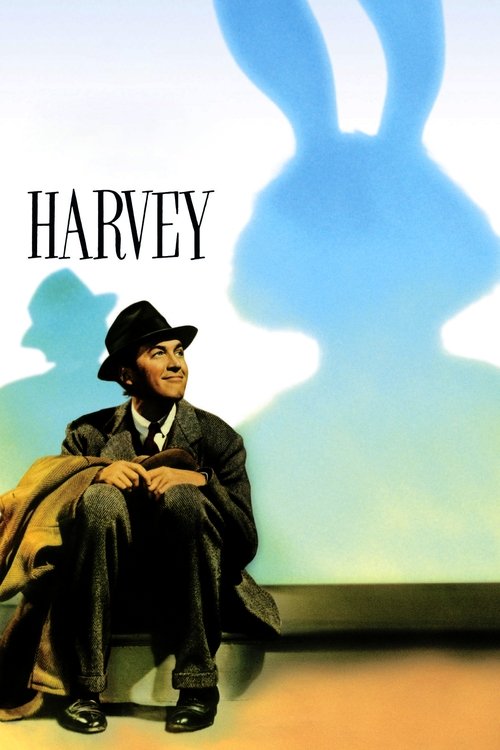
Elwood P. Dowd is Stewart's purest character: a man who sees an invisible six-foot rabbit named Harvey and refuses to apologize for it. The film is a comedy, but Elwood's philosophy of radical acceptance and unconditional kindness is played completely straight. Stewart understood that Elwood is not eccentric. He is simply free. Everything else in Stewart's career can be read as different ways of asking whether that kind of freedom is possible in the real world.
The Philadelphia Story: Where His Comedy Came From
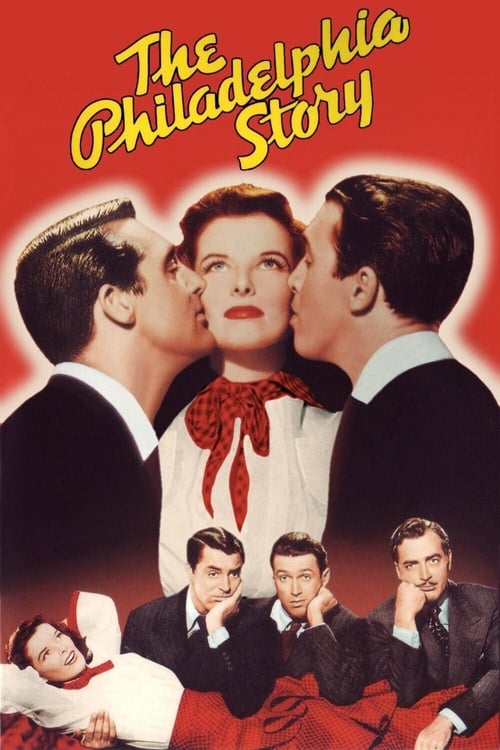
Before the Hitchcock collaborations and the psychological Westerns, Stewart won his only Academy Award for a screwball comedy, playing a wisecracking reporter opposite Cary Grant and Katharine Hepburn. The Philadelphia Story shows how much charm and comic timing underpinned his dramatic work. His ability to seem flustered and sharp at the same time carried directly into the nervous energy of Rear Window and the coiled impatience of his Mann Westerns.
Six Decades on Screen
- 1936Hollywood debut in small supporting roles After the Thin Man
- 1938First Capra collaboration, breakthrough role You Can't Take It with You
- 1939Career-defining performance as naive idealist Senator Jefferson Smith Mr. Smith Goes to Washington
- 1940Oscar win for Best Actor The Philadelphia Story
- 1941Enlists in the U.S. Army Air Forces; wartime service pauses his career
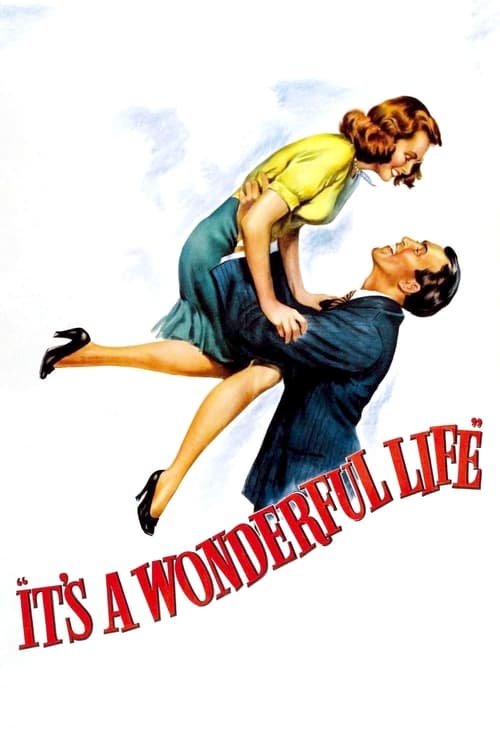
- 1946Postwar return, Capra's enduring Christmas classic It's a Wonderful Life
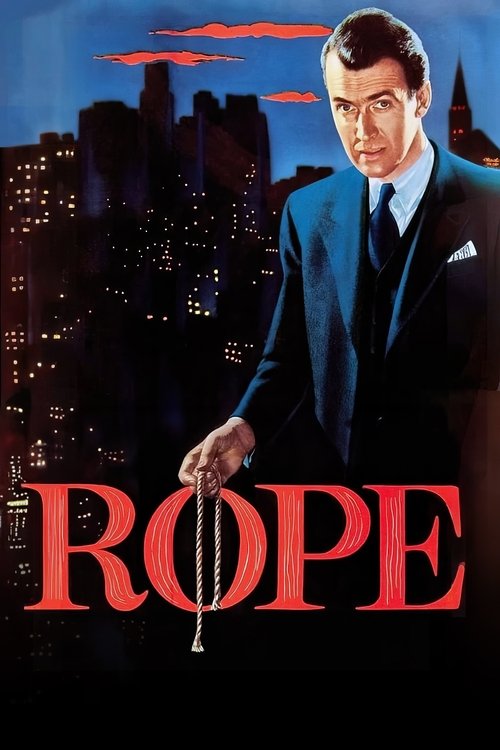
- 1948First Hitchcock: a single-take experiment in a New York apartment Rope
- 1950Psychological Western cycle begins with Mann Winchester '73
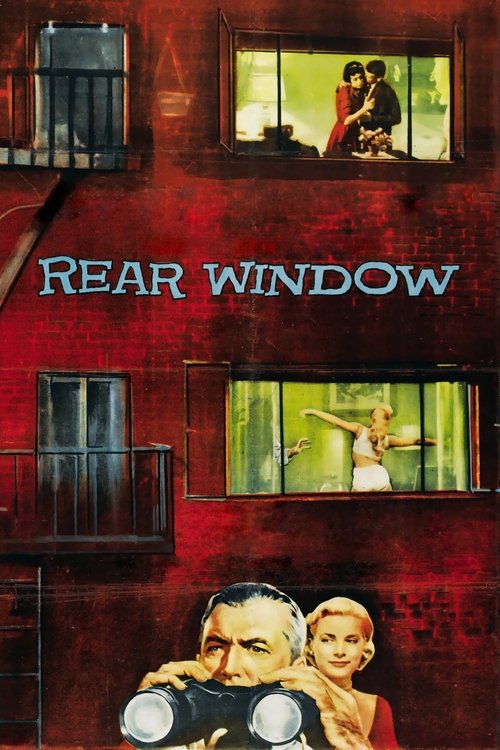
- 1954Hitchcock voyeurism masterwork Rear Window
- 1958His most complex and controversial performance Vertigo
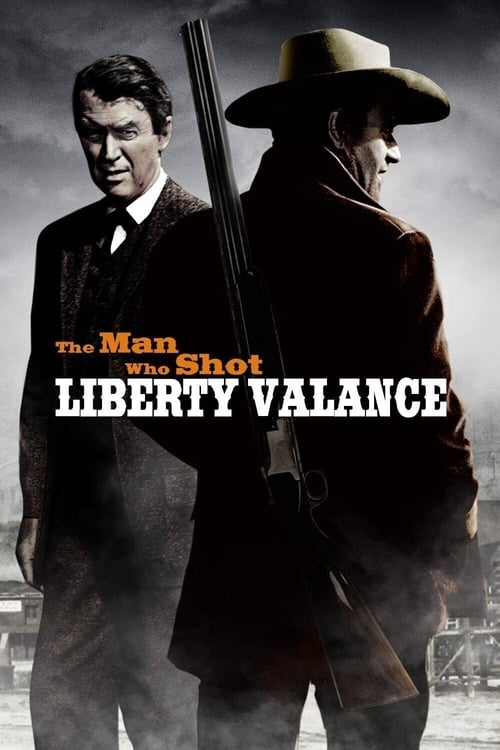
- 1962Ford's elegy for the Western myth The Man Who Shot Liberty Valance
- 1983Late television work, The Grand Jury Right of Way
Westerns and classic-era leading men
Westerns
Explore the Westerns guide →The secret of his appeal is that he never stopped being afraid. Fear is what made him human, and humanity is what made him unforgettable.CrossBinge editors