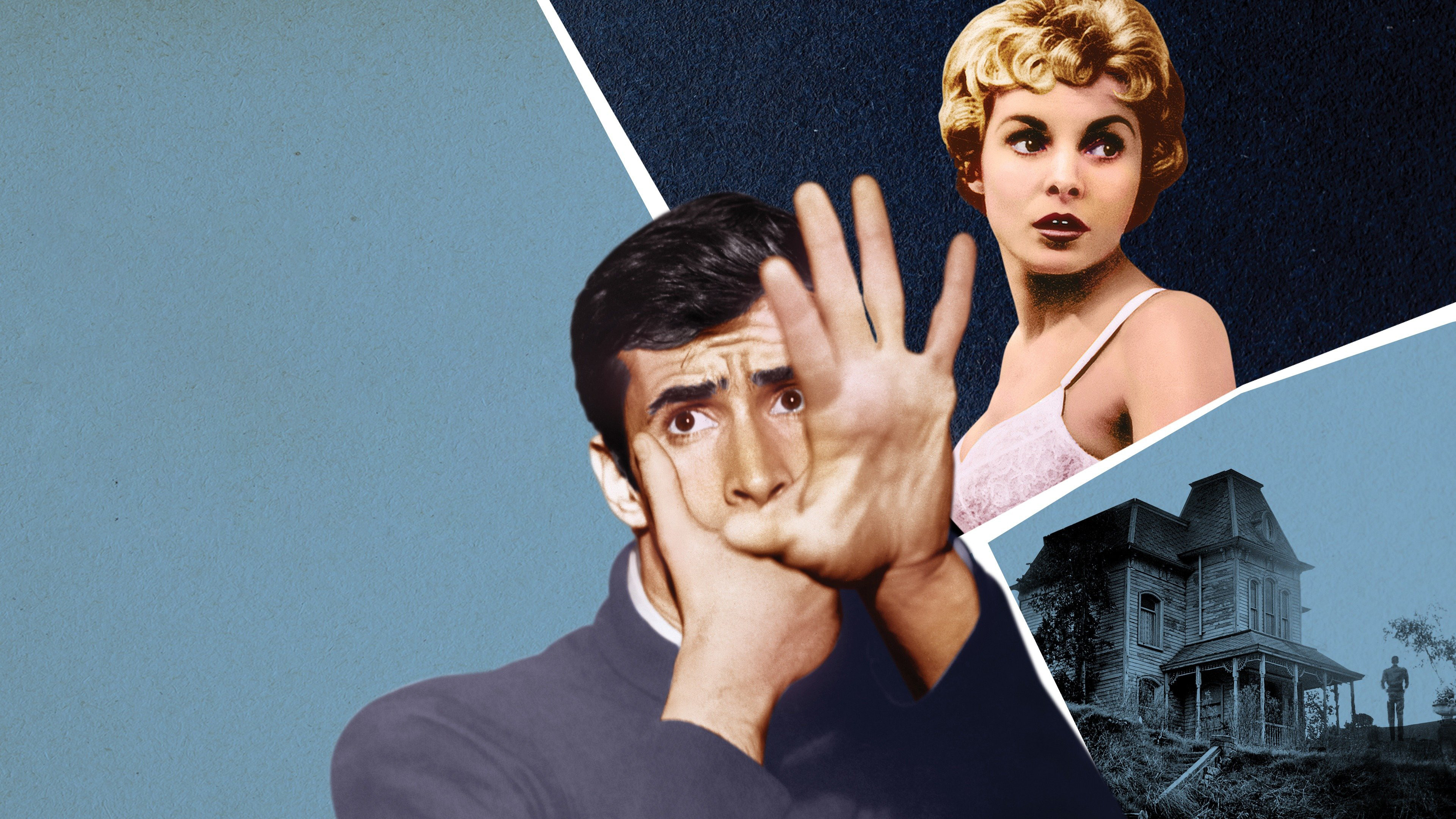

The Master of Suspense
Alfred Hitchcock did not invent the thriller, but he defined what the thriller could feel like from the inside. His films are not primarily about villains or plot mechanics; they are about the protagonist's mounting dread, the audience's complicity in watching something they should probably look away from, and the terrible gap between what characters know and what we know. Hitchcock understood that suspense is not surprise: it is the bomb under the table, ticking, while two men talk about baseball.
The texture his fans crave is specific. Ordinary people, often wrongly accused, suddenly swimming in systems designed to destroy them. Glamorous, cold women who turn out to be something else entirely. Staircases, keys, birds, ropes, rear windows. A camera that glides and holds and glides again, tilting the world just slightly off its axis so you feel the unease before you can name it. There is also, always, Hitchcock's deadpan wit, the same wit that lets you laugh one moment before pulling the floor out from under you.
Whether you came to him through Psycho, Vertigo, Rear Window, or the television series that made him a face in every living room, you are looking for that same feeling: the everyday made sinister, and the sinister made somehow irresistible.
Essential Hitchcock
The films and the television work, ranked by where to start
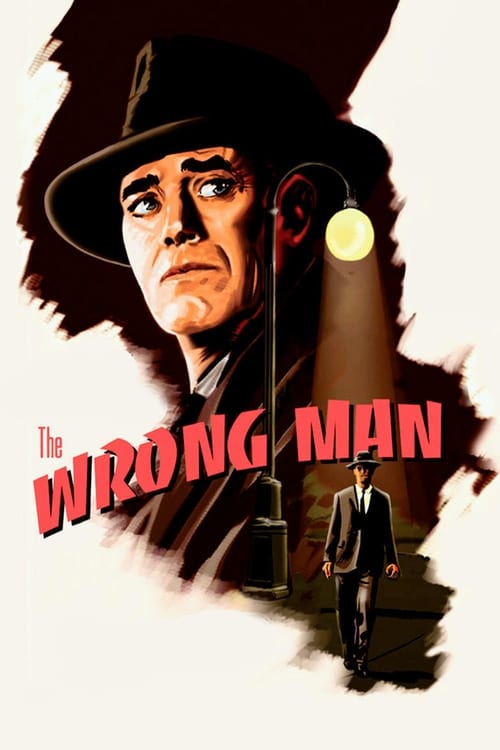
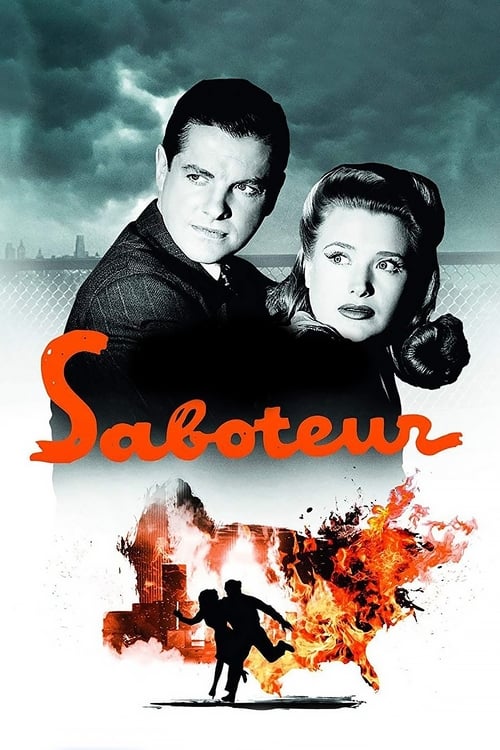
The Wrongly Accused, the Surveilled, the Trapped
Films that put an innocent person through systems built to chew them up

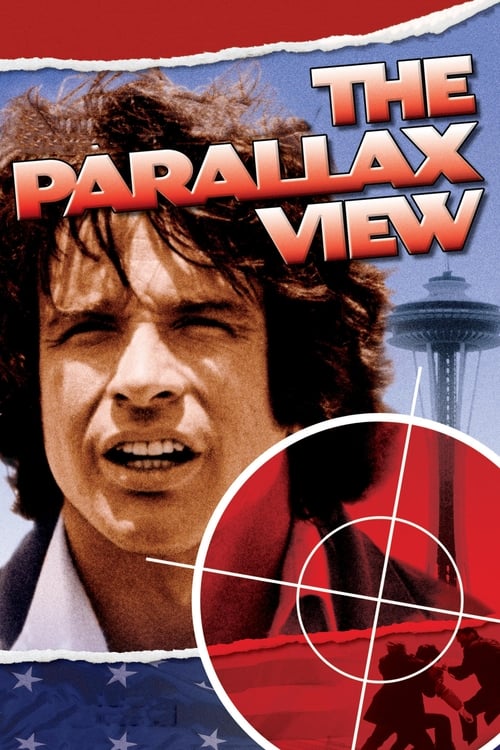
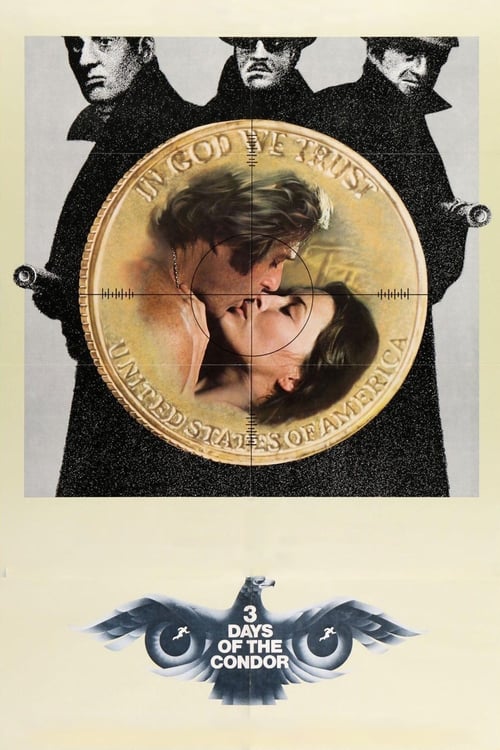
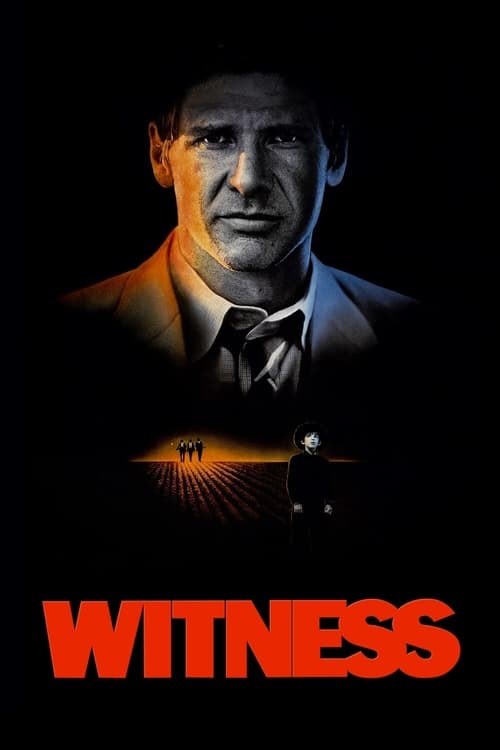

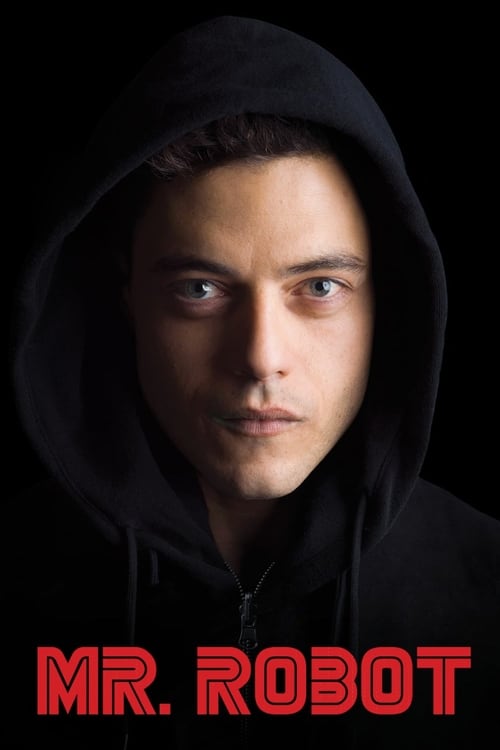
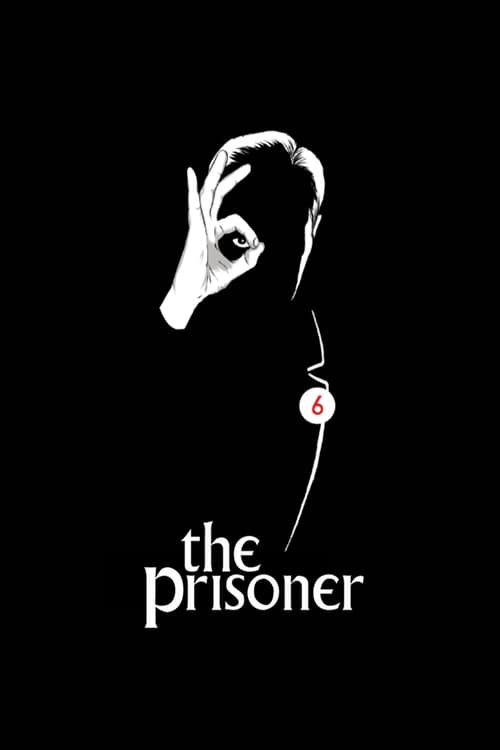
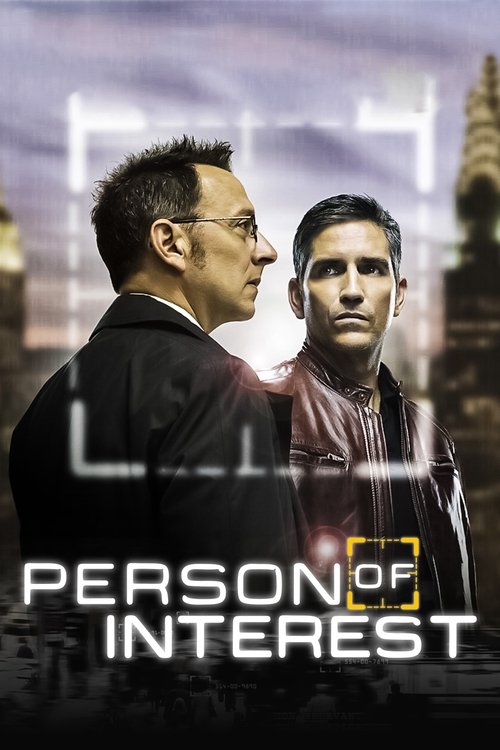
Slow-Burn Dread and the Architecture of Tension
Thrillers that use space, silence, and camera work the way Hitchcock did
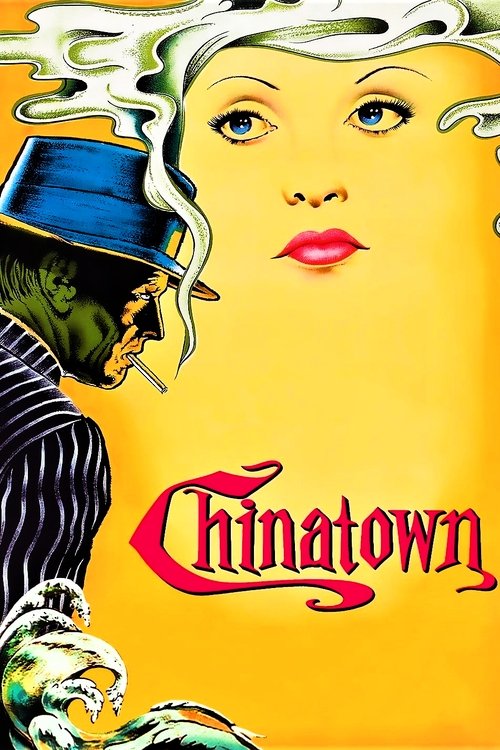
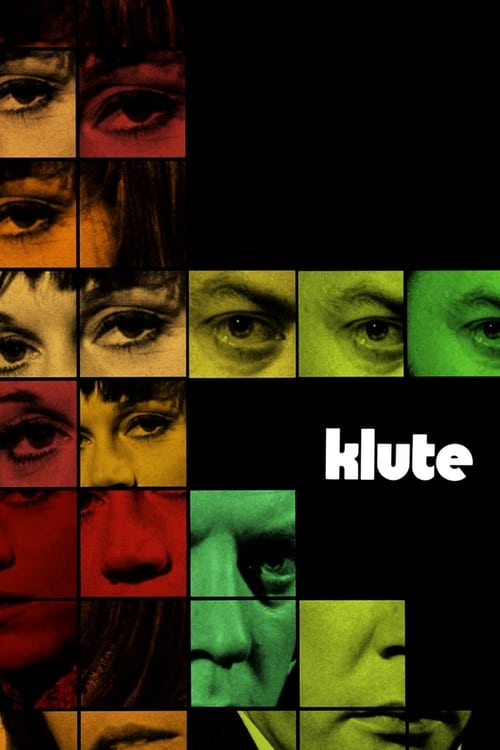
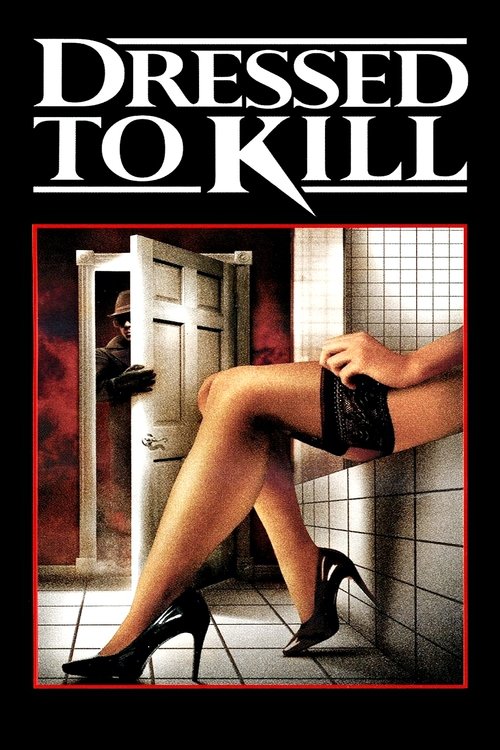
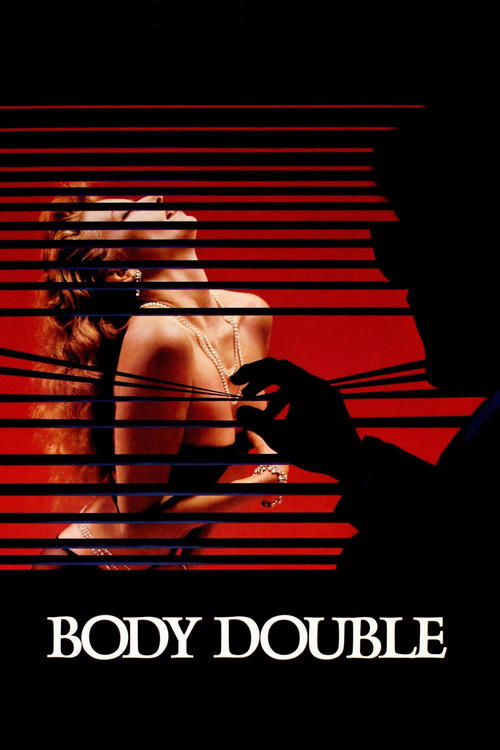
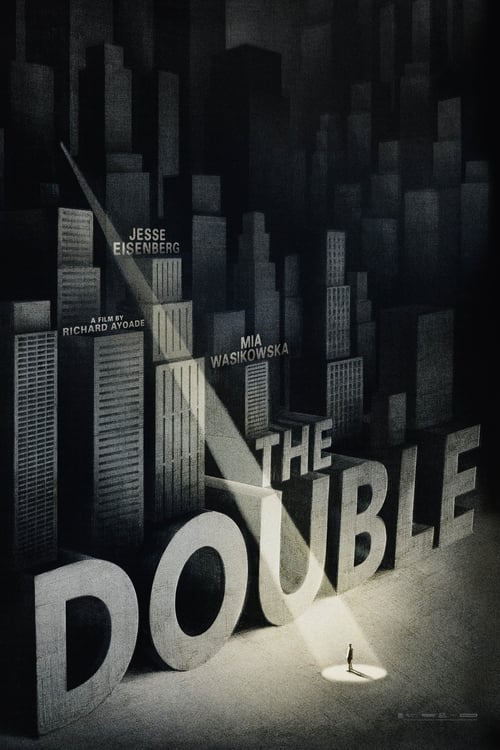
Obsession, Doubles, and Dangerous Knowledge
Works that share Hitchcock's interest in identity fracture and the compulsive gaze


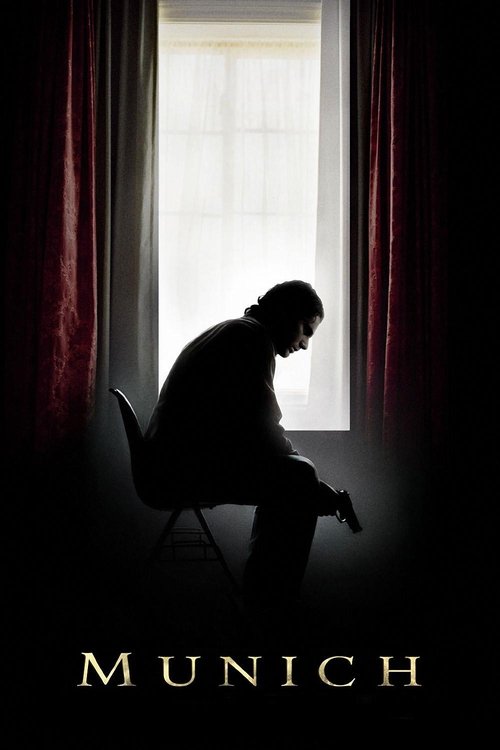
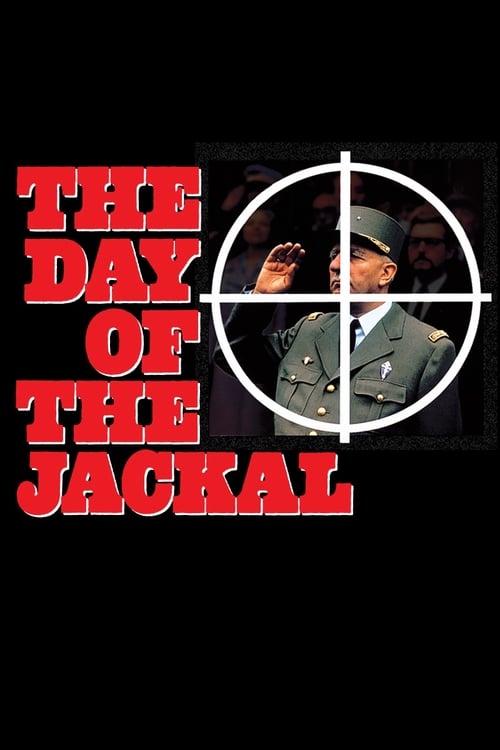
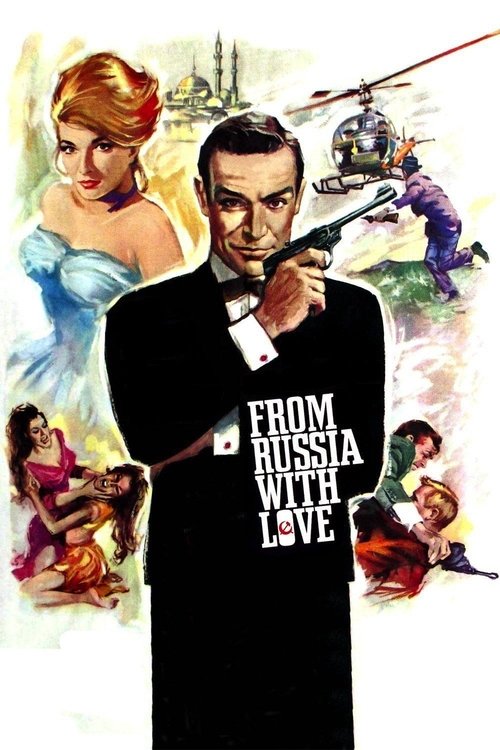
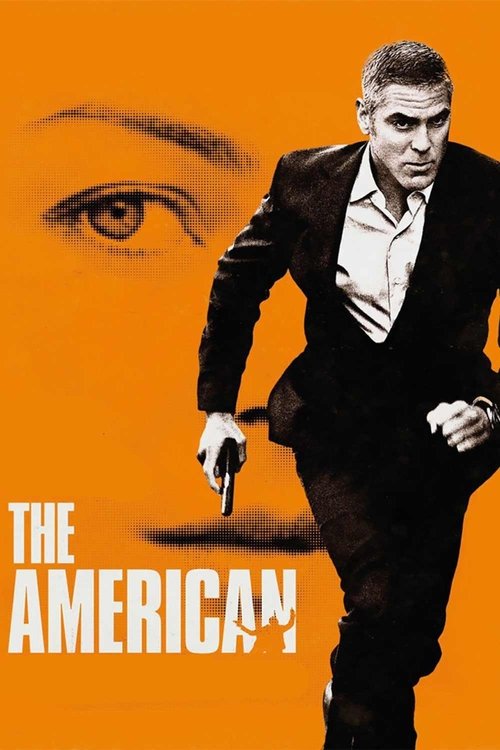
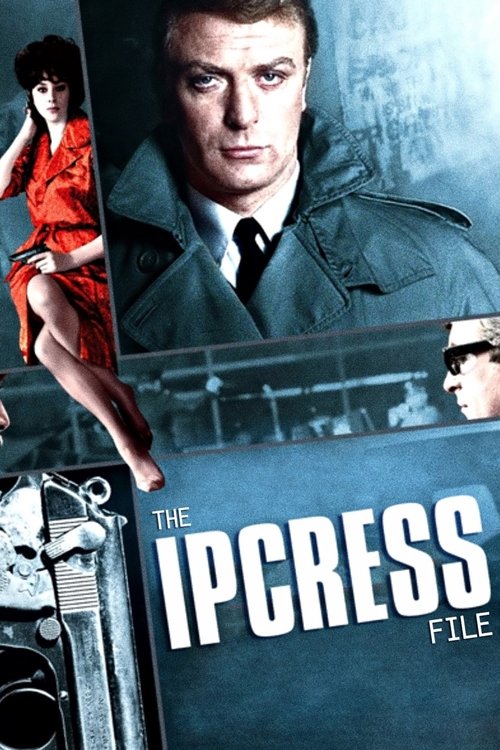
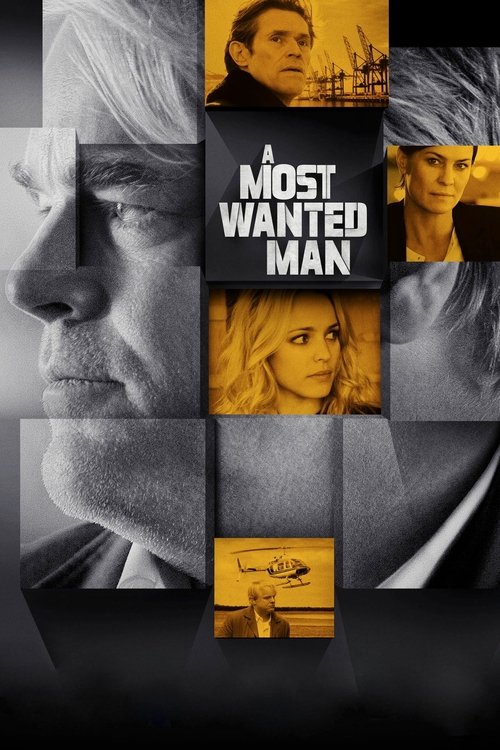
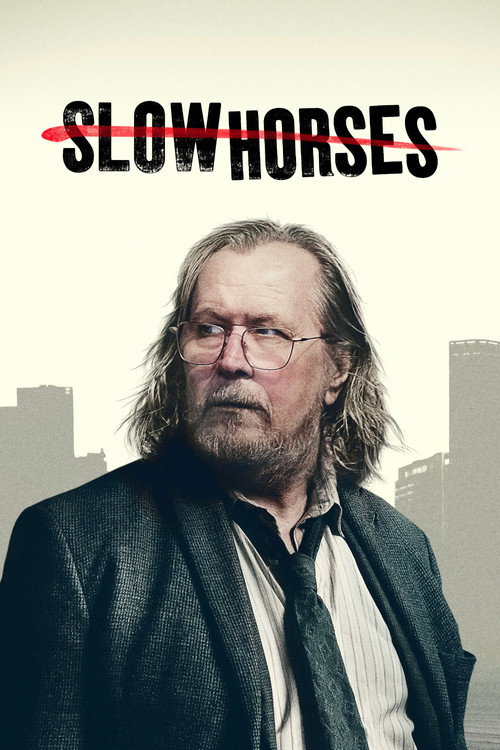
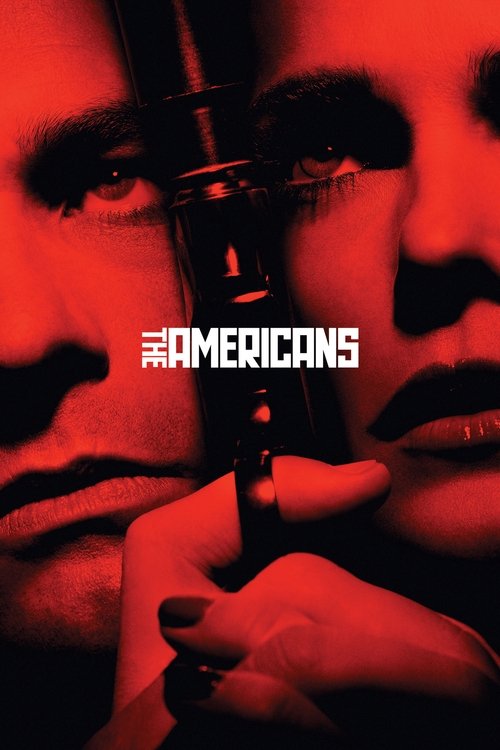
MacGuffins, Spies, and Glamorous Danger
The tradecraft thriller lineage Hitchcock launched



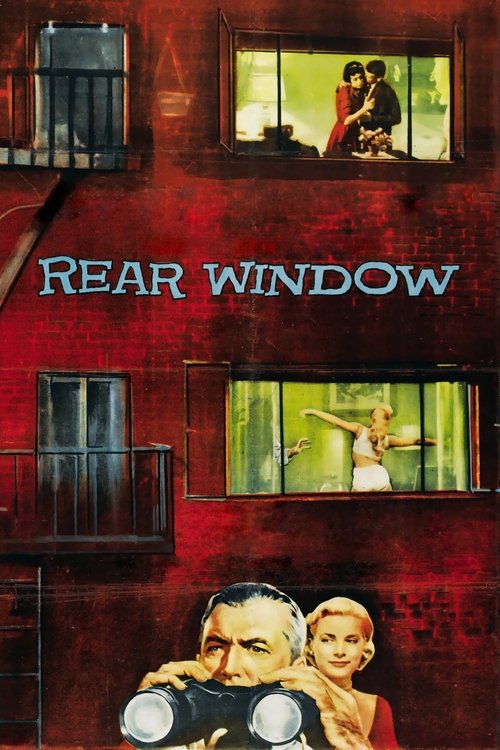
Start with Rear Window, not Psycho
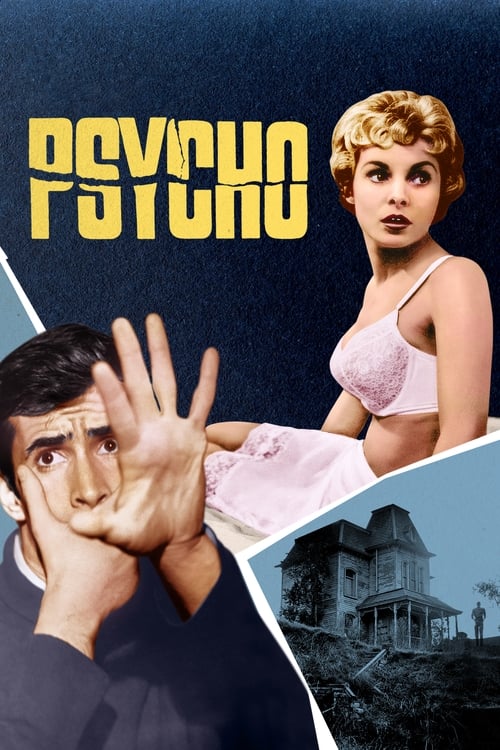
Rear Window is the better entry point because it is the most transparent about what Hitchcock is actually doing. The camera is a surrogate for the audience; Jeff is us, watching, projecting, constructing a narrative from fragments. Psycho is the masterwork, but newcomers often encounter it as a horror film, which means they are watching for scares. Rear Window teaches you to watch for meaning, and once you know how to watch, Psycho becomes something far more disturbing than a slasher.
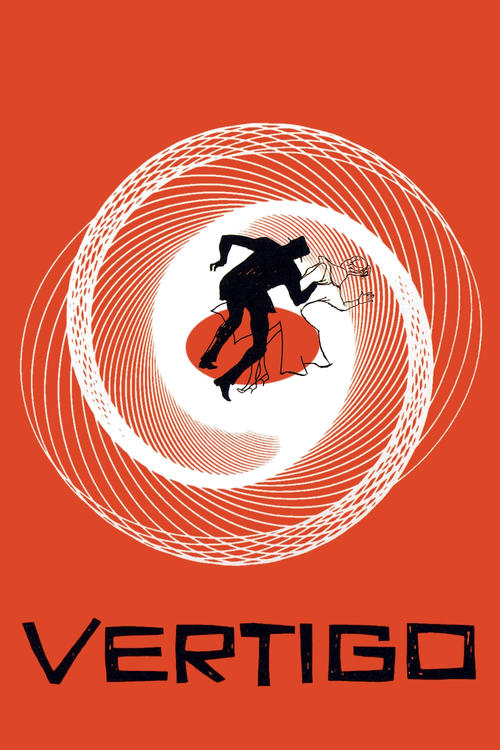
Vertigo is better on a second watch, and that is the point
Hitchcock gives away the twist of Vertigo with roughly an hour left in the film. First-time viewers are often confused by this, feeling cheated of the mystery. On a second viewing, the whole film transforms into a portrait of delusion and bad faith: you watch Scottie construct a woman and you understand, this time, exactly what he is doing and why it cannot end well. Hitchcock was not interested in whodunit; he was interested in obsession as self-destruction.
Shadow of a Doubt is his most underrated film
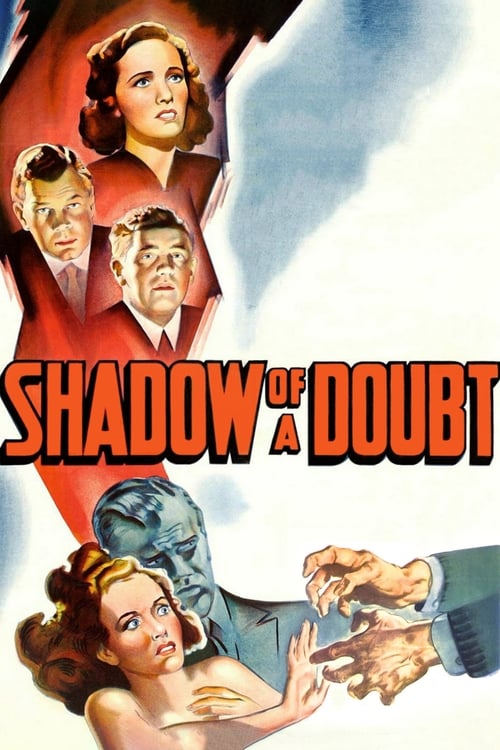
Shadow of a Doubt has no spectacular set piece, no iconic image as lodged in the culture as the Bates Motel shower or the crop duster. What it has is a sustained, merciless examination of how evil can live inside the family unit and how knowing the truth can be just as dangerous as ignorance. Hitchcock reportedly considered it his personal favourite, which makes sense: it is the least showy and the most disturbing.
The spiritual successor is David Fincher
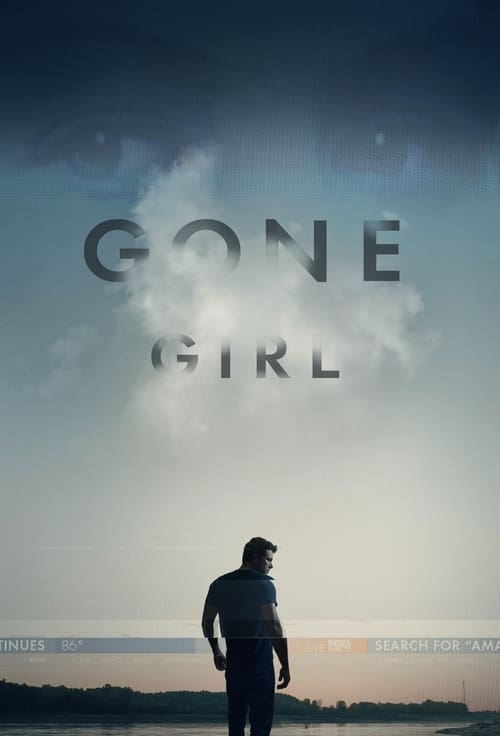
Fincher inherited Hitchcock's conviction that the camera is complicit in what it shows. Se7en, Zodiac, Gone Girl, and The Girl with the Dragon Tattoo all share the Hitchcock fixation on systems of watching and being watched, on ordinary people confronting evil that is both external and disturbingly intimate. Where Hitchcock was precise and often cool, Fincher is relentlessly textured and procedural, but the underlying architecture is the same.
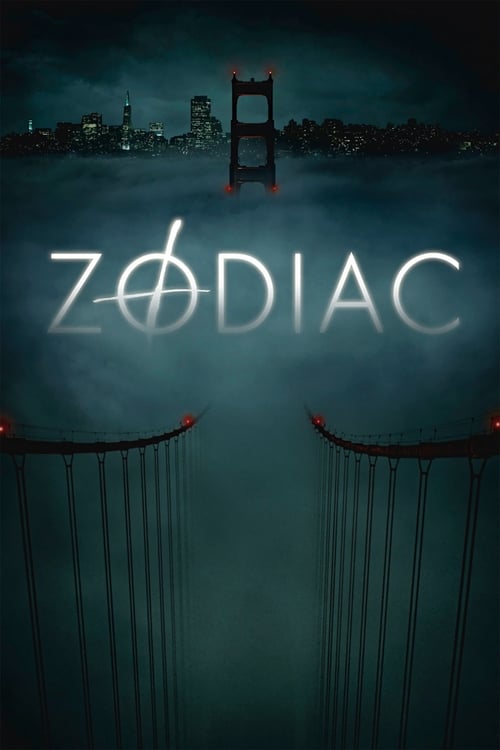
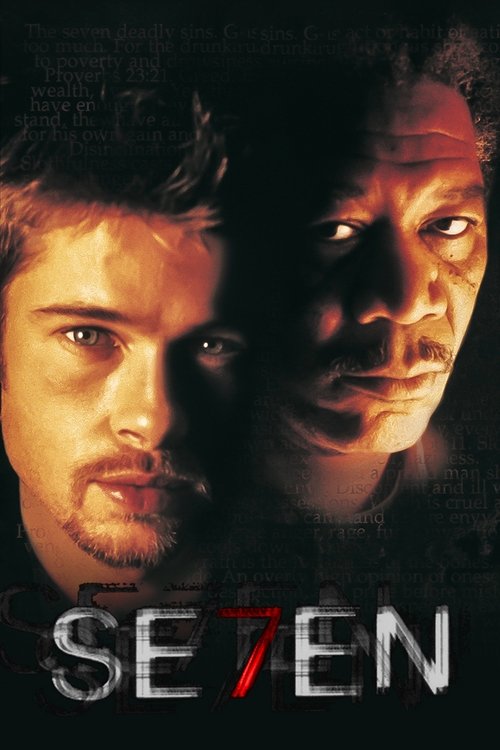
There is no terror in the bang, only in the anticipation of it.Alfred Hitchcock
Hitchcock's Filmography: Key Milestones
- 1927First British sound-era film The Lodger: A Story of the London Fog
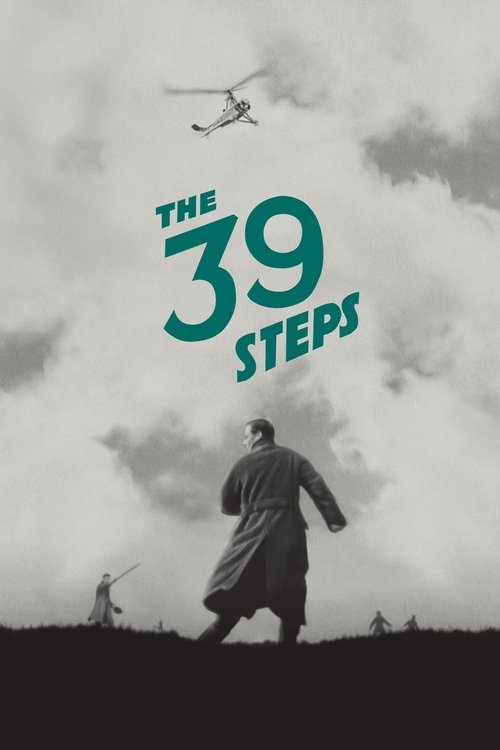
- 1935The 39 Steps establishes the thriller template The 39 Steps
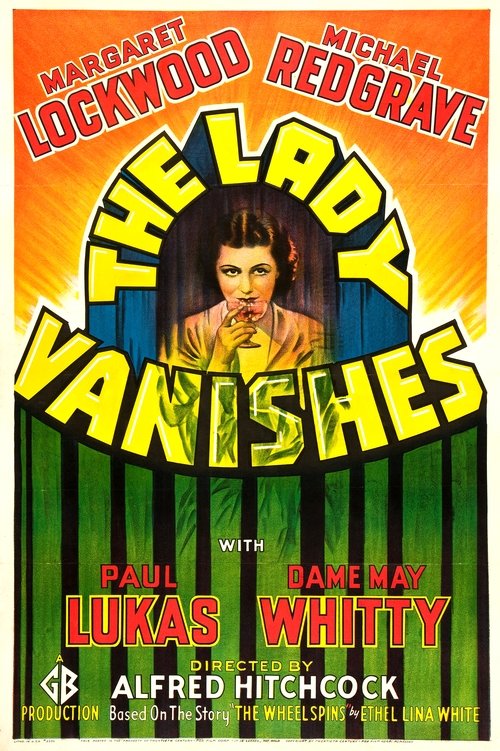
- 1938Last British masterwork before Hollywood The Lady Vanishes
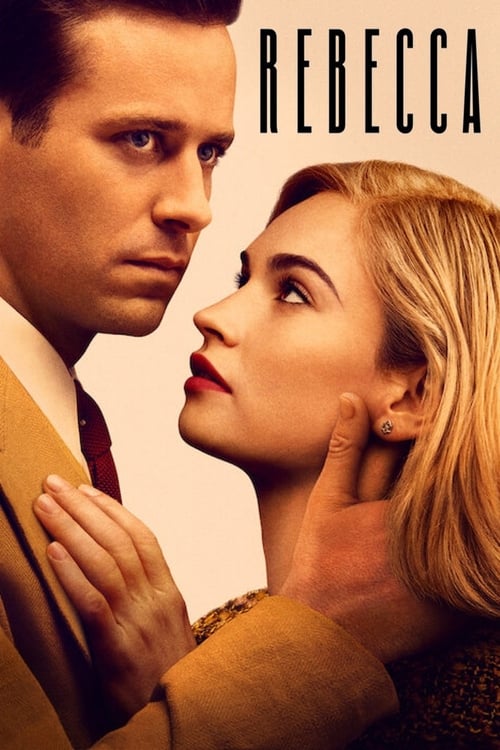
- 1940First American film wins Best Picture Rebecca
- 1946The espionage romance peaks Notorious
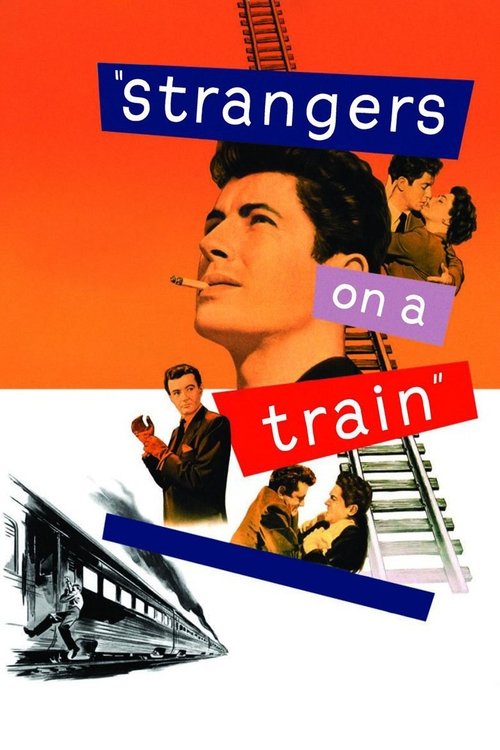
- 1951The strangers-on-a-train conceit perfected Strangers on a Train
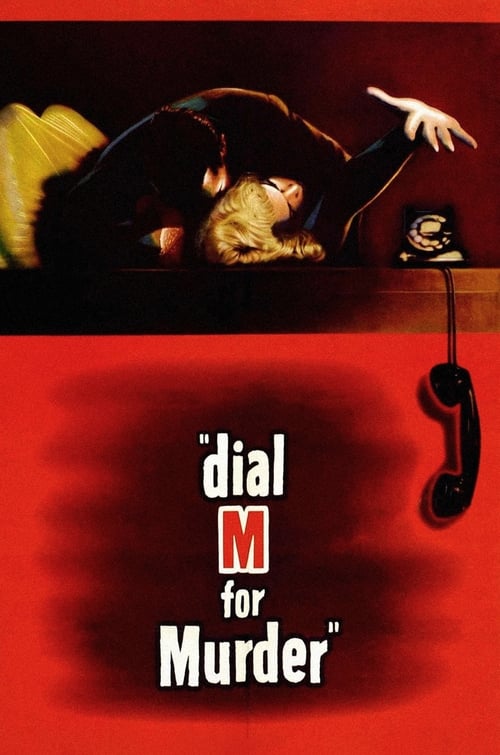
- 1954Rear Window and Dial M for Murder, both in one year
- 1955Alfred Hitchcock Presents begins on CBS Alfred Hitchcock Presents
- 1958Vertigo, the most dissected film ever made Vertigo
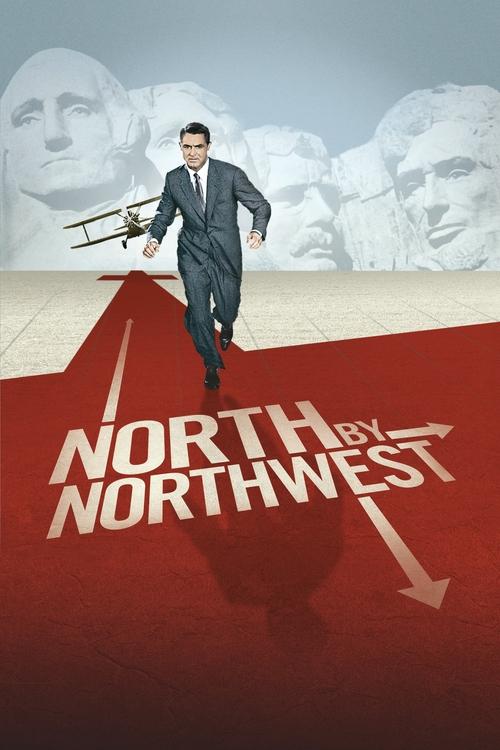
- 1959North by Northwest: the MacGuffin at full gallop North by Northwest
- 1960Psycho redraws the horror genre's map Psycho
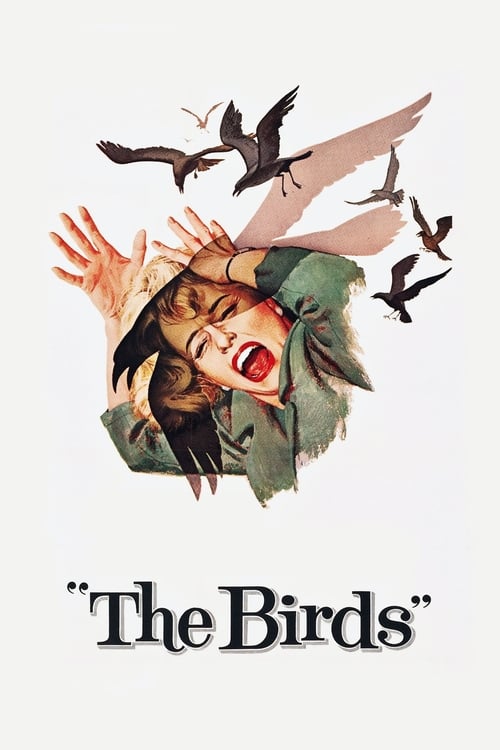
- 1963The Birds, a late surrealist masterpiece The Birds