
Jane Austen wrote only six completed novels, yet she rebuilt the architecture of English fiction. Her territory is narrow by geography and vast by psychology: the country house, the assembly room, the parlour conversation. Within those walls she mapped the full pressure of a society that required women to marry well or disappear into genteel poverty, and she did it with an irony so fine it still cuts. The through-line her fans love is not bonnets or balls (though those help), it is the pleasure of watching a sharp mind refuse to be flattened by social convention, and the particular electricity of two people who spar before they fall. Austen invented that tension, and almost every romantic comedy, prestige drama, and enemies-to-lovers arc since owes her a debt it rarely acknowledges.
Essential Jane Austen
The six novels, ranked by the company they keep on bedside tables everywhere



Austen on Screen: The Definitive Adaptations
Films and series that capture her voice, her wit, and the combustive longing beneath every drawing-room exchange

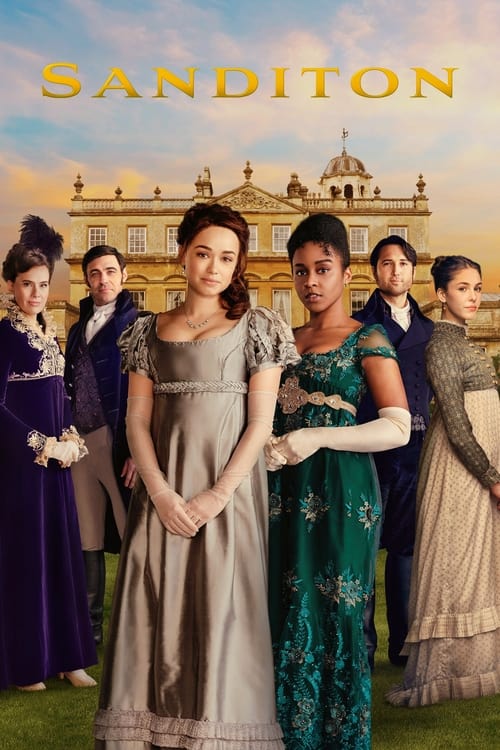
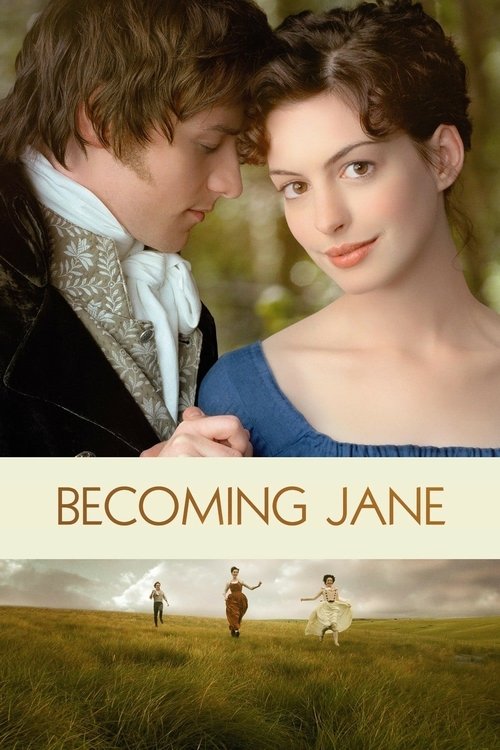
The Austen Modern: When Her Spirit Crossed Centuries
Adaptations and riffs that transplant her world into ours and prove the social comedy is timeless

Period Romance and Costume Drama: The World She Defined
If you love the texture of Austen's England, these films and series live in the same air
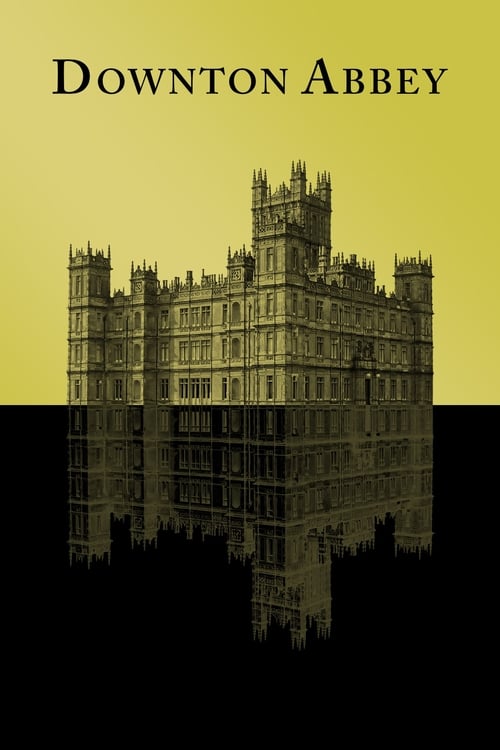

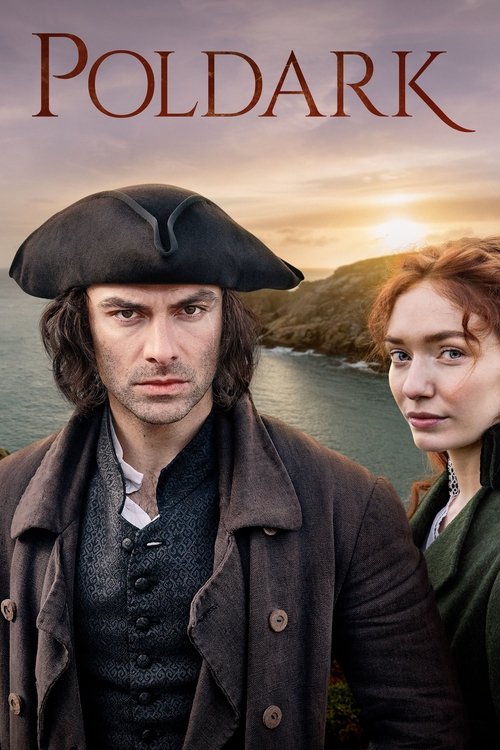
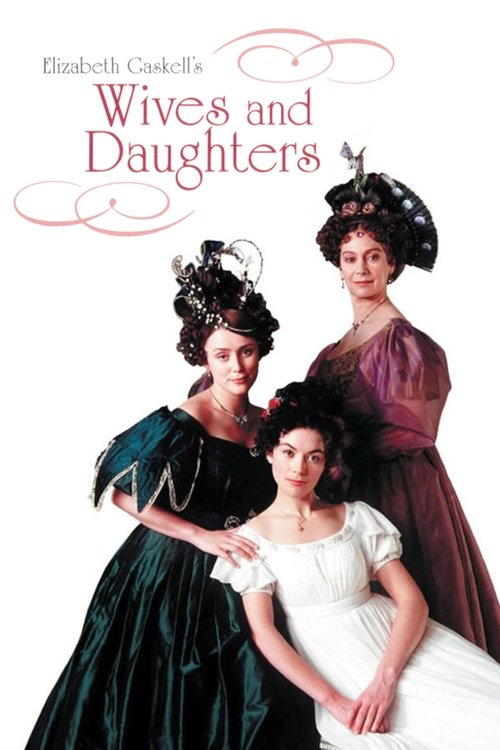
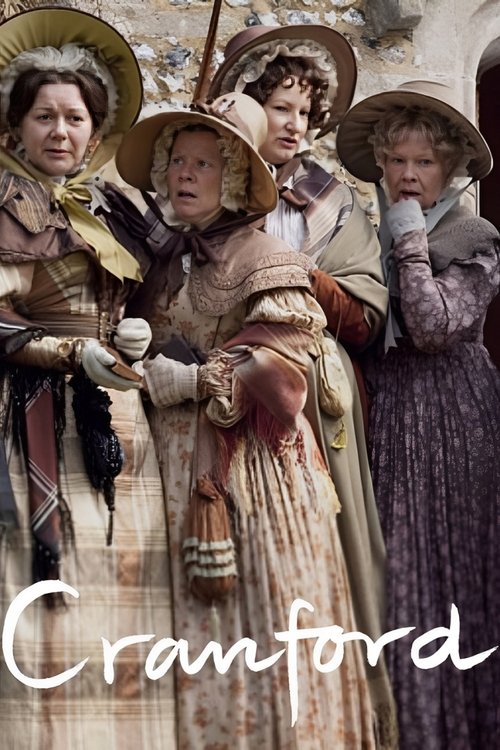
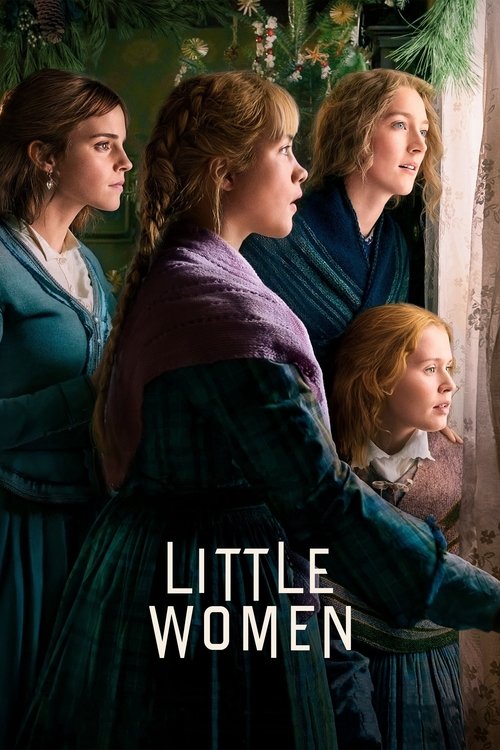
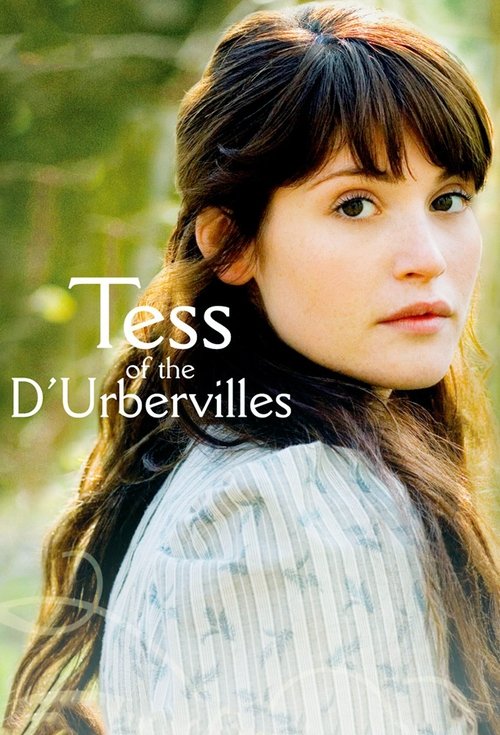
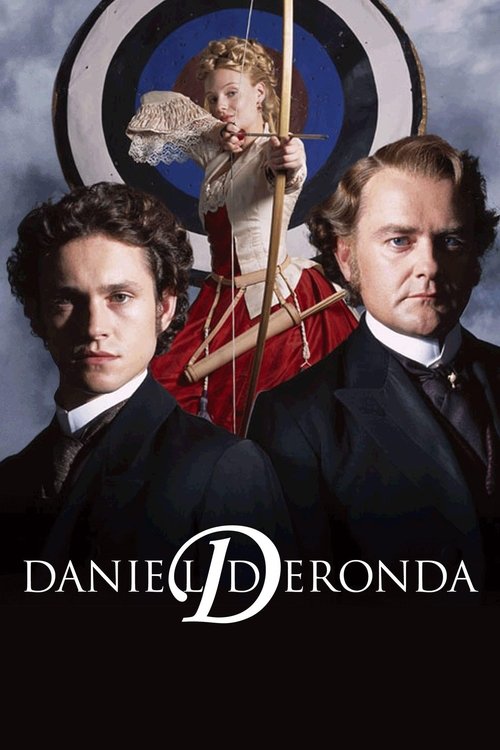
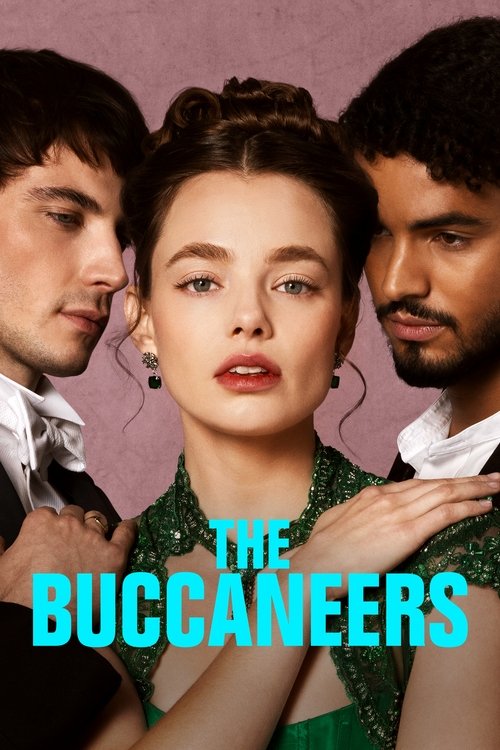
If You Love Austen, Read These Authors
Her peers, her heirs, and the writers who share her obsession with manners, marriage, and the inner life




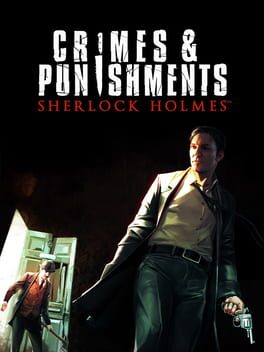
Games and Interactive Stories for the Austen-Minded
Narrative games where social navigation, romance, and sharp choices matter as much as action
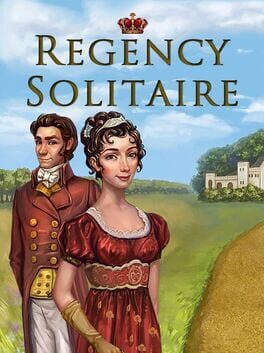
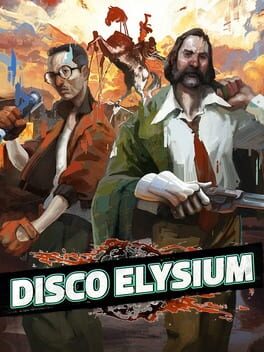
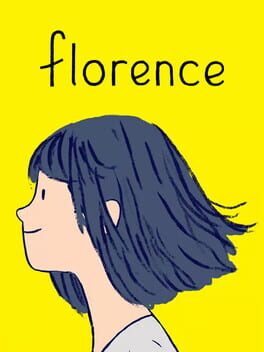
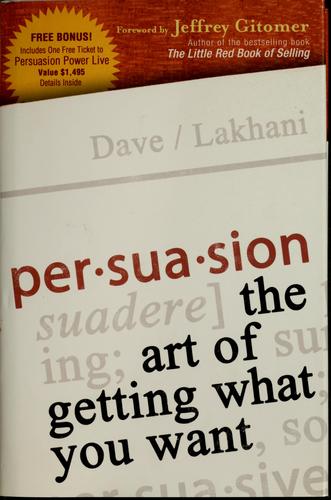
Persuasion Is Her Best Novel and Nobody Wants to Hear It
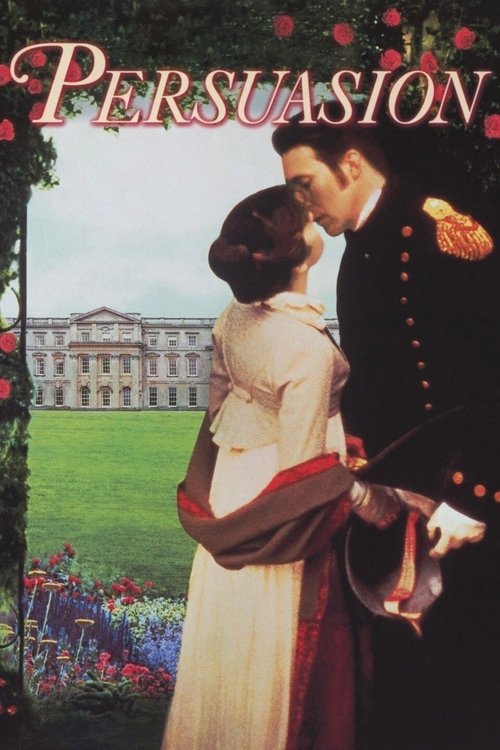
Pride and Prejudice gets the readers, but Persuasion gets the second-reads. Written in the final months of Austen's life, it is the one where the wit goes quiet and the feeling comes through undisguised. Anne Elliot is Austen's only heroine who made the wrong choice and has lived with it. Captain Wentworth's letter, written in real time during a conversation about whether a woman could outlove a man, is the most purely romantic scene in English prose. The 2022 Netflix film fumbled it badly, which is instructive: Persuasion works precisely because Austen does not over-explain it.
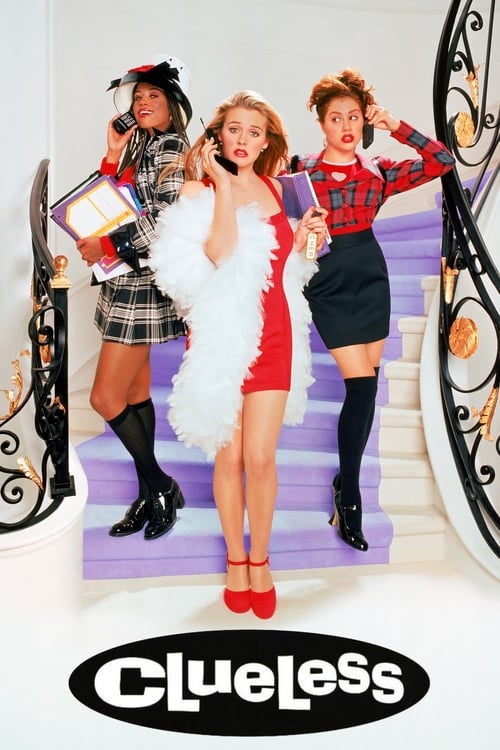
Clueless Understood Austen Better Than Most Lit-Fic Adaptations
Amy Heckerling's 1995 transplant of Emma to a Beverly Hills high school works not because it's clever casting but because it understands the novel's engine: a heroine who believes she is helping others while being comprehensively blind to her own feelings. Cher Horowitz is as self-deceived as Emma Woodhouse, and the comedy of her gradual education is identical in structure. Clueless also preserved something stuffy period adaptations often lose: Austen's genuine affection for her heroine, even when she is wrong.
George Eliot Is the Next Stop After Austen
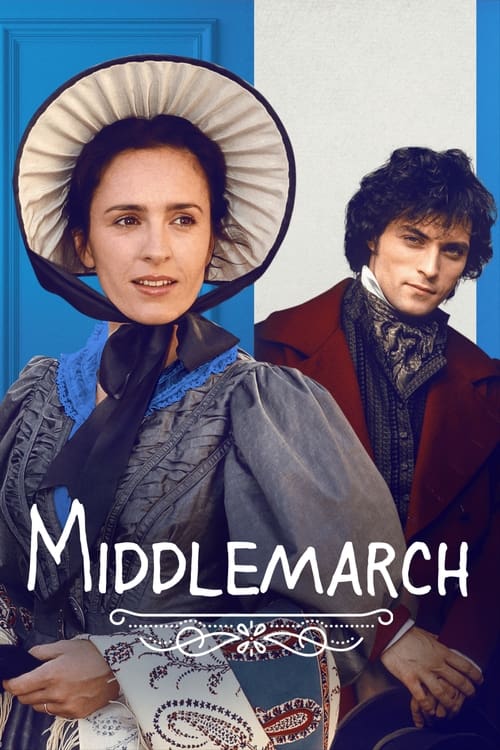
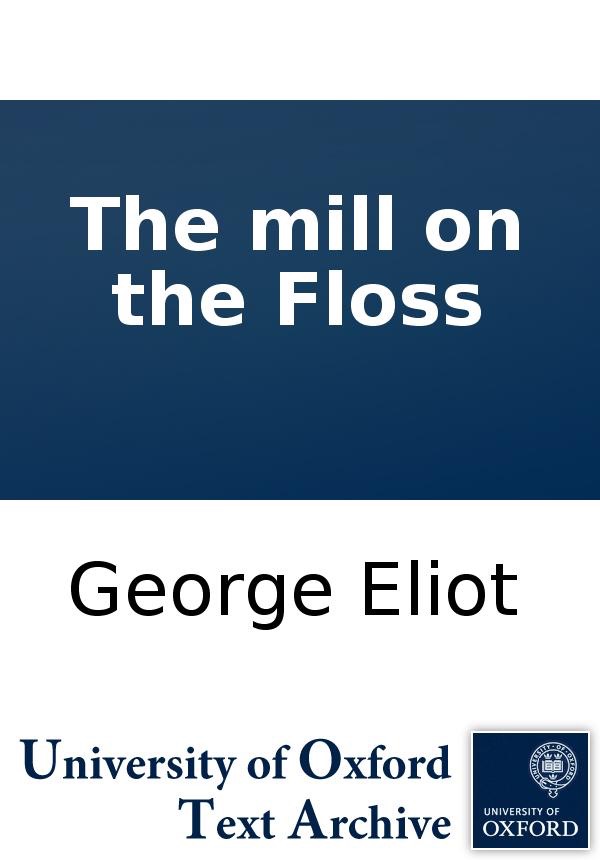
Readers who finish the six novels and need somewhere to go often try Dickens or Trollope, which is fine but not quite right. The closer heir is George Eliot. Middlemarch has Austen's sociological precision and her dry comedy of manners, but it extends both into darker, more explicitly political territory. Dorothea Brooke and Lydgate are making the same calculation as any Austen heroine (marry or not, and for what?), except Eliot is unsparing about the material consequences. Start with Middlemarch, then go back to The Mill on the Floss.
The 1995 BBC Pride and Prejudice Remains the Standard
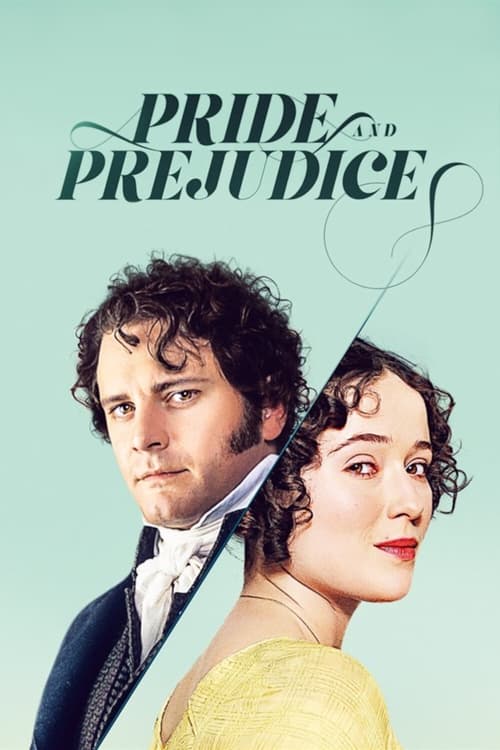
Every decade produces a new Pride and Prejudice adaptation, and every decade the 1995 BBC miniseries reasserts itself as the correct version. What Colin Firth and Jennifer Ehle found in that six-episode format was something cinema rarely manages: the time to let the relationship cool, then warm, then cool again, at Austen's actual rhythm. The 2005 film with Keira Knightley is beautiful and earns its defenders. But the BBC version is what happens when you trust the book.
Jane Austen and Her Afterlife
- 1775Jane Austen born in Steventon, Hampshire
- 1796First draft of 'First Impressions' (later Pride and Prejudice) completed
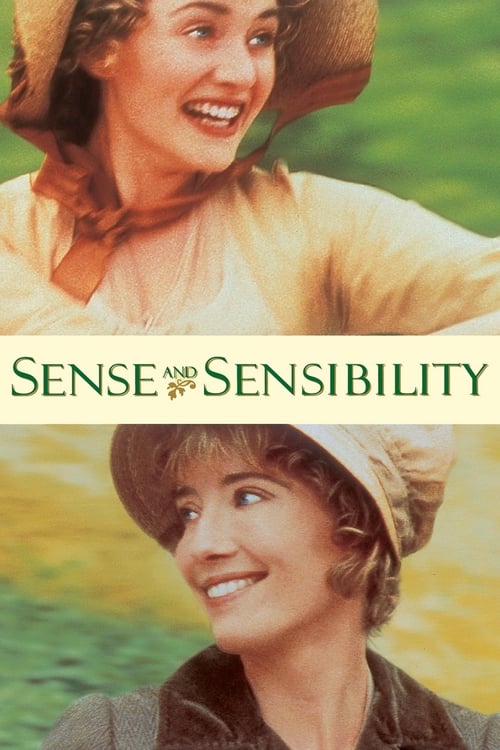
- 1811Sense and Sensibility published, her first novel in print Sense and Sensibility
- 1813Pride and Prejudice published Pride and Prejudice
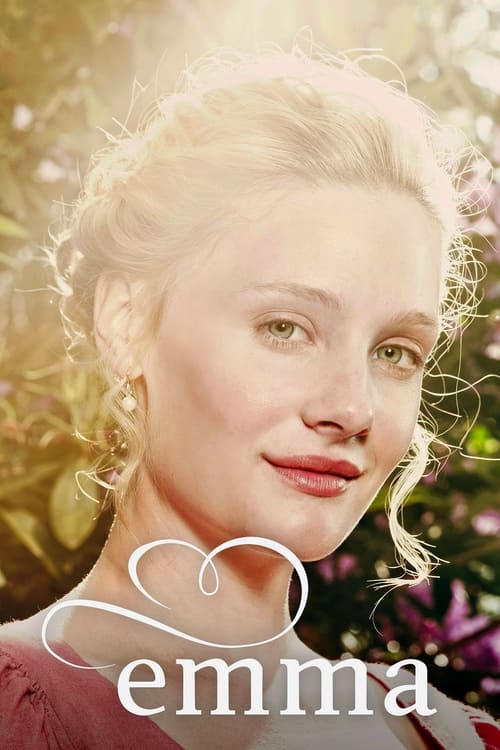
- 1815Emma published Emma
- 1817Austen dies at 41; Persuasion and Northanger Abbey published posthumously
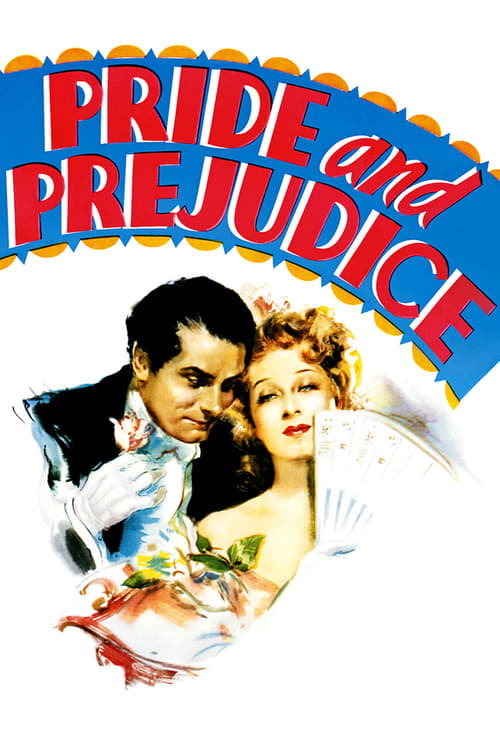
- 1940First Hollywood Pride and Prejudice, starring Laurence Olivier and Greer Garson Pride and Prejudice
- 1995BBC Pride and Prejudice miniseries becomes a cultural event Pride and Prejudice
- 1995Clueless reframes Emma for Gen X Clueless
- 1995Sense and Sensibility film by Ang Lee, screenplay by Emma Thompson Sense and Sensibility
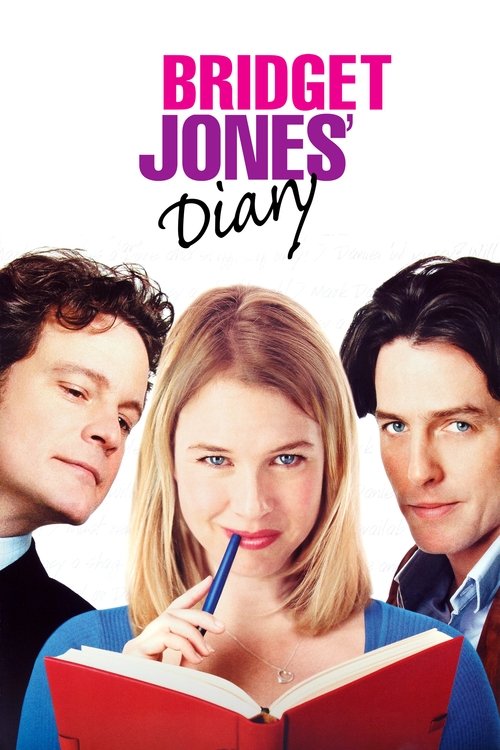
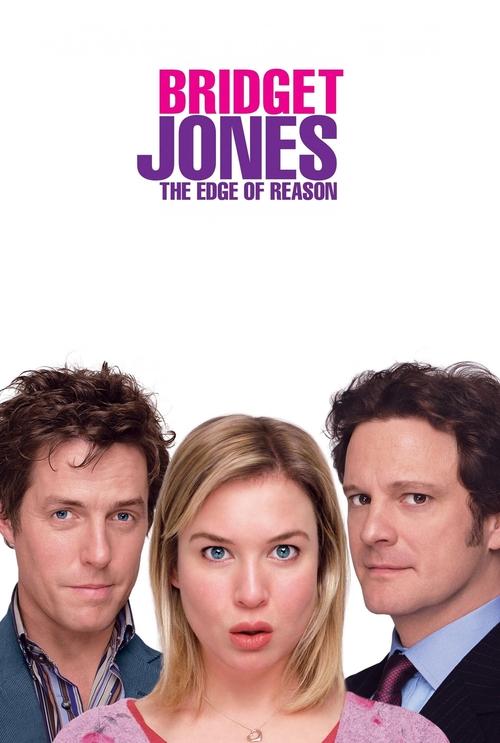
- 2001Bridget Jones's Diary makes the Darcy template explicit for a new generation Bridget Jones's Diary
- 2005Pride and Prejudice film with Keira Knightley Pride and Prejudice
- 2009Austen's face placed on the British ten-pound note
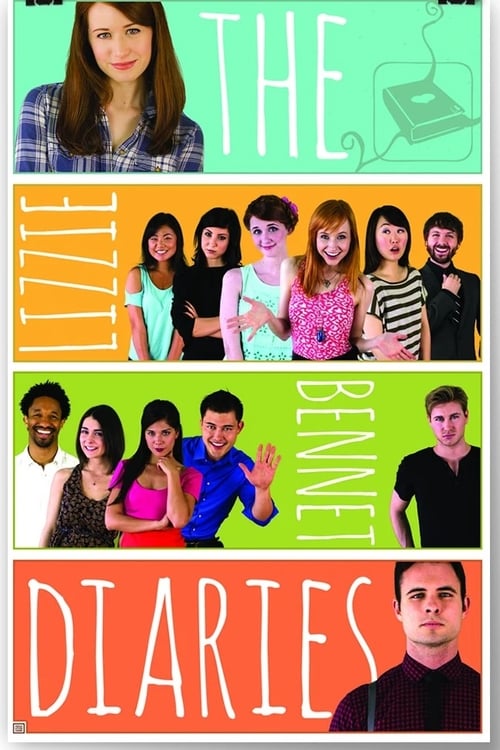
- 2012The Lizzie Bennet Diaries takes the novel to YouTube The Lizzie Bennet Diaries
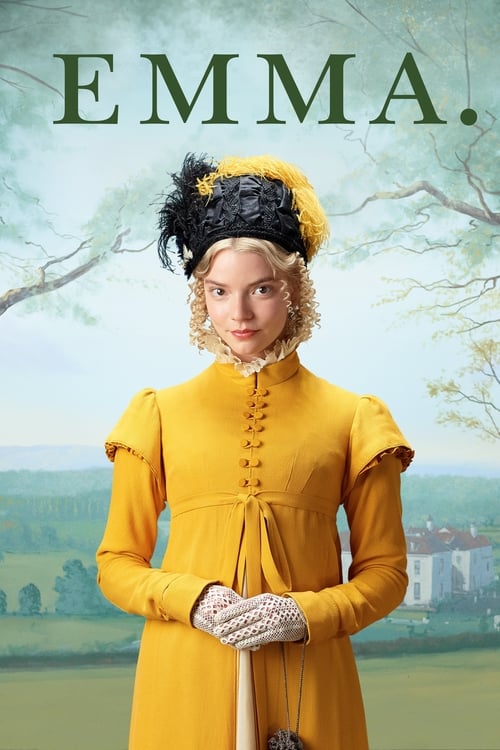
- 2020Autumn de Wilde's Emma brings a new visual language to the novel Emma.
- 2022Netflix Persuasion sparks a debate about what Austen adaptations owe the source Persuasion
Romance, Wit, and Pride and Prejudice
Every Version of Pride and Prejudice
Explore the Every Version of Pride and Prejudice guide →She is one of the handful of writers who seem to have understood what novels are for before anyone else had worked it out.Ian Watt, on Jane Austen