
Jimi Hendrix arrived in 1966 and made every guitarist before him sound like they were playing with mittens on. In three studio albums and barely four years of recording, he collapsed the distance between blues, funk, jazz, rock, and pure sonic sculpture. What a Hendrix fan loves is not nostalgia for the 1960s: it is the feeling of hearing a musician so far ahead of the room that the music sounds like it is still being invented while you listen. Feedback was his chord. Improvisation was his sentence structure. The through-line is expressive intensity: art that refuses to be polite.
Essential Jimi Hendrix
The records that define the canon, from the opening salvo to the unfinished masterpiece
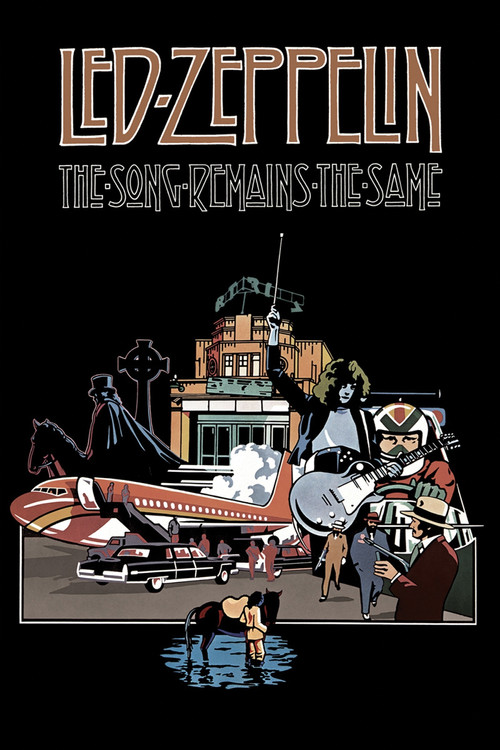
If You Love Hendrix: The Documentaries and Concert Films
The man himself, in motion, on the stage where it actually happened
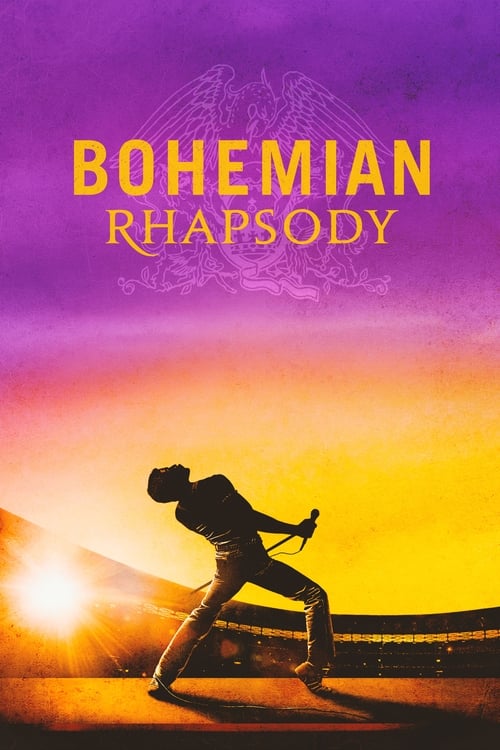
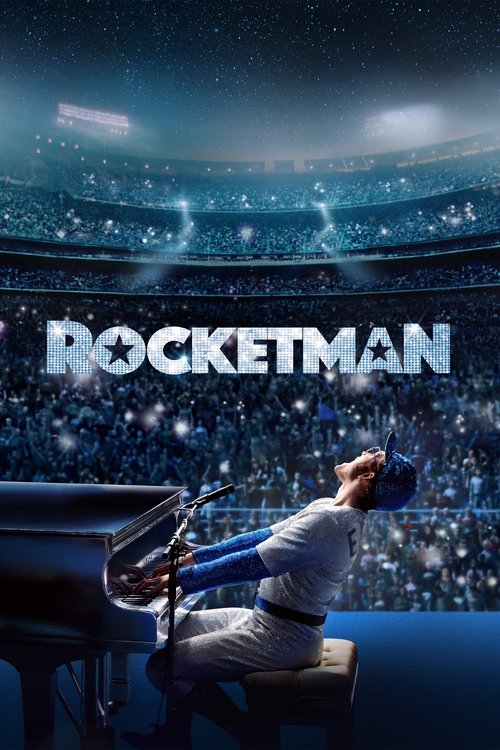
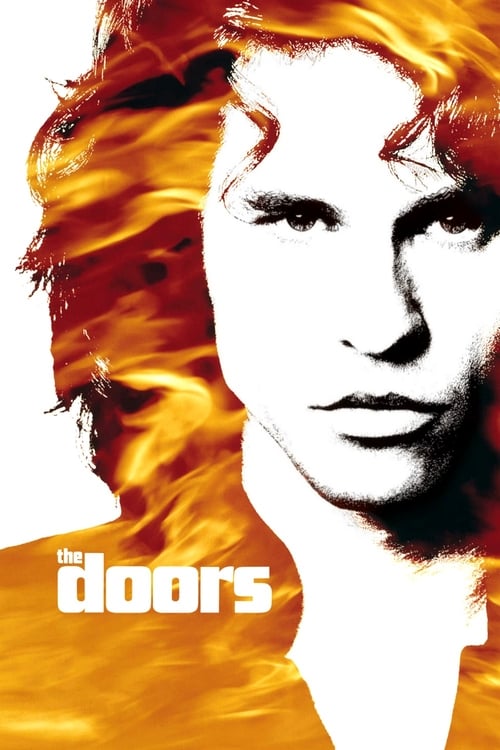
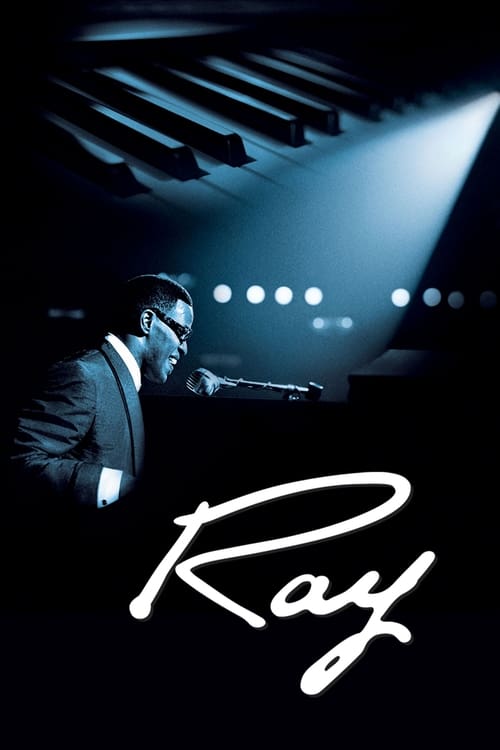
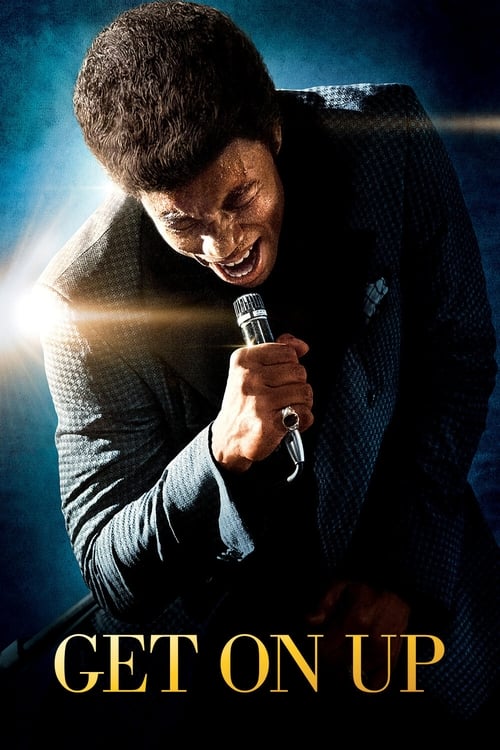
If You Love Hendrix: The Biopic and Drama
On screen portraits of rock genius, flame, and the price of the gift
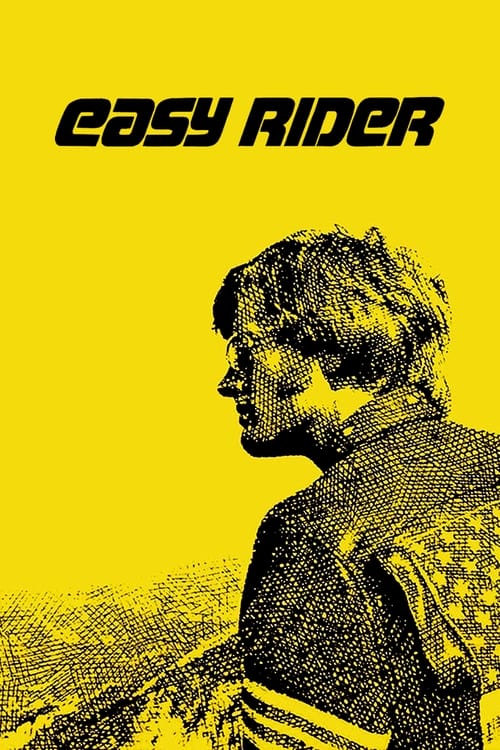
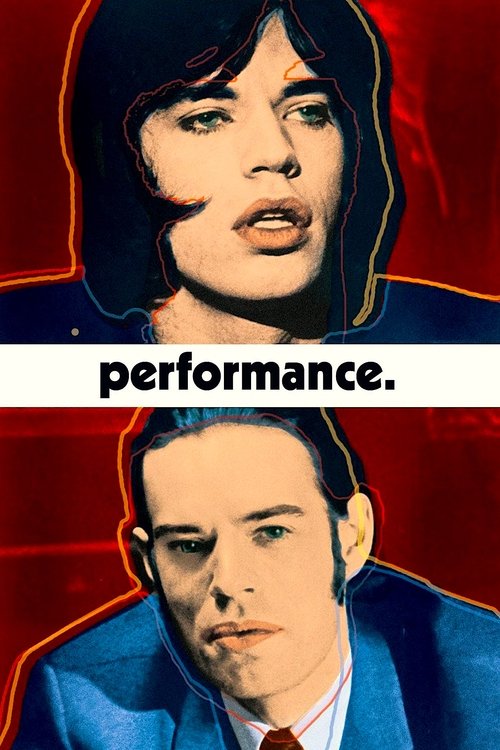
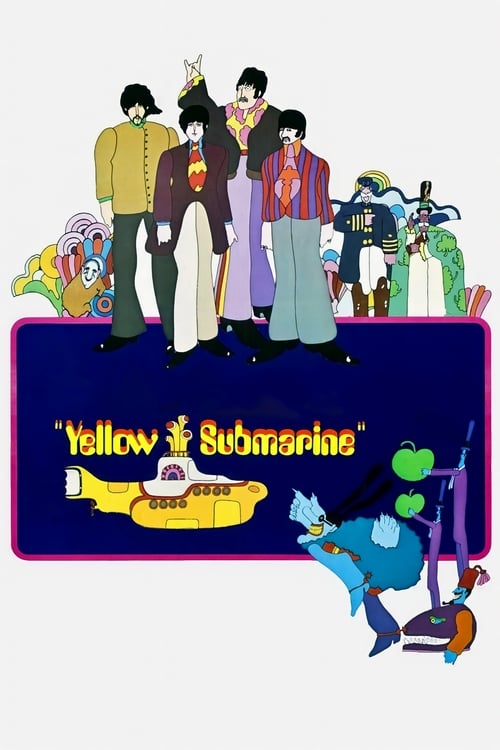
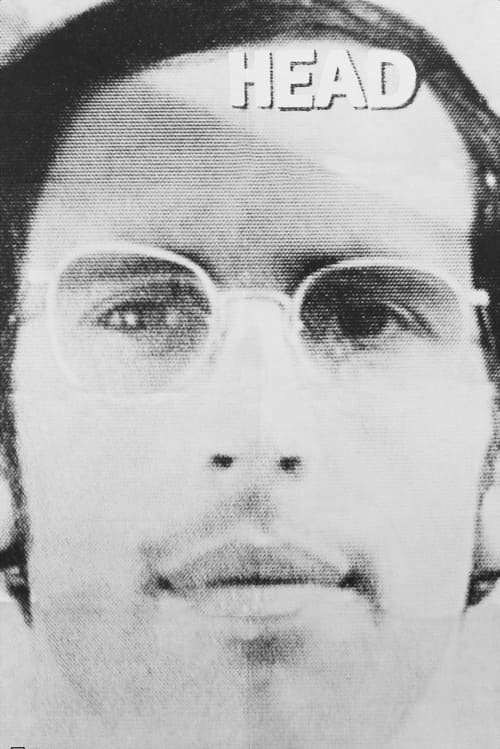
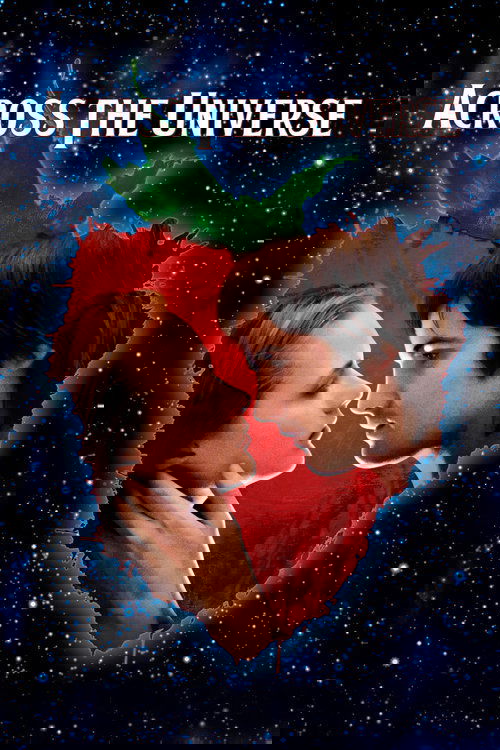
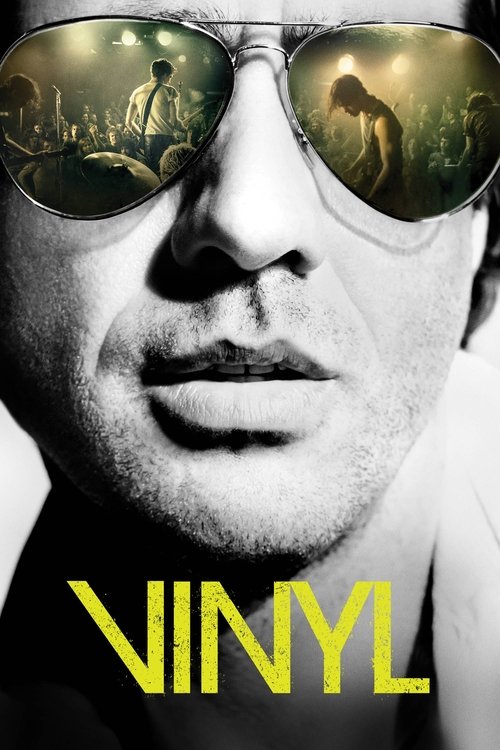
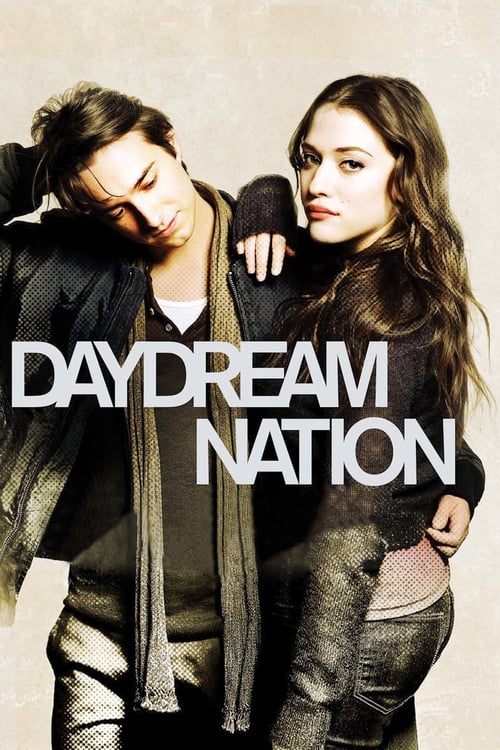
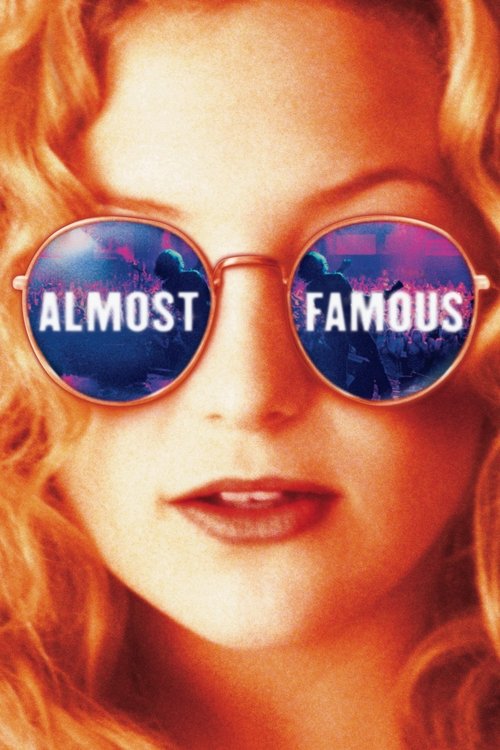
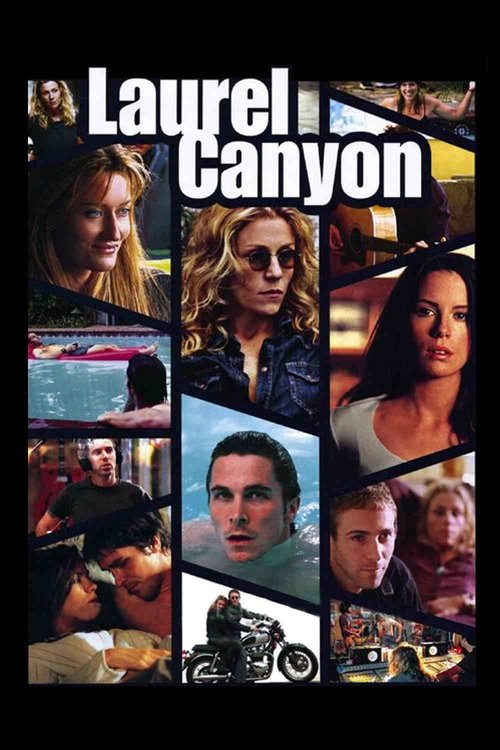
If You Love Hendrix: Psychedelia and the 60s on Screen
Films and series that live inside the same decade of color, chaos, and counter-culture
If You Love Hendrix: Music Games and the Guitar Fantasy
Games that put the six strings and the stage in your hands
If You Love Hendrix: The Books
Biographies, cultural histories, and fiction that live inside the same electric frequency


Electric Ladyland Is Still the Ceiling
Fifty-plus years on, the double album Jimi Hendrix released in 1968 has not been caught. It is a studio record that sounds like live improvisation, a blues document that sounds like science fiction, and a production experiment that anticipated what electronic music would spend decades trying to achieve. The 16-minute Voodoo Chile is a room full of musicians playing at the edge of what they know. That edge is the whole album.
The Concert Film Is the Closest We Get
Jimi Hendrix never released a proper live album in his lifetime that captured what the Experience sounded like at full power. That gap makes the concert documentaries essential documents, not supplementary viewing. Woodstock and Monterey Pop are not nostalgia objects: they are records of a musician operating at a level the recording technology of the time could barely hold.
Brutal Legend Gets It
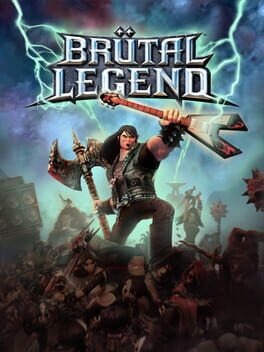
Most music games ask you to replicate existing songs. Brutal Legend asked what music culture would look like if it had its own geography, mythology, and war. The result is the only game that treats rock and roll as a worldview rather than a playlist. Hendrix is not in it, but the game lives in the same dimension he opened: the idea that electric guitar is a kind of magic, and that magic has stakes.
A Life in Sound
- 1942Born in Seattle, Washington
- 1961Joins the US Army; discharged 1962, moves to Nashville to play the chitlin circuit
- 1964Moves to New York, plays backup for the Isley Brothers and Little Richard
- 1966Chas Chandler discovers him in Greenwich Village; moves to London; forms the Jimi Hendrix Experience
- 1967Are You Experienced released; Monterey Pop performance Are You Experienced
- 1967Axis: Bold as Love released Axis: Bold as Love
- 1968Electric Ladyland released Electric Ladyland
- 1969Woodstock; closes the festival with the Star Spangled Banner Woodstock
- 1970Band of Gypsys live album recorded at Fillmore East Band of Gypsys
- 1970Isle of Wight Festival; dies in London, September 18
Psychedelic rock voltage
For Fans of Psychedelic Rock
Explore the For Fans of Psychedelic Rock guide →Music is my religion.Jimi Hendrix